Chinese New Year: Top chefs who stay true to their heritage
Five influential Chinese chefs reflect on how their roots shape their cooking philosophy
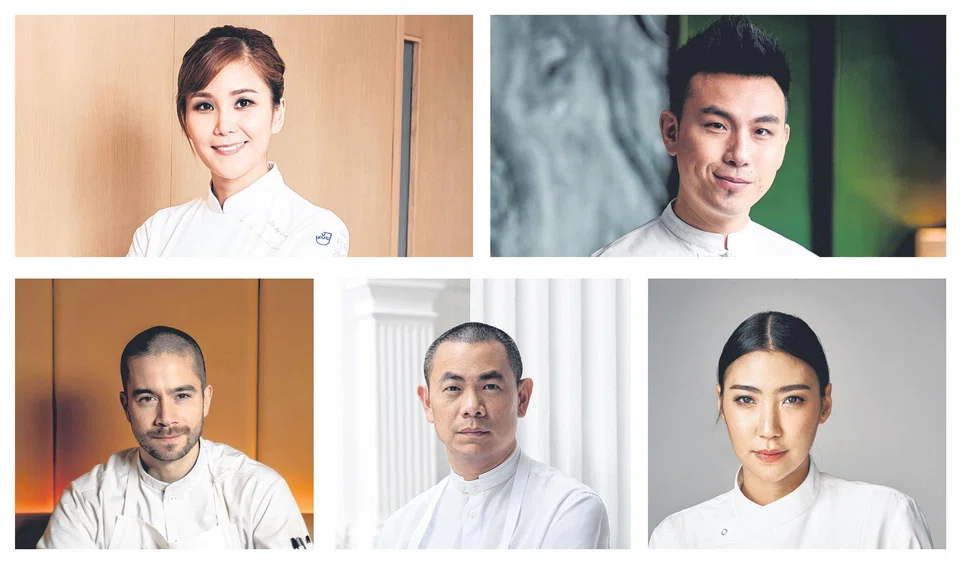
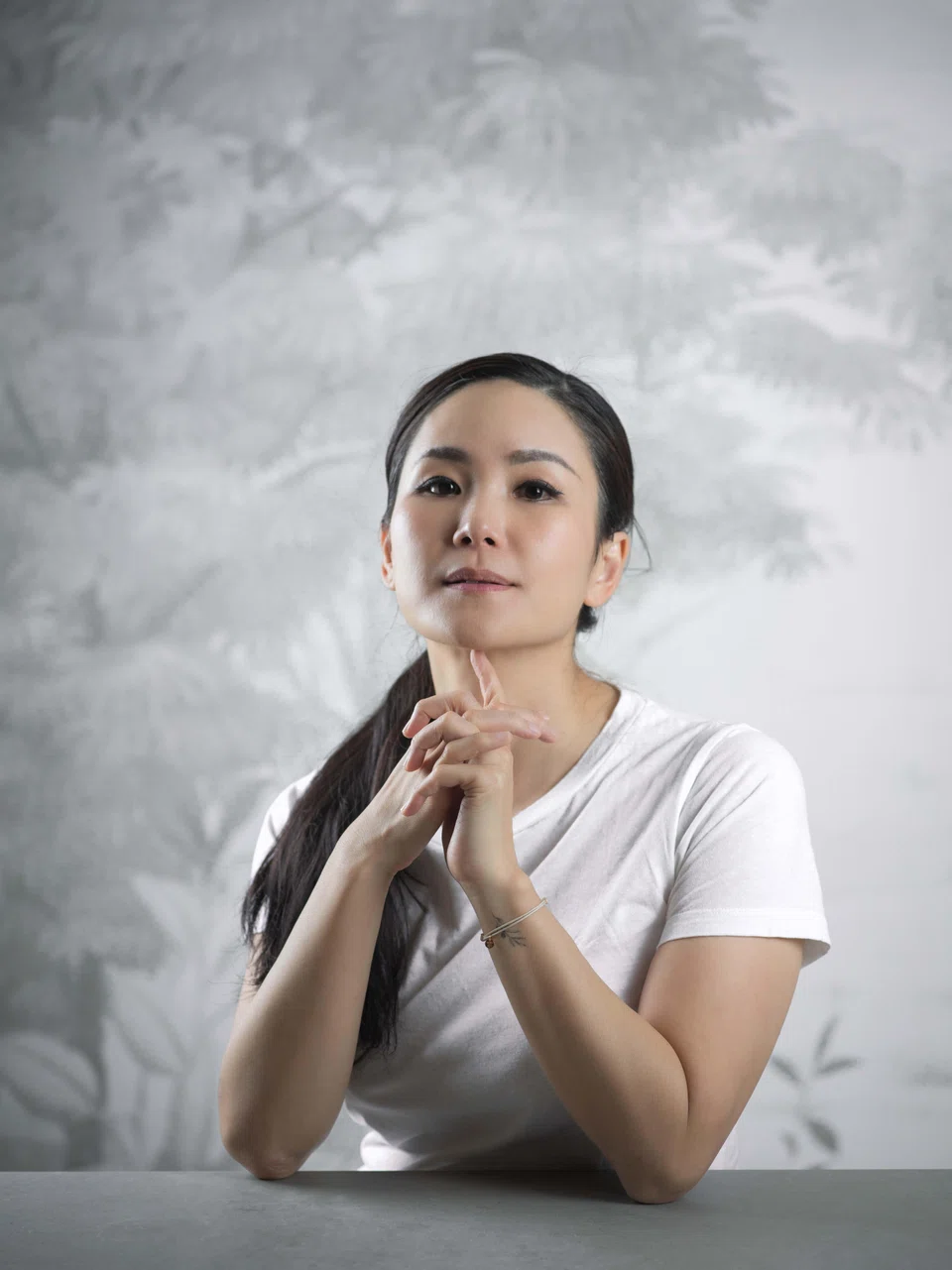
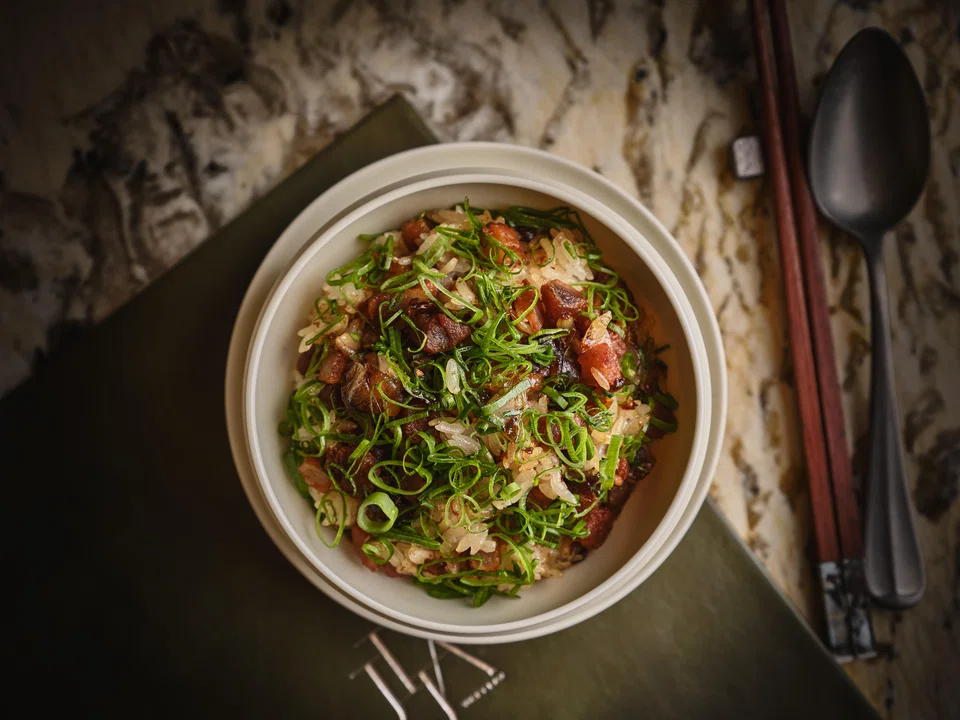
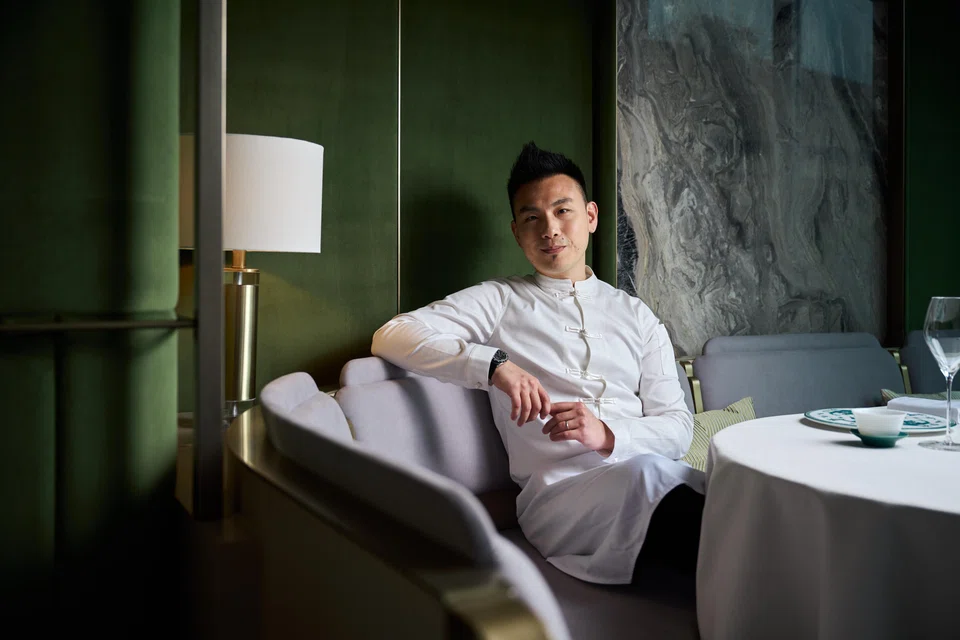
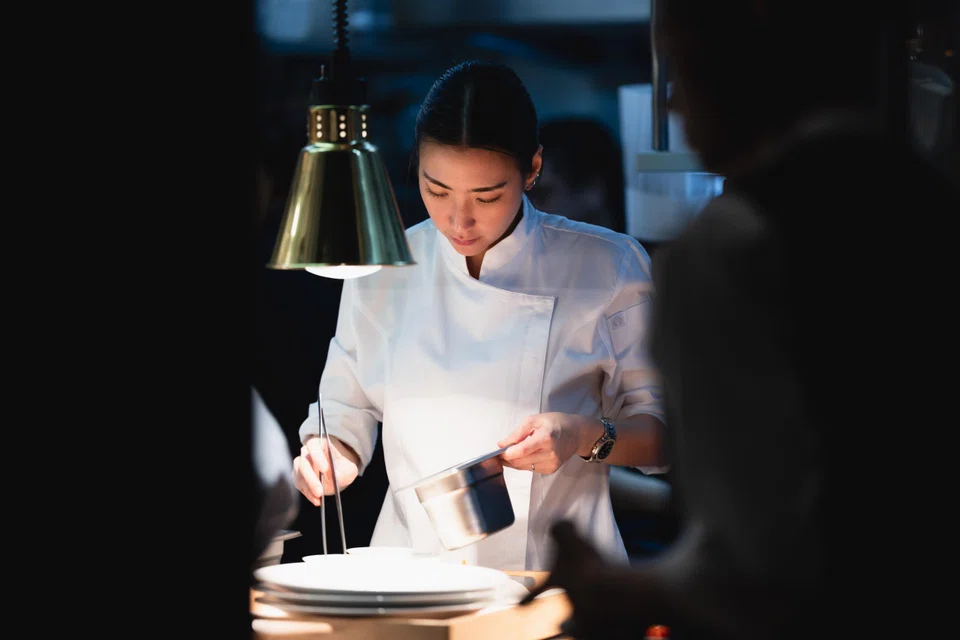
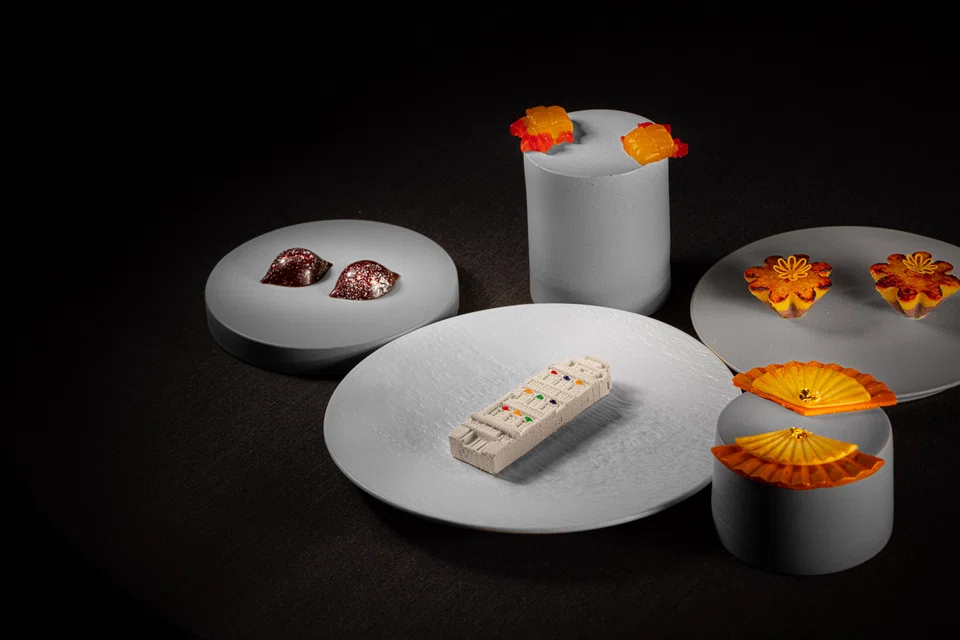
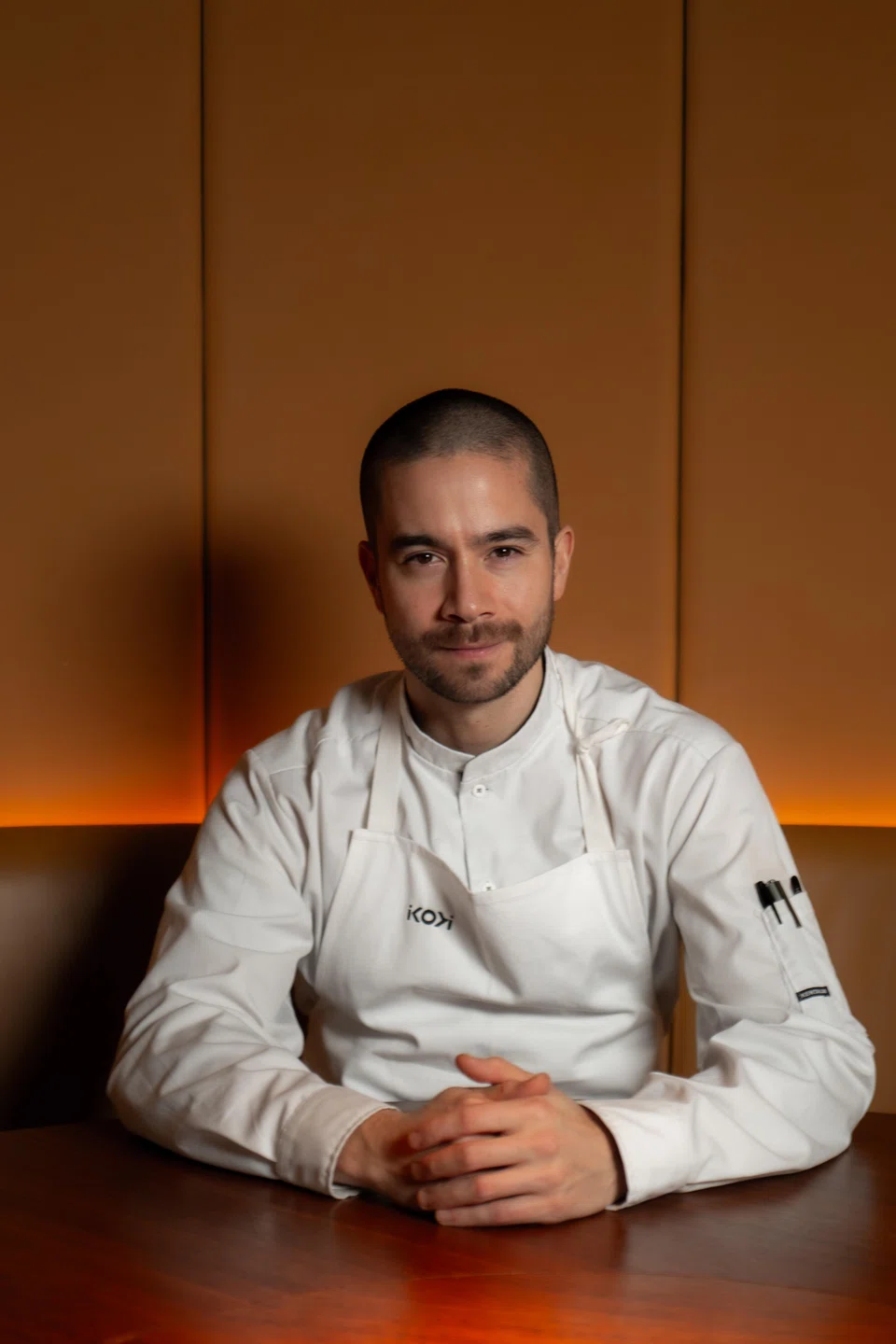
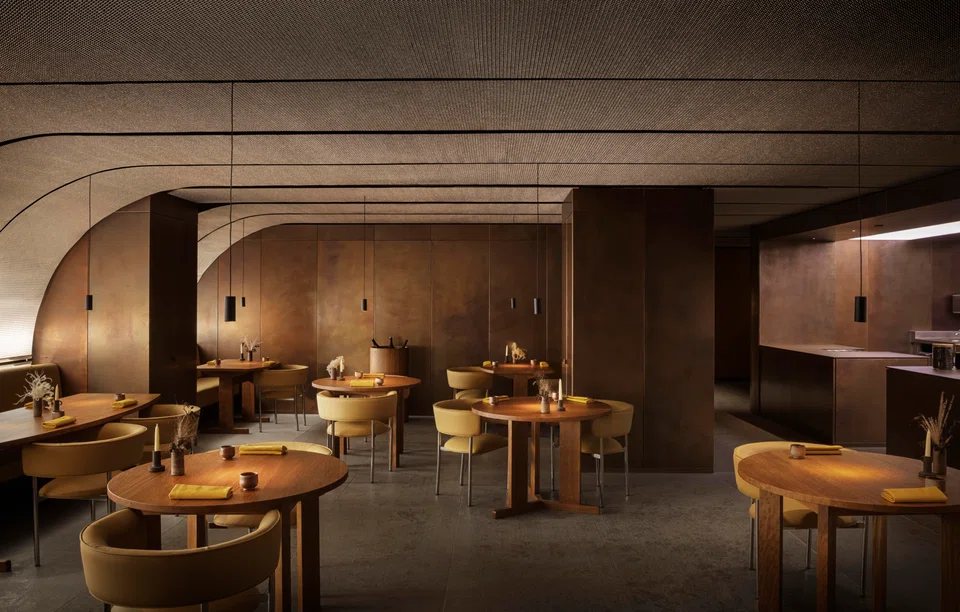
THEY are chefs at the top of their game – but it’s also safe to say that their fans are enamoured of their good looks, not just their cooking prowess. On the occasion of Chinese New Year, five of the hottest and influential Chinese chefs in Asia – and as far as London – share about their new projects while reflecting on heritage, family rituals and traditions that continue to influence their evolving cuisines.
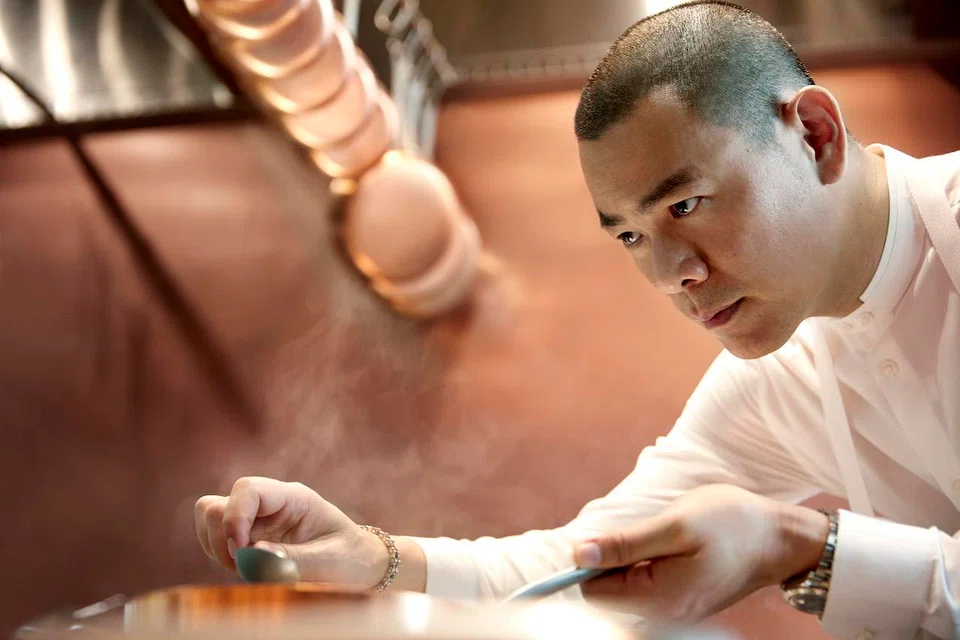
Andre Chiang, chef-patron of 1887, Raffles Hotel Singapore
Taiwanese chef Andre Chiang makes his much-anticipated comeback to the city-state with the new 1887 by Andre – opening at Raffles Hotel Singapore on Mar 31. Given the hotel’s history, the restaurant’s concept draws on French techniques, local heritage and multicultural influences.
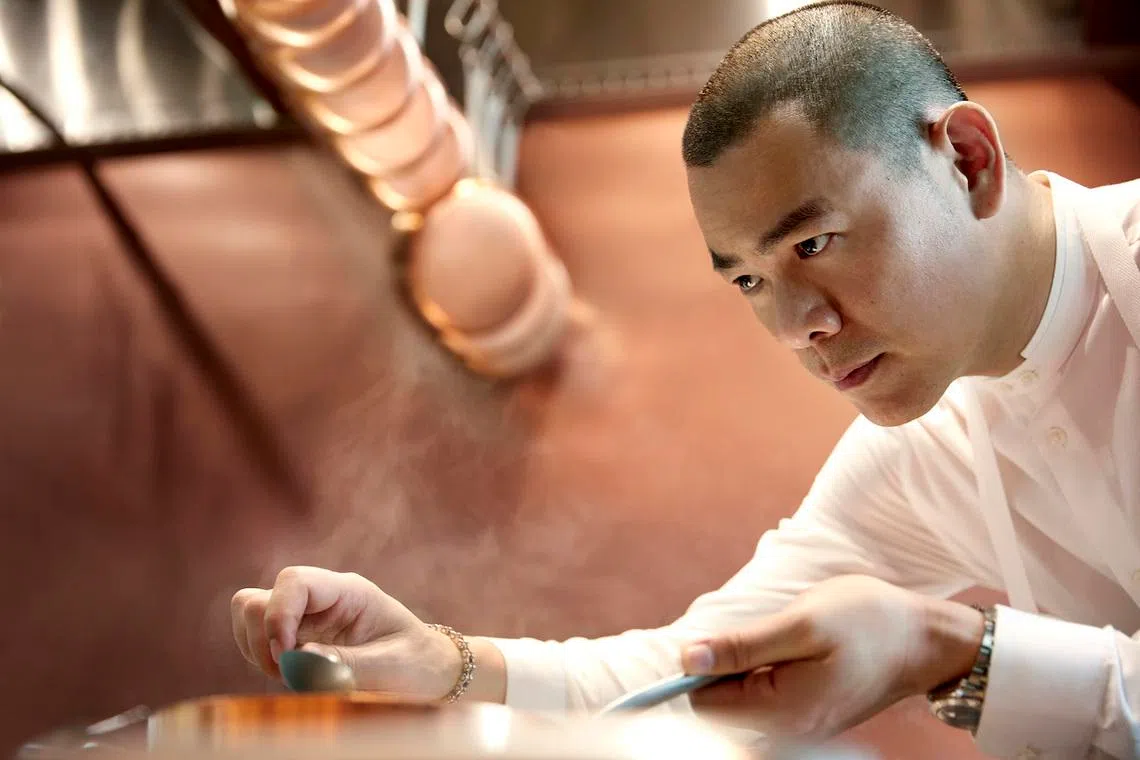
Details of the menu remain under wraps, but Chiang is clear about what underpins his approach today: research, documentation and respect for cultural context.
For him, identity is layered rather than fixed. “Sometimes I feel I am Taiwanese, Chinese, Singaporean – all at once. Yet only when we truly understand the culture, cuisine, and produce we inherit can we properly introduce ourselves to the world.”
While his outlook is global, Chiang’s culinary instincts remain rooted in childhood flavours. “I am Hokkien,” he notes. “The heritage dish that has influenced me most is popiah (spring roll) or what we call ‘chun juan’. This dish taught me not only how to appreciate good ingredients and flavours, but also the importance of not wasting food – using every part with respect.”
Chiang concedes that he used to underestimate certain Chinese culinary techniques. “Over time, I came to appreciate the patience, precision, and cultural knowledge behind them.” He cites processes such as soy sauce-making, tofu fermentation, and fruit enzyme vinegars.
He has also developed much respect for ingredient literacy. “For example, understanding more than 10 varieties of chicken and how each is best used, or recognising six to seven different egg yolk colours depending on what the chickens were fed, and their benefits.”
He is equally fascinated by Chinese desserts that balance savoury and sweet. For example, vegetables such as yam, taro, red beans, mung beans, corn and sweet potato are often used, alongside humble ingredients such as glutinous rice, algae, and salted egg. To Chiang, these practices reflect culinary wisdom beyond technique.
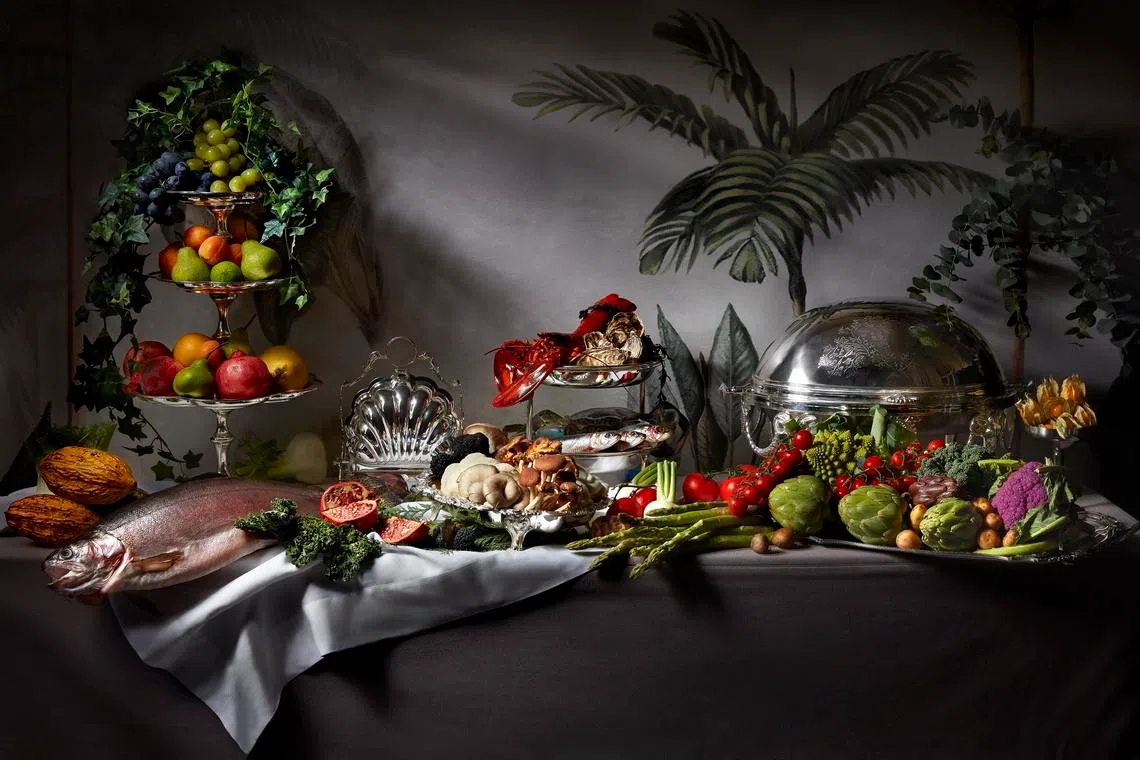
During festive periods, one ingredient stands out: dried seafood. “It is not just a technique – it represents Chinese culture, tradition, lifestyle, and even a form of ‘currency’ in the past,” he notes. For Chiang, it embodies “zero waste, preservation, umami, and flavour enhancement”.
SEE ALSO
Chinese New Year is deeply personal for the chef. “For my family, we are particularly fond of popiah, Buddha Jumps Over the Wall, and fish head hotpot.” These dishes may differ from household to household, but Chiang notes, “they represent our own memories and traditions”.
There are many forgotten Taiwanese festive recipes that he wishes were still available today. “Dishes like larou (Chinese cured pork belly) and han bing (traditional sweet pork cake) are no longer made at home, and it’s increasingly rare to find truly authentic versions today,” he reminisces.
As 1887 prepares to open, Chiang’s cooking offers a reminder that heritage endures not by standing still, but by adapting with intention.
Vicky Lau, chef-owner of Jija by Vicky Lau, Hong Kong
Vicky Lau recently opened Jija, a Chinese bistro inspired by Yunnan cuisine, at Kimpton Tsim Sha Tsui Hong Kong.
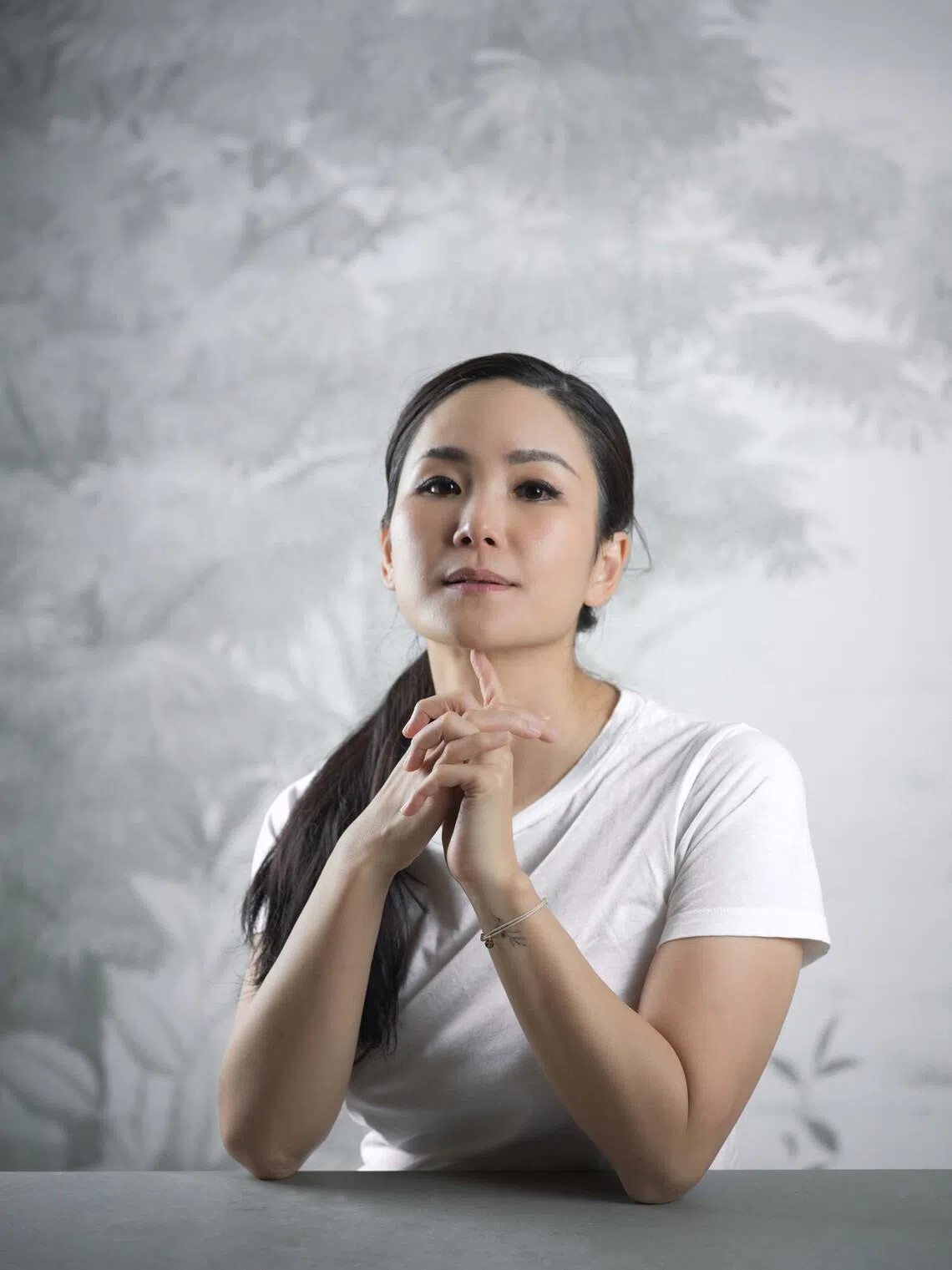
“While I’ve worked mostly with mixed-cuisine concepts before, this felt like the perfect opportunity to develop a Chinese bistro centred on Yunnan and Guizhou influences,” says the chef-owner of two-Michelin-starred Tate Dining Room and one-star Mora.
She’s particularly drawn to Yunnan’s instinctive cooking. “I’ve always loved how their cuisine is rooted in locality – using mushrooms, herbs and spices to create flavours that are honest and deeply layered.”
Behind the scenes, Lau resisted rigid definitions of a traditional Chinese kitchen. “Jija’s kitchen is very modern and versatile. We work with everything from Western cooktops and steamers to dry-ageing fridges, charcoal grills, and woks. Our goal isn’t to recreate classic Yunnan cuisine exactly as it is, but to reinterpret it through our own lens.”
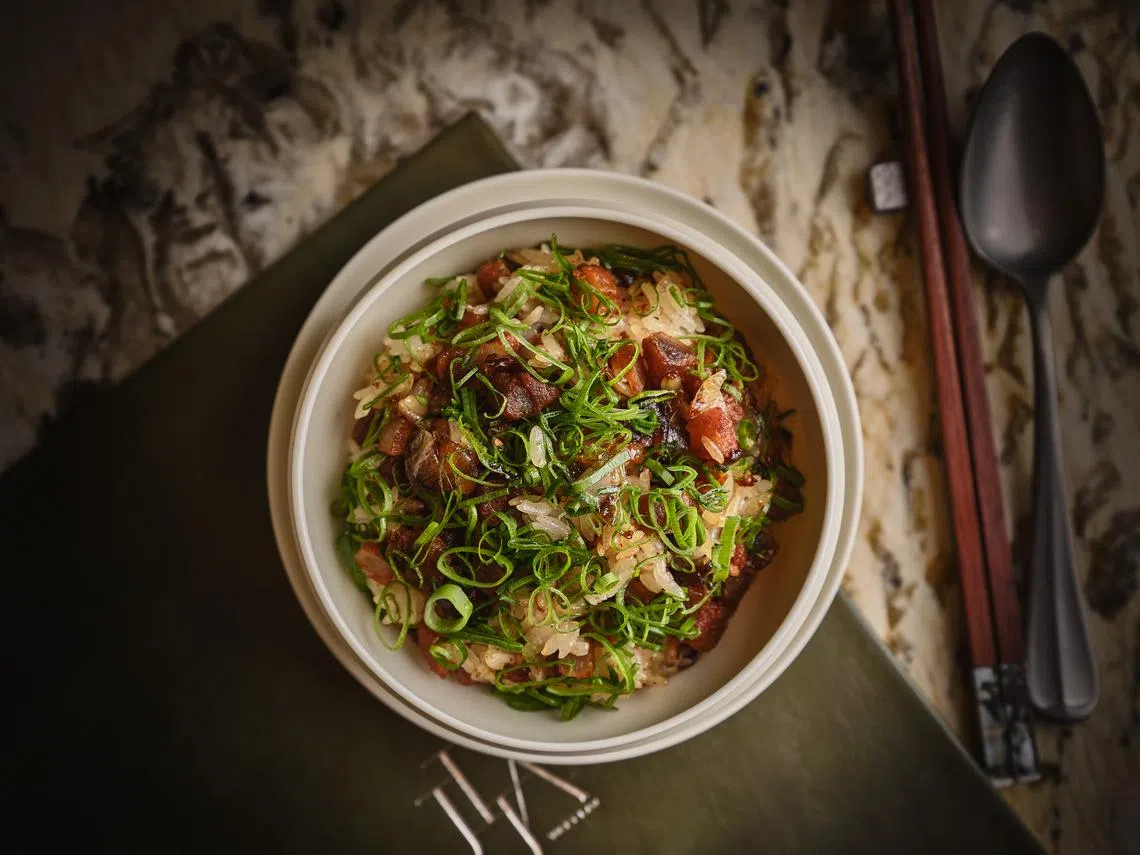
The process has been rewarding. “I feel incredibly lucky to have had the chance to truly explore the wok, to understand wok hei, and to dive deep into curing and fermentation. At Jija, we even have a fermentation wall where we make pickles, and that’s become a huge foundation of our flavour profile.”
Chinese New Year for Lau remains anchored in the family. They still try to gather for the festive season, even though it’s not always easy with demanding schedules. “My mum still keeps the tradition alive with the same hotpot and festive spread that I grew up with; it’s just slightly more Cantonese in style now, and maybe with fewer rice cakes than before,” she shares.
Those traditions were shaped early on. “I grew up living with my grandfather, who’s very traditional Chiu Chow. Chinese New Year was always a big celebration in our home; he loved hosting the whole family with an elaborate feast. Because so many relatives would visit, we always had a hot pot alongside a spread of traditional dishes like fat choi ho see (braised oysters with black moss), fried taro, sweet dumplings, and rice cakes from Shanghai, Cantonese, and Chiu Chow traditions.”
She remembers how, “On the first day of Chinese New Year, we would begin with a vegetarian meal, filled with the freshest vegetables and seaweed, to start the year on a clean, wholesome note.”
There are parallels between Lau’s upbringing and Jija’s culinary focus. “Both Yunnan and seafood-driven Chiu Chow cuisine share a deep respect for freshness and seasonality,” she notes. While the ingredients may differ, “both celebrate authenticity and balance”, often through acidity and brightness – whether from Yunnan’s fermented notes or the gentle tang of Chiu Chow marinades and dipping sauces.
That sensibility carries into Jija’s Chinese New Year menu, which features smoked tofu pumpkin and wild mushroom soup with Yunnan morels and nourishing Yunnan steam pot chicken soup.
In drawing connections between Yunnan and her own journey, Lau offers her version of Chinese cooking that evolves by listening more closely to tradition.
Chef Vicky Cheng, chef-founder of Wing and VEA, Hong Hong
In 2026, Vicky Cheng, most known for his “boundary-less Chinese cuisine”, will debut a new fine-dining concept at Capella at Galaxy Macau, introducing what he calls “Indulgent Nourishment Gastronomy”.
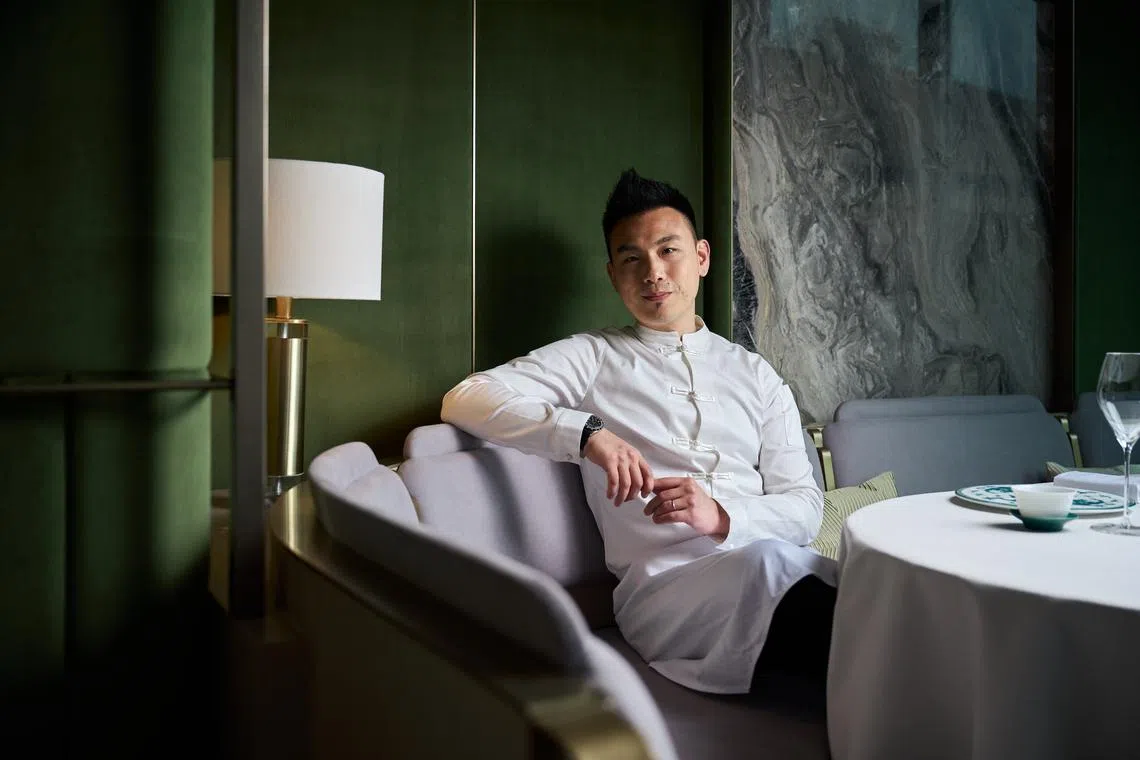
The yet-to-be-named restaurant continues Cheng’s long-standing dialogue between French technique and Chinese sensibility. His concept will focus on combining nourishing ingredients such as fish maw and Chinese herbal extracts with indulgent elements such as foie gras or pork belly. Spices, essential oils, herb oils and Chinese fermentation techniques will be used to enhance the flavours too.
Growing up in Canada and trained in Western kitchens, Cheng prioritises accessibility for his creations. “I understand that the acceptance of very classic Chinese cuisine can sometimes be intimidating. Certain key Chinese ingredients, like dried seafood, can be difficult to approach or digest,” he says.
That awareness shapes how he cooks in his restaurants – Wing (No 11 on The World’s 50 Best Restaurants 2025 list) and French-Chinese Michelin-starred VEA.
“If I want to cook the same dish in Europe or America – even bringing ingredients like fish maw or sea cucumber that are absolutely foreign to them – people will still enjoy it, as I adapt the flavours and textures to make them more approachable.”
For Hong Kong-born Cheng, modernisation is inevitable. “Rules are meant to be broken, traditions are meant to be made. What was considered authentic 100 years ago is not what it is now – our palate, climate and technology have all changed,” he adds.
Still, respect for tradition remains essential. “When I want to create a new dish, I always learn how to cook it in a traditional way before putting my own DNA into it.”
His palate is also shaped by family heritage. “Some of my restaurants’ dishes and ingredients take inspiration from my Shanghainese grandmother, my Chiu Chow father, and Cantonese flavours from Hong Kong.”
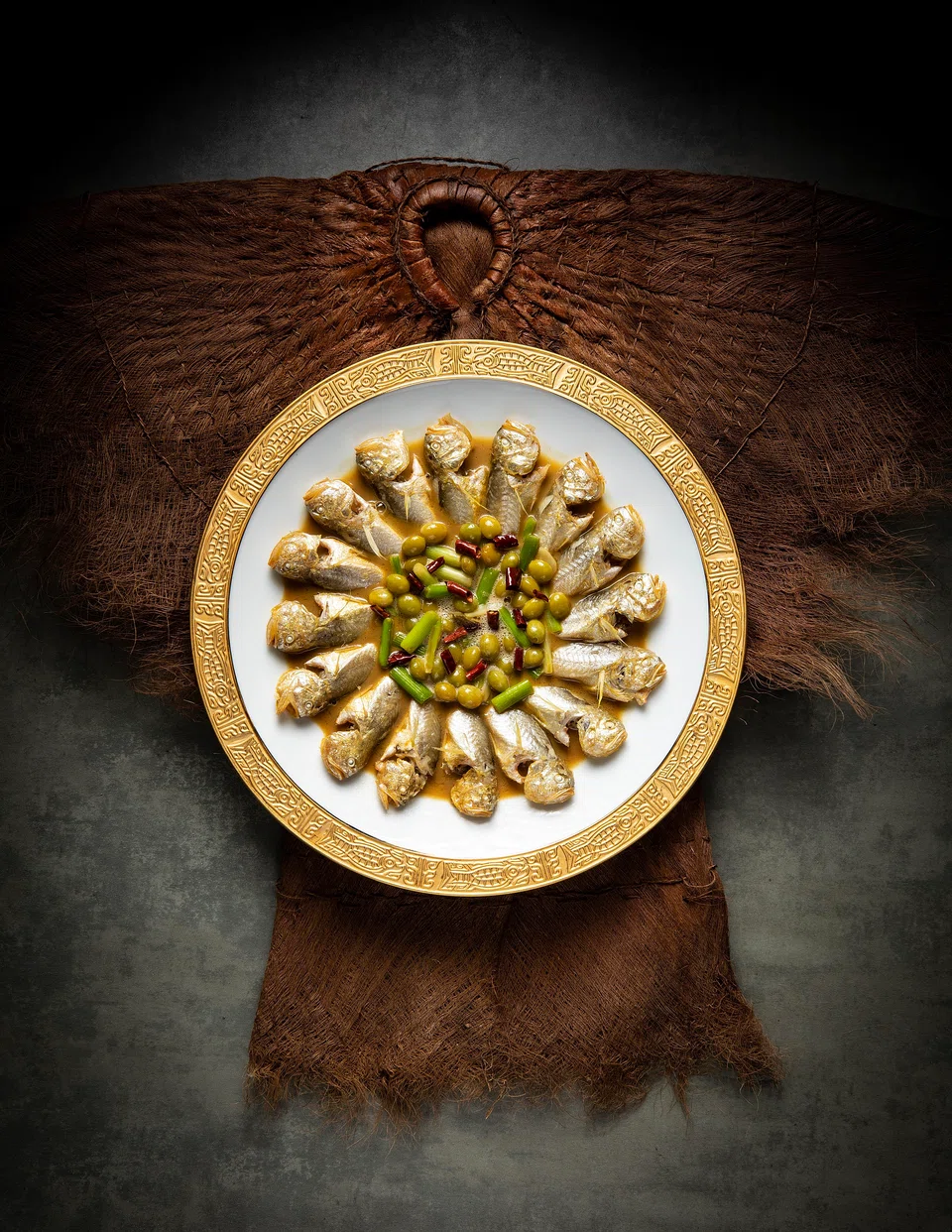
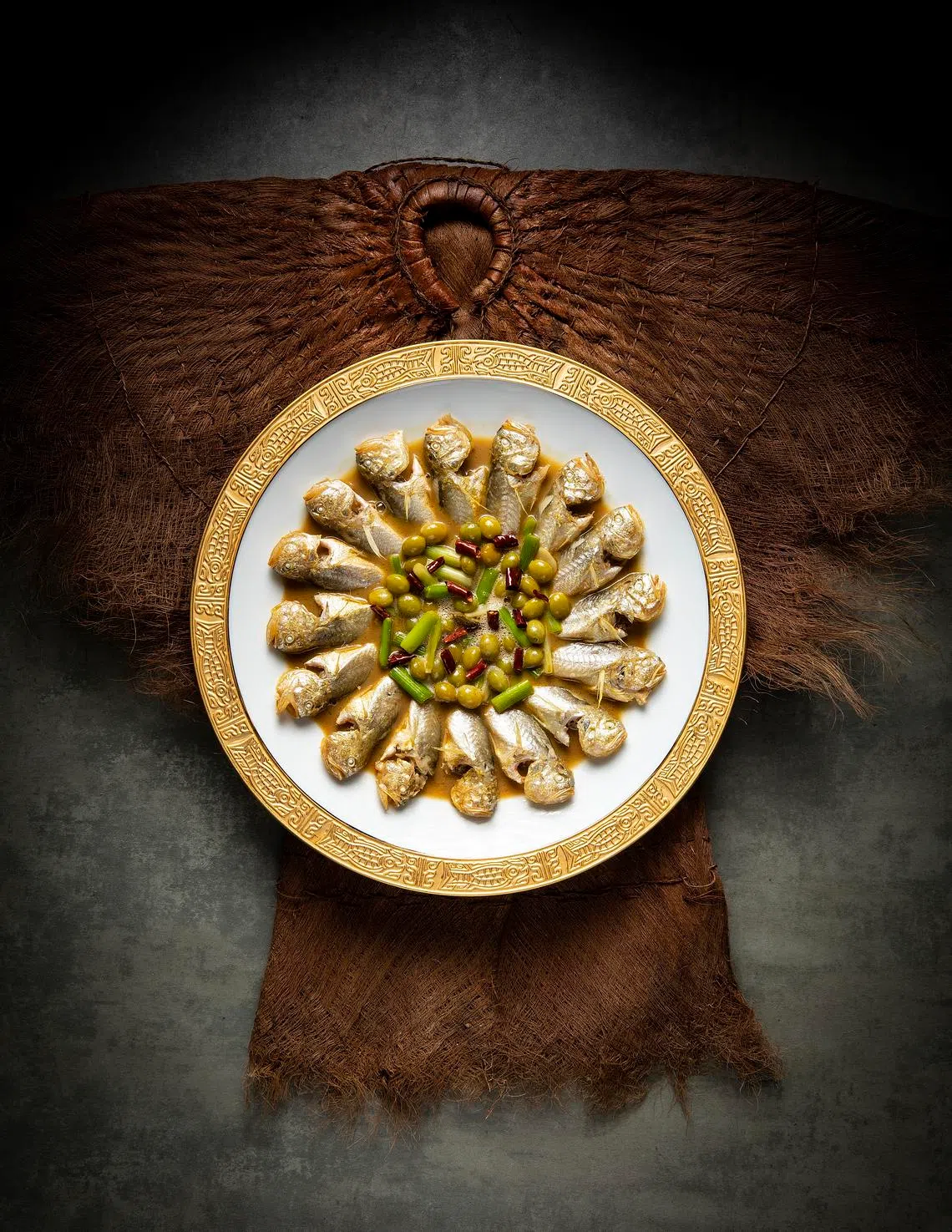
One example is Wing’s lion head croaker – a richly flavoured small fish with tiny bones. The speciality is inspired by his grandmother’s hometown in Shanghai.
Chinese New Year in Canada was defined by a family reunion dinner. “Even though we were far from Hong Kong, we still gathered with relatives to share a festive meal,” he says, recalling family recipes such as spring rolls and braised pork balls. These days, an auspicious spread at home includes fish maw, dried oysters with fat choy, and a whole steamed fish.
For festive ingredients, the chef has a particular appreciation for dried seafood, especially fish maw. “Exploring and cooking these ingredients is endlessly intriguing, because each species brings its own nutritional profile. And in traditional Chinese practice, unique medicinal associations,” he notes.
Pam Pichaya Soontornyanakij, chef-owner of Potong, Bangkok
Bangkok’s one-Michelin-starred Potong will undergo a major renovation from May to June this year. “We’ve been planning and taking time to design (the restaurant) properly so it supports the experience and the team of 90 for the long term,” says chef-owner Pam Pichaya Soontornyanakij. The revamp will also include upgraded walk-in control temperature storage and a larger wine cellar.
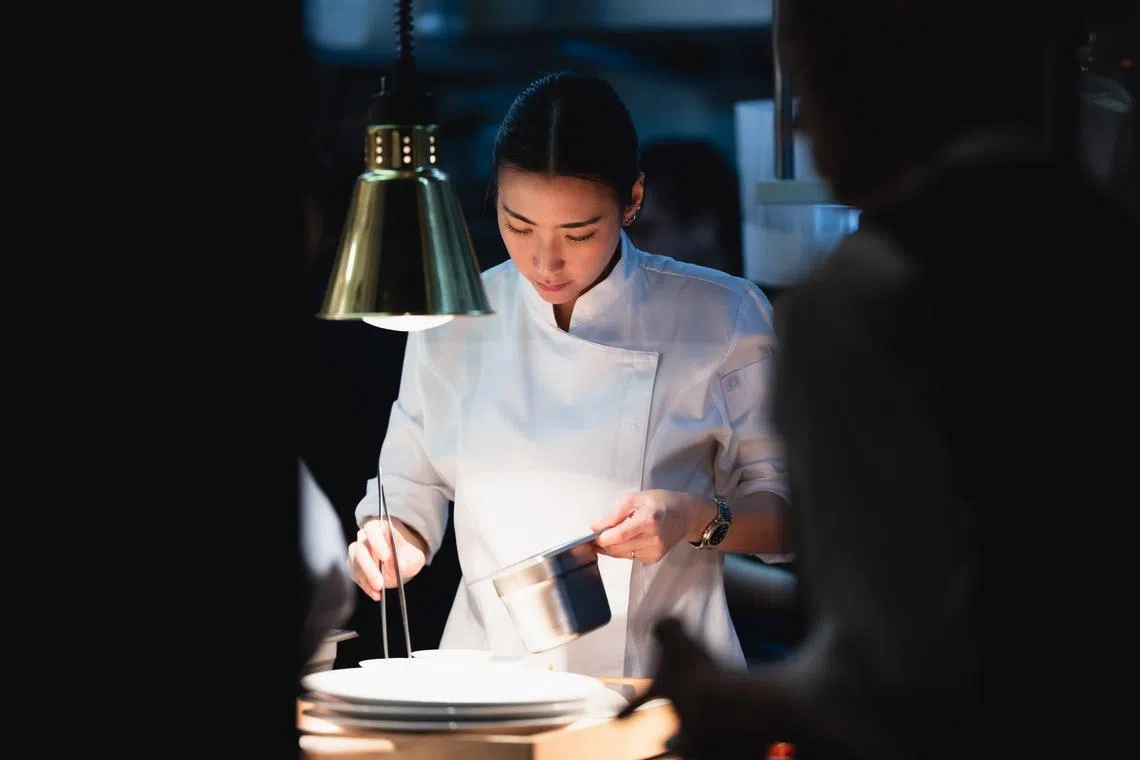
Located in Yaowarat, Bangkok’s Chinatown, Potong occupies a 120-year-old heritage building that once housed the family’s traditional Chinese medicine business. The restaurant is known for its “progressive Thai-Chinese cuisine”, a term that reflects both Pam’s personal history and culinary evolution.
For her, Thai-Chinese cuisine is not something niche; it’s the food many Thais grow up with. “It’s everywhere in Thailand – dishes shaped by Chinese techniques, but rooted in Thai flavours.”
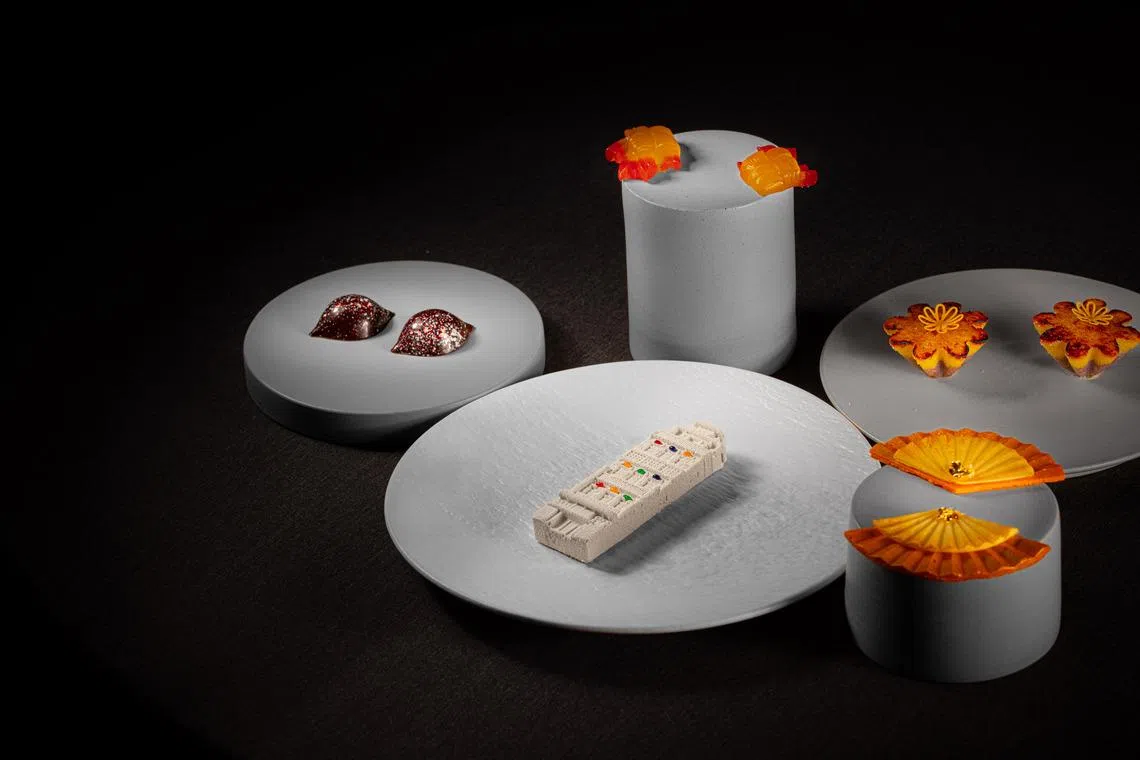
Pam’s approach involves revisiting familiar foundations with greater precision and intention. “It’s also deeply personal, because I am Thai-Chinese myself. I grew up eating these dishes, and I want to translate those memories into new creations that still feel emotionally true.”
Some techniques revealed their rigour only with experience. “When I was younger, I underestimated how demanding ‘simple’ Chinese techniques really are – especially steaming, clear broths, braising and precise knife work. They look straightforward, but the discipline is intense because there’s nowhere to hide.”
Childhood flavours are a constant reference point. “The flavours I grew up with are Thai-Chinese comfort flavours: peppery broths, soy-based depth, gentle sweetness, and that wok aroma that makes everything feel alive.” Those memories resurface subtly in her cooking.
Chinese New Year, for Pam, is ultimately about togetherness. Raised in a Teochew household, she says, “The table is always full of dishes meant for sharing – simple, comforting, but layered with meaning.” What she remembers most is “the feeling of everyone gathering, and how food becomes the language of care”.
Jeremy Chan, co-founder and head chef of Ikoyi, London
Chinese-Canadian chef Jeremy Chan is best known for Ikoyi’s boundary-pushing cuisine. Anchoring the menu is British produce, bound by bold heat and spices from Africa and Asia. The restaurant currently holds two Michelin stars and is ranked No 15 on The World’s 50 Best Restaurants list.
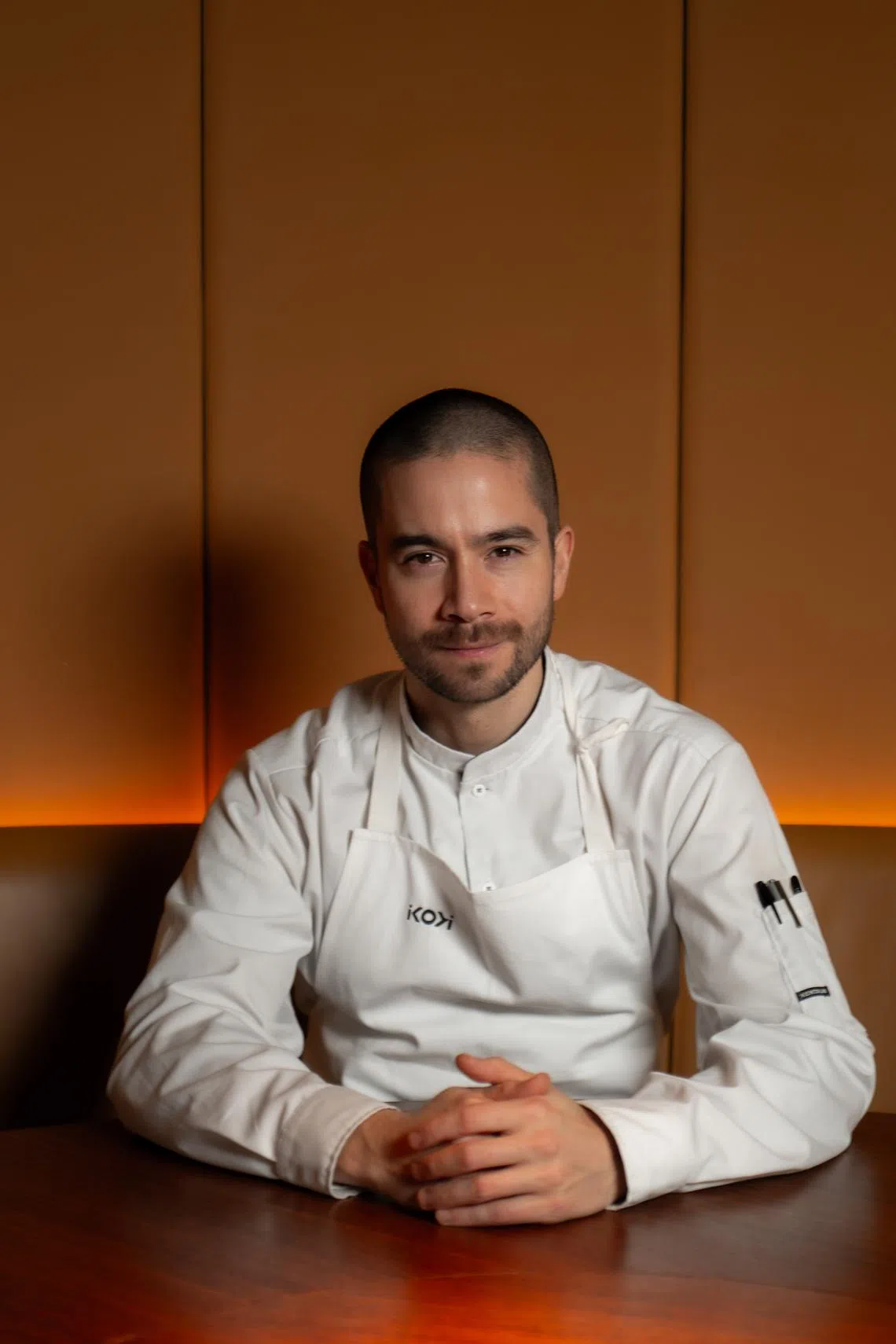
Often described as Britain’s most creative chef, Chan’s path into the kitchen was anything but conventional. Born in England and raised in Hong Kong, his early ambitions leaned towards academia, not gastronomy. He studied philosophy and languages at Princeton University before returning to Europe to work in finance for two years. Cooking came later, shaped through experience, including time at Noma and Hibiscus. In 2017, he co-founded Ikoyi with childhood friend Ire Hassan-Odukale.
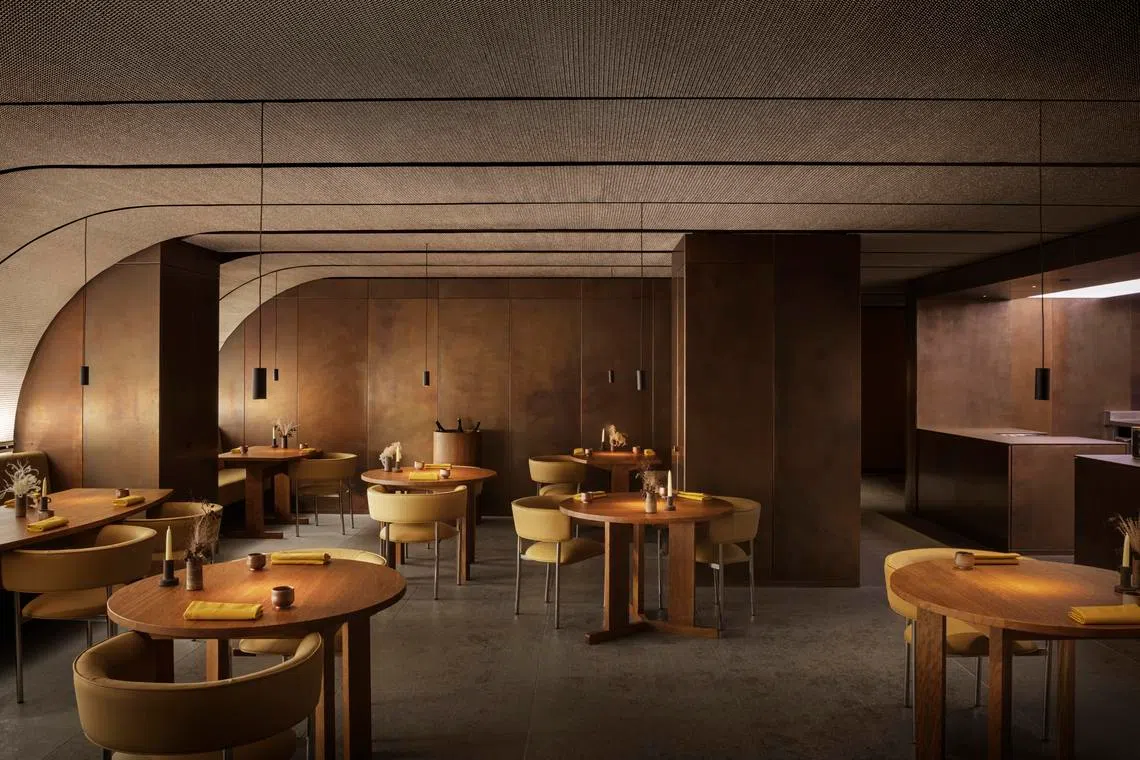
Although Chan doesn’t have formal Chinese culinary training, he does employ certain cooking techniques. “The use of fermentation, fermented bean sauces, the creation of chilli oils, and, of course, wok hei is something I use a lot in my cooking,” he says.
Rather than relying on a wok, he has developed his own interpretation. “I create my own version of wok hei in the form of a paste made from ginger, garlic, and spring onion, which I smoke. I use it in many of my recipes.”
Certain ingredients discovered during his years in Hong Kong left a lasting impression. He loves dried scallops for their deep flavour, as well as dried mushrooms and Chinese sausage. “I think Cantonese cuisine has a lot of influence on how I cook.”
His Chinese New Year memories in Hong Kong, however, are more impressionistic. “Growing up in Hong Kong, we did cook at home. But my mum is Canadian, so we didn’t do a lot of Chinese cooking at home,” he recalls. What stayed with him were moments rather than meals. “I do remember long dim sum lunches with my family. As a child, I was fascinated with chicken feet and jellyfish.”
Today, when cravings strike, Chan gravitates towards familiar spots. “I like to go to Royal China, Imperial Treasure, and smaller dim sum places in Chinatown.” After service, those meals become communal. “Sometimes I go with my team for dumplings at Dumpling Legend.”
Aside from crafting personal cuisine at Ikoyi, Chan will launch a new project, Magma Concepts, with details to be unveiled at the end of February.
Decoding Asia newsletter: your guide to navigating Asia in a new global order. Sign up here to get Decoding Asia newsletter. Delivered to your inbox. Free.
Share with us your feedback on BT's products and services