Cooking a grandfather’s story at Gilmore & Damian D’Silva
Singapore’s culinary historian serves up family history at his new National Gallery restaurant
NEW RESTAURANT
Gilmore & Damian D’Silva #01-02/03 National Gallery 1 St Andrew’s Road Singapore 178957 Tel: 9710 0237 Open for lunch and dinner Wed to Sun: 11.30 am to 3 pm; 6 pm to 10 pm. High tea on Sat and Sun: 3 pm to 6 pm.
[SINGAPORE] They sure don’t make grandpas like they used to. Imagine 50 years from now, when retired Gen Zs bounce their grand-offspring on their knees and tell them stories of… of… hang on. Gramps needs to ask ChatGPT.
When it comes to grandfather stories, Damian D’Silva is full of them. And now, Singapore’s best-known culinary historian is in his element – recreating his beloved Pop’s life story in a form you can both see and taste.
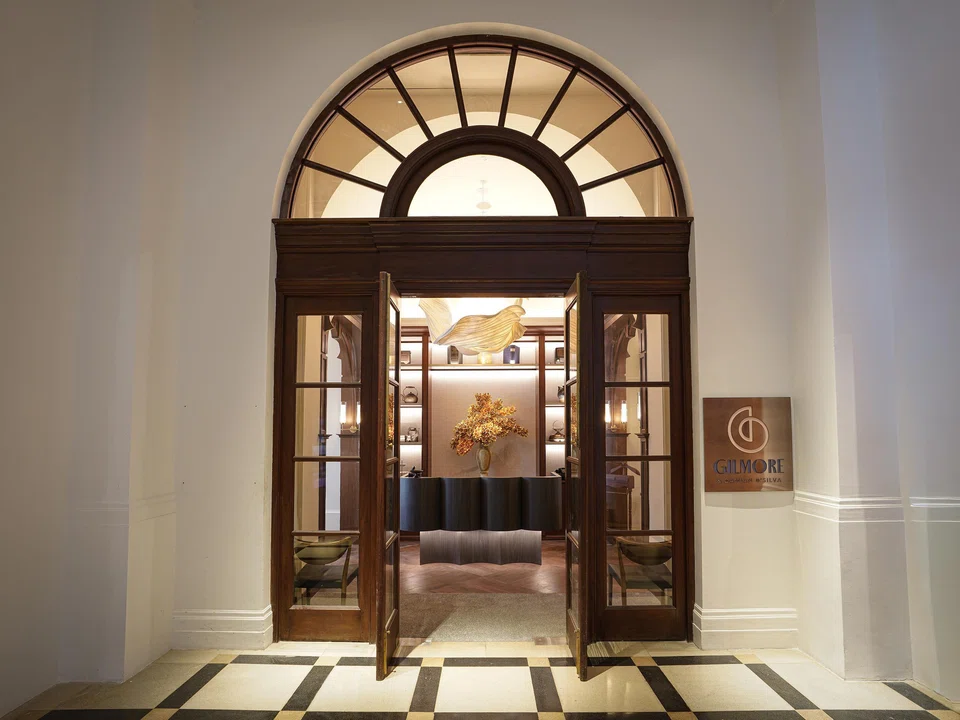
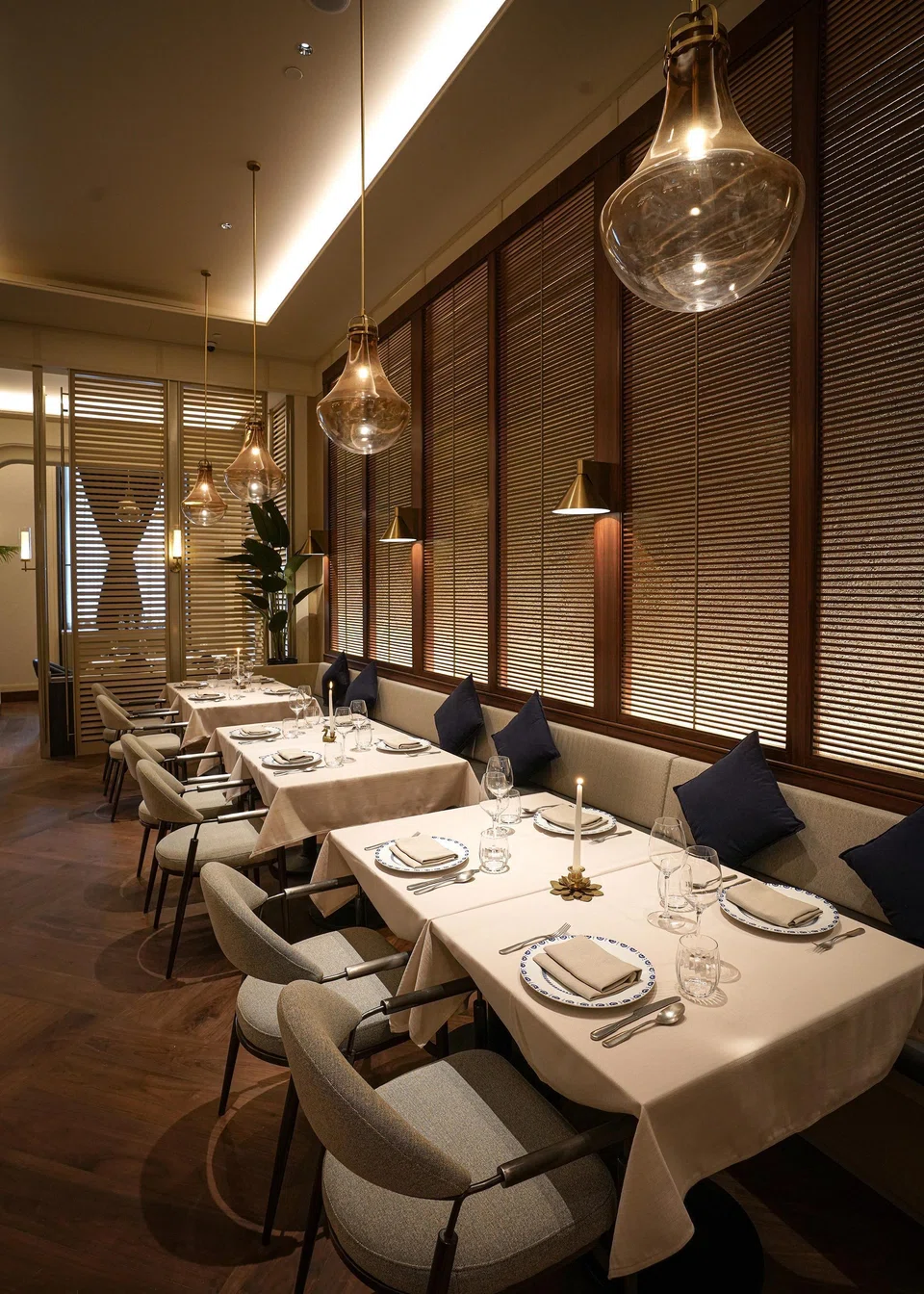
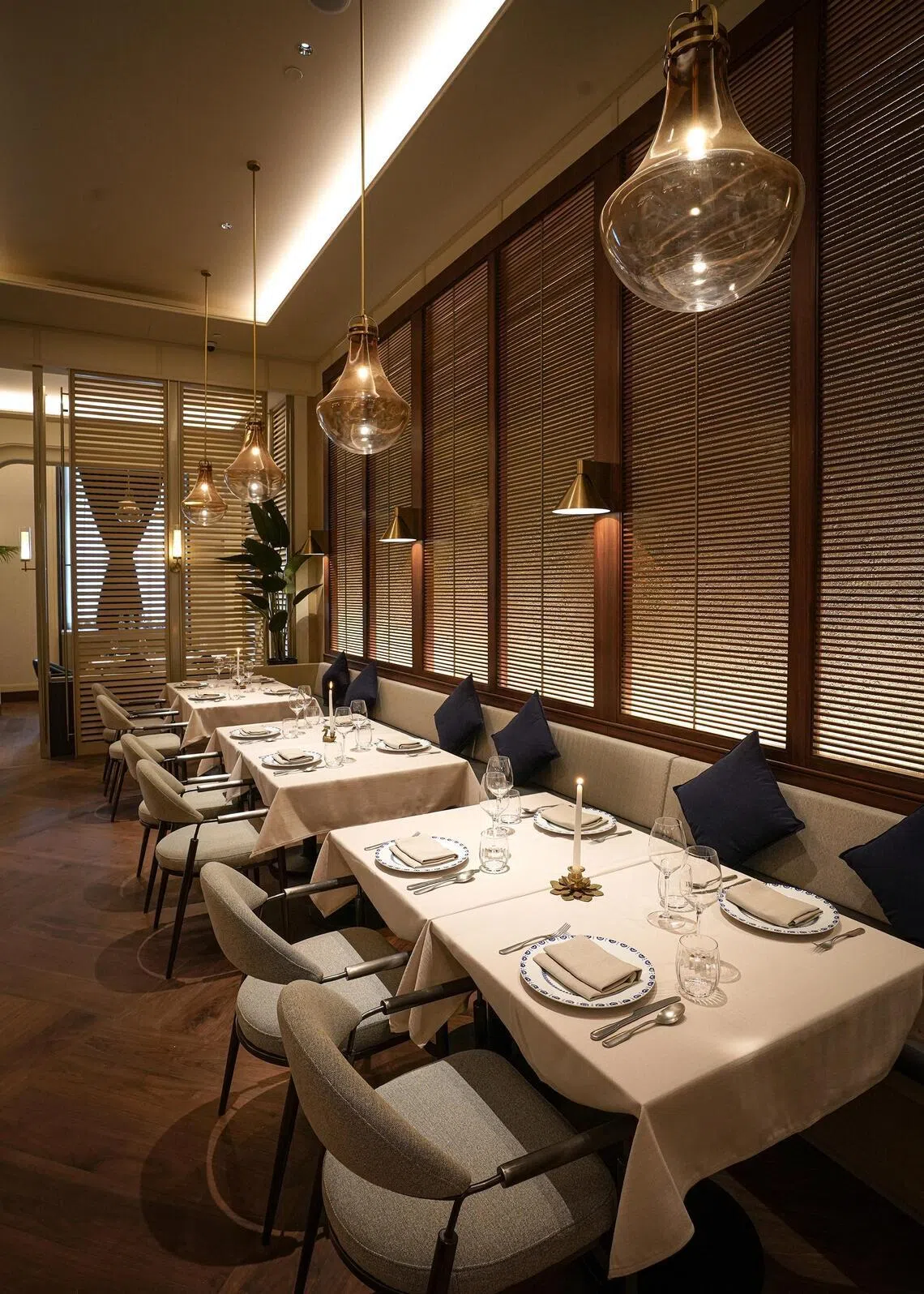
The restaurant Gilmore & Damian D’Silva is a family act in more ways than one. Old photos and bric-a-brac in its National Gallery dining room date back to when Gilmore D’Silva walked the halls of the former Supreme Court as its caretaker from 1939 to 1960.
The dishes brought to your table are the same that the prolific self-taught cook fed his young grandson – resurrected not by recipes but by the adult Damian’s impeccable taste memory.
While we don’t know what we ate yesterday, D’Silva can CSI specific weights and ingredients just from cryptic “20 cents onions/more garlic” scrapbook notes written umpteenth decades ago.
The payoff? A painstakingly curated and deeply personal food journey back in time – with D’Silva as your tour guide. It’s also the most emotionally invested he has been out of all the restaurant ventures he’s had over the years.
Now – the big question is: This is his grandfather’s story. Can he make it yours too?
Armed with our own back stories and food memories, the response to Gilmore’s food is likely to range from intellectual curiosity to “adopt me please”. Non-Eurasians will lament the absence of curry debal or feng from their festive menus. Those who’ve been Chinese for some generations may wonder why their grandparents never mentioned eating prawn macaroni toast at wedding receptions in the 50s. And the culturally fluid might be more fascinated with cowdang – a Kristang prawn dish with a name that might offend any cattle self-conscious about their digestive issues.
So, if you’re not like D’Silva – who can claim Eurasian, Peranakan, Chinese, Vietnamese and any other heritage his DNA can manage – not every dish will resonate. But the thrill is in the discovery, so check your preconceived notions at the door.
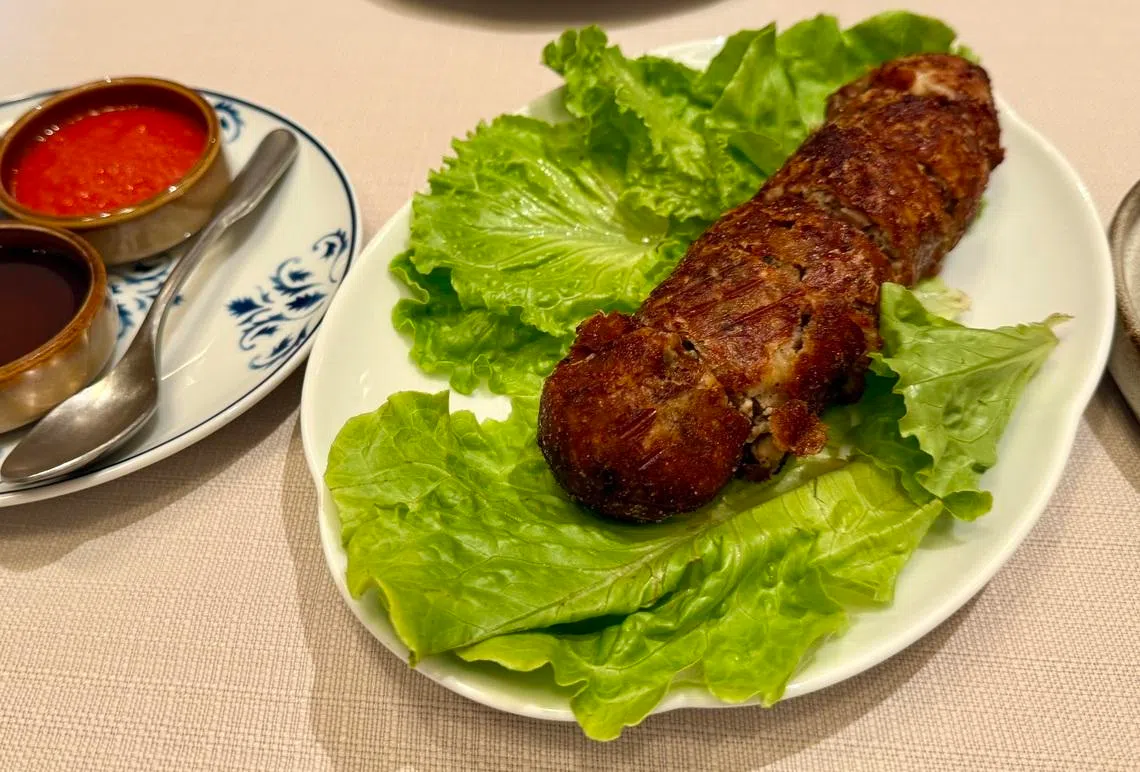
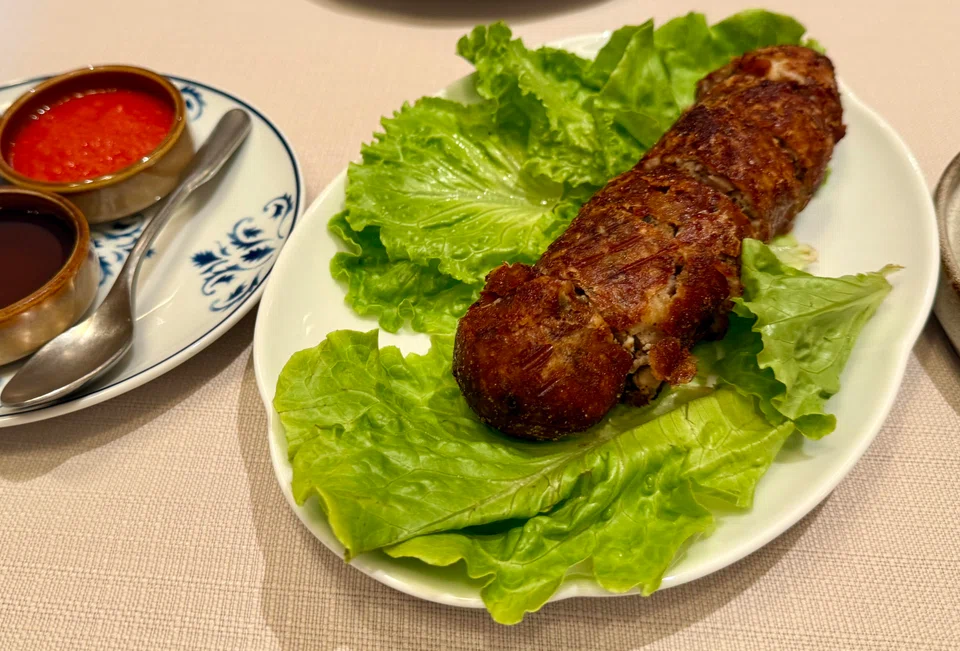
The menu is thoughtfully self-explanatory, with a quick background summary of every dish. Ngoh hiang (S$16) may be ubiquitous but here it’s correctly wrapped in caul fat instead of beancurd skin. It’s stuffed with a five spice-infused mix of pork, crab, water chestnuts, yam and a pronounced presence of liver that somehow gives it more Teochew uncle credibility than its dime-a-dozen counterparts.
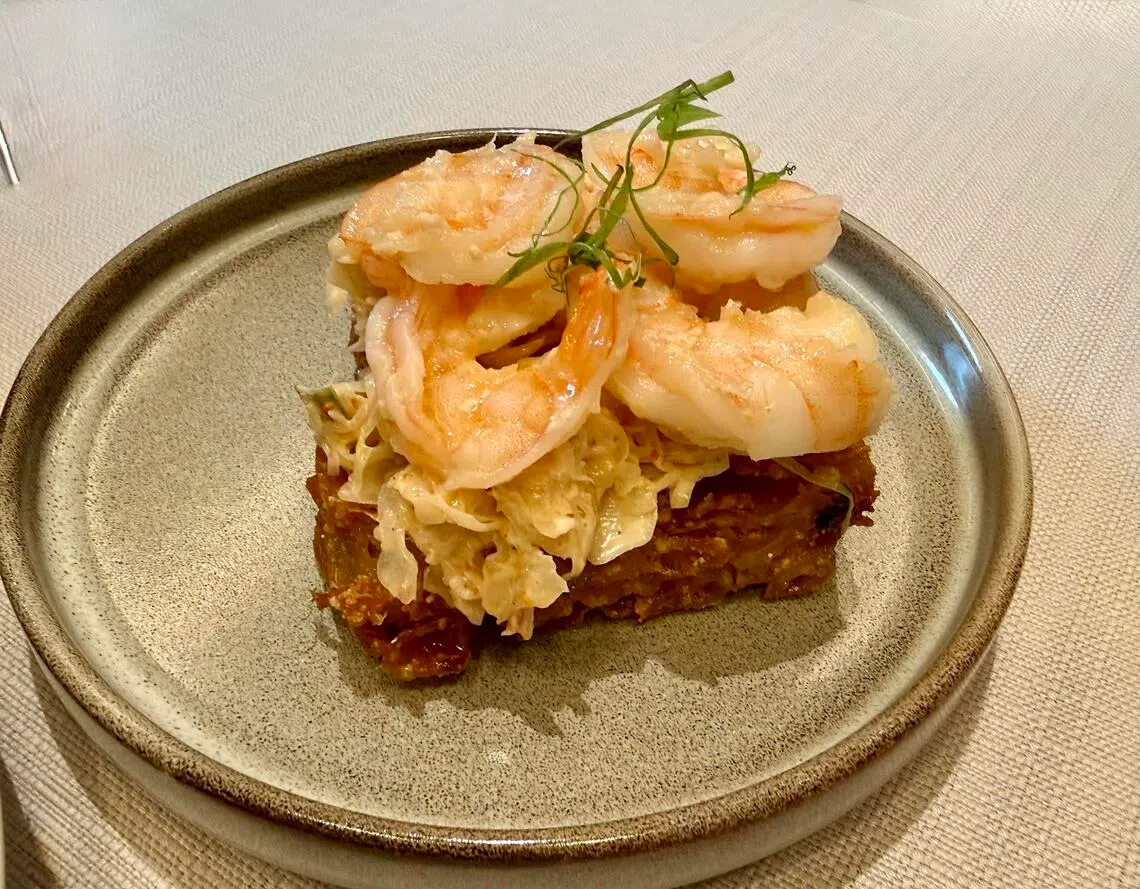
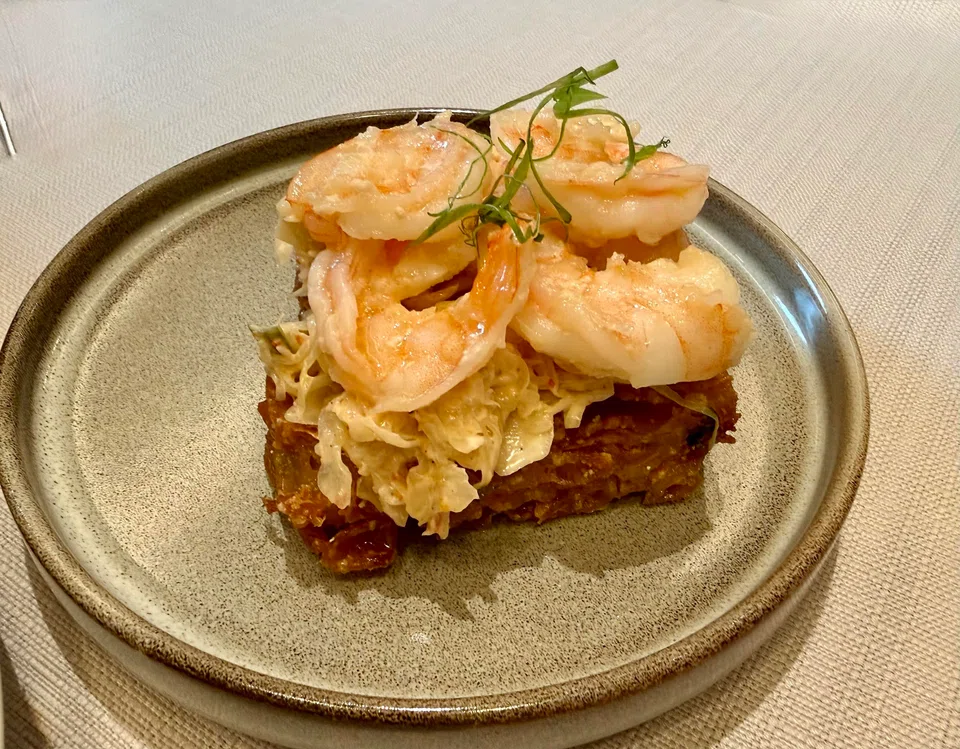
Prawn macaroni toast (S$9) is circa 1950s wedding banquets. Mess be damned as you attack these retro deep-fried squares of compressed pasta topped with a bit of shredded chicken salad and fat prawns. Eat them fast before the macaroni cools and hardens a notch.
Because we’re used to the punishing parade of sambals and curries that D’Silva regularly dished out with no sympathy, we’re almost surprised by the subtle, mellow refinement he displays at Gilmore. You easily breeze through your meal without breaking a sweat – unless you ask for belacan to go with the utterly irresistible nasi minyak (S$3). In which case, all bets are off.
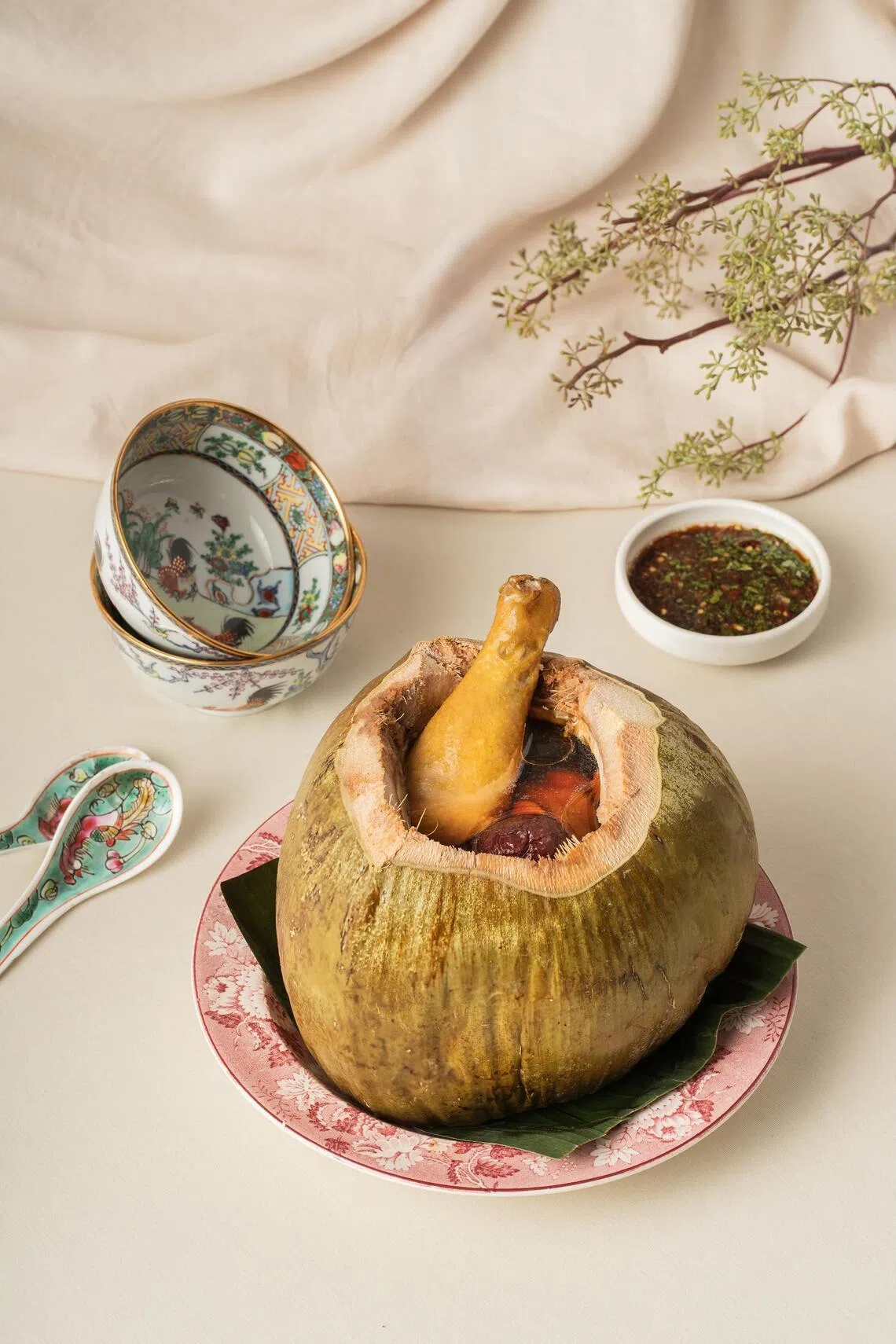
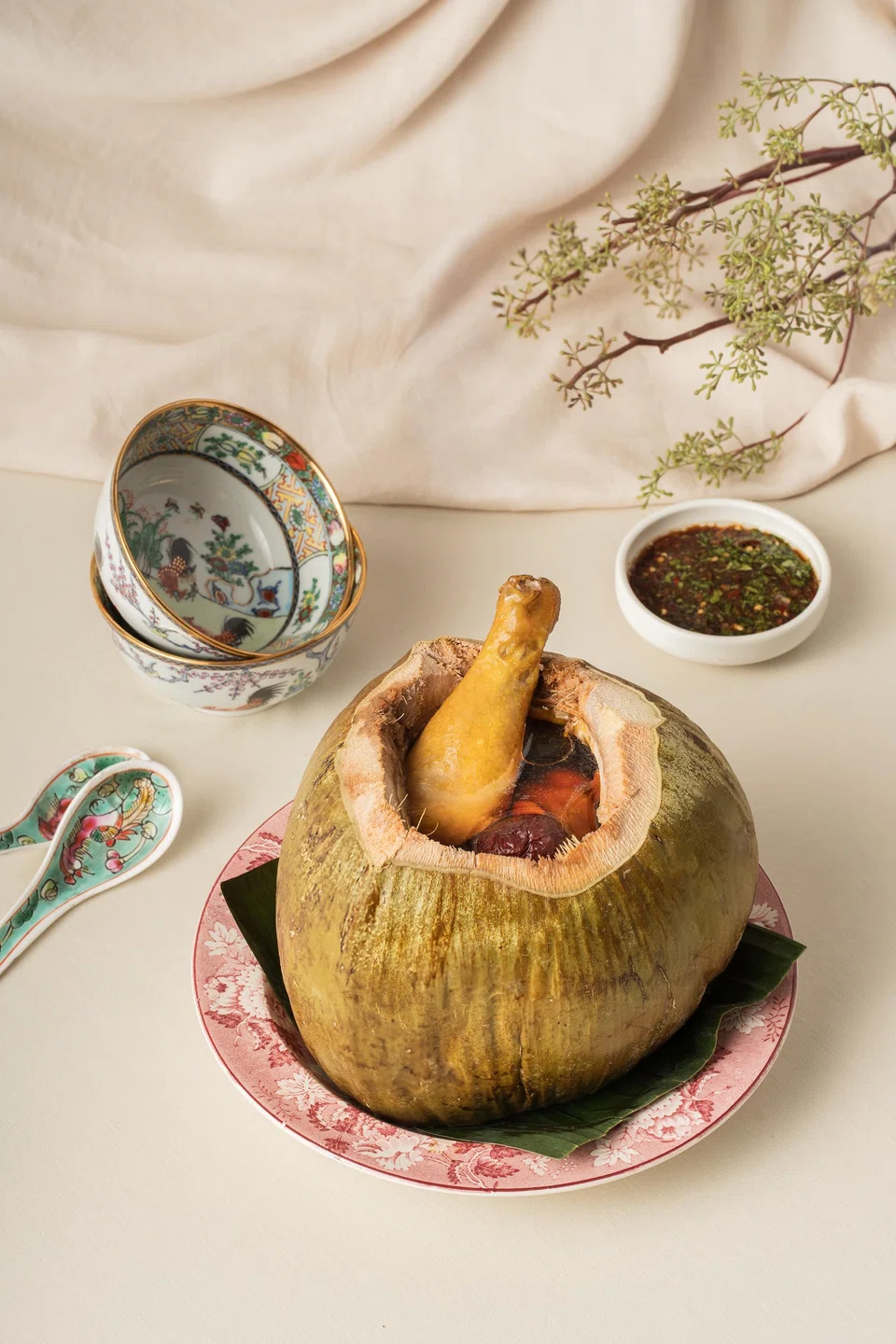
Kick off with the almost demure, self-described “nourishing chicken soup in coconut” (S$28). Served in a coconut shell, a free-range bird steamed in coconut water produces a pristine, naturally sweet consomme enhanced with Chinese herbs and Hakka yellow wine. A tender chicken leg is served separately – excellent with a super-zesty chilli-garlic sauce laced with calamansi.
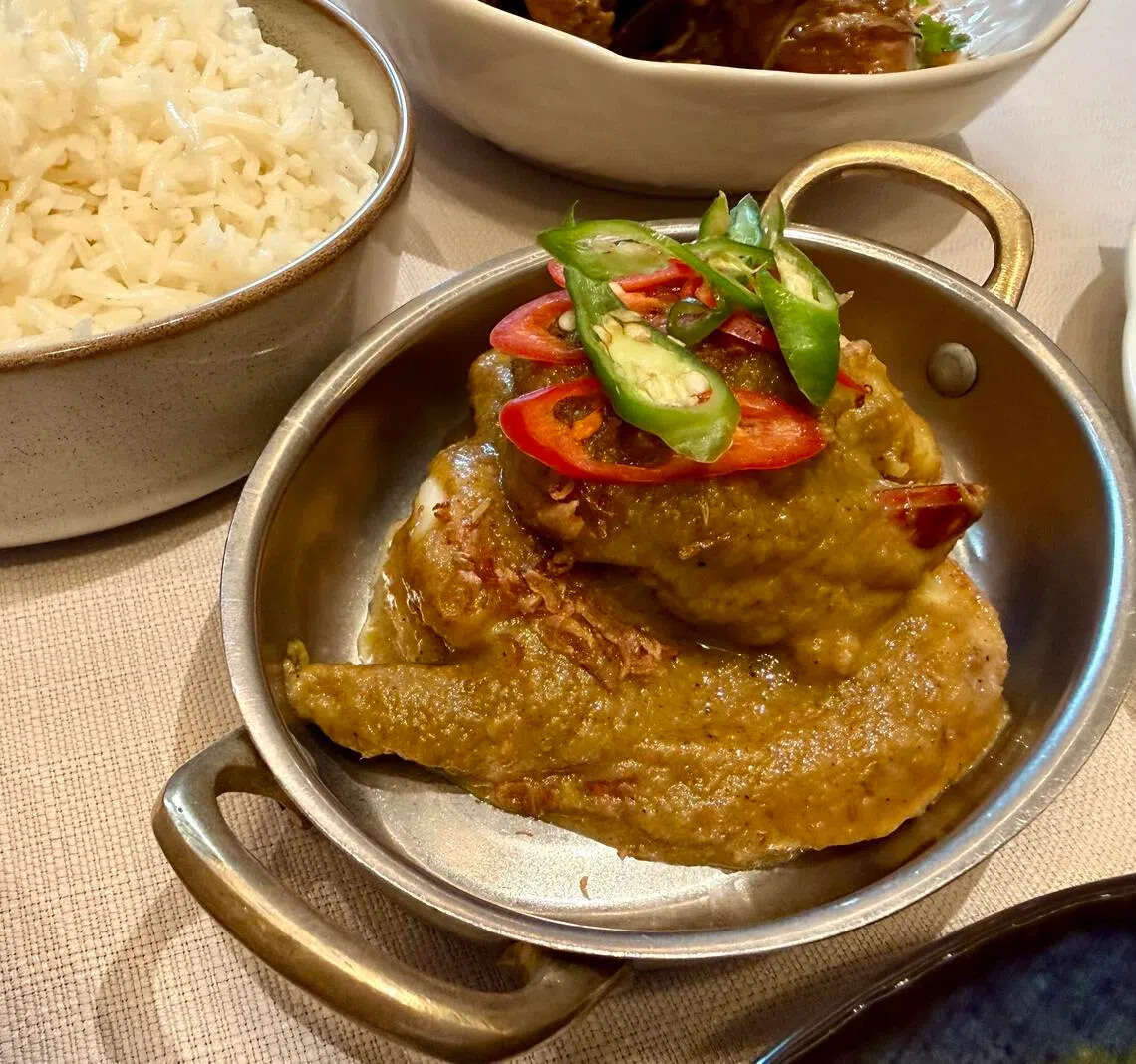
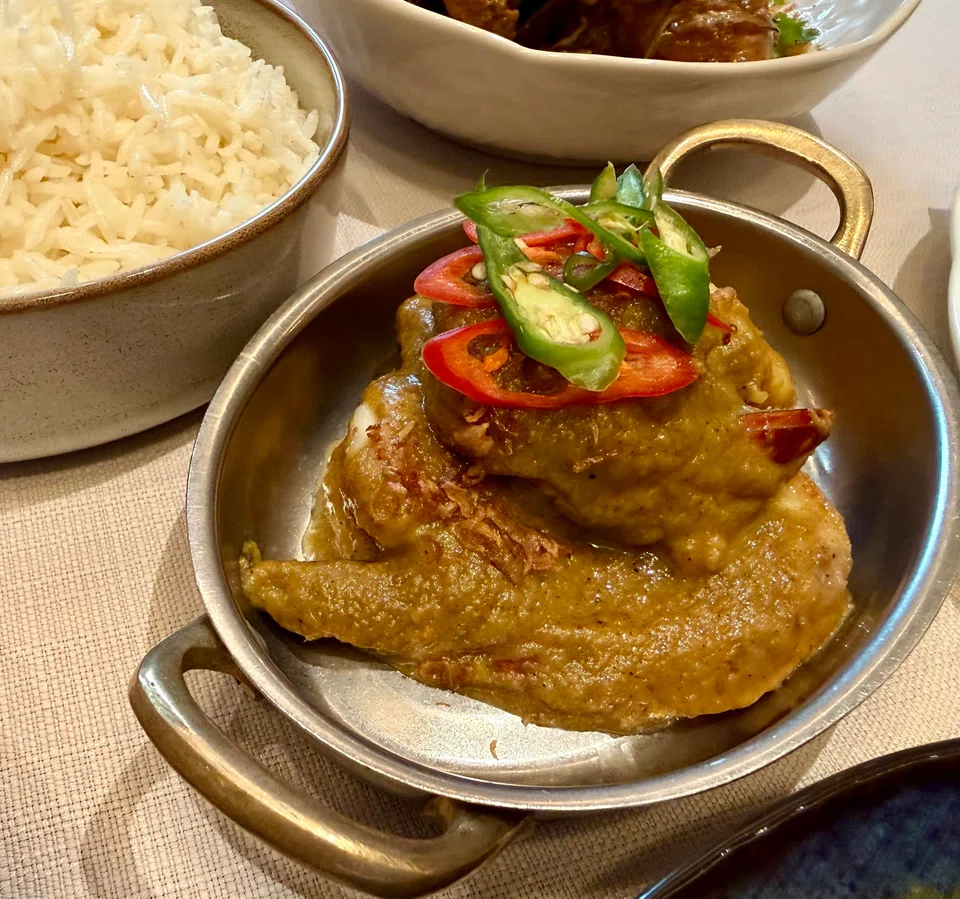
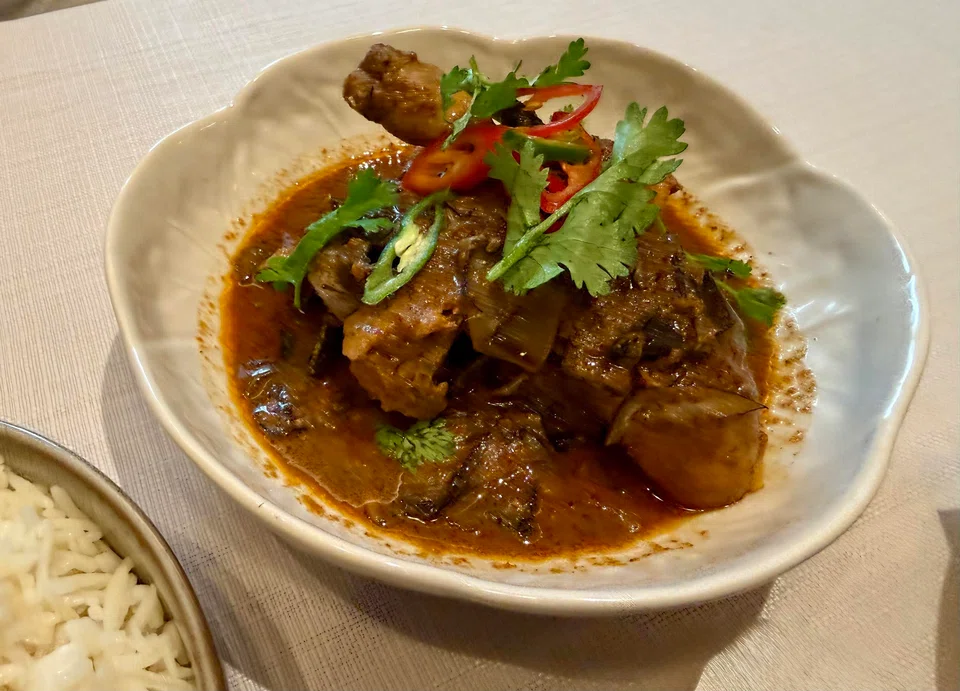
Cowdang (S$22) sounds like a swear word by a polite cattle herder, but is in fact a lost Eurasian heritage dish. Very fresh prawns are simmered in a thick Goan-style gravy that’s rich in coconut milk and redolent of cumin and coriander, perked up with fresh chillies. Chicken and banana bud (S$28) is a mild but complex stew of meaty chicken and rare banana buds, in a gravy amped up with fermented fish sauce sourced from Kelantan.
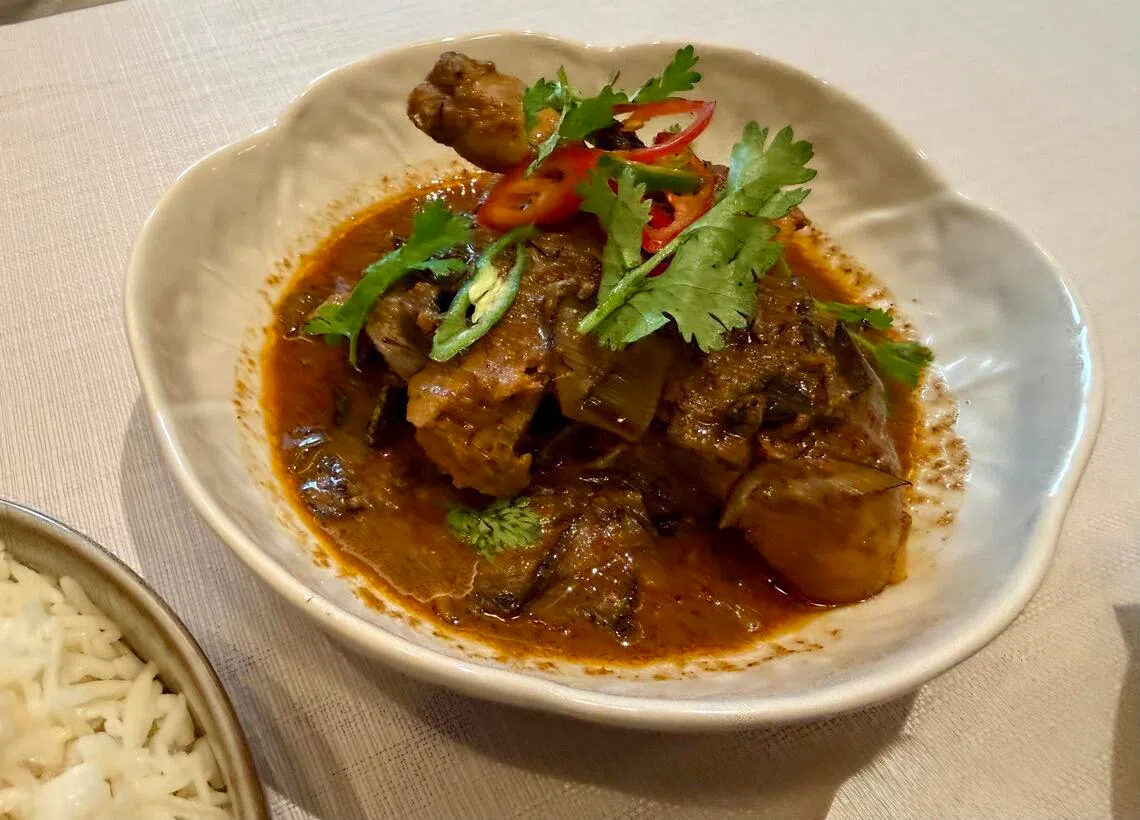
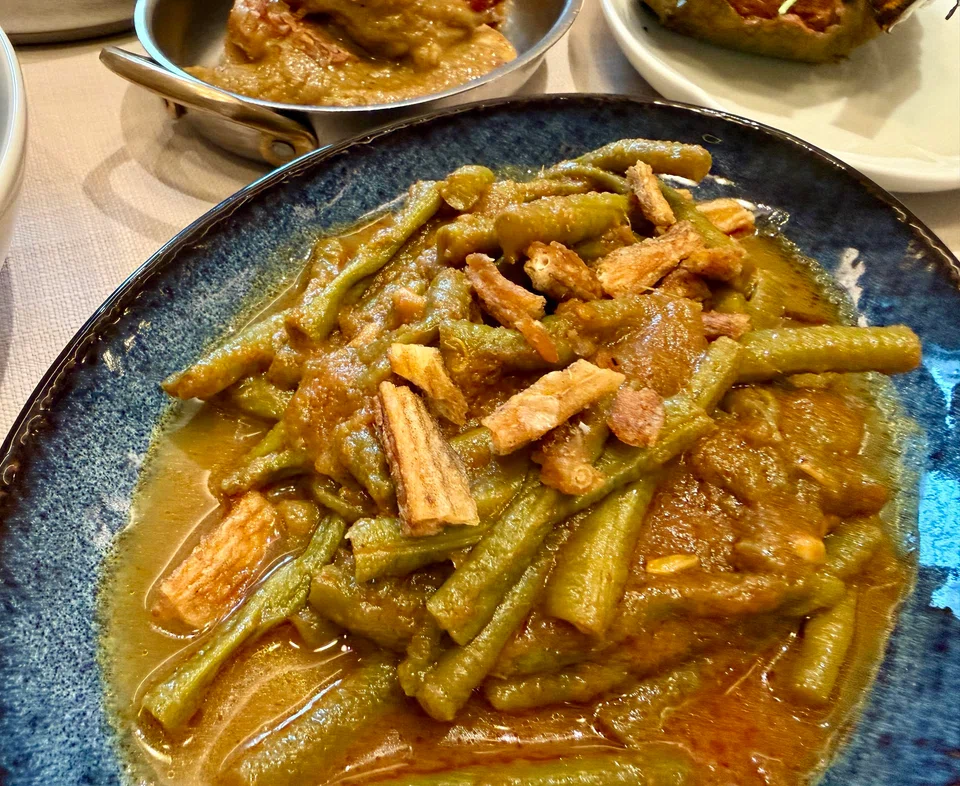
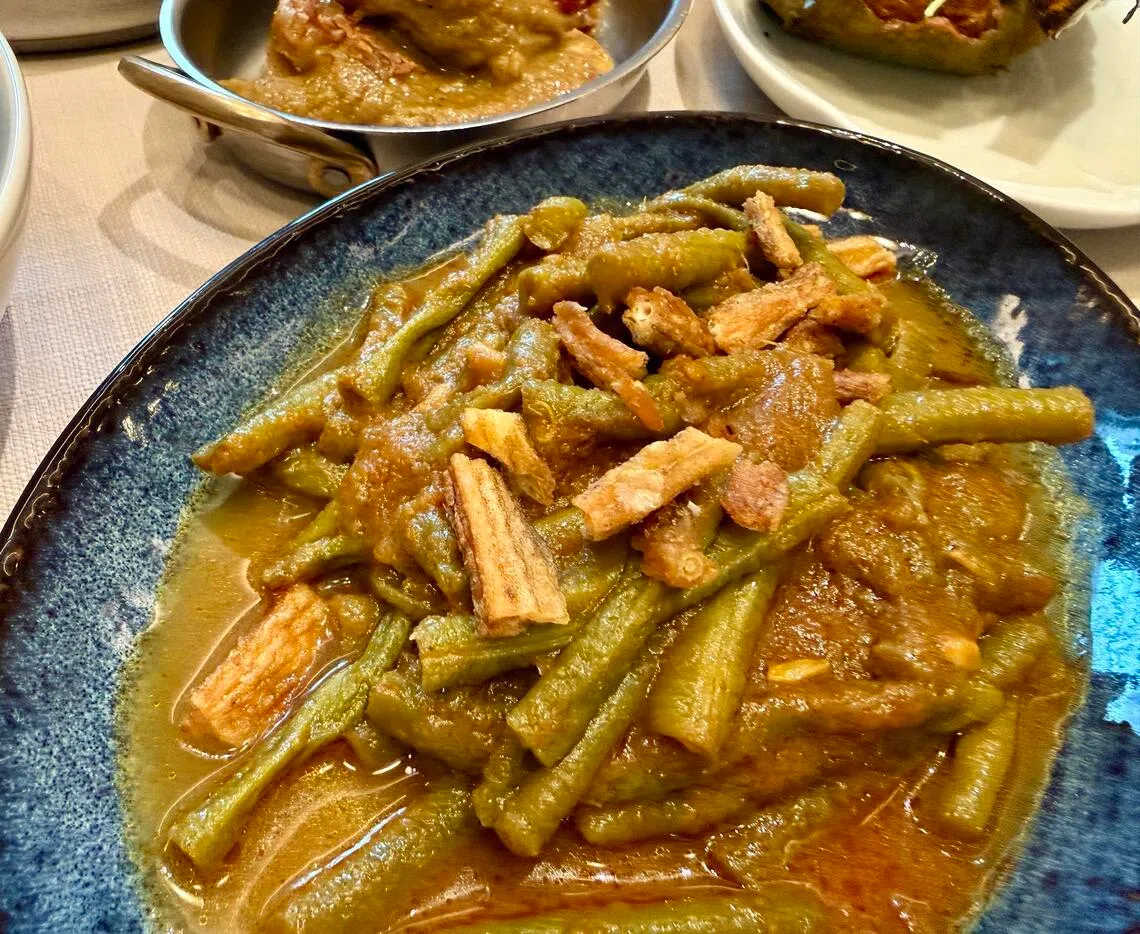
Baca Assam (S$32) is also lost-and-found – fork-tender gelatinous beef cheek in a tangy tamarind gravy. A real eye-opener is Ambiler Kacang (S$18) – ordinary long beans stir-fried with salted fish and tamarind are left overnight to soften and transform into a tart and earthy flavour bomb.
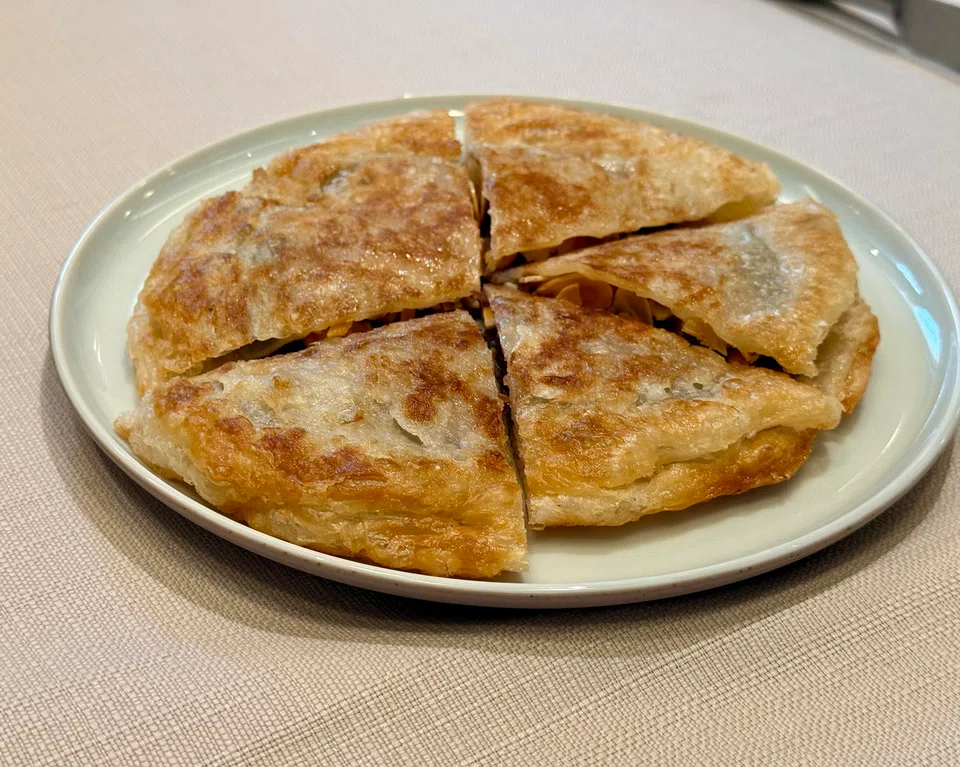
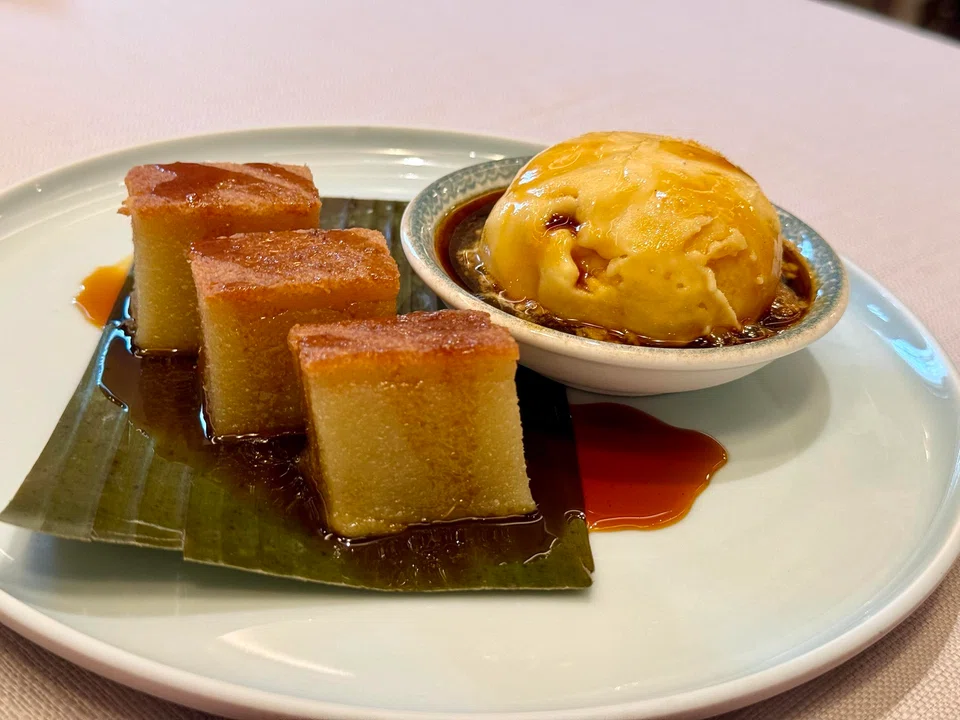
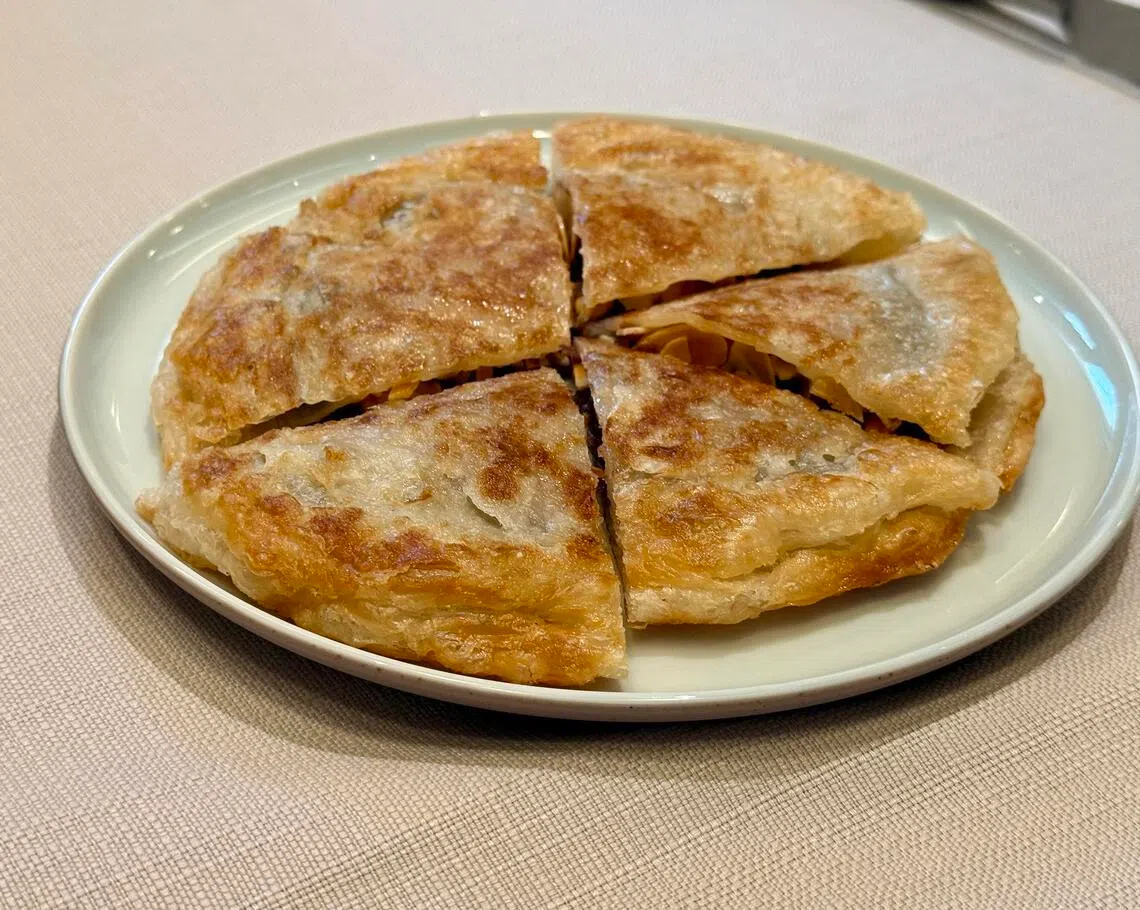
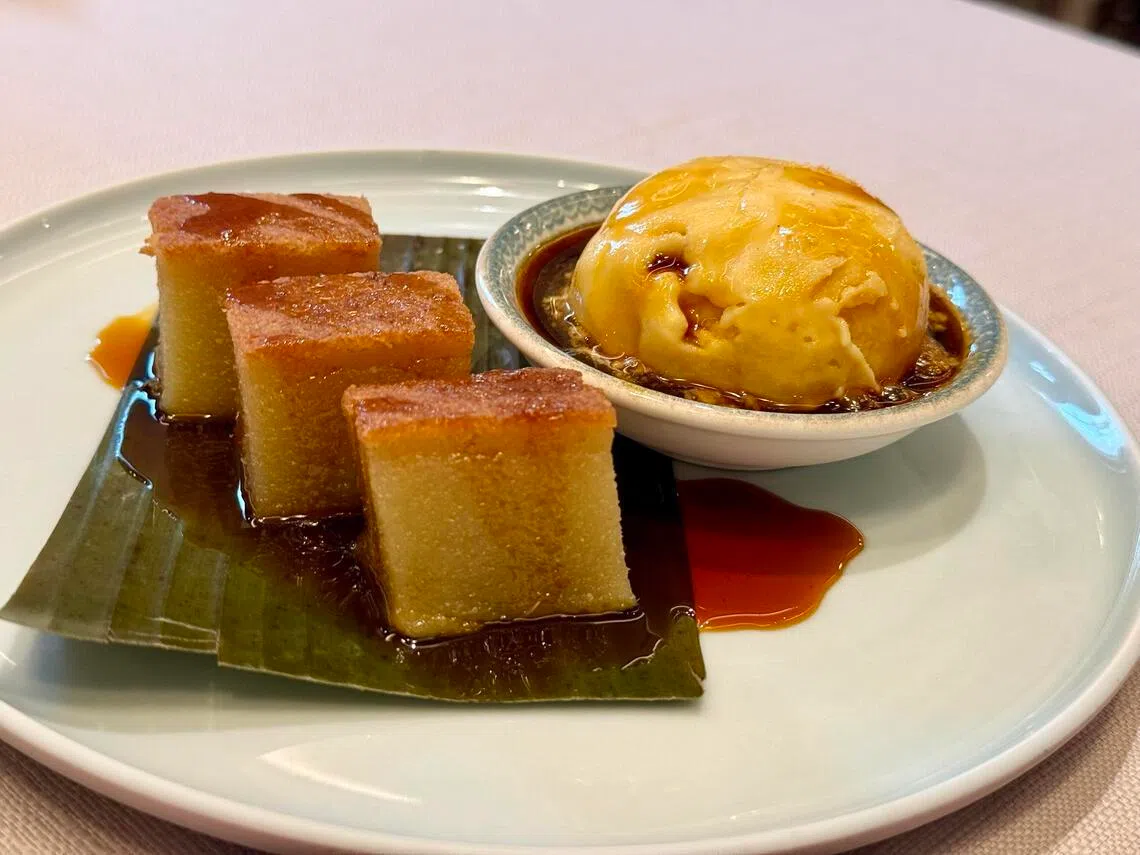
Dessert brings you back to familiar ground: must-order, old-school red bean pancake (S$14) with its flaky pastry and smooth filling studded with almonds. Bouncy kueh bingka and durian ice cream (S$15) are a no-brainer, but we stop short at the disappointingly dry sugee cake (S$18) – not quite what we remember.
Gilmore is D’Silva’s richest and most refined venture yet. We can’t go back to our own past but here he can, and he really wants to share it. It will be appreciated in different ways but it’s a story well worth re-reading (especially with free corkage and S$5 a glass rental). And like a good grandfather story, this one doesn’t get old.
Rating: 7.5
Decoding Asia newsletter: your guide to navigating Asia in a new global order. Sign up here to get Decoding Asia newsletter. Delivered to your inbox. Free.
Copyright SPH Media. All rights reserved.