Eating air in Matt Orlando and Will Goldfarb’s new eco-restaurant in Dempsey
The spacious lifestyle concept scores high on lofty ideals, but less so with the food itself
NEW RESTAURANT AIR CCCC 25B Dempsey Road Singapore 249918 Tel: 8228-1528 Open for dinner only Wed to Sun: 5.30 pm to 11 pm
FROM a chronic food-waster’s point of view, AIR is a restaurant we all need. It’s a whopping 40,000 sq ft reminder of why we should finish all our food and not throw stuff out on a whim. Otherwise, its chefs might take all those leftover scraps, put them on the menu and feed it to you.
We don’t mean excess lasagne, but rather the banana peels, cocoa husks and fish bones that star in this sprawling eco-forward dining space that’s carved out its own Little Bali in Dempsey. This is where two stalwarts of sustainability – Matt Orlando and Will Goldfarb – grind, ferment and resuscitate kitchen detritus into a trendy lifestyle statement.
Orlando’s last restaurant was Amass in Copenhagen, a similarly green-minded venture that closed down in 2022. Veteran pastry chef Will Goldfarb gained fame in Bali for his Room4Dessert outpost in Ubud. Together, they’ve turned this hidden pocket of greenery behind Samy’s Curry into a multi-purpose concept built around the lofty ideals of Awareness, Impact and Responsibility. In other words, AIR.
So you know where all this is going. Food waste. Farm-to-table. Nose-to-tail. Eat shoots and leaves. It’s not a story you haven’t heard before – just wrapped in different packaging, with a bit of Nordic influence and a Balinese accent.
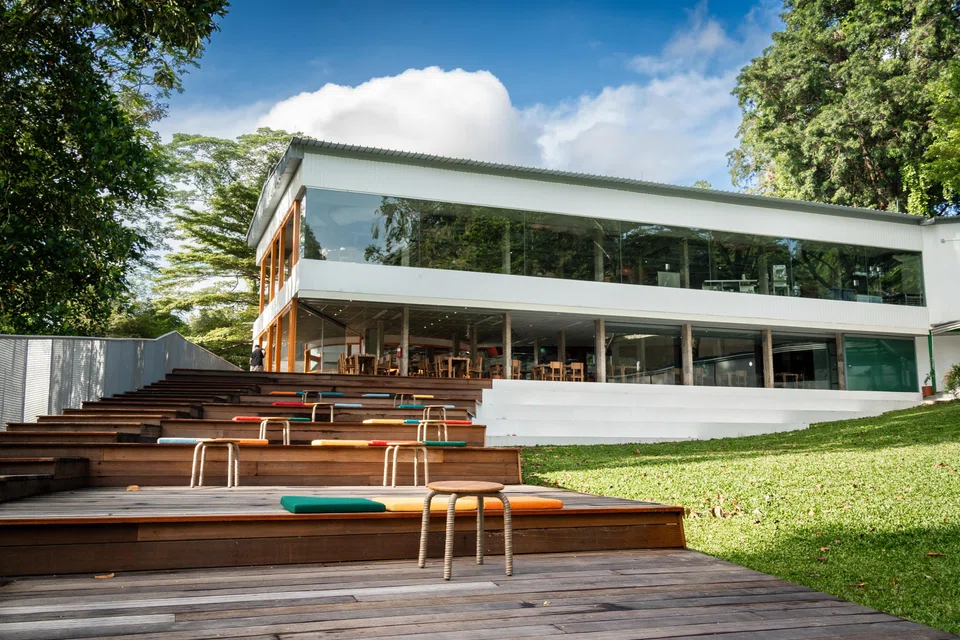
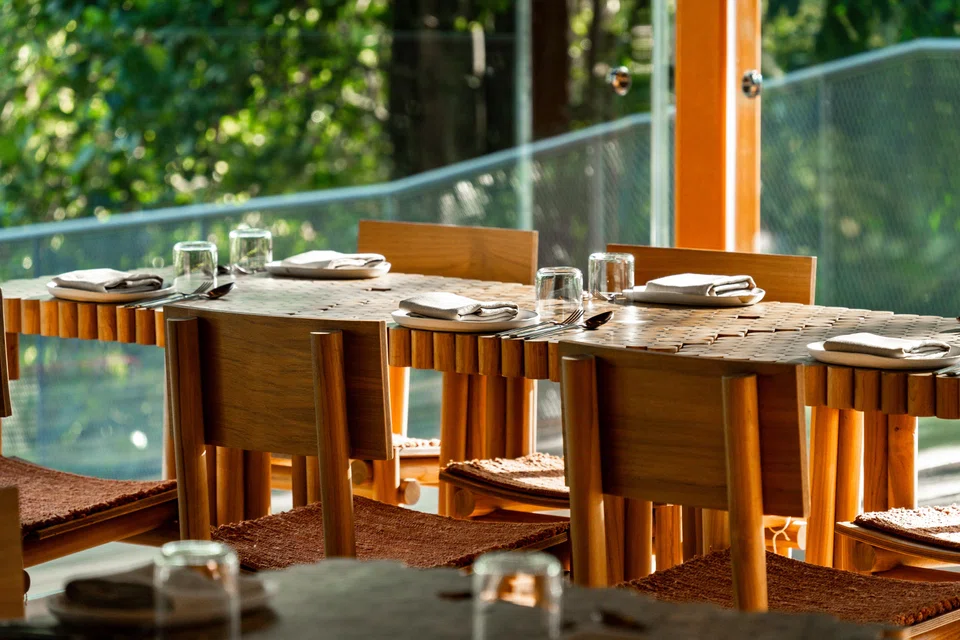
Visually, it ticks all the right boxes. There’s a nice big lawn with a boardwalk. A bright dining room with tables made out of recycled wood. It seems there’s a garden farm somewhere, with an R&D kitchen and upcoming cooking classes.
But from a diner’s perspective, it’s a different story. Firstly, for such a big space, they sure pack a lot of tables in the long dining room. Half of it is taken up by a massive kitchen and counter, with two rows of tables in the middle and by the window. We are crammed into a tiny table right between the kitchen and the window seats. But we suffer from don’t-come-too-close-to-me syndrome, which is aggravated by servers sandwiching us from both sides as they scuttle from the kitchen to the tables incessantly. From where we are, we can also hear entire conversations between the chef and diners seated at the counter, and know exactly what other tables are ordering. Namely, ceviche, oyster mushrooms and duck. Then again, there isn’t a lot of choice from the surprisingly small menu – partly because the restaurant is new, and the team is still settling in.
One thing the restaurant doesn’t do is shove the sustainability message down your throat. So apart from a quick recitation of the dish’s components, no mention is made about where the food comes from, what they do with it, or even the thought process behind it.
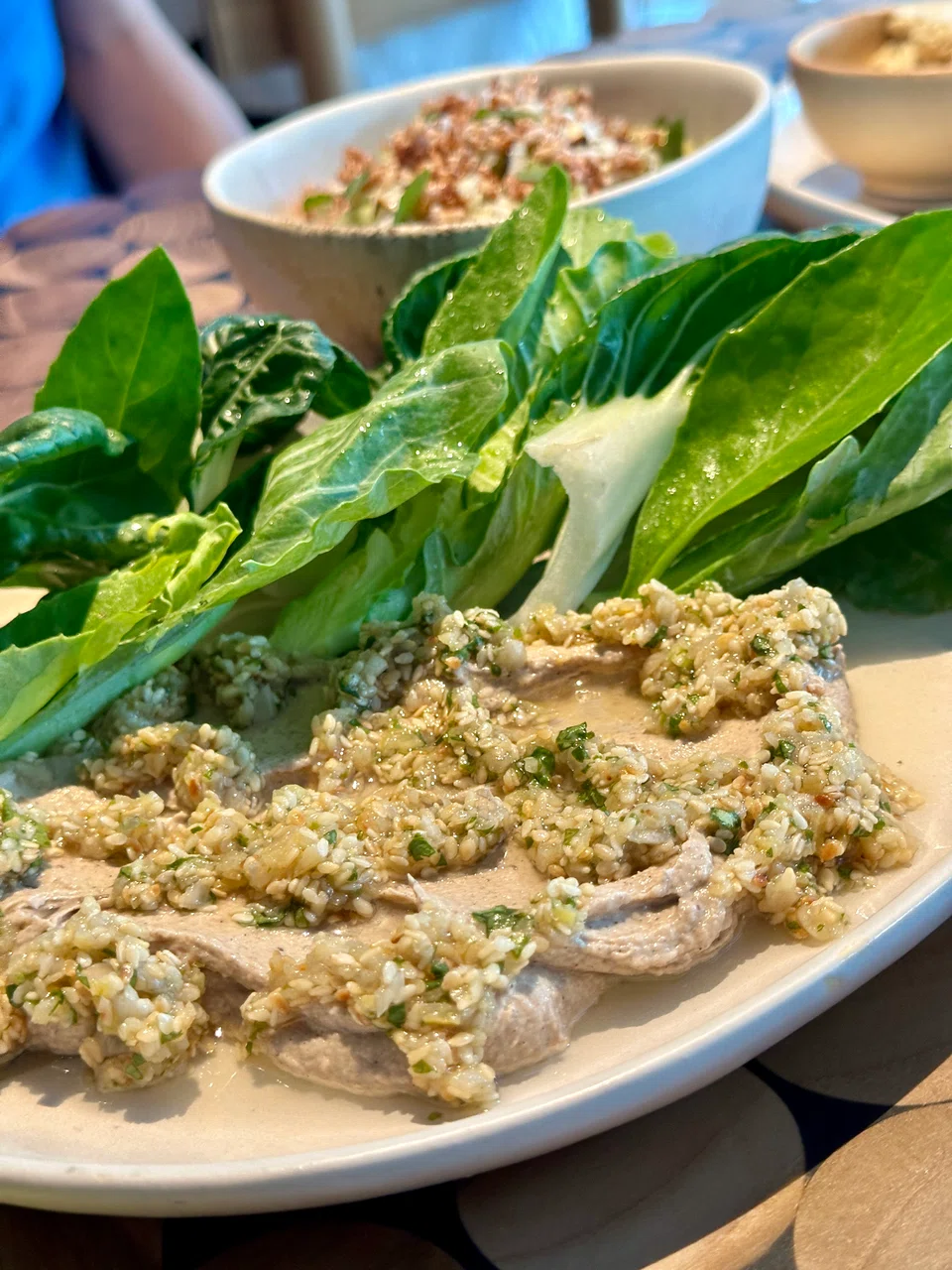
By and large, the food leans towards fermentation, with tart and raw flavours. There’s a hummus made out of roasted pureed jackfruit (S$27), that may as well be chickpeas by another name, with its generic earthiness and the distraction of lemony dukkah. You’re meant to scoop it up with raw bak choy leaves, which add bitterness to the sharpness of the dukkah.
SEE ALSO
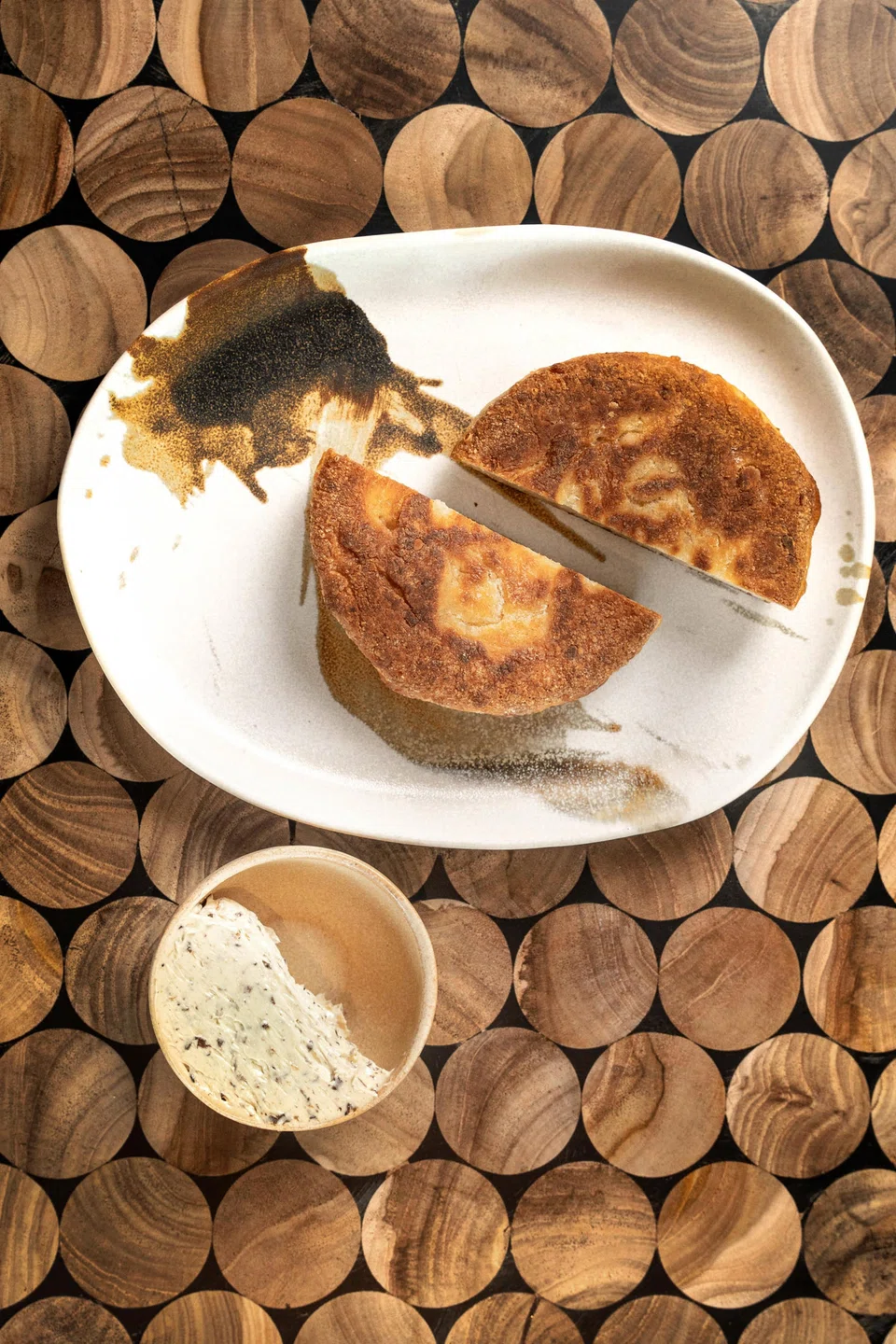
We’re happier with the fermented cassava flatbread (S$16), which is heavy and dense but is at least hot and chewy, with a very mild whipped mushroom butter to dip into.
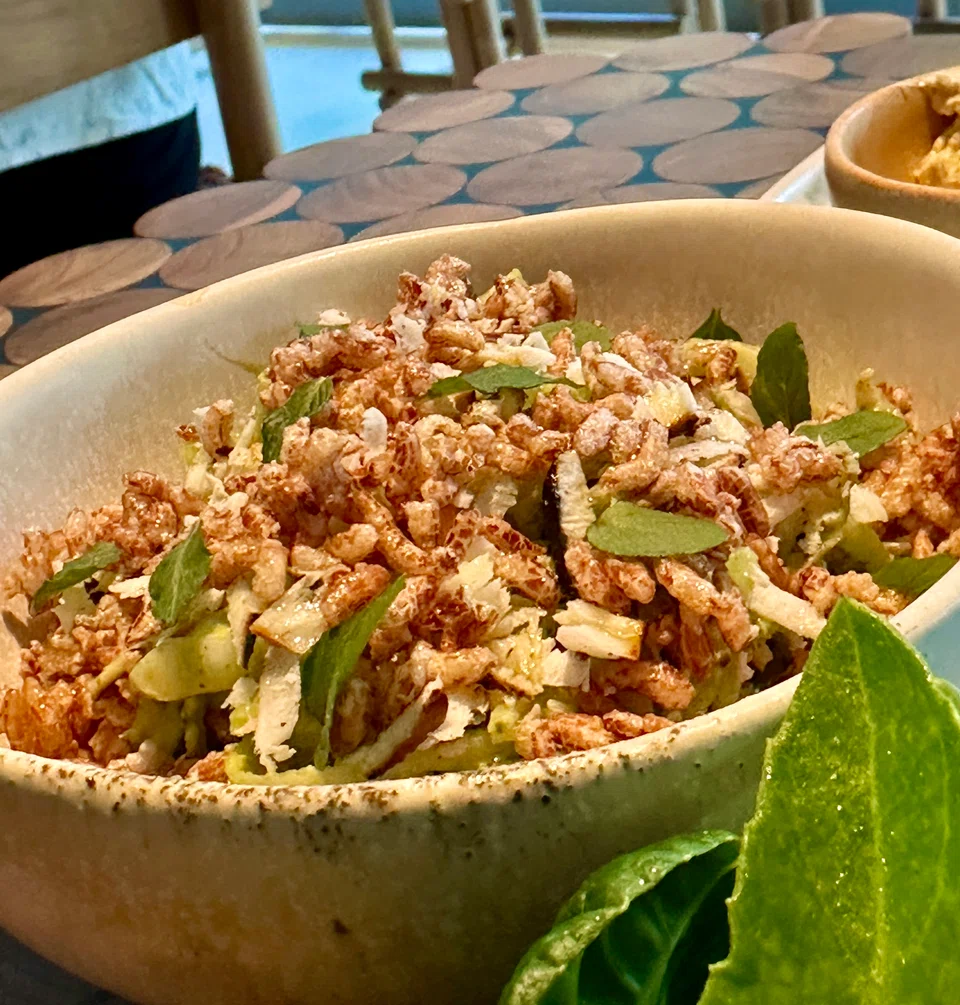
Grilled squid salad (S$32) is perhaps the best of the three. It has thin strips of chewy squid tossed in a crunchy mix of spiralised vegetables in a pesto-like dressing, with puffed rice and roasted coconut bits for texture.
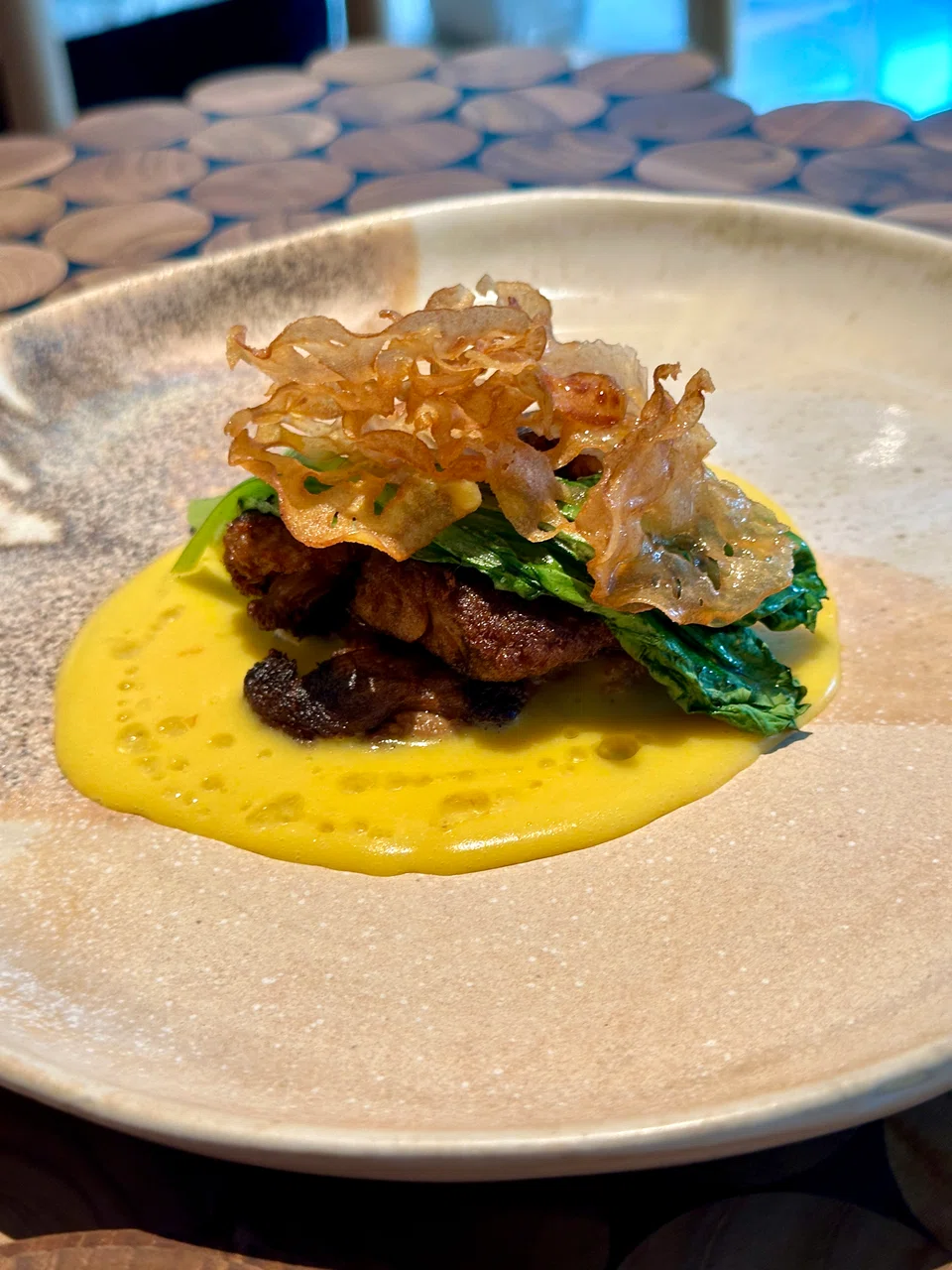
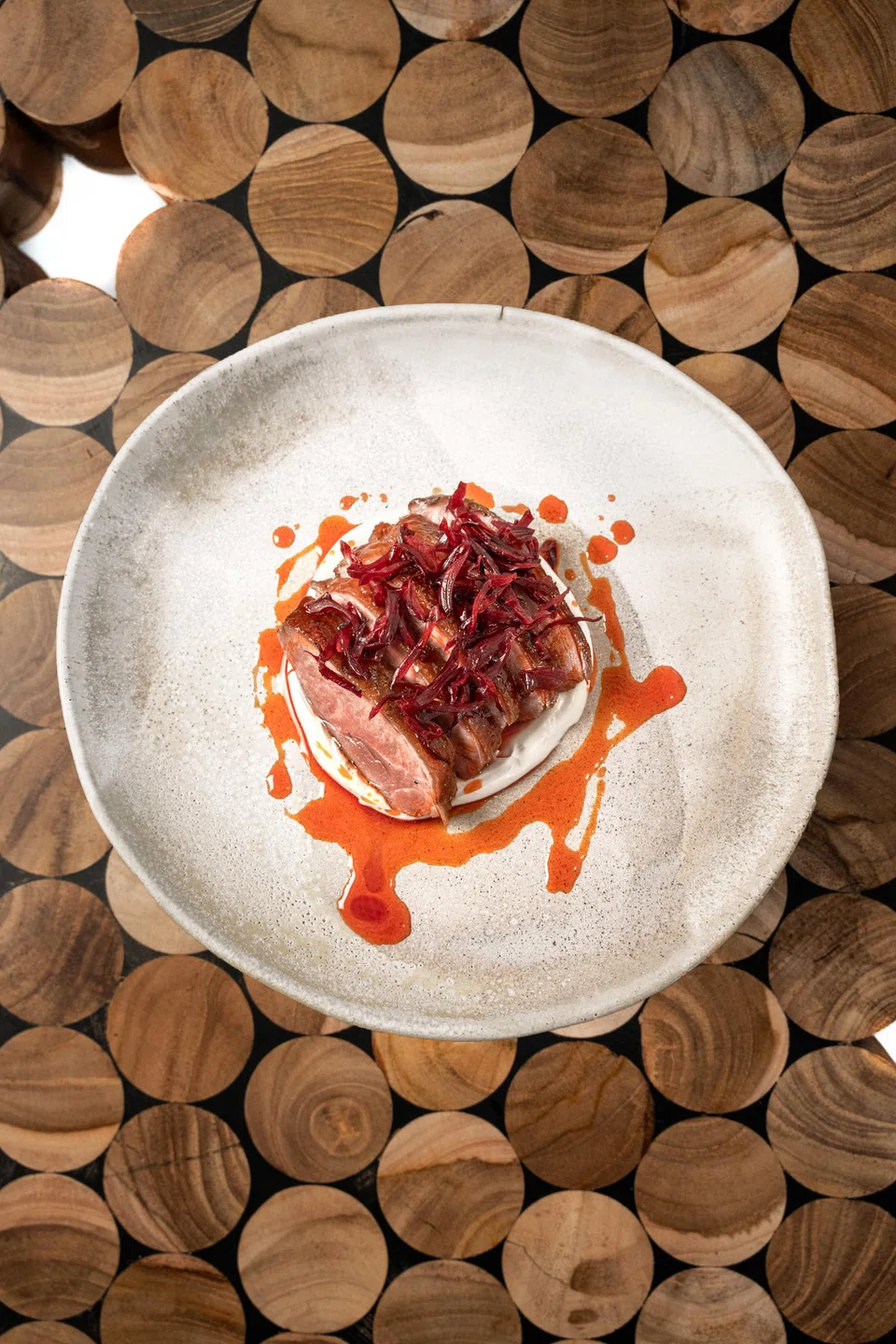
For the mains, the server’s insistence that we try one of the mushroom dishes means that we skip the signature coral grouper. So we get the lion’s mane mushroom steak (S$38), which looks like seared vegetarian sweetbread but with a spongy texture that gets a boost from a sweetcorn sauce. Otherwise, it isn’t really exciting. Neither is the aged Malaysian duck breast (S$44) that’s garnished with a tart, cooked roselle relish and set on a bed of bland cashew cream spiked with chilli oil.
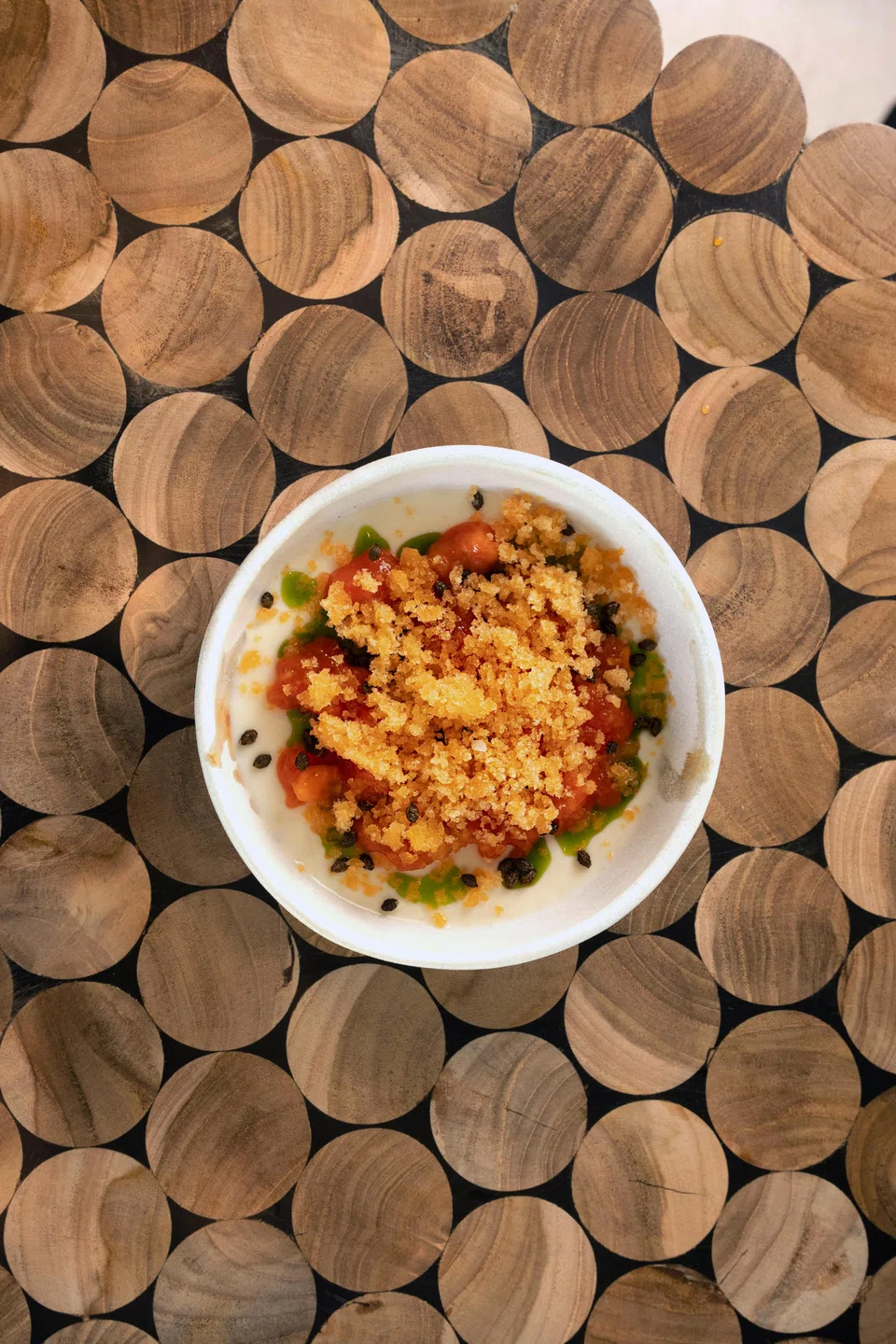
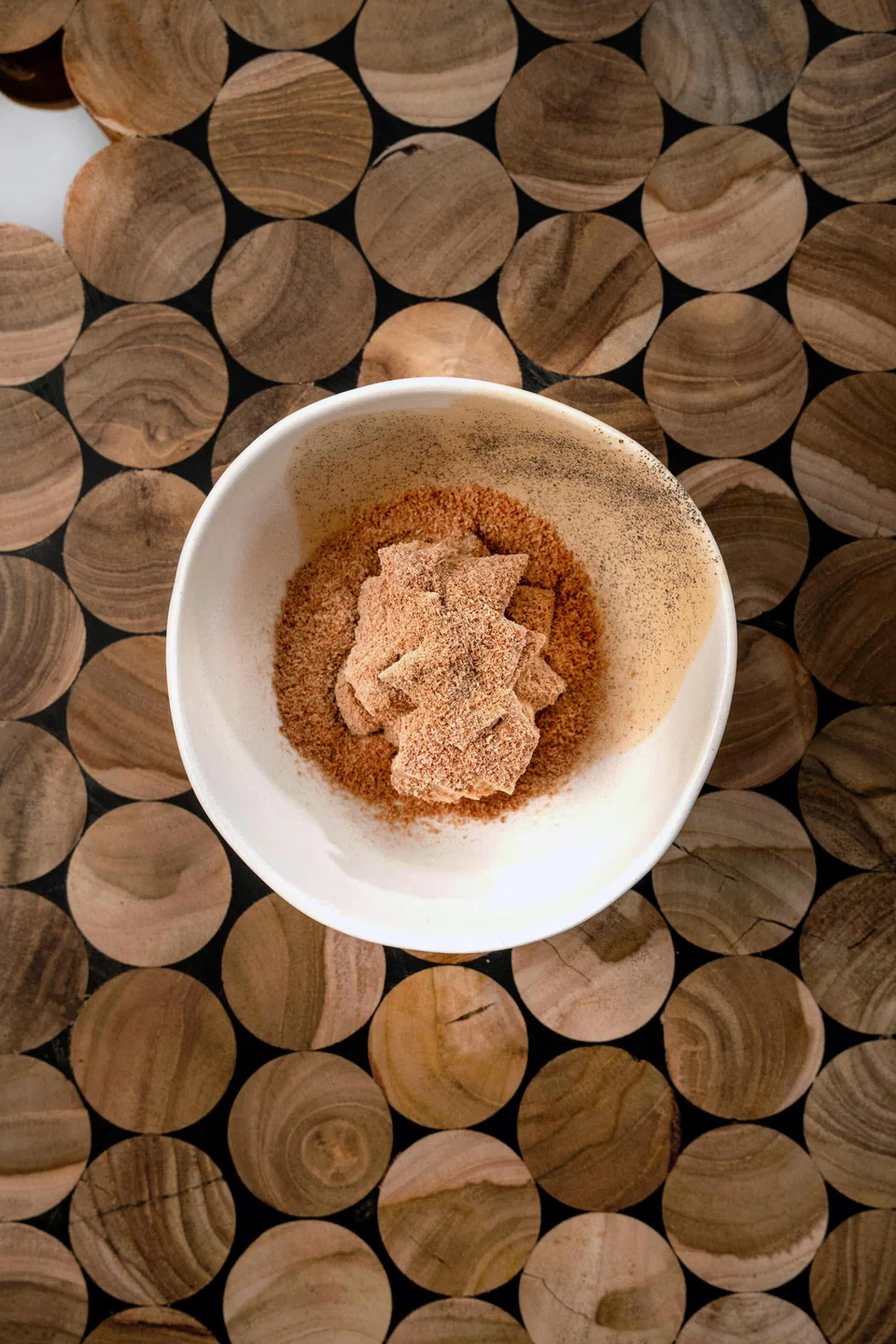
Desserts raise the interest level a bit more, where Goldfarb’s take on papaya (S$18) is a refreshing panna cotta dressed in frozen papaya skin granite and crunchy seeds. Papaya being a local fruit is more relatable than the reincarnated “chocolate” (S$18), which takes more obscure cocoa husks and cascara, a by-product of coffee, and processes them into a chocolate brownie-ish sticky cake, and banana skin caramel that gives off the same whiff as the bananas left too long on your kitchen counter at home.
Sustainability isn’t exclusive to AIR, with plenty of restaurants in Singapore already practising various aspects of it from locavorism to simple reduction of food waste. For them, it’s about being restaurants first and sustainable second, while AIR seems to do it the other way around. If it doesn’t want to be seen as just full of hot air, it needs something more for us to chew on.
Rating: 6
Decoding Asia newsletter: your guide to navigating Asia in a new global order. Sign up here to get Decoding Asia newsletter. Delivered to your inbox. Free.
Copyright SPH Media. All rights reserved.
TRENDING NOW
Grab CEO’s wife Chloe Tong on life with Anthony Tan and finding her purpose
What role can Japan play in Asean’s future?
He built the Vingroup empire. Now South-east Asia’s richest man is handing some key roles to his sons
Asean’s challenge is to become resilient against global geopolitics: former Indonesia trade minister