

Elevated Asian cuisine at Pangium
Malcolm Lee takes familiar Peranakan-inspired cooking into the fine-dining space.
NEW RESTAURANT
Pangium 11 Gallop Road Singapore Botanic Gardens Singapore 259015 Reservations: restaurantpangium.sg Open for dinner only Wed to Sun: 6pm to 10pm
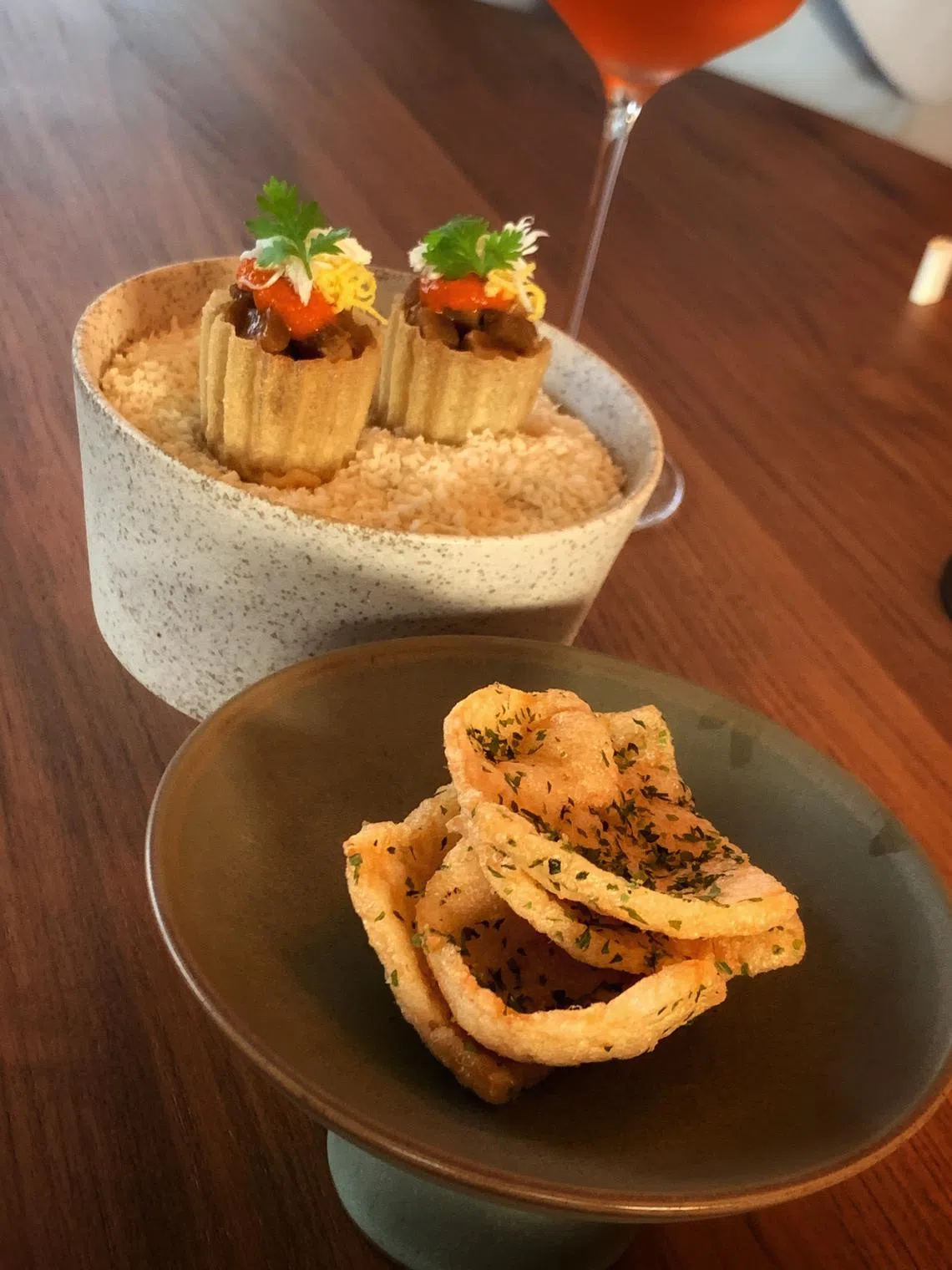
SO you’re a kueh pie tee looking to get ahead in life. Hook up with Malcolm Lee who’s done the unthinkable of putting the likes of pang susi, ngoh hiang and prawn crackers as snacks on a dinner menu that he’s charging S$258 for at his new restaurant, Pangium.
It’s not misplaced vanity that makes him do that. Nor is he sore that people already say his one Michelin-starred Candlenut is expensive for casual Peranakan food. If anything, put aside all prejudices because he has done what no one else has done yet — elevate heritage cuisine to fine-dining status.
And all this he does without spouting mission statements or crafting elaborate narratives — he doesn’t even articulate his food that well. He just quietly delivers course after course of precise, nuanced flavours that speak for themselves.
There is a story to be told, but it unfolds as tidbits from dusty old cookbooks filled with forgotten Straits recipes that Lee has salvaged, and sensitively reworked for modern taste buds.

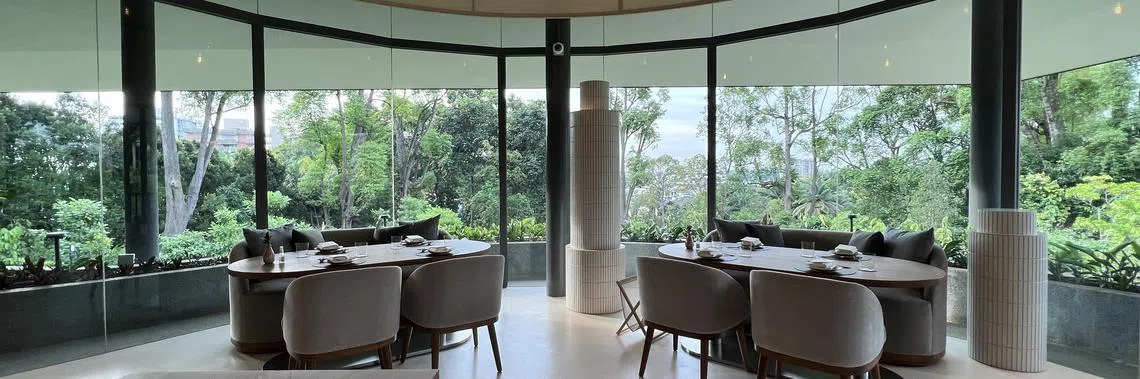
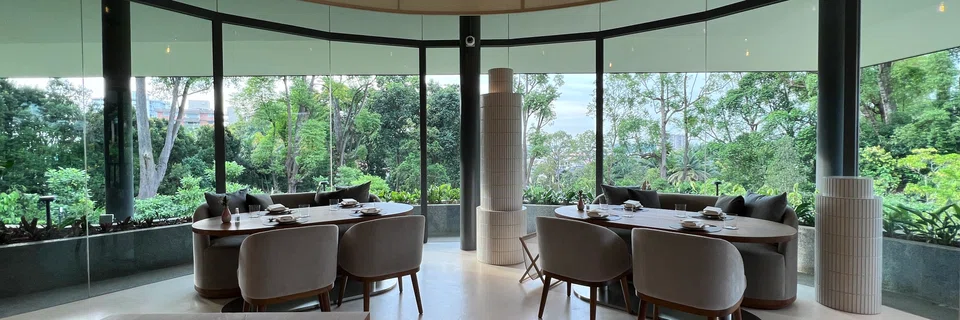
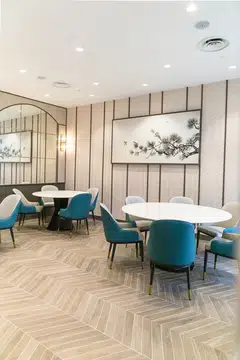
That said, all this wouldn’t have worked anywhere else but here, where the cliche of breathtaking scenery plays out, wrapping Pangium in the kind of greenery that makes Corner House look like a planter’s box.
With two colonial bungalows as neighbours, the abundance of wild herbs and Botanic Gardens’ link to forgotten flora, Lee couldn’t have asked for a better backdrop. And here, with at most 20 people per seating and a full kitchen team, the attention to detail and meticulous preparation is present in everything you eat.
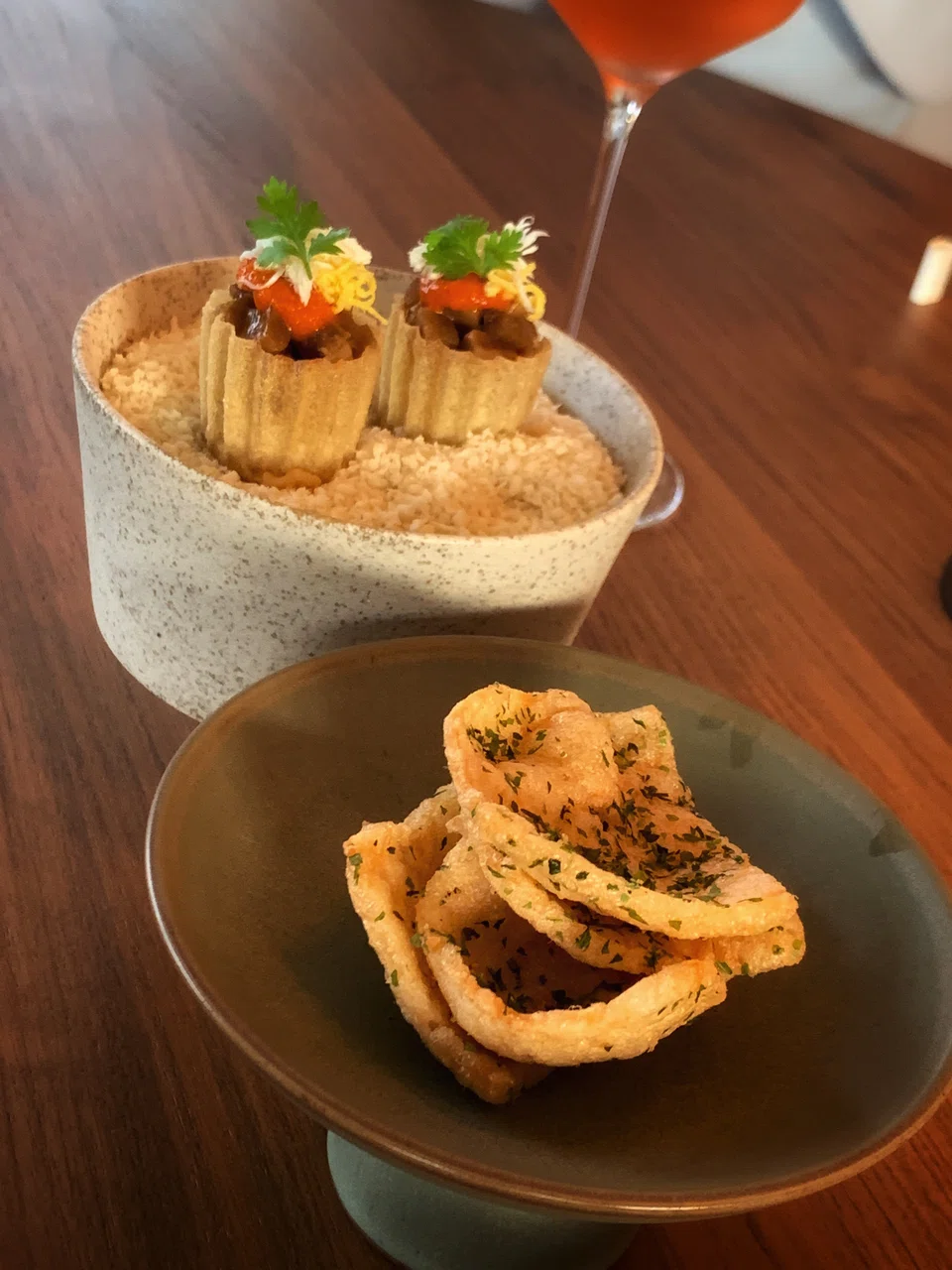
Bamboo shoots with the umami of dried cuttlefish dominate the filling of the solitary homemade kueh pie tee shell topped with crabmeat and chilli sauce made from a 60s recipe that uses crushed peanut brittle instead of sugar. Prawn crackers are intense and super light from a mix of 75 per cent shrimp and 25 per cent flour, while a nugget of ngoh hiang gets the upscale treatment with braised abalone. So do the mee sua kueh — little squares infused with dried scallops and Sakura ebi.
SEE ALSO
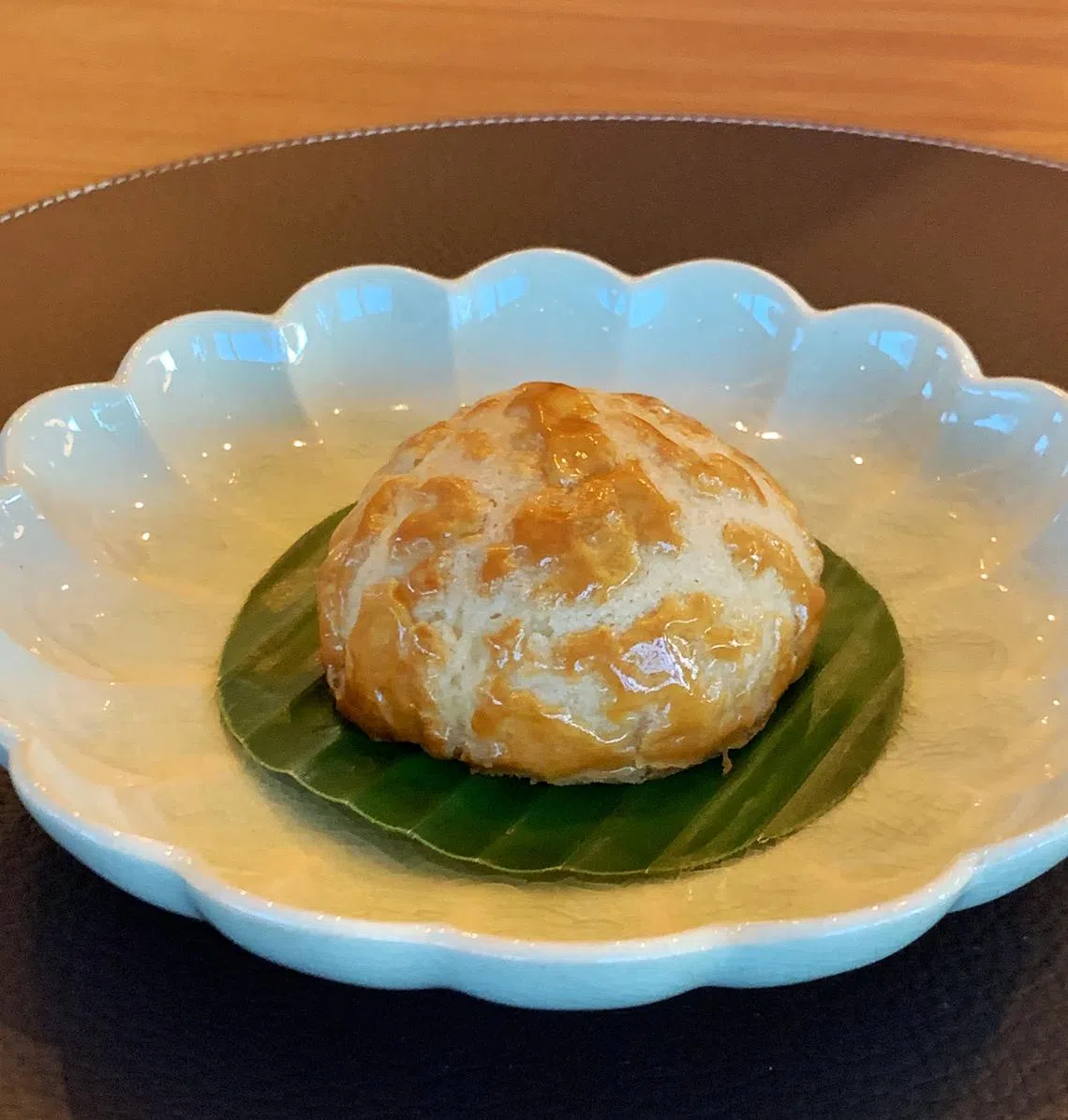
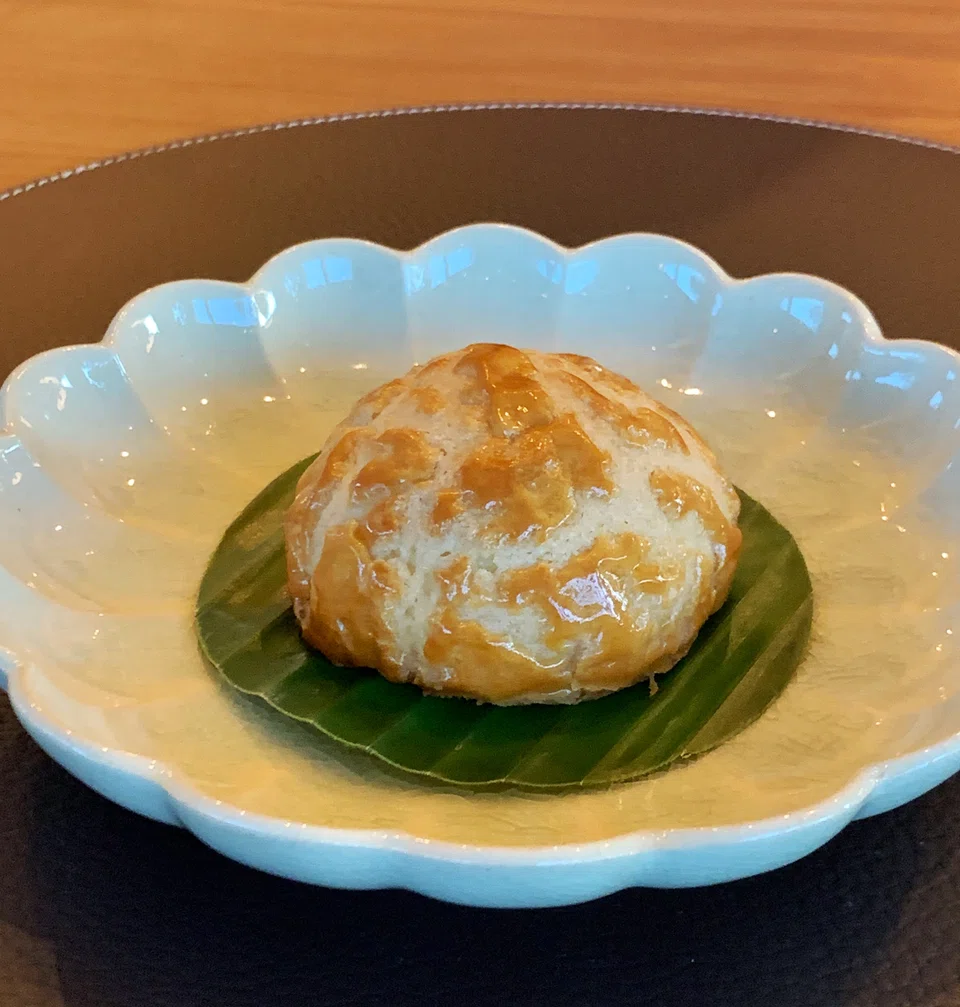
Pang susi is a sweet potato bun mated with a bolo pao for the most delicate melt-in-the-mouth texture and mottled crisp exterior, filled with minced pork cheek fragrant with coriander and the sweet heat of kampot pepper and candied melon.
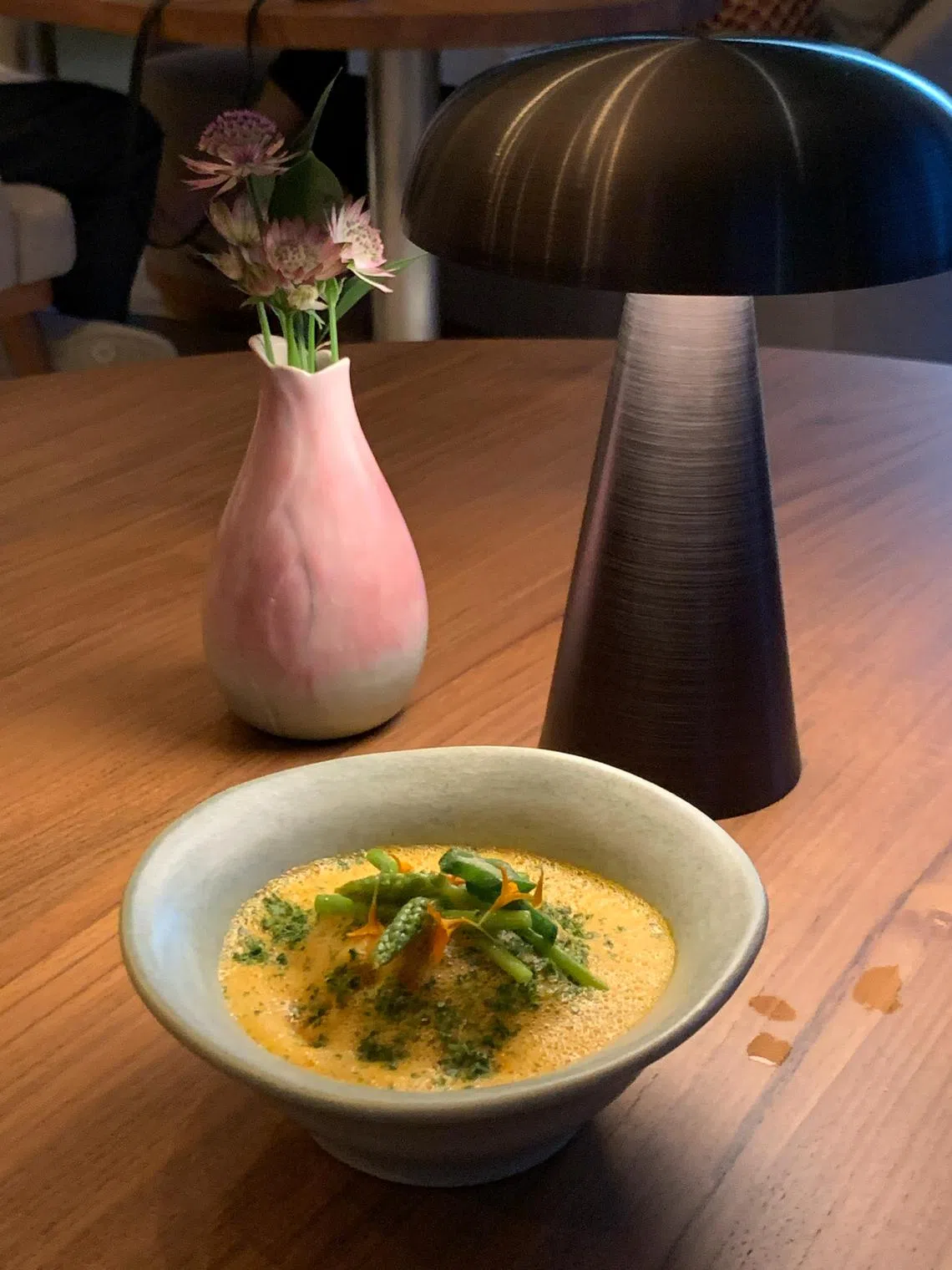
In the category of ‘don’t you have anything else better to do’ is Lee’s version of udang nanas lemak, where prawn otah and lobster are meticulously moulded into pineapple tart-shaped dumplings lowered into a coconut broth. His grandmother would be proud of the masochistic level of handiwork involved in every step of the menu. Each bite of the ravioli is a mouthful of bouncy lobster and old-fashioned otah, scooped up with a broth that balances the sweet acidity of pineapple and the richness of coconut milk.
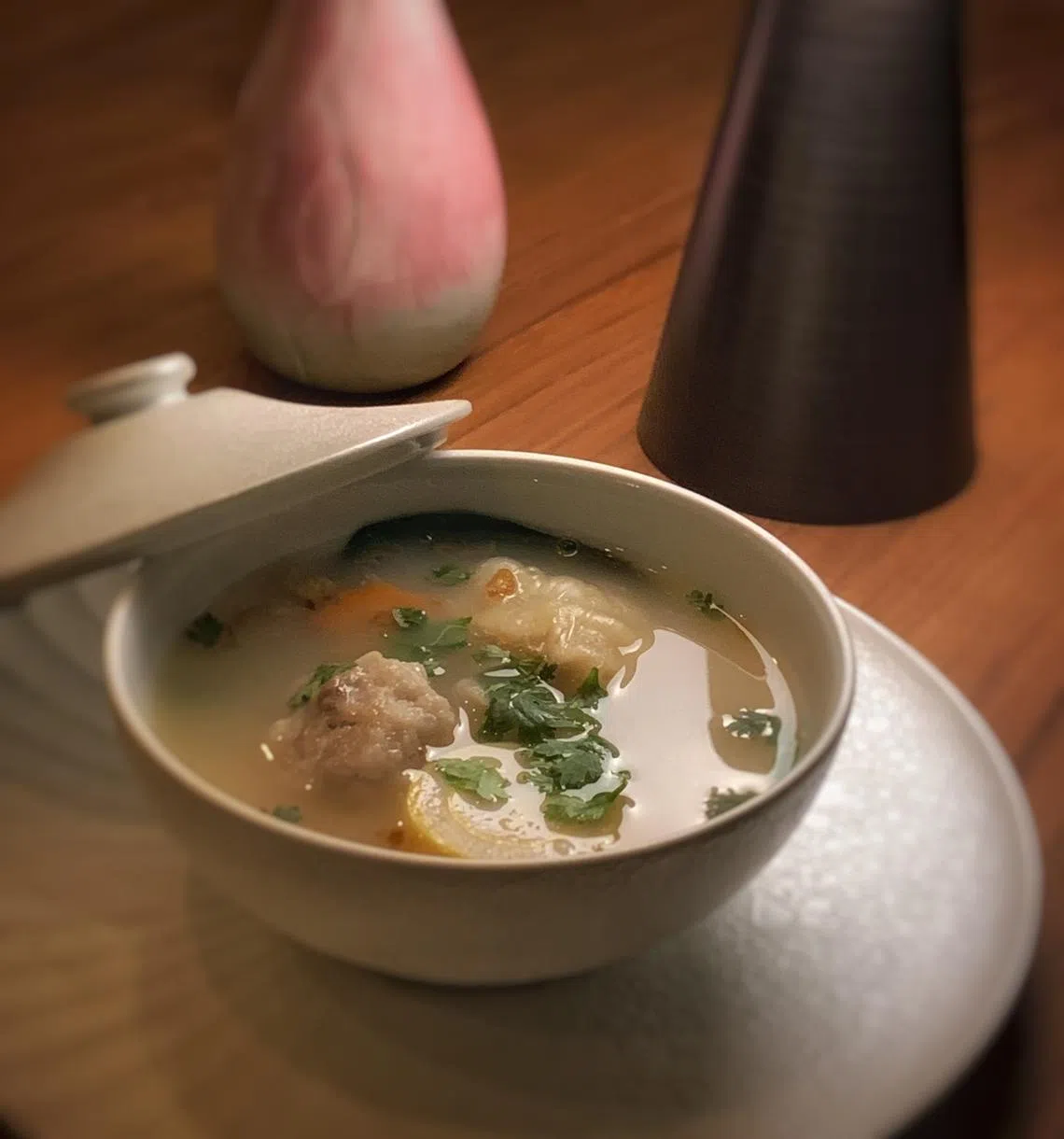
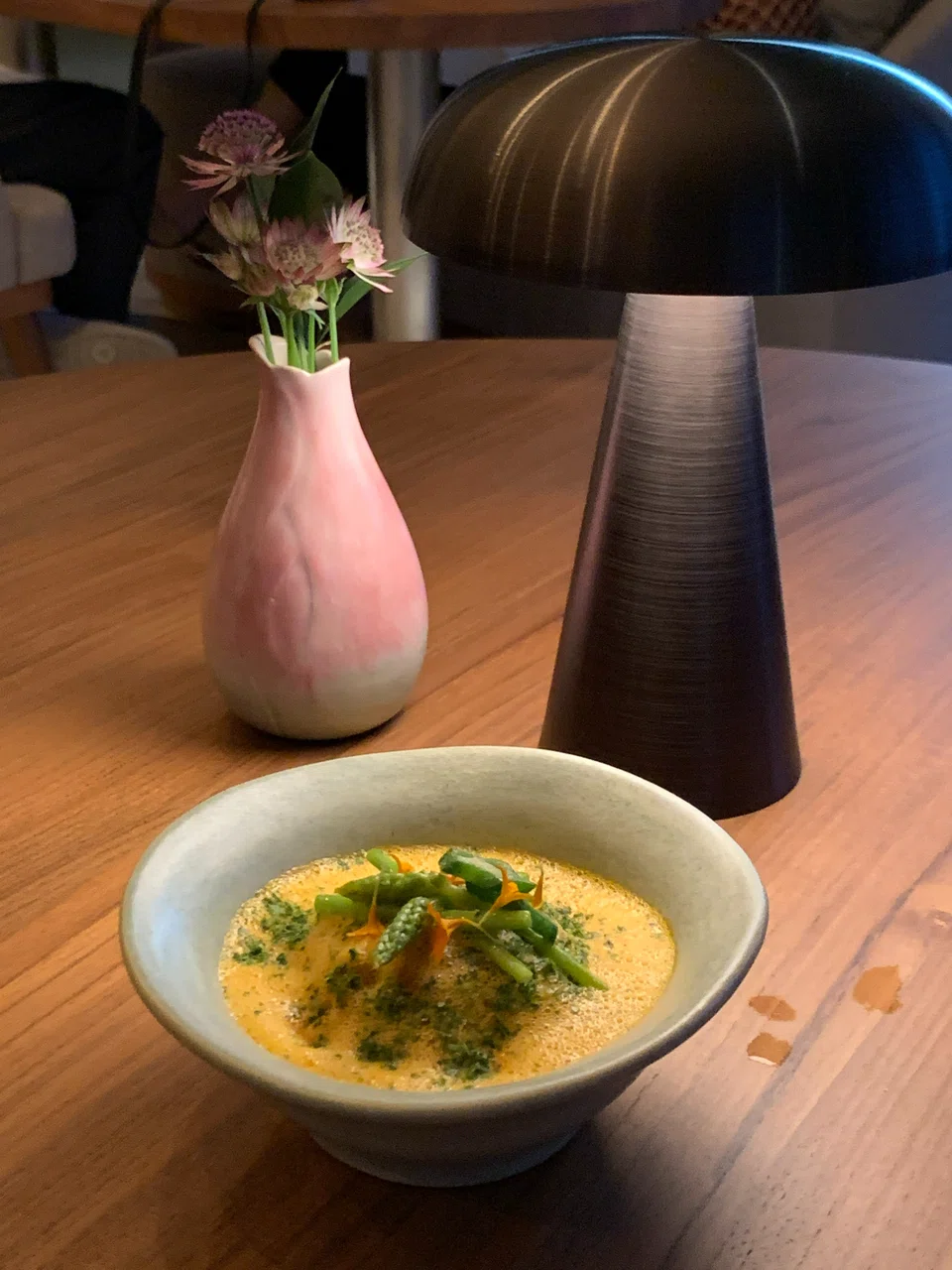
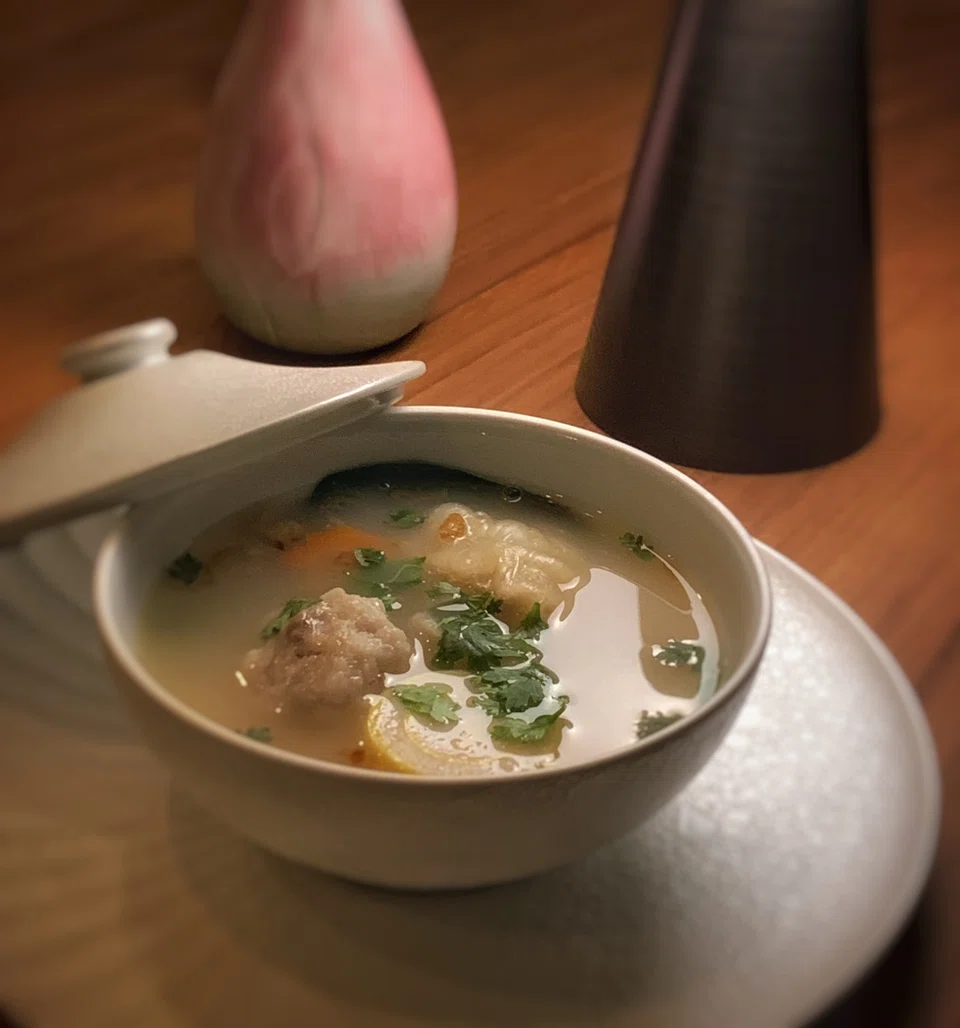
Even the hee peow soup is an elevated version of the norm. Think collagen-rich broth and an almost fluffy lion’s head meatball, slippery fish maw and pretty slices of rolled omelette stuffed with fish paste.
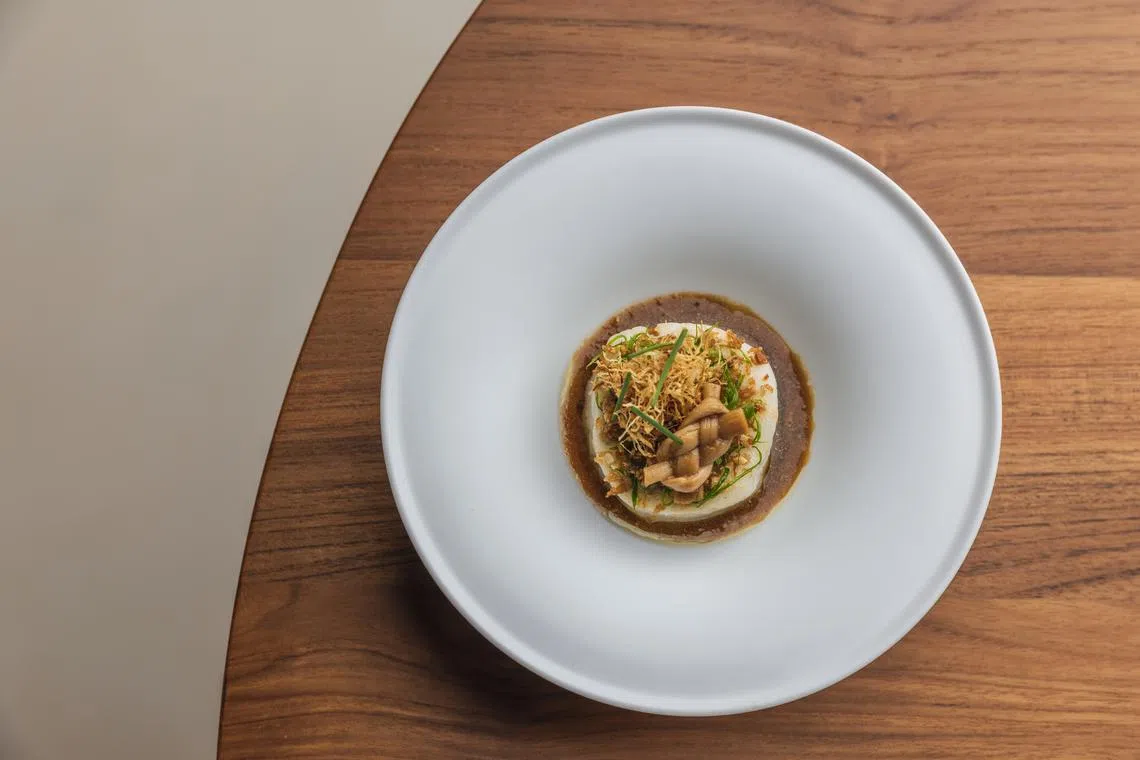
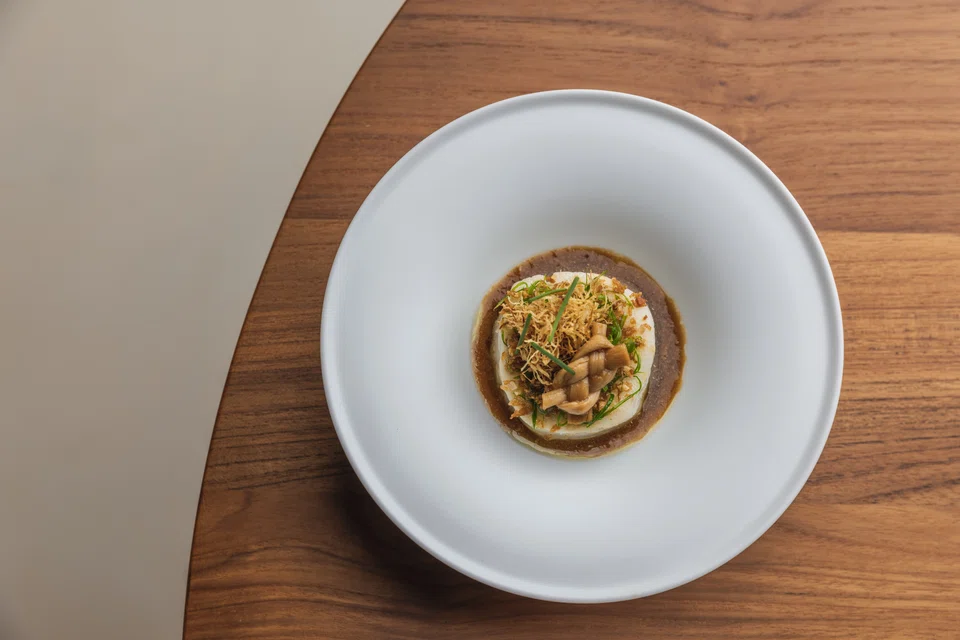
Ikan Chuan Chuan has no relation to fish prone to heart palpitations. It takes its cue from the family favourite served in a taucheo and ginger sauce. It’s not our favourite combination, but again, this is carefully executed with knotted lily bulbs and Bentong ginger in the sauce.
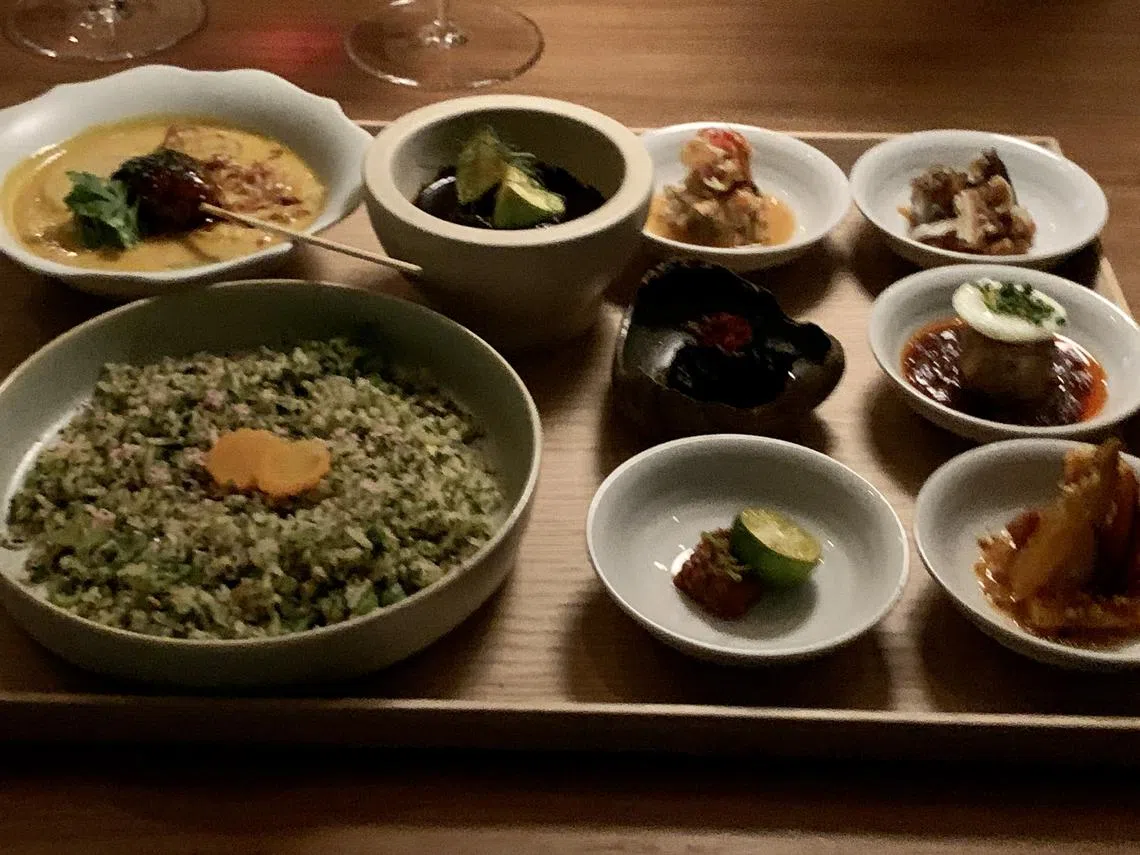
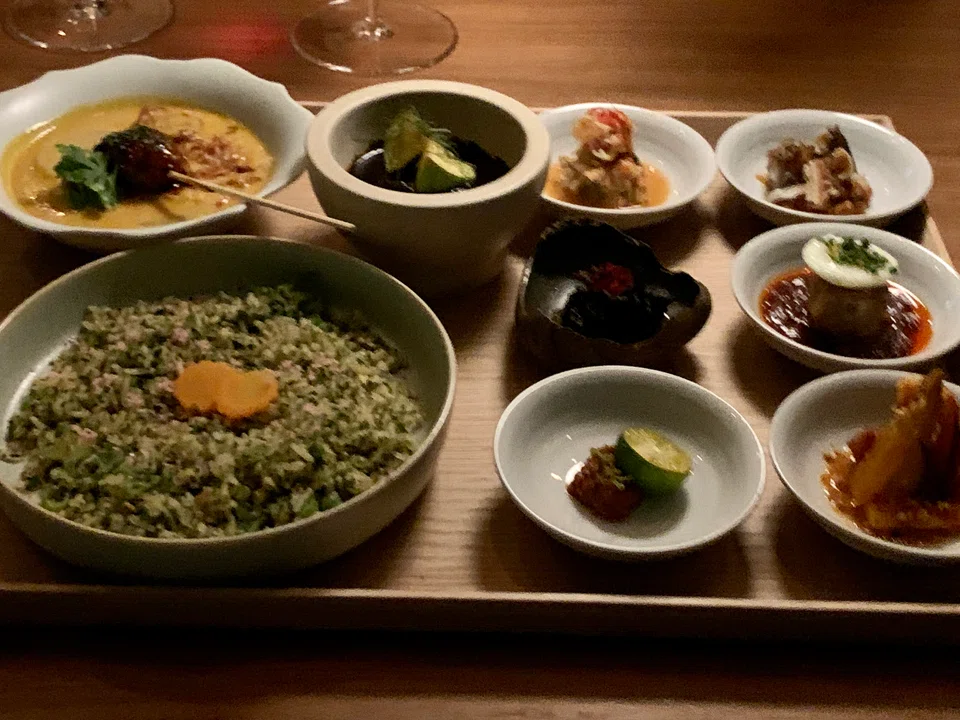
Nasi ulam is naturally the star of the show — the work of OCD herb slicers and rempah/sambal makers who put together this palette of fragrant rice and 8 accompaniments. It’s easy to overlook little things like a too-rich sayur lodeh and an okay short rib buah keluak when other things win you over — like a fascinating funky fermented durian sambal tempoyak and the refined simplicity of a chilli-shallot sambal with bergedil and sunny-side-up quail egg. Add sambal belacan and sweet achar, and you’ve got a food documentary on a plate.
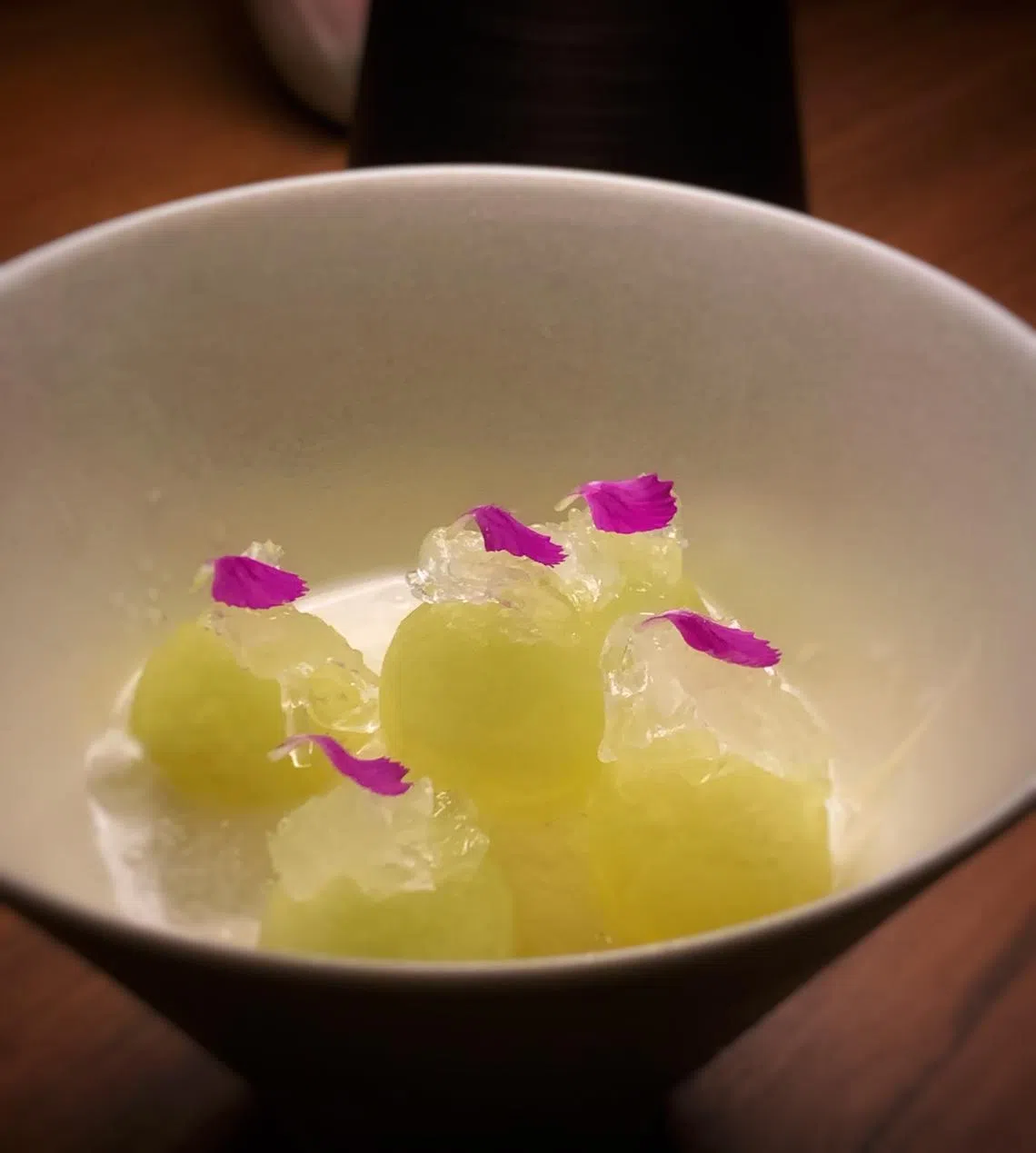
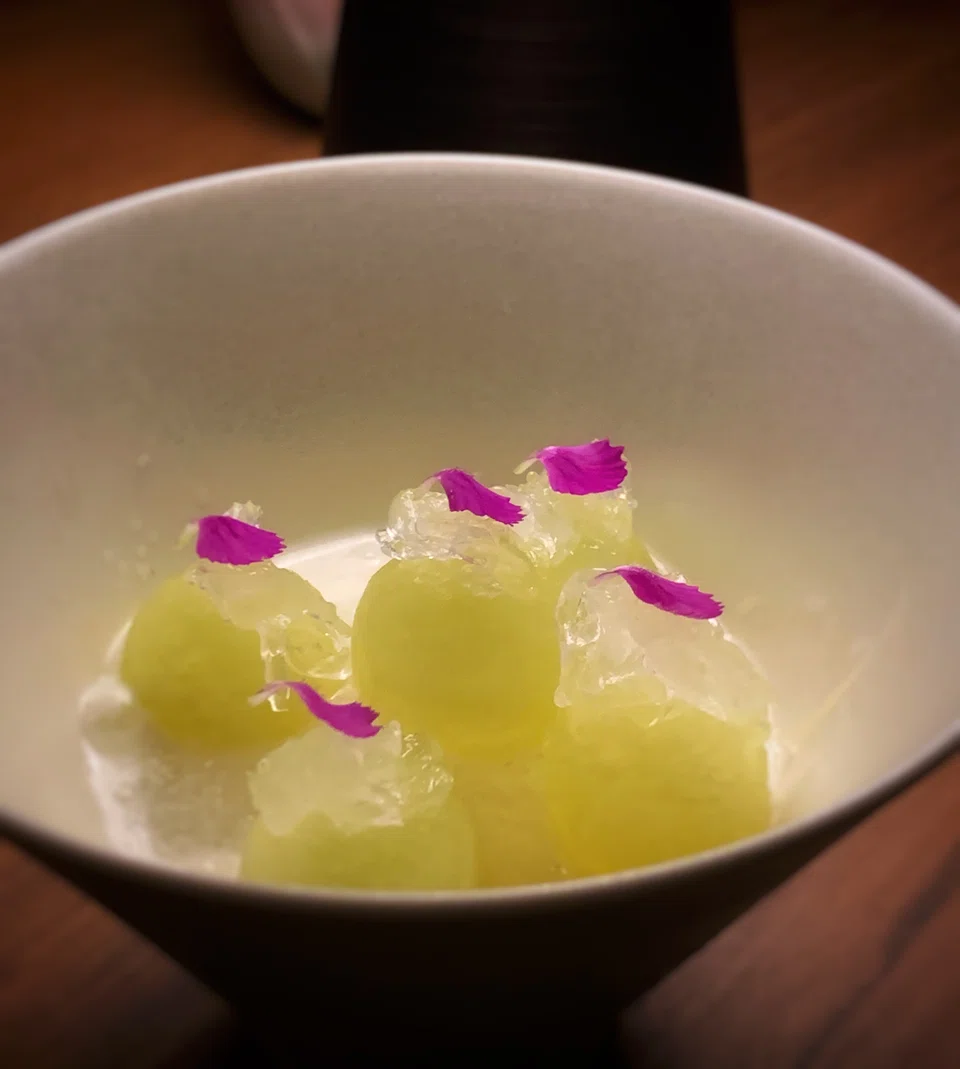
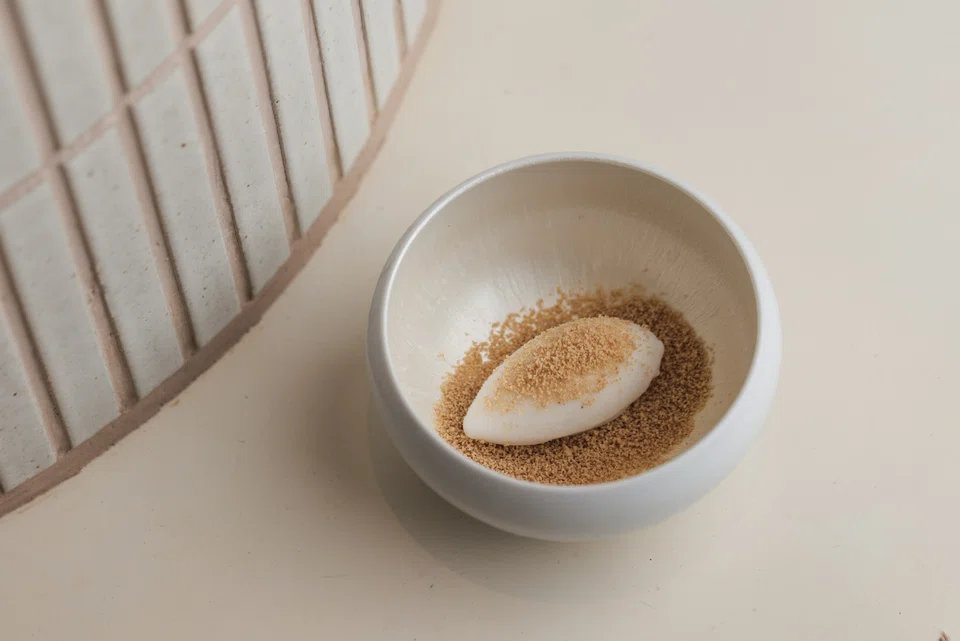
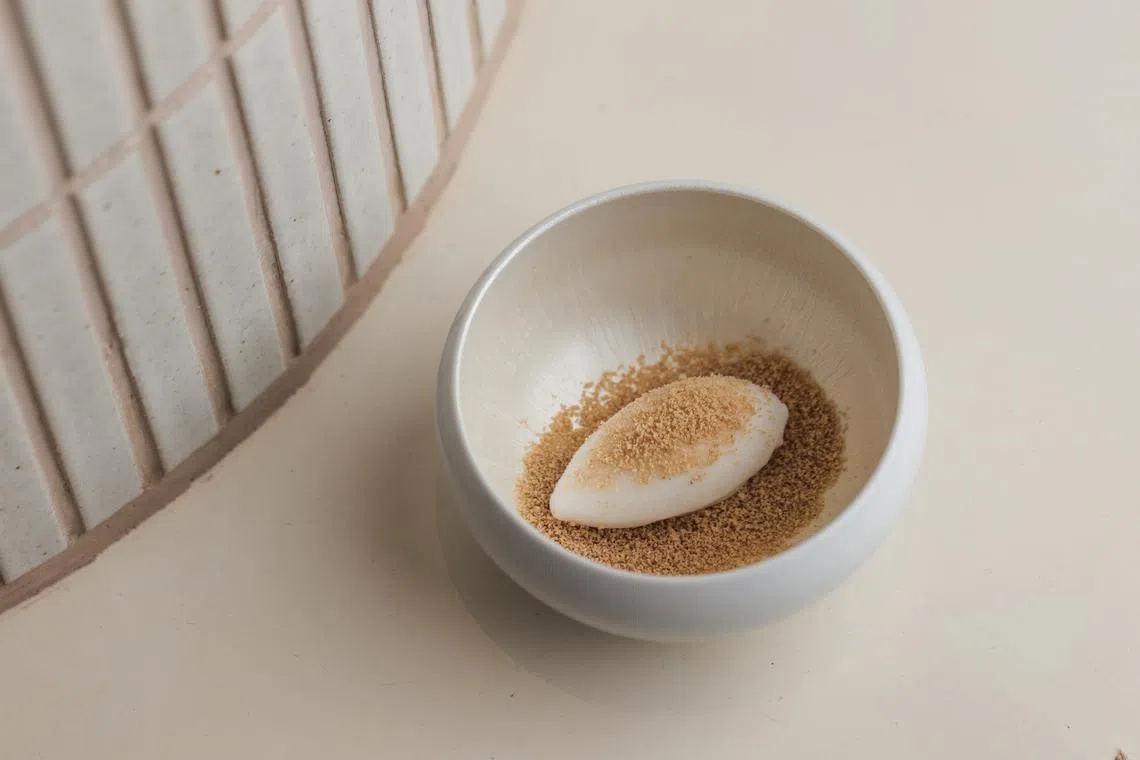
The momentum doesn’t slip up as desserts are their own little slide show worthy of applause. There’s musk melon and coconut shaved ice, yuba and sago, followed by coconut sorbet surrounded by the long-lost sagun or sandy crumbs of toasted grated coconut, rice and sugar.
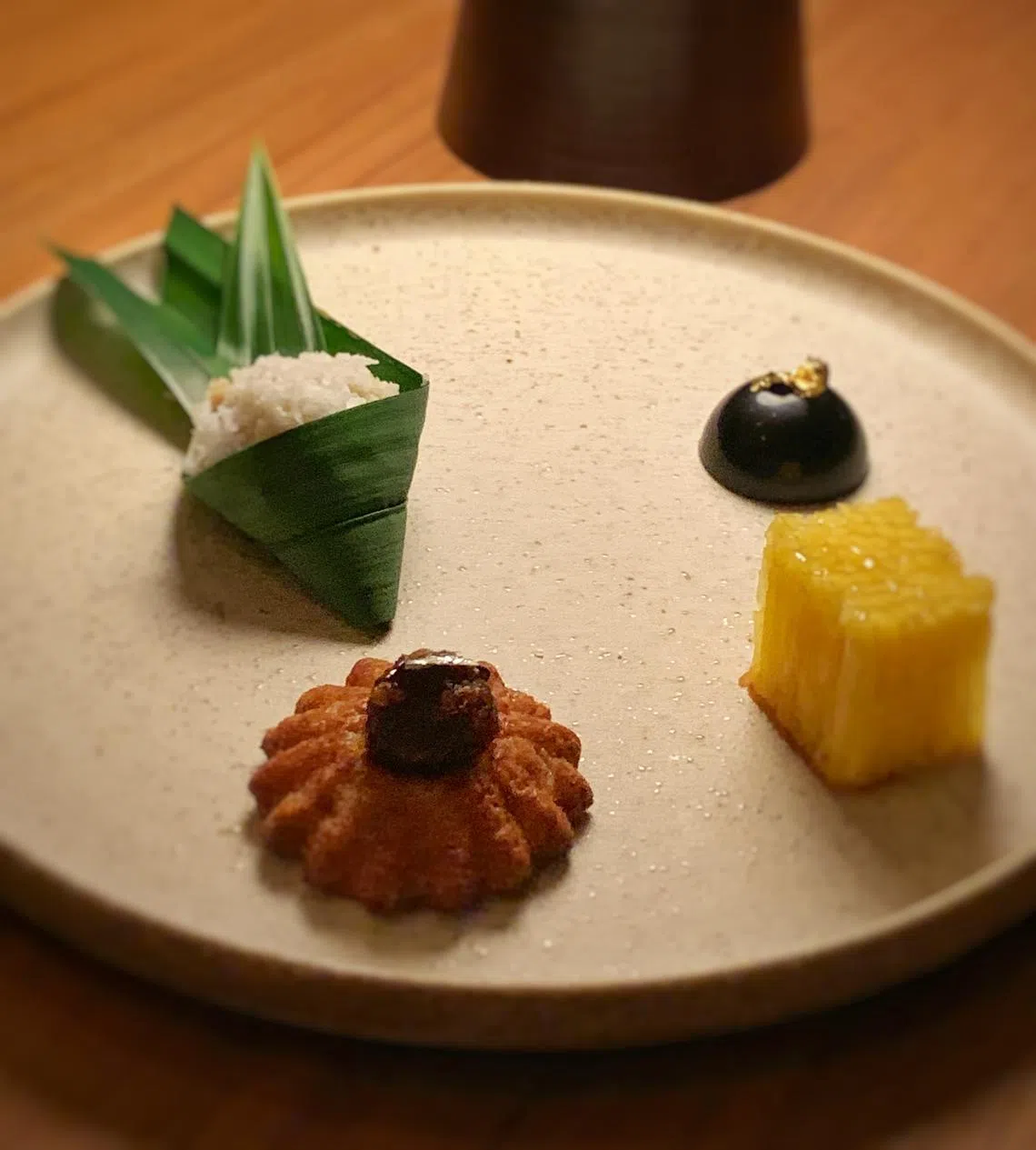
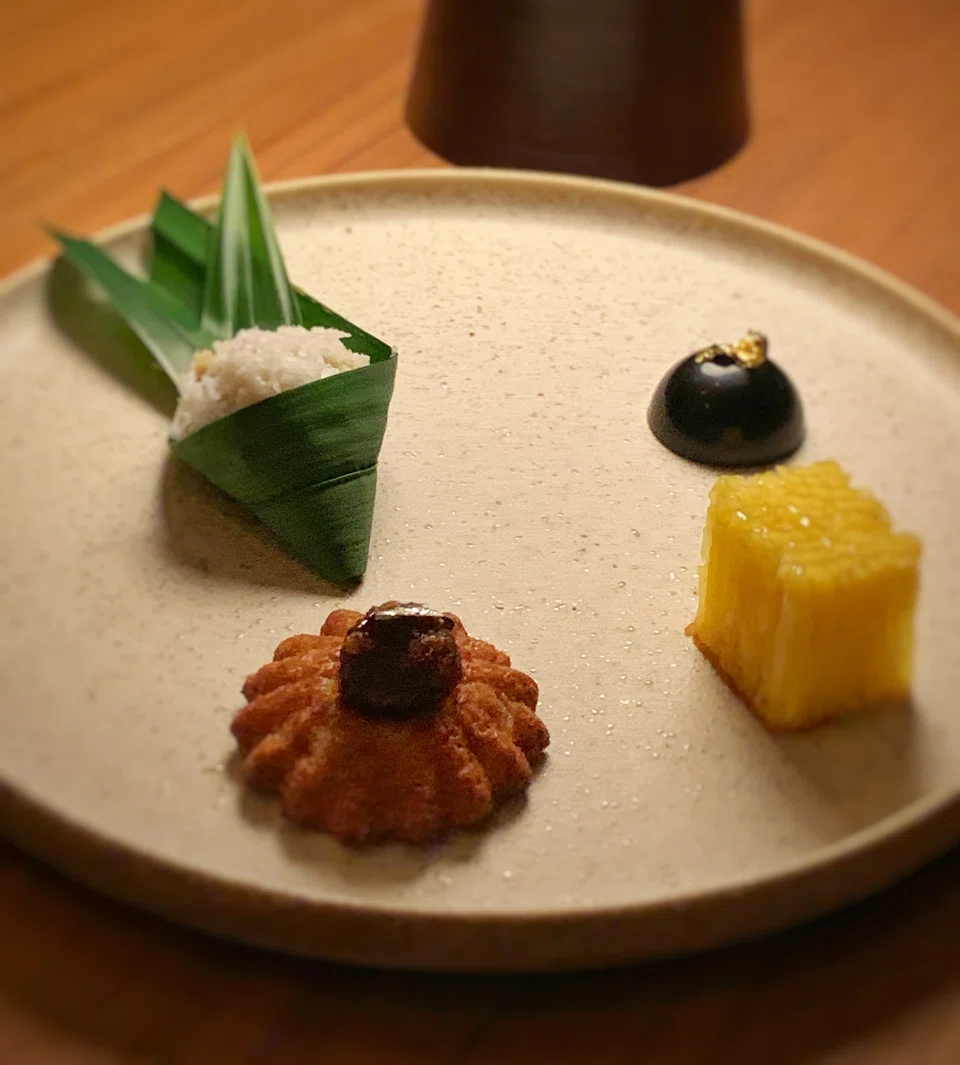
Even the petit fours are labour-intensive bites of chewy pumpkin ondeh ondeh, honey-scented kueh ambon and kueh bingka baked canele-style so no one has to fight over the crispy ends of the conventional version.
From his start as a wide-eyed youth cooking with his mother to now, as a seasoned veteran, Lee has stayed true to himself and his craft. While chefs pursue the notion of Singaporean cooking by way of innovative techniques or modern interpretations, he proves — without even setting out to — that you can take cuisine to the next level with nothing more than authenticity and soul. And at a price that’s well worth it.
Rating: 8
WHAT OUR RATINGS MEAN 10: The ultimate dining experience 9-9.5: Sublime 8-8.5: Excellent 7-7.5: Good to very good 6-6.5: Promising 5-5.5: Average
Our review policy: The Business Times pays for all meals at restaurants reviewed on this page. Unless specified, the writer does not accept hosted meals prior to the review’s publication.
Decoding Asia newsletter: your guide to navigating Asia in a new global order. Sign up here to get Decoding Asia newsletter. Delivered to your inbox. Free.
Copyright SPH Media. All rights reserved.






