‘Giving us heart attacks’: How a home-grown brand fought competition for almost 40 years
Mayer is looking to extend its reach far beyond the kitchen
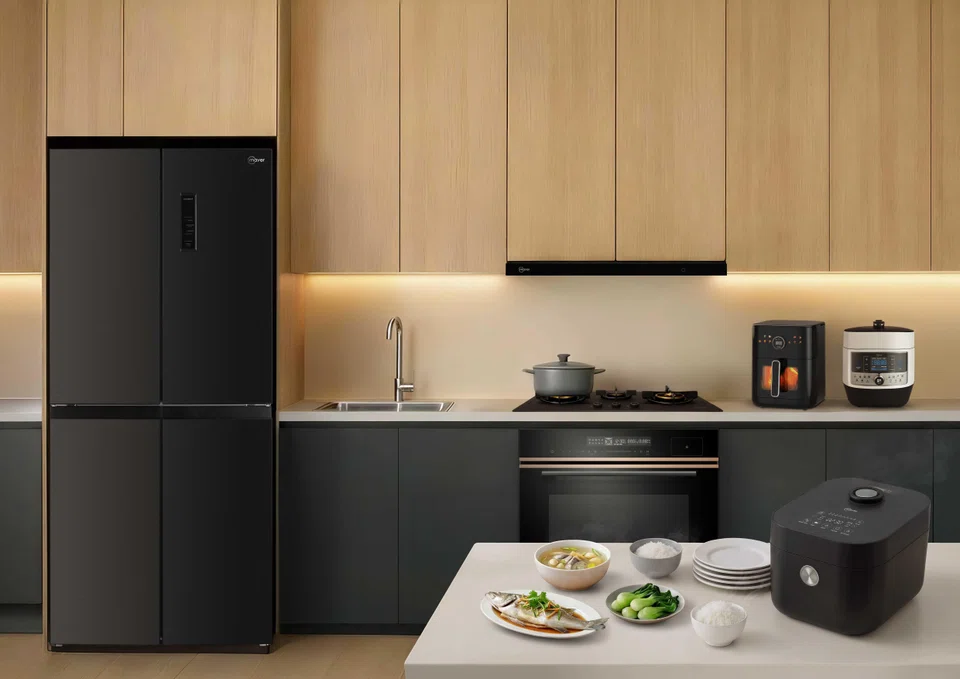
[SINGAPORE] For decades – and perhaps even today – many thought that Mayer, founded here almost 40 years ago in 1987, was a European kitchen equipment brand. That’s because its showrooms distributed appliances from the likes of Italy’s Ariston and Candy, as well as America’s KitchenAid.
So when the three brands eventually left the home-grown marketing company, it decided to create its own products instead, starting with a single item – the air fryer. That was in 2015 and the company, sold to Malaysia’s Khind Holdings in 2012, hasn’t looked back since.
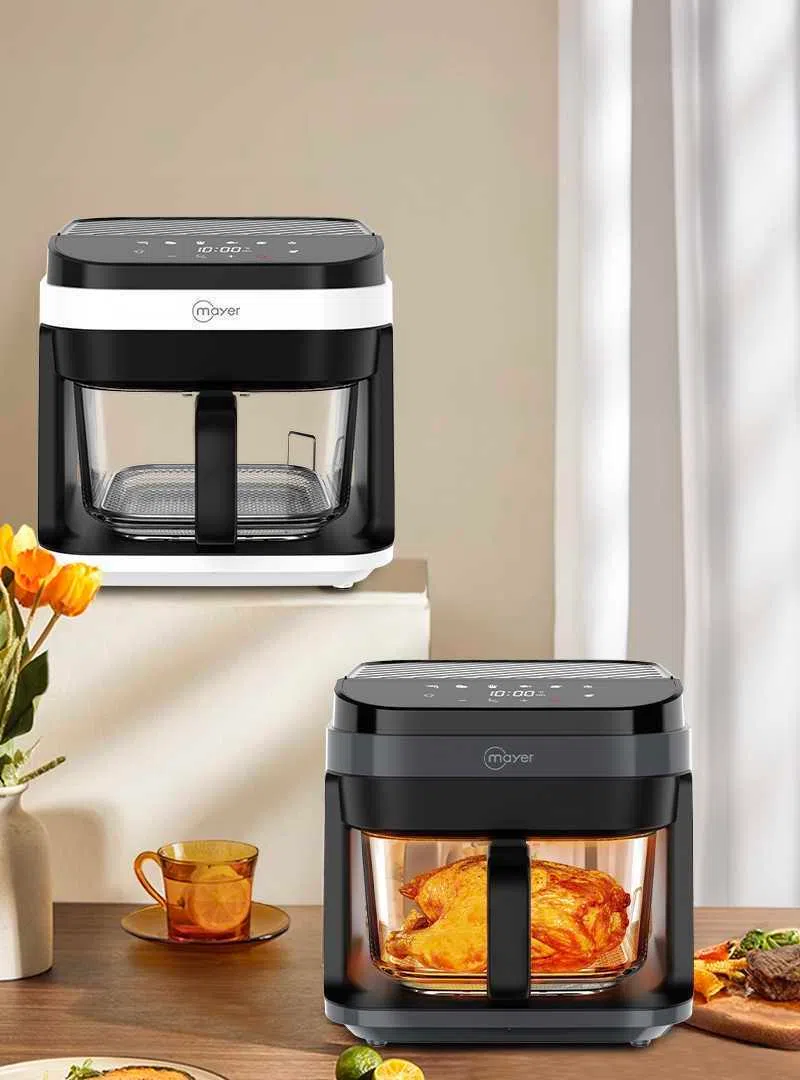
As one of the earliest local brands to sell the air fryer here, Mayer accepted a lower margin by pricing its appliances at half or less than that of competitors’.
The strategy created “quite a big hoo-ha in the market” and moved some 80,000 to 100,000 units of air fryers a year, Tan Kok Keong, Mayer Marketing’s general manager, told The Business Times after launching a new brand campaign last month.
Mayer Marketing also owns the Mistral brand – known for its fans – in Singapore and Malaysia. Last month, responsibility for the two brands across the Causeway were added to Tan’s portfolio. He plans to open Mayer’s own stores there as part of a three-year plan.
Mayer’s products, mostly made in China, are sold here via online channels, dealers and directly through its nine physical stores. Overseas, they are available via distributors in countries such as Malaysia, Brunei, Cambodia, the Philippines, Maldives, Mauritius and Nepal.
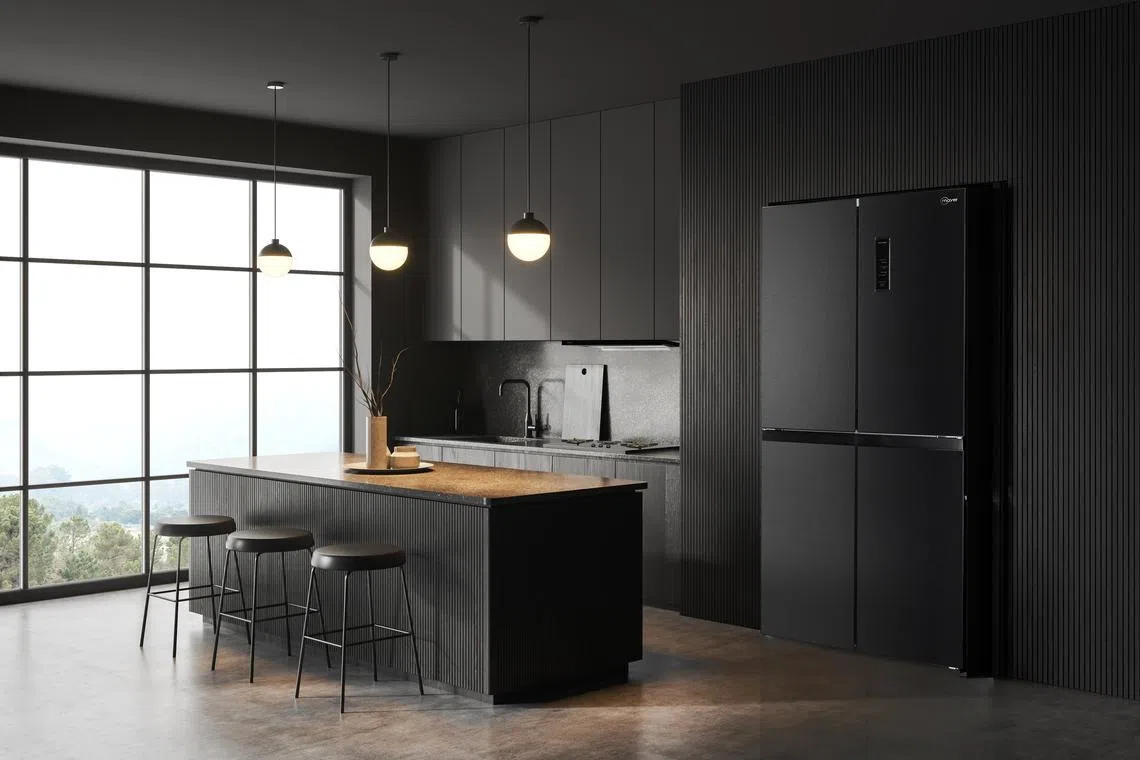
From a single product, it now has eight main product categories, designed by an in-house team of four, together with its original equipment manufacturers. These items include built-in appliances such as hobs, hoods and ovens, as well as small domestic appliances and freestanding refrigerators which it launched in December 2024.
Last year, Mayer also introduced a loyalty programme as well as its own app which can control selected appliances.

“Now that we have fridges, we are considering if we should also go into the laundry category,” adds Tan.


Currently, he is looking to tap the market for overworked professionals, managers, executives and technicians (PMETs), as well as the silver generation to grow Mayer’s business. These two seem like opposing market segments, but Tan says the similarity lies in simplicity, convenience and reliability.
“For the overworked PMETs, we will be focusing on automation and time-saving features, such as preset cooking functions, smart control or multi-functional appliances which are space-savers on their kitchen countertop.”
For the silver generation, the priority is on inclusive designs such as simplified controls, clear display and enhanced safety features such as auto shut off and stable handling.
“Ultimately, both strategies are aligned around reducing effort and improving everyday usability.”
In the second half of this year, Mayer is also looking to launch new products in the travel category, such as a multi-functional cooker-cum-kettle and lightweight hair dryer-cum-straightener – all of them with dual-voltage capabilities.
Mayer’s journey, while successful, has not been without challenges. Competition, especially from Chinese brands with their “very competitive pricing”, deep pockets and huge advertising and promotion budgets, have caused “a lot of heart attacks”.
“So it’s quite challenging for us in the market. At this point in time, I would say stabilising the business in terms of revenue and profit is most critical.”
Tan credits adaptability, a strong partnership with dealers and brand loyalty for carrying it through, with a good understanding of local consumer needs as Mayer’s competitive advantage. Indeed, its secret sauce is feedback from walk-in customers at its physical stores.
“They tell us what we should have, what we shouldn’t, the kind of enhancements to make and the next product we should carry,” reveals Tan. “Our product development is not solely based on market surveys; our most valuable feedback is what customers tell us.”
For instance, “aunties and uncles” prefer to see the cooking progress inside a rice cooker, so Mayer introduced a basic model with a see-through lid.
This is also why Tan says experiential retail remains “critical” for the brand, even though there are increasing sales from online channels. “Many of our customers still prefer to go into the stores to see and touch the products, and let staff explain their usage and benefits.”
Decoding Asia newsletter: your guide to navigating Asia in a new global order. Sign up here to get Decoding Asia newsletter. Delivered to your inbox. Free.
Copyright SPH Media. All rights reserved.