He invented the Basque cheesecake. He prefers chocolate
The man widely credited with creating the famous ‘burnt’ dessert is handing things over to his children
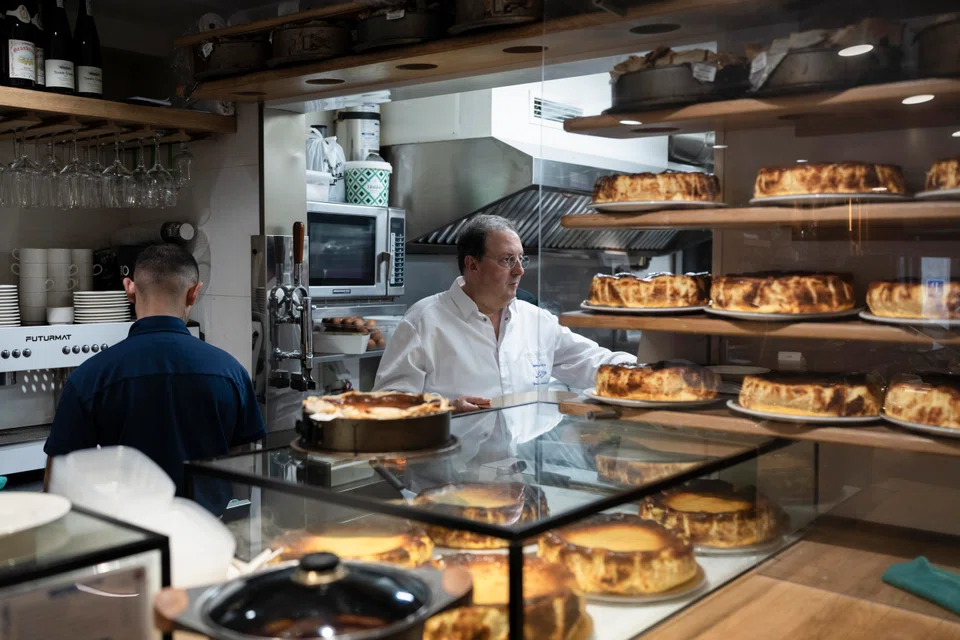
[SAN SEBASTIAN, SPAIN] On a stormy afternoon in San Sebastian, the foodie paradise of northern Spain, Santiago Rivera leaves his cheesecake factory and bids farewell to the son and daughter who will soon inherit his dessert empire.
Comparing himself to an ageing king, he returns with a slow gait to La Vina, the restaurant down the street he is the chef widely acknowledged to have invented the so-called burnt Basque cheesecake that has conquered much of the world.
“It’s always like this,” says Rivera, 65, as he squeezes through a crowd of tourists shielding their creamy slices from the rain.
Inside, scores more wolf down portions at the crammed wooden bar. Instagram influencers film cheesecakes on shelves by the kitchen or in the dining room’s armoire that Rivera’s mother once used to hold fruit and flowers.
Nearly 40 years ago, Rivera, then a young and floppy-haired barman, used his days off to experiment with recipes, including for a version of a New York-style cheesecake.
In his tests, he stripped the cheesecake of its bottom crust to save time and counter-space in a tiny kitchen, and cooked it at a higher temperature to give it a scorched, caramel-coloured top.
His father, despite losing his sight, nevertheless observed the satisfaction his son’s concoction brought to customers.
“‘Santi, don’t ever stop making this cheesecake,’” Rivera recalls his father telling him.
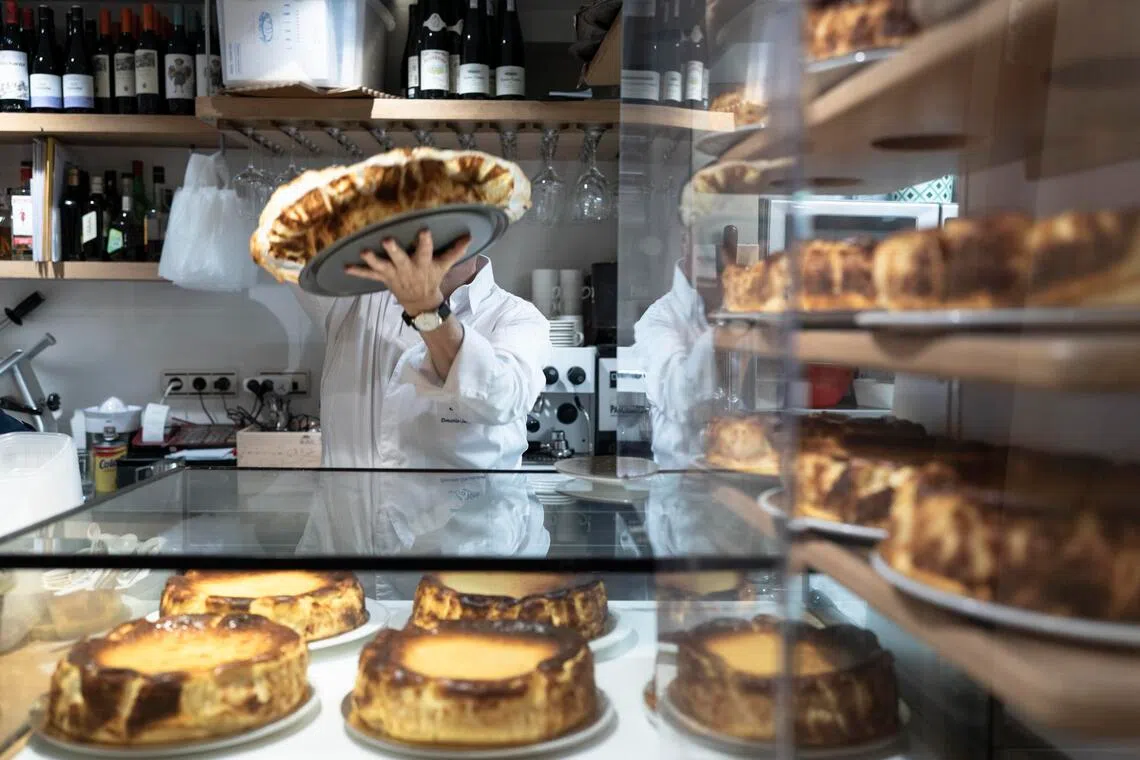
In the ensuing years, a dessert that had no roots in Spain’s northern Basque Country somehow became one of the region’s culinary calling cards. Similar cheesecakes started appearing on counters around the city and would-be usurpers now make versions topped with candy bars.

The soft-spoken Rivera, wearing a white chef’s jacket embroidered with his name, says his influence makes him proud, but that he is also “exhausted”.
Years of preparing crab, pouring beers and above all, slinging cheesecake, have caused “a lot of wear and tear”, he says.
The time has come, he says, to hang up his springform pan. On Jun 1, he will retire from both his cheesecake concerns, the restaurant and the factory – really a big bakery – leaving behind a cholesterol kingdom that reaches far beyond his hometown.
Raring for a slice
He is not the only cheesecake specialist in Spain with a following. In Madrid, people have lined up for years outside the shops of Alex Cordobes, where cakes with oozing centers are boxed – and priced – like jewellery.
The cheesecake-obsessed masses also queue around the corners outside 99 Cheesecake, where an unadorned slice costs US$0.99.
In May, Valencia played host to the Champions Cheesecake Festival, which featured cheese-eating mouse mascots, dinosaur-themed cheesecakes and cheesecakes-on-a-stick.
Cheesecake is a staple on dessert menus across the country and shops called Mr Cheesecakes, 1989 Cheesecake Room and La Cheesequeria clog arteries around southern Spain by selling scores of flavours.
Rivera and his heirs consider such innovations abominations.
“No toppings!” says his daughter Sara, 26. Rivera agrees, adding that overly viscous centres, pistachio flavouring and other tweaks were created solely by cheesecake transgressors “to give themselves importance”.
Rising to the top
Rivera says his intentions were purer and connected to the altruistic ambitions he held while growing up in the 1960s and 1970s.
“I wanted to be a missionary,” he says, recalling his Catholic-school days. “I wanted in some way to help people.”
He ended up training as an electrician but struggled to find regular work.
In 1987, he reluctantly took a job behind the bar his family had started in 1959. Over time, he saw it as an opportunity to experiment as a chef.
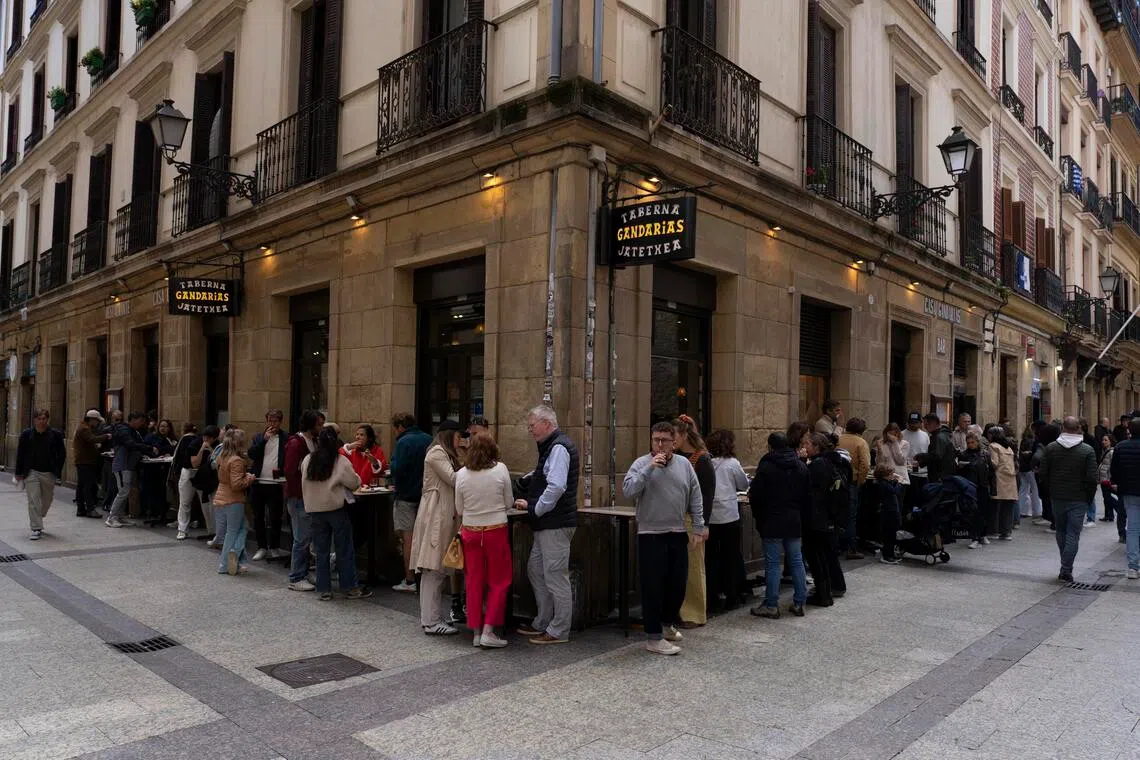
While Rivera’s four cousins showed less commitment to the family business – they “wanted to eat ham and drink wine”, he says – he made his move, turning La Vina into a test kitchen. He experimented with chocolate mousse, meatballs and, one fateful day, cheesecake.
People liked it, and in 1997, at the suggestion of a chef visiting from a high-end hotel, he stopped refrigerating the cakes to give them a softer centre. Patrons noticed them next to the coffee machine and he started selling more.
The income was a welcome development, he says, because not long after his second child was born in 1999, he separated from his wife and the business faced eviction.
“I needed money.”
Regulars indulged in a slice “once every two months at most”, he recalls, but a change in the local political climate gave him a hand.
The domestic terrorism that had long marred Spain’s Basque Country abated. San Sebastian – with its pintxo bars and spectacular seaside – became a magnet for foodies and foreign chefs.
Rivera says the mix of tourism, marketing and universally available ingredients – supermarket cream cheese, eggs, sugar, some flour – led the cheesecake’s reputation to spread across borders and cultures.
Spreading far and wide
As early as 2008, New York restaurant menus included an homage to the “burnt Basque cheesecake” – a name Rivera never embraced.
“It’s not burnt,” he says. Yet, the cheesecakes hardly made a dent in a land where Junior’s, the local Brooklyn cheesecake heavy, loomed large.
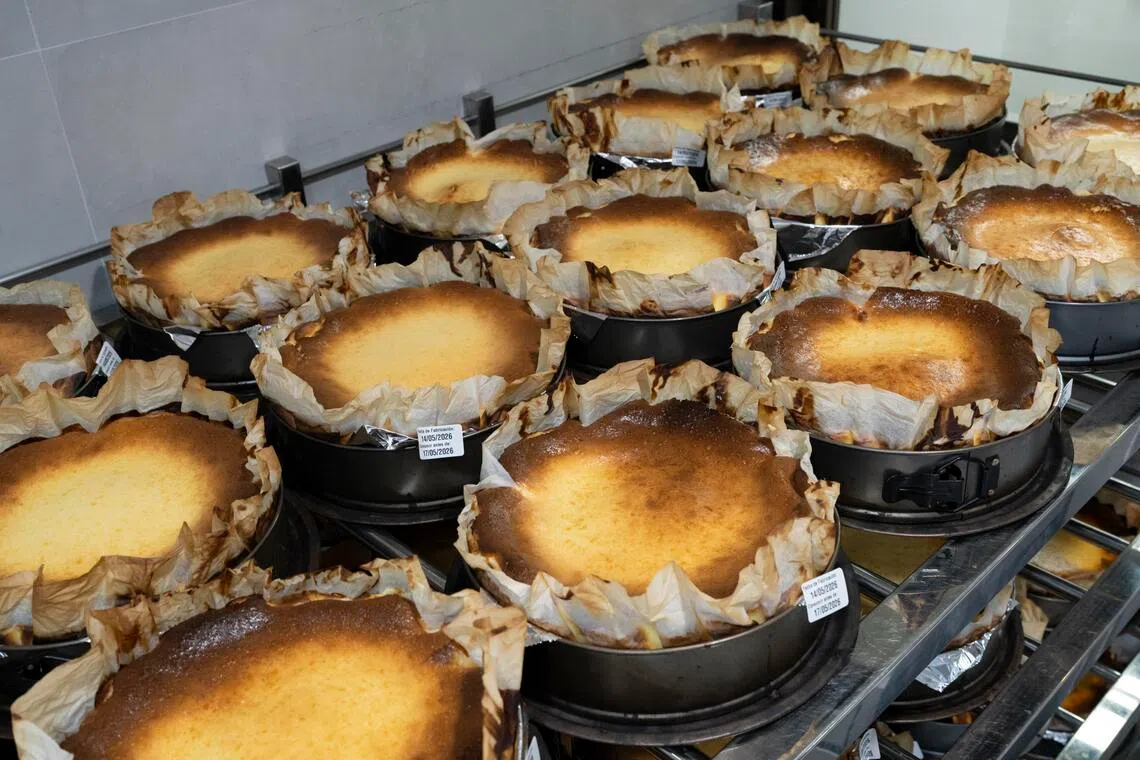
Around 2012, though, popular bakeries in Turkey started featuring the San Sebastian cheesecake, clearly influenced by La Vina’s creation. In the following years, it began to colonise London and Chicago, Malaysia and Australia.
By the time Bon Appetit, the American food magazine, published a recipe for it in 2019, Basque cheesecake was everywhere.
During the Covid-19 pandemic, new legions of home cooks got creative with Rivera’s recipe, which he never kept secret, long demonstrating it on a DVD that he still hands out in his restaurant.
“Today, we are approaching Peak Cheesecake,” the restaurant reservation service and guide Resy wrote in 2021. That was the year The New York Times predicted the burnt Basque cheesecake would be the “flavour of the year”.
In the meantime, Instagram ate the cake up. The Times of London in 2023 called it “the pudding that broke the Internet”.
Baking in the “magic”
“I thought that it would stop being trendy,” says Amaia Ormazabal, 34, who came by La Vina to pick up a couple of whole cheesecakes – at 55 euros (S$81.78) each – for a lunch with friends.
She shows pictures of her wedding, featuring 20 “authentic” cheesecakes from La Vina and adds that she is opening her own restaurant in Madrid, where she notes the demand for Basque cheesecakes remains sky high.
“I’m going to have it on the menu.”
All of this only increased La Vina’s fame and Rivera’s finances. He sold enough slices of cake to buy the bar outright from his landlord. Even his ex-wife came in for a slice from time to time, he says.
To meet increased demand, he set up the separate bakery space that advertised itself as “The Original” – a clear brushback to the competition that Rivera accused of hijacking his restaurant’s image – and gave La Vina the ability to produce up to 500 cheesecakes a day.
Throughout, the world’s appetite for cheesecake seemed insatiable.
“Yesterday they called me from Egypt,” says Sara, who is studying finance and administration. She told them to call back when the bar was less busy.
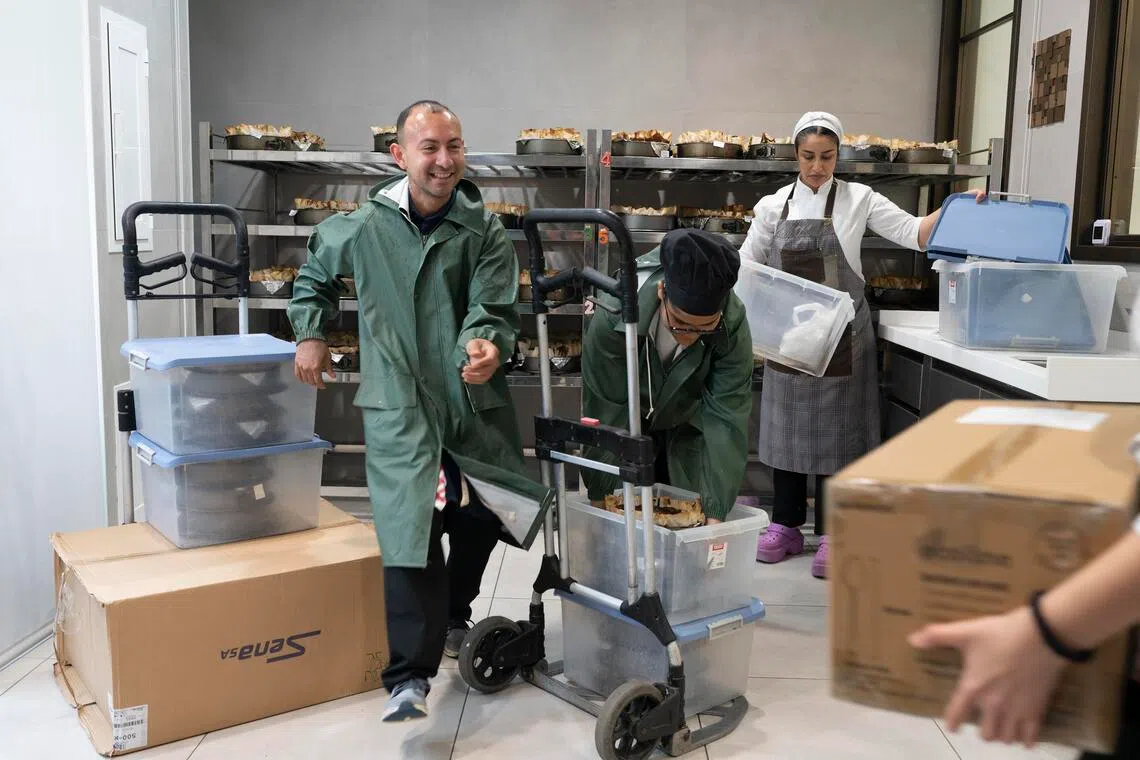
Rivera says he is flattered by investors who want to license the family name or create franchises, but he has passed down to the next generation any concerns about maintaining quality control or losing hard-won prestige for more profit.
“We would lose the magic,” he adds.
His coming retirement is perhaps the greatest threat to that alchemy. For years, his own family doubted he would ever let go. His son, Ismael, 31, who has shifted from the kitchen to the bar, says his father often wanders by during busy nights only to “take off his things, put on his apron and say: ‘Let’s go!’”
For Rivera’s retirement, Ismael says he plans to commission a small statue of his father with a cheesecake to display in the bar. There will be a small party with family, friends, a local band and, of course, a cake.
But not cheesecake, Rivera says. “I don’t know,” he adds. “I really like chocolate.” NYTIMES
Decoding Asia newsletter: your guide to navigating Asia in a new global order. Sign up here to get Decoding Asia newsletter. Delivered to your inbox. Free.
Share with us your feedback on BT's products and services