

Heritage Hokkien favourite Beng Hiang returns
The old-school restaurant has a new menu to add to its classics, but still retains its original appeal
NEW RESTAURANT
Beng Hiang Level 1, Garden Terrace, Shangri-La Singapore 22 Orange Grove Road Singapore 258350 Tel: 6221-6695/6221-6684 Open daily for lunch and dinner: 11.30 am to 2.30 pm; 6 to 9.30 pm
[SINGAPORE] Beng Hiang. If it were a person, it would be a Hokkien-speaking uncle – Tancho-streaked hair, ballpoint pen in shirt pocket, a fondness for PVC recliners draped in beaded seat covers. And batik shirts for formal occasions.
He would cry at Dear You and spark a dialect-versus-Mandarin debate over copious amounts of ngoh hiang and hae cho. An anachronism, but in a weirdly comforting way.
It’s a throwback to a simpler era, when problems could be solved with a good grandfather story and kong bak pau.
That’s what Beng Hiang the restaurant is today. It’s not so much about the food, but the memories around it.
It has a near 50-year history – from Murray to Amoy streets, before finally breathing its last at Jurong East – but its latest resurrection shows that you don’t put an old dog down. You just teach it new tricks.
The plus is that it’s closer to town at the Shangri-La Hotel.
It’s also in nicer surroundings, although you have to weave past the swimming pool and wet children to get to the Garden Terrace.
It’s been fashioned out of an underused function room, but still looks more permanent than the short-term residency it’s supposed to be.
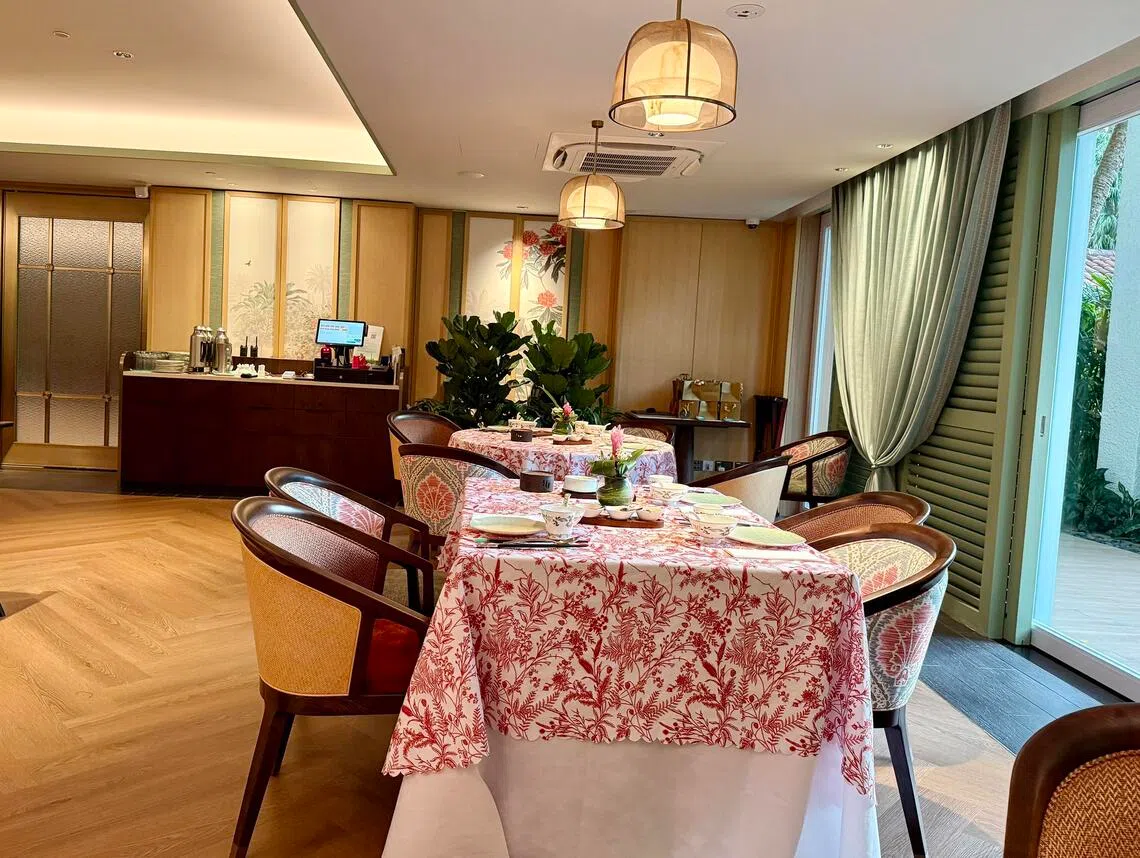
The original Beng Hiang was no style maven, but its floral carpets have been reimagined as colourful tablecloths, giving an instant retro lift to the bland banquet-hall setting. A sprinkling of Chinese artworks and centrepiece florals helps, too.
The founding family has long relinquished ownership to the Kuok family, but its DNA is fiercely protected by long-time manager Tony Leong – just one vowel away from the Hong Kong screen legend.
He is both front-of-house and historian, skilled at entertaining diners with anecdotes and spot-on recommendations.
Backing him in the kitchen is fellow alumnus Tan Peng Chiew, the sous chef who learnt from the masters themselves.
Even so, this isn’t the old Beng Hiang cloned to the last detail. There is a section of the menu devoted to a handful of classics, but the rest of it is new and tailored for an upmarket crowd.
The restaurant adapts to its audience, says Leong, freely conceding that the Jurong East outlet even served non-Hokkien zi char stalwarts such as ko lo yok – sweet-and-sour pork – to appease heartland diners.
Now, it looks like it wants to be a source of refined Hokkien cuisine, and it comes pretty close. But if reliving old flavours is what you’re really here for, you won’t be disappointed.
The mood is set the moment they lay warm, soy sauce-braised peanuts on your table as a snack, along with shavings of sweet, pickled papaya. There’s also spicy homemade chilli sauce that Leong dares us to try. It’s hot.
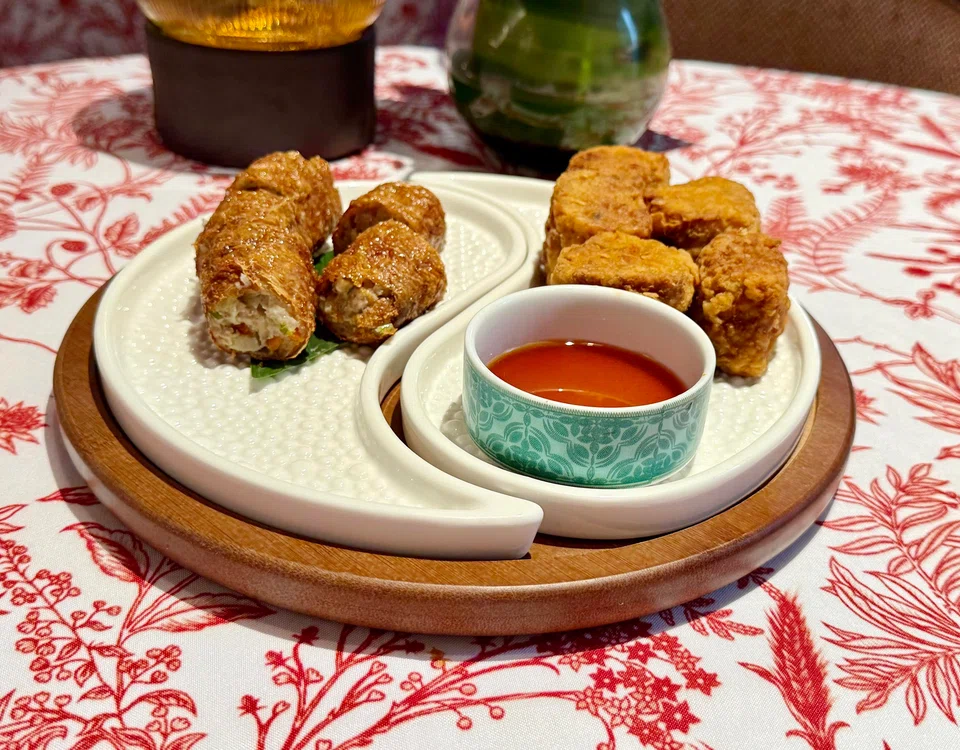
The sauce is the ideal dip for classic ngoh hiang and hae cho (S$18) – also known as crispy five-spice pork roll and prawn ball.
Leong briefly explains how the Hokkien and Teochew versions differ, but we only care that they’re deep-fried nuggets of fluffy five spice-enhanced minced pork, and morsels of prawn-pork mince lightened with water chestnut and celery.
Sweet sauce is optional, as they’re good on their own.
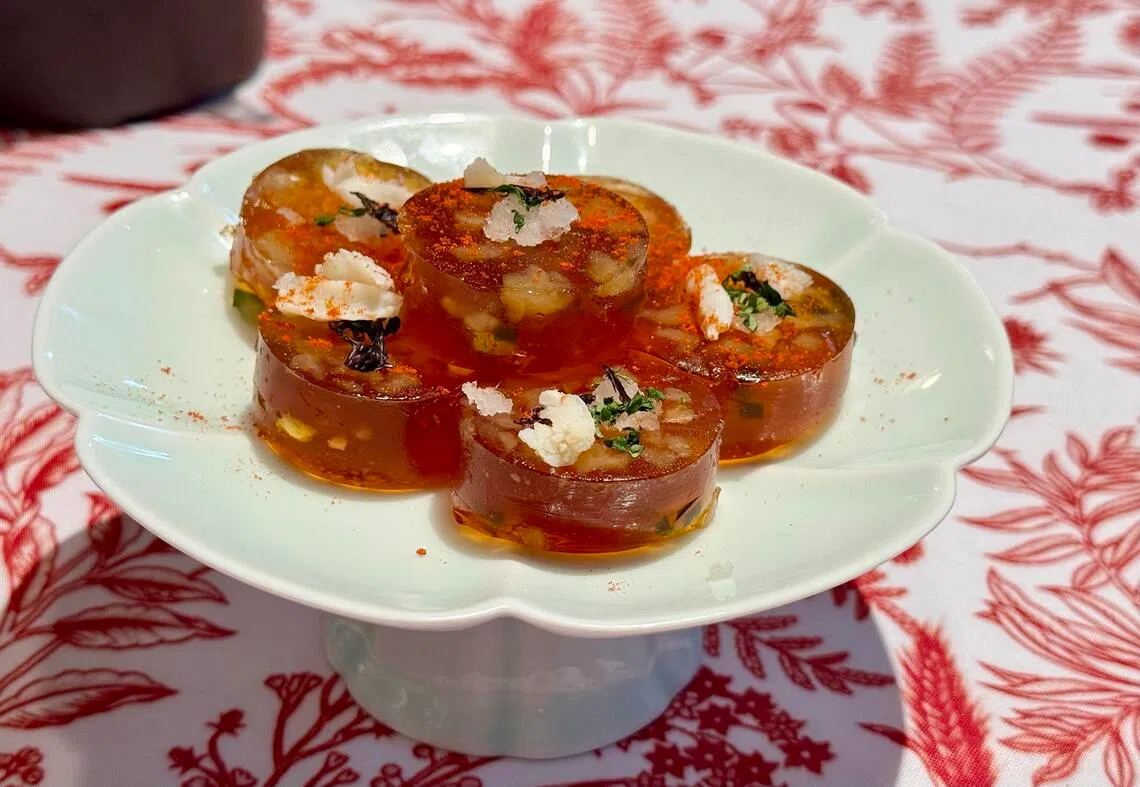
Crystal jellyfish with Yongchun aged vinegar (S$15) feature sweet and tangy jellied discs filled with bits of crabmeat, jellyfish and seaweed – wobbly, refreshing, not entirely necessary.
The restaurant’s pork dumpling soup (S$15) is something you’d make at home, if your pantry stocked slippery-chewy dumpling skin and dried seaweed from Fuzhou.
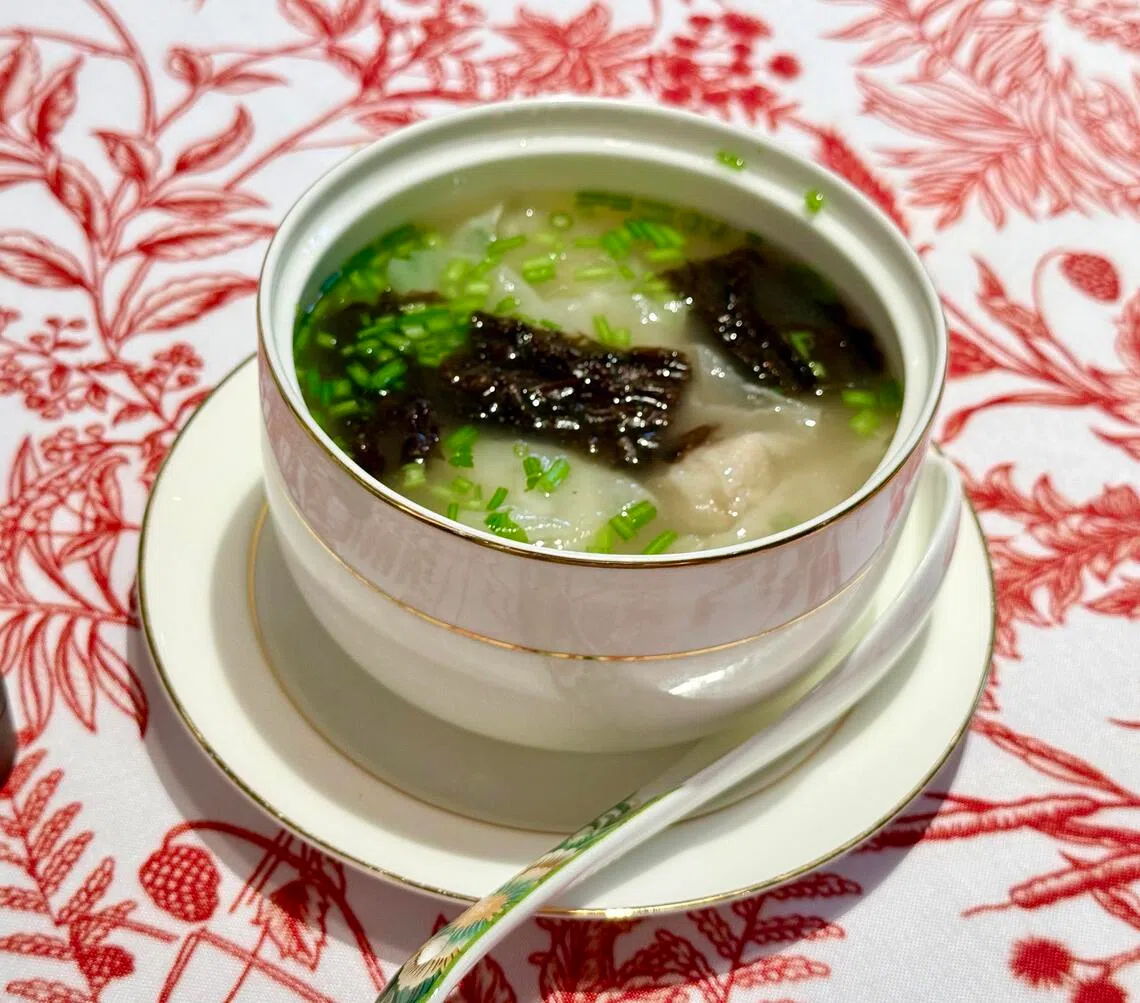
The pork and chicken broth is clear but full-bodied, with the umami of briny seaweed, and translucent wontons of finely minced pork.
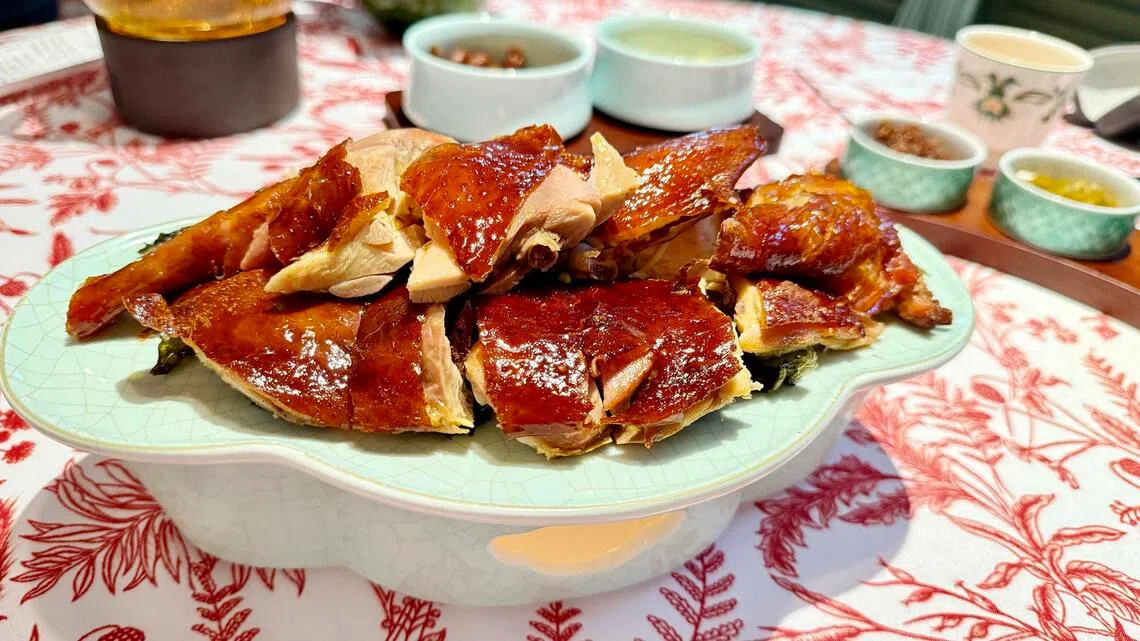
Tea-smoked crispy chicken (S$30 for half) can be salty, but the crisp skin is worth it – infused with smoky, earthy tea goodness.
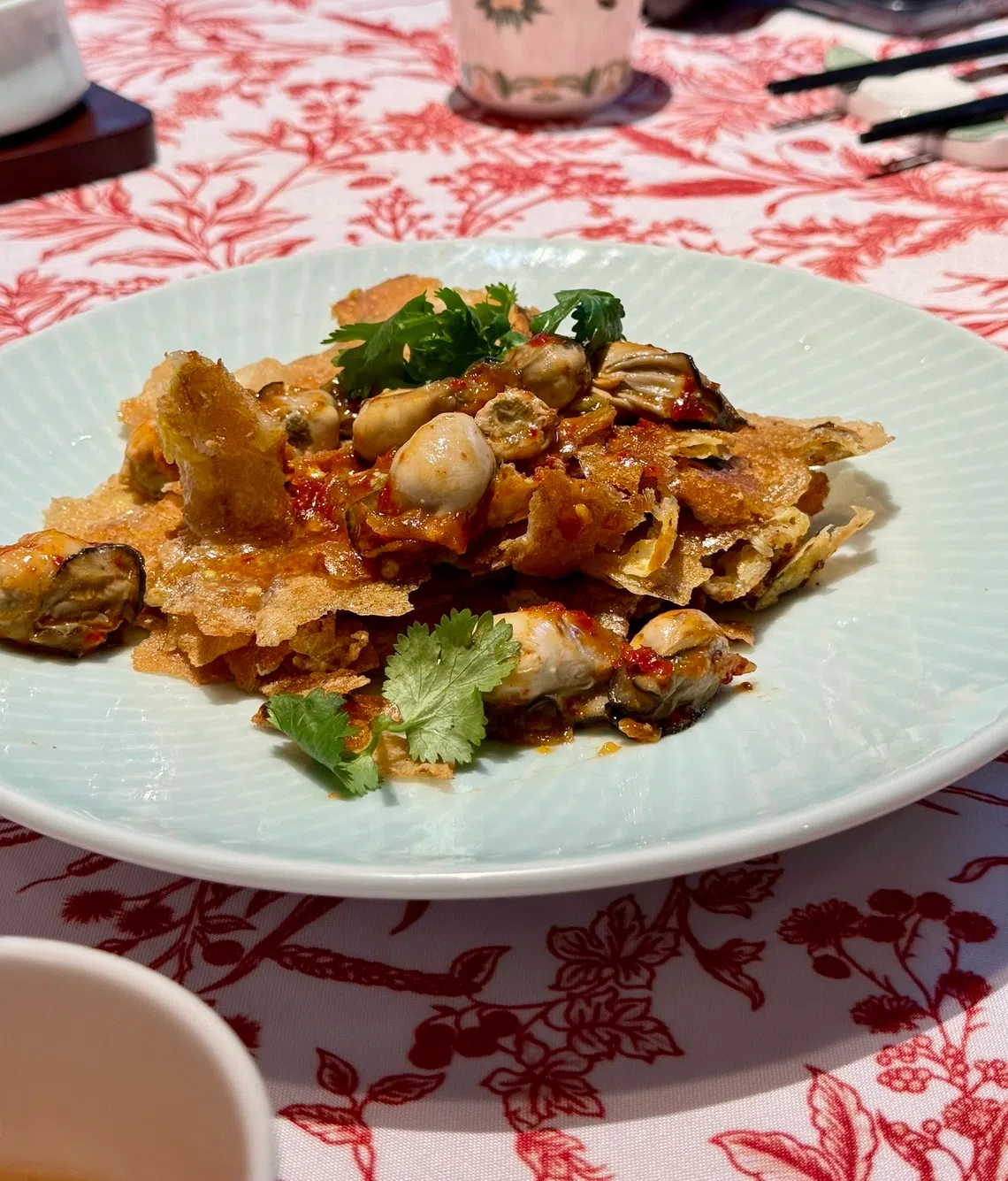
But our money is on the oyster omelette (S$25) – the shattering crunch of fried batter and thin layers of egg in perfect union with fat, briny oysters. Deliberately crisp rather than gooey, you won’t stop till you’ve had more than enough.
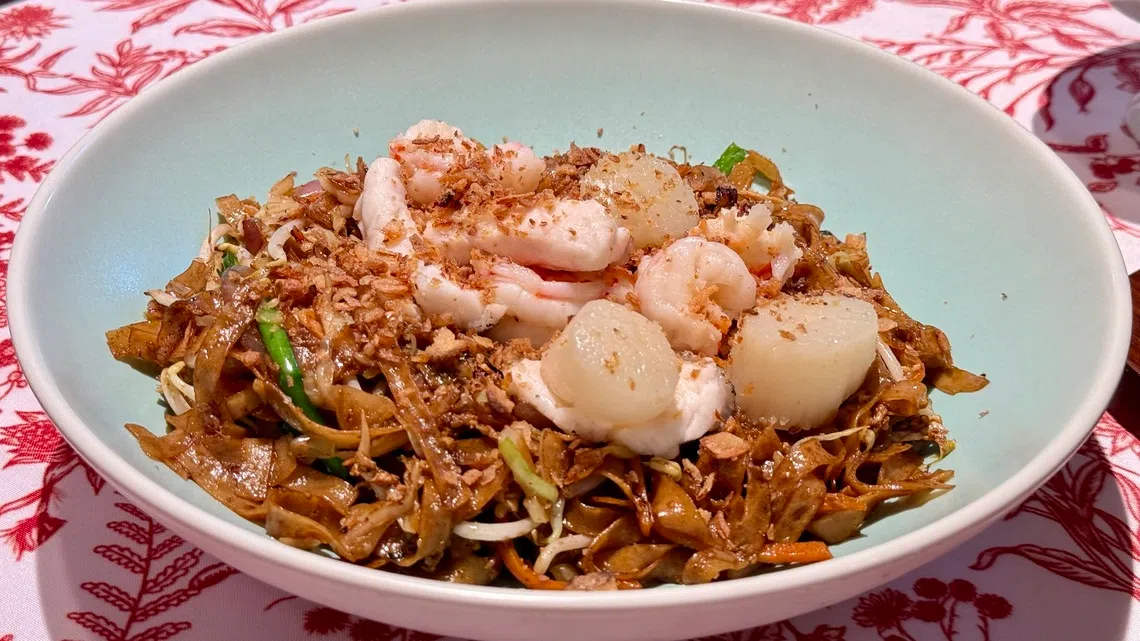
Make room for the Fuzhou fish noodle with seafood (S$20), which is literally noodles made of fish. It’s like mee pok but not mee pok, kway teow but not kway teow.
There’s sufficient rubber band stretch and wok hei, but it lacks the oomph that pork lard and better seafood would have added.
Good, old-fashioned yam paste with ginkgo nuts (S$10) and a diluted but still-good peanut sauce end our heritage journey nicely.
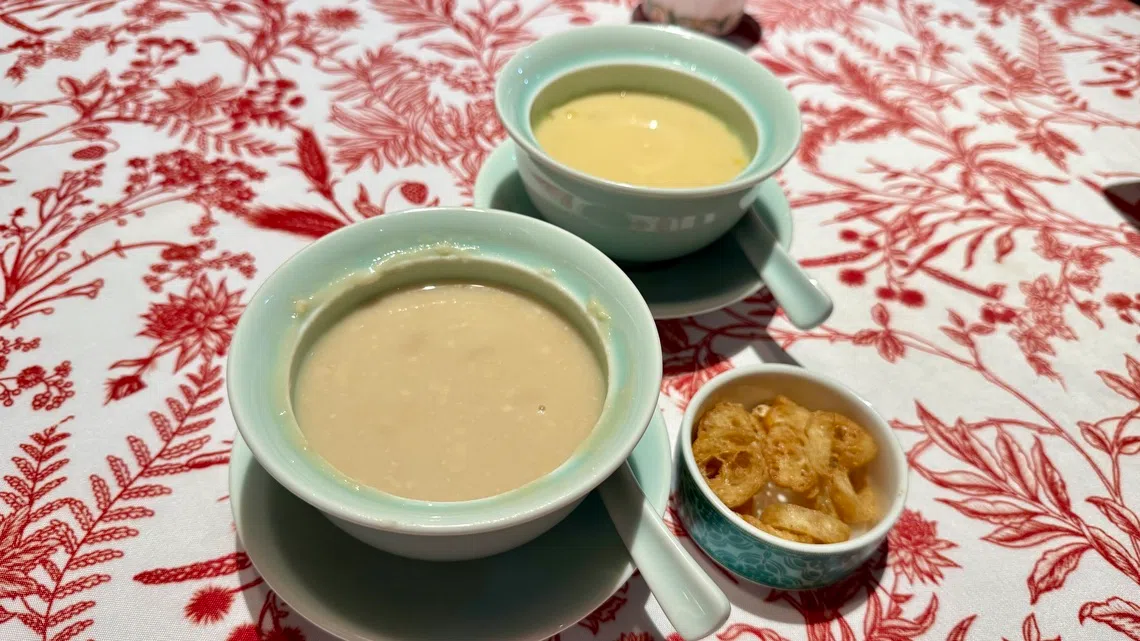
Beng Hiang fits its new role. A bit of old, an appetite for new. We can’t stay in the past forever, but the best of both worlds isn’t a bad place to be in.
Rating: 7
Decoding Asia newsletter: your guide to navigating Asia in a new global order. Sign up here to get Decoding Asia newsletter. Delivered to your inbox. Free.
Copyright SPH Media. All rights reserved.
TRENDING NOW
Government to bring forward raising of retirement age, give employers more financial support to create flexi-load jobs
If Europe goes to war, the fallout will be felt in East Asia

Indonesia stocks suffer worst plunge in nearly 30 years as MSCI proposes standalone status

Vietnam’s northern provinces, not Hanoi or Ho Chi Minh City, are powering near 10% GDP growth

