Hokkien classics revived at Ban Lan
The Suzhou-based restaurant opens its first overseas outpost at Scotts Square
NEW RESTAURANT
Ban Lan Hokkien Cuisine #02-01/02 Scotts Square 6 Scotts Road Singapore 228209 Tel: 8067-6688 Open daily for lunch and dinner: 11:30 am to 3 pm; 5:30 pm to 10 pm.
[SINGAPORE] Ban Lan is a restaurant that Hokkiens might go to for a true taste of the motherland – then wonder what possessed their ancestors to come to Singapore and invent Hokkien char and lor mee instead.
This Suzhou-based Fujian restaurant acts like a culinary “what it should have been” – taking you through a host of unfamiliar, restrained classics that suggest we’ve been eating Hokkien food wrong all our lives.
It adds to what the growing number of China-origin restaurants in Singapore is doing – and why it’s fascinating. Instead of having to skulk around remote hutongs looking to piece together your family tree, you’re served neatly packaged ancestry in carefully curated surroundings.
But like long-lost relatives you instantly regret meeting, not every dish makes a connection. Some of them can be rather alien, but the fun lies in discovering what your ethnic kin has been eating on the other side.
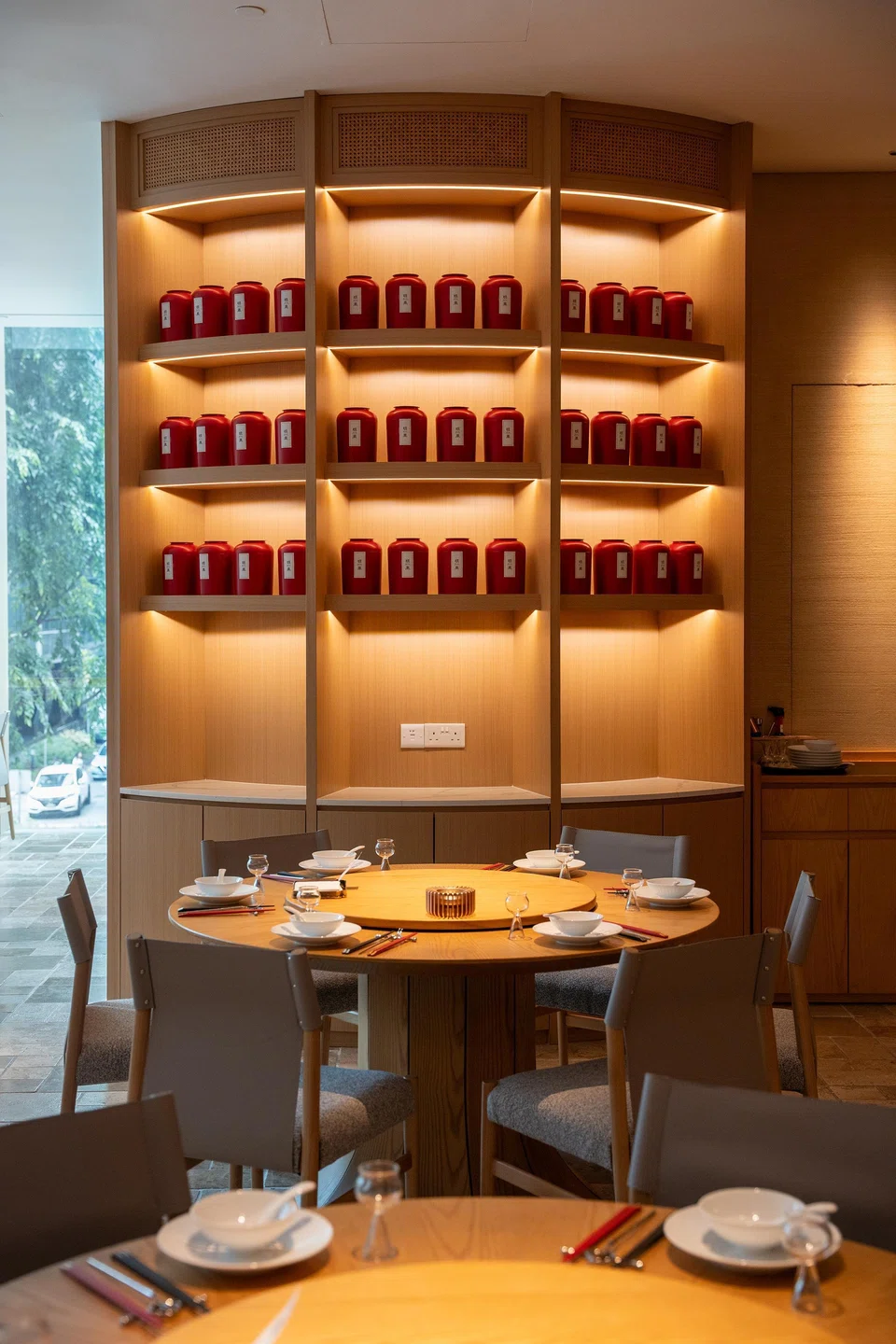
Ban Lan, tucked into a cosy corner on the second floor of Scotts Square, is a direct offshoot of its Suzhou flagship, which boasts a Michelin Select (not a star) commendation. It even brought its plaque to display in the Singapore outpost – which has the same effect as giving your Nobel Peace Prize medal to someone else. Still, no harm in having aspirations for this comfortable if generically designed eatery with a wall of red Chinese tea tins as its focal point.
The menu is straightforward – a list of signature dishes followed by secondary options. There’s a QR code menu if you don’t feel confident enough to converse with the Chinese-speaking servers. Otherwise, they gamely counter our mangled Mandarin with their own smattering of English.
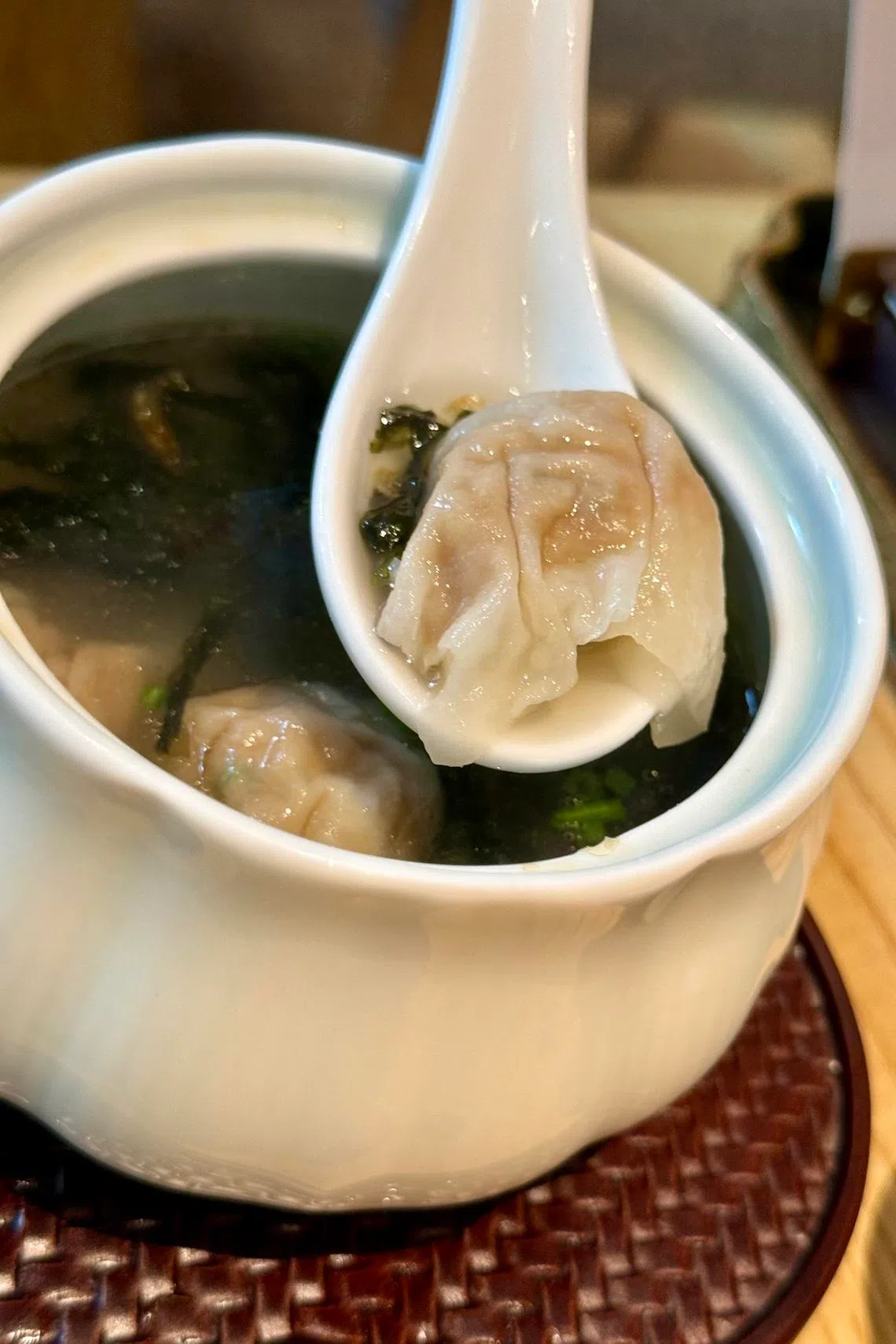
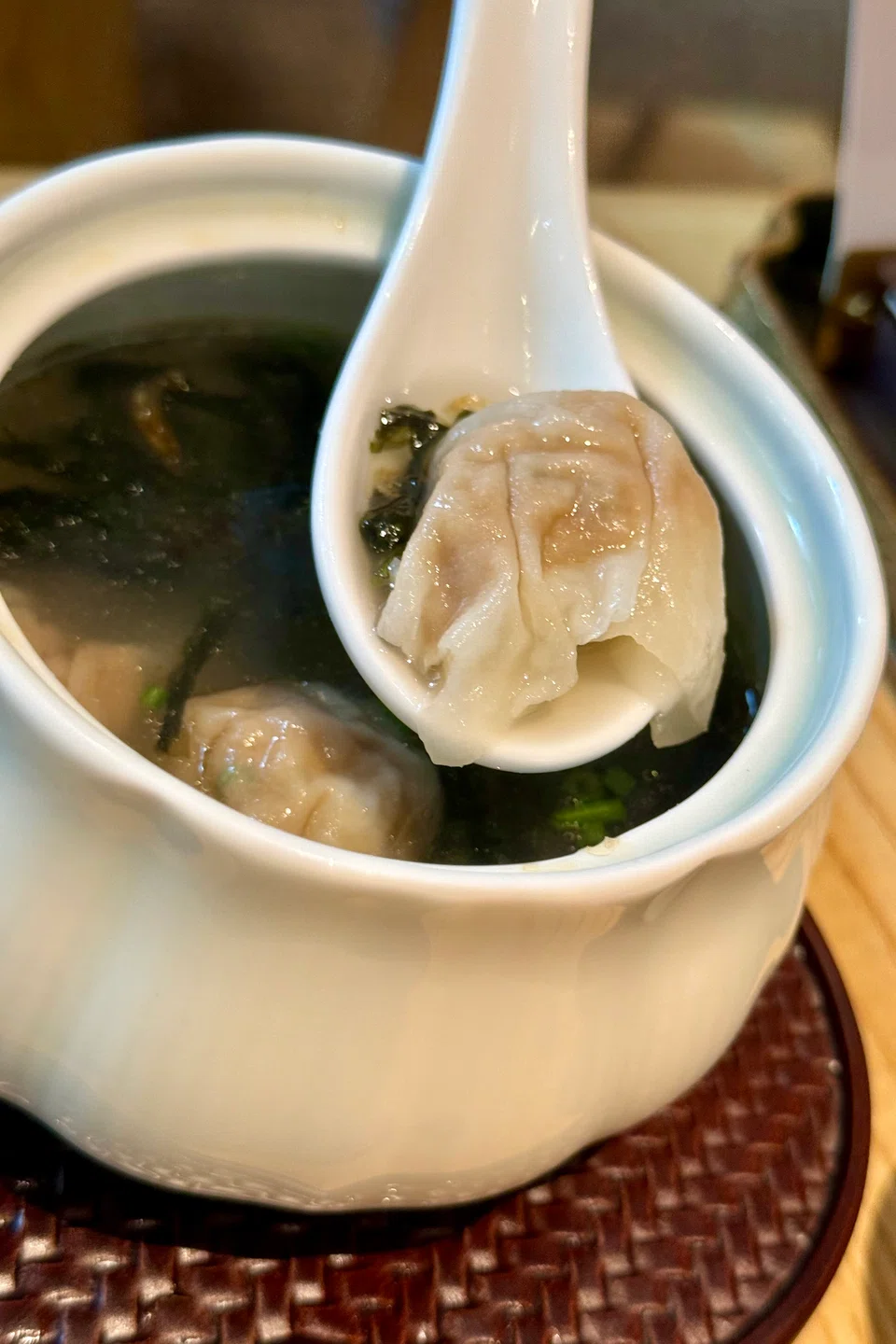
It works fine till we hit a linguistic impasse over the “first harvest seaweed and meat swallow soup” (S$16). We can’t find the right words to articulate “do you mean a bird or what happens after you chew?” so we give up and order it anyway. You should too. This comforting, clear broth gets its oomph from dried seaweed and delicate pork “wontons” wrapped in a pale chewy skin that’s also made from pork. Maybe we heard wrong, but either it follows the same principle as fish skin dumplings or you can do more things with pigs than we thought.

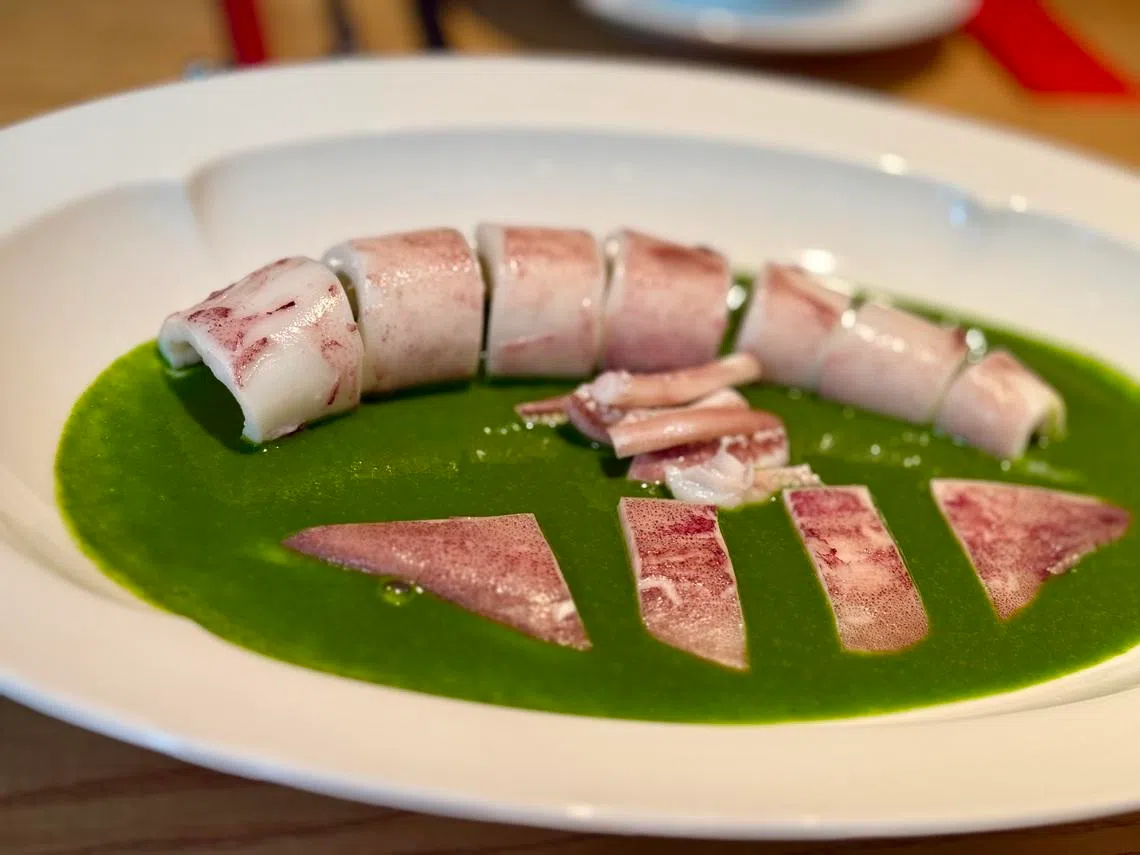
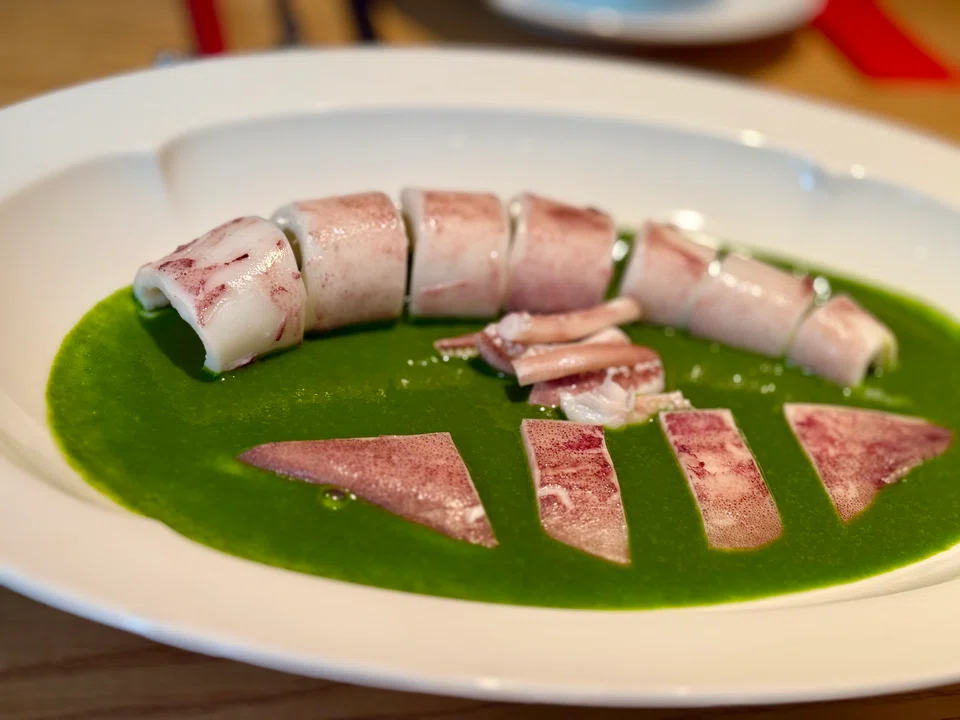
If you’ve been to Jing Ting Wan and enjoyed its Hokkaido cold squid starter in green scallion sauce but didn’t like its S$98 price tag, you can get a “parallel import” version here for S$59. We don’t know the origin of the squid, and it’s not as tender, but the savoury jade-green sauce with just a hint of mala pepper is scoop-worthy.
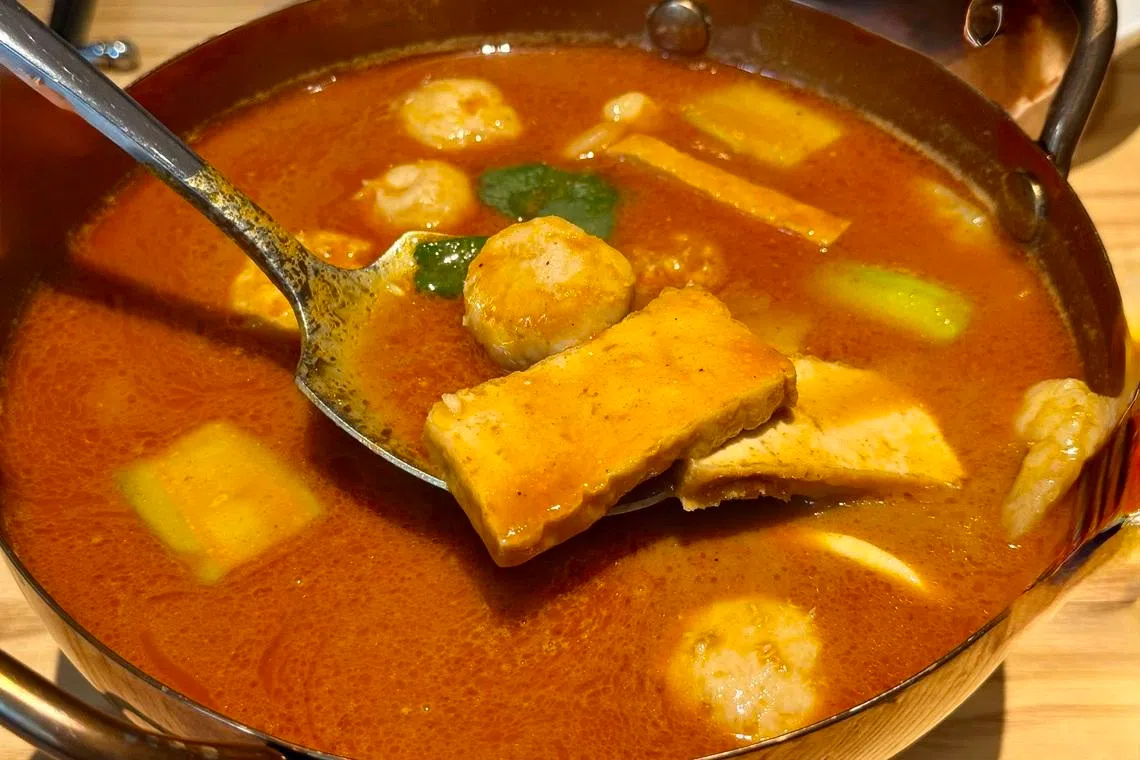
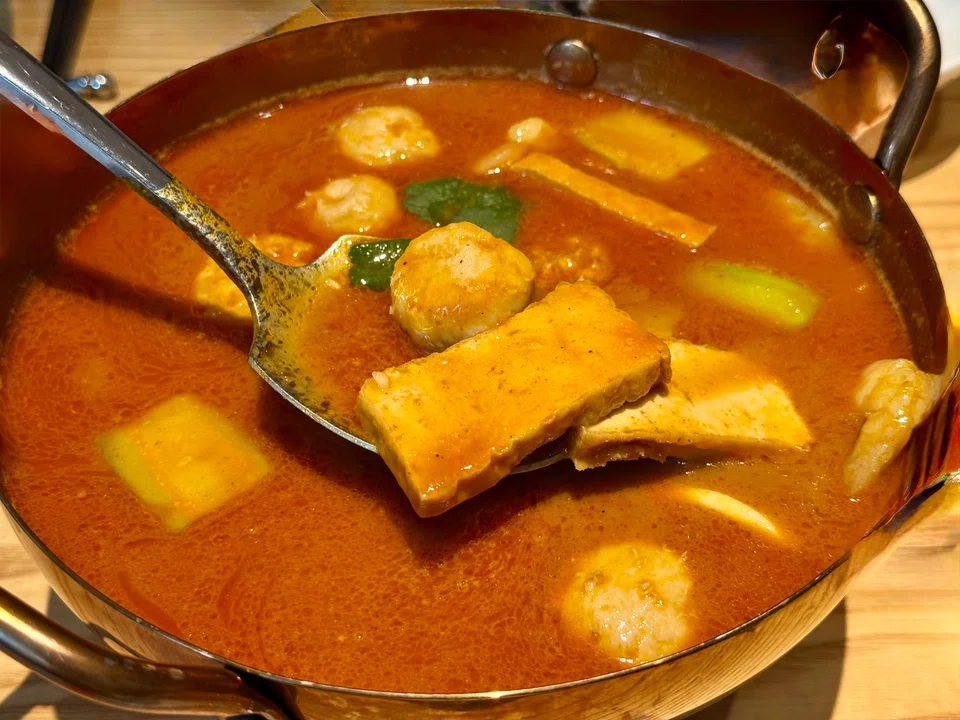
Buddha Jumps Over the Wall (S$156 per portion) is too rich for us price-wise, so we pick Amoy satay hotpot (S$46) which is like a hybrid of satay celup and satay beehoon – but without the skewers (and double-dipping) or noodles. Fish out pig’s intestines, glassy shrimp, firm beancurd and bouncy meatballs from a simmering, brothy satay gravy that’s surprisingly slurpable. Toss in some really hard, deep-fried yutiao pieces that soften and soak up the gravy in the nicest way.
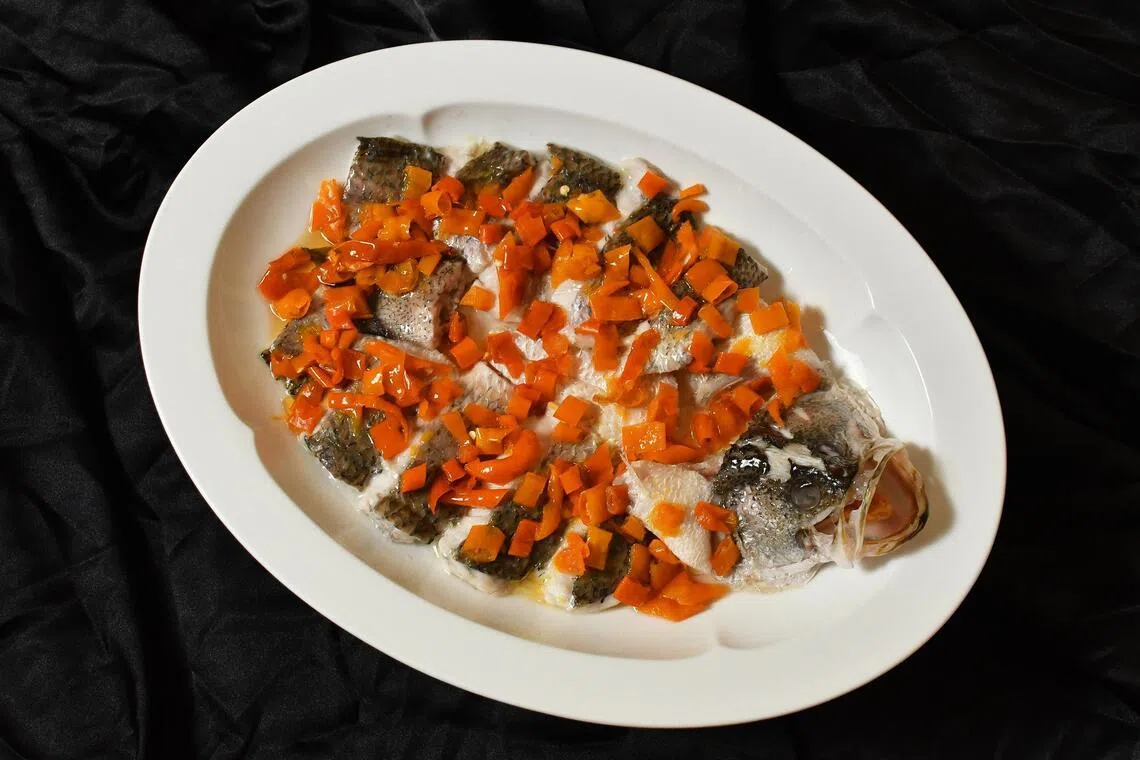
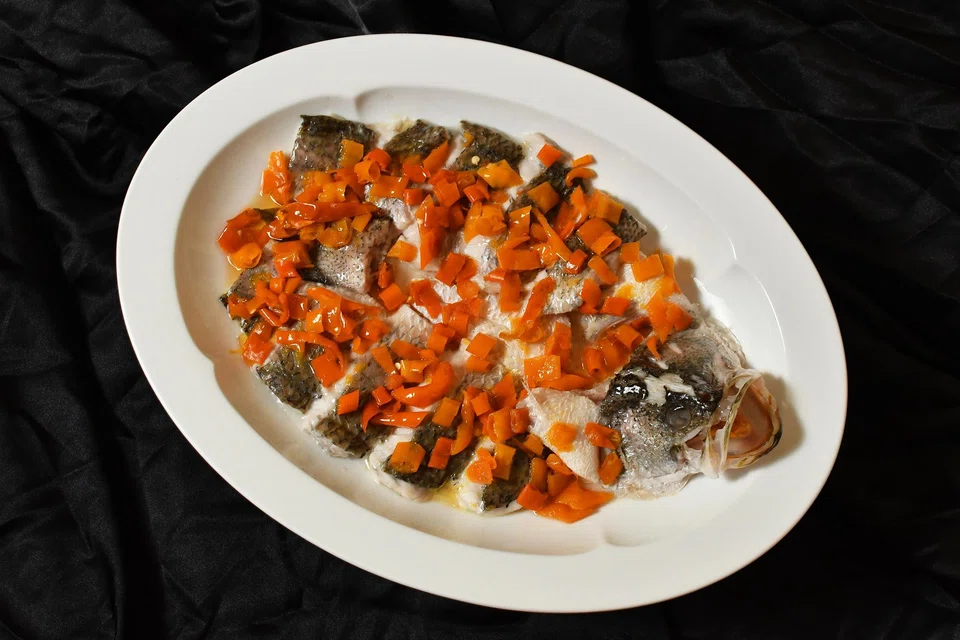
Steamed yellow croaker (S$79) has a soft, cushiony texture like a well-massaged pomfret – and it lends itself well to the assertiveness of pickled yellow chillies that perk it up.
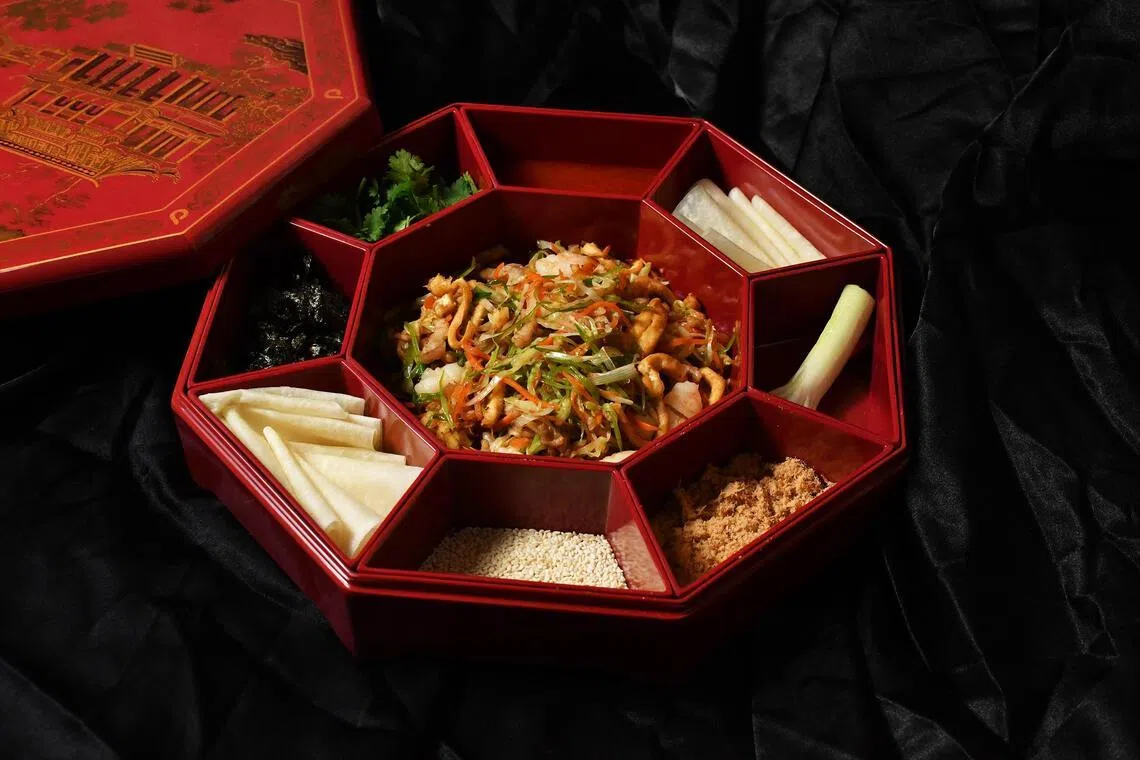
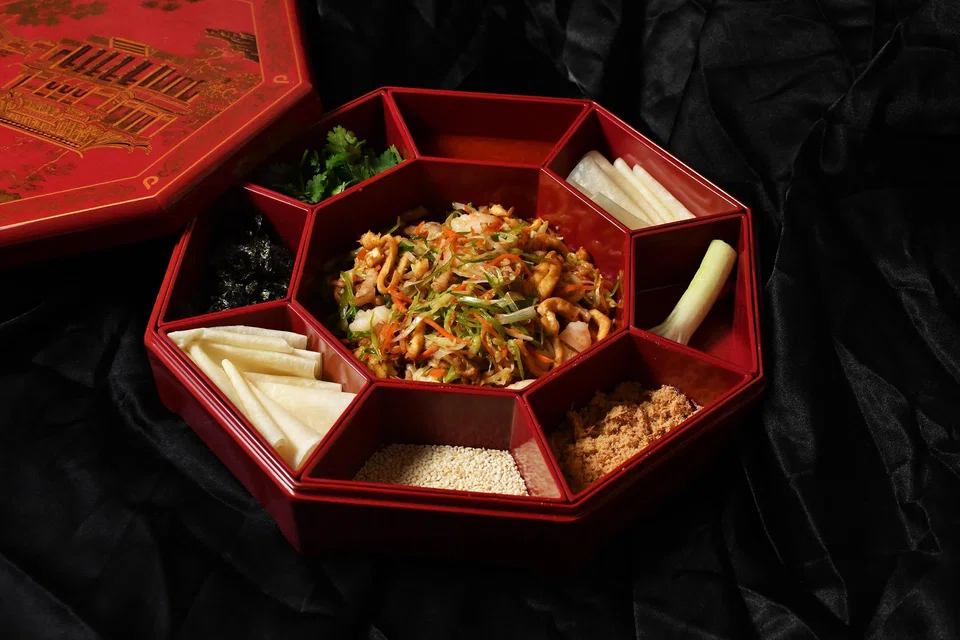
While we are on team bangkwang when it comes to popiah, the Hokkien version (S$36) draws our attention. A DIY tray of condiments arrives with small Peking duck-style pancakes that can barely fold over a medley of stir-fried vegetables with pork and shrimp, crispy fish floss, sesame seeds and dried seaweed. It’s an unfamiliar combination, but we could get used to this.
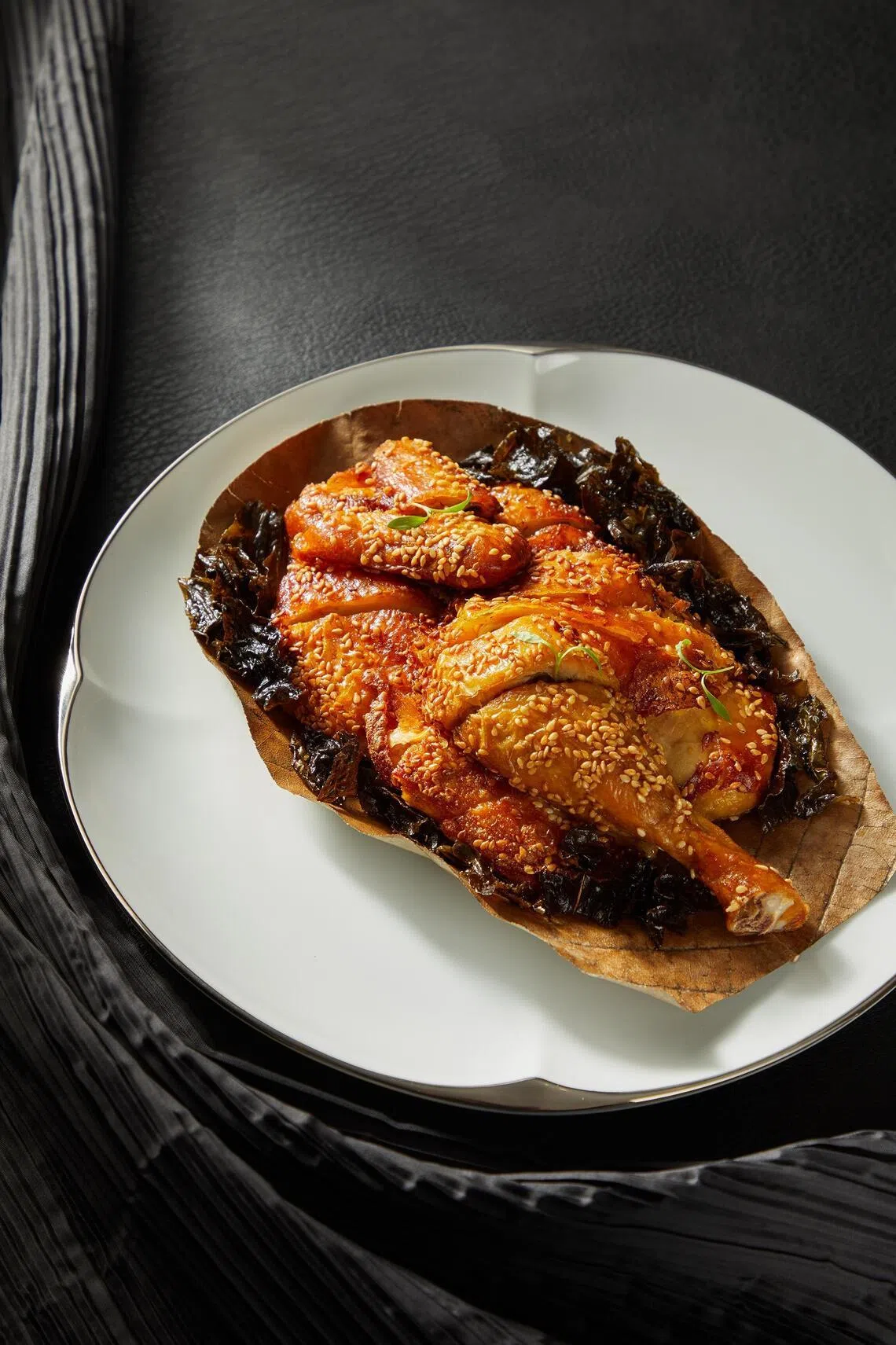
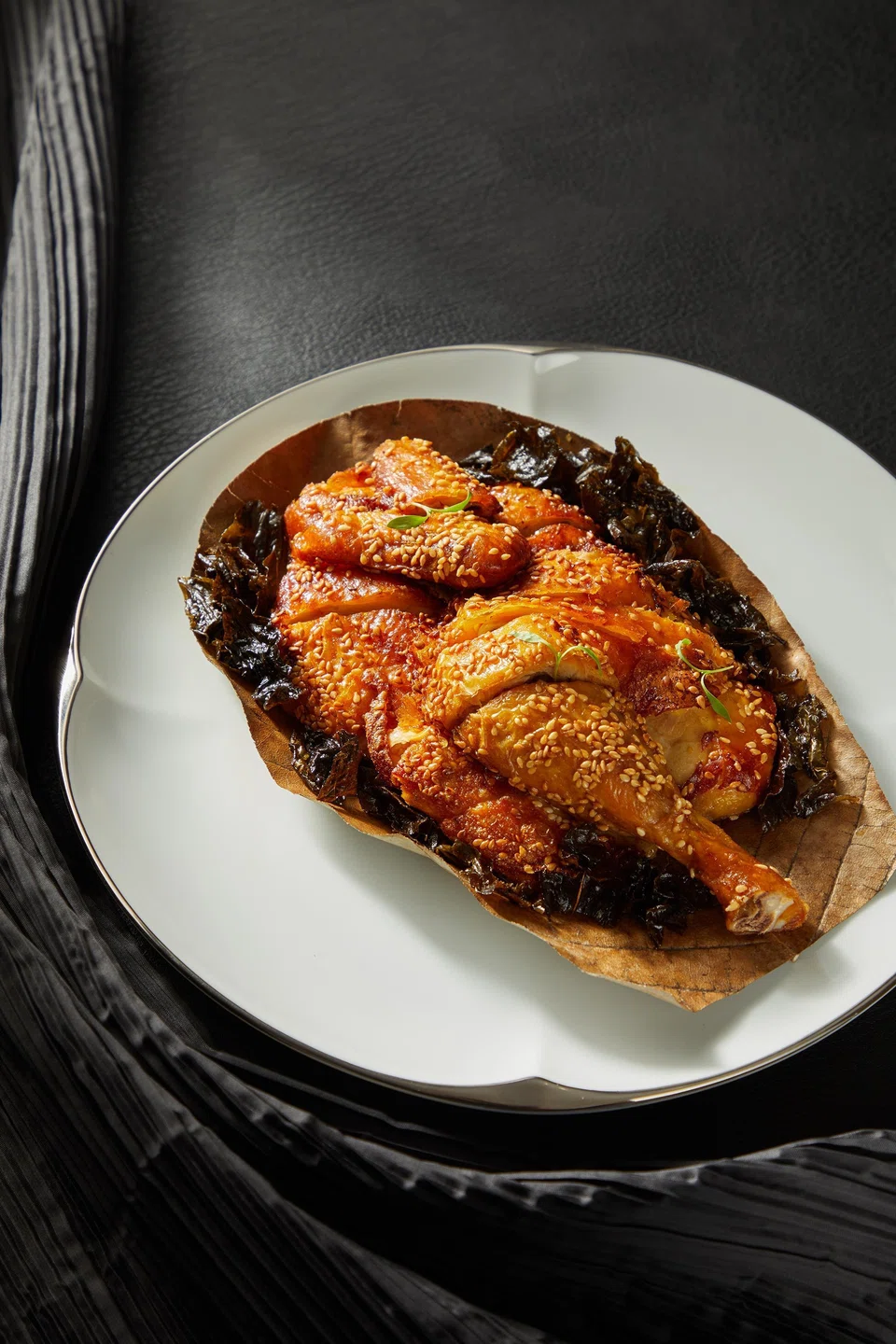
Crispy sesame chicken (S$46) lives up to its description with a featherlight layer of crisp, shiny skin, while a hint of tieguanyin tea can be discerned from the meat which is dry and relatively juicy in parts.
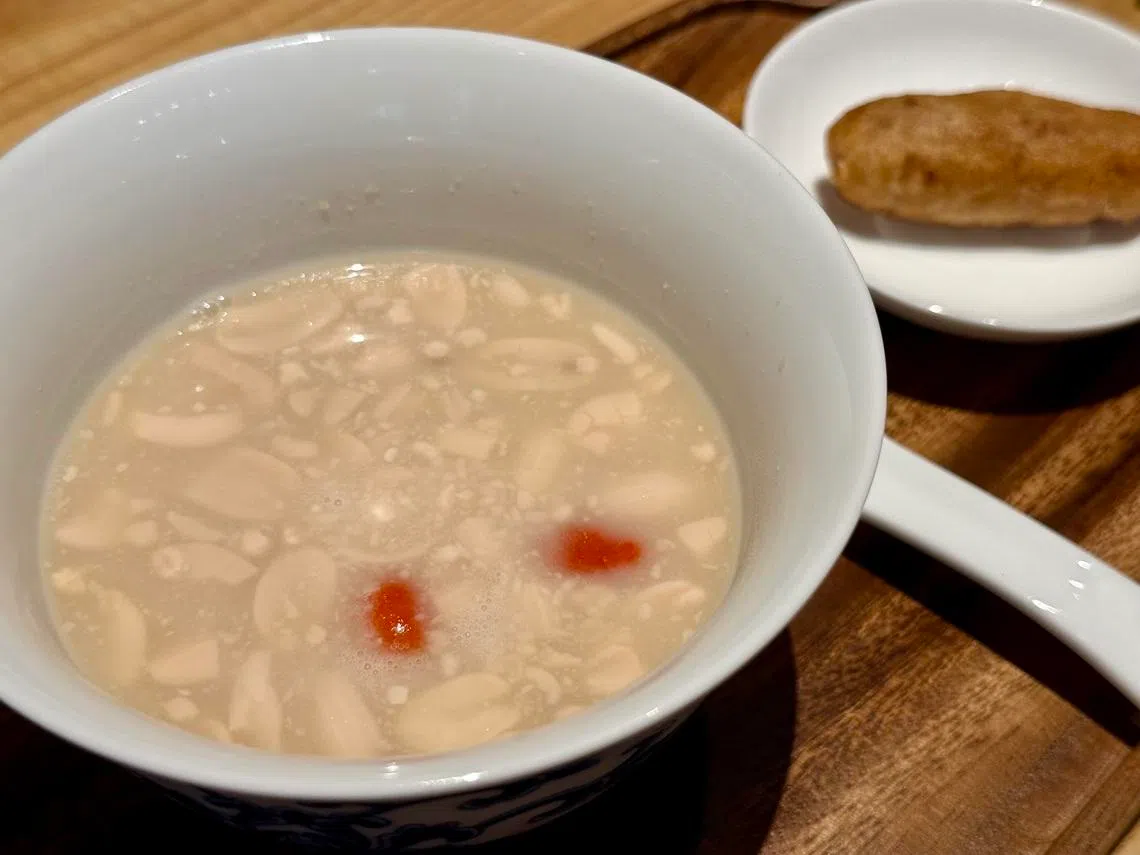
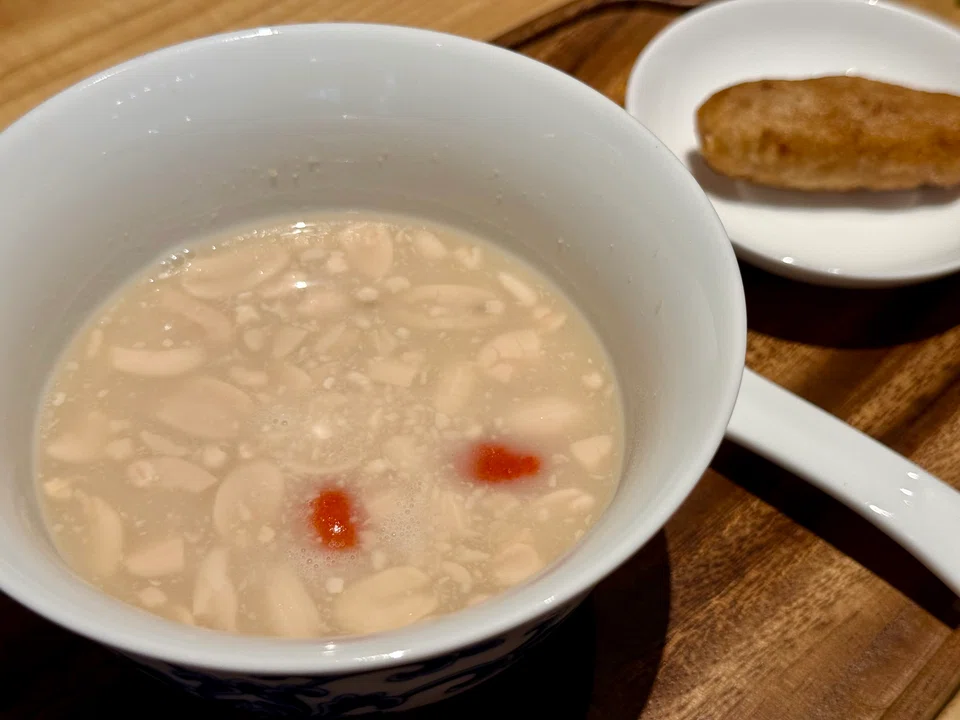
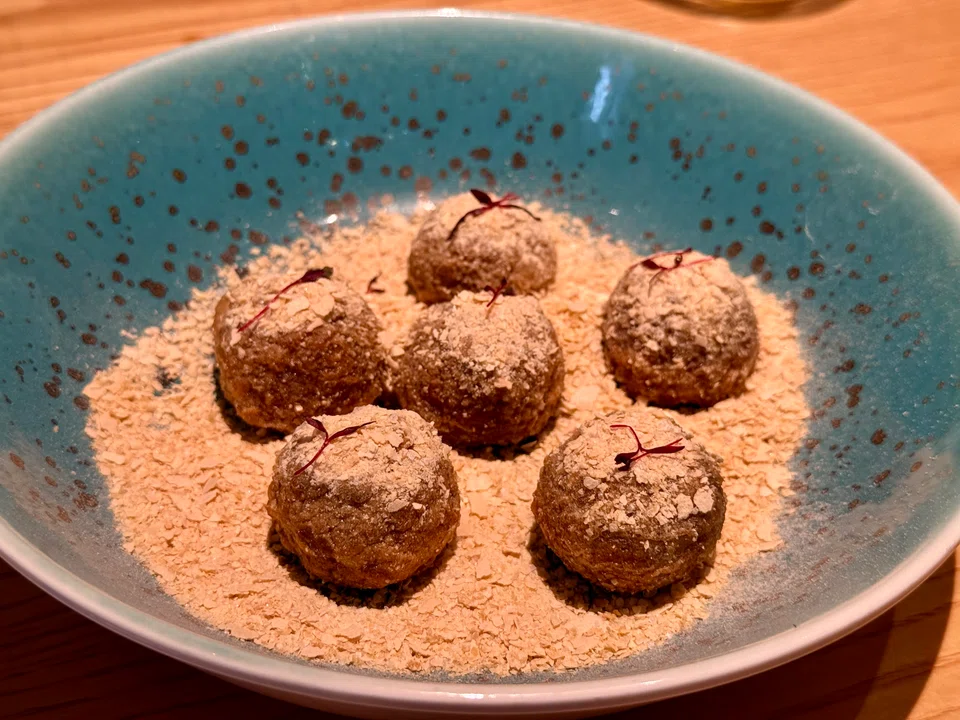
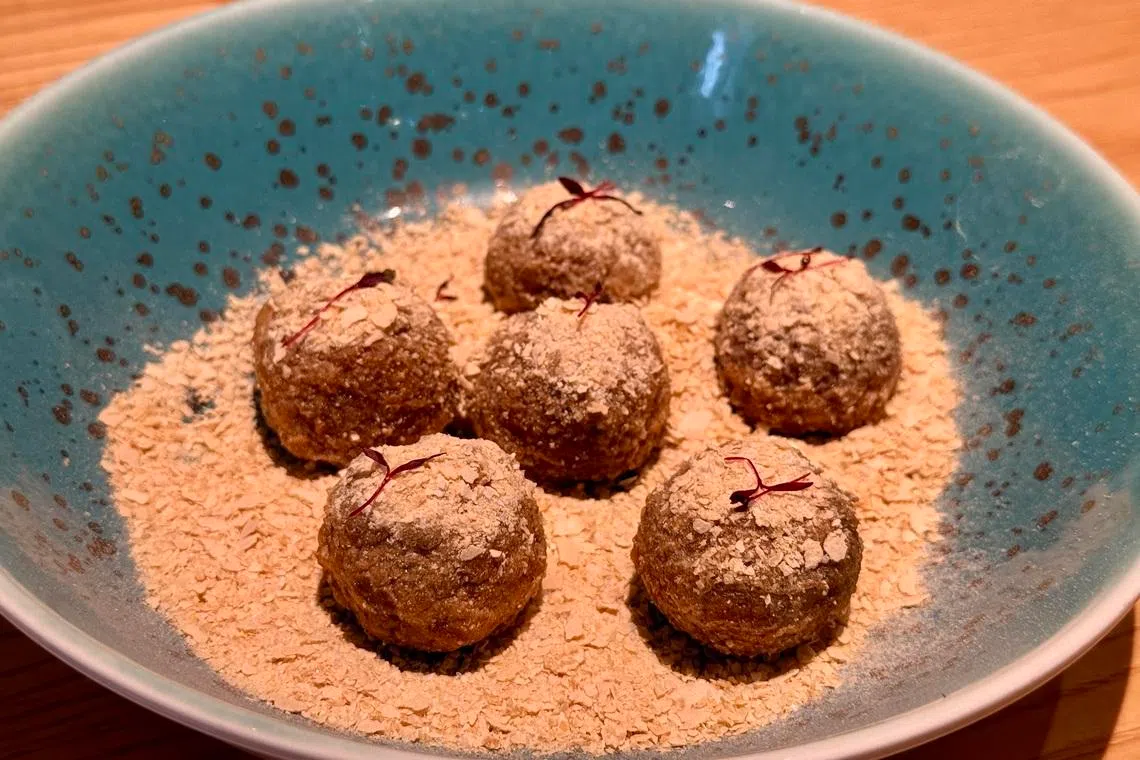
Desserts are an acquired taste. Tepid peanut soup (S$16) is outshone by the hot crispy-chewy taro roll beside it. We prefer the brown sugar sticky rice cakes (S$16) which are chewy, barely sweet nuggets rolled in Nestum. Once you get past the breakfast cereal vibes, it almost works.
Ban Lan isn’t cheap but it delivers in terms of authenticity and intent. We still swear by Hokkien char, but once in a while, going back to our roots – regardless of dialect – is a worthwhile detour.
Rating: 6.5
Decoding Asia newsletter: your guide to navigating Asia in a new global order. Sign up here to get Decoding Asia newsletter. Delivered to your inbox. Free.
Copyright SPH Media. All rights reserved.