Japanese restaurants fight back with lower prices and new concepts to woo diners
More affordable menus may draw in budget-conscious diners, but pundits wonder if this will be enough to stem the industry’s bleeding
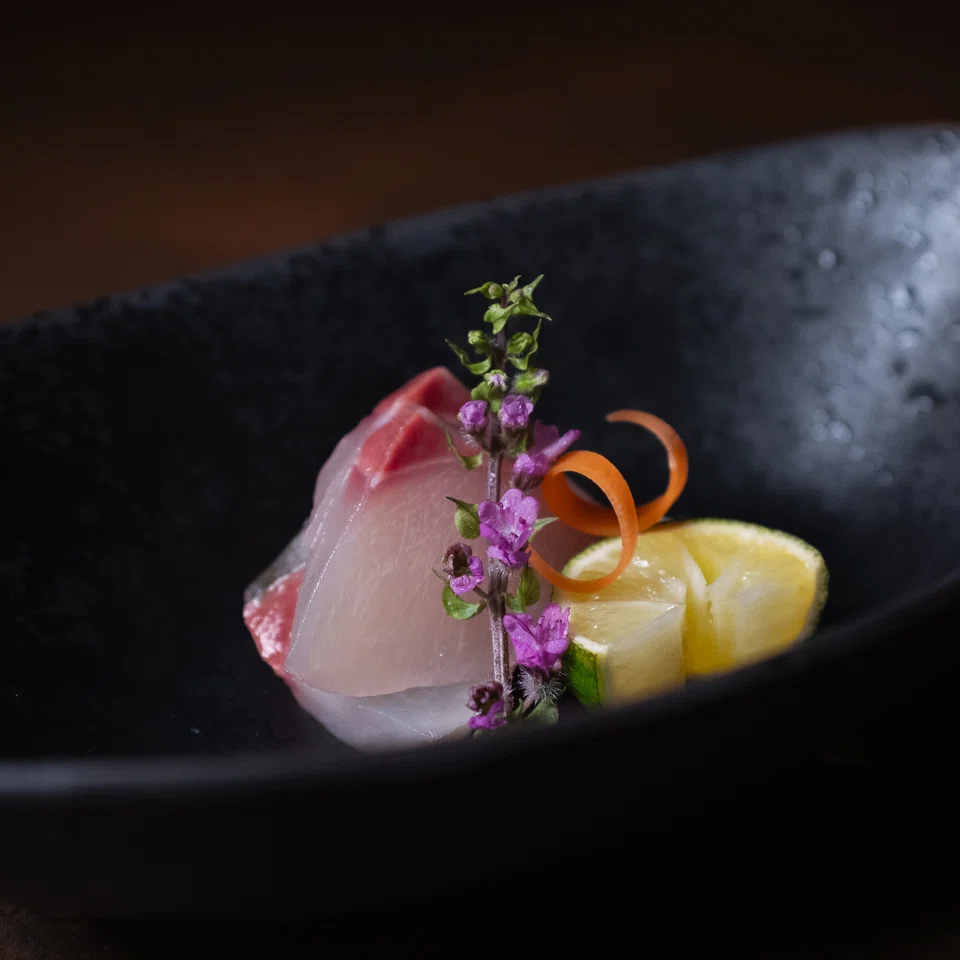
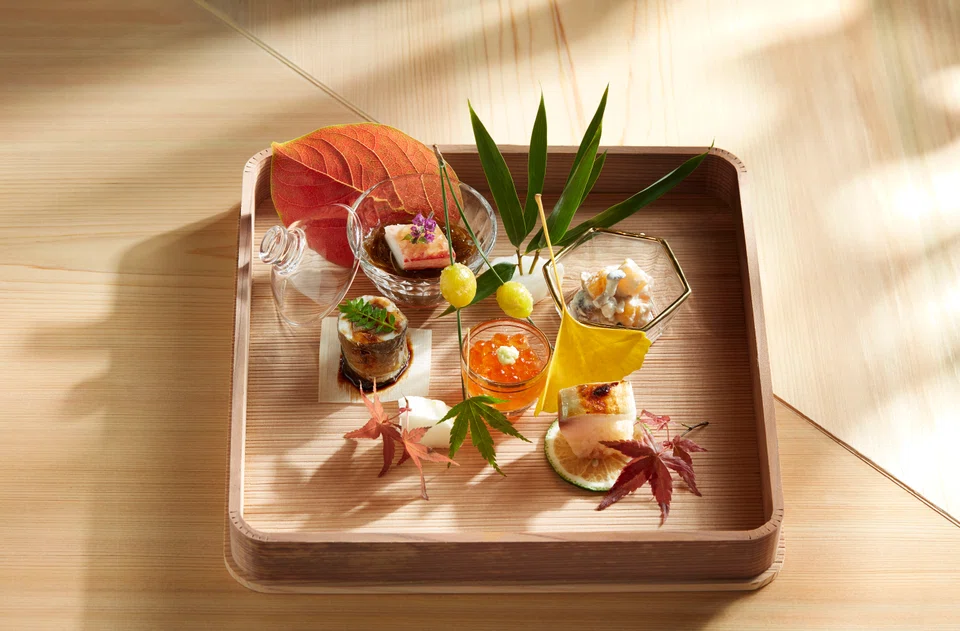
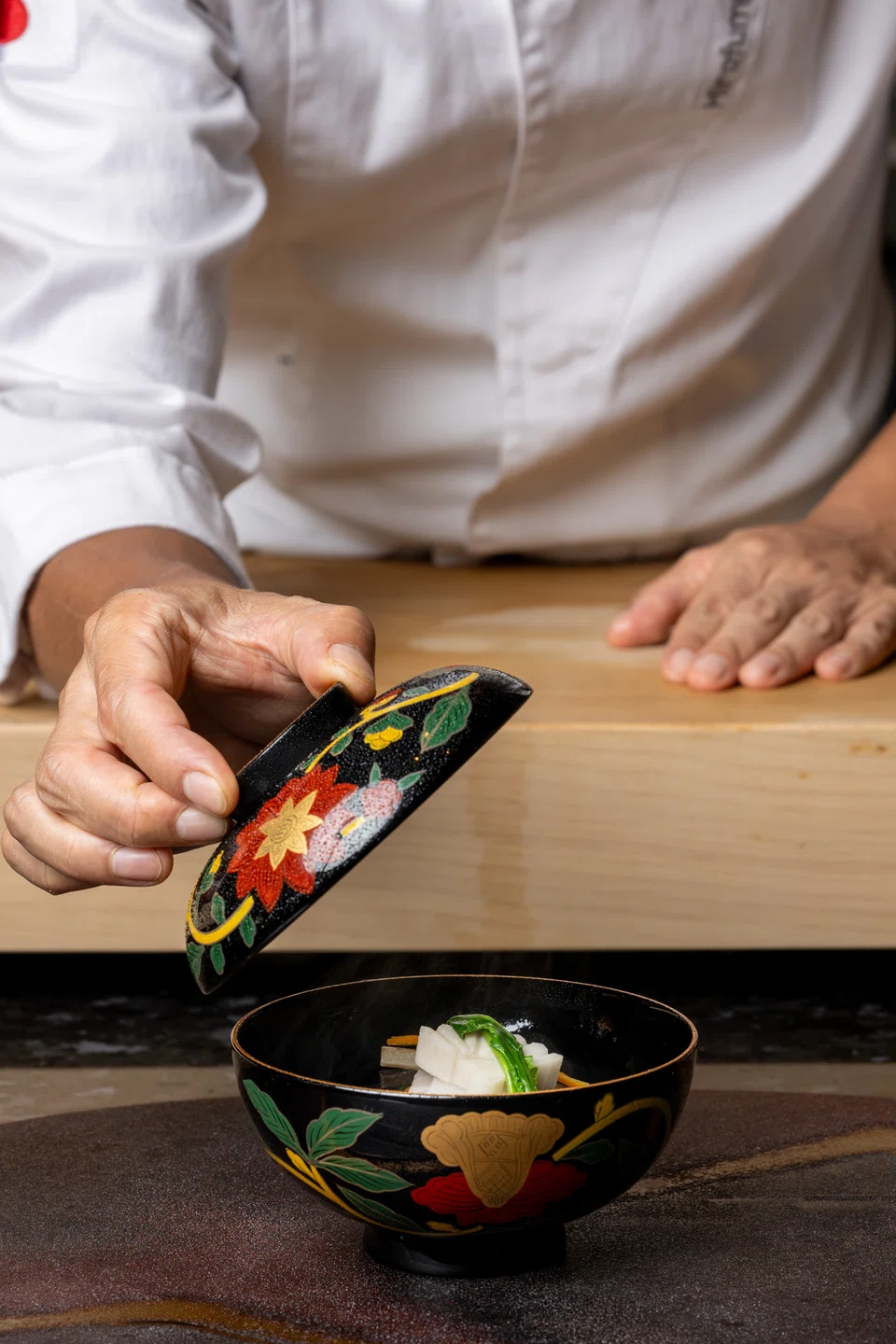
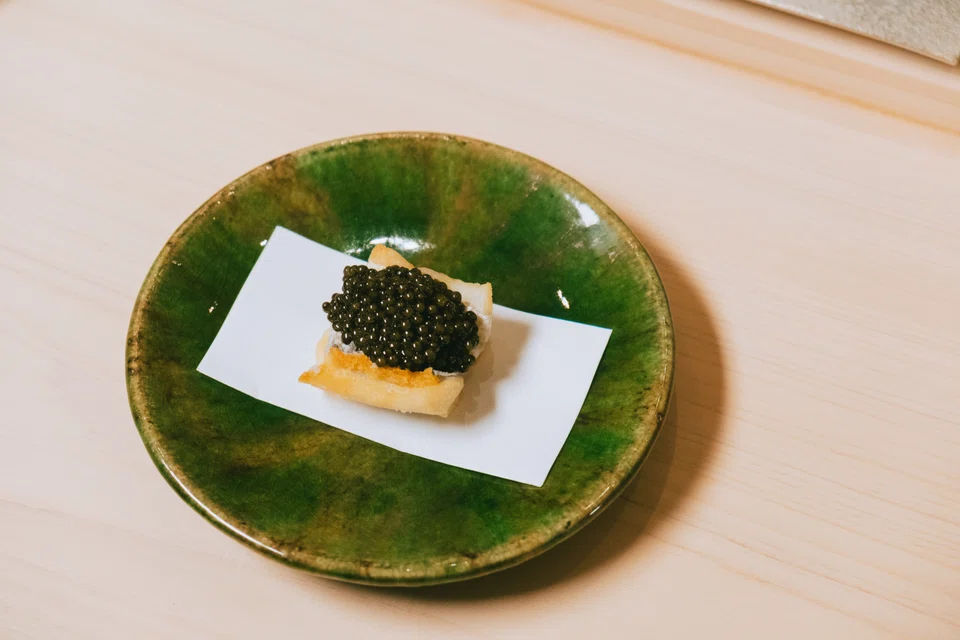
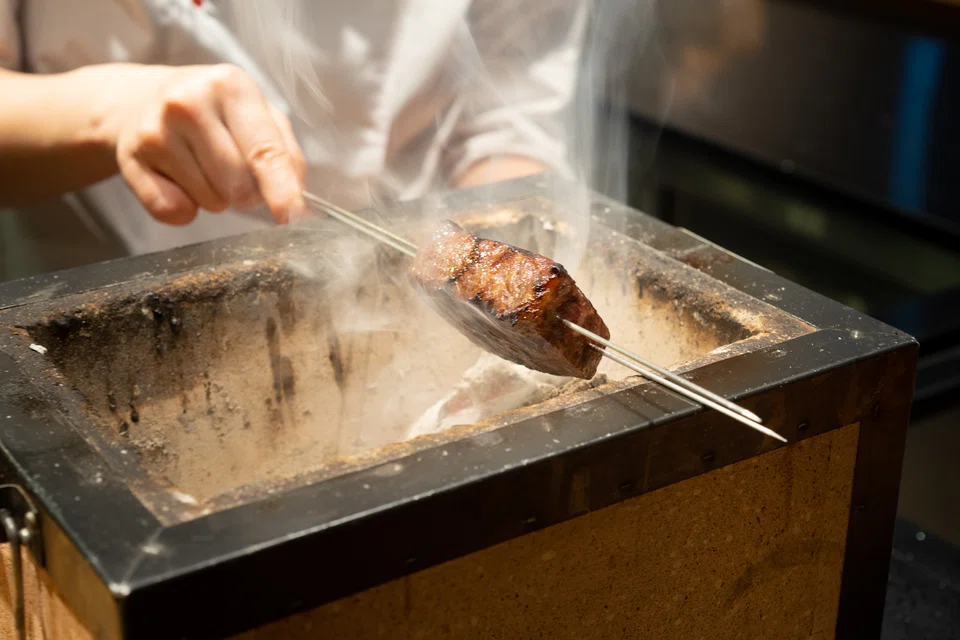
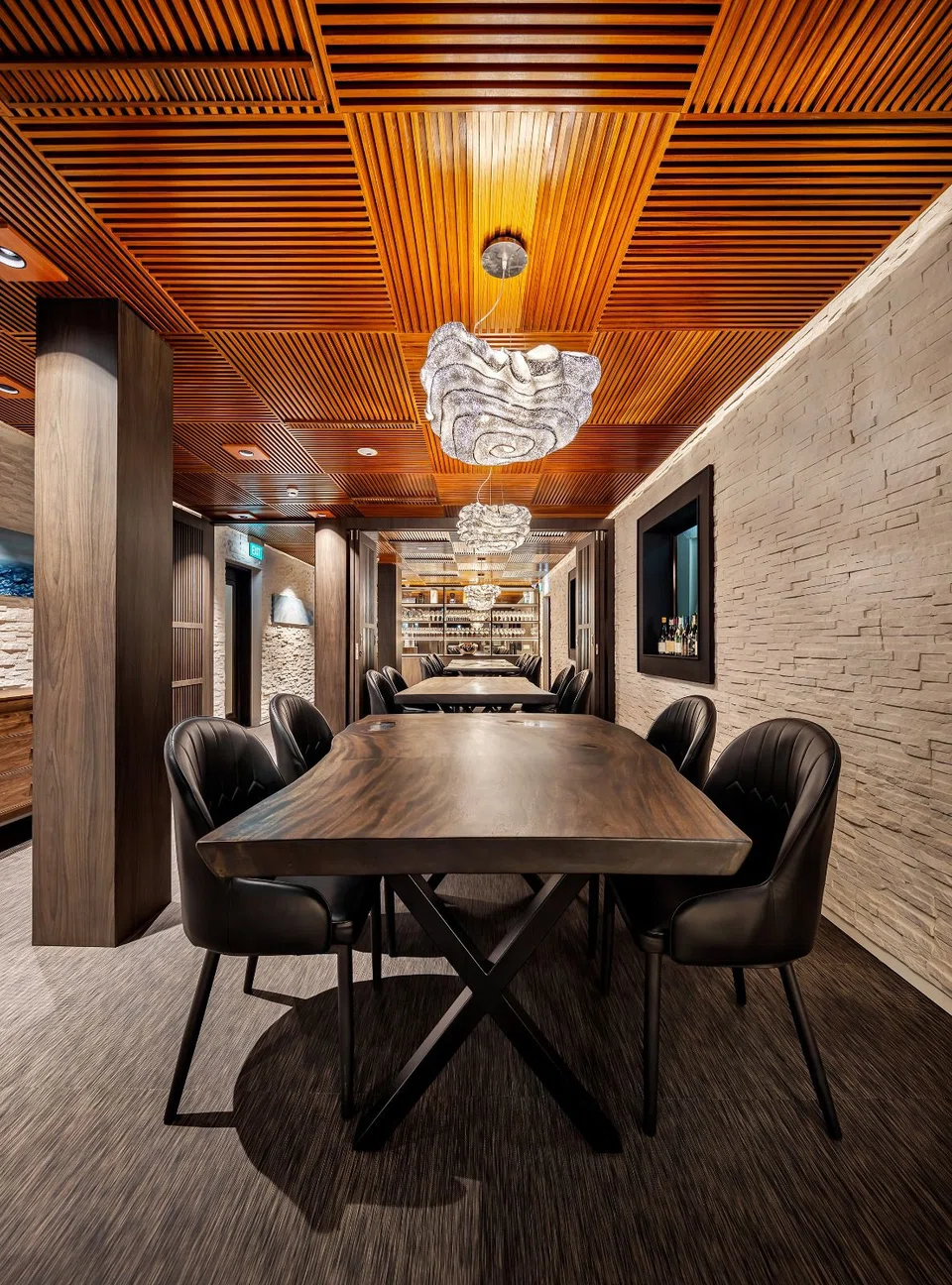
THE Japanese restaurant industry may be down, but it’s not out. At least, it is working hard to hold on: Eateries are coming up with innovative ideas, from one-for-one promotions to across-the-board price cuts to draw in customers who have been flocking to Japan to take advantage of the cheaper yen.
Eagle-eyed diners may have noticed more affordable options, even at upscale and Michelin-starred restaurants. Zeniya, for instance, is offering a set lunch for as low as S$88, and its top menu price has been revised to S$388 from S$450. Michelin-starred Sushi Kimura now serves quick executive lunches at S$120, and high-end sushi-ya Sushi Sei has released a Valentine’s Day one-for-one promotion for its highest set-dinner menu of S$600.
“Even my group of friends who dine out regularly have planned three to four trips to Japan this year,” says Karen Cheng, co-founder of Japanese restaurants Ichigo Ichie, Sushi Kimura and The Gyu Bar. “And this group of such diners make up my regular customer base.”
She says that since last May, revenue for all her outlets has dropped 30 per cent, after they enjoyed a “Covid boom” period that started in September 2020. She attributes much of the fallout to the deluge of Japanese restaurants that opened during that period, and diners’ willingness to splurge at a time when they were literally stuck in Singapore.
But with Japan’s reopening, high interest rates as well as inflation which has curbed most diners’ appetites for expensive meals, restaurants that cater to larger groups of people – versus intimate sushi restaurants with, say, 10 to 14 seats – are feeling the brunt of the blow.
Adjusting to market forces
Restaurants that The Business Times spoke to say they have not so much slashed prices as begun offering more entry-level options to draw in new customers, who may then become regulars. Sushi Kimura’s S$120 lunch, for example, is served only in a private room to increase traffic to that underused space, says Cheng.
A simplified dinner there, also served in the private room, costs S$250, but most diners prefer the (more-expensive) counter experience, so the prices there have been retained. However, there is now a S$330 dinner option, in addition to the original S$450 menu.
By and large, the high-spenders continue to spend, she clarifies. It’s just that there are fewer of them to go around.
The price changes are more drastic at the Les Amis group. Chief executive Tycen Bundgaard, calling the lower prices inevitable, adds: “If the market is dropping prices, we cannot fight the trend alone.” Its recently opened Zeniya has introduced an entry-level S$88 lunch menu. There is also a cheaper S$188 kaiseki menu, in addition to its top menu now costing S$388, down from S$450. Similarly, its other premium concept, Jinhonten, also offers S$188 and S$388 menus.
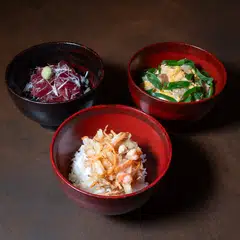
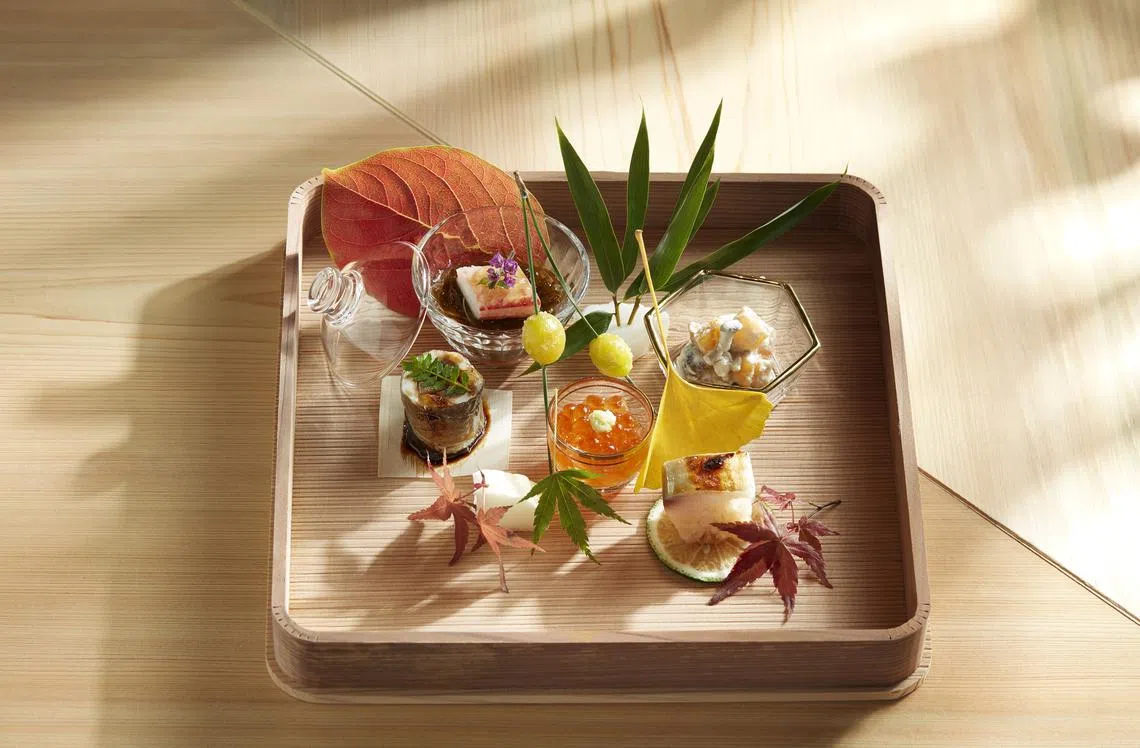
Meanwhile, Sushi Sato in the Dempsey enclave is taking proactive steps to protect the business, even though it hasn’t suffered a significant dent to its bottom line. Director Elaine Chen says that the restaurant started to see a dip towards the end of last year, presumably due to the festive season.
It is now keeping its original prices, starting at S$220 for lunch and S$380 for dinner, but from Feb 15, it will offer an entry-level menu of S$168 for lunch and S$260 for dinner. The higher end menus of S$350 and S$480 remain. Lunch is a challenge, she adds, perhaps because of its Dempsey location, which is why she hopes to boost reservations with the new pricing, offering “the best-value sushi omakase experience among high-end restaurants in Singapore”.
For Sushi Sei, which sits in the Holiday Inn location once held by the former Sushi Kou, business has significantly improved since it introduced selective promotions last November, says chef Manabu Saitoh. With regular menus priced from S$400 to S$600, the offers have ranged from one-for-one menus to birthday discounts and free children’s meals.
Saitoh adds that its prices have returned to pre-pandemic levels, from as low as S$80 at the height of the crisis. “Business dropped by 70 per cent then. But post-Covid, diners have been generally reluctant to spend as much as before. Even those considering high-end restaurants are hesitating because of the prices.”
Alternative concepts
Ichigo Ichie’s move to begin collaborating with non-Japanese chefs has helped to drive interest and business to the intimate kappo restaurant in Robertson Quay, helmed by Akane Eno. The tie-ups have so far brought in chefs such as Johanne Siy of Lolla and Vasunthara Ramasamy of private-dining outfit, Cutlery Optional. The strategy has not been to lower prices, but increase activations, says Cheng.
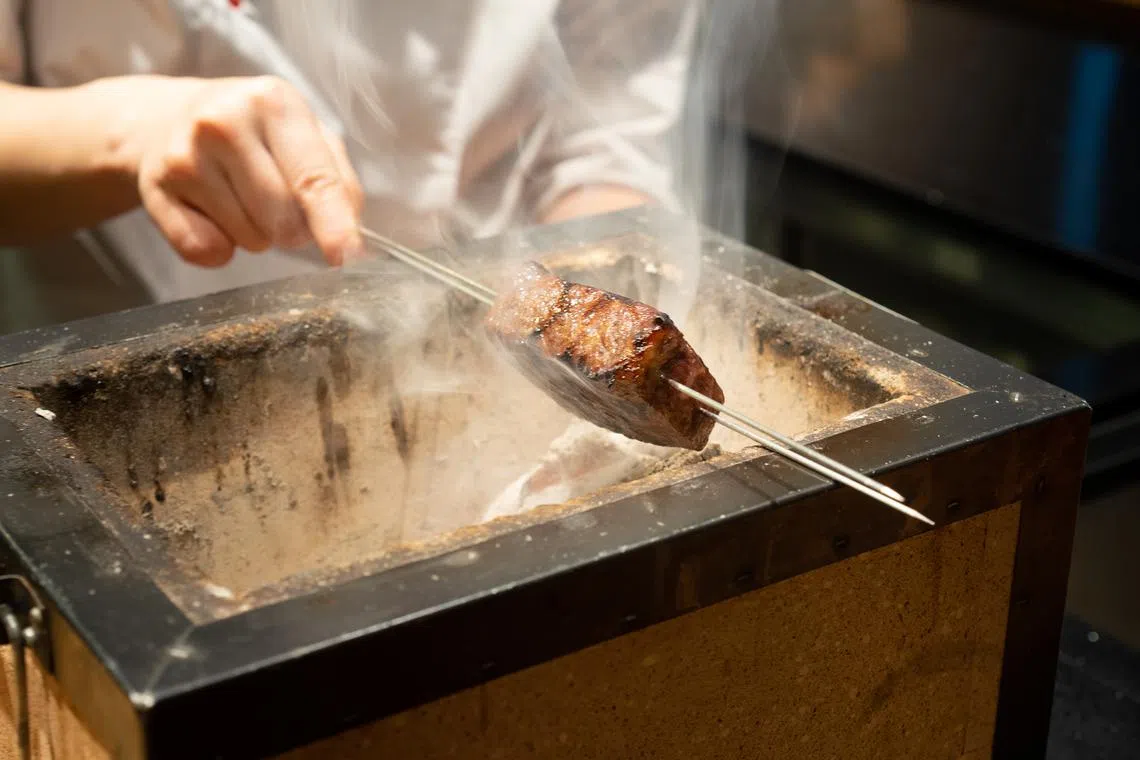
The Robertson Quay location has always been a challenge, especially at lunchtime, which is why Ichigo Ichie will move at the end of March to Claymore Connect, “which is more central and accessible to guests”, adds Cheng.
At Hashida, chef-owner Kenjiro “Hatch” Hashida – who runs it under the OUE Restaurants umbrella – recently introduced Abura Kappo, within the same restaurant space in Amoy Street. With menus priced at around S$200 at this tempura-centric concept, it offers “an alternative, more accessible option to the main restaurant”, says the group.
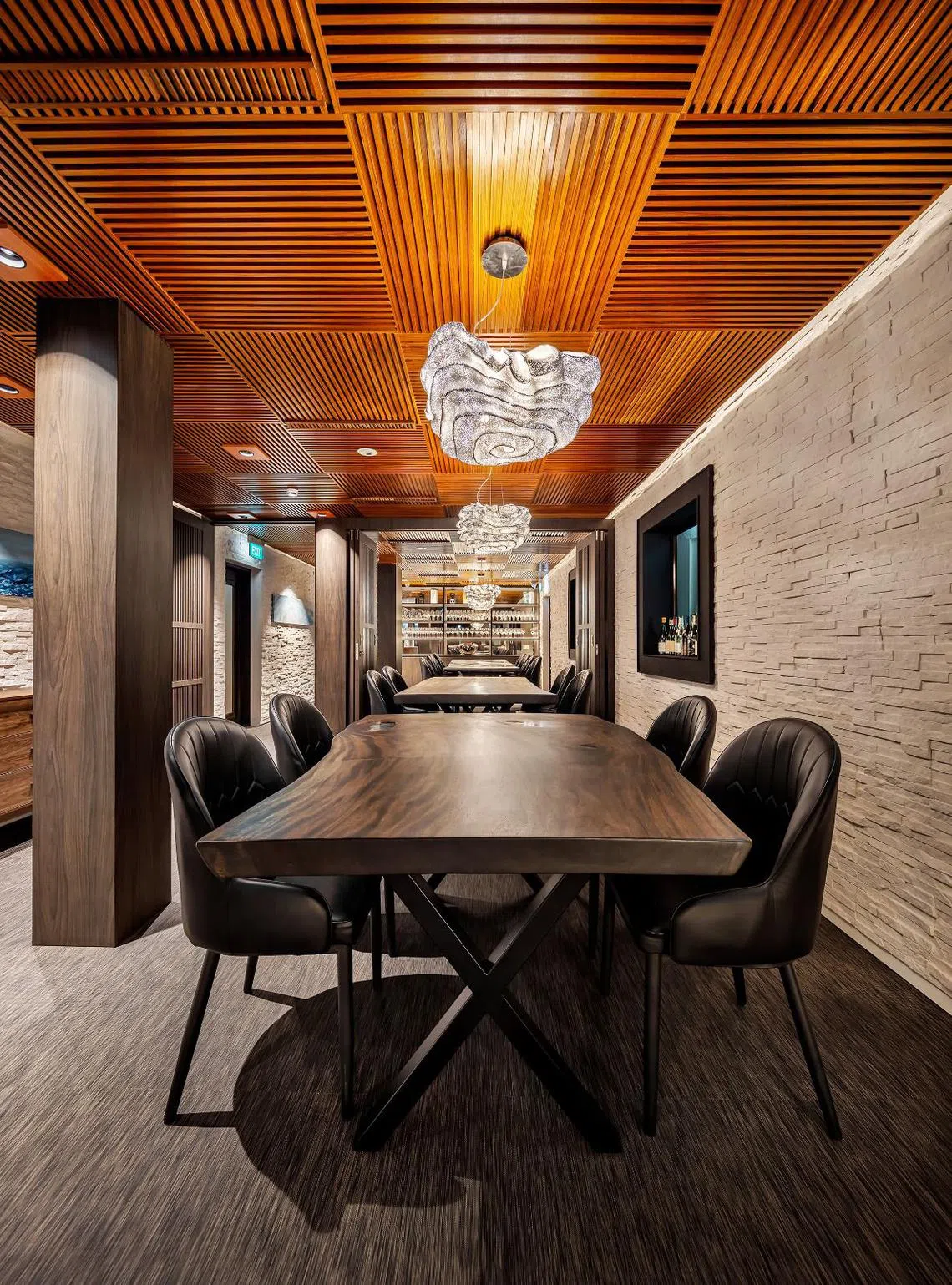
Another Japanese-centric restaurant which recently lowered its prices is Iru Den, run by local chef Javier Low. He had moved his restaurant to Scotts Road at the start of the Covid-19 outbreak, which hit his business hard. Post-Covid, rising food costs pushed his menus well into the high-S$300 range, which Low himself says was “unsustainable” – and this was even before the Japanese restaurant fallout began.
He now sources ingredients from Taiwan to supplement his Japanese produce and offers menus at S$128 and S$258. “We never wanted to charge high prices because we wanted to offer value, and we have no intention of raising prices again unless we’re forced to.”
Small size matters
Ultra-premium but small Michelin-starred eateries like Shoukouwa and Sushi Sakuta have been holding steady, both business- and price-wise, even if the months-long waiting lists are a thing of the past.
Two-Michelin-starred Shoukouwa charges upwards of S$350 for lunch and S$520 for dinner, and while lunch bookings have fallen 15 per cent in recent months, the shortfall in revenue tends to be made up for in alcohol sales, says co-owner Emmanuel Stroobant. And “among our upper middle- to high-income customers, we have not noticed any change in spending power”.
He also takes the long view with his new restaurant Shoukouwa Shinjidai at the Conrad Singapore Orchard, where prices start at S$250 for lunch and S$380 for dinner. The hybrid French-Japanese restaurant, which serves mainly cooked food, had expected a slow start because of the hotel’s renovations, he adds. Business has since picked up.
The situation is the same at the Michelin-starred Sakuta, where business has dropped by about 10 to 15 per cent. But customers still stick to the pricier menu of S$500, even though it introduced a S$350 lunch menu back in late 2022, says its marketing director Mae Tan. She also manages tempura restaurant Tenshima and Sushi Hare, which she says have stabilised business-wise.
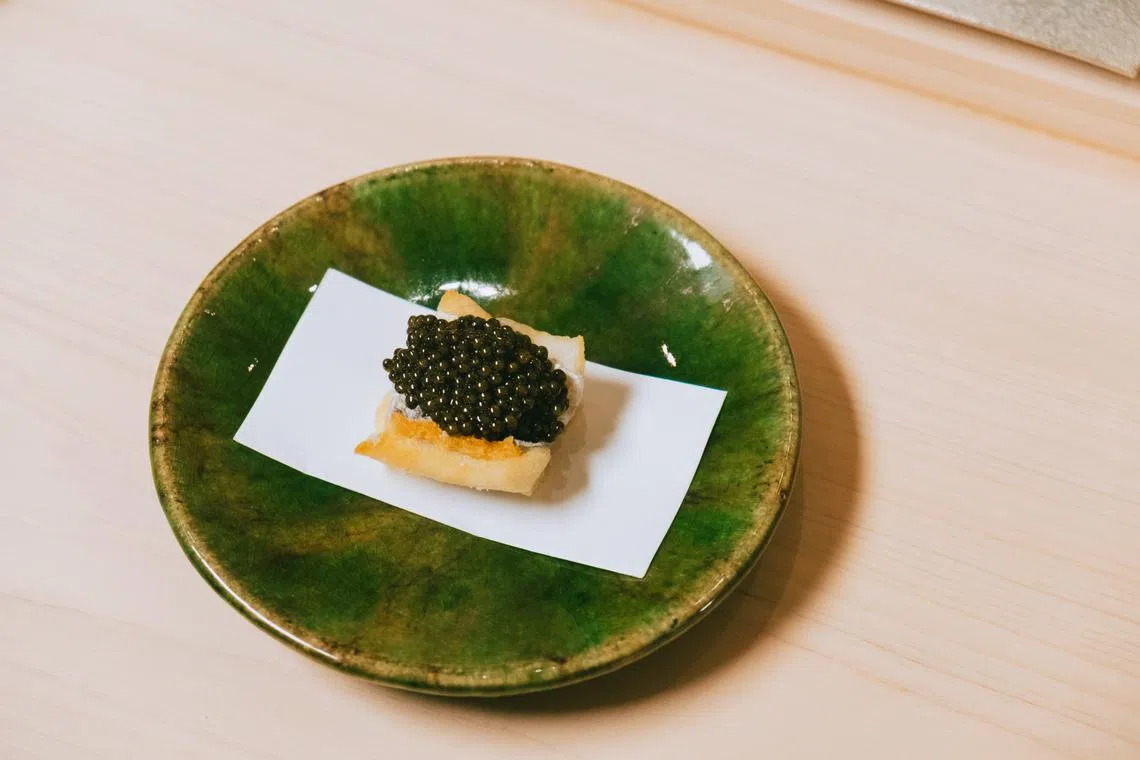
Another outcome she has noticed is that while Sakuta’s loyal base remains, “we have fewer new diners compared to the pre-Japan opening period”.
She adds: “Perhaps diners who are new to omakase are choosing to eat in Japan, and are generally eating out less.”
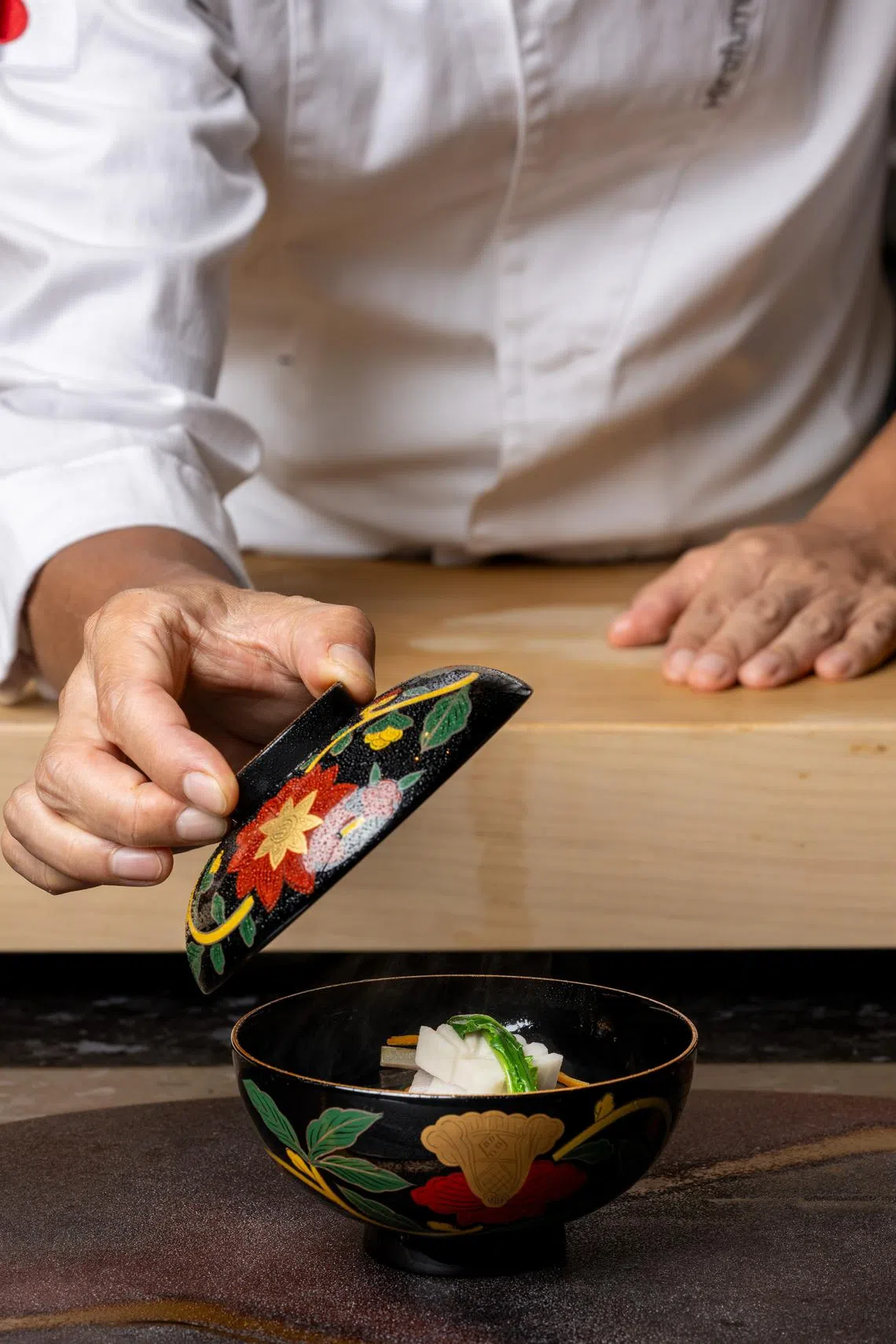
Despite its location in Sentosa, Restaurant Imamura hasn’t seen a significant impact because “of the strategic decision to limit the number of reservations accepted each day”, says chef-owner Hirofumi Imamura. It currently charges S$498 for its fixed menu; however, he adds that he is planning to offer a condensed version at a lower price, to be served in its private room.
Still on shaky ground
Tan Ken Loon of Naked Finn, who also owns the soon-to-reopen Sushi Ashino, believes there will be more casualties, as natural attrition continues. “In the higher segment, there are good and not-so-good restaurants. Those that are good – with strong chefs (paid expat salaries) and which use high-end ingredients – can’t afford to lower prices. During Covid, you saw many high-end restaurants opening. Not all are good, so in order to survive, they need to either reduce operating costs and/or the quality of their ingredients, which will potentially make business worse.”
Among the recent casualties are Sushi Mitsuya in Tras Street, which quietly closed its doors in November last year; Bincho, under the Unlisted Group, closed its Tiong Bahru outlet on Jan 26 after 10 years. Cloudstreet’s Rishi Naleendra, who was managing the brand, says Bincho’s branch in Dempsey closed down after the landlord took back the space.
“Given the current climate of Japanese food spaces increasing all around town”, he says, it became unfeasible to keep Bincho’s Tiong Bahru outlet going, although it was the legacy space and Loh Lik Peng’s first F&B outlet. The space will be taken over by Peter Smit, former chef of Underdog Inn, to be turned into a different concept altogether.
So what does the future hold?
“It won’t be pretty,” says one Japanese restaurant operator who declines to be named. “Even if interest rates go down, say, in the middle of this year, the earliest things will improve will be in the last quarter. Until then, you will see a lot of suffering, and more closures. Cutting prices is not something restaurants want to do, but they have no choice if they want to get bums on seats. The worst-case scenario is that some may have to cut losses and close, but they will live to fight another day.”
Decoding Asia newsletter: your guide to navigating Asia in a new global order. Sign up here to get Decoding Asia newsletter. Delivered to your inbox. Free.
Copyright SPH Media. All rights reserved.