

The Japanese ‘weirdo’ who built a cool toaster and changed the way we heat bread
Gen Terao, founder of Balmuda Design, has made his name by elevating the use of common appliances into lifestyle experiences
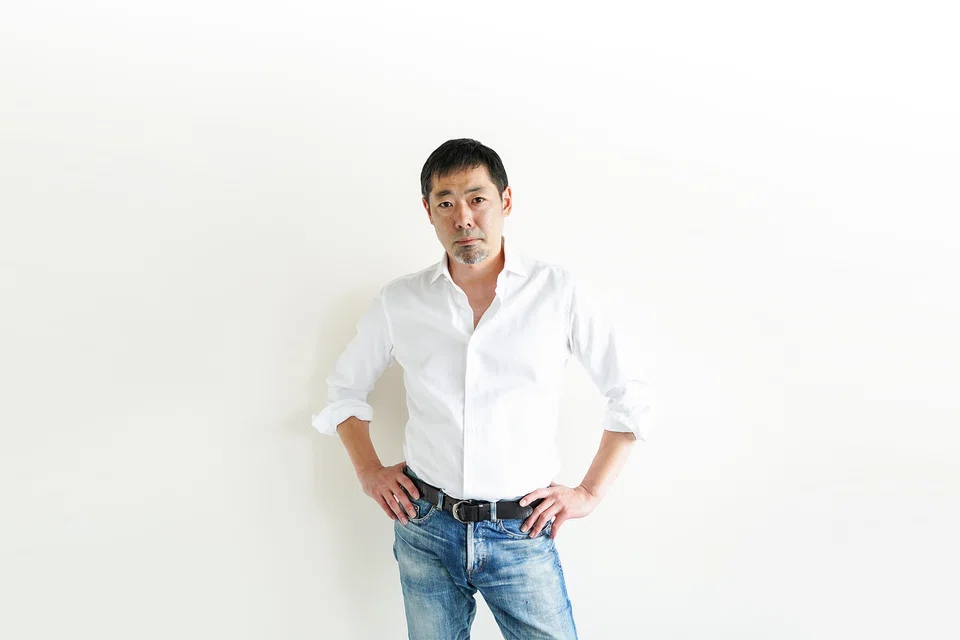
IN A country that rewards conformity and wrote the rule book, How to Not be a Maverick, Japanese product designer Gen Terao sticks out like mayonnaise in a sushi restaurant.
But bucking convention has led him to where he is today – the founder-chief executive of Balmuda Design, a niche maker of high-end home appliances with a cult following among design-conscious and bread-loving homeowners around the world.
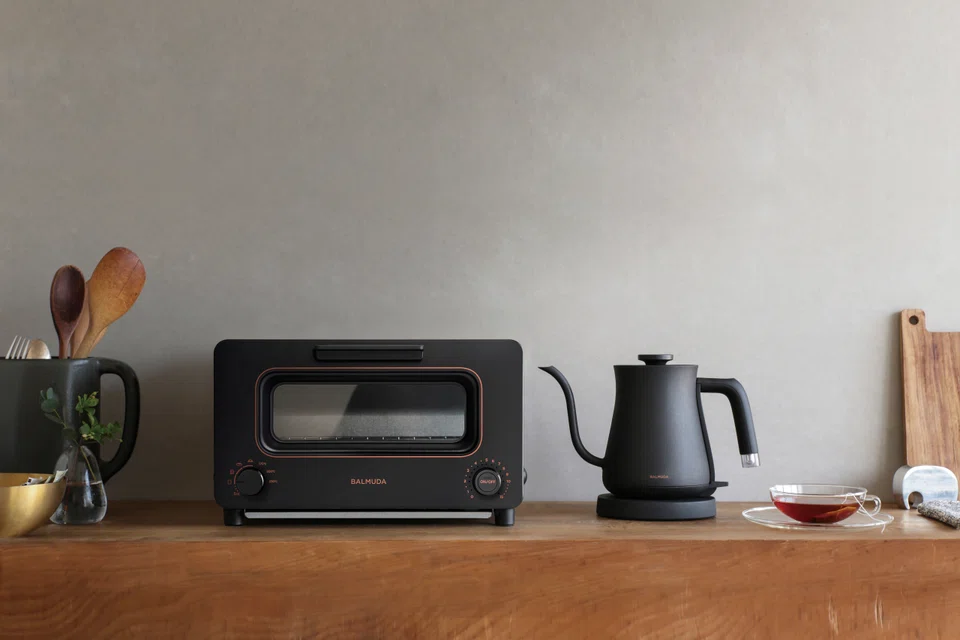
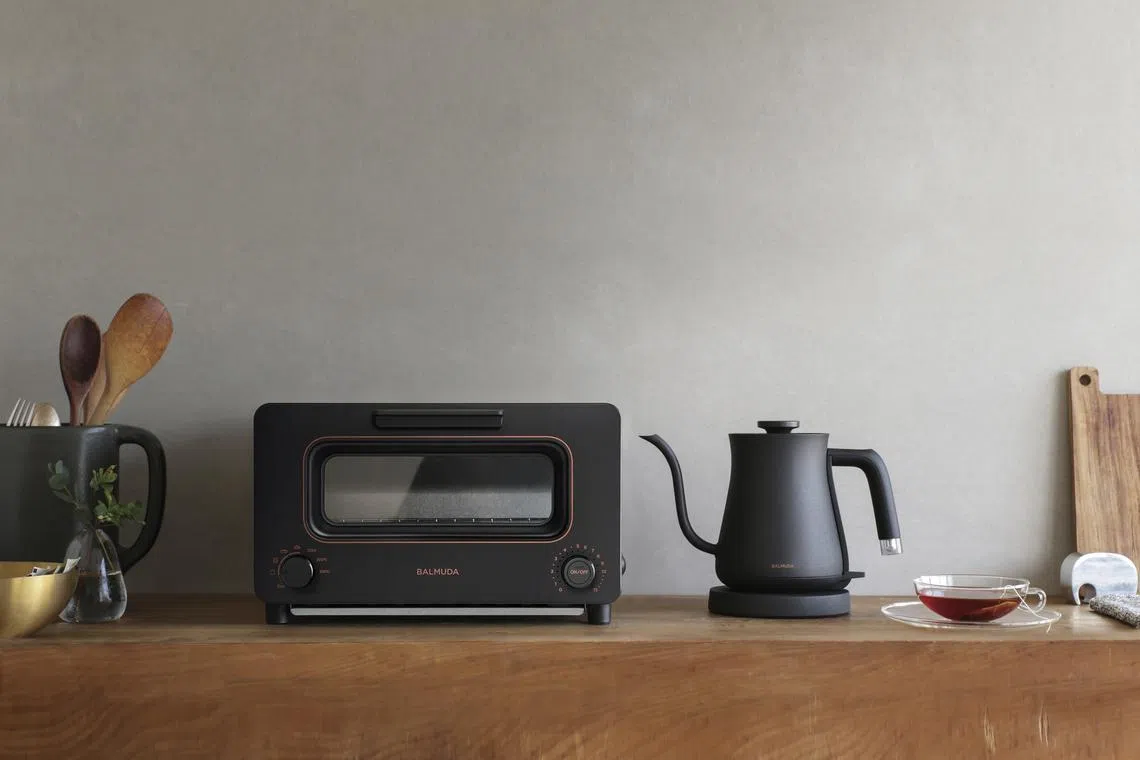
His company is best known for its Balmuda toaster – literally the Rolls-Royce of toasters that costs hundreds of dollars (compared to the basic S$50 two-slice pop-up). The machine is coveted for the way it uses steam technology to create the perfect slice of toast.
With Balmuda, Terao doesn’t so much as invent but reinvent common appliances. He elevates toasters, kettles, fans, microwaves and rice cookers from kitchen workhorses into lifestyle experiences.
The 51-year-old was in Singapore for the opening of Balmuda’s store corner in Takashimaya. It is where first-time local aficionados can buy the toaster with a proper three-pin plug and correct voltage, instead of buying it online and fiddling with adaptors.
It retails here for S$539. Will you buy it? The decision, says Terao through an interpreter, will boil down to whether you believe you’re getting a product or an experience. “If someone asks if you want to pay a lot for a toaster, you would say ‘maybe not’, but if they ask if you would want to pay for a better-quality breakfast every day, then the answer would be ‘yes’.”

The Internet is awash with glowing reviews of the Balmuda toaster. The general lament is over its price tag, but the overwhelming conclusion is that it works wonders in transforming the driest, stalest bread into its bakery-fresh original state in minutes. In other words, price is a factor, but everyone wants one.
Charting his own path
To say that Terao’s life has been unconventional by Japanese standards is an understatement. A top student in prep school, he dropped out at 17 because he didn’t want to be locked into an “arts” or “science” path for the rest of his life. He spent time backpacking alone through the Mediterranean, and had his first taste of freshly baked bread in Spain, which gave him an epiphany that would later inspire his quest to reproduce that flavour with his toaster.
But he didn’t know that at the time. He had set his sights on being a rock star, except it didn’t happen. Then, while browsing through his wife’s design magazine, he became fascinated by stylish home appliances that seemed to blend harmoniously with interior design. He decided then that he wanted to design and build appliances too.
SEE ALSO
Not knowing the first thing about making anything didn’t faze him. And it has become the mantra of the entrepreneur who lives up to the cliche of following one’s dreams, regardless what anyone says.
“Nothing is impossible,” says the trim, serious-minded Terao. “Not knowing how to do something doesn’t mean it can’t be done.” In his case, that involved convincing tiny local workshops to teach him the nuts and bolts of manufacturing until he was able to start Balmuda in 2003. The company made computer-related accessories.
It was only in 2010 that he hit paydirt with his first home product, the GreenFan.
“When we launched it, everybody told me it wouldn’t work, nobody would buy it,” says Terao. “It was US$350, when in Japan, an electric fan would cost maybe US$50 or US$80. But the quality of the wind was different; it was super silent and energy-efficient, and the design was great. And it became a bestseller.”
His logic was deceptively simple. “The basic premise of a fan is to keep cool. But other brands never talked about enhancing the quality of the wind. It was always about swivel, remote control or design. We’re the only ones who thought about that core value, and how to enhance it.”
The messaging resonated among consumers, “who never thought about having a better quality of wind”, Terao says. “And once we did it, they went, ‘hey, that’s a very good experience’. And for each product we do, that core essence is there. As in, nobody really thought about elevating the bread that you eat, but that should be the main purpose of a toaster.”
Making bread – and life – better
Terao doesn’t see himself as a great visionary, but just a simple guy with basic needs who wants to live better. The toaster came about because he wanted to eat “the best toast” and recreate the flavour of the bread he had in Spain.
He and his engineers were developing the toaster when, at a company barbecue which was held on a rainy day, one of them brought bread to toast over the charcoal fire. They were bowled over by how good it tasted – crunchy on the outside and fluffy and moist inside.
Back at work, they tried replicating the taste, experimenting with charcoal height, temperature and quantity, but could not get the same effect from the barbecue. “One day, the engineers remembered that it was raining that day, so maybe it was the humidity or water, not the charcoal, that made the difference.”
That was their eureka moment. They went on to create a toaster with a built-in steam function that would moisten the bread just enough to fluff out the insides, and then finish it with a golden crust.
Inspiring others
Terao, who surprisingly names Ernest Hemingway, Bruce Springsteen and Bono as his role models rather than the likes of Steve Jobs or Elon Musk, says he is moved more by the level of creativity and originality of these artists. He sees his business more as an art form, not a means to financial success; sometimes he wonders if he’s “in business, or show business”.
He readily concedes that “Japanese people probably think I’m a weirdo”, but he likes it that way. He’s often invited to speak at universities, and enjoys the opportunity to share his experiences with students. His interpreter recalls that he was once invited to a symposium at Tokyo University with several hundred students who had gathered to listen to him. During his speech, he encouraged them to quit school straight away, she says. Terao nods in agreement.
While he’s had his fair share of success, it hasn’t come easy. His company almost went bust during the 2008 financial crisis and in 2021, when he made a failed attempt to launch a mobile phone. But quitting has never been in his vocabulary.
For now, expanding the Balmuda brand in the Asian market is part of his global strategy, and more products are in the pipeline. He is working on building energy-efficient wind turbine generators using the technology from the GreenFan, as he sees sustainability as the “most important issue for the world right now”.
When asked if he sees success in financial or creative terms, he stops to ponder. “I don’t know,” he says finally. “I don’t think I’m successful. I’m just in the middle of my journey. I still have a lot more things I want to create.”
Decoding Asia newsletter: your guide to navigating Asia in a new global order. Sign up here to get Decoding Asia newsletter. Delivered to your inbox. Free.
Copyright SPH Media. All rights reserved.
TRENDING NOW
Motoring tycoon Peter Kwee is back in court: Here are his previous legal battles

Demand, tech capabilities position Apac and AI as Skyscanner’s next growth frontiers: CEO Bryan Batista
Beyond the greenback, Vietnam’s big borrowers turn to Asian-currency bonds

Nvidia’s outlook cut to stable by Moody’s on governance concerns

