

Korean premium produce gaining popularity in Singapore
A greater variety of high-end fruits and seafood give their Japanese equivalents a run for their money
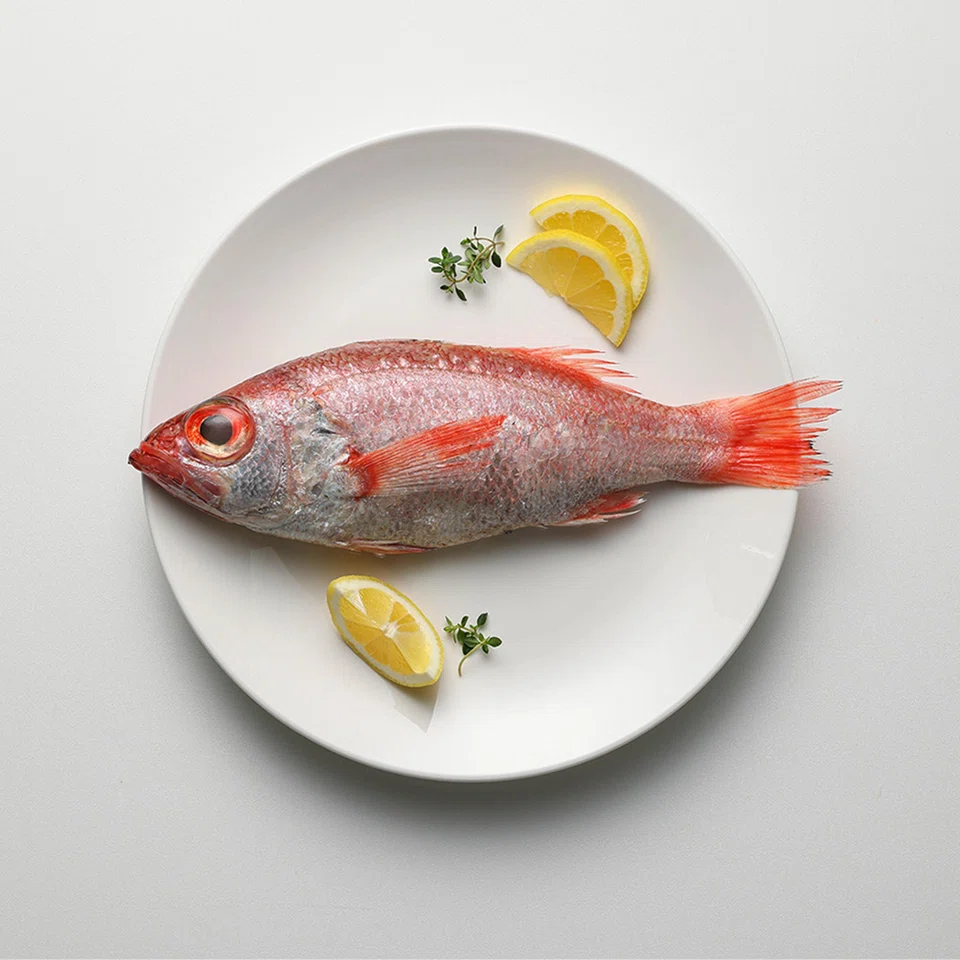
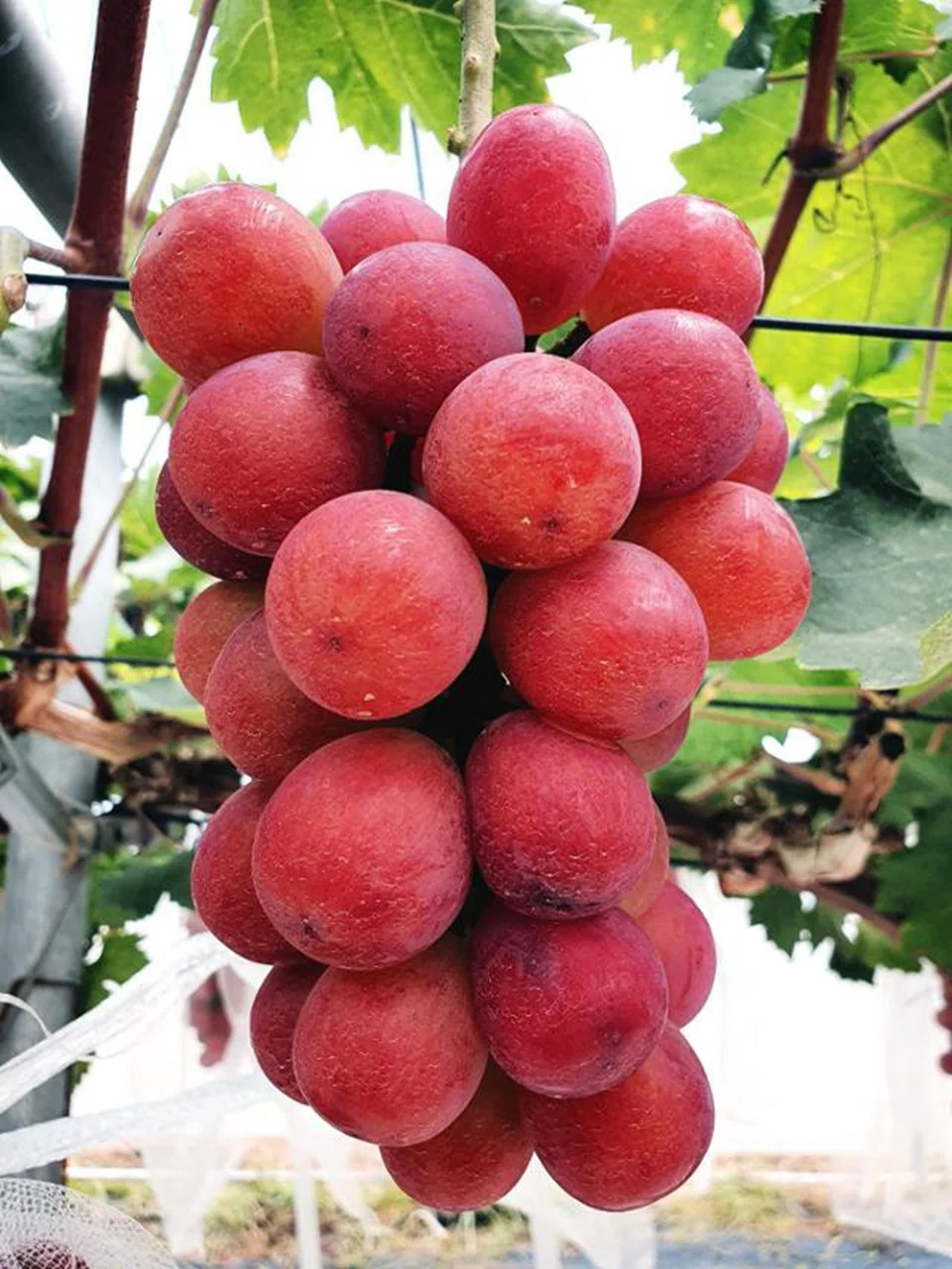

MATSUTAKE mushrooms. Shine Muscat grapes. Black-throat perch or nodoguro. Musk melons. Sakura ebi. Awabi or abalone.
They all sound like a typical shopping list a high-end restaurant in Singapore might be sending to its suppliers in Japan, but increasingly, that shopping list – with the necessary language adjustments – is being sent somewhere else. Specifically, South Korea.
Besides fine-dining Korean restaurants such as Meta and Naeum, the likes of Cloudstreet, Labyrinth, Zen, Odette and Tarte by Cheryl Koh have warmed to the idea of using premium Korean versions of the same products. Abalone from the Korean province of Wando, for example, is becoming commonplace on menus (also for its friendlier pricing), while Korean songi or pine (matsutake) mushrooms are known to be equal to their Japanese counterparts (and just as expensive).
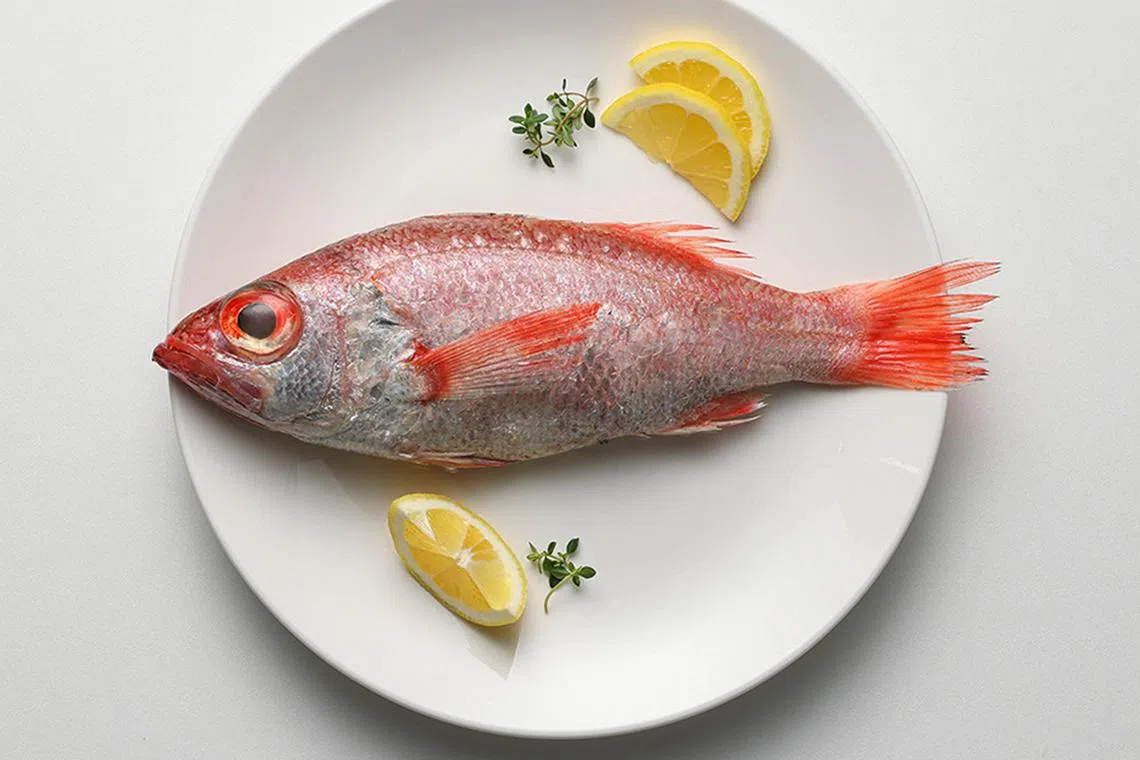
Getting access to premium Korean produce hasn’t been as easy as buying Japanese, but newish players such as SoGoodK have been working to improve the quality and supply chain. Growing awareness of the quality of such produce has become the self-appointed role of SoGoodK’s founder, Olivia Lee.
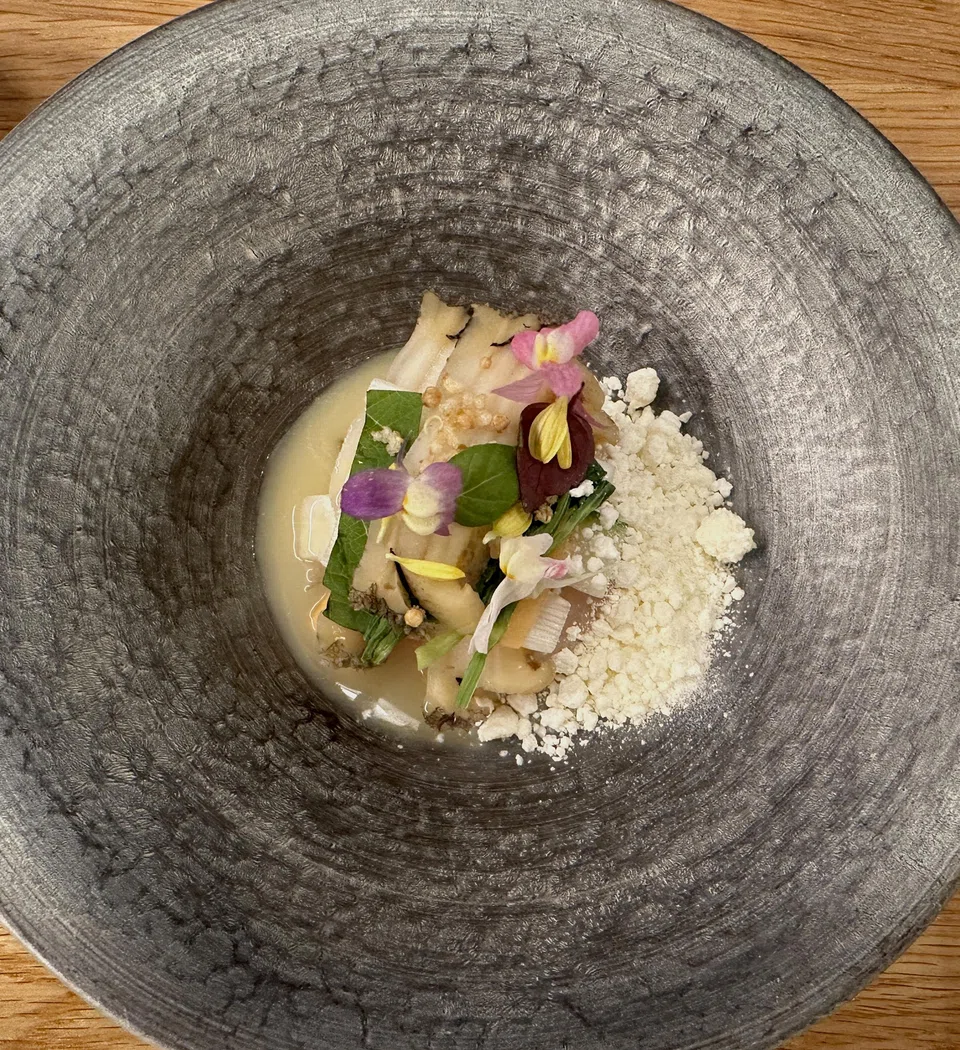
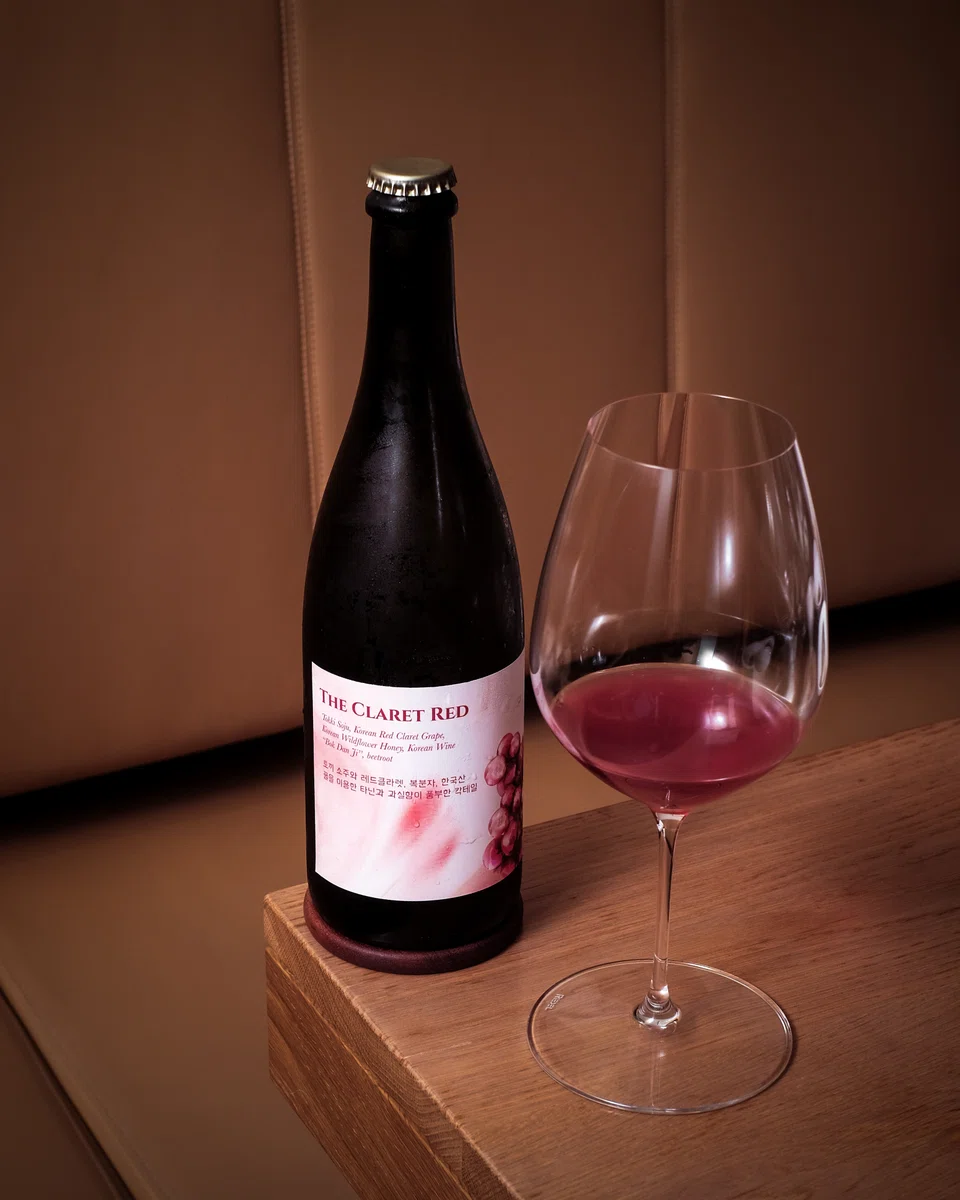
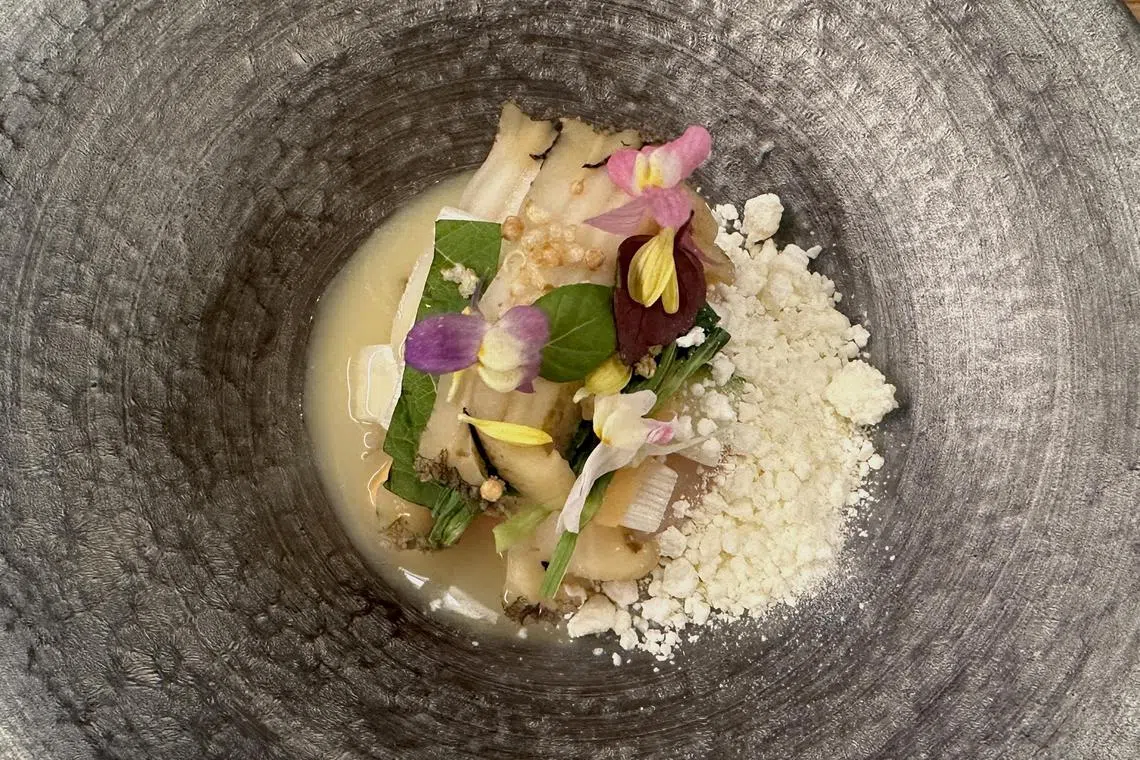
She recently collaborated with the Korean embassy on a six-hands event with chefs Sun Kim of Meta, Louis Han of Naeum and mixologist Uno Jang of Jigger & Pony to showcase the quality and versatility of the latest seasonal ingredients. Held at Naeum, Singapore’s chef fraternity and food media sampled Wando abalones and raw sweet prawns turned into a salad with mustard dressing and vegetables; geumtae (black-throat perch) grilled with stuffed zucchini flower, pan-fried galchi (belt fish) and songi mushroom rice with the same heady yet delicate fragrance as matsutake. The dishes were washed down by cocktails specially crafted by Jang using Tokki soju, makgeolli, red claret grapes, traditional plum extract and even Korean sesame oil.
“When I arrived in Singapore nine years ago, Korean ingredients were mainly geared towards the mainstream rather than premium market,” says Lee, who started out by importing strawberries from artisanal growers as well as other fruits and seasonings that were hard to find in local supermarkets or upscale grocers.
Even today, there aren’t many suppliers importing high-end produce. “Doing consistent quality checks is time-consuming and costly,” says Lee. “To preserve the freshness of our produce, I have to air-freight them as quickly as possible, and it’s a challenge for potential suppliers to maintain the high standards required for such produce.”
Lee works closely with the Korean government and the agriculture sector to identify producers with the quality and ability to export.
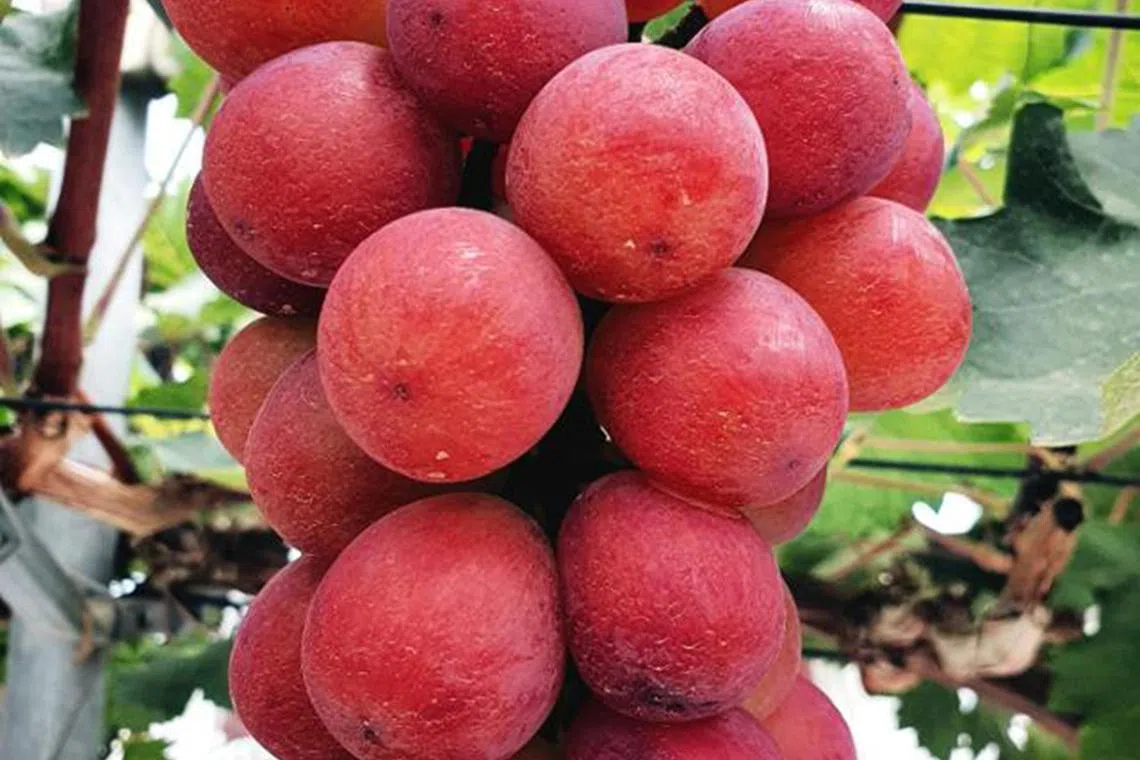
She says: “Currently, the best-selling seasonal fruits come from Sangju, such as dried persimmons, shine muscat and ruby roman grapes, pears and peaches. Sangju’s temperature varies widely from morning to night, which is ideal for farming. Jeju Island is also a source of seafood, although Tongyeong is very good for geumtae, especially this season. And of course, Wando is renowned for its abalones.”

While the flavour profiles may be similar, the differences between Japanese and Korean ingredients boil down simply to the terroir they’re grown in, says Nauem’s chef Han. “Korea’s diverse landscape includes mountains, plains and coastal areas, as well as varying climatic conditions, which provide a rich and varied environment for agriculture. This results in a wide range of ingredients with distinct characteristics, contributing to the unique flavours found in Korean dishes. In the same way, Japan’s geographical diversity offers its own set of ingredients with distinct tastes that make Japanese cuisine what it is.”

Adds Meta’s chef Kim: “Korea’s varying climate yields distinctive locally-sourced ingredients such as spicy gochugaru, while Japan’s diverse terrain and climate also offer (their) own set of unique flavours, such as their umami-rich seaweed.”
Both chefs agree that it wasn’t so easy before to get their hands on high-end produce, and when they couldn’t find it through their own suppliers, they would use their Japanese equivalents. SoGoodK, which recently launched its B2B site in addition to its online shop catering to local food lovers, hopes to address that gap with a consistent supply of produce.
On the cocktail front, Jigger & Pony’s Jang has been studying Korean ingredients’ flavour profiles for use in his concoctions. “Sesame oil, for example, has a very nutty and oily aroma almost like peanut butter, unlike the Japanese version,” he says. “Then there are preserved fruits like yuja (Korean yuzu) and maesil (similar to ume plum), which have their own unique flavours.” He’s also been experimenting with soju, which has a stronger flavour than sake, especially aged soju, which has “a complexity that makes (it) good for crafting cocktails”.
Meanwhile, even if you’re not a chef, Lee’s SoGoodK online site is a larder of all things Korean from fruits to seasoning and dried goods. “The fall season is excellent for grapes, musk melons, honey dates and chestnuts,” she says. “It’s also a good time for sea bream, oysters and male crabs.” So while fans of K-drama lust after their male stars, food lovers have plenty to salivate over from the culinary aspect.
Decoding Asia newsletter: your guide to navigating Asia in a new global order. Sign up here to get Decoding Asia newsletter. Delivered to your inbox. Free.
Copyright SPH Media. All rights reserved.






