Les Amis’ Zeniya raises the Japanese kaiseki game in Singapore
The Singapore outpost of the two-Michelin-starred Kanazawa restaurant showcases the art of simplicity to good effect
NEW RESTAURANT
Zeniya Singapore Level 24, Shangri-La Hotel 22 Orange Grove Road Singapore 258350 Tel: 6213-4571 Open for lunch and dinner Tues to Sun: 12pm to 3pm; 6.30pm to 11pm.
WHY do we have Japanese restaurants in Singapore? Simple. To transport you to their motherland, so you don’t need to buy a SIN-Haneda ticket.
Just that these eateries take it so literally, they even follow the same pricing strategy as Singapore Airlines. You know: economy class fare if you’re cheap, but for anything better, be prepared to shell out for business, first, and ever-increasingly, suites.
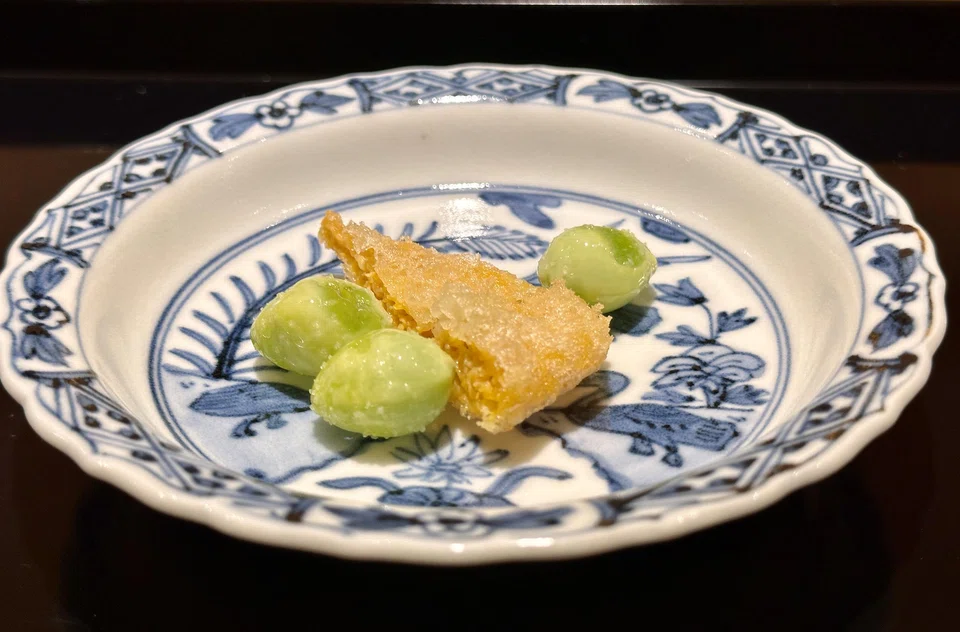
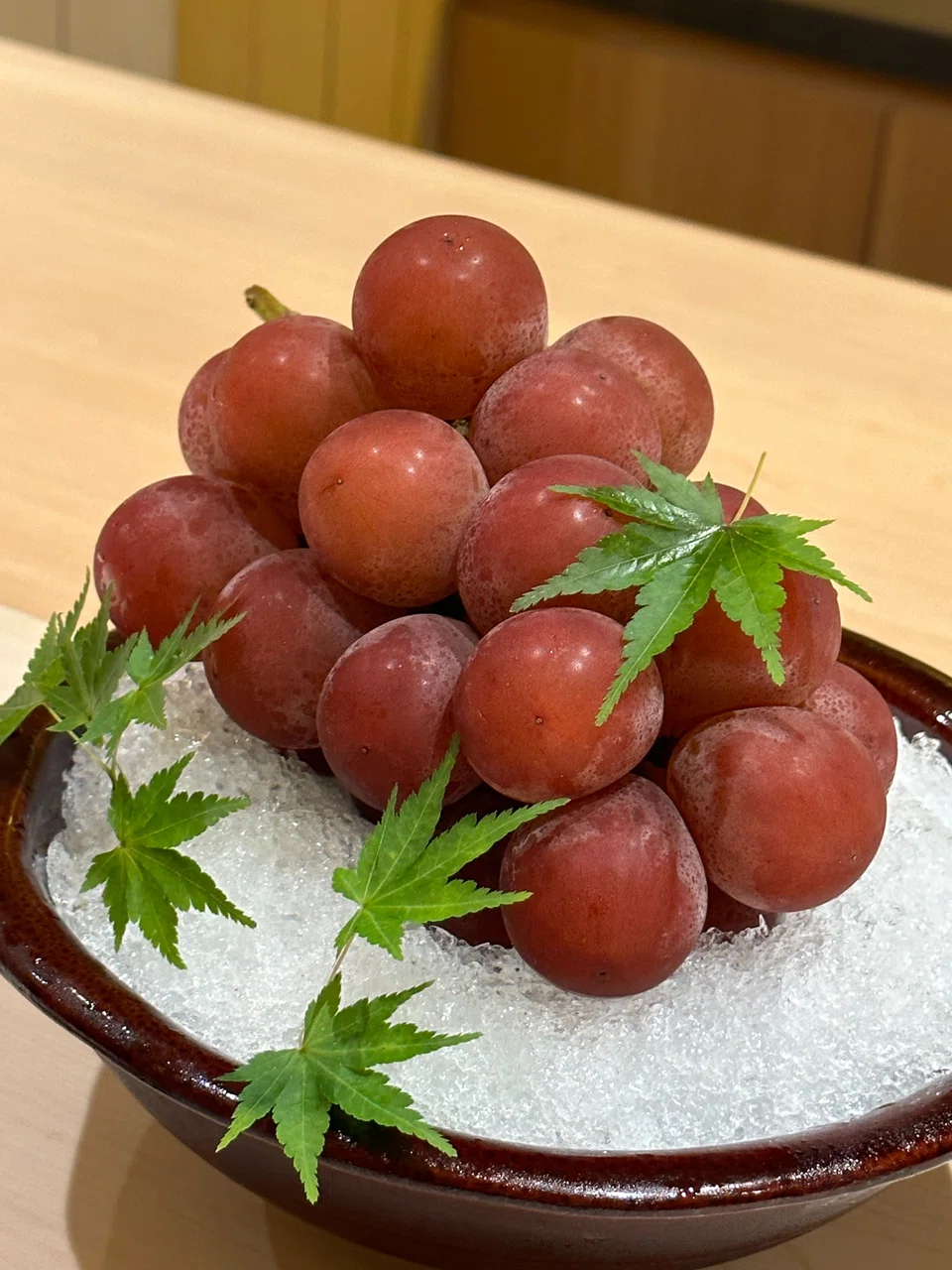
At S$450 for dinner, Zeniya Singapore falls squarely into business class territory. But with the occasional first class perks – like when the inflight supervisor secretly slips you a pair of slippers from the front cabin. Zeniya surprises you with little treats you don’t expect at this price, such as grapes the size of ping pong balls that they bought at auction for US$300 a bunch. Or new season gingko nuts – so delicate and unlike any you’ve had before, with the light crunch of nashi pear and a faint taste of edamame.
As far as transportation is concerned, however, don’t expect to be swept into the same realm as Zeniya’s mothership in Kanazawa, Ishikawa prefecture. That one is chef-owner Shin Takagi’s life story told within the timber walls of his family-owned heritage house. It has the bounty of the surrounding region at its doorstep, Takagi’s brother in the kitchen, and his mother as okami-san. So, not something you can wrap in furoshiki and send out on the next Shinkansen.
But – what Takagi has done is bottle a bit of its essence and send it to the Shangri-La Hotel – the equivalent of a seedling that will grow up to shape its own identity, but with its heart always linked to its source.
That’s why, even though Zeniya sits in a hotel, it doesn’t have that in-house dining vibe – the Les Amis connection has something to do with that. The decor is conventionally plush but doesn’t stand out, and the centrepiece is the long dining counter where sous chef Akinori Nakano presides, with head chef Shuji Yoshitaki hidden in the kitchen.
It’s up to this duo to write a new chapter for Zeniya at the new Singapore outpost but for now, they’re still finding their feet and adapting to their new environment. Even so, they still manage to set themselves apart from other players for the kind of unadulterated, classic kaiseki cuisine that you don’t see as much here. Flavours are pure and almost austere, ingredients are minimally embellished and seasonality is everything.
Without farmers or fishermen for neighbours, this level of simplicity is hard to pull off, especially when you’re only as good as what your supplier sends you. But Yoshitaki and Nakano – the latter a direct import from the original Zeniya – still hold their own with a few aces up their sleeves.
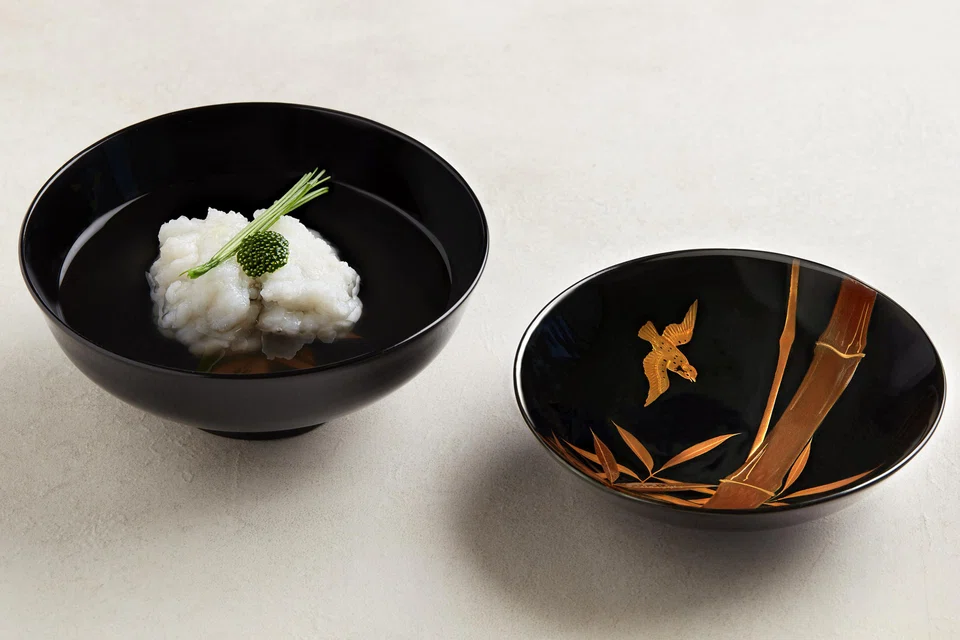
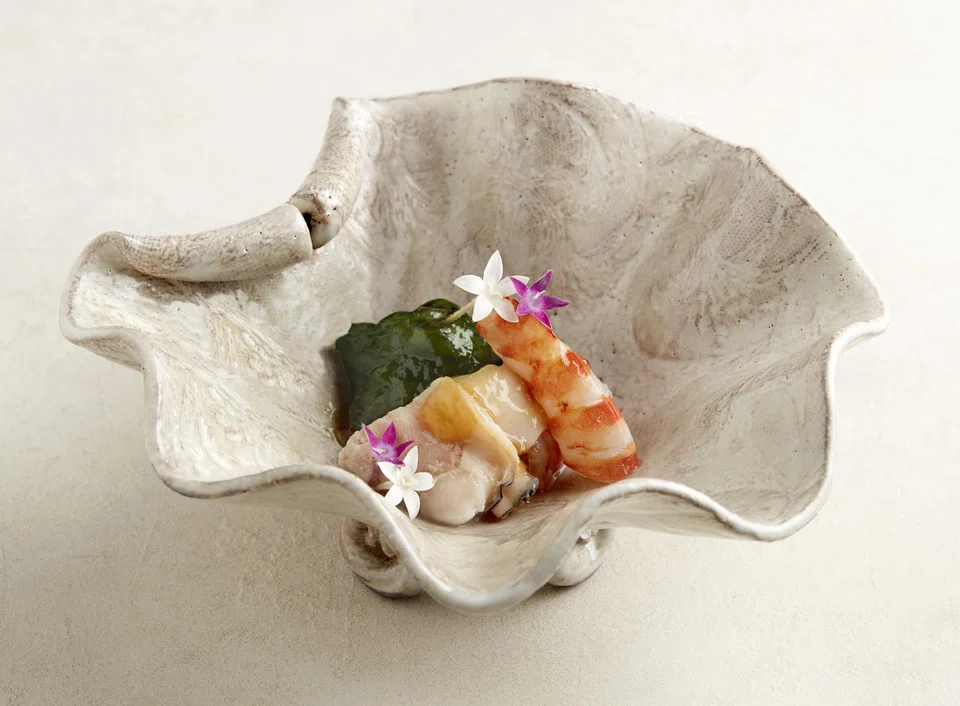
It’s a shaky start with an overcooked clam and average-tasting prawn in the opening cold starter that pairs the two with slippery seaweed-like kinjiso and ponzu jelly. It’s followed by dashi that’s almost-but-not-quite clear enough, marred by a slightly oily surface perhaps from the otherwise impressively cut piece of conger eel that curls beautifully in the broth.
But sashimi from Kanazawa is bright and perky with no jet lag – shiny white squid and pink grouper slices, pretty against a green leafy background, with sweet shima ebi for company.
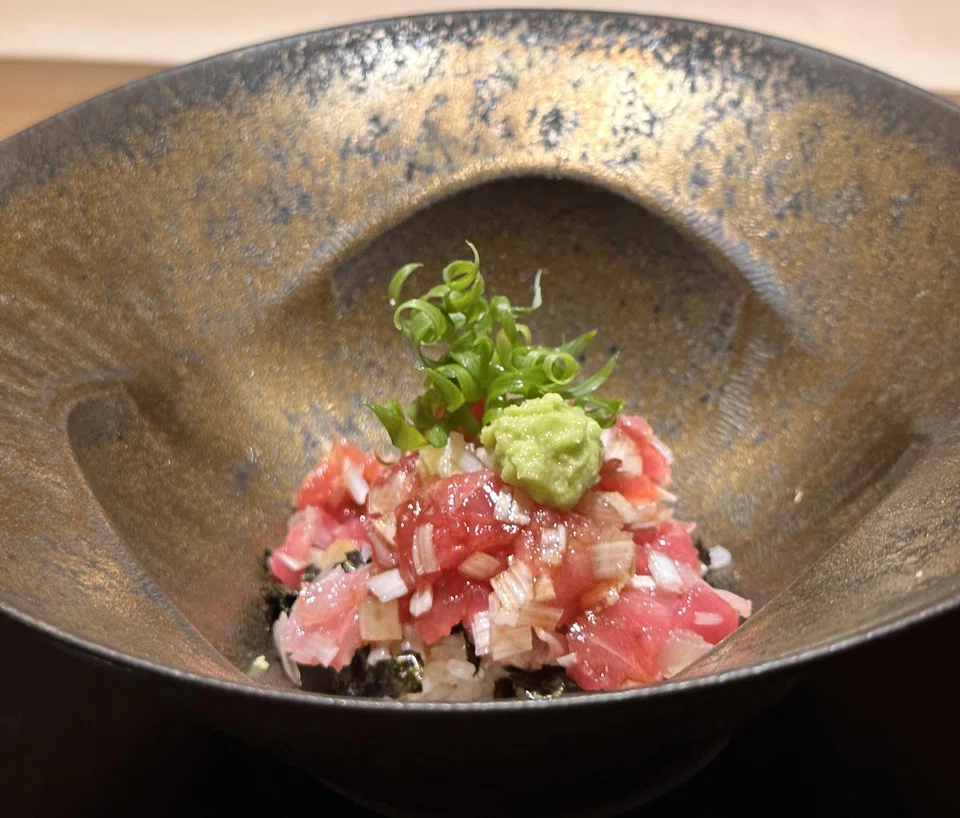
It’s the DIY negitoro which Nakano carefully assembles that’s set to be a signature staple as creamy-textured tuna is chopped rather than minced, added to similarly chopped leeks and moulded over rice and seaweed. There’s nothing to it, yet it’s everything in satisfaction.
Like the new season gingko, semi-dried sea cucumber ovaries are another coup in the sourcing department. Lightly fried tempura-style for a briny crunch and matched by the gingko’s novelty, this is the star of the meal.
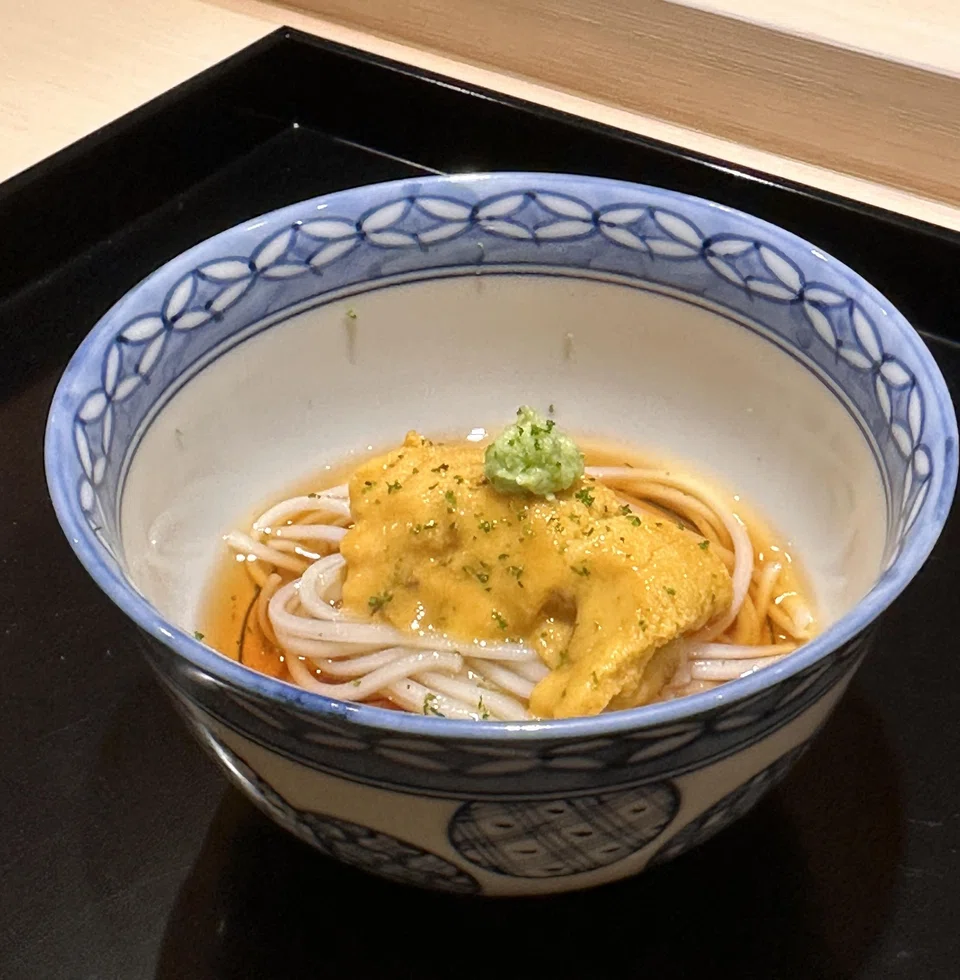
Not that the subsequent soba is a slouch. Cold, slippery and chewy in a soy-dashi broth with extra-large lobes of murusaki uni, the only thing that could make it better would be more of it.
The rest of the meal continues on an even keel, with no real leaps in excitement. Suitably fleshy and oily nodoguro is grilled and just a tad overdone and salty; Miyazaki grilled tenderloin is lean and tender so it doesn’t weigh you down, accented with a clear jus and dusting of truffles for the only touch of Western influence. And before the rice course appears, a pristine braised abalone slice sits atop equally smooth tender turnip in thickened gravy.
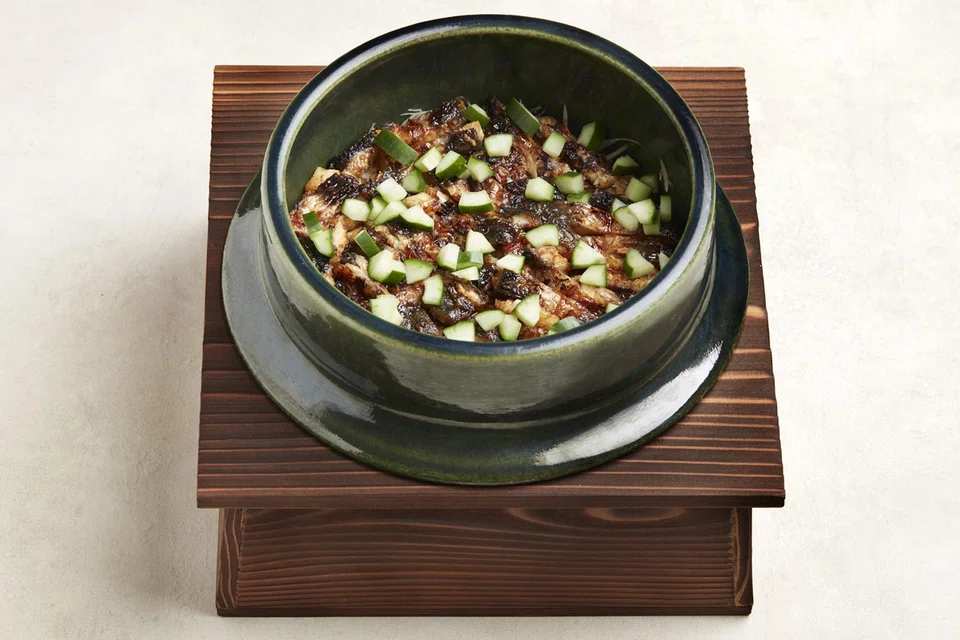
The donabe presentation is always the show stopper and the heaving claypot steaming with rice enriched with earthy, sweet-savoury unagi is no different. Either dig in or be a little more discreet and have just a tiny portion so you can take home the rest as onigiri. The best part is this time you get to microwave it at home, not eat it cold in your hotel room the next day.
And then, like a fruity striptease, a wicker screen is slowly lifted to reveal the voluptuous grapes – purple rubies that are fragrant and almost jewel-like, and bursting with juice. You only get one, so savour it, and the other couple of mango pieces to end the meal on yes, a simple note.
The Japanese dining scene may not seem as exciting these days with accessibility being so easy now. Zeniya’s arrival won’t make a giant impact, but for those who appreciate it, it brings the art of simplicity to a new level.
Rating: 7.5
Decoding Asia newsletter: your guide to navigating Asia in a new global order. Sign up here to get Decoding Asia newsletter. Delivered to your inbox. Free.
Copyright SPH Media. All rights reserved.
TRENDING NOW
Grab CEO’s wife Chloe Tong on life with Anthony Tan and finding her purpose
He built the Vingroup empire. Now South-east Asia’s richest man is handing some key roles to his sons
HDB reviewing ‘jumbo’ flat scheme after Telok Blangah unit listed for sale at S$2.18m
What role can Japan play in Asean’s future?