

Luxury F&B faces fallout as rich diners stay away
With even the wealthy watching their pennies, fine-dining restaurants find it harder to fill seats
OPEN it and they will come. “They” being the seemingly endless pool of millionaires and generally wealthy Singapore residents and expats ever-ready to flash their cash, and “it” being the number of new fine-dining restaurants that have opened in the past couple of years to attract them.
Right up to the first quarter of 2023, that formula seemed to work as months-long waiting lists at hot Japanese eateries became commonplace, with other buzzy new concepts and Michelin-starred eateries not far behind.
But after an optimistic post-Covid rebound which saw the upper end of the dining spectrum outperforming more mainstream eateries, the tide is turning as the very restaurants that couldn’t keep up with reservations are now having just as much trouble filling seats.
Apart from some still very successful concepts, sushi-ya and Michelin-starred/trendy restaurants once almost impossible to get into now offer bookings within the next few days or even the same day you check. With rising inflation, a softening economy, school holidays and widespread travel, luxury restaurants are facing a potential downturn as even the once-thought “recession-proof” demographic becomes more selective about where it spends its money.
A wealth and lifestyle report just released by Swiss private bank Julius Baer named Singapore as the most expensive city for high-net-worth individuals to live well, and the experience of high-end restaurants seems to bear that out.
Warning signs ahead?
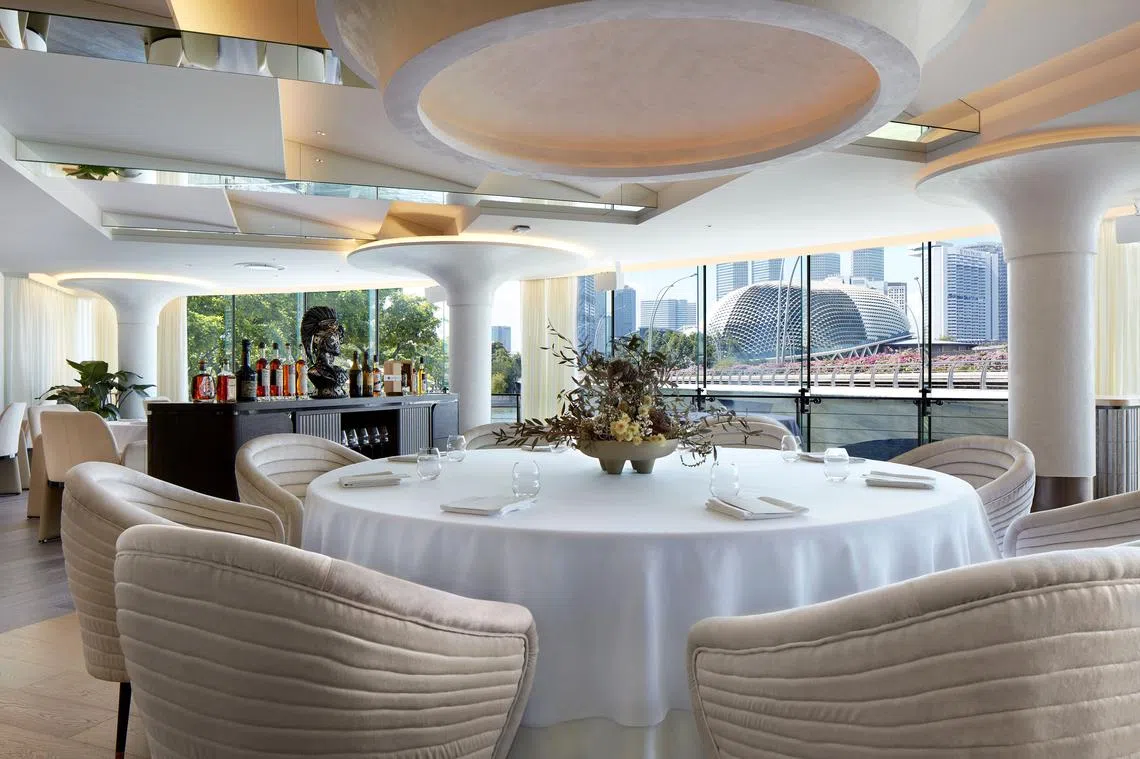
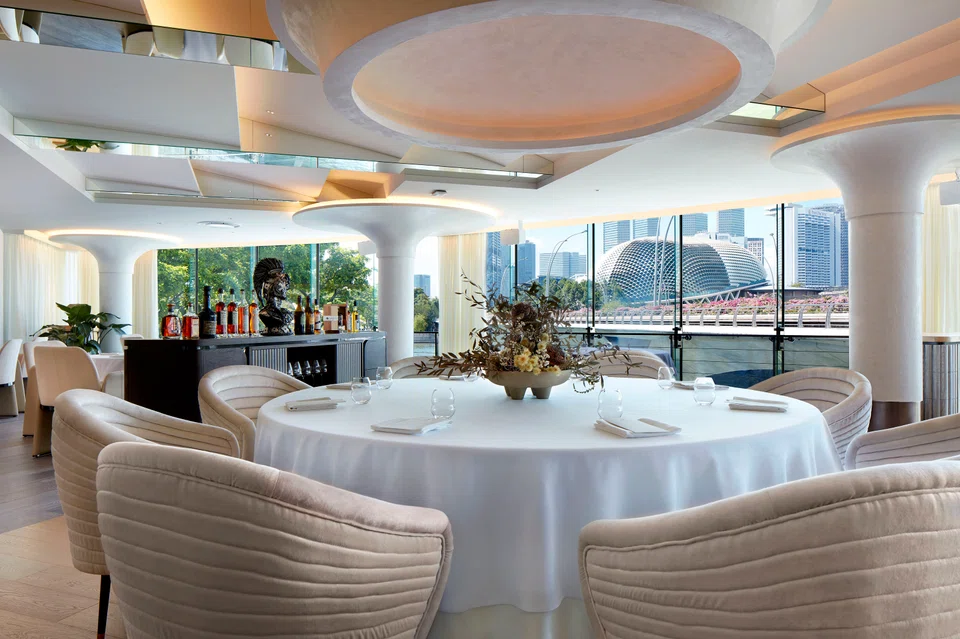
The slowdown has already claimed some casualties, the more notable ones being the one-Michelin-starred Basque Kitchen by Aitor, and the former one-starred Corner House. Kappo Kaji, one of many to join the Japanese omakase craze, quietly closed down its Claymore Connect premises. Cuisson, a fairly new posh European restaurant that opened only last October, has ceased operations until further notice.
Basque’s location at the Fullerton Waterboat House was a hard sell, and opening during the pandemic with its on-again, off-again dining restrictions added up to a weak start that it never quite overcame, says Loh Lik Peng of Unlisted Collection, which owns the restaurant.
“The Michelin star was a positive for us but that doesn’t guarantee custom because we never managed to build a strong pool of regulars, which is key in this game.” He concedes that given the investment, the restaurant “didn’t live up to the expectations we had for it”.
Its head chef Aitor Jeronimo Orive has since left Unlisted and returned to Melbourne, and Loh says the group will launch a new, mid-high concept in the same space soon.

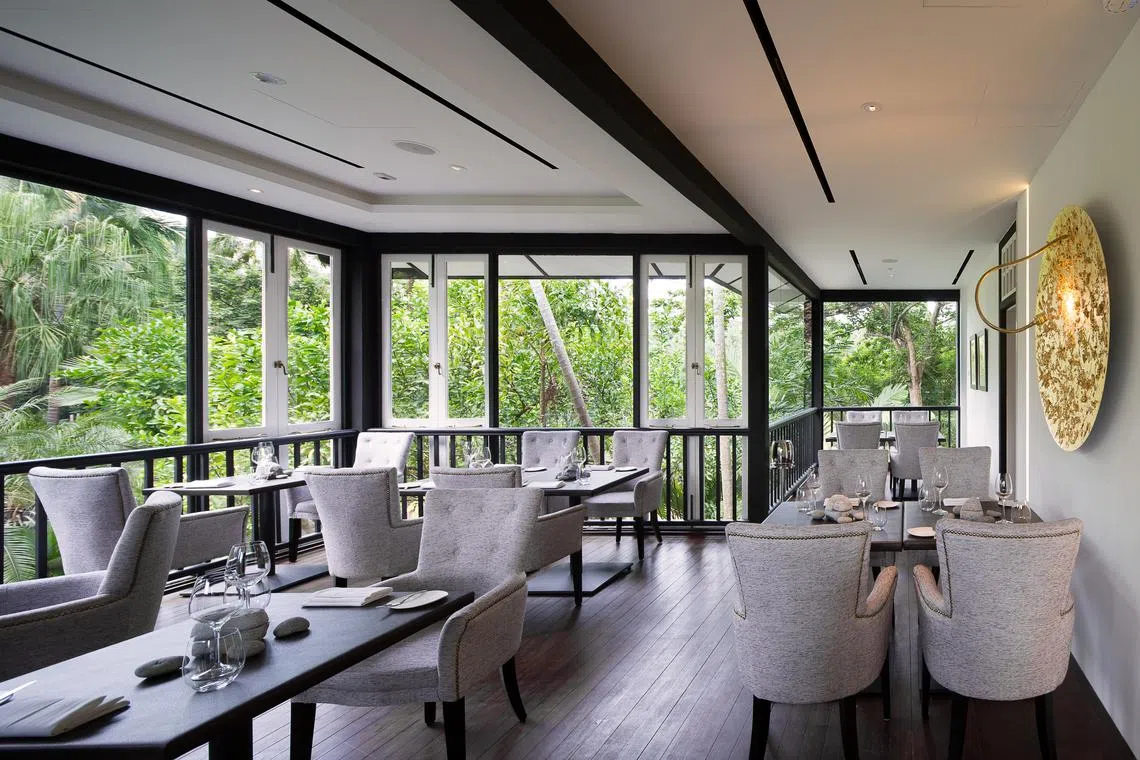
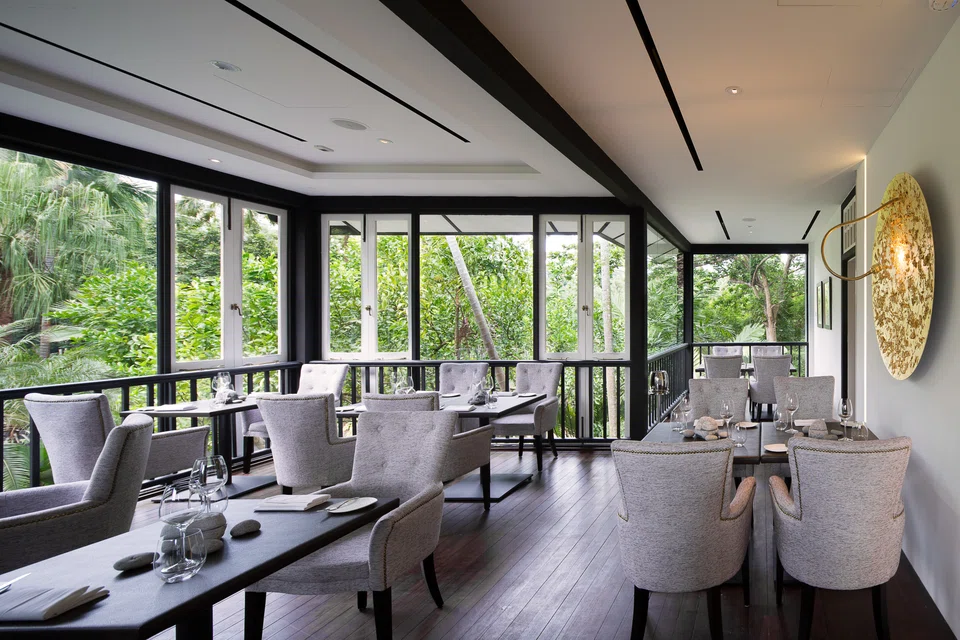
Corner House, which was located at the Botanic Gardens and held a Michelin star before losing it in 2022, announced on its Instagram account that its last service was on Jun 17. A spokesman said that the lease had expired but declined to give more details.
Japanese restaurants hurt more
Can Singapore have too many Japanese restaurants? It didn’t seem so two years ago but with the resurgence of travel to Japan and the cheaper yen, many are feeling the strain from intense competition.
Karen Cheng, co-founder of restaurants including Sushi Kimura, The Gyu Bar, Ichigo Ichie and Binary, says that “while our operations are reasonably okay, we started seeing a downturn from May onwards”.
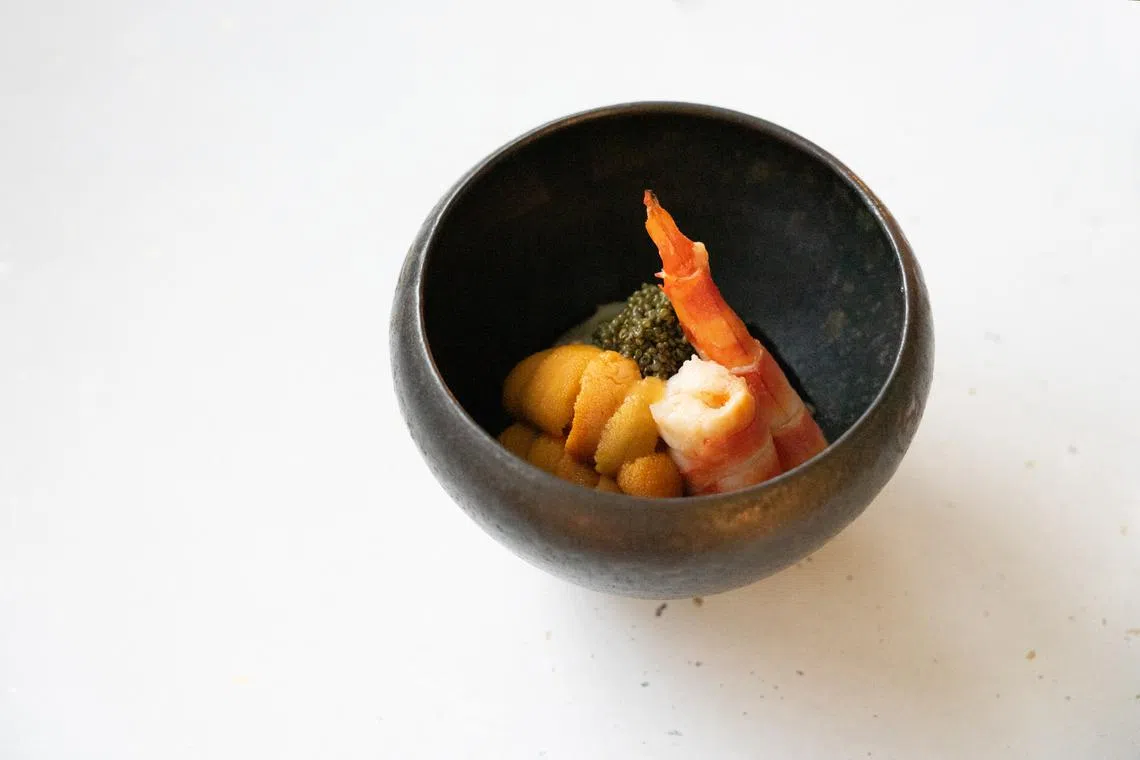
Business has dropped by 30 per cent on average, particularly in the high-end segment and saturated Japanese market. She says: “There’s been a surge in supply, while demand has not kept pace. And current travel trends have seen customers allocate more disposable income to going overseas. Many of our loyal customers are away and not dining in Singapore as frequently.”
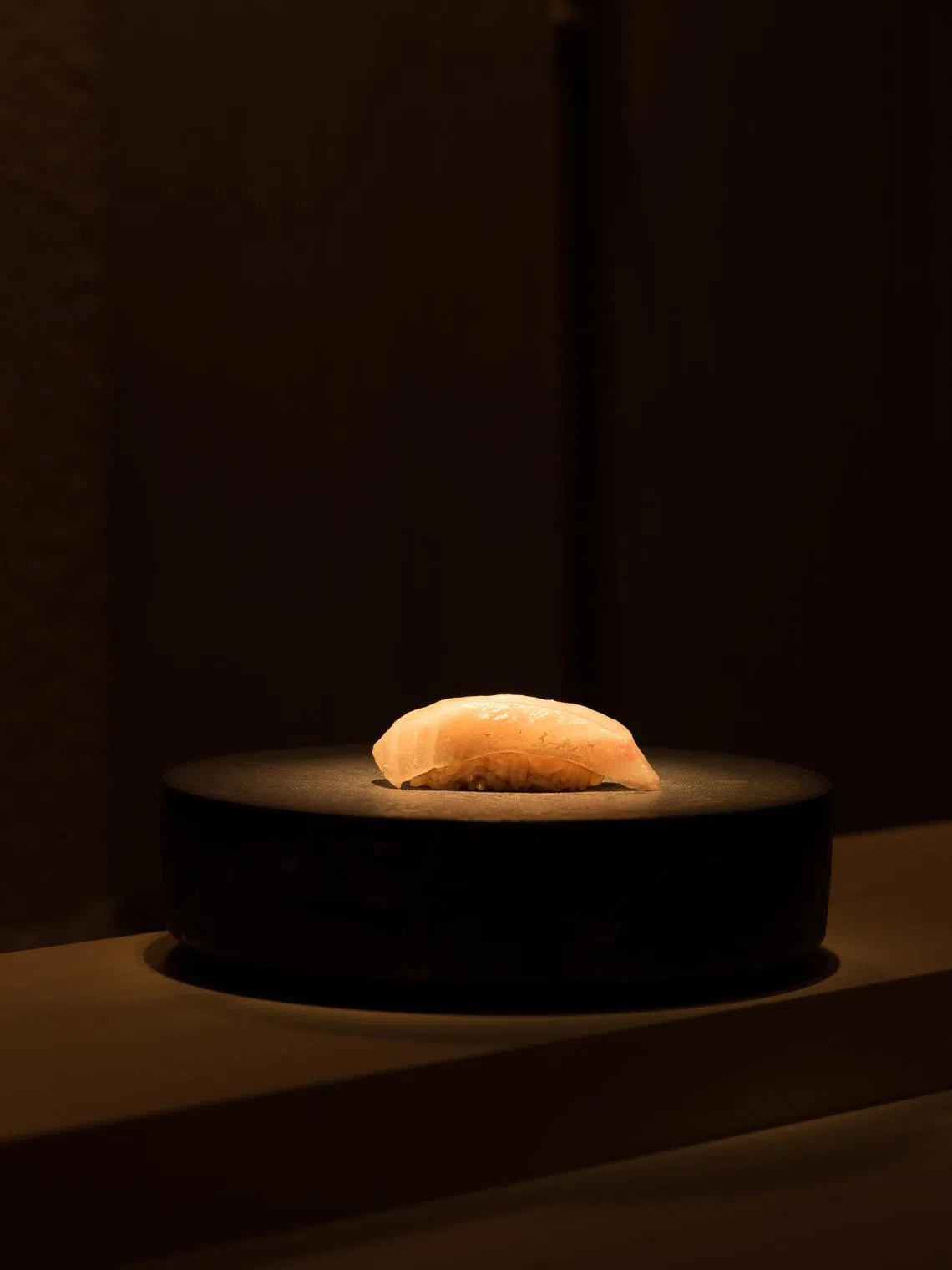
Joni Ong, managing director of sushi chain Shinji by Kanesaka, is also feeling the squeeze. “Customer numbers have dropped since March, contrary to our industry’s expectations even though tourist numbers were up,” she says.
She’s also seeing wealthy diners gravitate to private dining – where independent chefs charge fine-dining prices for menus served in their own homes. “It offers a more intimate and casual experience, with no time restrictions,” she adds. No-corkage is another draw.
Buzz and accolades count
While few will go on record about how badly they’re affected, the slowdown is felt across the board.
Besides stronger financials, consistently being on diners’ radar, and buzz from the likes of Michelin and 50 Best have helped the stronger ones counter the headwinds.
Born, a current darling and new entrant to Asia’s 50 Best, is “in a good place”, says chef-owner Zor Tan. “We’re still considered new and exciting, so there’s some buzz, even though yes, we are seeing fewer top-income diners. But our customer base is a good mix of locals and foreigners.”
When it comes to the high net worth, it’s not so much about expenditure but the number of diners – there are just fewer of them to go around because most are not in town, says Sebastien Lepinoy, culinary director of three-Michelin-starred Les Amis.
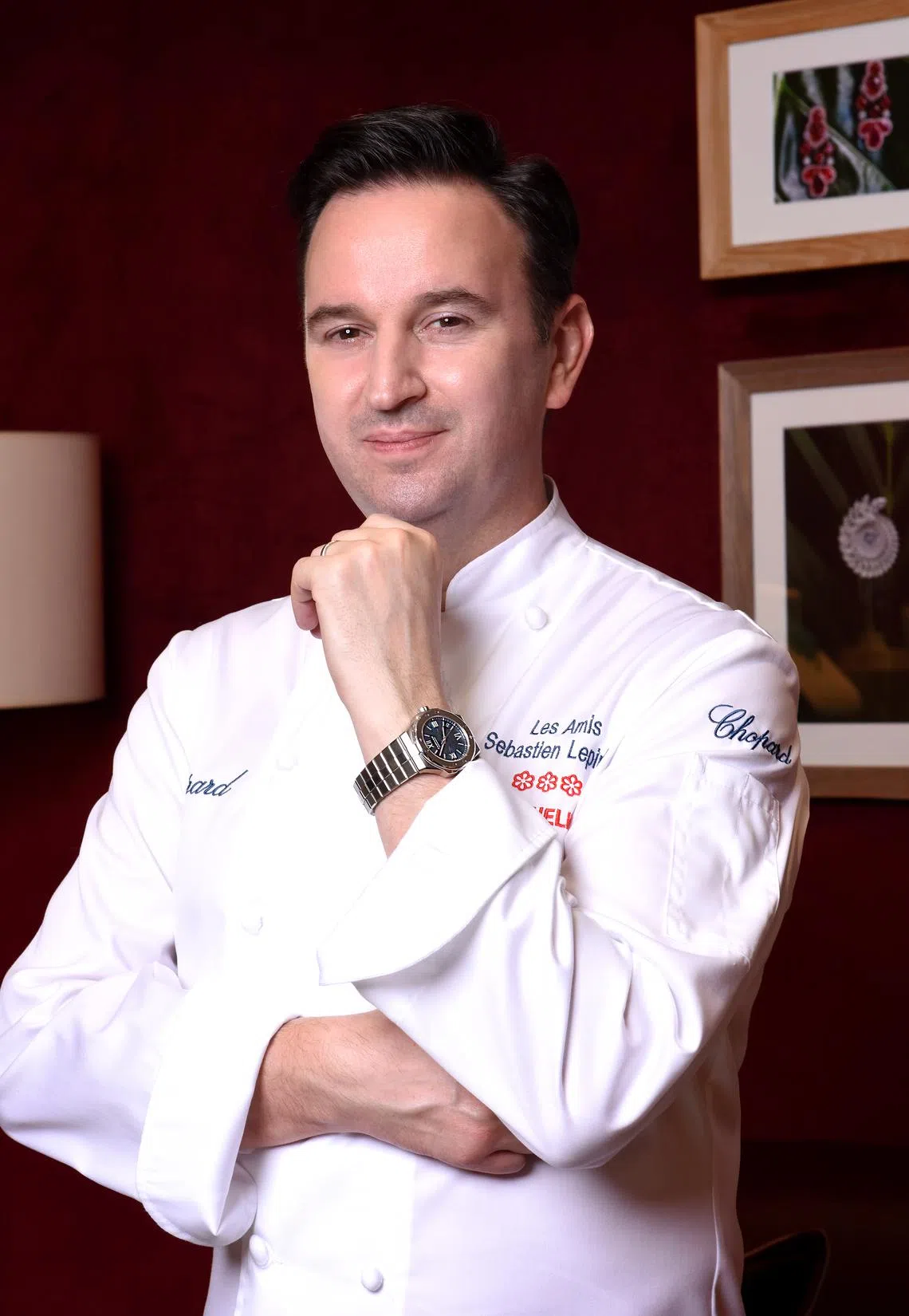
A three-course lunch starts at S$325, while a tasting menu goes for up to S$585. Lepinoy has not had any resistance to the pricing, but started seeing the “seasonal” slowdown in early June as local holidays and expats’ summer vacations also saw a drop in corporate spenders.
He has already factored in a 10 per cent to 15 per cent drop in revenue compared to 2022, “when guests were spending like crazy to celebrate the end of Covid”. The three-star status and tourists have helped, but he has also been careful “not to reduce our operations”, he says. “Some restaurants now close three days a week and operate fewer services – it’s possible they may be affected.”
Perennial favourite three-starred Odette – which just clinched the number 14 spot on the World’s 50 Best list – is still performing strongly, says chef-owner Julien Royer, although its sister restaurant Claudine is seeing a slight but manageable slowdown.
Buoyed by tourists and constant buzz for Odette, he sees no drop in fine dining. But at Claudine, the reality is that “the rise in rentals and cost of living has affected spending power” of its patrons. He adds: “When holidays come, people prefer to fly to destinations that are cheaper than Singapore.”
Despite its three-star status, Restaurant Zen has been the subject of speculation in terms of its bottom line, and Unlisted’s Loh dismisses rumours about unpaid bills as “mischievous and malicious scuttlebutt”.
He says: “I want to be crystal clear that all bills are being and will be paid, and we are 100 per cent solvent.”
Zen hasn’t been immune to the downturn, “but we are coping and tightening our belts like everyone else”, he adds. “It’s not just Singapore but global. Restaurants might struggle in the short to medium term but people are generally still going out – they are just more careful with their spending.”
What wealthy diners say
“We may be rich but we’re not gullible,” says a frequent fine diner who grew tired of the exorbitant prices that some opportunistic restaurants charged travel-starved diners during Covid.
How well those restaurants continue to do remains to be seen, but the partner in an investment firm has become more selective when dining out in Singapore, citing palate fatigue and more frequent travelling as the main reasons for the reduced patronage. Even though prices have continued to rise, she picks those she really wants to go to, without cutting back on expenditure. As a result, her dining-out expenses have risen by 30 per cent on average, she laments.
Fellow food lover Cecilia Wong used to be a regular at all the usual fine-dining suspects but says she started cutting back drastically post-Covid, down to almost a quarter of what she used to do.
While she’s prepared to pay a premium if the cost justifies it, what she has experienced is rising prices but lower standards. “Restaurants are very understaffed now, and many of the original chefs have left. I’m very reluctant to pay high prices for mediocre food and pedestrian service.”
Fund manager Julian Lim, an avid supporter of local F&B, believes the industry is being done in by the slew of new entrants by first-time backers who thought “the post-Covid boom was the new norm”.
Lim feels that these players are drawn by the lure of the quick buck, and are to be distinguished from longer-term players who know how to build places for the long run. The way he sees it, an unnatural flooding of choice drags the whole market down, which could lead to further fallout in the long term “as those without strong financial backers feel the heat”.
Lim still dines out as frequently as before and continues to support his favourite restaurants even though prices have risen. But his experience is typical of his demographic. For example, he feels the pressure of rising interest rates which have pushed up his mortgage payments by 20 per cent.
“So now I only go to tried-and-tested places including Odette and Meta, and avoid the latest (social media darling) because any mistake could set me back by S$500 to S$1,000 a meal,” he says, adding that he has also cut back on ordering wines by the bottle.
Lim acknowledges too that costs are rising across the globe, and finds prices and the level of cooking in Singapore comparable to cities such as Tokyo, Hong Kong and London, although he’s had disappointing experiences in three-starred spots in London.
But he and his friends are concerned about the viability of fine dining in Singapore, and “while we’re discerning with our choices, we continue to support our favourites with our coins”.
The outcome
“There will likely be continued fallout in the industry,” predicts Tycen Bundgaard, CEO of the Les Amis Group, and not just in the fine-dining segment which remains strong for the group. “A return to normal demand will mean a painful return to normal supply for the industry. We have already closed underperforming outlets and concepts in preparation for slower market conditions, but we are also embarking on new partnerships to strengthen our positioning.”
He adds that the writing has been on the wall. “But when we analyse previous years’ spending patterns, we see a return to a normal spending curve. The start of the year is traditionally slower than the later half. So it results in a perceived significant decrease compared to previous (Covid) years with a captive market.”
It may be cold comfort to independent restaurants which need to be at least 90 per cent or even 100 per cent full to be viable, noted Cloudstreet’s Rishi Naleendra, who counts the two-Michelin-starred eatery as one of the lucky ones, at least for now.
With the high cost of living, he says “the demographics are changing as more expats leave, and the extra money that is now going into rental would have been spent in restaurants”.
He adds: “Our customers aren’t crazy rich Asians, but we have strong local and international support, thanks to our stars.”
He, too, feels there are too many fine dining restaurants in Singapore, and a correction is imminent.
“It’s going to be a tricky year,” he says.
Decoding Asia newsletter: your guide to navigating Asia in a new global order. Sign up here to get Decoding Asia newsletter. Delivered to your inbox. Free.
Copyright SPH Media. All rights reserved.






