Modern Malay cuisine with more style than heart
Harummanis has the potential to bring a fresh perspective to heritage cooking but leans towards contemporary fare instead
NEW RESTAURANT
Harummanis Sultan Gate 37 Sultan Gate Singapore 198485 Tel: 8022 9647 Open for lunch and dinner Thurs to Sat: 11:30 am to 2 pm; 6 pm to 9:30 pm. Lunch only on Tues and Wed.
WHO doesn’t love a good prodigal son story? Not-so-wayward son runs away from home to seek his fortune, and comes back to a grand welcome by the family. Sounds well and good, except he’s not your son, you don’t know the family history, and you’re not sure if you should make a fuss anyway.
That’s how we feel about Harummanis – an otherwise heart-warming tale about Singaporean chef Akmal Anuar, returning from a successful F&B career in Dubai to carry on the legacy of his family’s humble Muslim food stall with a new restaurant in the heart of the Malay heritage district.
We have to confess: Until now, we’d never heard of Akmal, nor the family’s stall in Teck Whye Lane. Turns out he was the head chef at Iggy’s years ago, but never quite acknowledged as such. He got the last laugh in Dubai, where his thriving food consultancy includes a one-Michelin-starred restaurant. And now here he is, with his self-described contemporary take on traditional Malay recipes.
But if you’re thinking what we’re thinking as we fight for a parking space in Sultan Gate in anticipation of a spice and culture-filled repast, manage your expectations. Harummanis is long on contemporary and short on tradition.

Apparently, the restaurant has had to do a fair bit of explanation to diners who stepped in expecting, well, Malay cooking with a modern aesthetic. The head chef Aaron – Akmal himself isn’t cooking because he has his Dubai businesses to manage – is a personable chap who tries to explain that the food is modern first, and Malay a distant second.
But as we see it, the food has the hallmarks of one who’s been away too long, has a foreigner’s view of what local diners want, filters his heritage through many layers of generic modern European tropes, and comes up with something that’s pleasant enough on its own – but not what we came all the way here to eat.
Akmal seems to forget that what he serves at Harummanis, we can get anywhere else in town in some variation or other. But what he chooses not to serve, which is what we can’t get enough of, is authenticity.
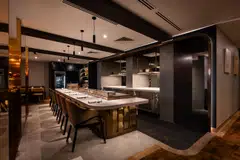
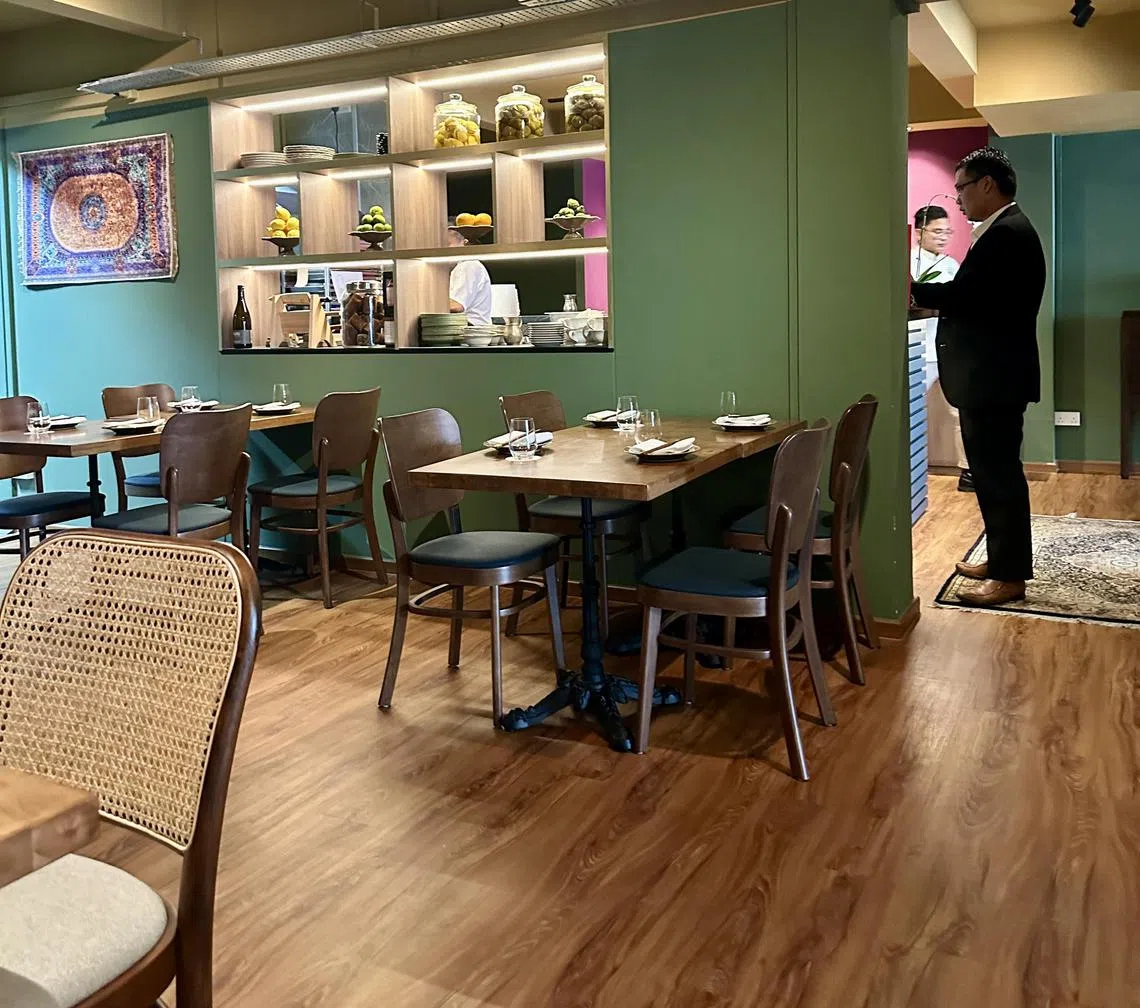
It’s a shame because Harummanis has all the trappings of tradition with its homey, family restaurant set-up. Casual-ish rattan backed chairs, nature-inspired green walls – including one with the contents of plant nursery pasted on it (but in plastic). The kitchen is partly obscured by shelves decorated with ornamental fruit and glass jars with things fermenting in them. The staff are warm, hospitable and make you feel right at home.
The menu is small and not cheap, as if they’re charging Dubai prices. There’s a five-course menu priced at S$165, and a much more accessible S$65 three-course menu. We recommend the latter, because you get to pick from a list of a la carte options, so you can build a meal with more variety.
We go both ways, and conclude that a la carte is the better way to go. The five-course menu leans towards fussy fusion, while the individual dishes have more character. You start off with a ceviche of salmon, cured in garden variety tiger’s milk with slivers of wing beans and rose apple (jambu air) to make the Asian link. Lempeng titik sounds promising by name, but you get a pliable corn pancake stuffed with sticky sweet shredded duck meat and squirts of very spicy sriracha. It wouldn’t be out of place in a Tex-Mex restaurant, but it feels so here.
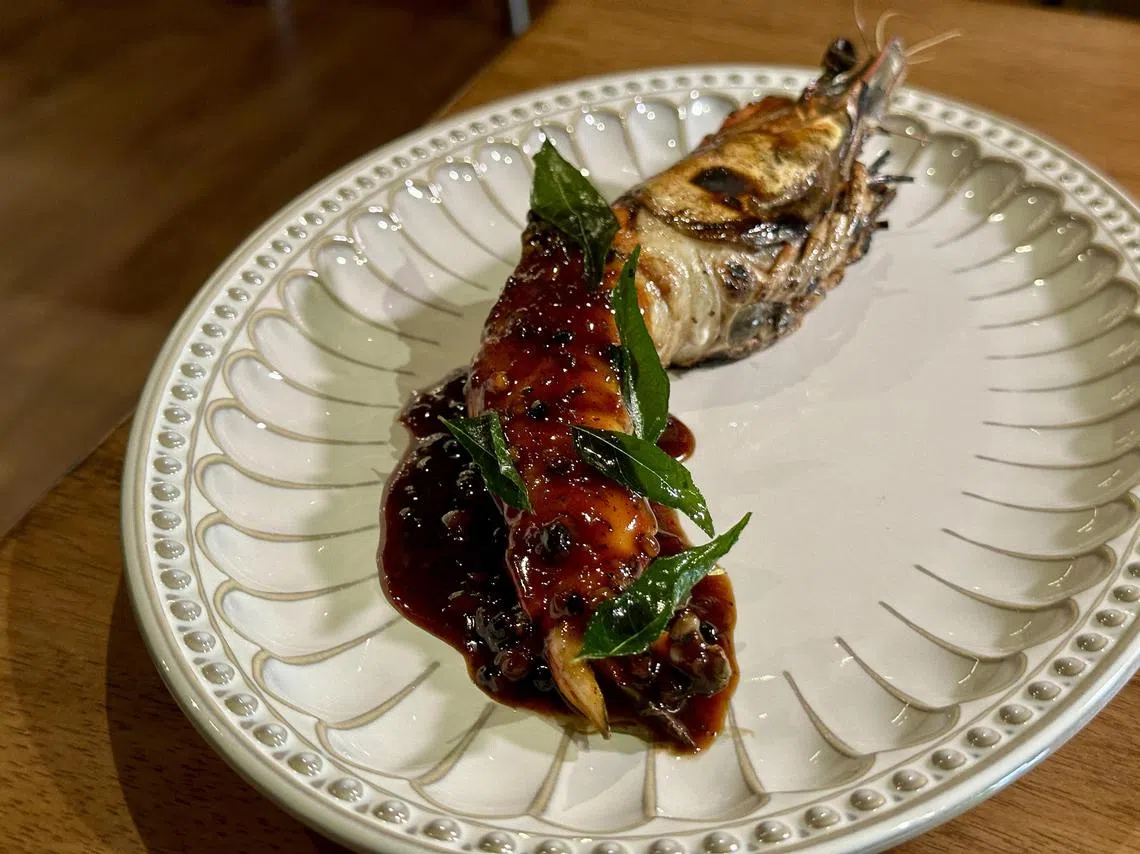
A large prawn has its merits – fat, bouncy and easily separated from its coral-filled helmet, doused in a sauce of three kinds of peppercorns and curry leaves. As the main, a solitary lamb chop is paired with a spicy, smoky kicap sauce.
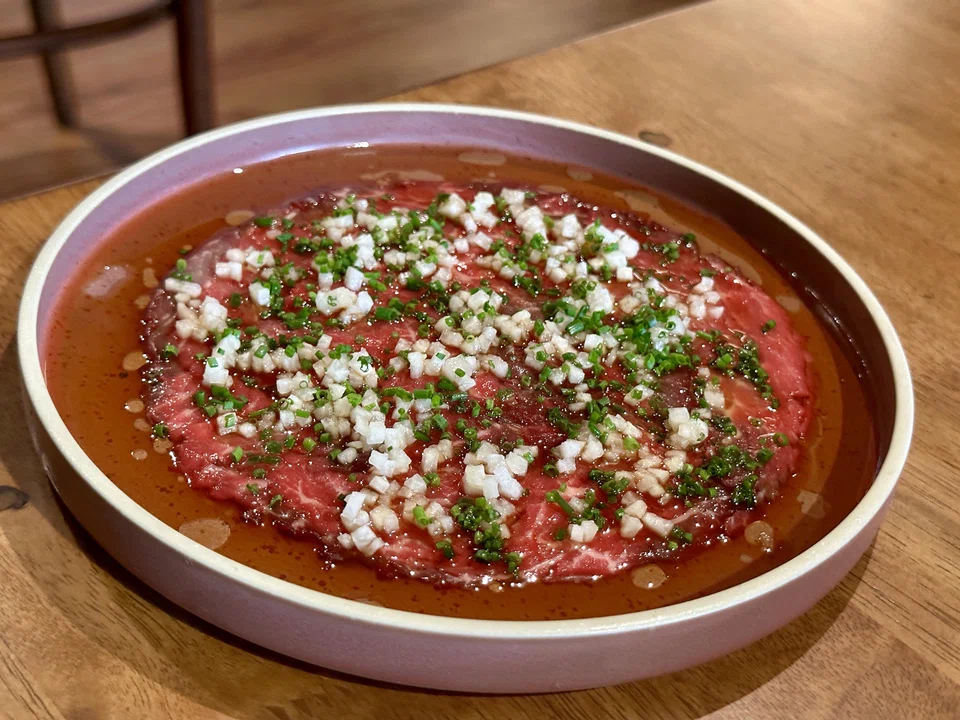
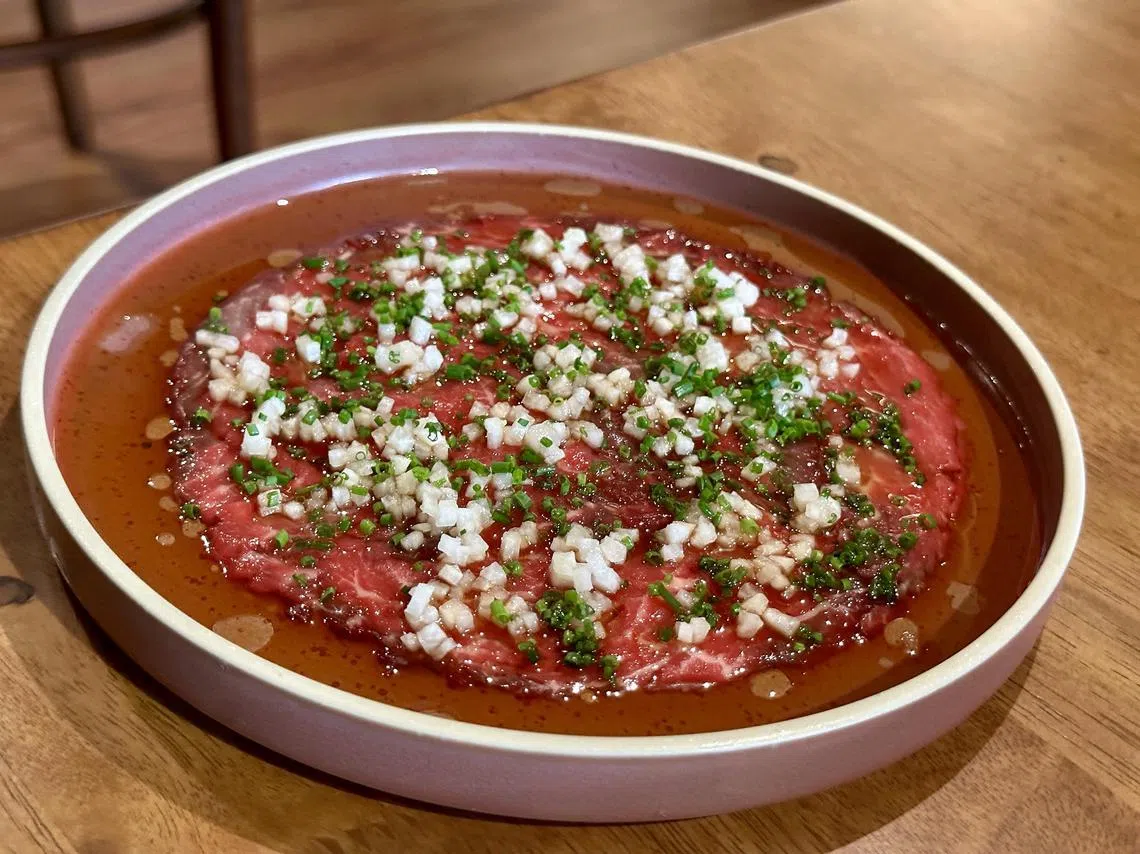
From the three-course set, Batang Pinang (S$24) is visually impressive with thinly sliced raw beef carpaccio dressed in a sharp, Asian-style vinaigrette with tiny bits of jicama. But it’s more style than substance.
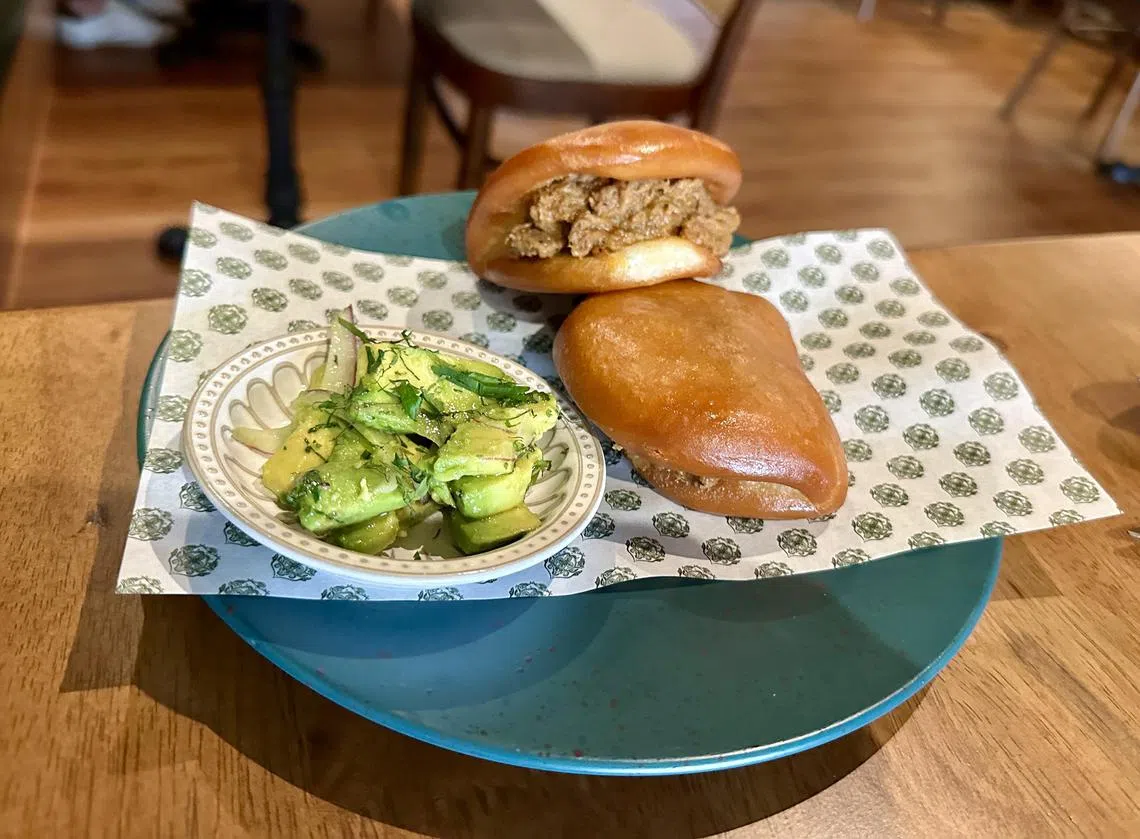
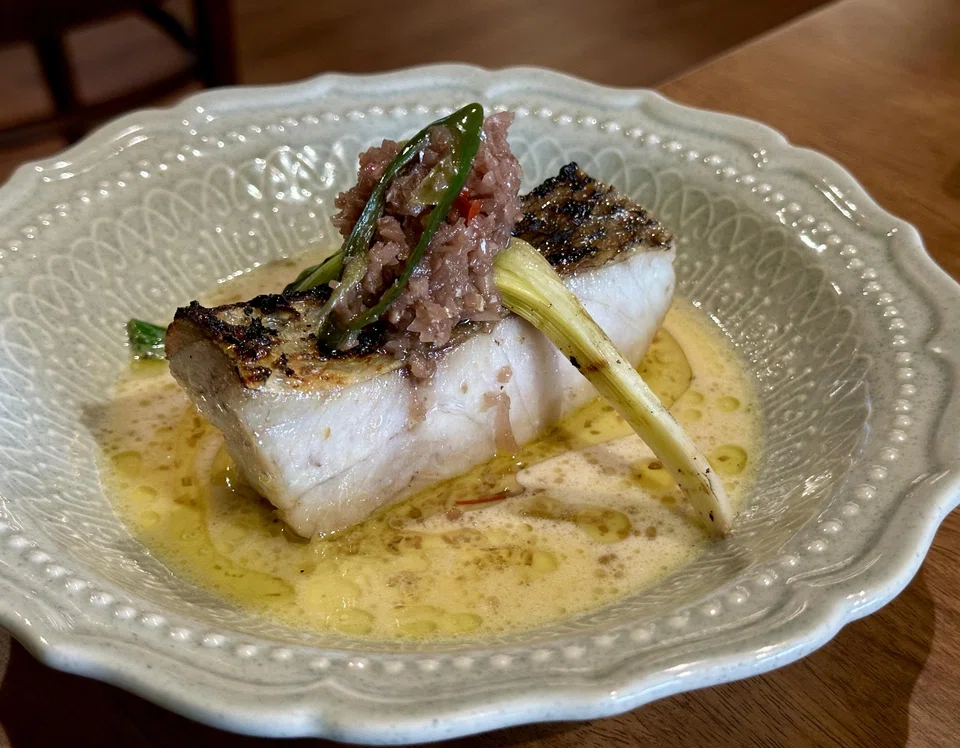
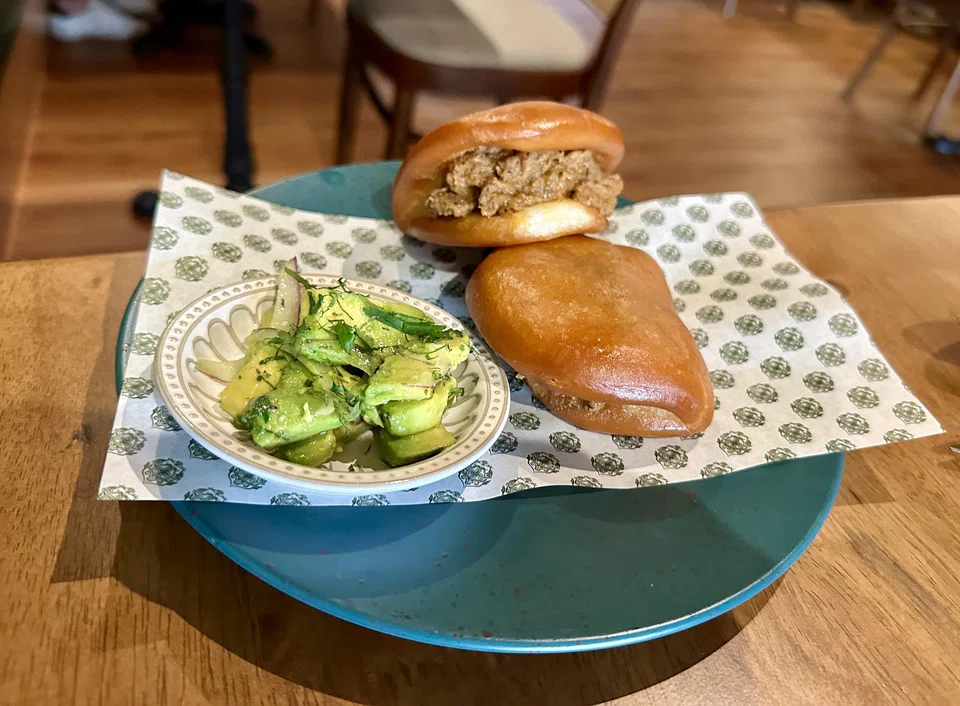
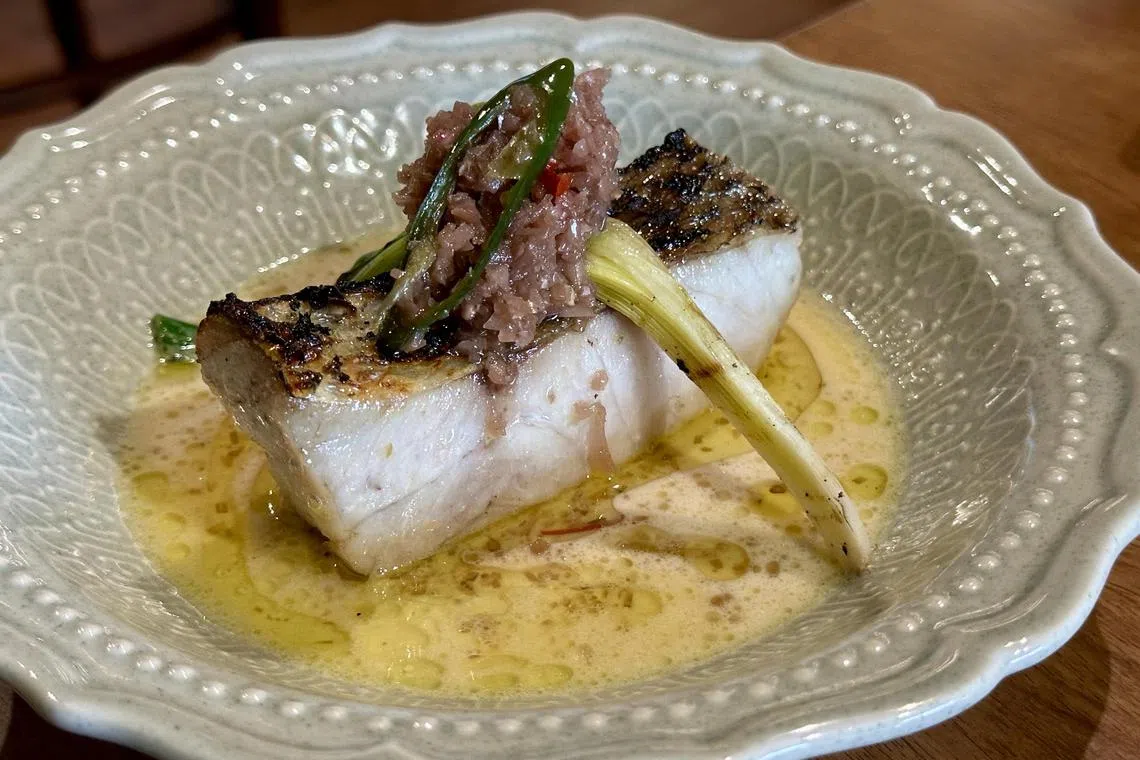
We’re happier with the quirkily named Minangka-bao (S$24), where shredded beef rendang plus deep-fried mantou plus shiny oil slick equals a fun and satisfying snack – with completely untraditional avocado salsa, for good measure. But the most successful marriage of modern and Malay comes in the kurau (S$38) – a thick, well-cooked piece of threadfin in a rich coconut broth fortified with chilli, onions and belacan.
Desserts-wise, there are cliches such as kueh bolu profiteroles (S$24), French toast with kaya cream and teh tarik ice cream (S$24) – hefty and satisfying for the sweet-toothed, but again, nothing to get excited about.
Which brings us to the point of Harummanis – what IS its point? It has a lovely space, it has very nice people working there, and it has a culture ripe for the picking, but it doesn’t take full advantage of it. It’s not too late, though. It’s currently in soft-opening stage and there’s still time. It has the framework, it just needs some heart and strength of conviction to make it what it can and should be.
Rating: 6
Decoding Asia newsletter: your guide to navigating Asia in a new global order. Sign up here to get Decoding Asia newsletter. Delivered to your inbox. Free.
Copyright SPH Media. All rights reserved.