

Reiwa Soba Kappo: Spicy Japanese noodles and izakaya fare in Chinatown eatery
The food is serviceable at best, but the prices are reasonable and it boasts a warm Japanese charm plus healthy buckwheat noodles made fresh inhouse.
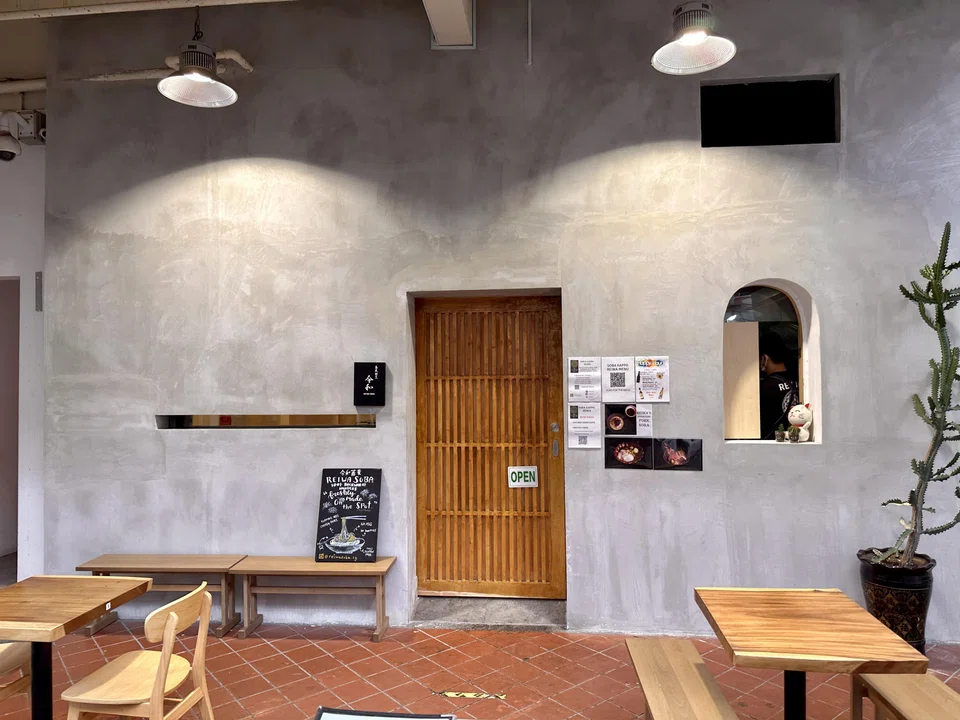
NEW RESTAURANT
Reiwa Soba Kappo #01-12 25 Trengganu Street Singapore 058476 Tel: 9355-1618 Open daily for lunch and dinner Thursdays to Tuesdays: 11:30 am to 3 pm; 5:30 pm to 10 pm. Closed on Wednesdays.
WHEN it comes to soba origin stories, we still like the old chestnut: the crusty old artisan milling his own buckwheat flour in the Japanese countryside, fetching water from his grandfather’s mountain, serving it in a crumbling old honten inherited from that same grandfather.
But it’s a different tale at Reiwa Soba Kappo – an unlikely noodle shop in the heart of Chinatown that boasts Manchurian restaurants for neighbours, and a strong waft of durian that follows you to its storefront and drifts right into its dining room.
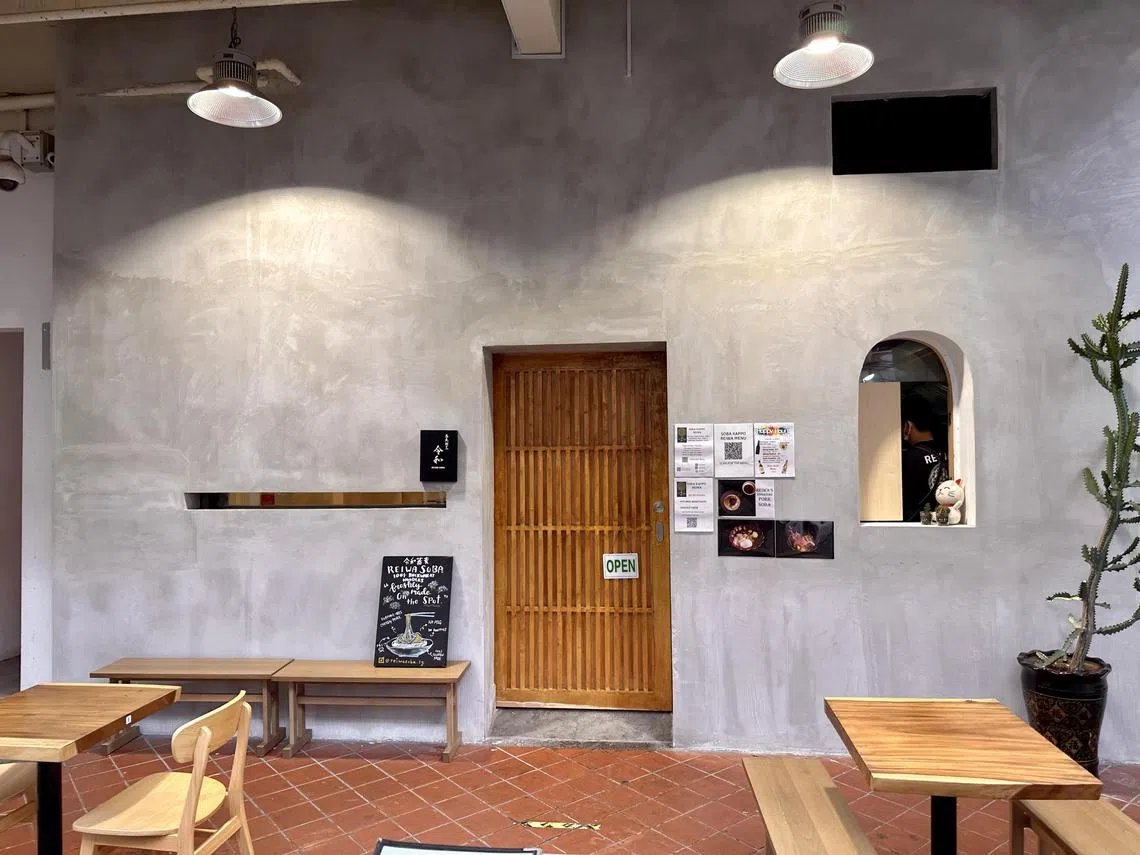
But that’s what happens when soba visits Singapore and decides to stay, like owner Shinji Matsudaira and his wife Ayana, who moved from Ehime prefecture in Japan’s Shikoku island over 10 years ago. The couple started out selling homemade buckwheat noodles from a hawker stall in 2020, with Matsudaira’s own spicy sauce as its signature dip, and even Thai green curry soup as an option.
But they’ve since given up that stall (and its wackier condiments), opening a proper eatery, first in Bedok, and now on Trengganu Street, going upmarket with an expanded izakaya-type menu and a multi-course omakase from S$80 to S$130.

As one approaches the restaurant from Smith Street, Reiwa’s simple cement frontage with a single wooden door stands out as a calming sight amid Chinatown’s loud, cluttered surroundings.
The restaurant name is a nod to Japan’s current imperial era and a new approach to soba in Matsudaira’s eyes. You still get that authentic vibe when you step in, from the Japanese chatter at one table to the native chef manning the kitchen behind the counter. Matsudaira and his wife manage their own non-food businesses, so they’re not personally there; the place is instead run by the chef and a small, but well-oiled, local team.
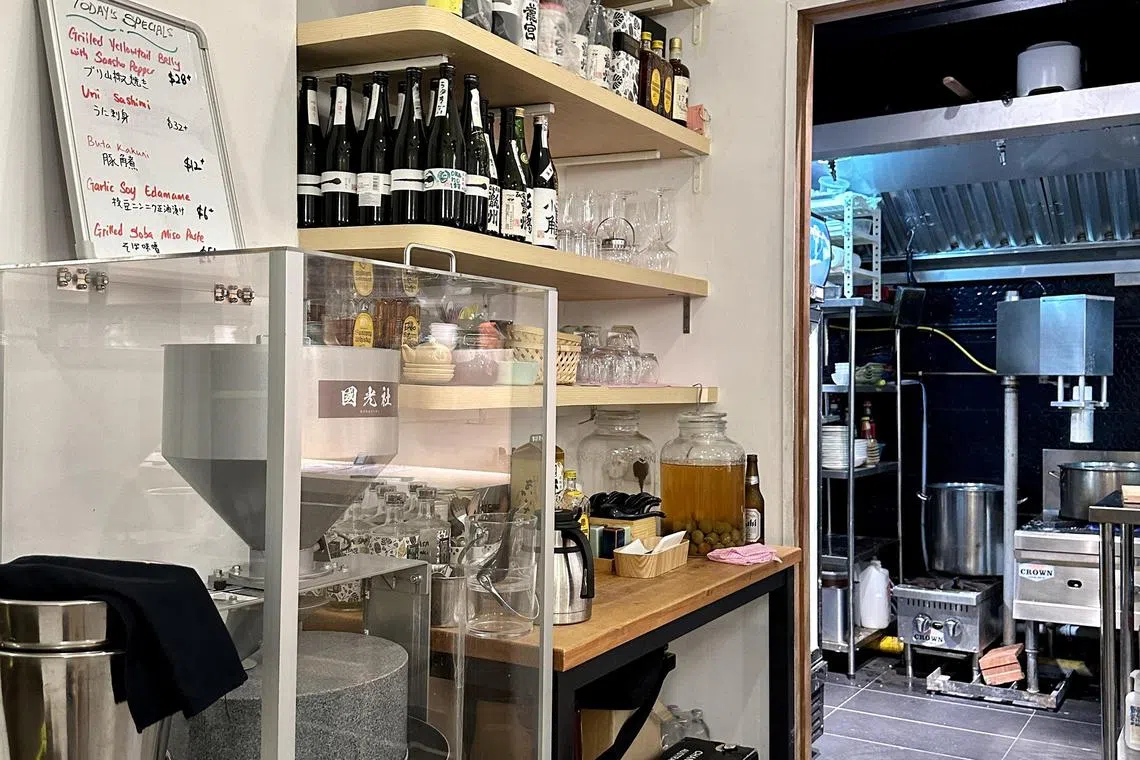
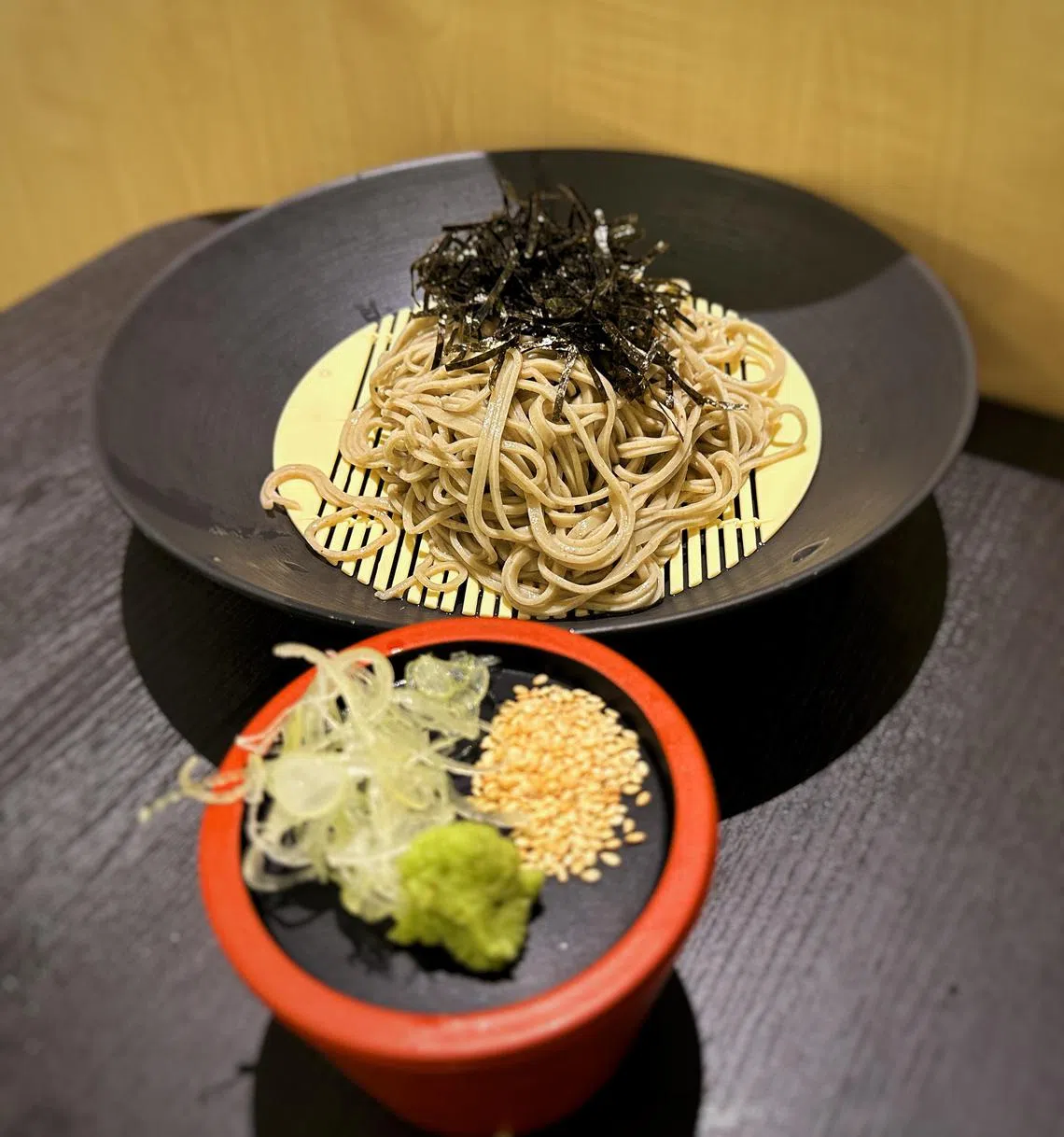
The star of the show is of course the soba – not so much freshly-made but freshly-pressed, that is, the button to turn on the electric milling stone, and the one that operates the automatic noodle press. The only human effort is to lop off the noodles when they reach the right length, to be dropped into a vat of boiling water below, which we’re pretty sure never came from any Japanese mountain, much less a molehill.
Even so, we’re more tickled than we should be when presented with a bowl of buckwheat kernels, the way some restaurants show you a roast duck before it’s carved. There’s a certain thrill in making their acquaintance before they’re turned into noodles, literally on the spot. But this is a bonus reserved only with the omakase – the other plebs who order à la carte will never know when their grains were ground.
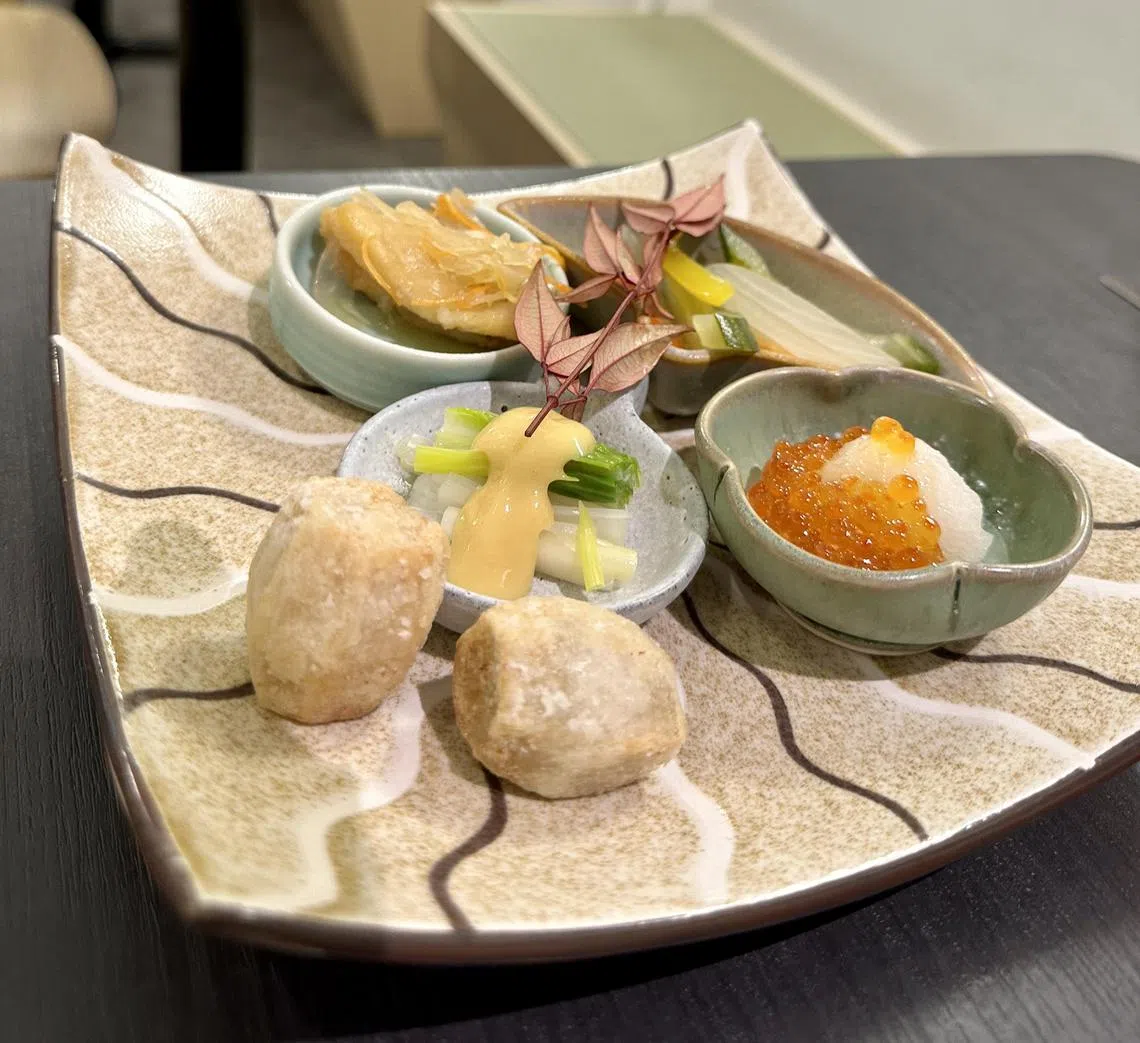
The dinner course isn’t anything fancy. It picks from the regular menu, and throws in a few special items, depending on the number of courses you pick. At S$130, you get eight courses, which may overfill you before you get to the soba – so either go with the shorter S$80 six-course, or just stick to the à la carte.
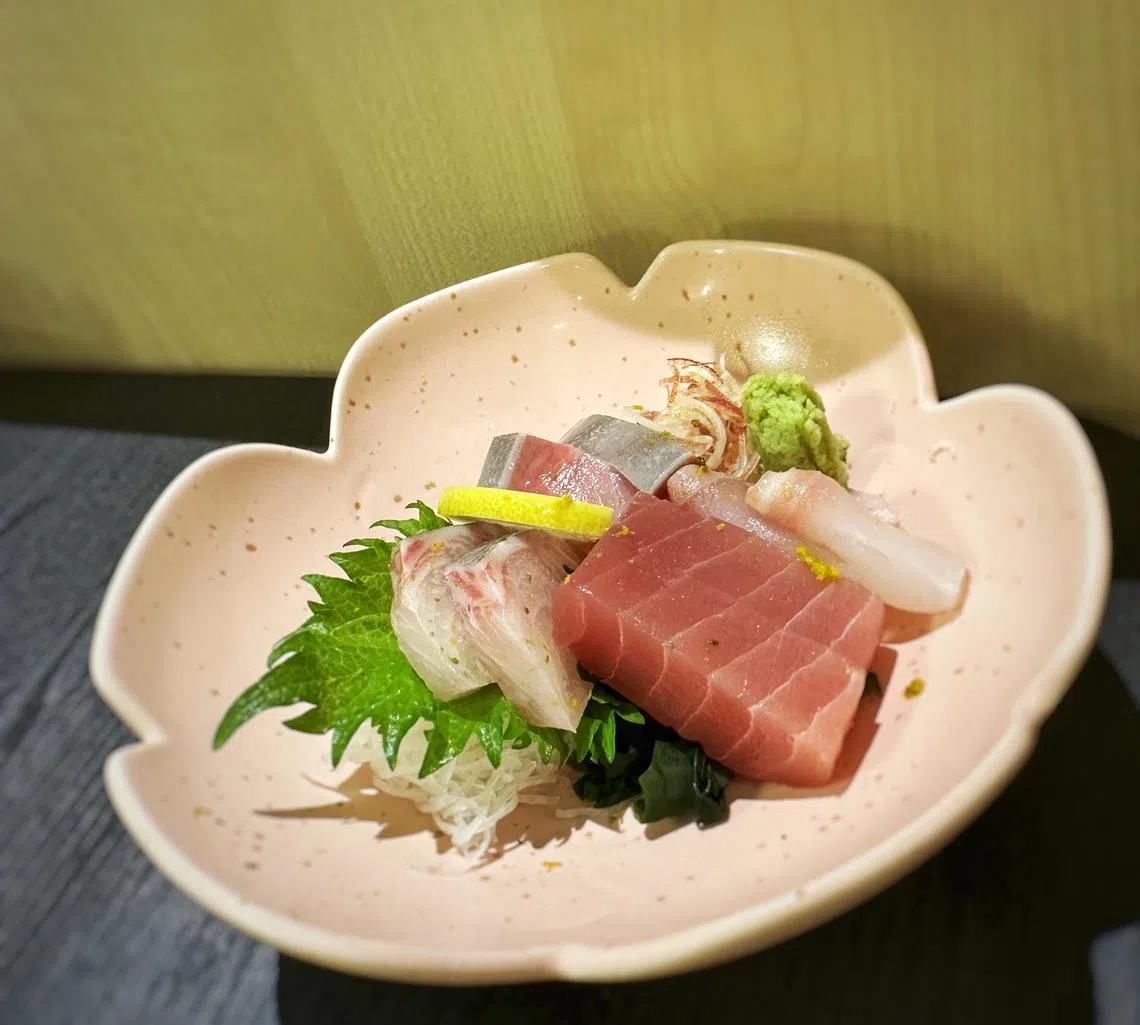
The food here leans towards healthy and almost bland if it doesn’t come with a sauce. Appetisers include basic pickles, unseasoned deep-fried taro, plain vegetables dressed in sweet miso, and grated radish topped with ikura. Sashimi probably accounts for the bulk of the cost – four kinds including chutoro and striped jack (shima aji) that are fresh, if not premium, quality.
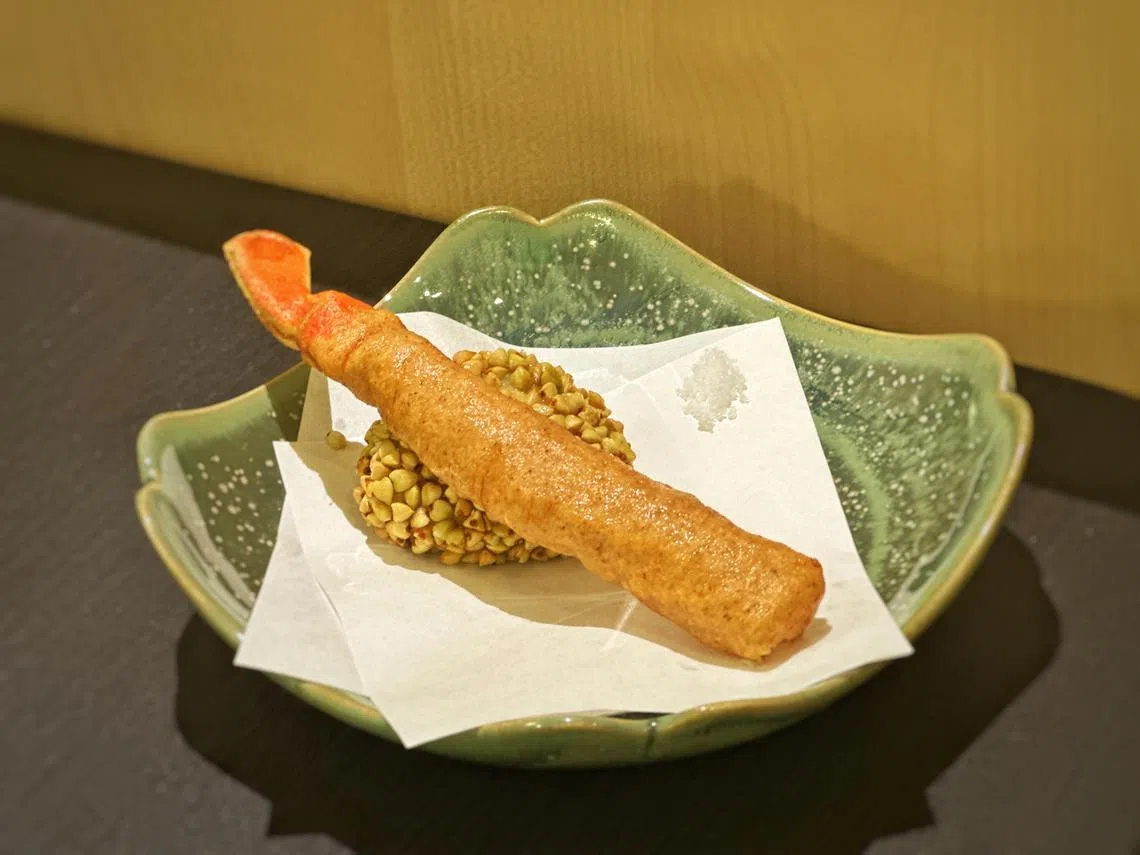
Buckwheat flour is tempura’s kryptonite, so an otherwise respectable crab leg is weighed down by a lifeless fold of fried batter. A fluffy fish cake, otherwise unseasoned, gets a better crunch from its armour of fried buckwheat kernels.
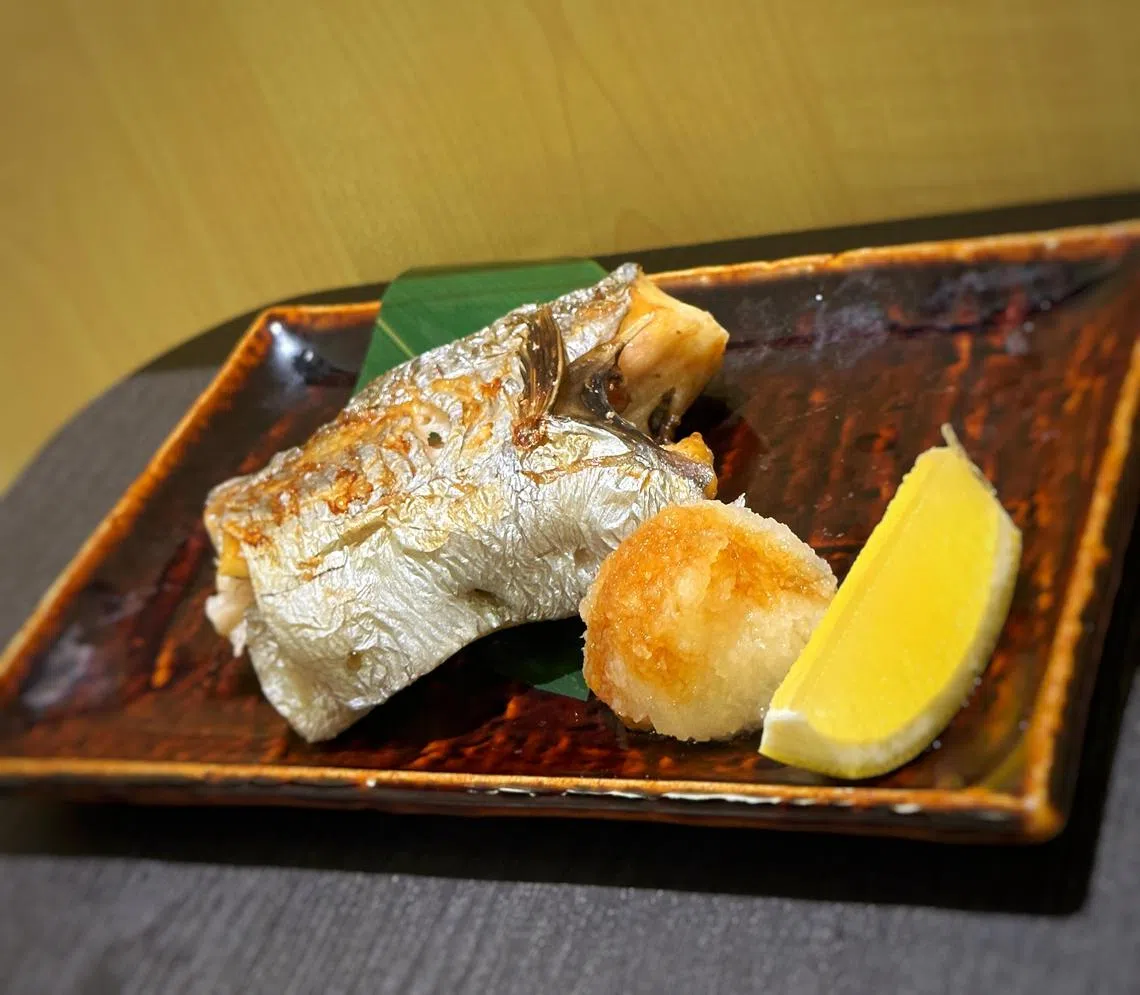
A meaty piece of grilled beltfish holds its own with squirts of lemon, but the soy-braised pork can be skipped with no regrets.
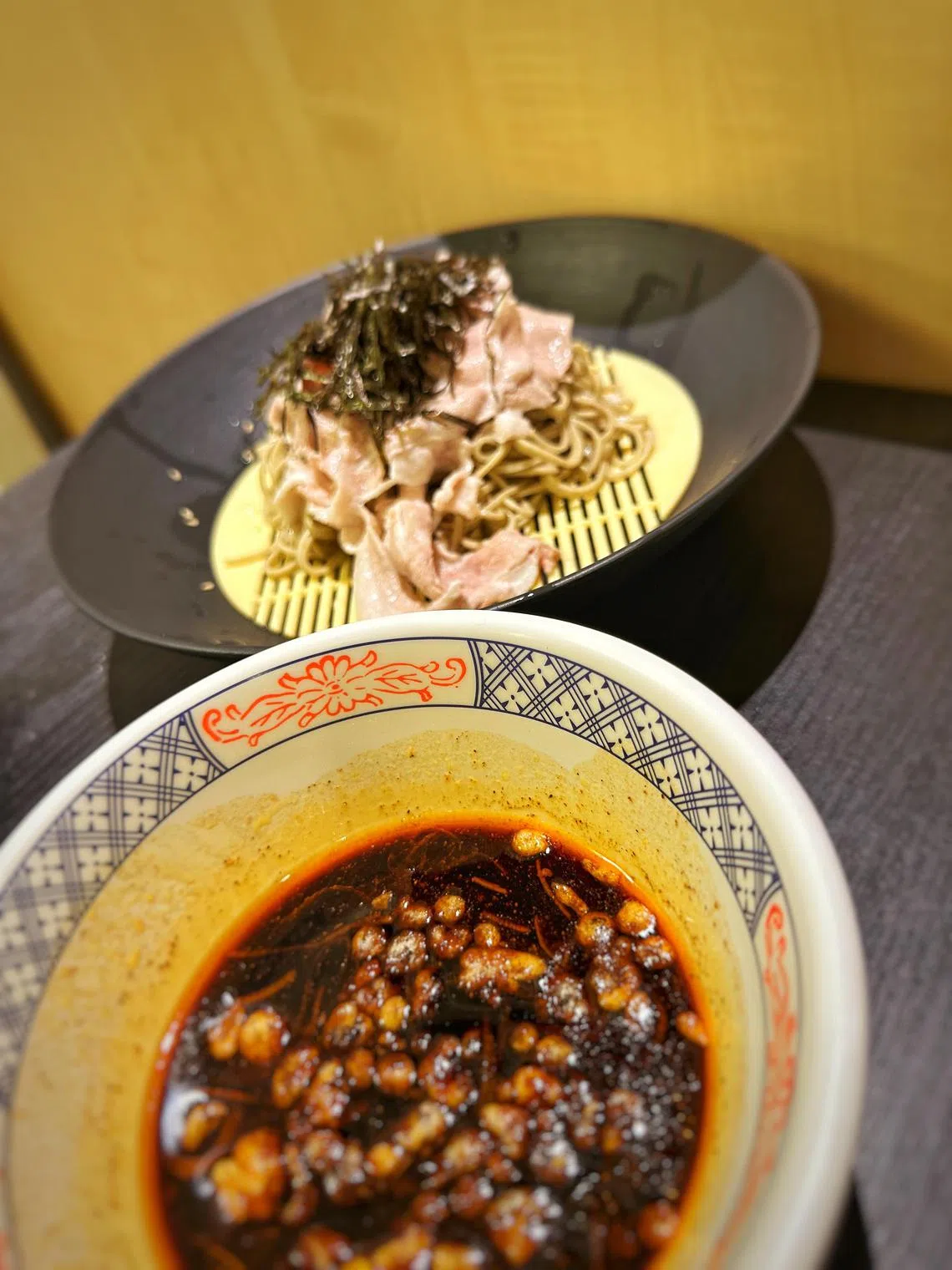
They’re mainly time fillers before the main event. Being 100-per-cent buckwheat with no added flour, the soba has little spring in it – being gluten-free is healthy, but not necessarily delicious – but at least it has a bit of a bite. These machine-made noodles have no character of their own so you won’t get much joy from a plain zaru soba (S$10). They come alive only when paired with spunky sauces – the trademark spicy chilli oil in the pork soba (S$13 à la carte); intense seasoned dip with chicken pieces (S$13); or a spicy sansho mazesoba (S$15).
For the price, you really can’t complain, and Reiwa Soba Kappo endears itself to you with its cosy ambience, unassuming staff and the best cold honey ume soda (S$7.80), with bits of fruity preserved plums floating in this refreshing fizzy cooler. The food is serviceable if not stellar, and once in a while, it’s nice to put a fresh spin on an old soba story.
Rating: 6
Decoding Asia newsletter: your guide to navigating Asia in a new global order. Sign up here to get Decoding Asia newsletter. Delivered to your inbox. Free.
Copyright SPH Media. All rights reserved.
TRENDING NOW

JPMorgan, BlackRock among those making bid to manage CPF savings

Andrew Lim to step down as CLI group COO and head of its private funds business from Dec 31
BN-PN’s Melaka election landslide puts spotlight on jobs, investments and political divides

GIC in talks to lease bulk of 88,000 sq ft CapitaSky space to be vacated by Allianz

