

Restaurants Potong, Nusara and Chop Chop Cook Shop lead multi-storey dining trend in Bangkok
Rich history and innovative cooking are served up in heritage shophouse premises
BANGKOK restaurants are looking up. Literally.
Conventional dining goes something like this: a restaurant feeds you on one level, and if they have the space, maybe you’ll get dessert or cocktails upstairs. Innovative restaurateurs in the Thai capital are going one, no, several floors up, taking over entire buildings – usually heritage buildings with a backstory – and crafting entire narratives that might start with a drink on the ground floor, canapes on the rooftop, and everything else in between.
Multi-storey dining concepts are not new in other parts of the world. Singapore has Zen, for example. But in Bangkok, rich history and innovative cooking are a powerful combination.
In just the past two years, at least three of them – Potong, Nusara and the quirkily named Chop Chop Cook Shop – have emerged to offer one-of-a-kind experiences in one of Asia’s fastest-growing dining destinations.
Potong: Setting the trend
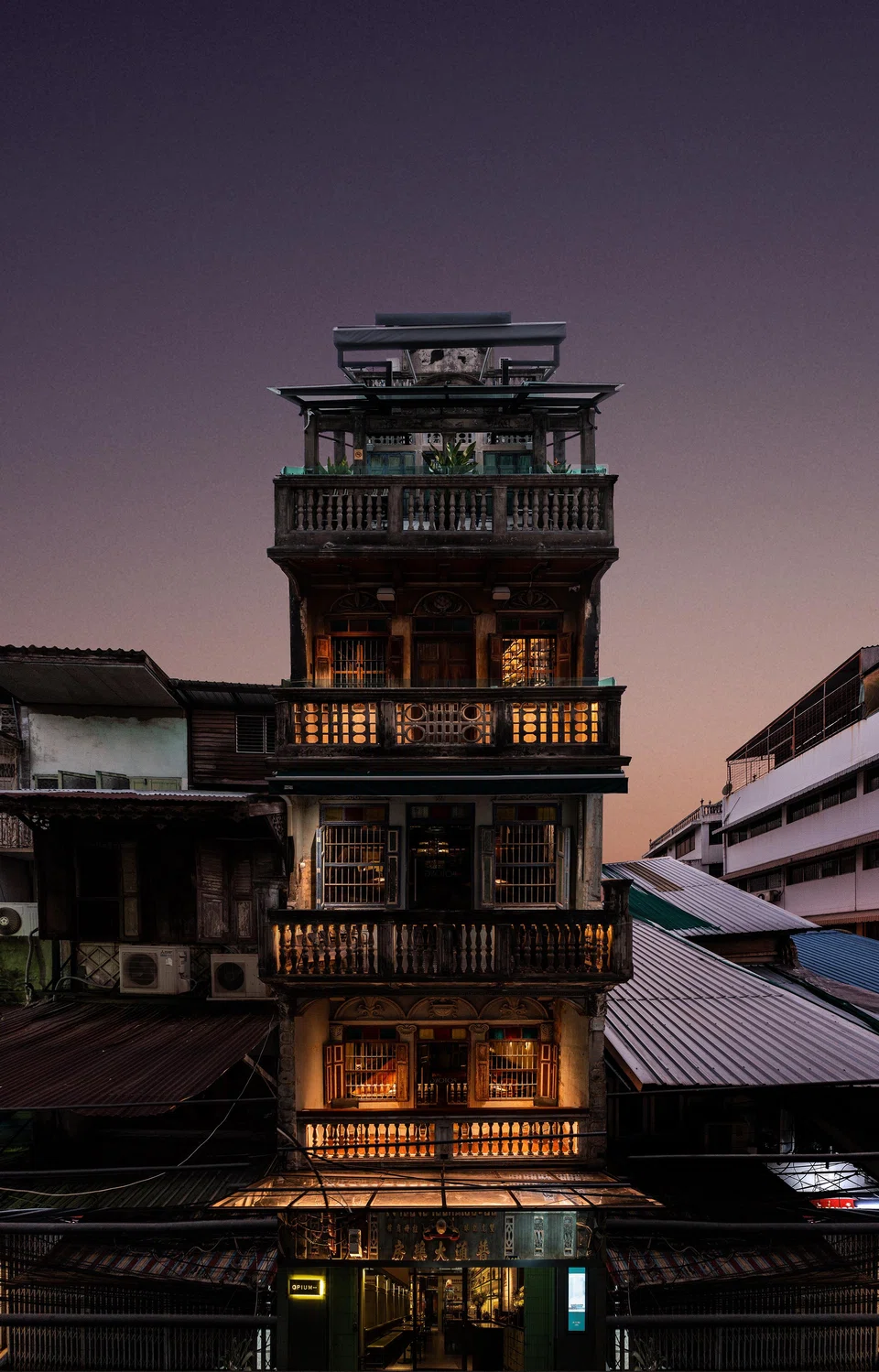
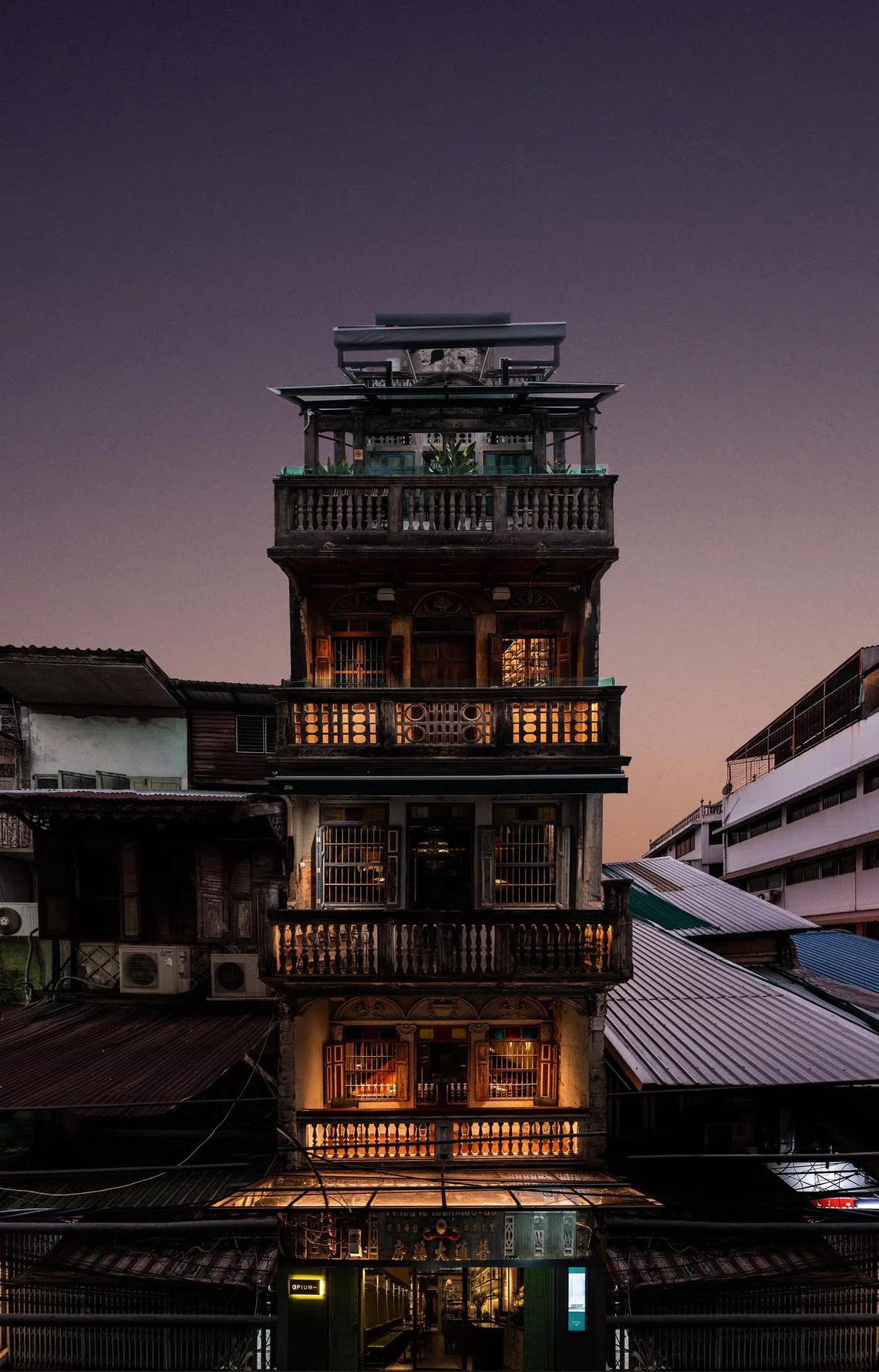
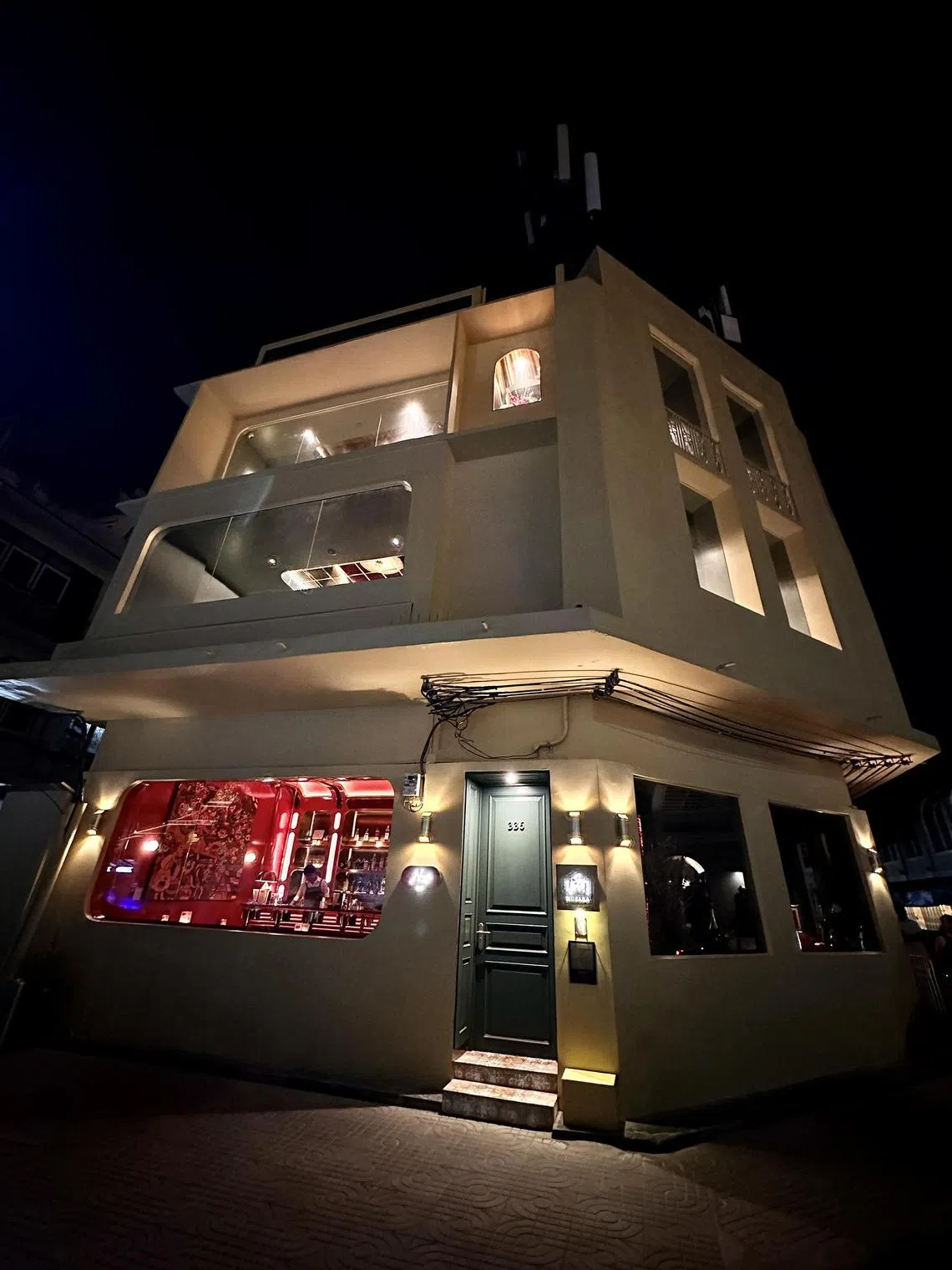
Potong is one of the hottest restaurant tickets in town, serving innovative Thai-Chinese fine dining inspired by the family history of chef Pichaya “Pam” Soontornyanakij. They were Chinese immigrants who came to Bangkok and ran a Chinese medicine business in the early 1900s from a five-storey shophouse in Chinatown.
In 2018, when Soontornyanakij and her husband Tor Boonpiti embarked on the arduous project of converting the crumbling building into a restaurant, there was no such multi-storey dining concept in Bangkok, explains Boonpiti.

But it wasn’t that they deliberately set out to be different. It was the building – which had been in Soontornyanakij’s family for generations and passed down to her – that dictated the story she would tell through the space and cuisine.
“Each floor tells a different story about her family’s history, and we wanted guests to be able to experience it in the same way she did when her grandpa explained it to her,” says Boonpiti. The fifth floor, for example, has Chinese words inscribed on one wall that say “I’m from Kinmen”, a nod to her family’s Taiwanese origins before they immigrated to Thailand.
The fourth floor, named Opium Bar, was where her grandfather had his opium bed. The first floor was the dispensary, now turned into a bar and waiting area, filled with memorabilia for guests to explore.
But restoring the building, tucked into a tiny lane in Yaowarat, was a long and painful process.
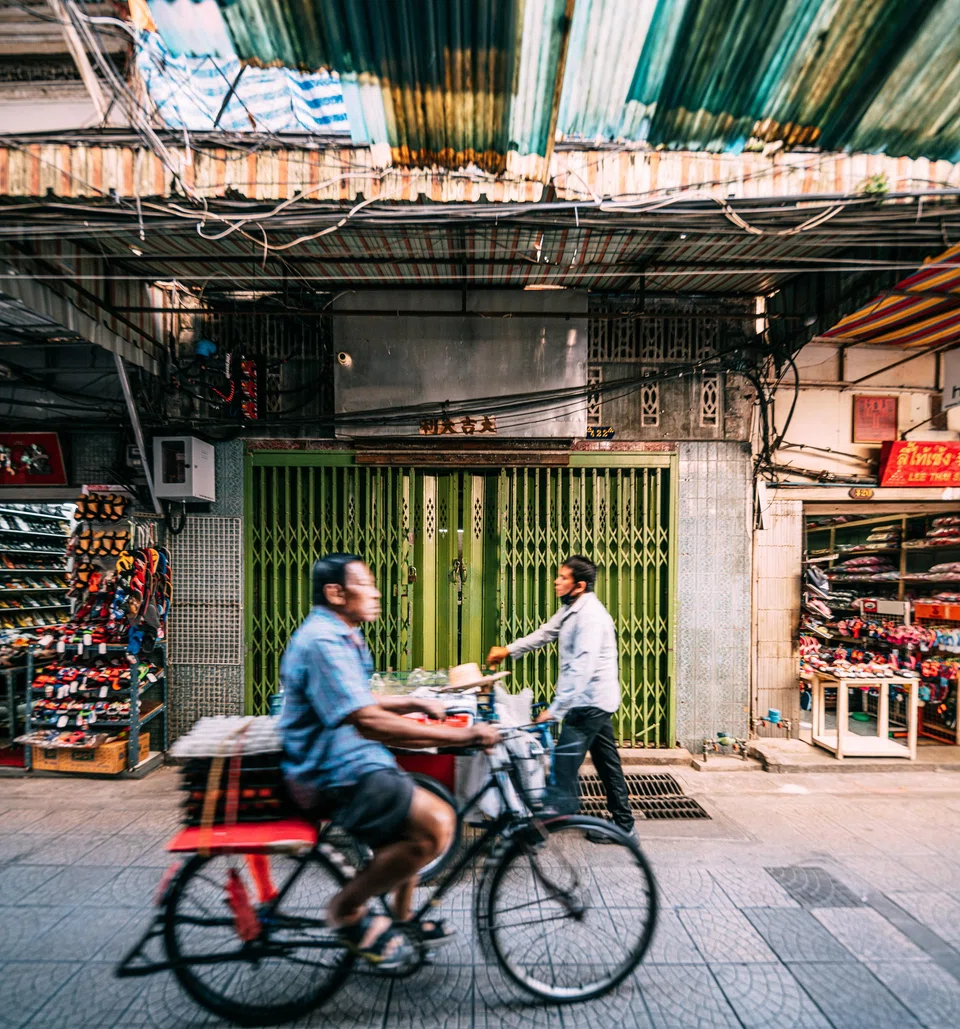
“The alley in front of Potong, Vanich 1, was the first street built hundreds of years ago when the Chinese first immigrated to Thailand,” says Boonpiti.
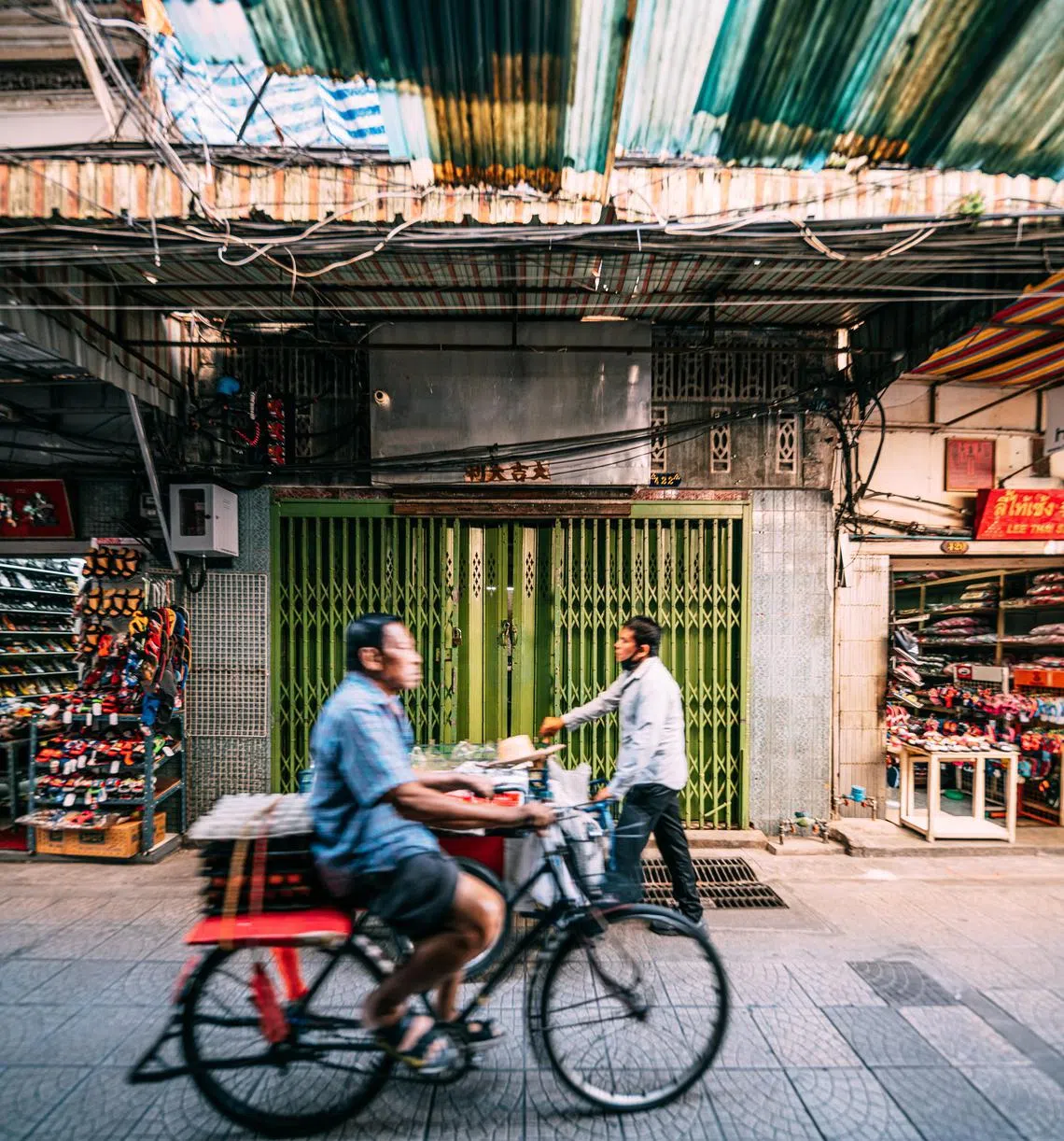
“It was built even before the main Yaowarat Road. The street was so small (that) no trucks or cranes could go in.
“We took three years because we could only work at night and on weekends because it was a commercial area with a lot of shoe shops. Equipment had to be disassembled before we could even bring them in.”
Logistics were another issue. “Because we decided to ‘revive’ rather than reconstruct, there were a lot of space limitations,” adds Boonpiti. “The building was very small, so we needed another building opposite to store our dry goods and wines, and to house our office and staff.”
But the efforts paid off. Within a year of opening in 2021, it earned its first Michelin star and made its debut at No 35 on the 2023 Asia’s 50 Best list. It’s also one of the must-visits for travelling gourmets, for an elaborate 20-course meal that starts with a kombucha on the ground-floor bar and charcuterie on the top floor, with a rooftop view of the neighbourhood.
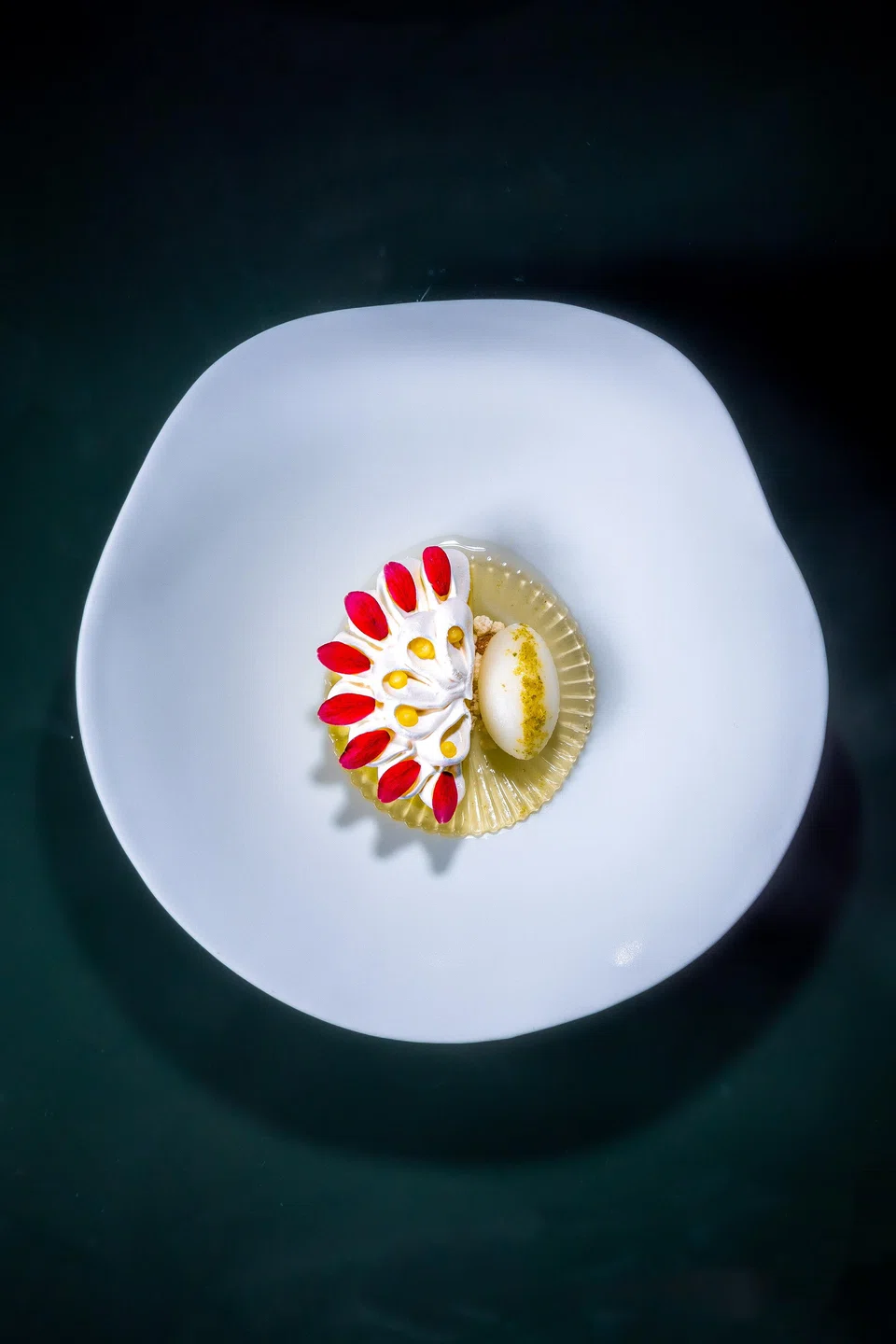
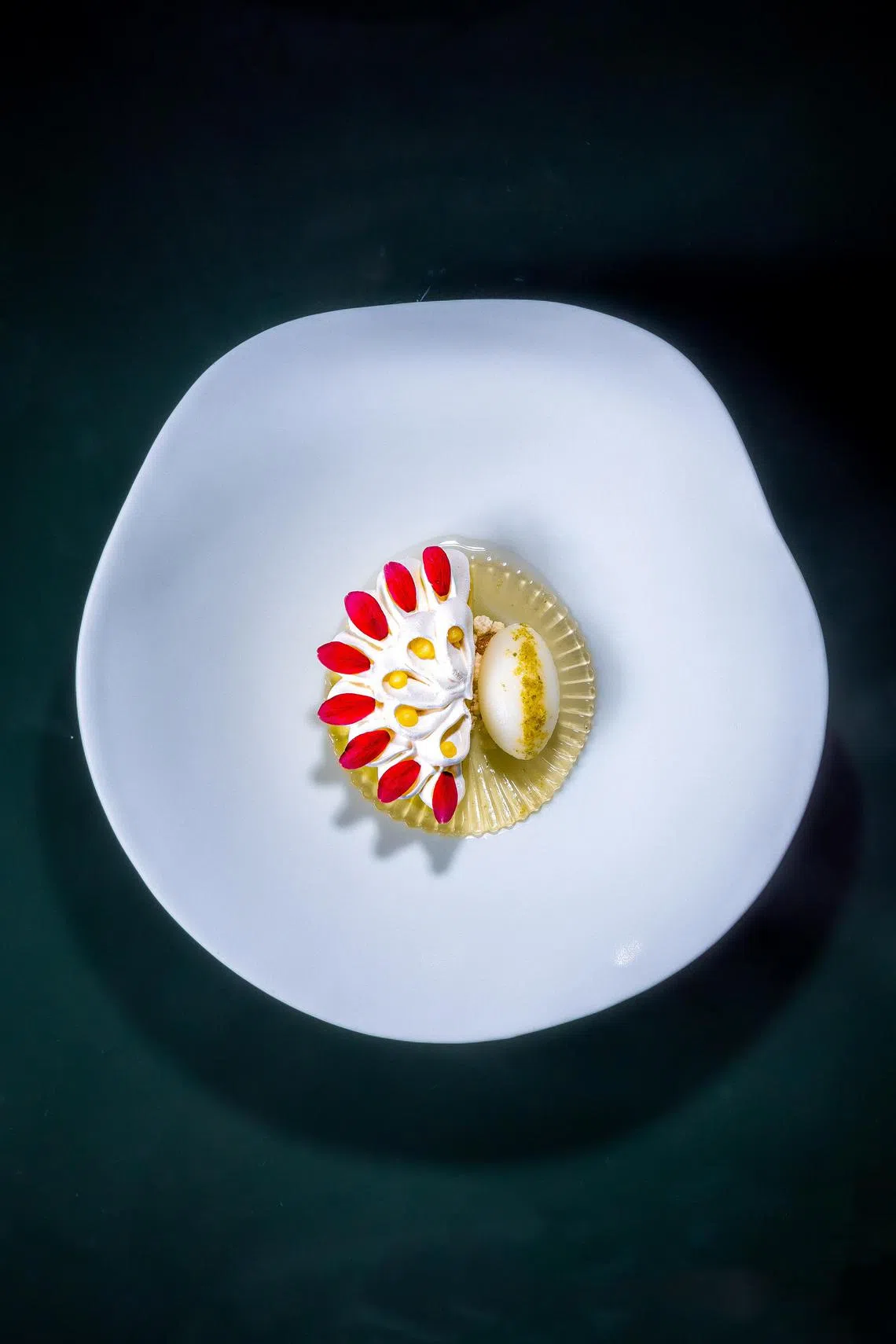
The main meal is served in elaborate Oriental-inspired dining rooms, serving meticulously crafted small bites and courses – a dazzling array of flavours, textures and colours.
“The food is innovative but rooted in tradition,” says Boonpiti. “It allows Pam to maintain authenticity while applying her own culinary knowledge to create a unique balance between the two.”
Nusara: A grandmother’s tale
Like Soontornyanakij, chef-restaurateur Thitid “Ton” Tassanakajohn had a grandmother’s story to tell when he opened Nusara, a tribute to his family’s matriarch who passed away in 2019. The original restaurant opened in 2020, as a small, private dining outfit on the second floor of a shophouse in the historical Ta Tien neighbourhood, serving recipes inspired by his grandmother’s cooking.
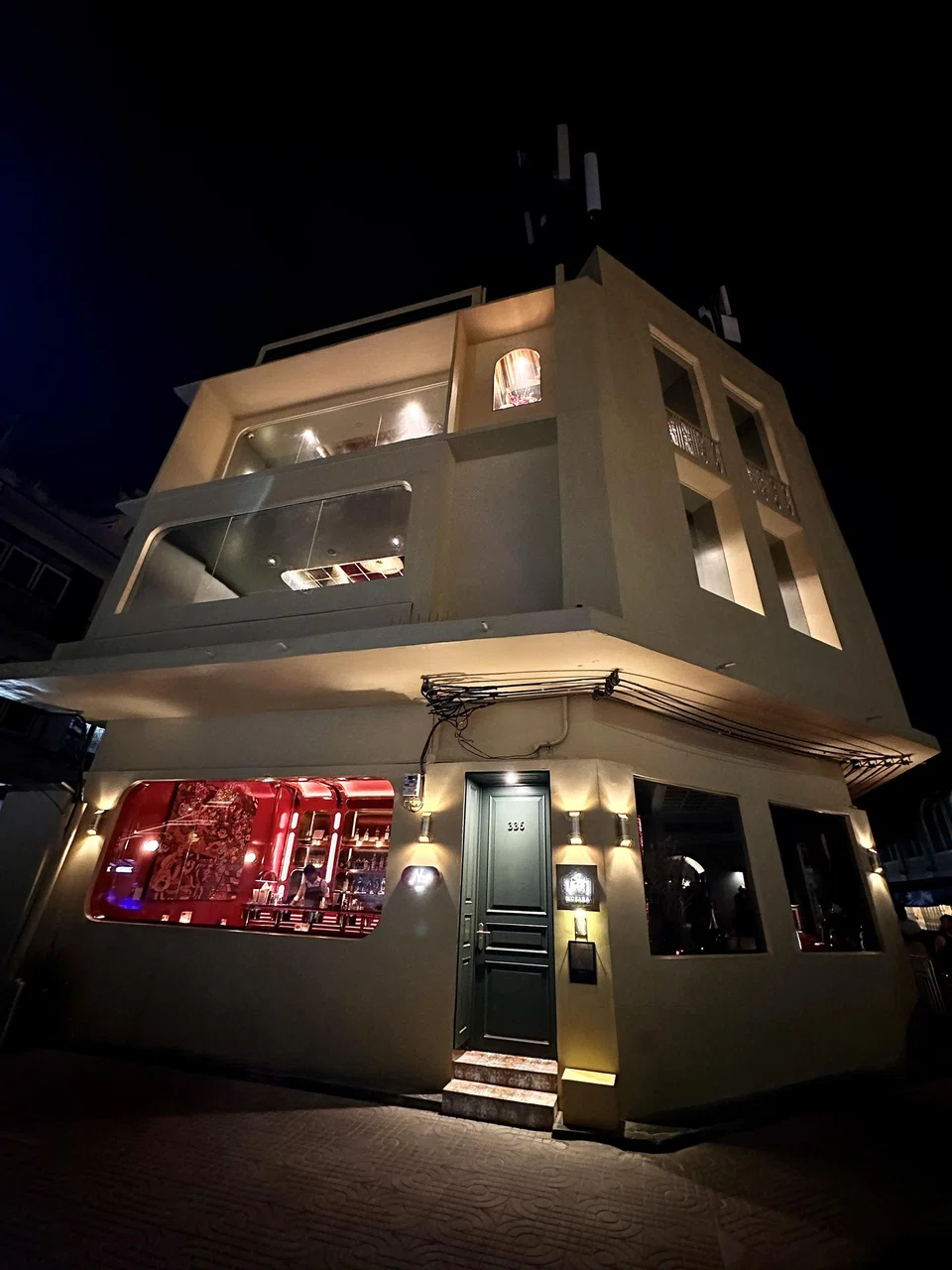
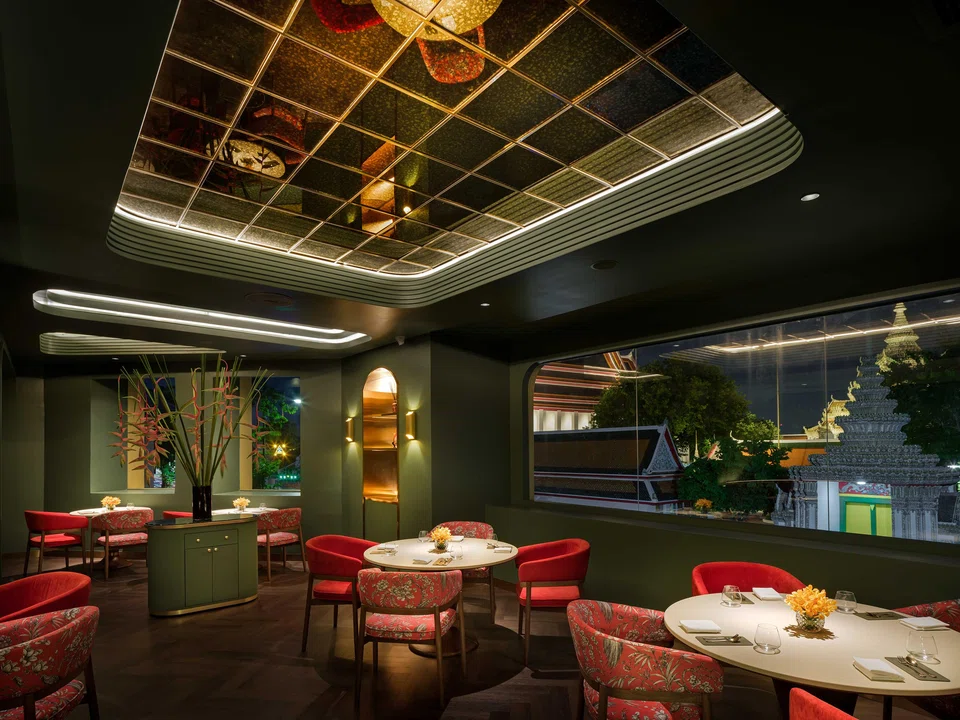
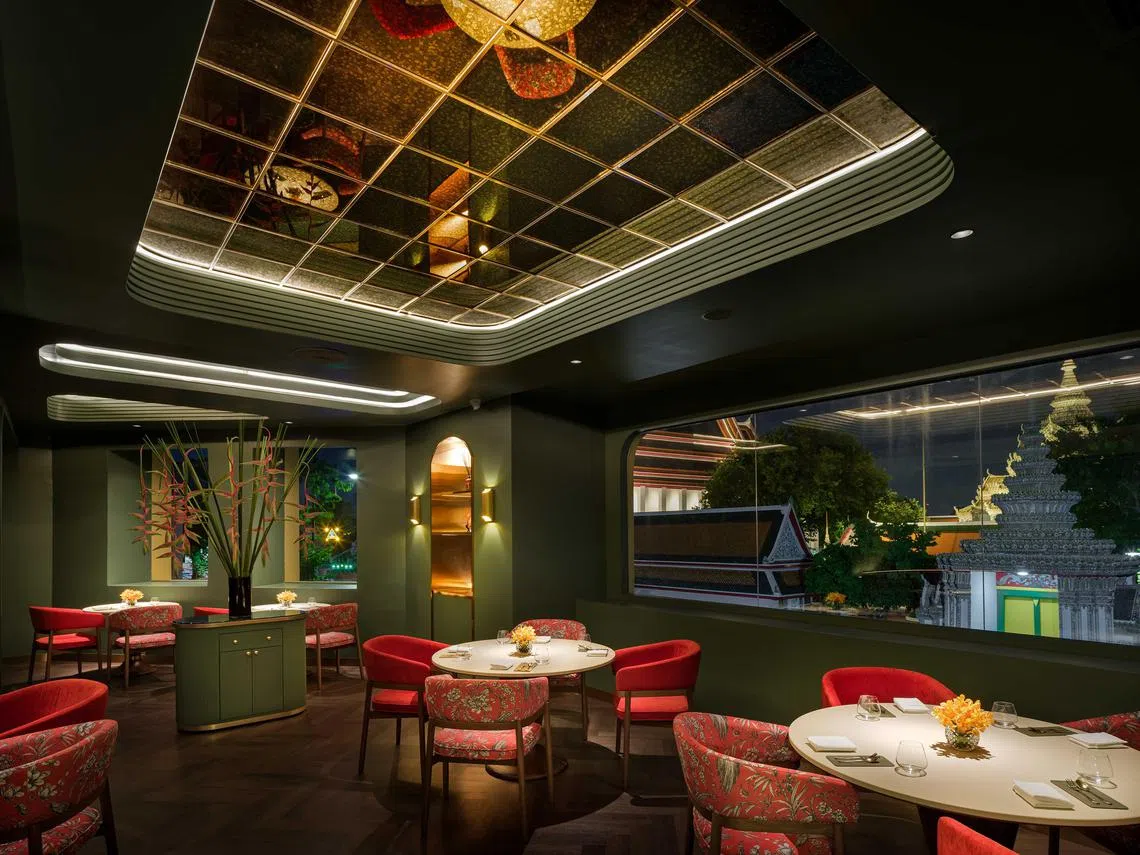
But earlier this year, he relocated it to a four-storey building just across the street from Wat Pho – one of the oldest temples in the city, with its stunning architecture visible from every table inside the restaurant.
Like Potong’s owners, the refurbishment of the building – a former hostel – was the biggest and most expensive venture for Tassanakajohn, who already has several restaurants in his portfolio including Le Du, Baan Thai, Lahnyai and the brand new Niras in Hong Kong. Le Du was crowned No 1 in this year’s Asia’s 50 Best Restaurants list, while Nusara came in third.
“When we started Nusara, it was very small because it was during Covid, and we were not sure about the situation,” says Tassanakajohn, who runs the restaurant with his brother Chaisiri or “Tam”. “We always thought that if we did well, we would like to move closer to the temple for the view. But the houses in the area are all private residences, so it’s very difficult to find one.”
He lucked out. The building Nusara occupies was a hostel that had closed down during the epidemic. “I think it was destiny too,” he believes.
A multi-level restaurant creates a more complete experience that he feels diners are looking for, says Tassanakajohn – and which not many restaurateurs are inclined to do, given the expense involved.
“But we wanted to make it nice, because it’s our (his and Tam’s) grandmother’s name, and we wanted it to be a memorial to her.”
With diners constantly looking for new experiences, it’s all about coming up with something new, he adds: “Open kitchens used to be popular but not anymore.”
He also wanted to do away with the concept of chef’s tables, or kitchen tours only for selected guests. With the different floors at Nusara, guests get to interact with chefs, enjoy snacks on the rooftop while enjoying the view, and then going down to the dining rooms with tables specifically arranged so that each one has an equally good view of the Wat Pho.
The experience starts at the first-floor bar – the most significant level as it shows off Tassanakajohn’s grandmother’s original sewing machine, with walls covered in fabric in her favourite colours. It’s a vivid tribute to the lady who used to sew clothes to support the family after his father was killed in a car accident when Tassanakajohn was five.
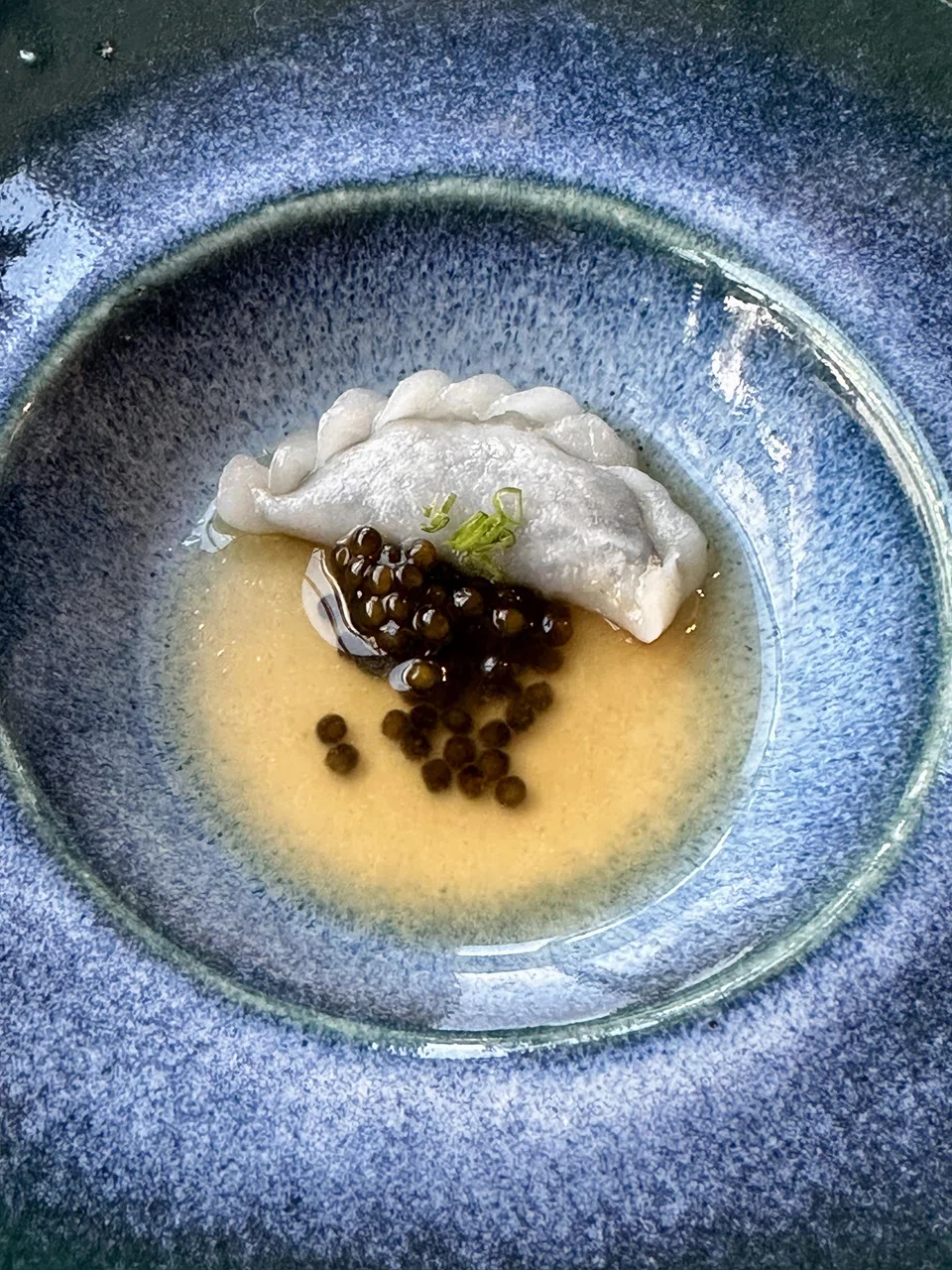
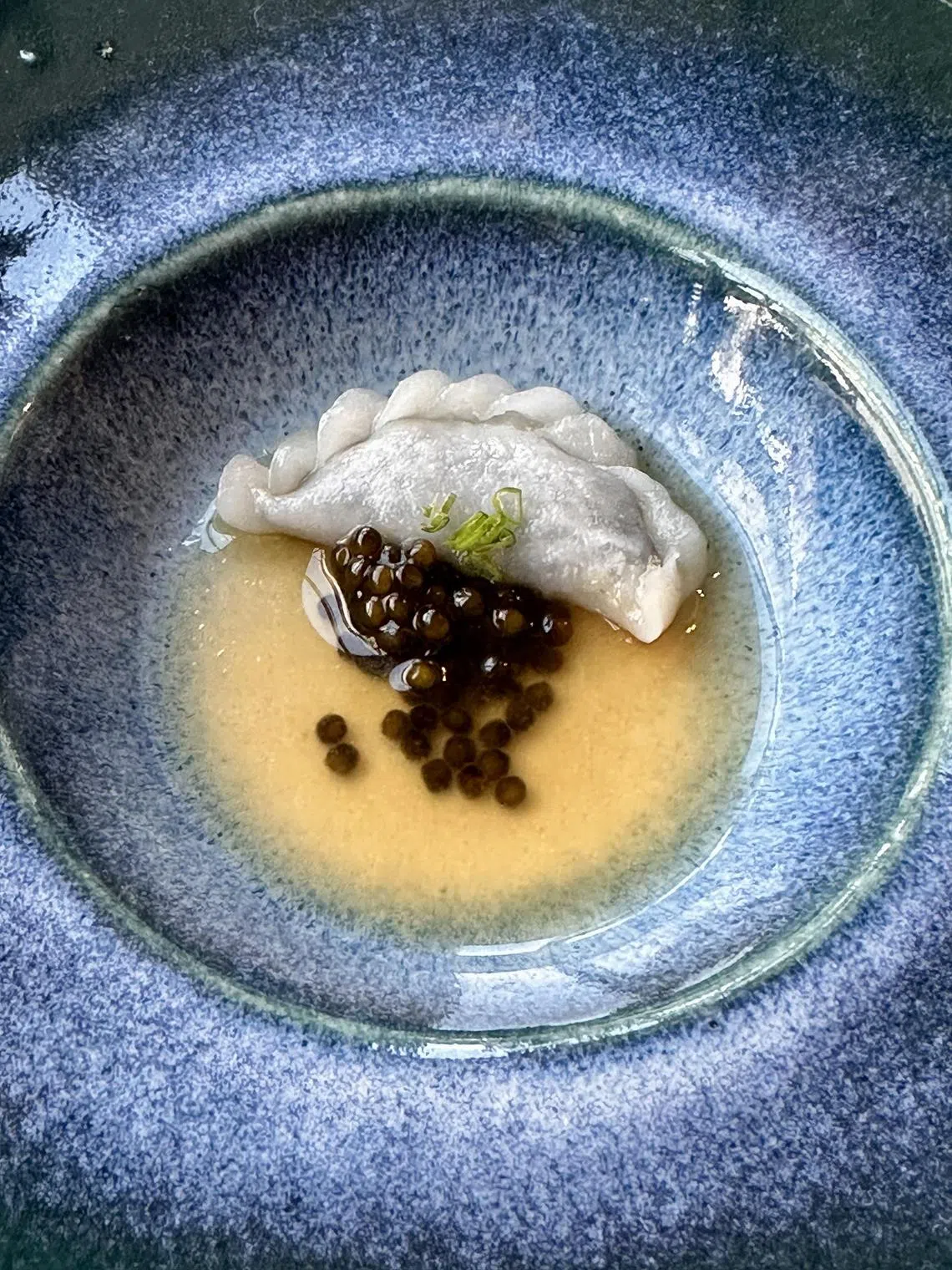
The beautifully decorated bar is just a prelude to dinner – a 12-course menu that showcases traditional flavours in subtle modern presentations. Think blue swimmer crab curry, tom kha soup and inventive creations such as scallops with corn soup sprinkled with grated cured egg yolk.
“We want this to be a place where people will remember my grandmother’s name, and also as an iconic Thai restaurant that’s connected to our history, because this location is where Bangkok first started and expanded outwards. It’s like telling people about our history – of the city, and our family.”
Chop Chop Cook Shop: Heritage food in Chinatown
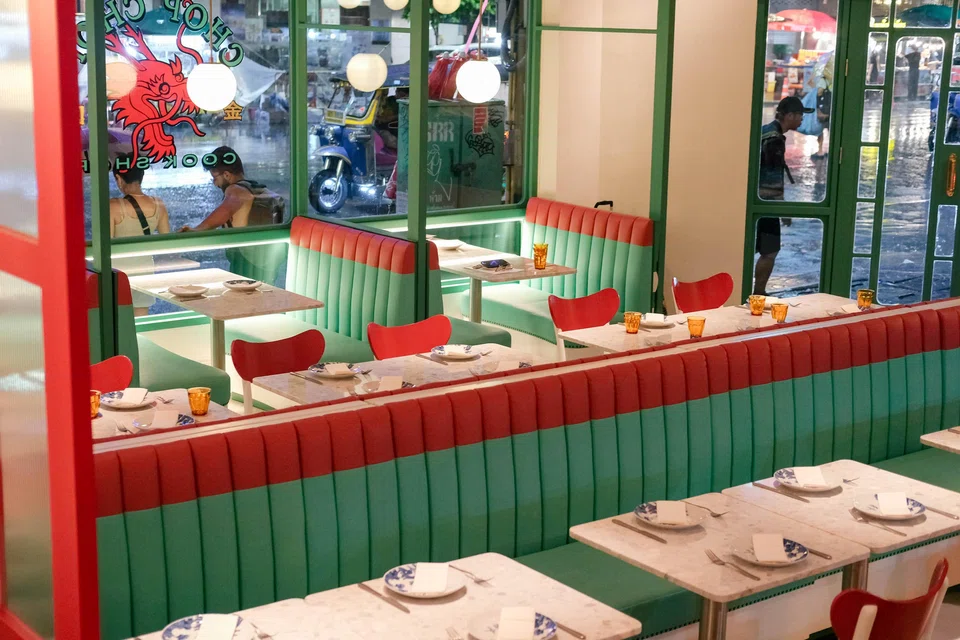
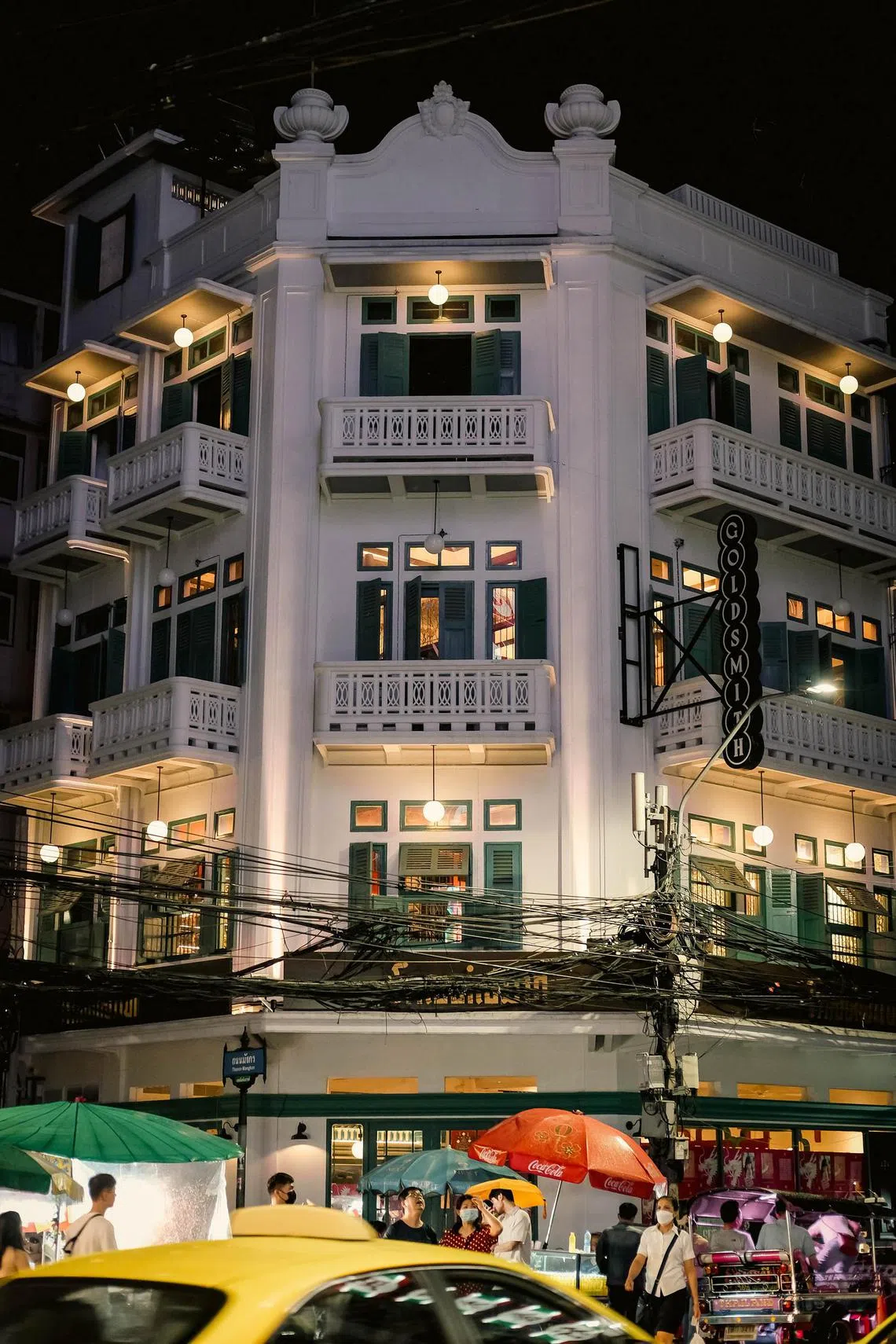
Standing smack in the middle of Chinatown, Chop Chop Cook Shop has a lot of competition. Chinese restaurants are all around, not to mention the hundreds of roadside food stalls touting freshly fried noodles, oyster omelettes, sizzling meat platters – and more that you have to navigate before you get to the corner of Yaowarat and Mangkon streets, where the whimsical, pop-art inspired Chop Chop stands.
But it has a few definite advantages: air conditioning, clean restrooms, and, of course, David Thompson – the Australian chef and well-known authority on Thai cuisine. The owner of the one-Michelin-starred Aksorn in Bangkok now serves a different kind of heritage cuisine at Chop Chop: a quirky blend of Thai-Chinese-Western food that hails back to the time of cookshops, which were the first full-fledged restaurants in the city from the 30s to the 70s.
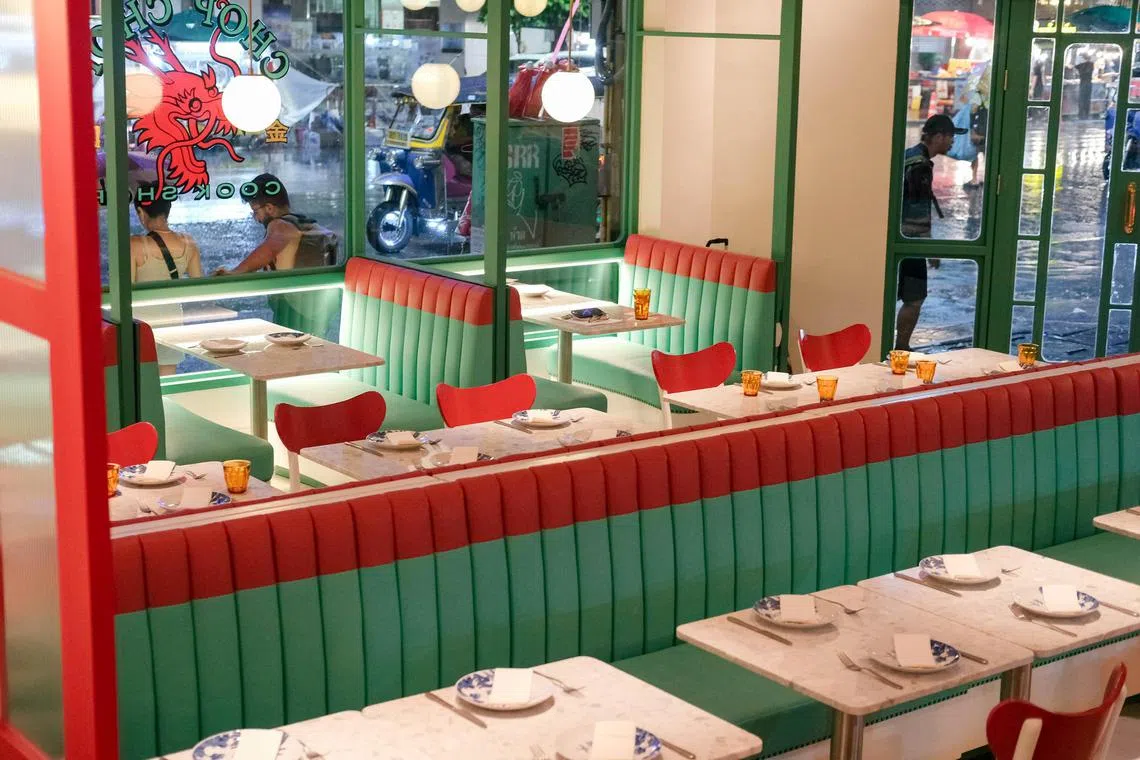
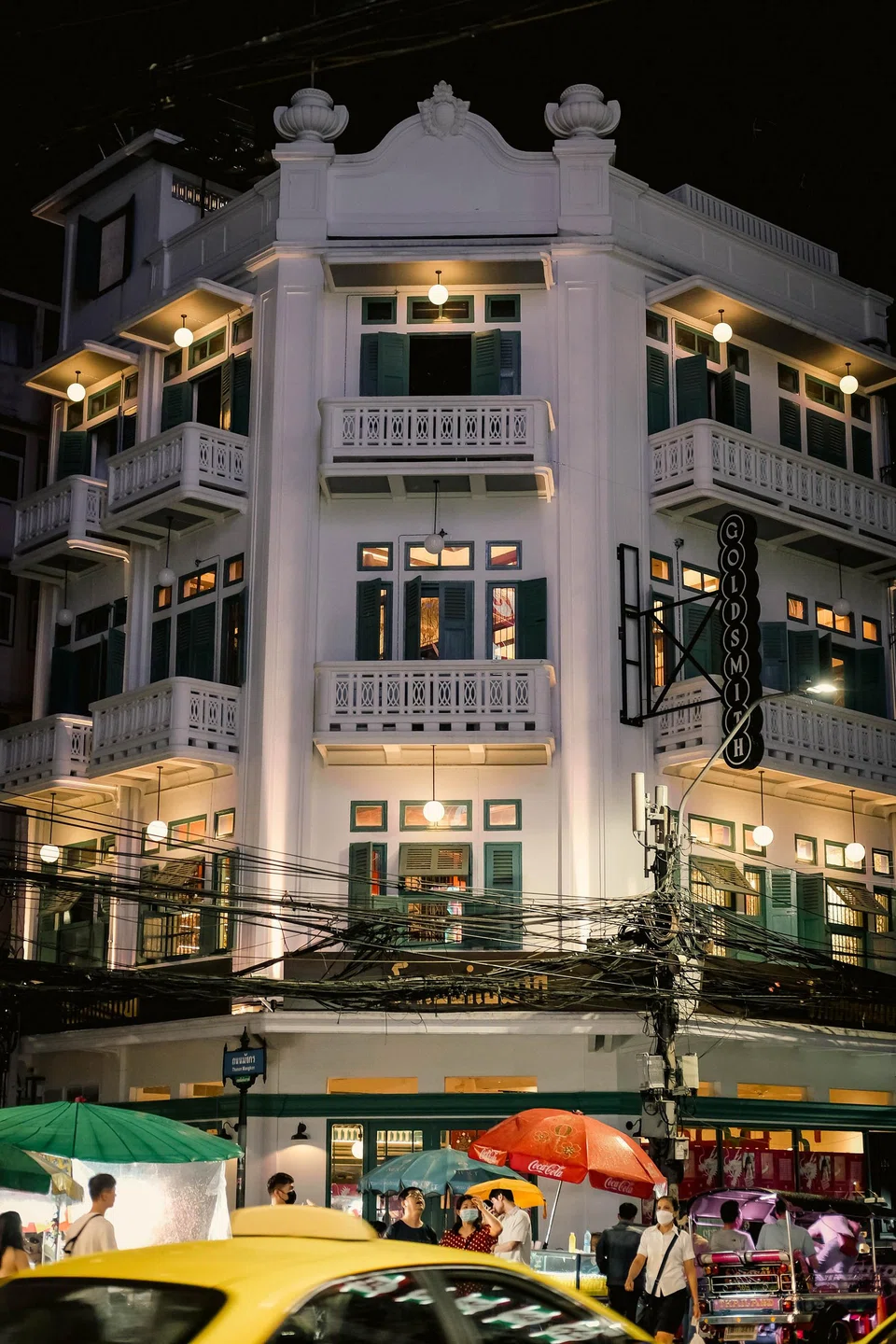
Aptly, Chop Chop is housed in a five-storey Art Deco shophouse that was once owned by a rich gold trader who would embellish his home with gilded furniture and the like. In tribute to its former owner, the current building is nicknamed Goldsmith. While Chop Chop takes up the ground floor, there is also an Oriental-themed bar on the second level, with the last three floors expected to be occupied by a Chinese restaurant, with details yet to be revealed.
Chop Chop’s dragon logo emblazoned on its windows is a nod to the area it sits in. It seems that Teochews believe the curves of Yaowarat Street follow the shape of a dragon’s back, while Mangkon Street is named after the nearby Dragon Flower Temple.
Also, “the building has such character and with its auspicious position, the dining concept had to have merit”, says Thompson.
The chef, whose Aksorn restaurant is inspired by old Thai cookbooks, also delved into the past to create an identity for Chop Chop. As it turns out, cookshops sprouted in the local Chinese community, helmed largely by Hainanese cooks who used to work for wealthy Teochew families. The restaurants soon became a part of local Thai life, serving Chinese, Thai and Westerners alike.
The food was an eclectic mish-mash of English fare, Chinese dishes and some Thai favourites as well. They might serve seafood cocktails, braised tongue or macaroni stir-fried with prawns and tomato, or breaded fried pork chops with gravy. Instead of rice, they served bread and butter.
That same eclecticism with Thompson’s own input is evident in Chop Chop, with hearty creations including angels and devils on horseback, devil curry, curried Cumberland sausages, braised tongue, and sweet braised peas cooked with Chinese sausage. All is served with a side of irreverence but with no compromises on quality, and an excellent view of the action outside on the streets. It’s a welcome respite from the heat, and once all floors are occupied, is set to be a new landmark in Chinatown.
Decoding Asia newsletter: your guide to navigating Asia in a new global order. Sign up here to get Decoding Asia newsletter. Delivered to your inbox. Free.
Copyright SPH Media. All rights reserved.
TRENDING NOW
From AI financing to Indonesia outlook: 4 takeaways from Singapore banks’ Q3 results

VinFast, Mitsubishi weigh Philippine EV production as state incentives near

Analysts cut DBS target price on lower 2027 earnings, but see buying opportunity after share price slide

Could Japan trigger the next global financial crisis?

