

Second helping of Teochew restaurant favourites at new San Shu Gong
Inevitable comparisons with the original Geylang restaurant aside, the New Bahru outlet is a passable alternative
NEW RESTAURANT
San Shu Gong Chao Yue 46 Kim Yam Road #01-01 Singapore 239351 Tel: 6322-3322 Open for lunch and dinner daily: 12 pm to 2.30 pm; 6 pm to 11 pm (Open from 11.30 am and 5.30 pm from Fri to Sun)
A TEOCHEW restaurant that doesn’t serve the quintessential braised goose or duck is like poultry with mummy issues. Who am I, what’s my cultural identity, why do my siblings get to go to the Geylang flagship, but all they want at the New Bahru branch is – my liver?
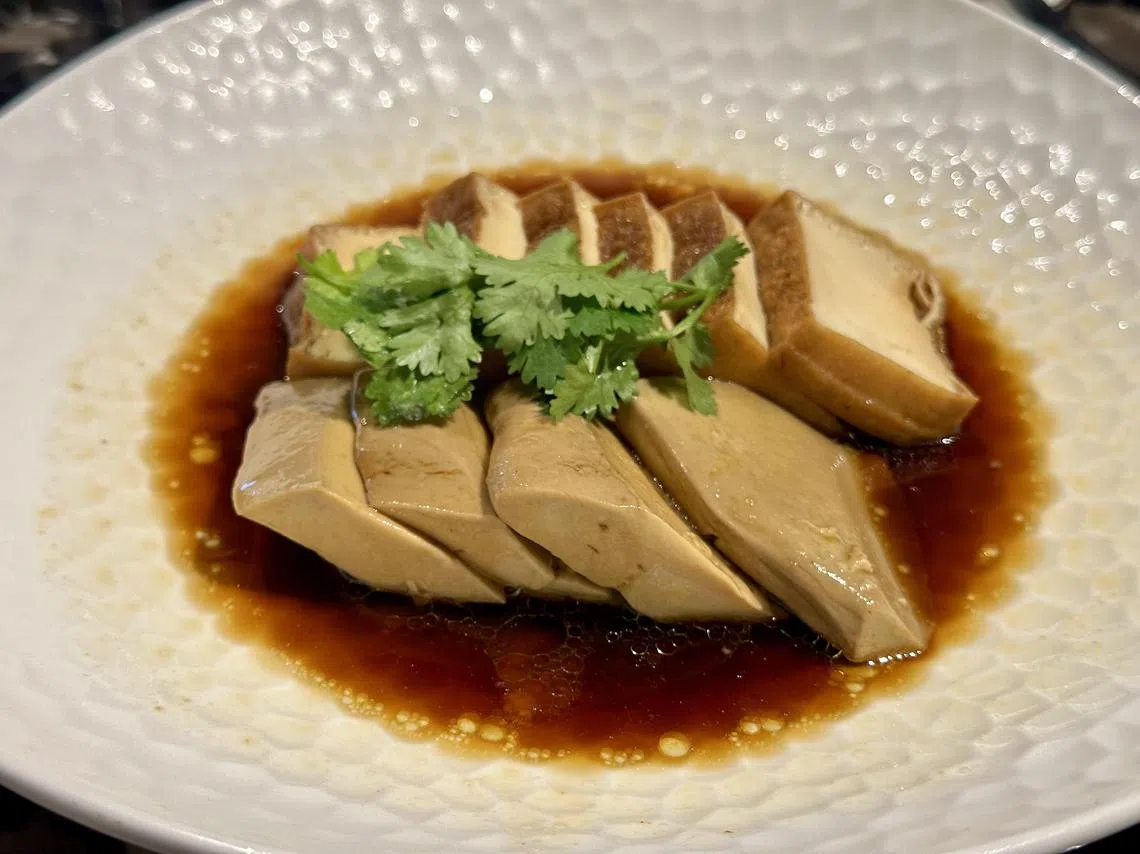
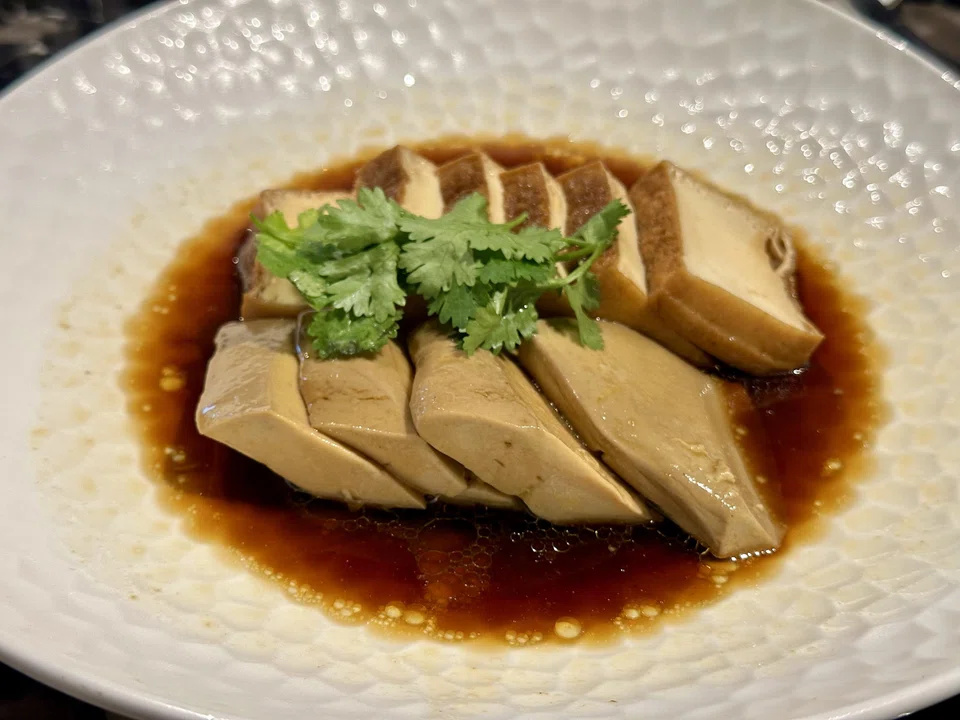
To explain: it’s a very nice liver. Plump, smooth and silky with a subtle bite, bathed in a mellow, soy-based gravy with slinky slices of tofu beneath. It’s rather delicious. But why don’t you serve the rest of the bird as well, we ask the nice server. “No,” he replies. “Here we do Peking duck.”
Whatever. The upshot is that the new San Shu Gong in New Bahru is not the replica of the Geylang original that you hoped for. You gain in terms of convenient location, but it’s not quite the full experience. The menu seems smaller (the aforementioned S$38 foie gras is an off-menu special), the food skews slightly Cantonese but, overall, it feels like a slate of bit players killing time between the real “advance order only” star appearances.
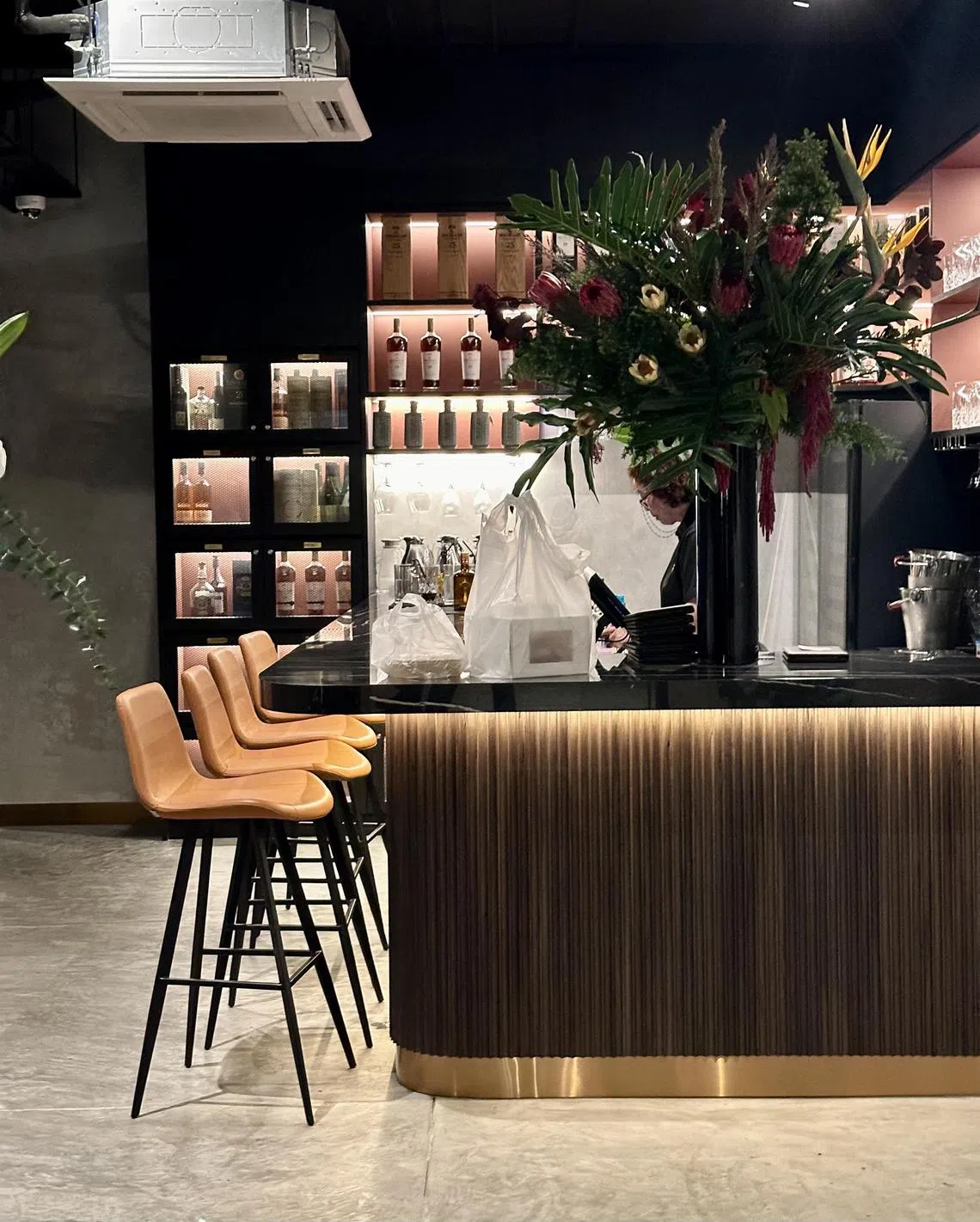
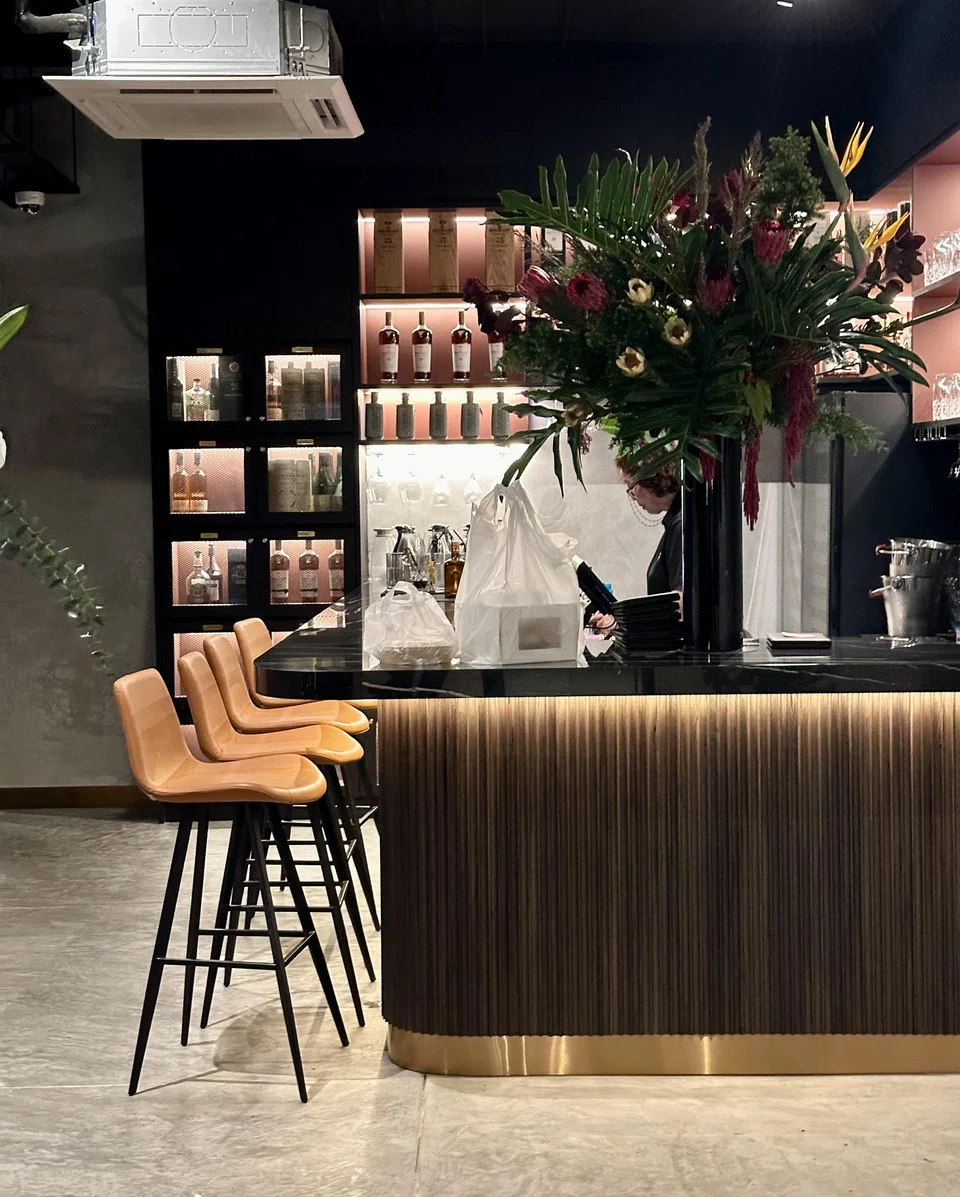
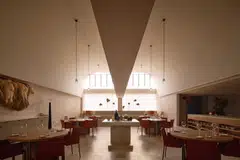
Unlike the grittier, rowdier main shop, the Chao Yue sibling is more genteel if somewhat sanitised, aiming for an upmarket feel. There’s a fancy lobby/bar when you enter – wasted space if you ask us, seeing how cramped the main dining hall is. Flanked by private dining rooms so heavily fortified that they must cater to diners fearful of sharing their air-conditioning with the hoi polloi, there are maybe just three or four common tables for non-regulars.
A corkage-free policy is no doubt what draws the big spenders who will shell out for the likes of a whole suckling pig, cold crabs and variations of hot soups in which chickens and pig’s stomachs take turns being stuffed in each other. Most of these are priced at an auspicious (for them) S$138 each.
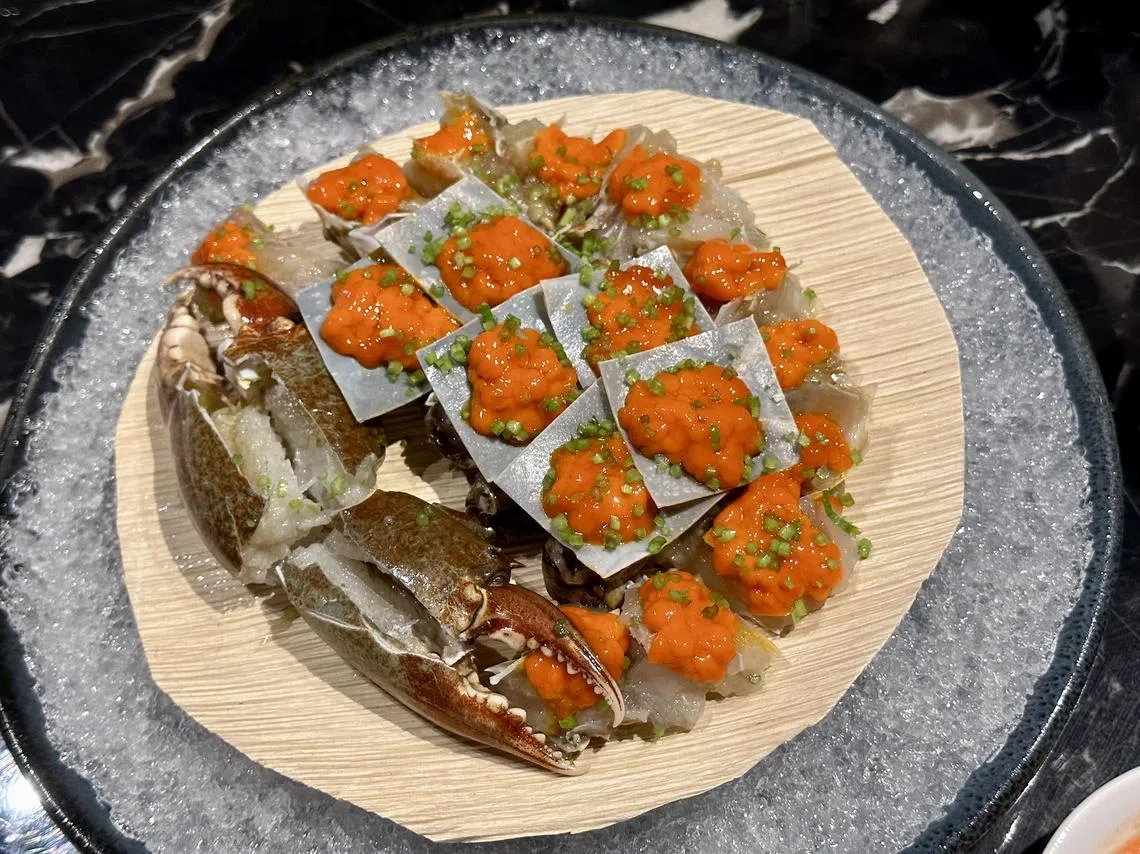
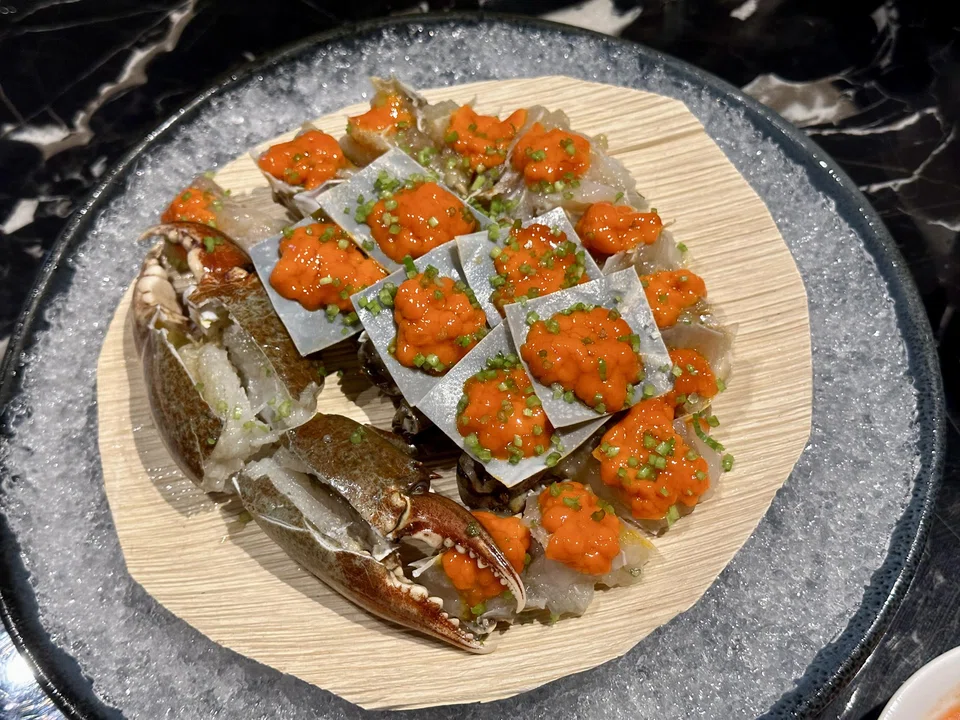
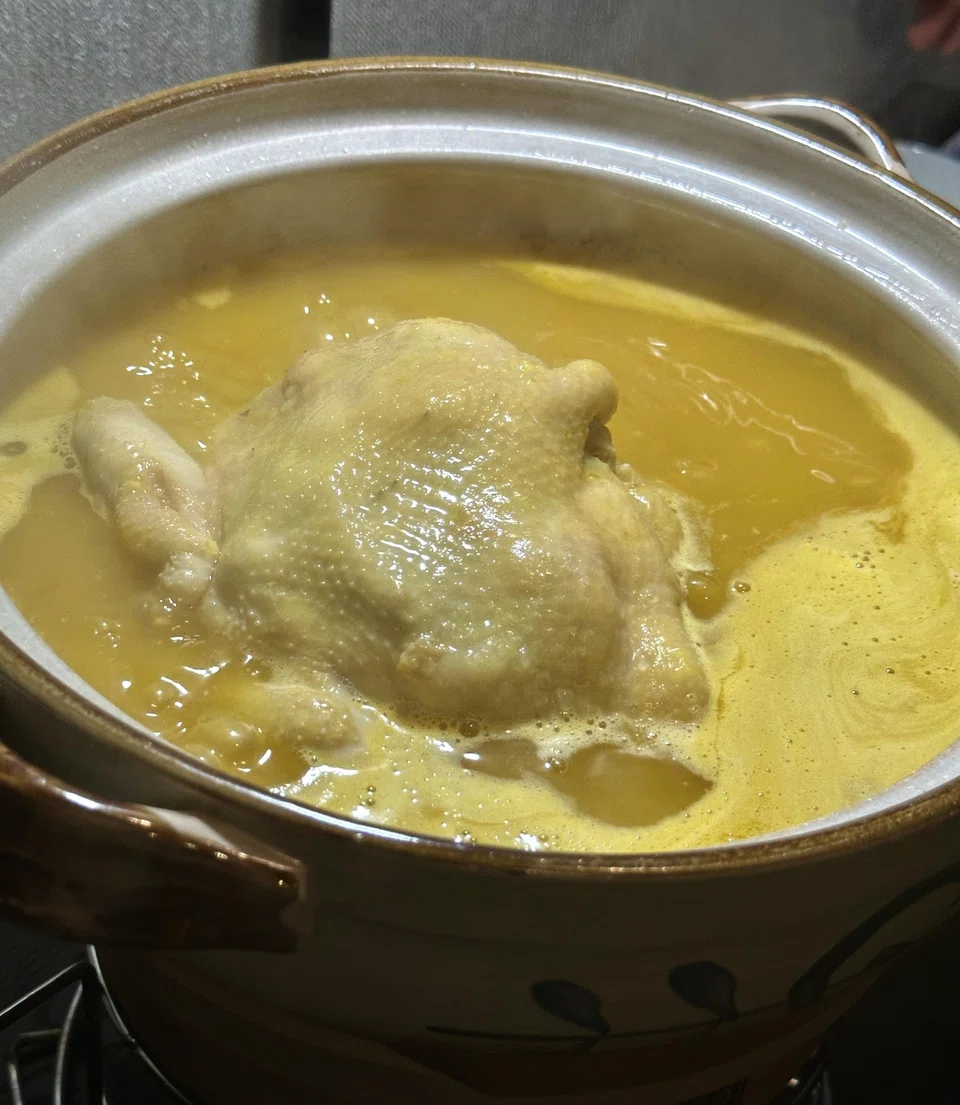
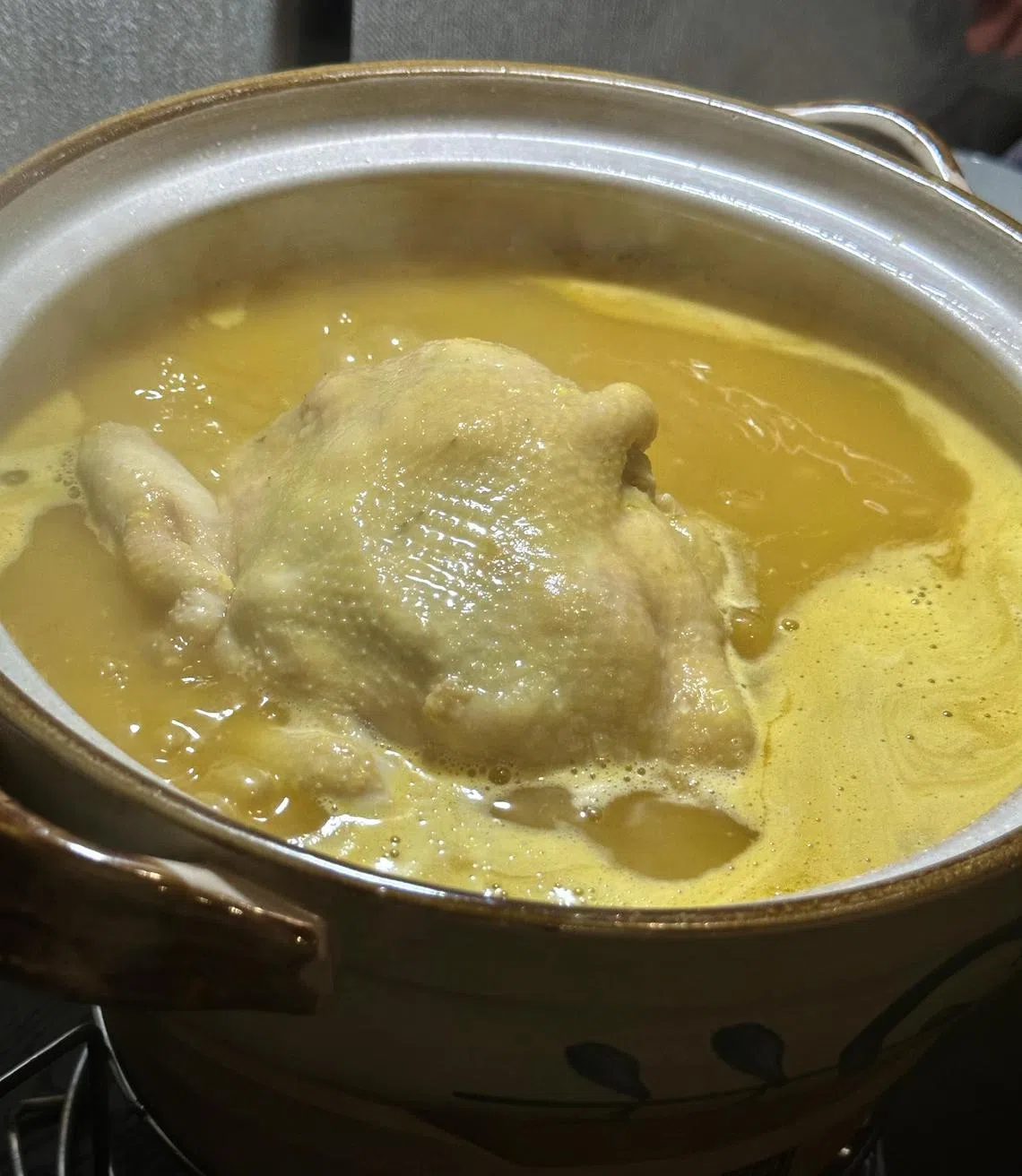
We dutifully pre-order their signatures – marinated raw crab (S$138) and the double-boiled chicken stuffed with pig’s stomach soup (S$138).
The crab itself is as we remember. Luscious shiny orange orbs of roe with the faintest whiff of wine and barely any seasoning, easily slurped from its precision-cut squares of shell. Pristine flesh from the body and claws is also easily extricated, the painstaking prep work making you less begrudging about the price.
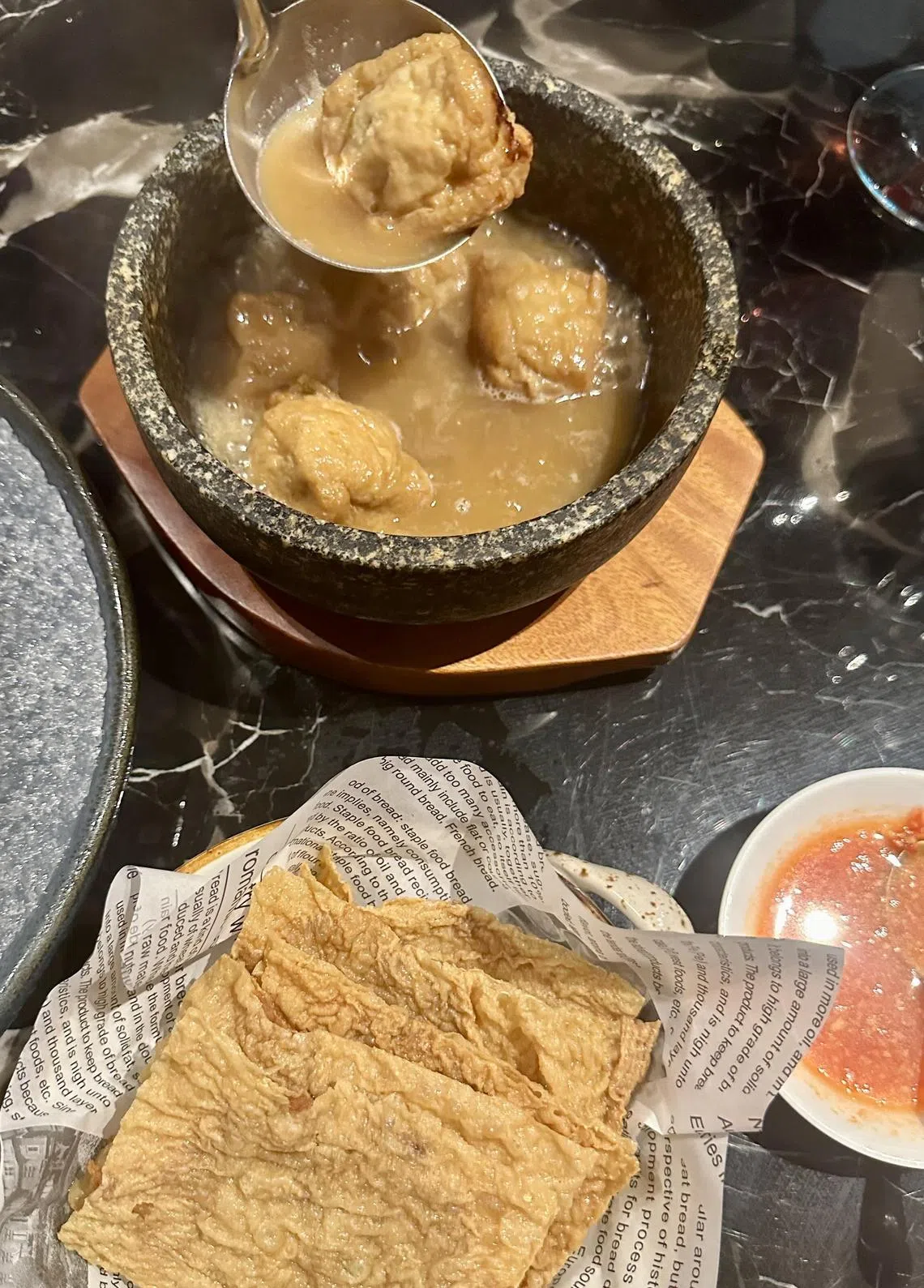
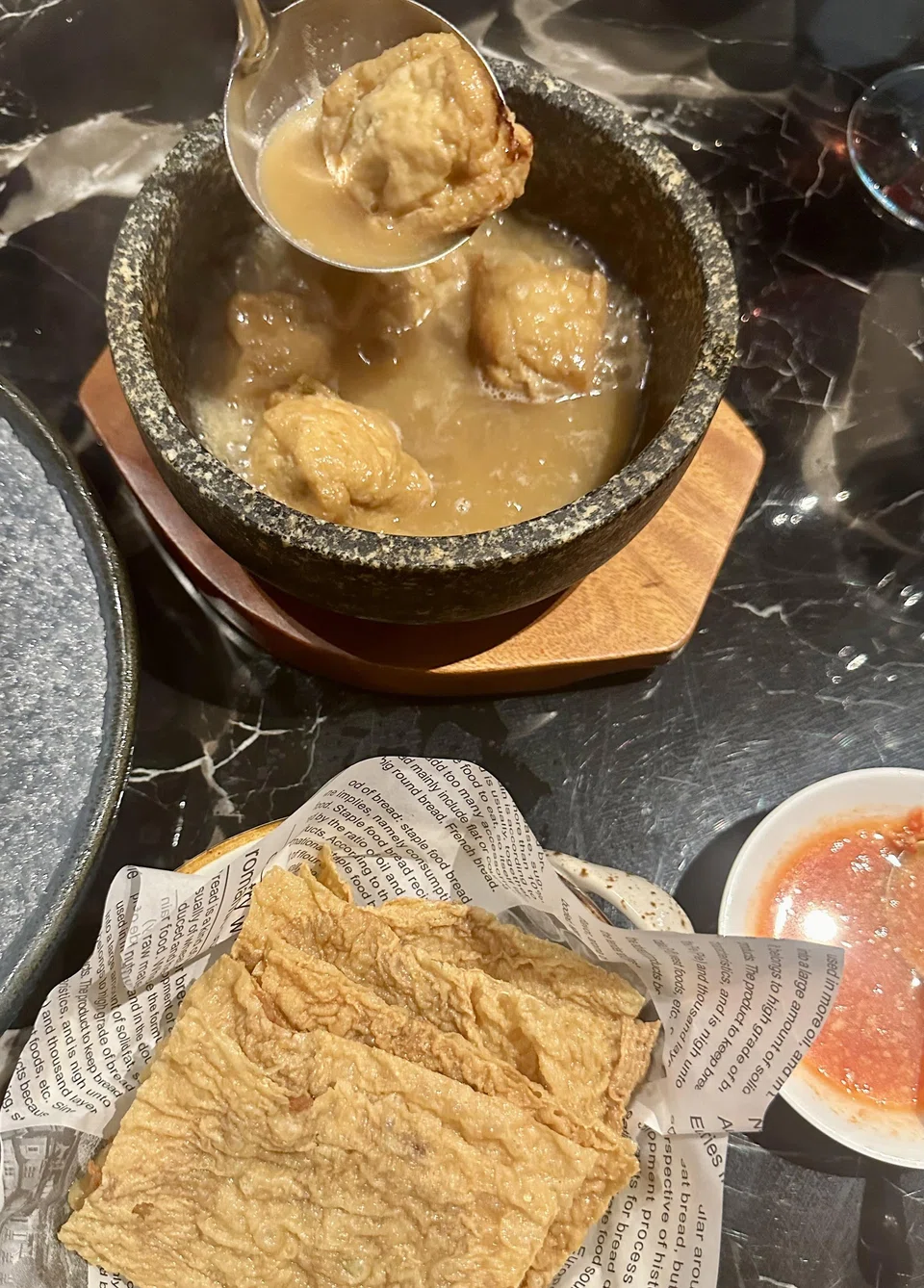
Before the soup comes, you can pick at a comforting claypot yong tau foo (S$22) – homey fried tofu stuffed with chunky fish paste laced with the funkiness of salted fish, bubbling in a thick gravy that would serve a bowl of rice well. A nice touch is the sheets of crispy fried beancurd skin and a zesty chilli dip. The dip also perks up the aforementioned foie gras, one of the surprise highlights of the meal.
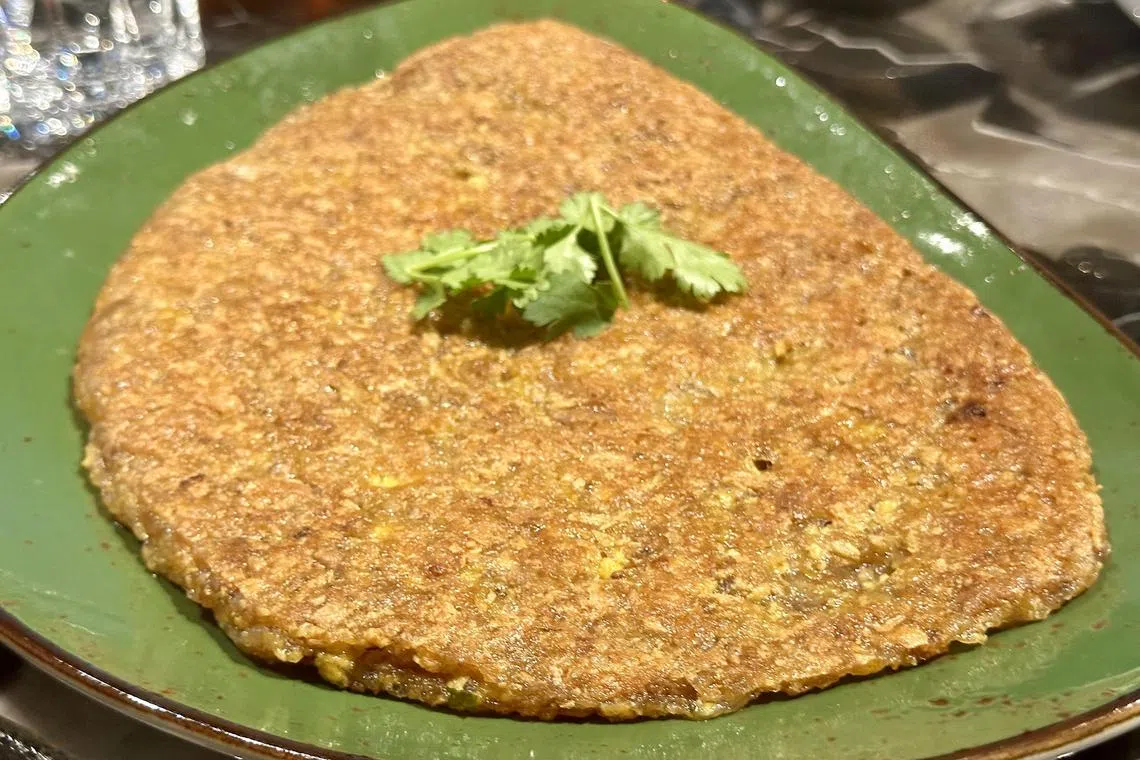
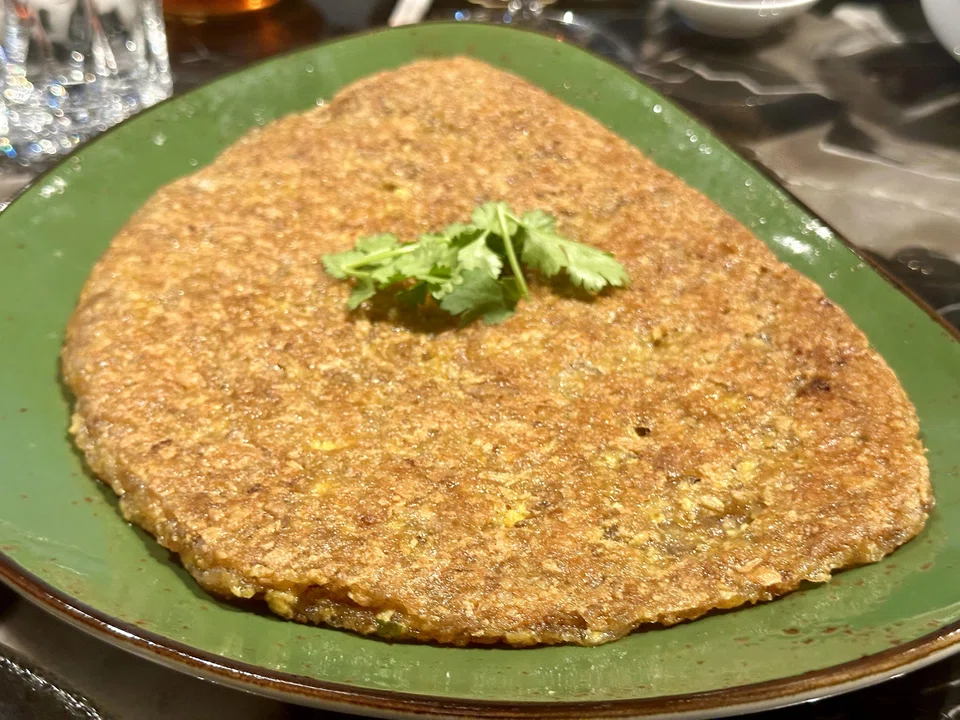
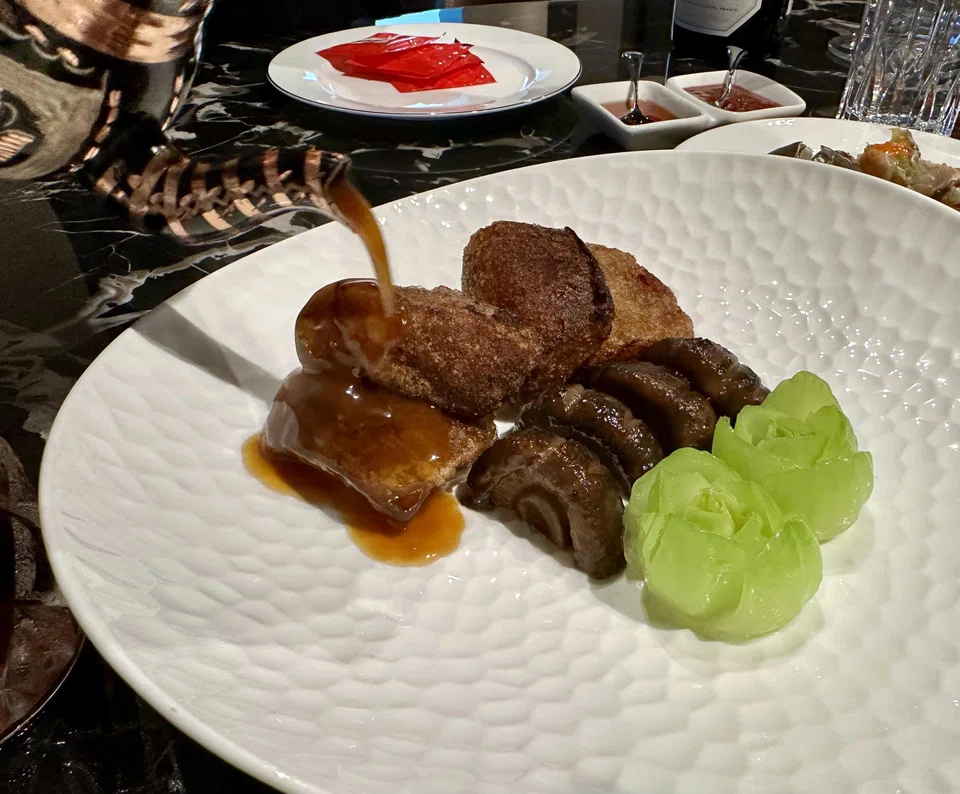
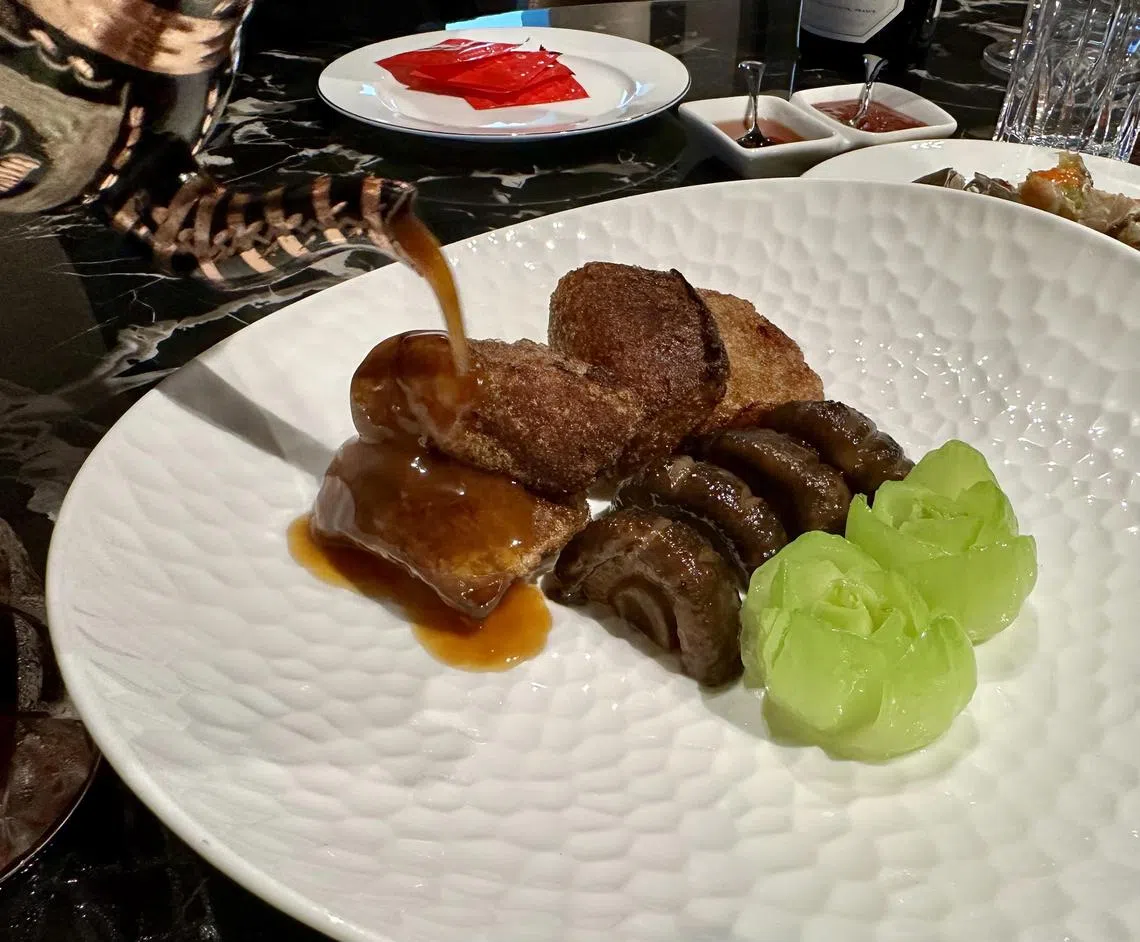
The oyster omelette (S$16) is flat in more ways than one. A greasy pancake of suitably gooey but heavy omelette gets no favours from oysters that long lost their right to be called fresh. Splurge instead on deep-fried sea cucumber (S$32 a portion) for the thick and springy bites under a gently crisp exterior. A thick abalone sauce and meaty mushrooms complete the joy.
The double-boiled soup is of course the main event, simmering furiously in self-importance as the server dishes out individual portions of satisfying and peppery collagen-rich brew, savoured with alternating bites of chewy offal and stringy chicken.
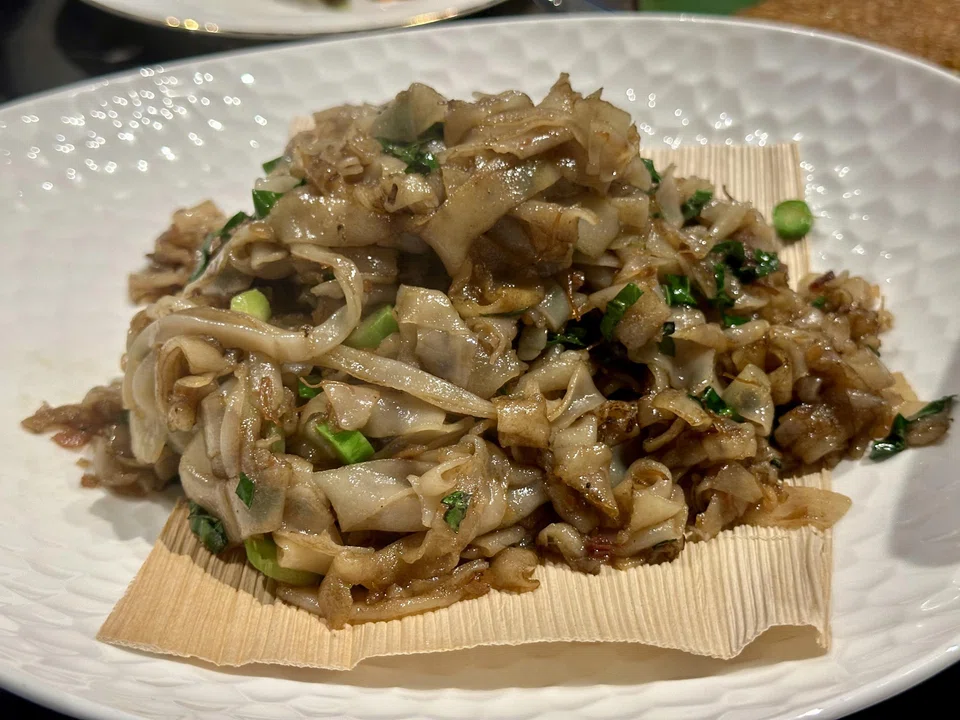
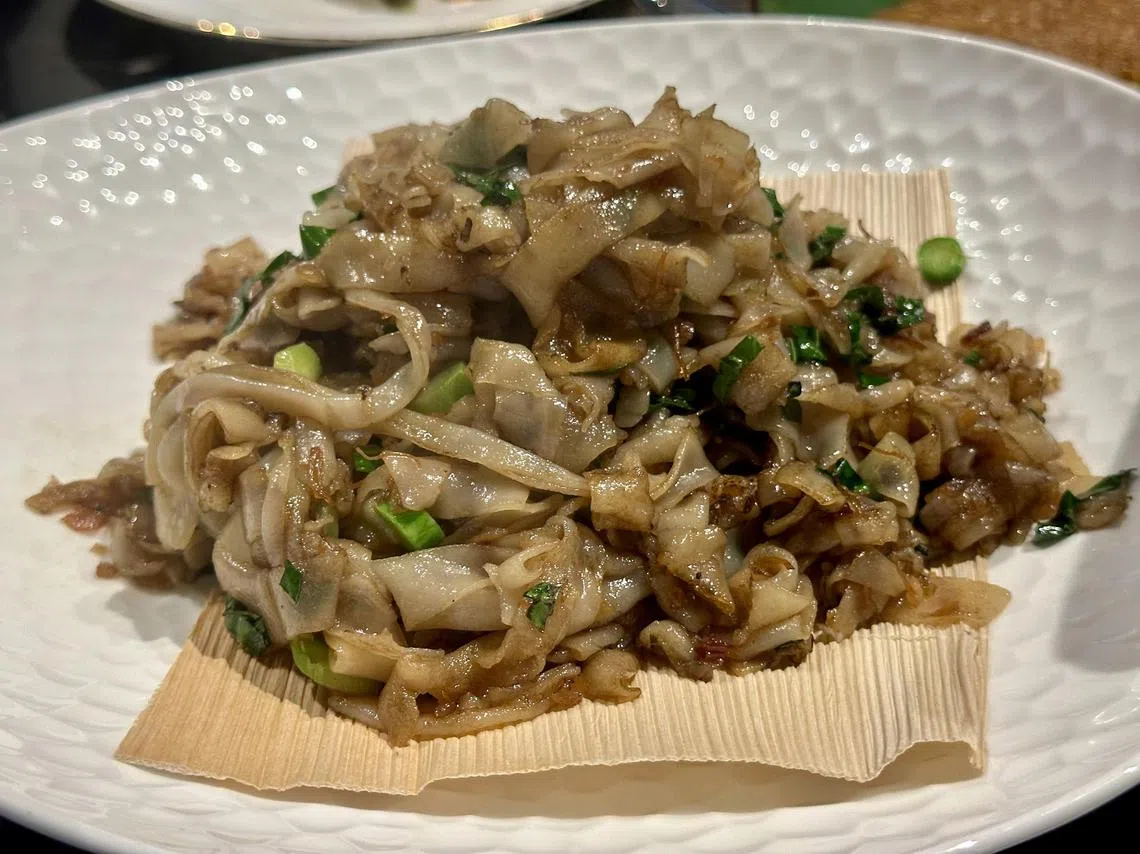
Wok-fried cai po kway teow (from S$14) is a dud, a sure sign that the chef in the kitchen is a ladle short of a good stir-fry. We get an encouraging whiff of wok hei but bite into clumps of greasy noodles that are tossed around without gathering any kind of seasoning or character. Any preserved radish that was supposed to be in there had presented an MC and skedaddled for the night.
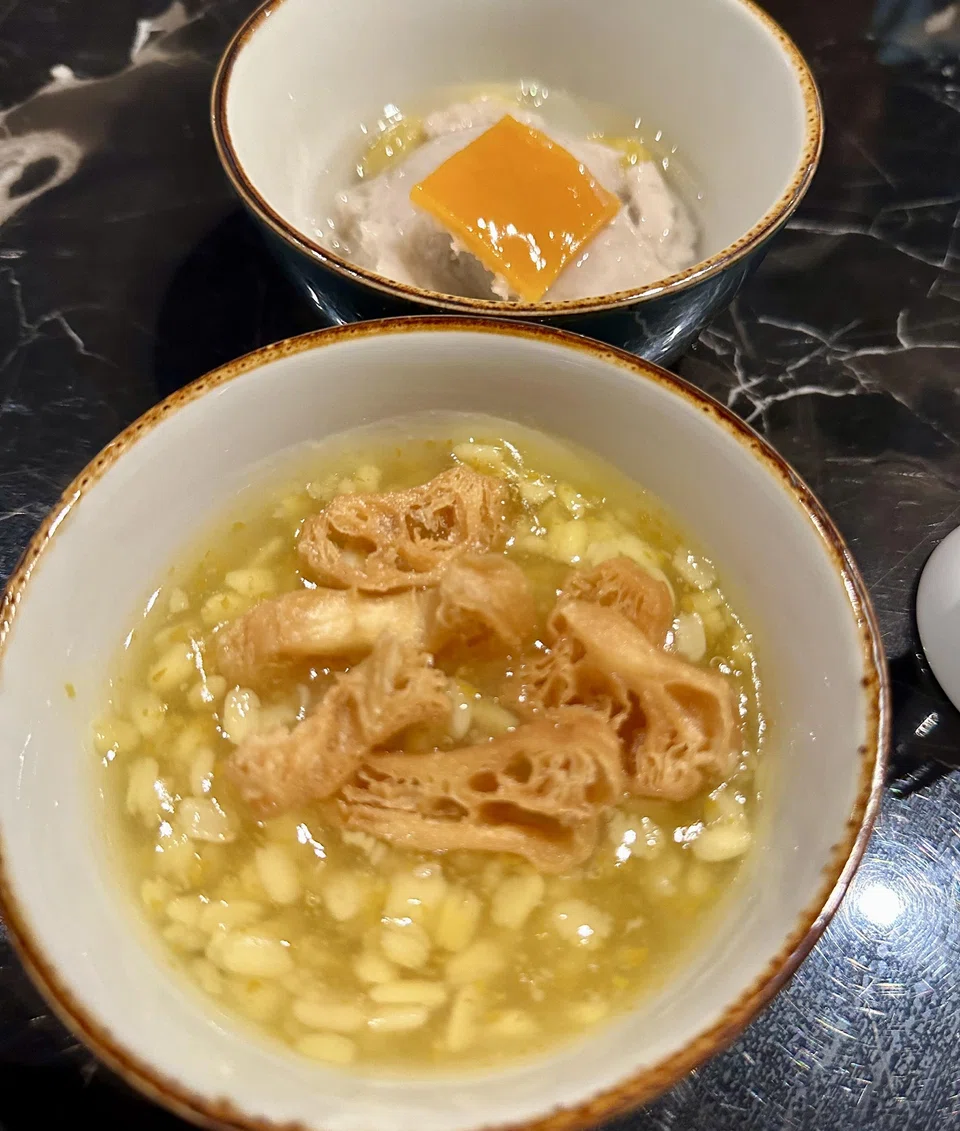
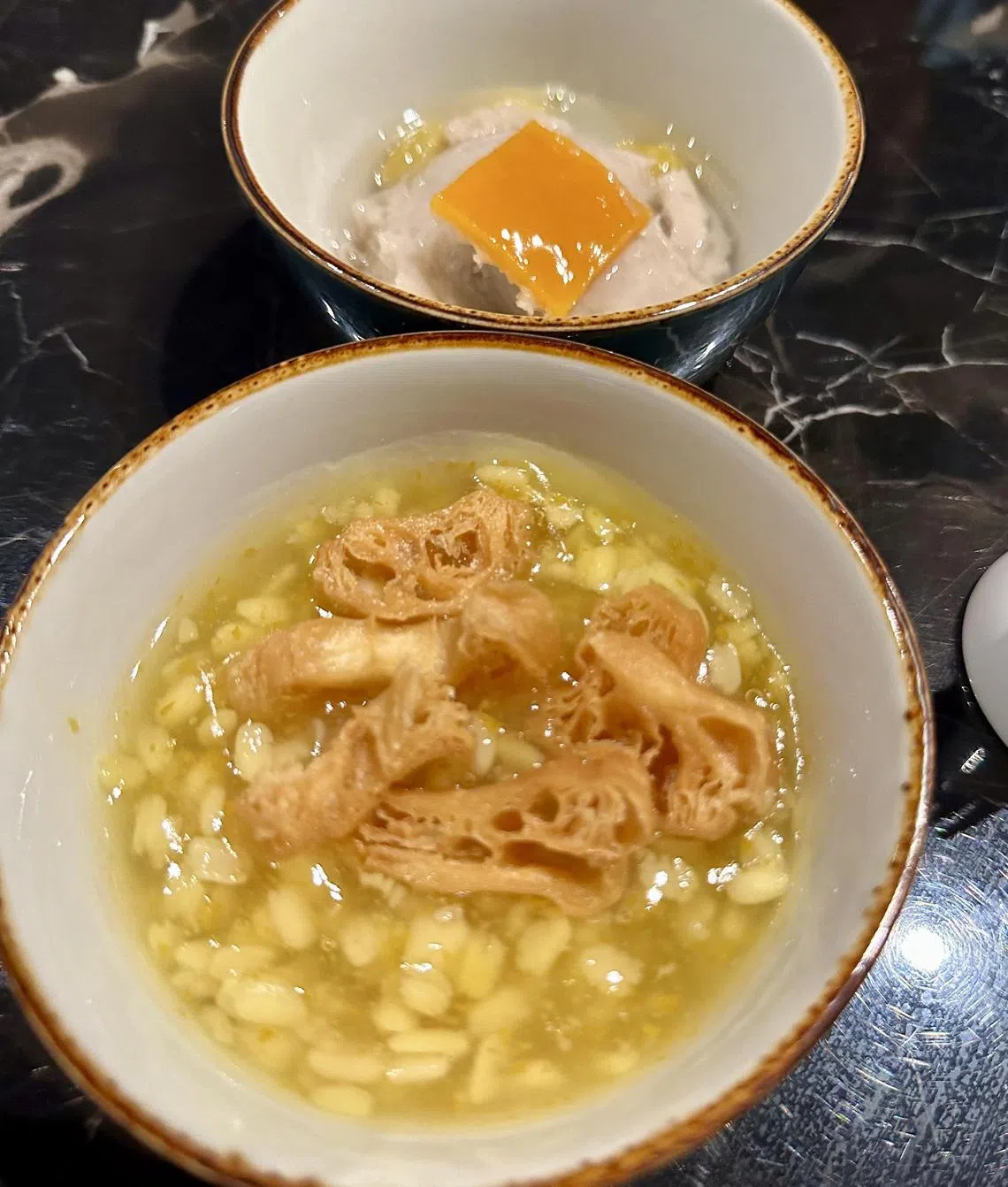
There’s some sweet comfort from dessert – the dependable yam paste (S$5) that’s smooth, fragrant and studded with gingko and a chunk of pumpkin. Tau suan (S$5) comes in second as a thin gruel of sweetened mung beans topped with so-so crunchy nuggets of yutiao.
Throughout the meal, the service is friendly and efficient, even if the cooking itself doesn’t thrill. We don’t know if things are better in the private rooms, but this is of course one of those places where you pay to play. As with everything else, the original is better but, with some caveats, being No 2 ain’t that bad.
Rating: 6.5
Decoding Asia newsletter: your guide to navigating Asia in a new global order. Sign up here to get Decoding Asia newsletter. Delivered to your inbox. Free.
Copyright SPH Media. All rights reserved.
TRENDING NOW
‘My grandfather’s legacy’: Sherman Kwek lays out three-year plan for CDL to drive returns

He built the Vingroup empire. Now South-east Asia’s richest man is handing some key roles to his sons

Canada is upping oil flows to Asia, but South-east Asia’s refineries aren’t ready to handle them yet

What role can Japan play in Asean’s future?

