

Singapore’s F&B industry gears up for a rocky 2026
Players in the mid-high to luxury segment look back on 2025, and prepare for the challenges ahead
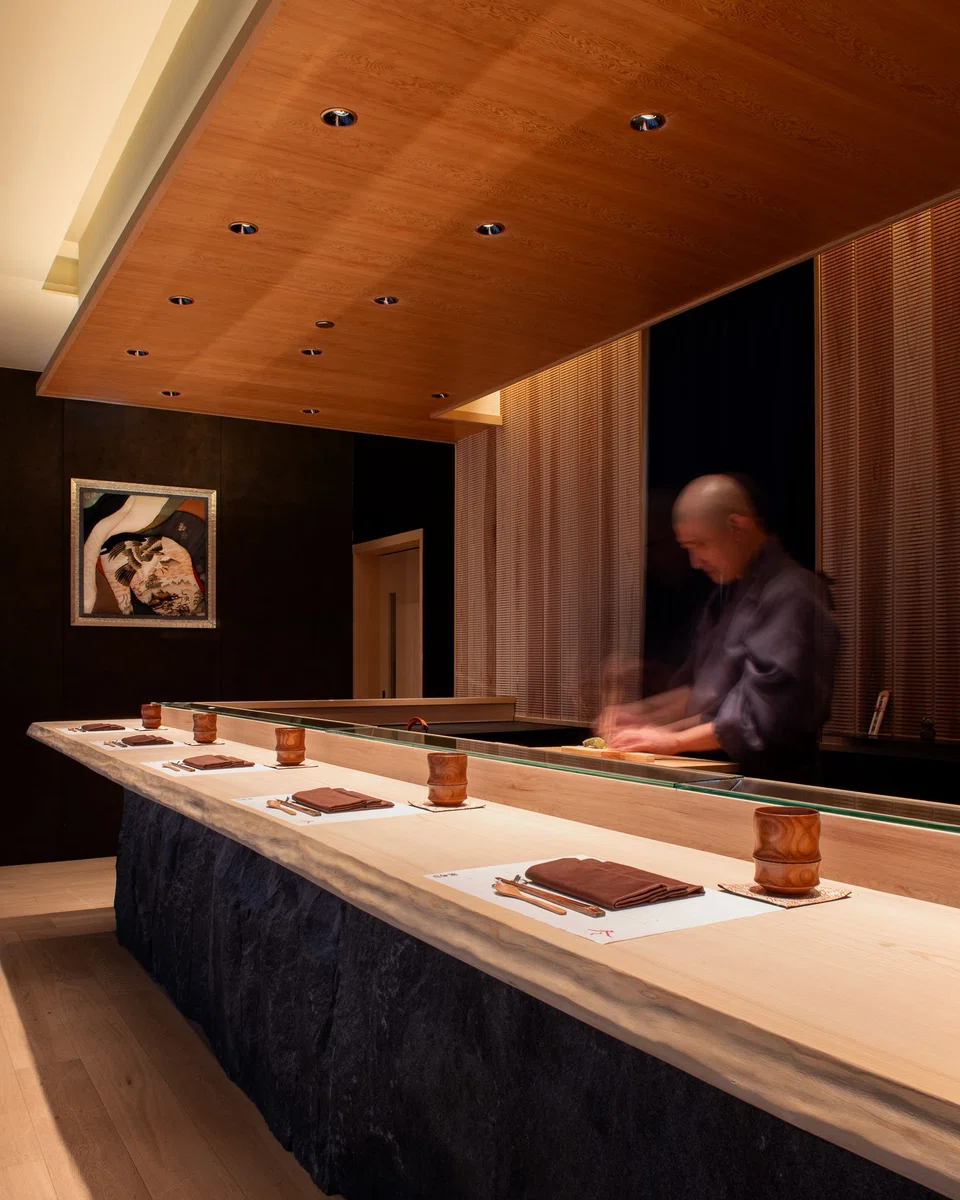
[SINGAPORE] Like a ghost from restaurants past, the defunct Michelin-starred Sushi Kimura is staging a comeback – this time a leaner, fresher version of the original, convinced that it’s in a stronger position to navigate the ever-volatile food and beverage (F&B) scene that shows no sign of improving any time soon.
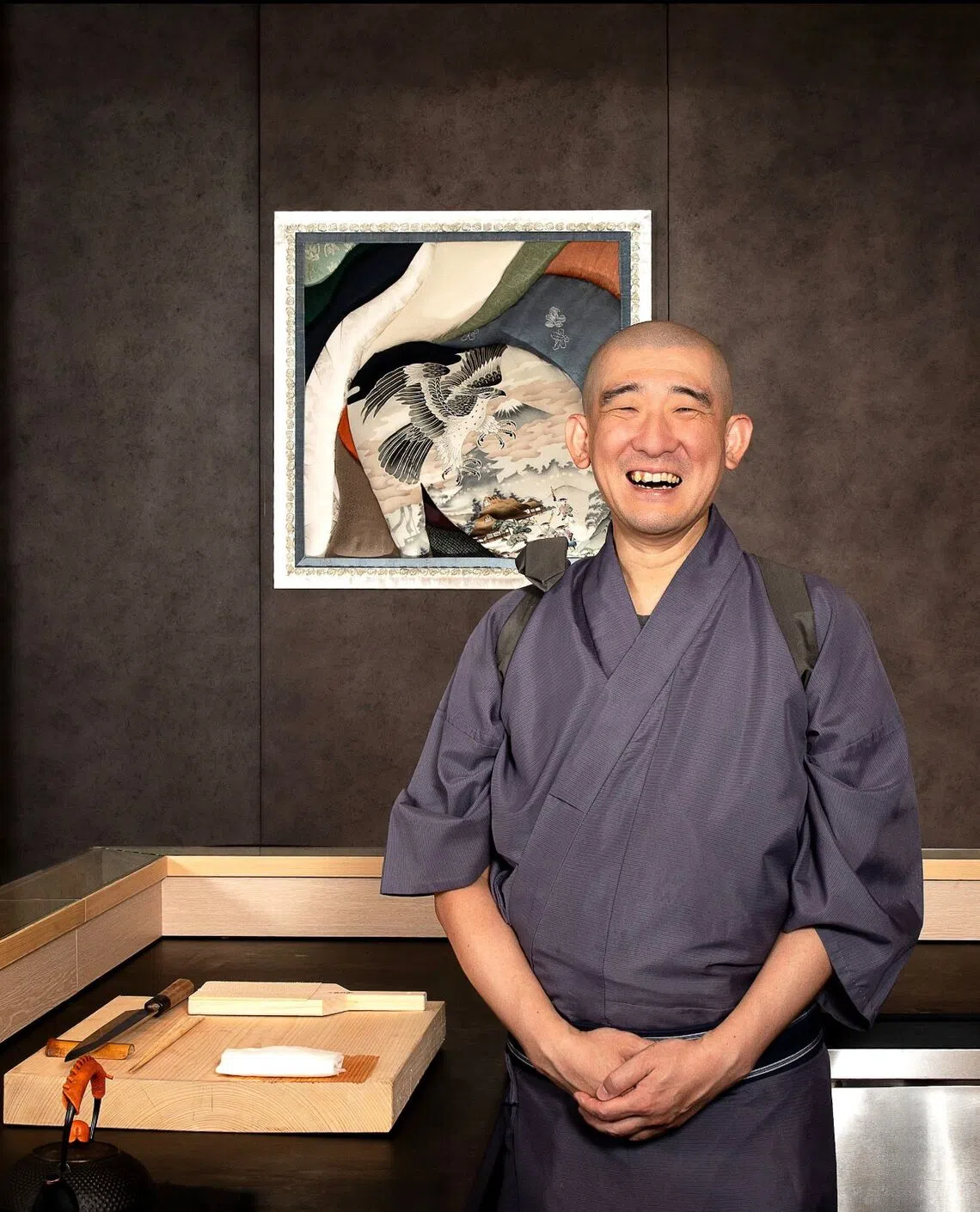
Chef-owner Tomoo Kimura’s plan to open an intimate eight-seater sushi counter at the Conrad Singapore Orchard hotel in Cuscaden Road is just one example of why the spectre of record restaurant closures and economic uncertainty is no deterrence to those still determined to enter the market.
Soul-searching
While more than 3,000 F&B closures were recorded in 2024, a higher number of new ones opened, resulting in a net gain. Even so, the success rate is unclear, especially since 60 per cent of the restaurants that closed down between January and October 2025 were less than five years old.
Sushi Kimura – which had been operating for eight years when it closed in November 2024 – was among some 10 Michelin-starred restaurants that have since shut down. Kimura stresses that the restaurant had been profitable overall, but with the space being up for renewal and growth prospects bleak, he wanted to make a clean break, instead of waiting for things to get worse.
That break lasted a year, which he spent travelling and soul-searching. “After almost 30 years of working – 14 in Singapore – I was falling behind the latest sushi trends in Japan,” he says.
He did collaborations and strengthened his network of suppliers, which he believes will boost his new, self-financed venture. Now called Sushi Kimura Plus, it is scheduled to open this month, but that may be delayed till January due to repair work.
Kimura expects the Japanese dining scene to continue being very difficult in 2026, but believes he brings something new to the table. “I want to prove that we can do things differently – and that this can be a moment of transformation rather than decline.”
Transforming fine dining
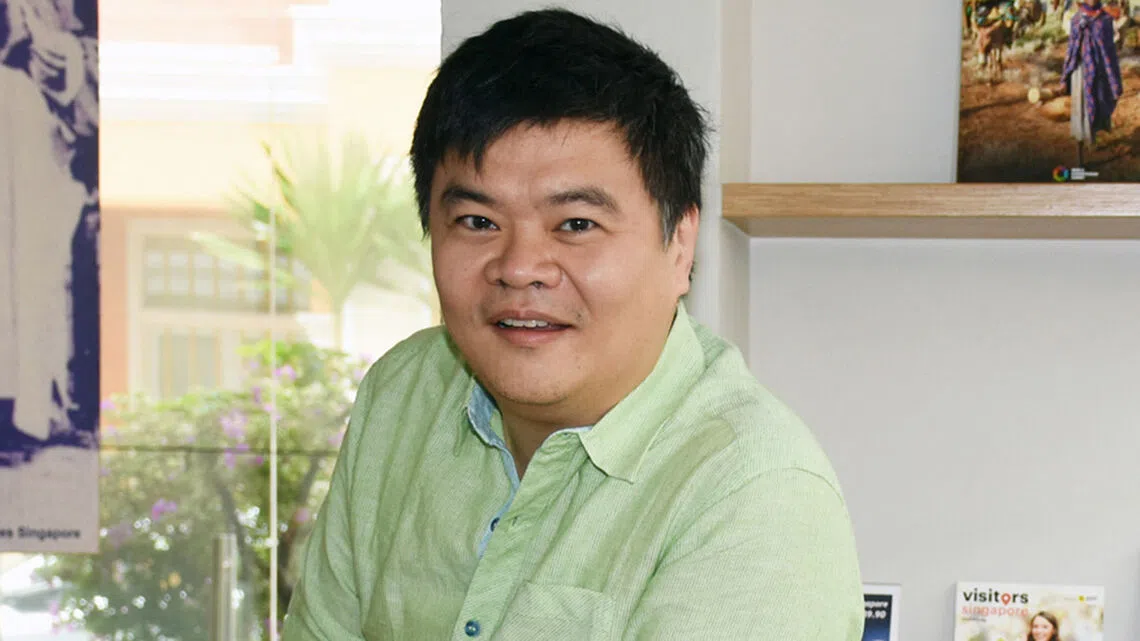
Transformation or pivoting – whatever the form, Singapore’s fine-dining scene needs to reorient itself, says veteran restaurateur Loh Lik Peng of Unlisted Collection, which houses several Michelin-starred restaurants in its stable, including Zen, Cloudstreet and Burnt Ends.
Apart from the closure of the one-starred Basque Kitchen by Aitor in 2023, the group’s restaurants have survived the attrition of 2025, albeit not without difficulty.

At the same time, Lewis Barker – the chef of the now-shuttered one-starred Sommer – is now helming Unlisted’s two-starred Terre restaurant in County Cork, Ireland.
“We made small but meaningful adjustments: quicker, more affordable lunch menus; changed concepts; did more events; focused on regular customers and so on,” says Loh of his Singapore restaurants.
But the bigger issue, he adds, is that restaurants in Singapore are not competing with each other but with other cities in the region.
“We don’t have the competitive advantage on quality that we had years ago (when the Michelin guide and 50 Best list arrived in Singapore), when we were way ahead of everyone else,” he adds.
“Now, Michelin is in many of our regional competitors, and they are delivering on quality and price. Customers are more discerning now because they see how competitive the market is. So, we need to look closely at where we can stand out and this requires more creativity and localisation.”
Fine dining is here to stay – but in what form?
The number of Michelin-starred closures doesn’t mean fine dining is dead, says Sebastien Lepinoy of the three-starred Les Amis restaurant.
“If you look closely, the closures are mainly within the one-starred category. But each level of Michelin stars brings a different audience. One star relies on the local market, two stars draw a regional crowd, and three stars attract international customers.”
The problem now is that “we do not have enough tourists dining in these restaurants, and local support alone is not enough to sustain fine dining at this level”.
At the same time, “cities like Bangkok, Taipei and Seoul have become very dynamic culinary destinations, attracting a lot of attention and new talents”, adds Lepinoy. “For Singapore to remain competitive, we need to continue to make the city attractive for the next generation of chefs.”
He points to the number of Singaporean chefs who are helming top restaurants overseas, such as Benu and Noma, as well as Jimmy Lim of Taipei’s three-starred JL Studio, and questions why such talent is not operating here.
“Singapore isn’t losing its edge, but many of these talents are building their careers abroad. The key is to understand how we can attract and retain such talent.”
Loh agrees that having more uniquely Singapore offerings is one way to compete with the likes of Bangkok or Manila, which boast strong local cultures. “Having foreign star chefs is increasingly tough, because our local diners are so jaded now. Having another big name foreign chef doesn’t excite them any more.”
Seeking greener pastures overseas
Rental and manpower woes, as well as the high cost of dining out, are some of the factors that are luring some restaurateurs overseas.
Among them is Onmi, which closed down recently as its owners decided it was no longer worth it to keep the modern Korean restaurant on Amoy Street in operation.
Even though it had been breaking even, “it still means you’re putting in a huge amount of effort for no meaningful return”, says one of the restaurant’s partners.
Instead, they will open a Korean concept in Kuala Lumpur, Malaysia, with Onmi’s chef at the helm, and it will be a “more customer-friendly and upscale Korean concept, but not fine dining”.
While acknowledging the risks of entering a new market, “the sunk cost is much smaller than Singapore, where it creates almost a certainty of failure for F&B”, adds the partner. “We’re moving to a market where the fundamentals make sense – staffing, rent and consumer spending patterns. We don’t see a turnaround in Singapore anytime soon.”

For the same reasons, Bjorn Shen of Artichoke believes that “we’ll see more hesitation from overseas chefs when it comes to entering Singapore”.
“Even though Singapore continues to carry weight across South-east Asia, it’s not quite the automatic first-choice destination it used to be,” he adds.
“Places like Bangkok offer significantly lower operating costs and very strong dining scenes. If a foreign brand launches there, they can still gain a competitive advantage before expanding to the rest of Asia. Singapore remains attractive, but it’s no longer the obvious choice, and other cities are catching up fast.”
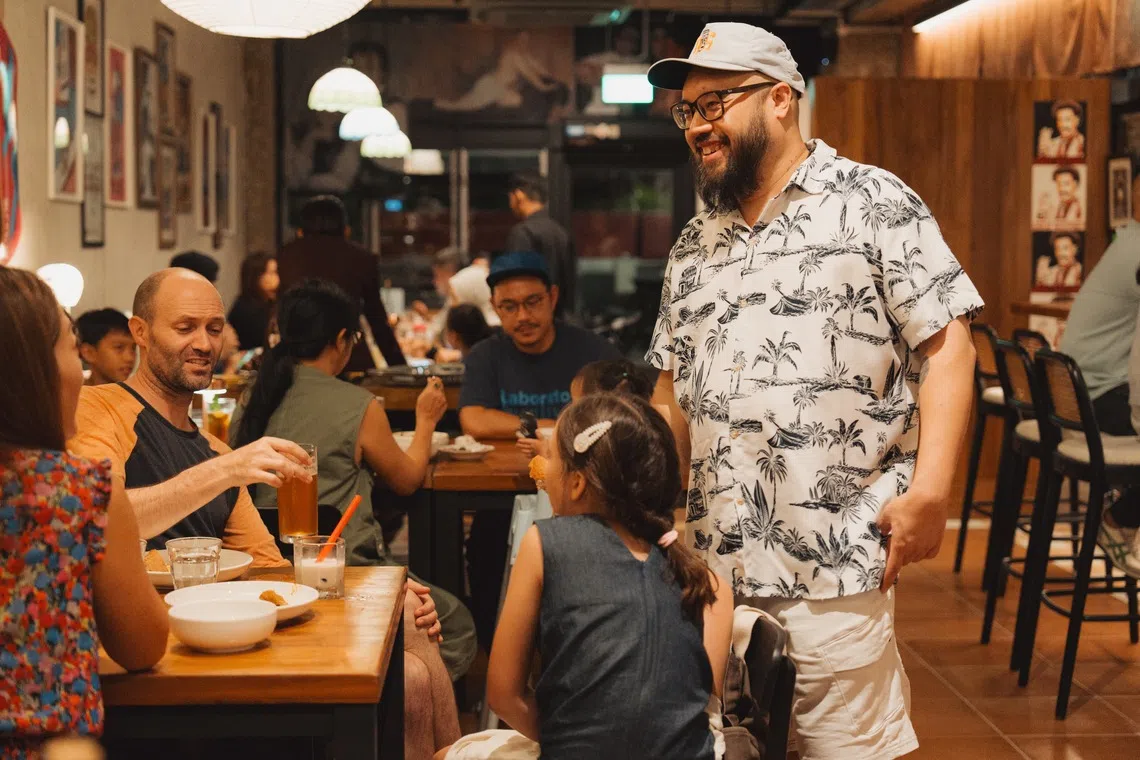
Shen himself has opened outlets overseas with mixed results. One outlet in Bali closed down because it was not performing, but his Penang eatery NEP! recently celebrated its second anniversary. “It’s slightly profitable, and we’re slowly making back our investment.”
While costs are lower, the grass isn’t always greener on the other side. “Lower costs can also mean lower revenue potential. You trade certain challenges for different ones.”
Finding the right opportunities
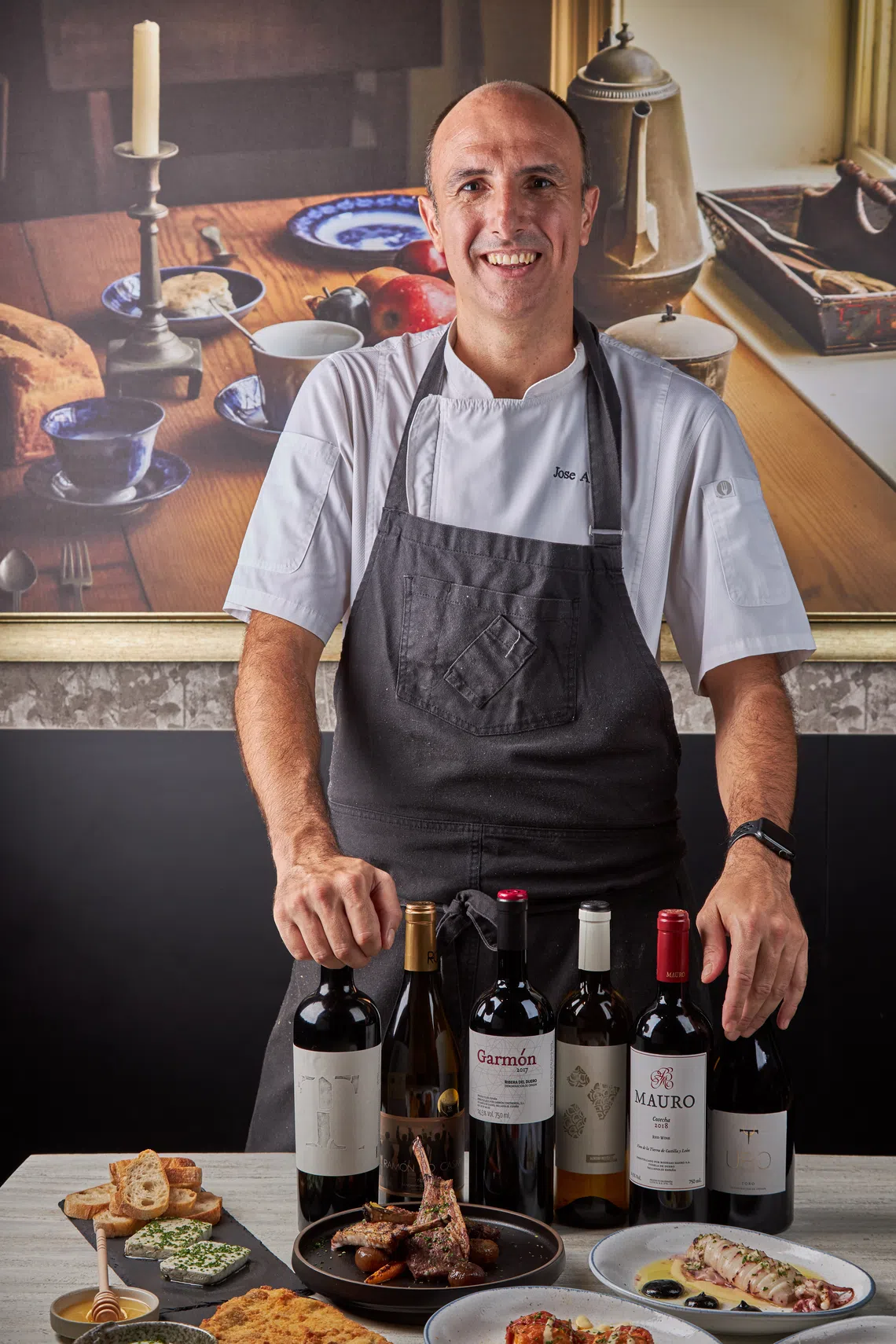
One of the success stories for 2025 may well be AC Concepts, co-owned by Spanish chef Jose Alonso, who started out with the Spanish restaurant Kulto and now counts eight restaurants under the same umbrella.
The restaurants include Cenzo, Barrio, and – most recently – Nomada, Humo and Il Toro,” says Alonso. “Each concept is designed for a specific audience and overall, the portfolio is performing healthily.”
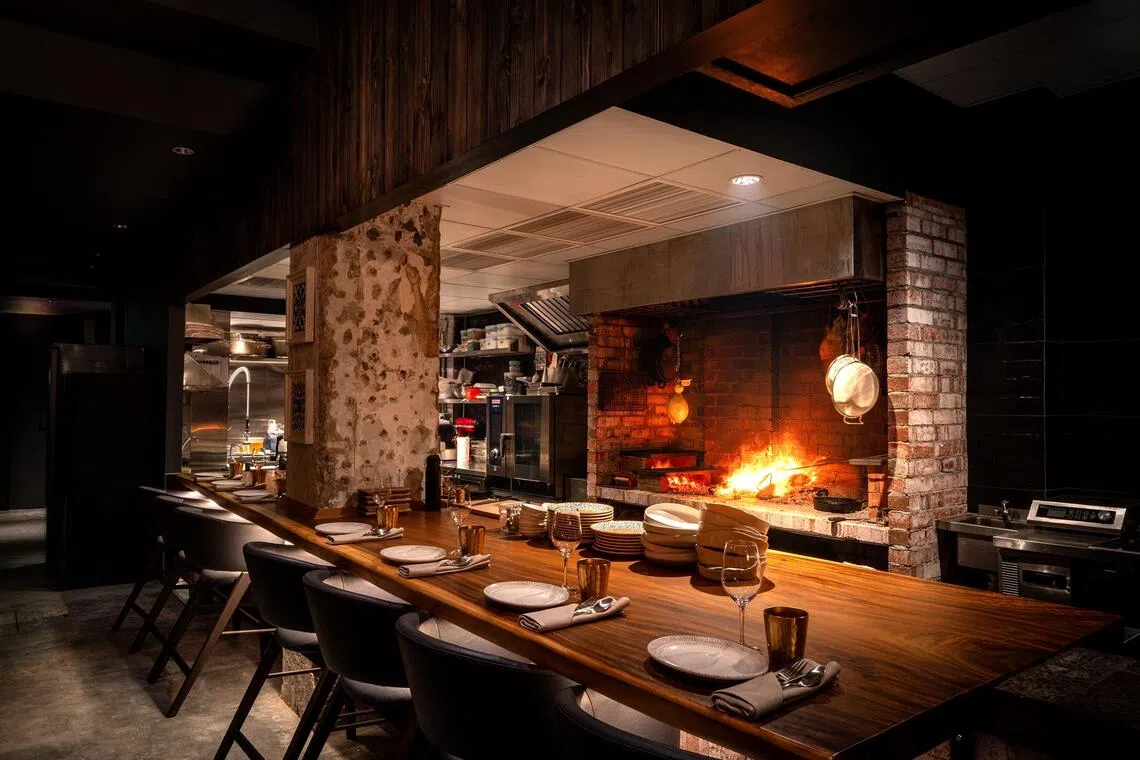
The group is also planning to expand overseas, particularly in Kuala Lumpur and Jakarta. “It’s not about lower operating costs – it’s about reaching new audiences, diversifying risk and positioning our brands in fast-growing dining destinations.”
But it doesn’t mean that Singapore is losing its lustre. “The market is evolving; it’s about adapting and building more resilient business models.”
Christopher Millar, senior director of international business development at 1-Group, agrees. “Our business has stabilised somewhat in the last six to 12 months. There are ongoing challenges, for sure, which involve constant analysis and an ability to be nimble.”
He adds: “We opened a new venue this year, 1-Alfaro, which has been well received, and recently renewed at the Garage in the Singapore Botanic Gardens with two new concepts.”
The group also opened its first overseas project, 1-Altitude Melaka, two years ago.
Still tough, but staying in the game
Other players are feeling the brunt of the soft market, but are still hanging in there.
For Paul Longworth, chef-owner of Encore by Rhubarb – which this year lost its Michelin star when it rebranded as a more casual restaurant – things haven’t been easy.
“Even with our transition, it has been a tough year,” says Langworth. “We now have a different demographic, and we are still adapting. But having a wider choice on our menus certainly helps to draw more customers – along with the price point, having choices is very important right now.”
Meanwhile, Asu’s Ace Tan believes the Asian storyline is picking up traction. “The first six months saw strong bookings driven by curiosity, and we’ve since settled into our rhythm while maintaining healthy occupancy,” he says.
“I think diners appreciate cooking that is rooted rather than trend-driven, and that’s been the heart of what we do.”
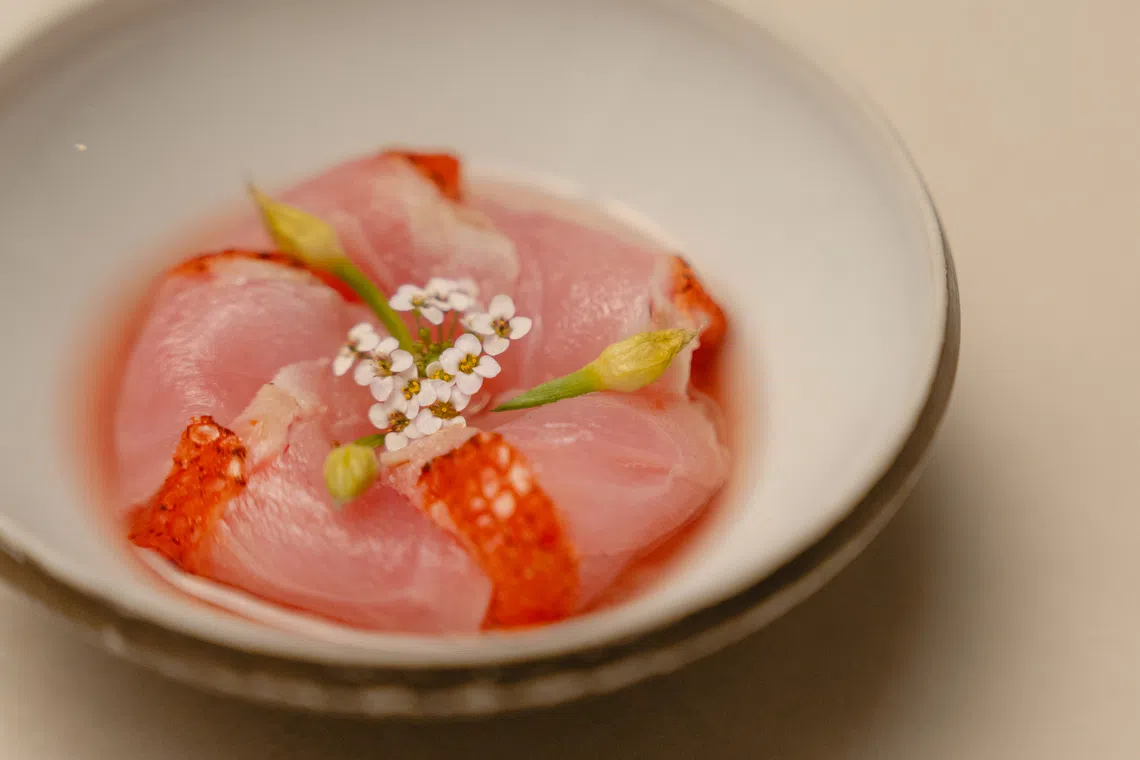
Mod-Singaporean restaurant Belimbing is also seeing strong traction on social media and growing interest among the Gen-Z crowd, says chef Marcus Leow. He’s even seen young chefs “expressing interest in our brand of cuisine, and a younger demographic giving us a try”.
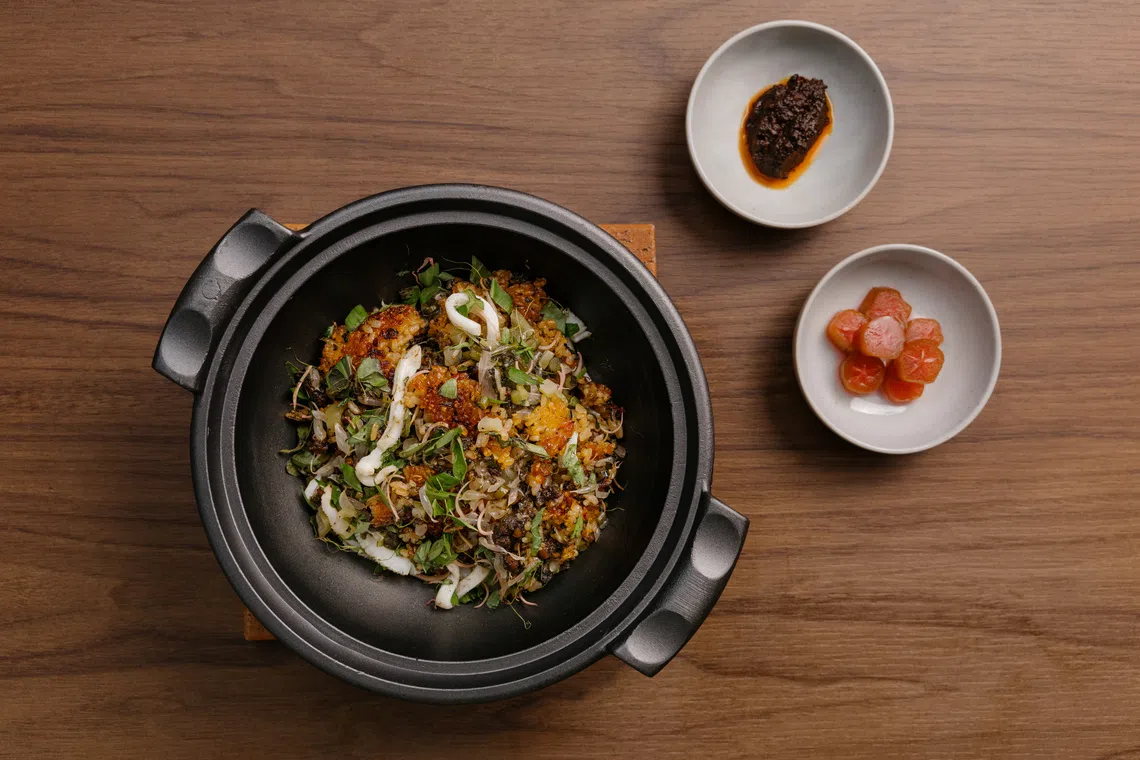
Positive reviews and menu updates are helping, too.
Young Singaporean chefs with an Asian cooking aesthetic are also gaining ground.
Vincent Pang relied on his financial background to build his own business model for his Thai restaurant Im Jai by Pun Im, which “started to break even a few months ago after struggling for almost half a year”, he says.
Still, he was well aware of the risks before starting, but decided to turn his passion for Thai cooking into a restaurant, which he runs with his mother.
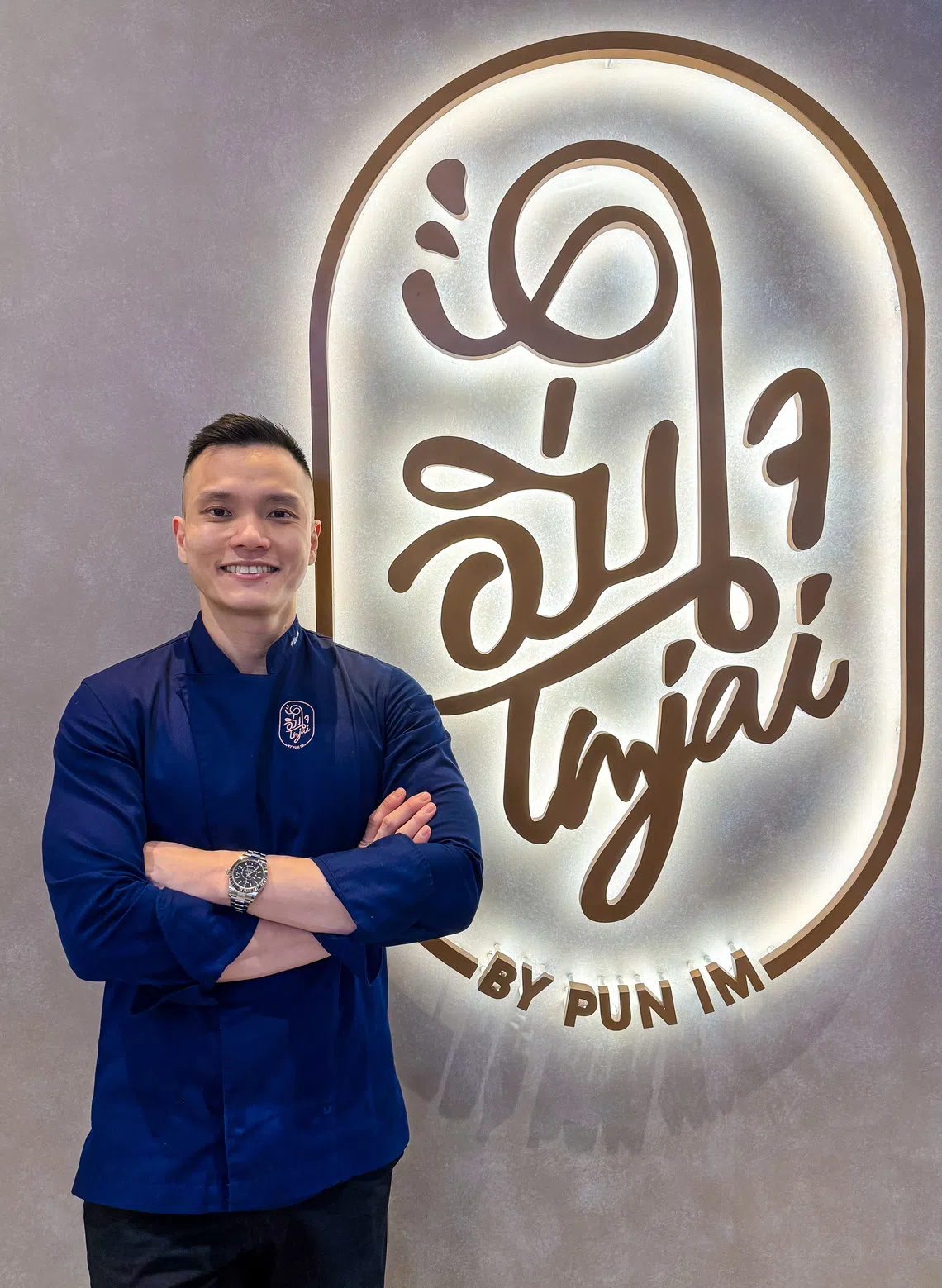
Despite the challenges, he believes that “instead of focusing on the negatives of the industry and closures, we should think about what the top performers have done right and learn from them”.
In fact, he even has plans for a new food concept for 2026, that he hopes “will resonate with the right audience”.

Hotel F&B performance
A softer tourist market and overall dining sentiment have not left hotel restaurants unscathed.
Melvin Lim, general manager of Pan Pacific Singapore, notes that the hotel’s F&B performance has “softened slightly compared to 2024, reflecting a broader market trend”.
“A key factor is the increase in outbound travel, with local guests choosing to spend overseas,” he adds. “While overall demand remains stable, the shift in consumer behaviour has led to a modest decline in revenue.”
A drop in corporate orders meant that mooncake sales dropped in 2025, but the hotel is expecting a strong pickup for Christmas and Chinese New Year.
In 2026, the return of the Singapore Airshow and increase in meetings, incentives, conferences and exhibitions is likely to be promising for its outlets and the rest of the F&B industry.
Trends for 2026
Resonating with the right audience is something that is likely to drive the food scene in 2026, says Nicola Lee, academy chair for South-east Asia (South) of Asia’s 50 Best Restaurants.
“Honest food – cuisine that prioritises flavour, ingredients and a sense of place – will stand out, as there seems to be a broader global desire for authenticity and comfort.”
She expects to see a consolidation in the fine-dining landscape as restaurants adapt their concepts and value propositions. At the higher end of the spectrum, “Les Amis, Odette and Naeum have undergone major renovations to prepare for the next lap”.
“Meta, Thevar – and also Naeum – have introduced private dining spaces to showcase their cuisine on a different platform”.
In addition, “as chefs across the region continue to explore their culinary heritage, this evolution will play a significant role in shaping South-east Asia’s dining landscape in the coming years”. And this is where the next generation of Singapore chefs could play a big role.
All in, 2026 is set to be a tough year again, but the industry seems better prepared for the battle ahead.
Decoding Asia newsletter: your guide to navigating Asia in a new global order. Sign up here to get Decoding Asia newsletter. Delivered to your inbox. Free.
Copyright SPH Media. All rights reserved.
TRENDING NOW

Once staunchly pro-China, Malaysian Chinese businesses are now distancing themselves from Beijing

Looking beyond looming CEO succession, should UOB potentially pursue a transformative merger?

Could stablecoins be the future of money?

Grab CEO’s wife Chloe Tong on life with Anthony Tan and finding her purpose

