

Starchitect Kengo Kuma’s first public project in Singapore is new Japanese restaurant Suzuki. Is it as good as it looks?
Chef Yuichiro Suzuki serves up sushi and kaiseki in the Mondrian hotel restaurant
NEW RESTAURANT
Suzuki #01-09 Mondrian Hotel Singapore 089813 Tel: 9755 7899 Open for lunch and dinner Tues to Sun: 12 pm to 2:30 pm; 6:30 pm to 11 pm.
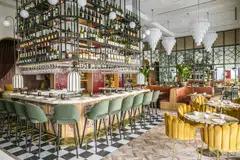
WE’VE seen many a block of hinoki in Singapore – that sweetly-scented hunk of cypress wood that tells you no pennies were saved in the making of the sushi restaurant it sits in. But it’s really rare to see a collection of Japanese indigenous materials gathered in one place – hinoki, bamboo, ancient stone – looking like they got lost on the way to a building supplies convention, or a prefectural antenna shop.
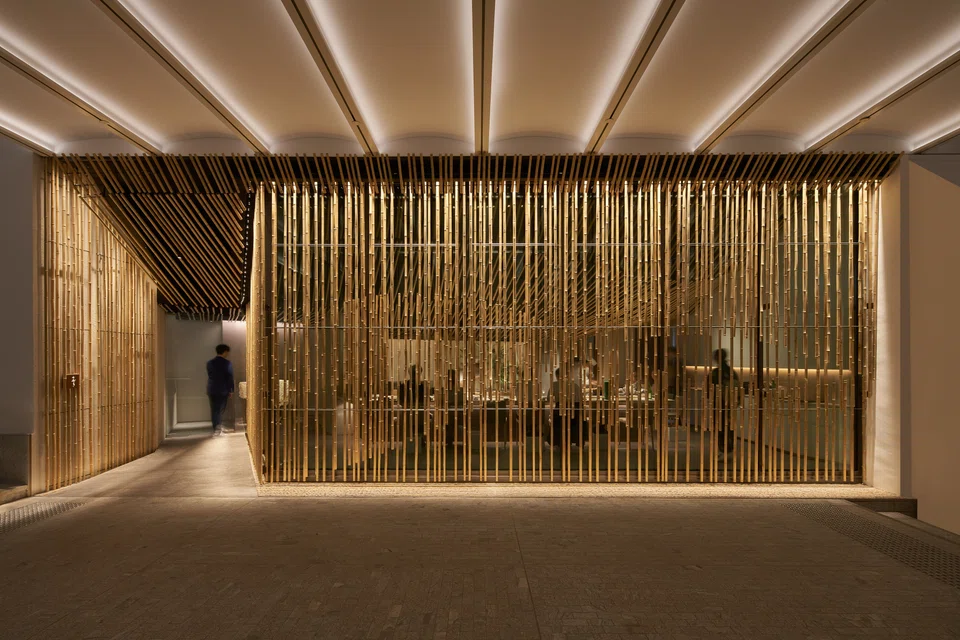
But there they are in the Kengo Kuma-designed Suzuki restaurant next to the Mondrian hotel, swathed in a curtain of ramrod-straight bamboo poles. For a generation that grew up hanging laundry on gala, why didn’t we ever think of that?
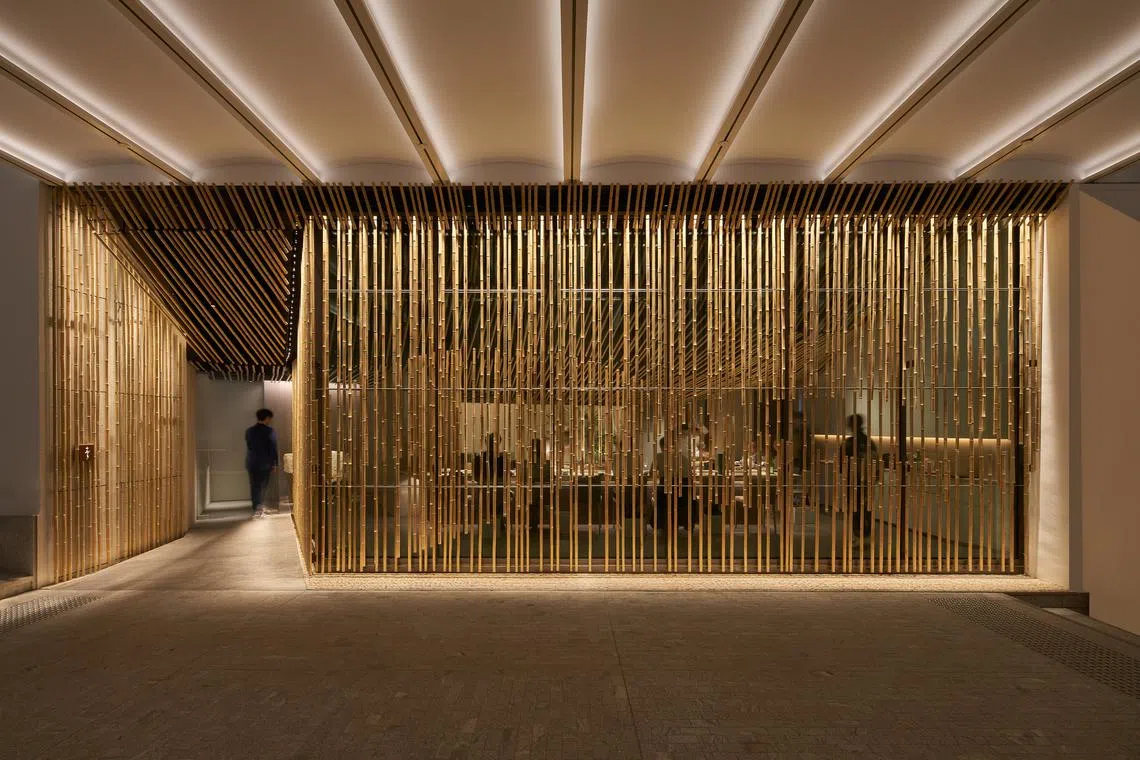
Because we’re not starchitects, the bamboo comes from Kyoto, and we’re not dusting them.
This being the only public place in Singapore – at least until the opening of the Founders’ Memorial commemorating Singapore’s founding fathers – to see a Kuma original, it’s fair to say that you’re more enticed by the design than what’s cooking inside it.

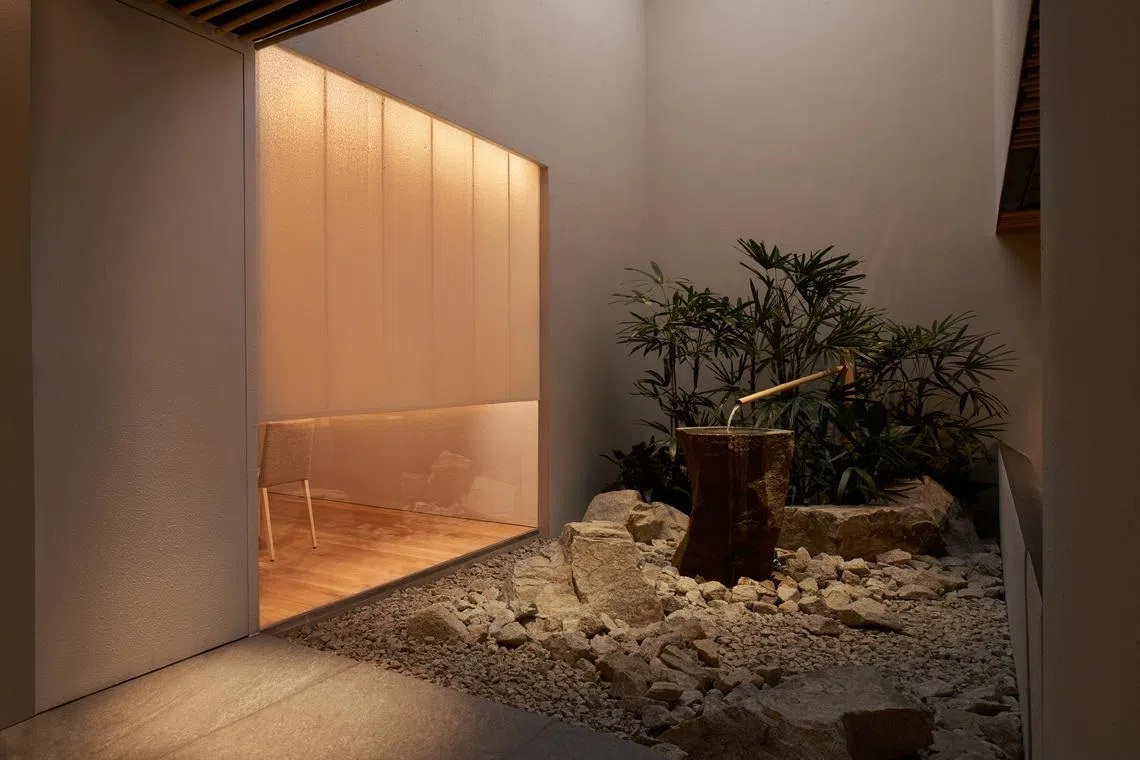
But head chef Yuichiro Suzuki – ex-Ishi – easily eases himself into the zen state of mind that Kuma’s design represents. It’s really hard to get agitated in a space that emulates a Japanese garden – unless you’re a rock from Gifu that took millions of years to grow to 600 kg, and regret relocating to Singapore for a new job as reception desk. It’s joined by an equally old piece of Nagano stone, styled like a ryokan drinking fountain, on a bed of crushed rocks and pebbles.
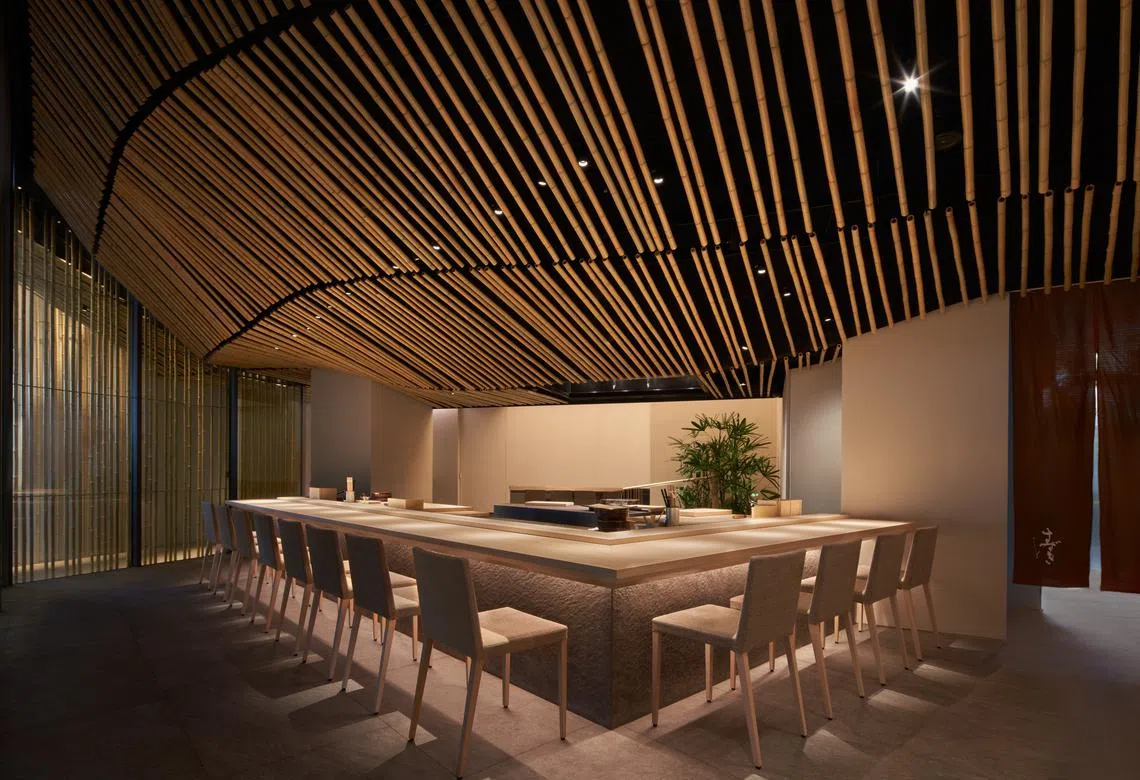
You eat on the said hinoki – all of 150 years old and a long, uncut piece, also from Nagano. Layered with the woodsy fragrance is a subtle smokiness of bincho embers and a hint of freshly shaved bonito flakes from a pile behind the chef. He uses a mix of katsuo (bonito) and maguro (tuna). Later, he gives you a taste of pure dashi before building up the intensity with kombu dashi and grilled nodoguro (black throat perch) in the wanmono (soup) course of the S$380 dinner menu.
Pricing wise, it’s not as frightening as you might think for a Kengo Kuma-stamped outlet. Suzuki is sushi-first and kappo/kaiseki second, with lunches at S$160 and S$220 before crossing into S$350 territory. Dinner can be a reasonable S$250, but as the S$380 menu is an even split between sushi and kaiseki, it’s a better showcase of Suzuki’s repertoire. You could also go for broke at S$450 and up.
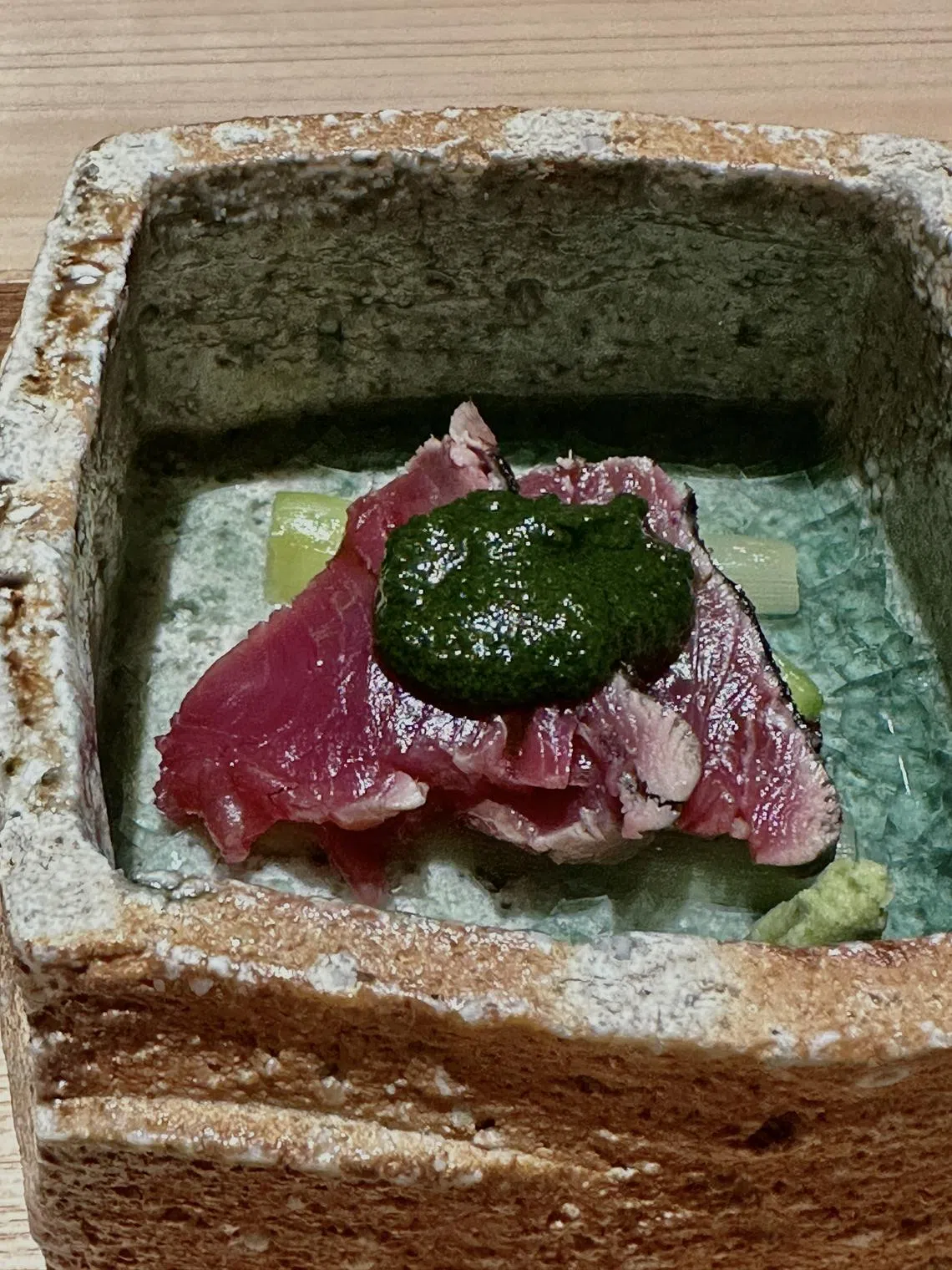
The source of the smokiness is a lightly charred raw bonito under a blob of wild sesame leaf sauce that could pass for seaweed paste. It’s ugly as heck, but it elevates the gleaming bonito slice with a vegetal, earthy, savoury and almost-spicy wallop.
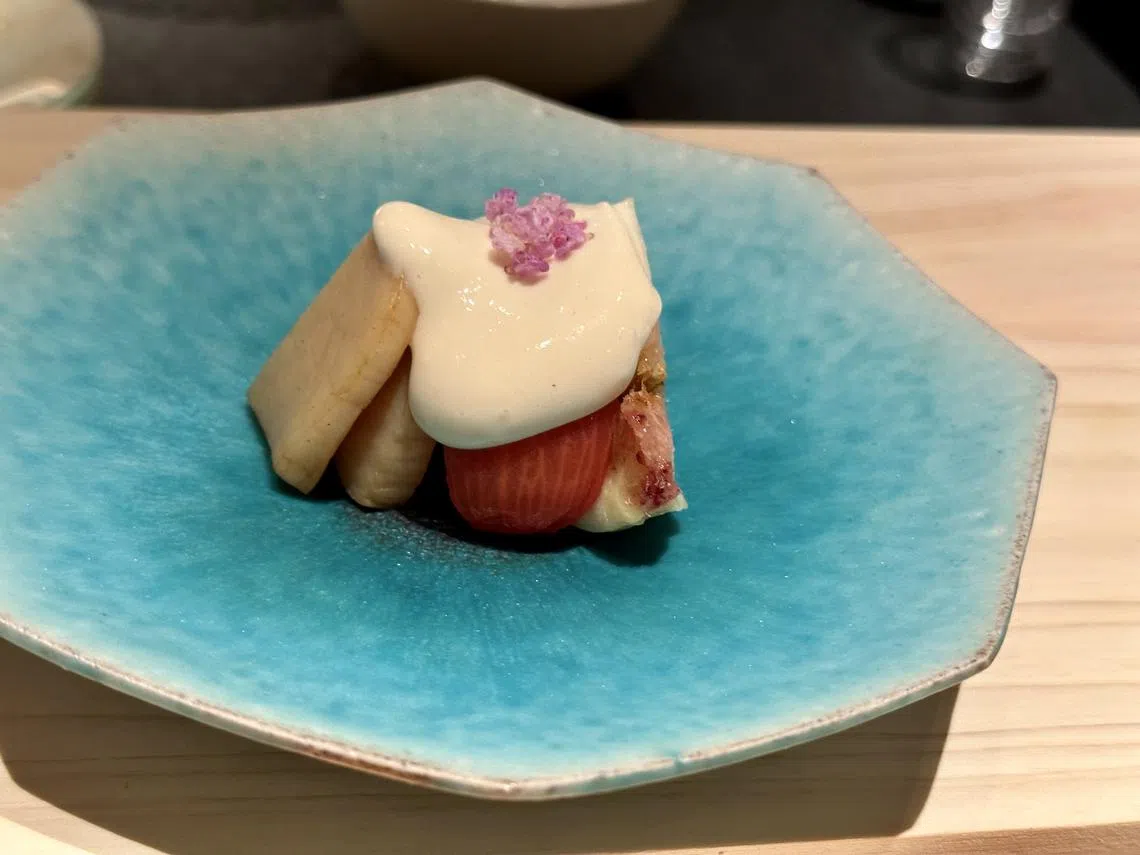
As good as Kuma is at sourcing rocks, Suzuki is no slouch at sourcing seafood. He also revives traditional recipes such as a refreshing creamy sweet tofu sauce over penshell clam, juicy Amela tomato, sweet fig and nashi.
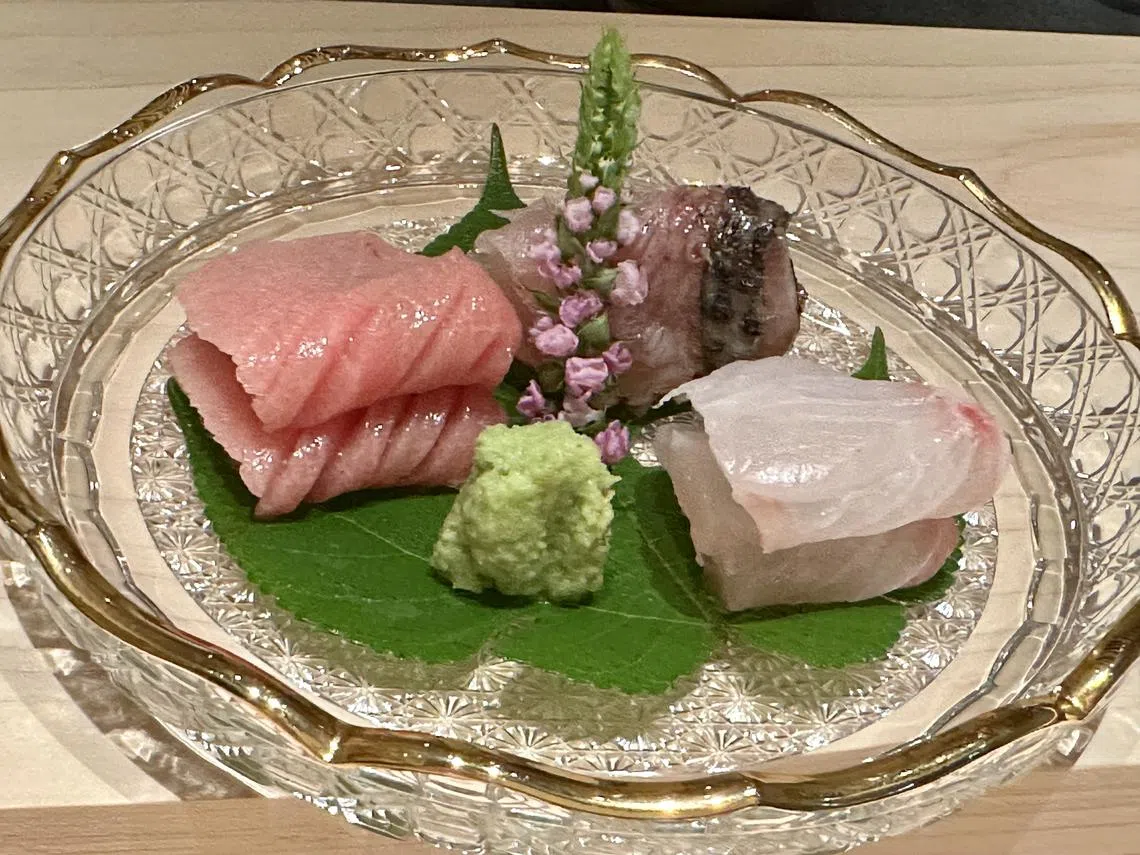
Your palate is nicely prepped for some good quality sashimi – star snapper (shibudai), chutoro, and lightly seared sea perch (kuromutsu). You get three dips – shoyu, sake-konbu infused shoyu irizake, salt and sudachi – to maximise the taste of each fish.
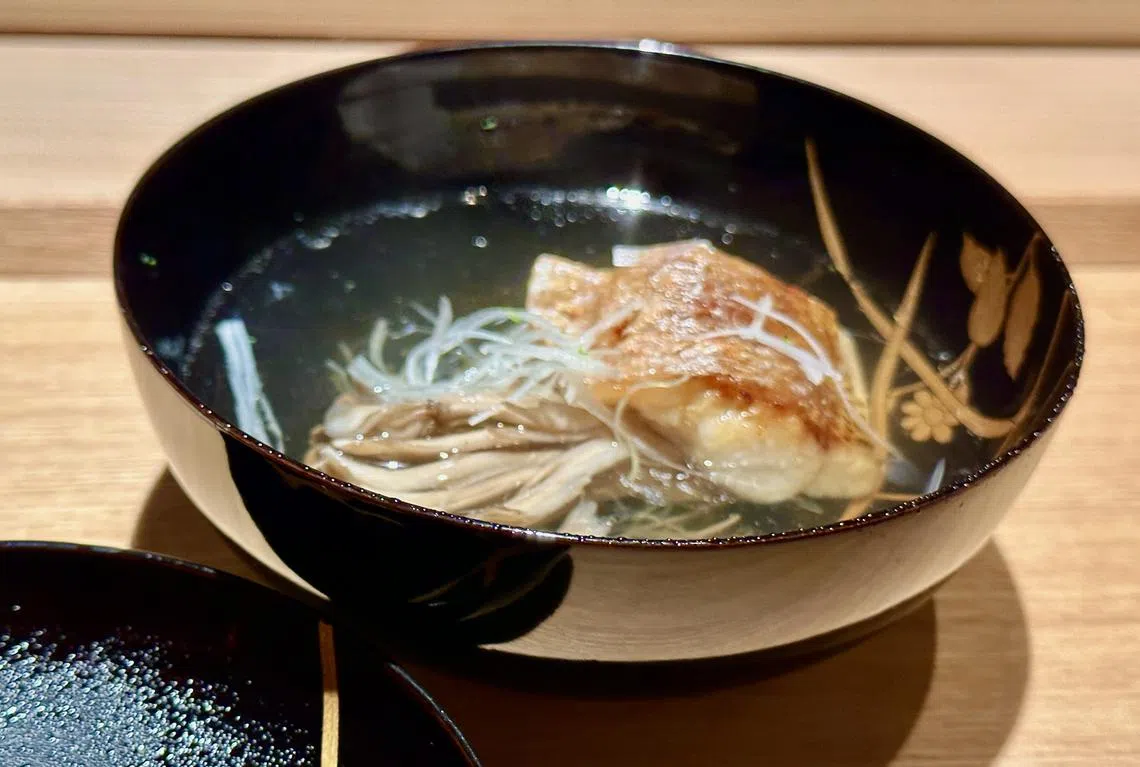
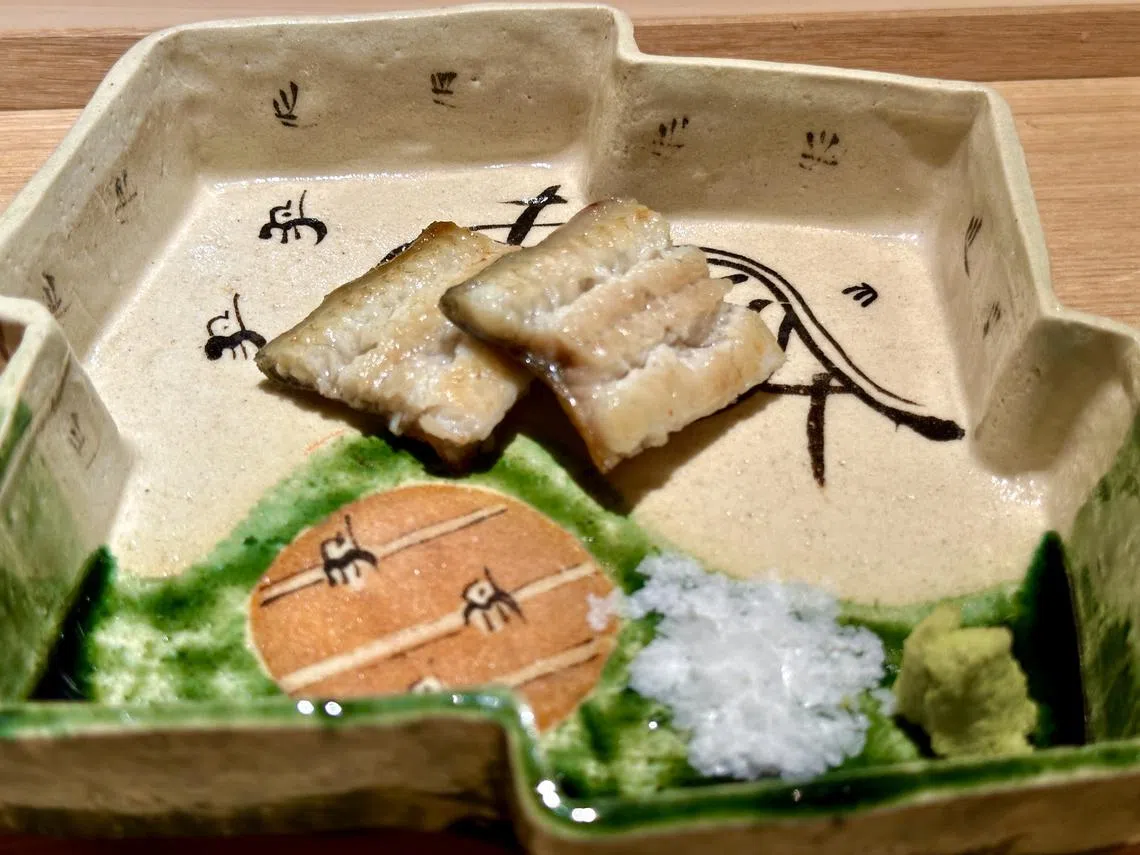
After the mini dashi masterclass, our grilled nodoguro soup is satisfying, but it’s the grilled unagi that comes later which tops it. Coming from the point where sea meets river, the eel is bouncy, with barely any muddiness. A sprinkle of snow salt and wasabi are all it needs.
For the shabu course, pick king garoupa slices over wagyu. Blanched in dashi with a hint of hojicha and spicy grated radish, dip it in tangy ponzu for a perky change over oily beef.
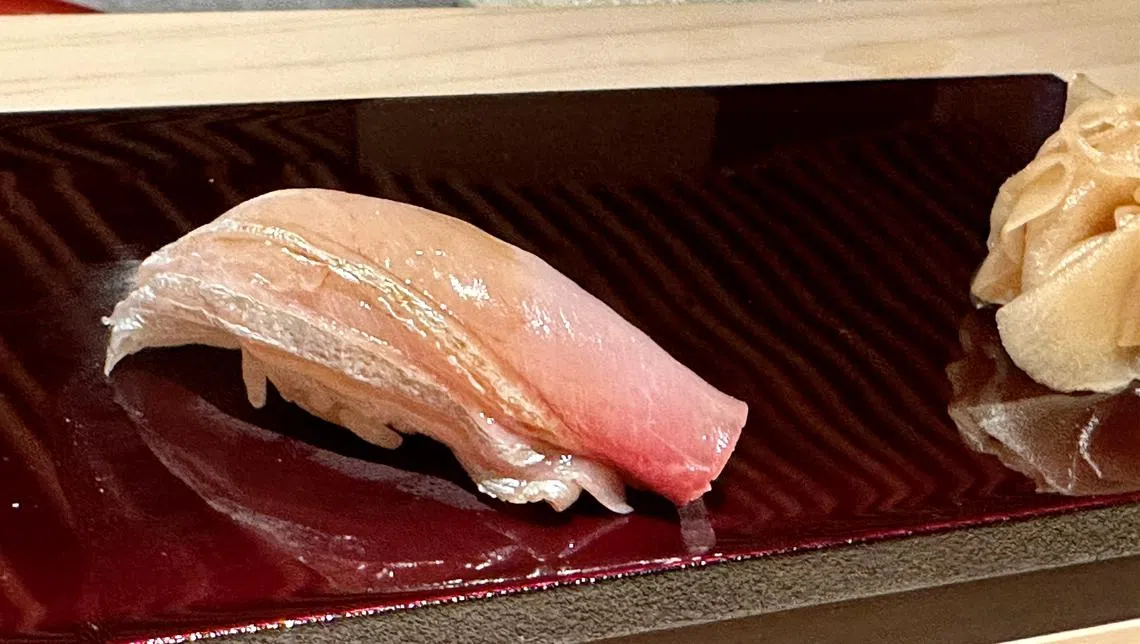
Suzuki trained in kaiseki, so he didn’t go to sushi school. He picked it up at Sushi Ishi, but it’s not his strength. It’s acceptable with pretty decent neta, but the texture, ratio and seasoning of the shari (sushi rice) doesn’t quite hit the mark.
There are a few highlights – kawahagi with a creamy layer of liver over vinegary rice and an ice cream scoop of ice-cold uni atop a hand roll.
For a sweet but predictable end, you get a peach jelly-granita followed by ice cream with Montblanc chestnut touches.
We’re told the chef is flexible with the menu, so the next time, we’d swap out the sushi for donabe, and see how he rises to the challenge.
Still, for all the competition, this design-meets-kaiseki does leave an impression. For how long, is up to the chef – and the staying power of the bamboo.
Rating: 7
Decoding Asia newsletter: your guide to navigating Asia in a new global order. Sign up here to get Decoding Asia newsletter. Delivered to your inbox. Free.
Copyright SPH Media. All rights reserved.






