Taste of modern Singaporeana at Mustard Seed
Seven years and one renovation later, the popular restaurant is still thriving on its own terms
RESTAURANT REVAMP
Mustard Seed 75 Brighton Crescent Singapore 559216 Open for dinner Tues to Sat: 6.30 pm to 10.30 pm. Lunch on Fri and Sat: 12 pm to 3 pm
[SINGAPORE] Under the laws of the jungle – also known as Singapore’s food and beverage industry – Mustard Seed should not be around today. At best, it would have enjoyed a year or so of novelty-driven popularity before succumbing to the chronic disloyalty of local diners. By now, it should be pivoting – hiring a PR agency to host influencers at its newly revamped mass-casual bento-bak-kut-teh concept.
Not quite.
Mustard Seed opened in 2019. It’s still inflicting PTSD on diners who stake out its website the first day of each month, watching slots evaporate before their eyes. After Covid, chef Gan Ming Kiat’s “without fear or favour” policy – and our slow fingers – kept us away. If there are loopholes, we don’t know them. By the time we succeed, we step into its Serangoon Garden premises not triumphantly, but with a self-pitying “do you know how long it took us to get in?” whine.
Gan – who opened his modest eatery with his then-girlfriend-now-wife and one other partner – may just be a freak of nature in the F&B business. One who never chased publicity, followed his own vision – he doesn’t even talk very much – yet succeeded on his own terms. Mustard Seed is small enough – 15 seats before and 22 now – to manage. But seven years of this shows he is no flash in the pan. If there’s a formula, it should be bottled and mailed to all Singaporean chefs.
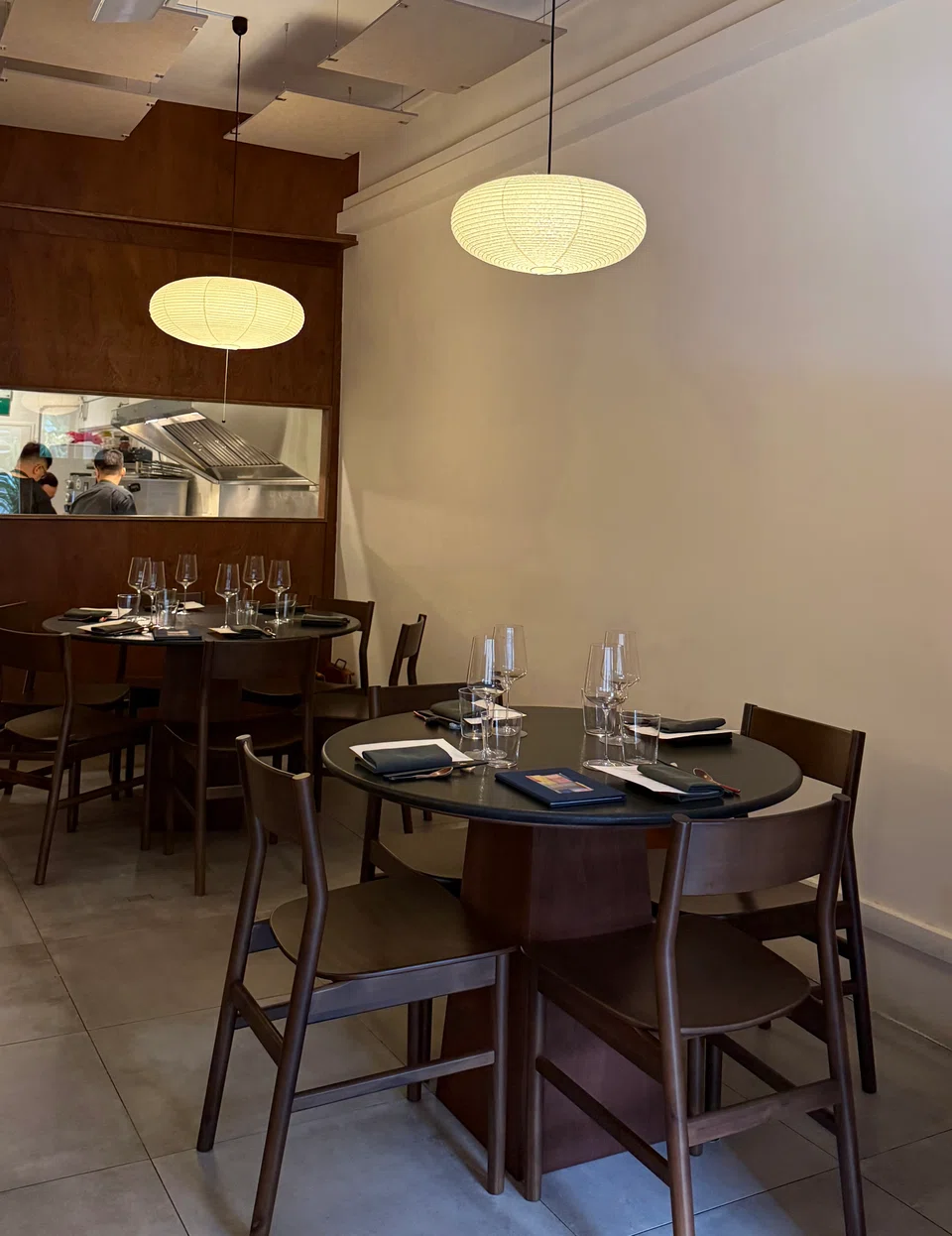
Even now, we don’t know how he does it. While the food hits all the right notes, it doesn’t quite knock it out of the park. A recent renovation gives it a new layout with more seats, but it’s more suburban-cosy than downtown-stylish. There are more people in the kitchen now, including Gan’s new chef-partner Desmond Shen. He brings perspective and detail, but without distracting from the familiar.
When you pull it all together, you see the whole picture. This is a slice of modern Singaporeana, for the modern Singaporean. Not something styled for show or international recognition – just Gan and his team comfortable in their own skin and confident about it.
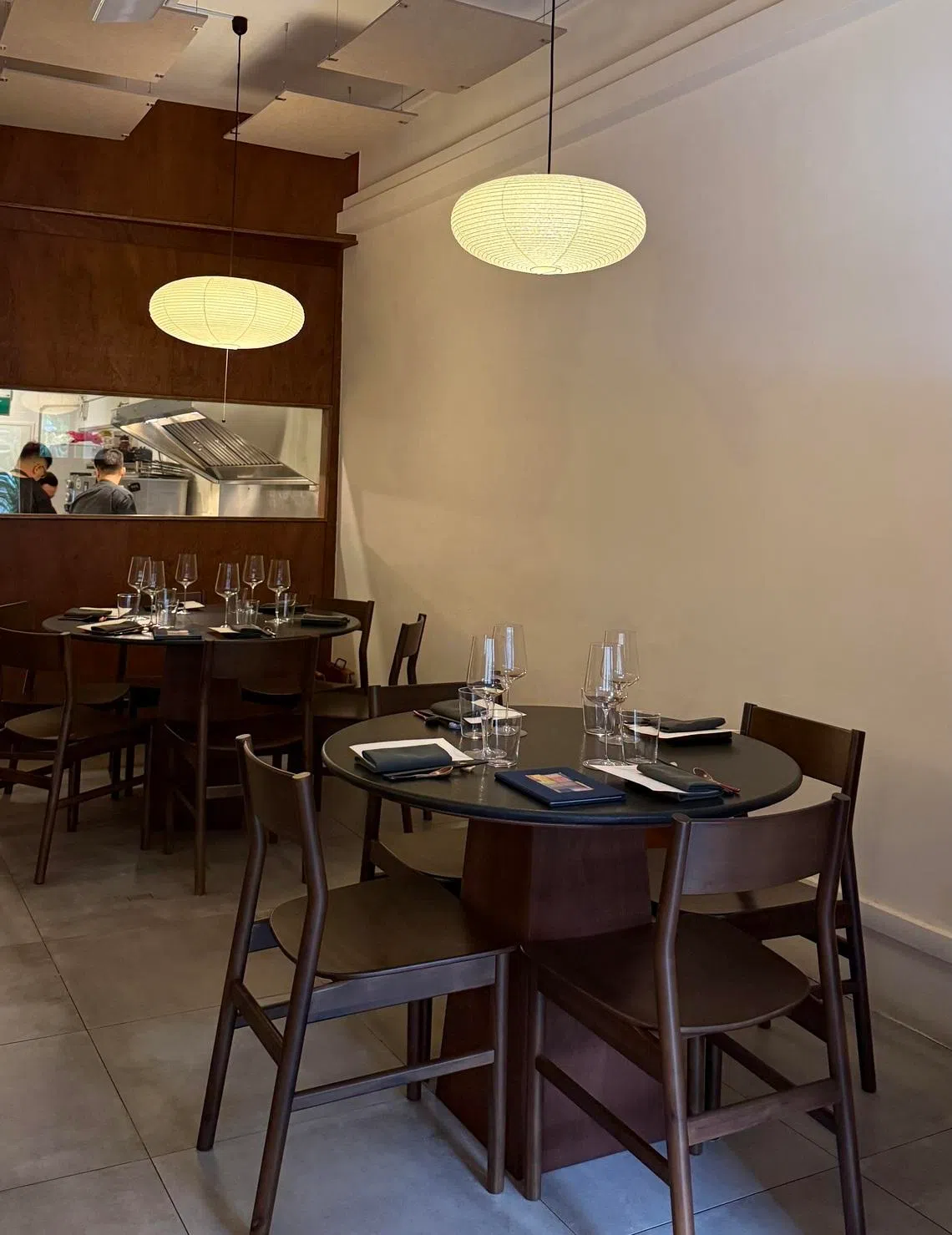
The cooking – driven by Gan’s training in Candlenut and Japanese restaurant Goto – has evolved. There are more moving parts, with some fine-dining vernacular thrown in, but it still stays within his original “I cook what I want to eat” philosophy. It just so happens that it’s what we want to eat too.
SEE ALSO

Incidentally, prices have come down after the renovation. Tasting menus cost around S$238 last year – it’s now S$188 for eight courses, plus an optional scallop otah (S$26) which you should add.
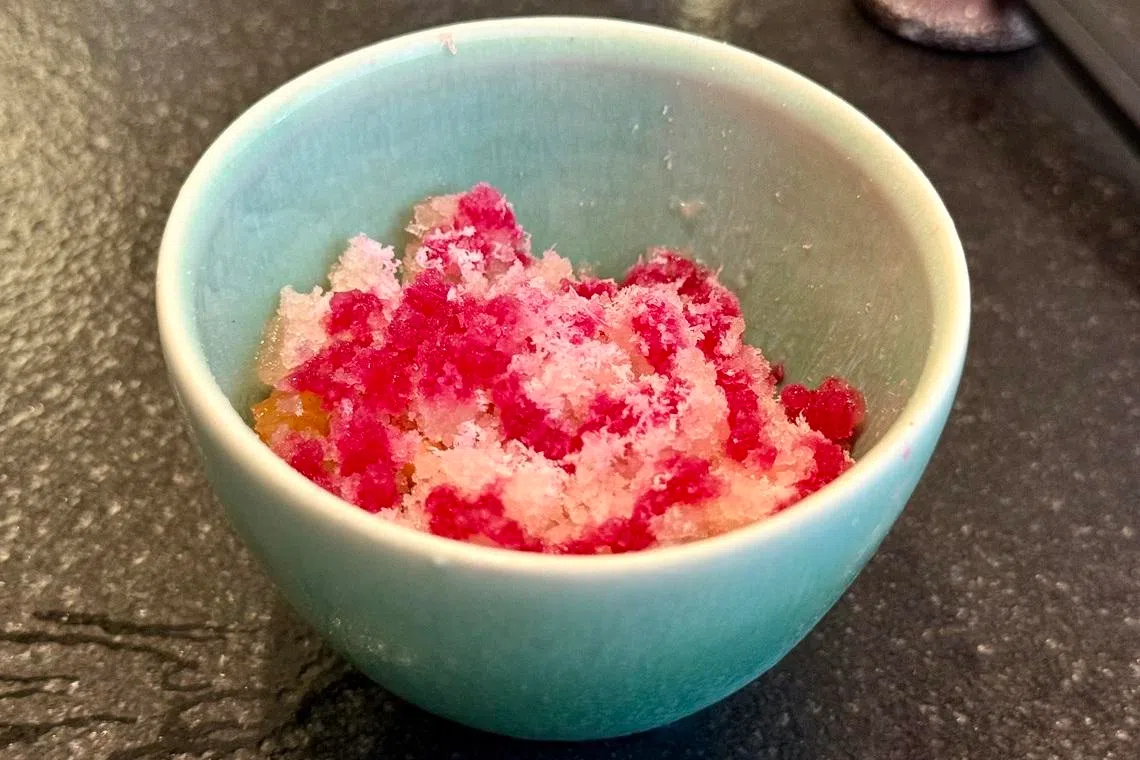
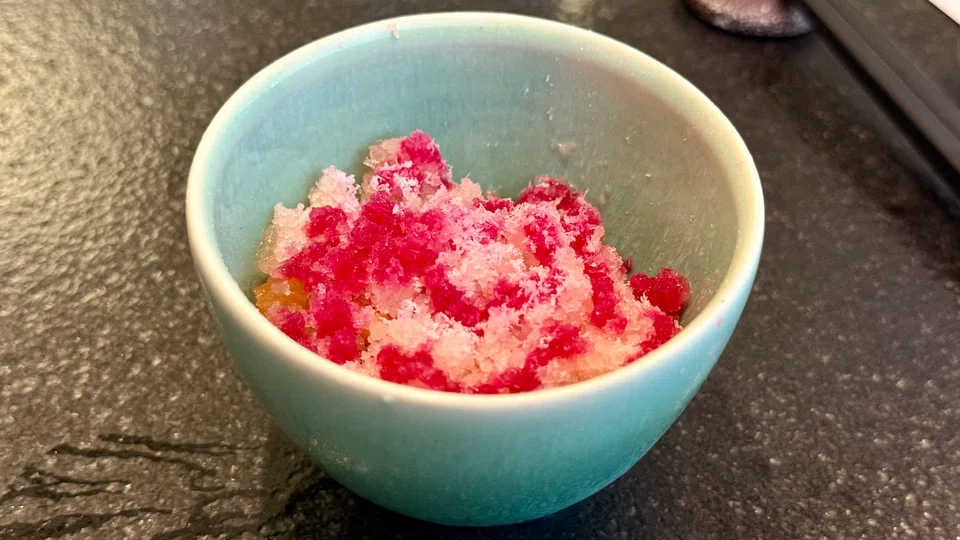
Rojak ice kacang already sets you on the right path and mood. Close your eyes, and you taste rojak – mixed fruit, prawn paste, crushed peanuts. Open your eyes, and you see ice kacang, drizzled with beetroot juice instead of syrup. Playfully confusing, cleverly executed.
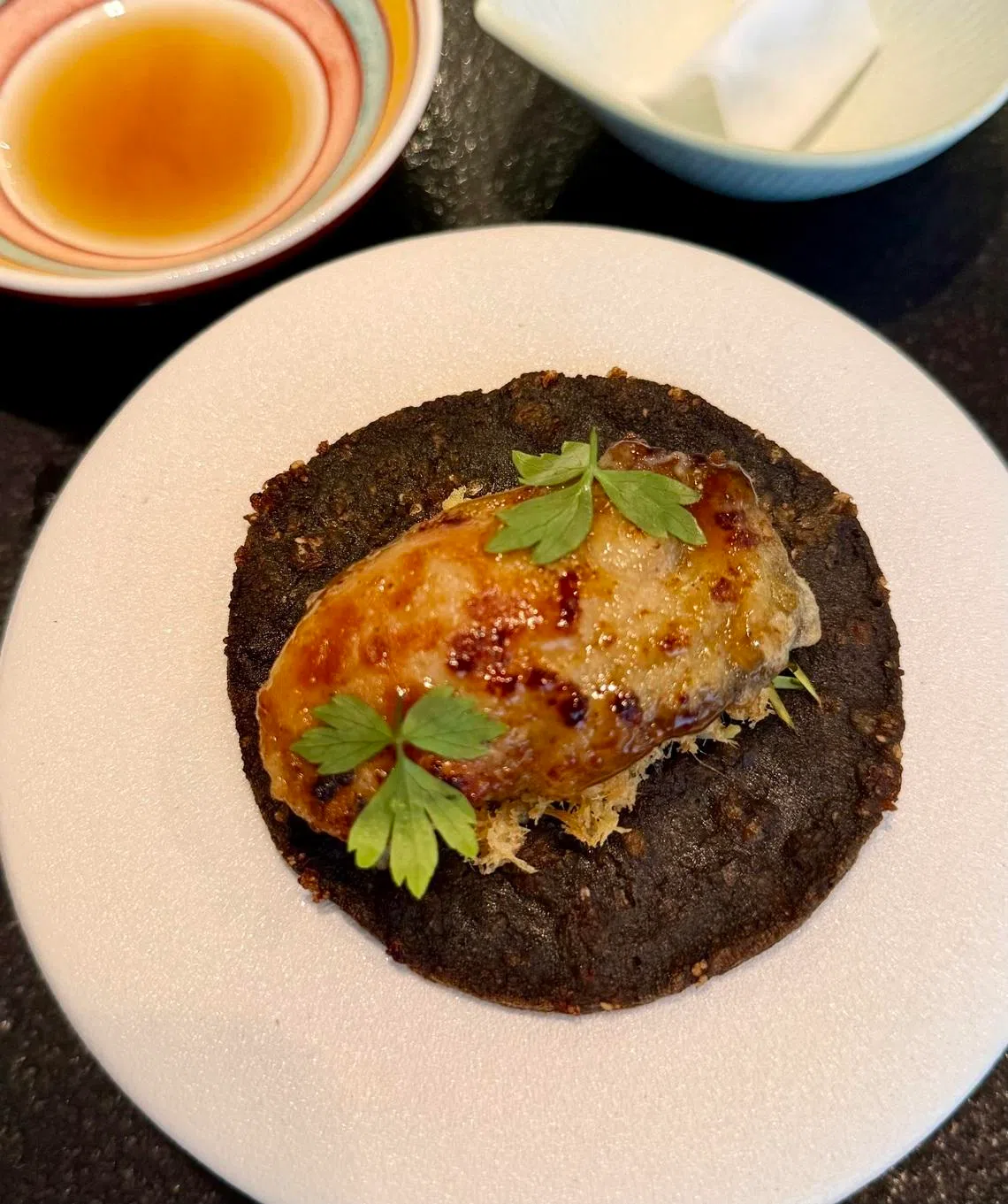
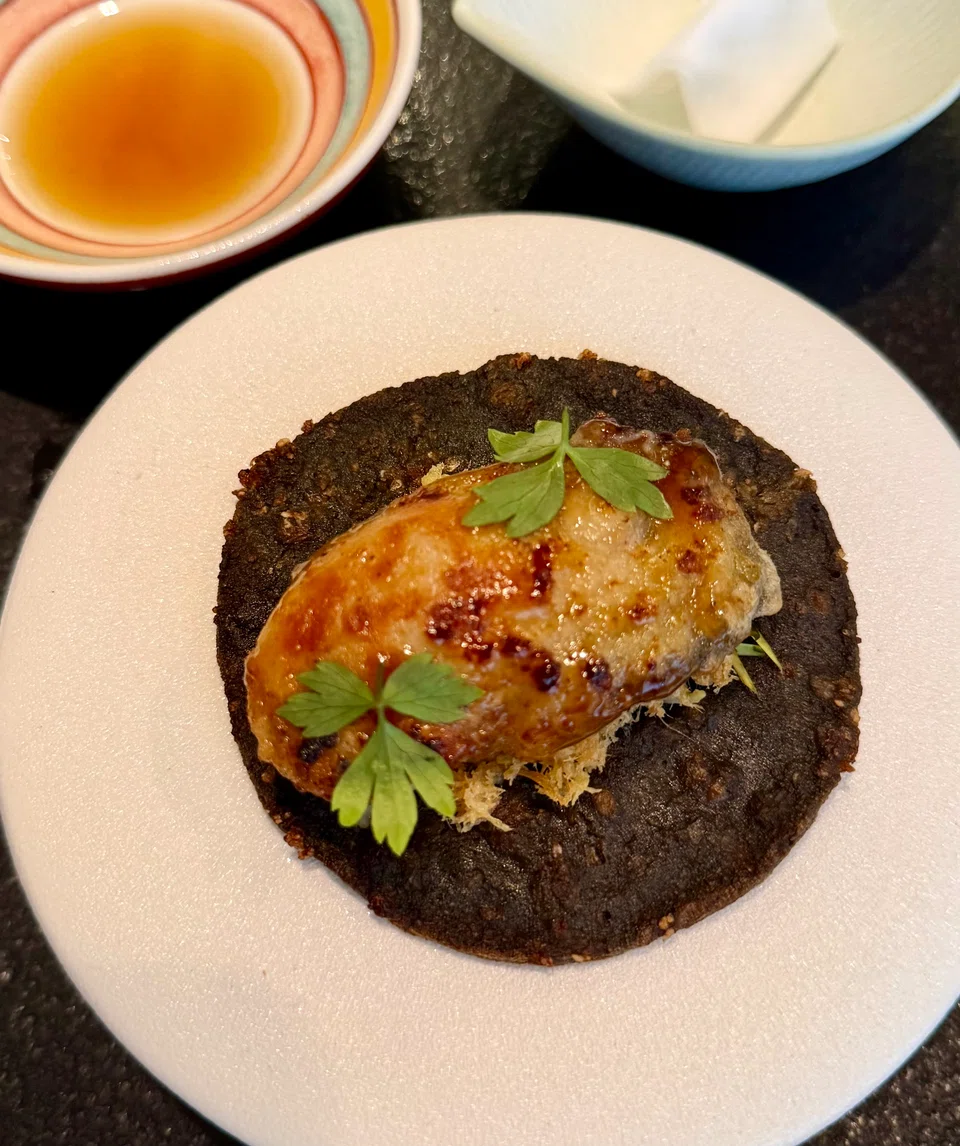
Meanwhile, Gan sends our oyster omelette on a jaunt through Myeondong market and it returns as a buckwheat jeon wrapped around a large pan-fried Iwate oyster. Preserved radish and crispy egg floss join in, and you dunk this into a tangy sauce for an ugly, delicious bite.
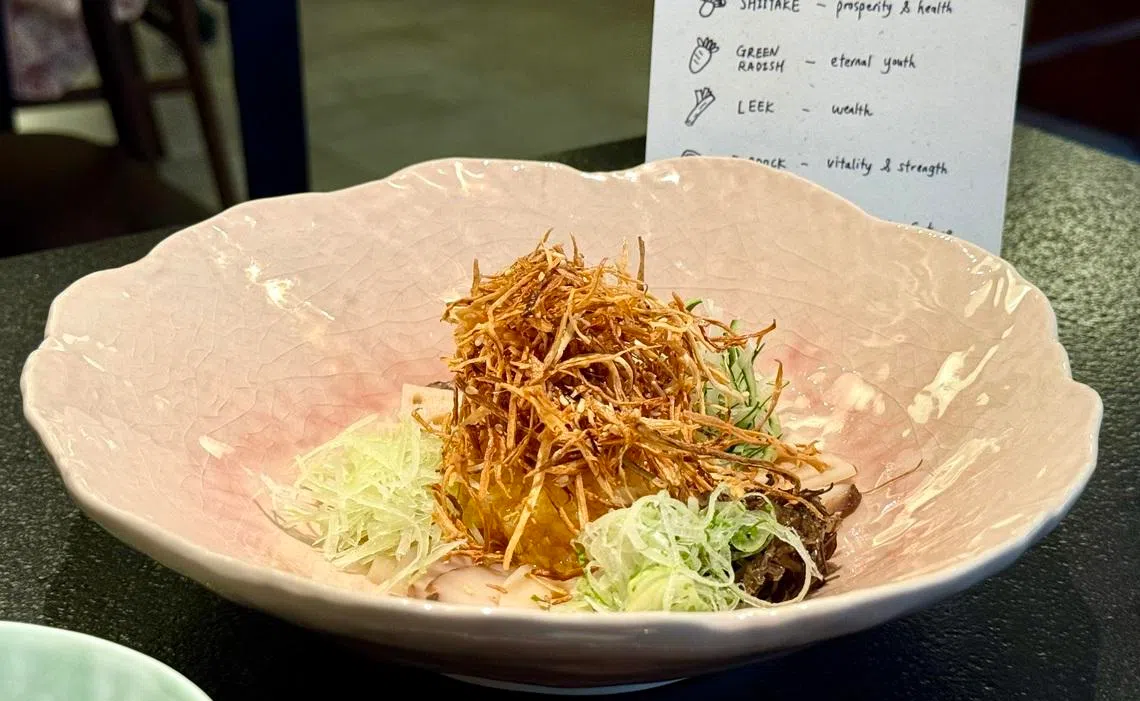
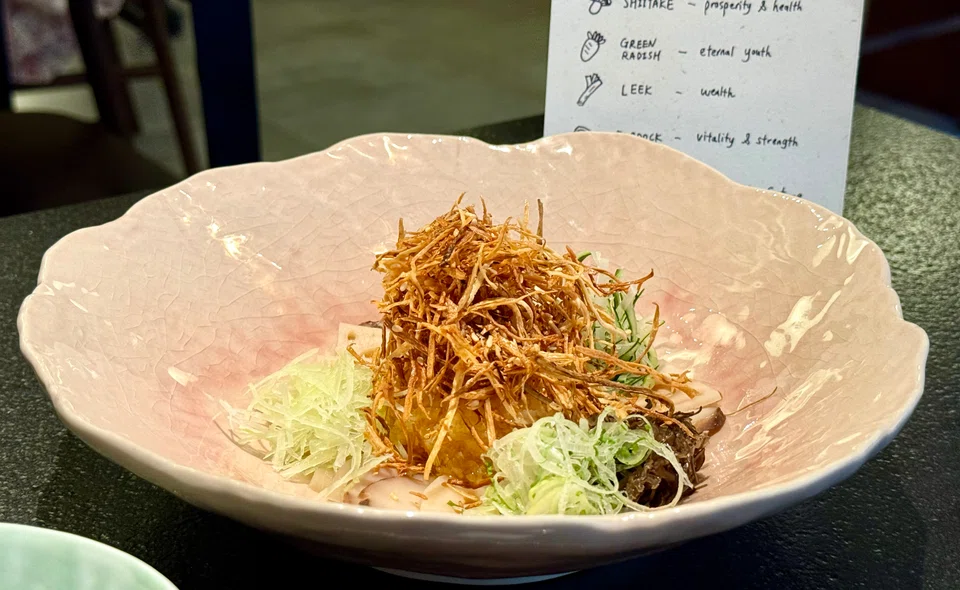
Missing lohei already? Prosperity chicken salad has a laundry list of ingredients from fried burdock to lotus root and leeks for you to toss with poached chicken slices and a sweet kumquat sauce. You could also shout out the various prosperous meanings for each ingredient, but let’s not get carried away.
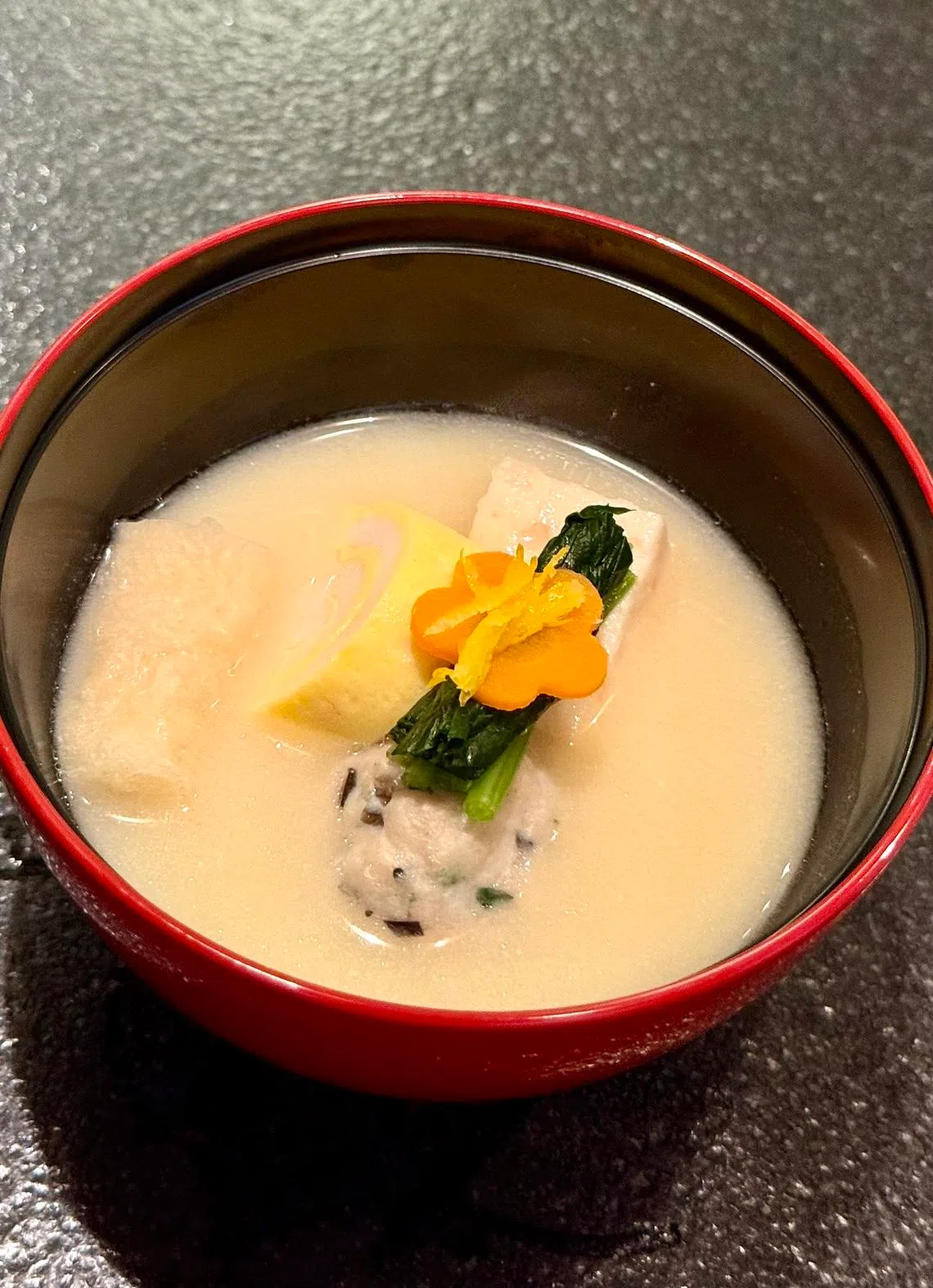
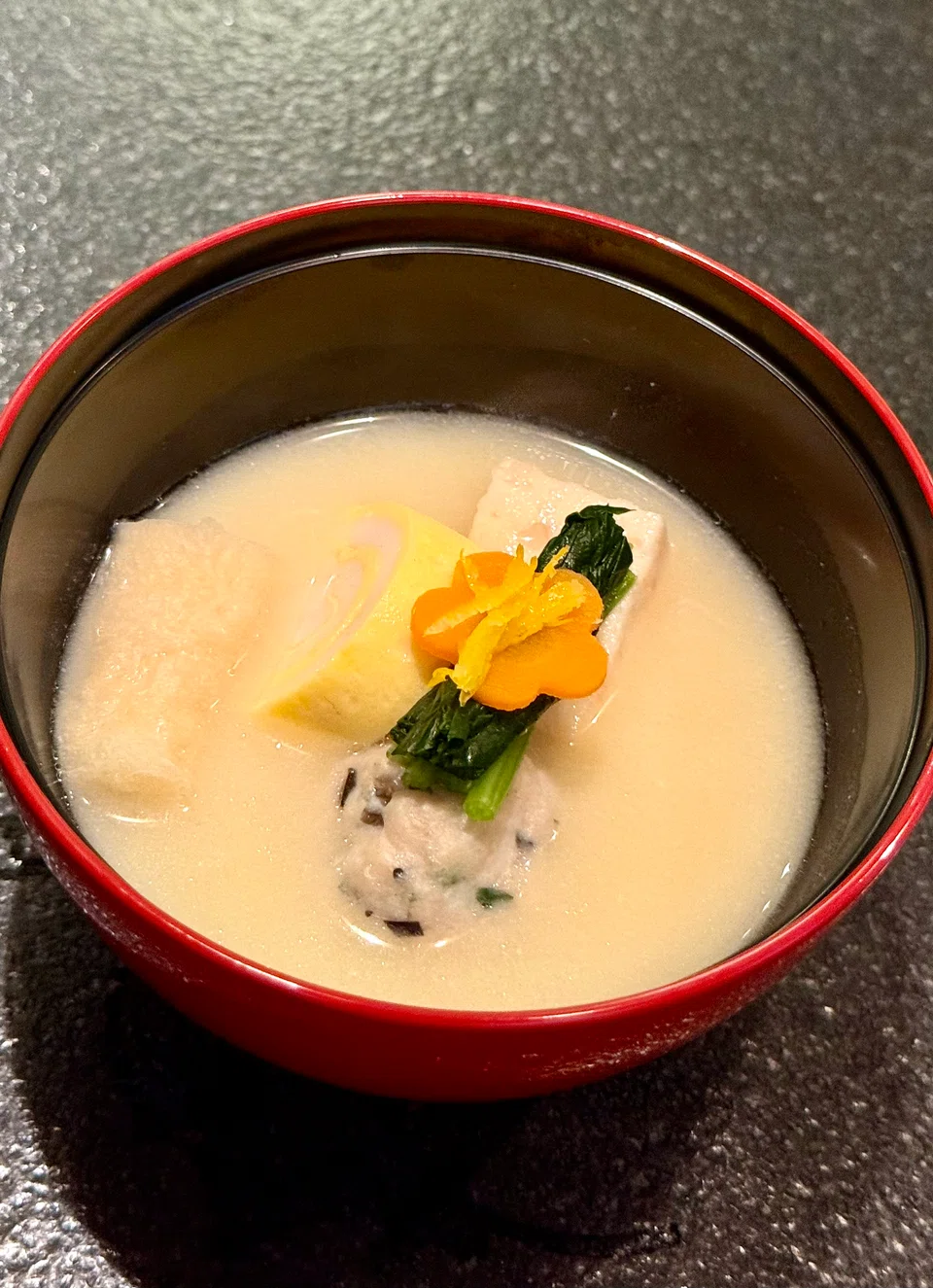
Besides, there’s still New Year’s soup to follow. On the one hand, it’s a Japanese ozoni or white miso broth; on the other a Peranakan hee pio soup with a homemade pork ball and fish cake. Gongxifacai or akimashite omedeto? You decide.
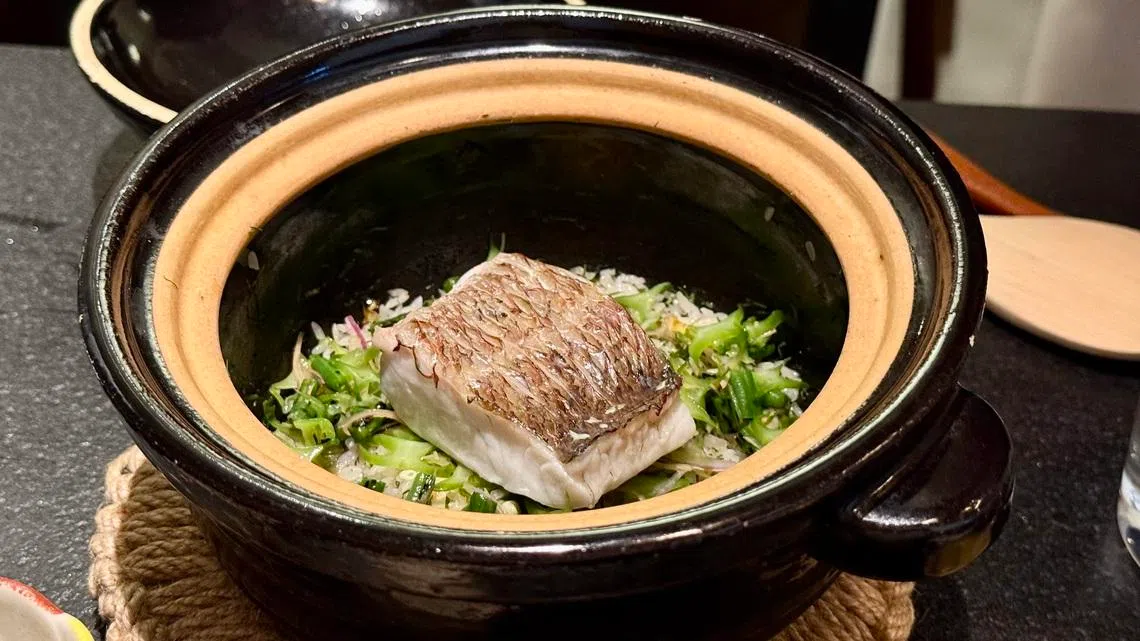
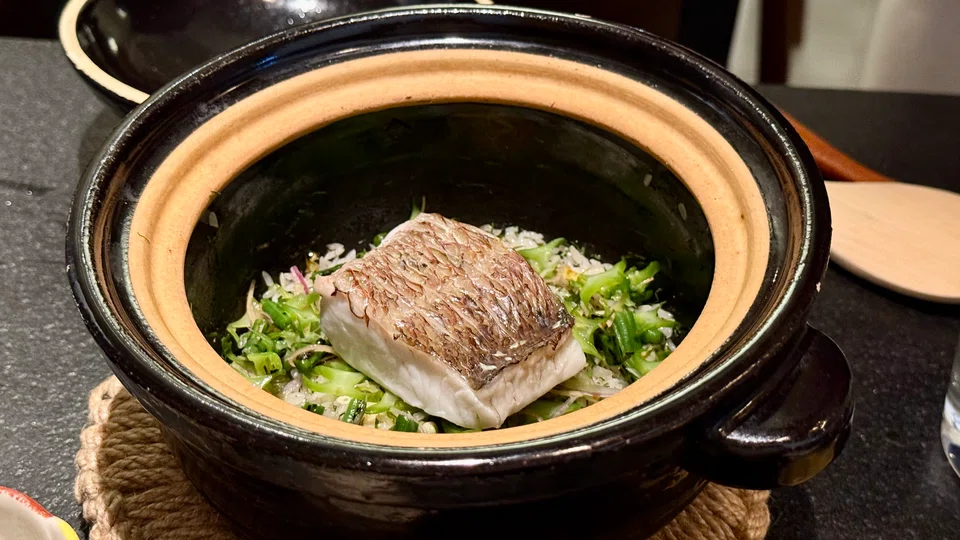
As a last savoury flourish, nasi ulam donabe-style offers fragrant herbs mixed in short-grain basmati rice – light and fluffy grains beneath a perfectly cooked fillet of Japanese sea bream.
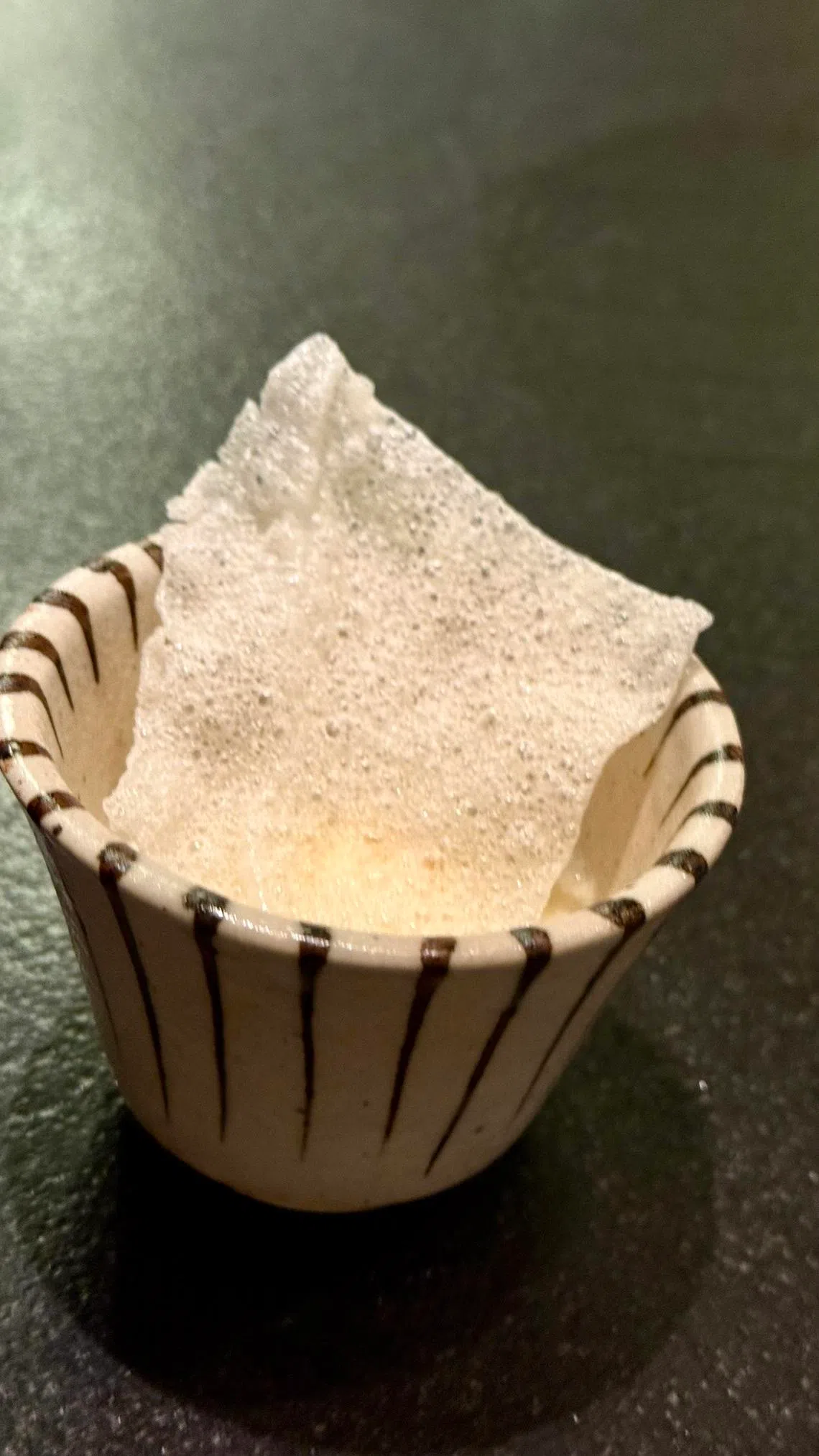
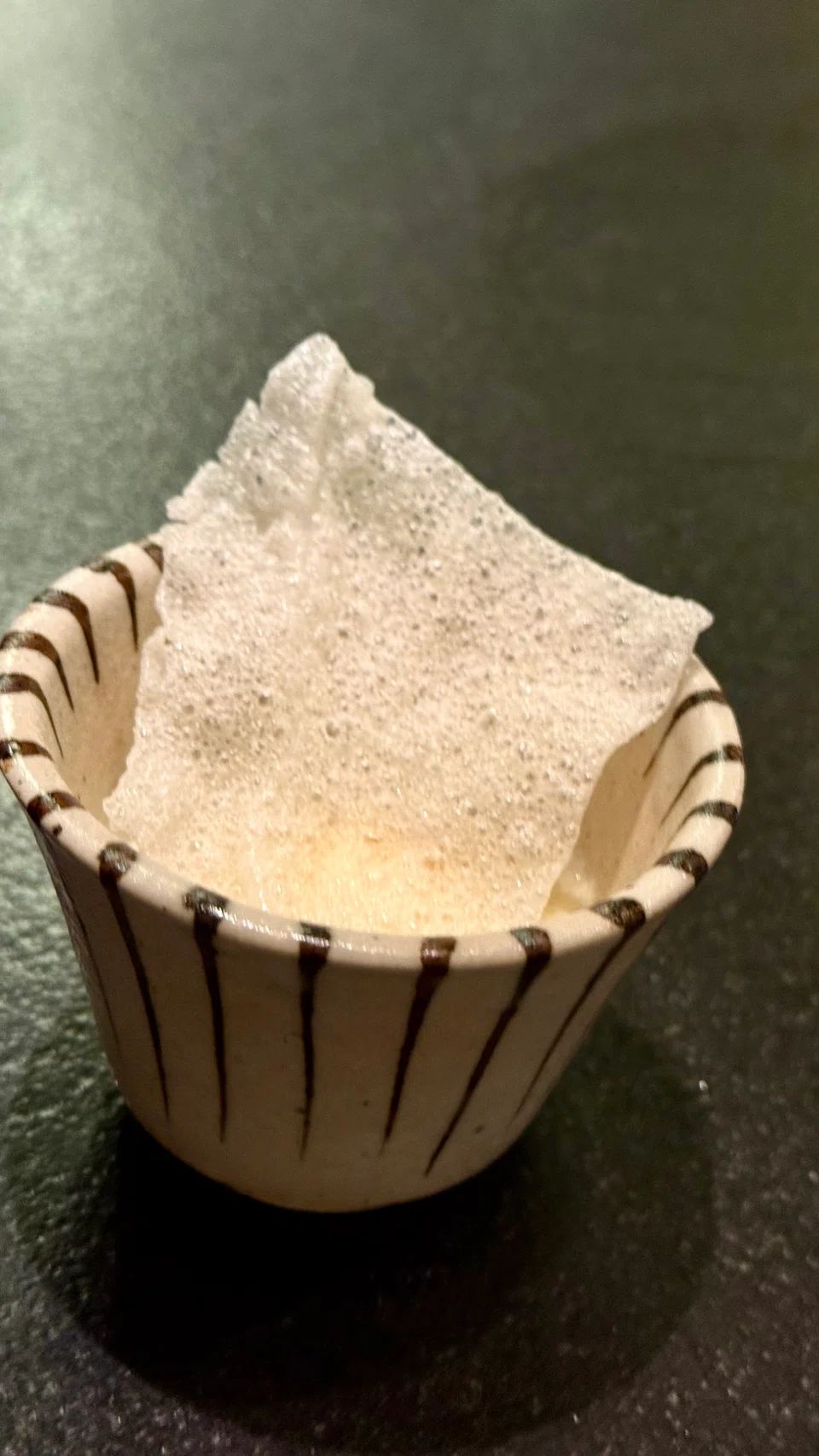
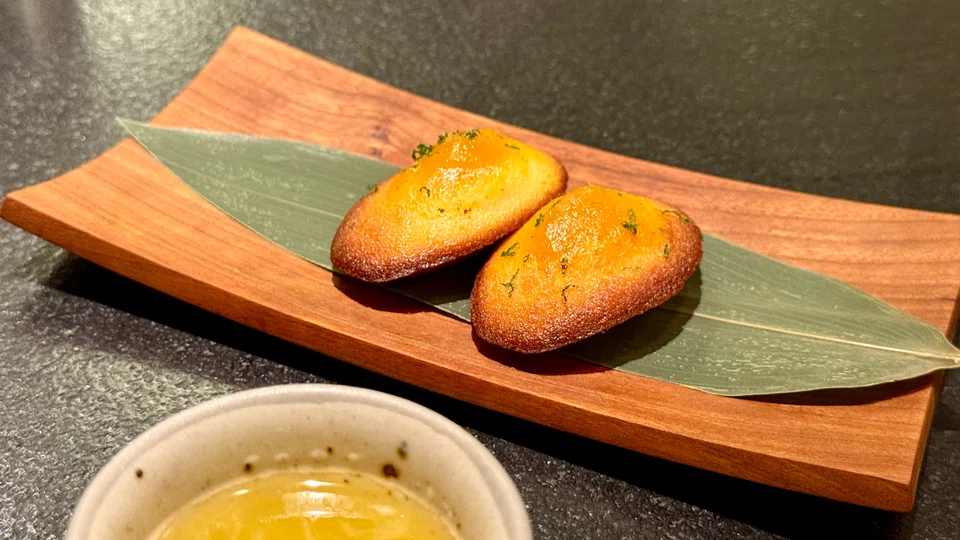
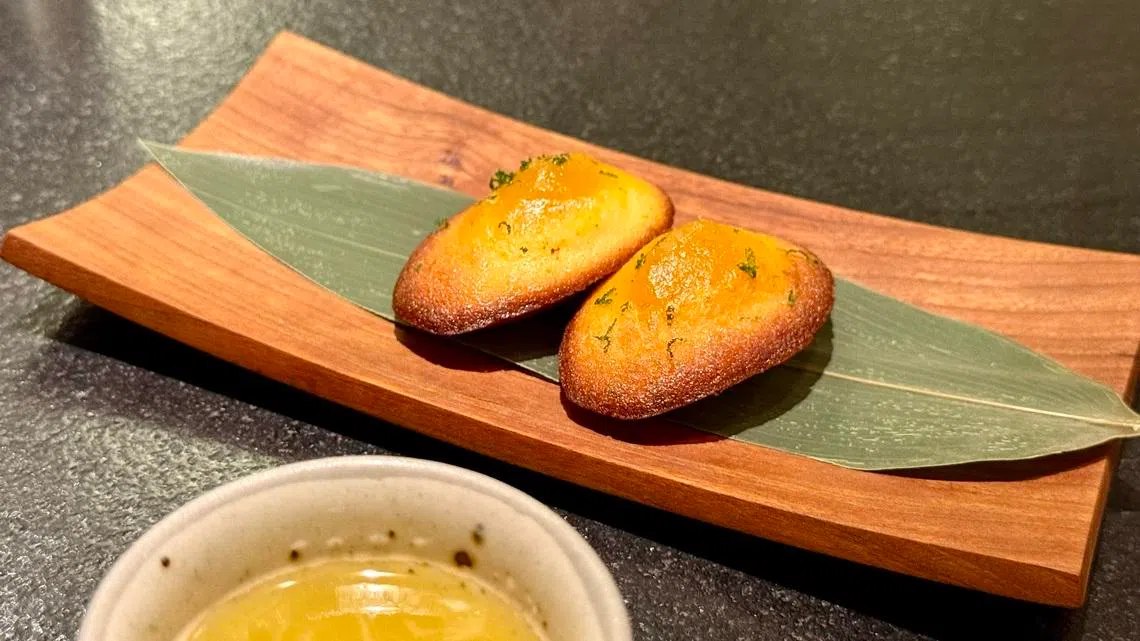
Finishing off is dessert of mochi balls in amazake syrup with sake lees ice cream, topped with a whisper of rice cracker. This rice parade is followed by freshly baked madeleines topped off with sticky pineapple jam – bringing the meal back to its Chinese origins.
Beyond the food is the unassuming hospitality of this family-like operation. Front-of-house is run by Yelicia, Shen's spouse. Gan himself serves, with the same down-to-earth air he’s shown from the start. His wife is expecting and resting at home. Together, they epitomise a Singapore story of warmth and good food that diners connect with. Now that it’s slightly easier to make a booking, we have a better chance of watching Mustard Seed strengthen its roots.
Rating: 7.5
Decoding Asia newsletter: your guide to navigating Asia in a new global order. Sign up here to get Decoding Asia newsletter. Delivered to your inbox. Free.
Copyright SPH Media. All rights reserved.