

Travelling for food: Culinary tourism is on the rise
From Michelin-starred restaurants to close encounters with indigenous food producers, luxury travellers are planning their itineraries around dining experiences
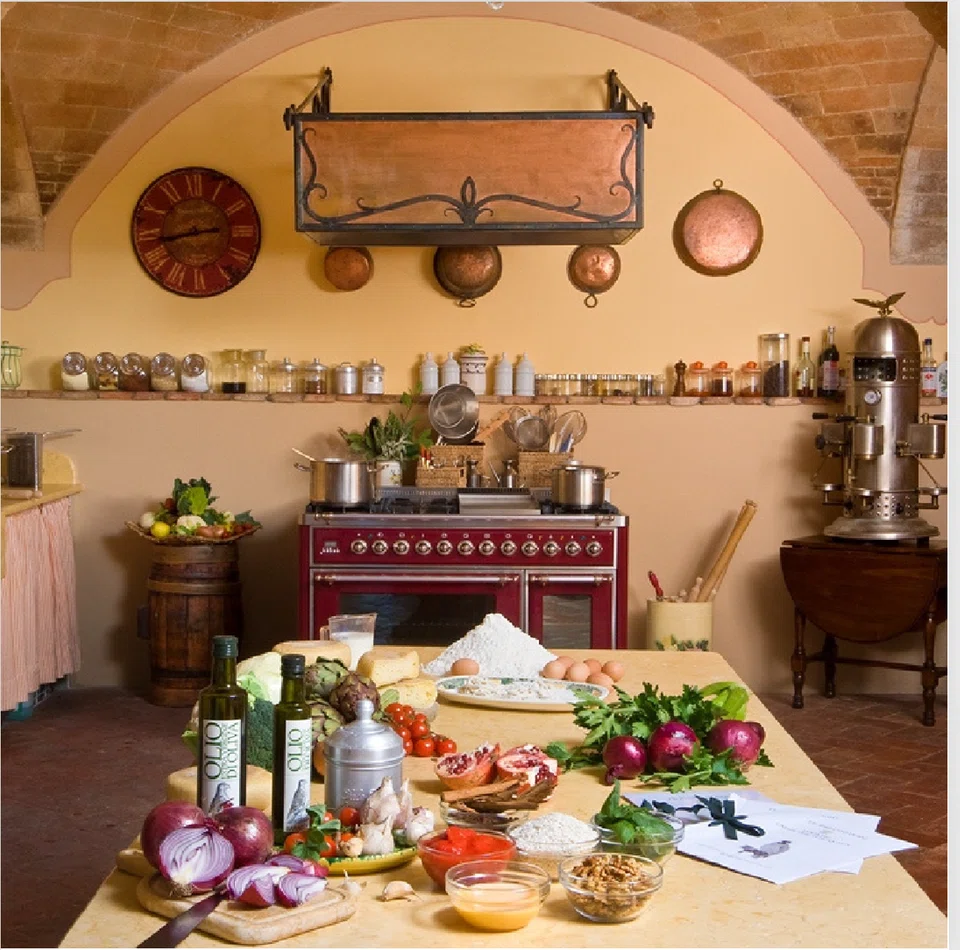
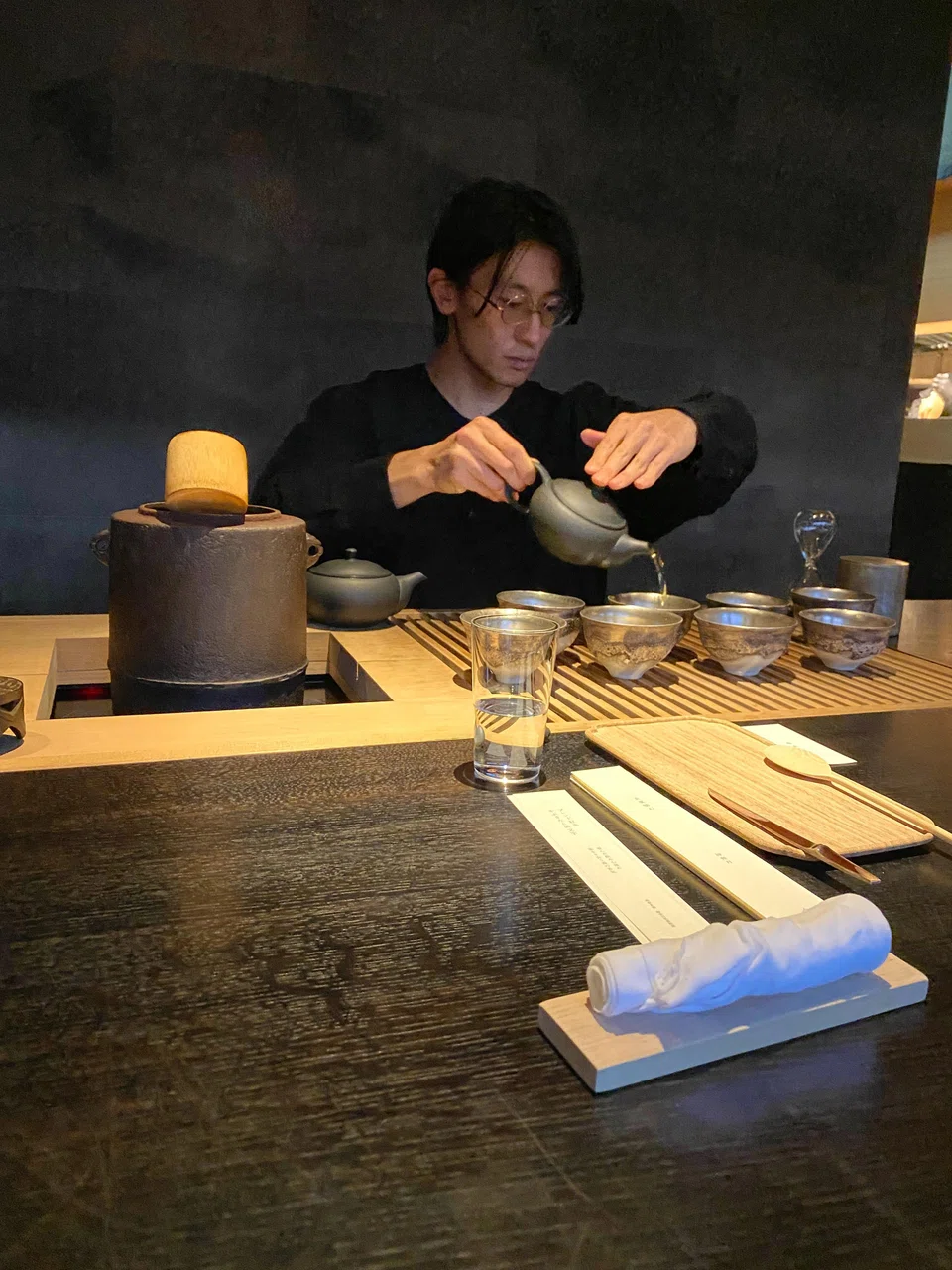

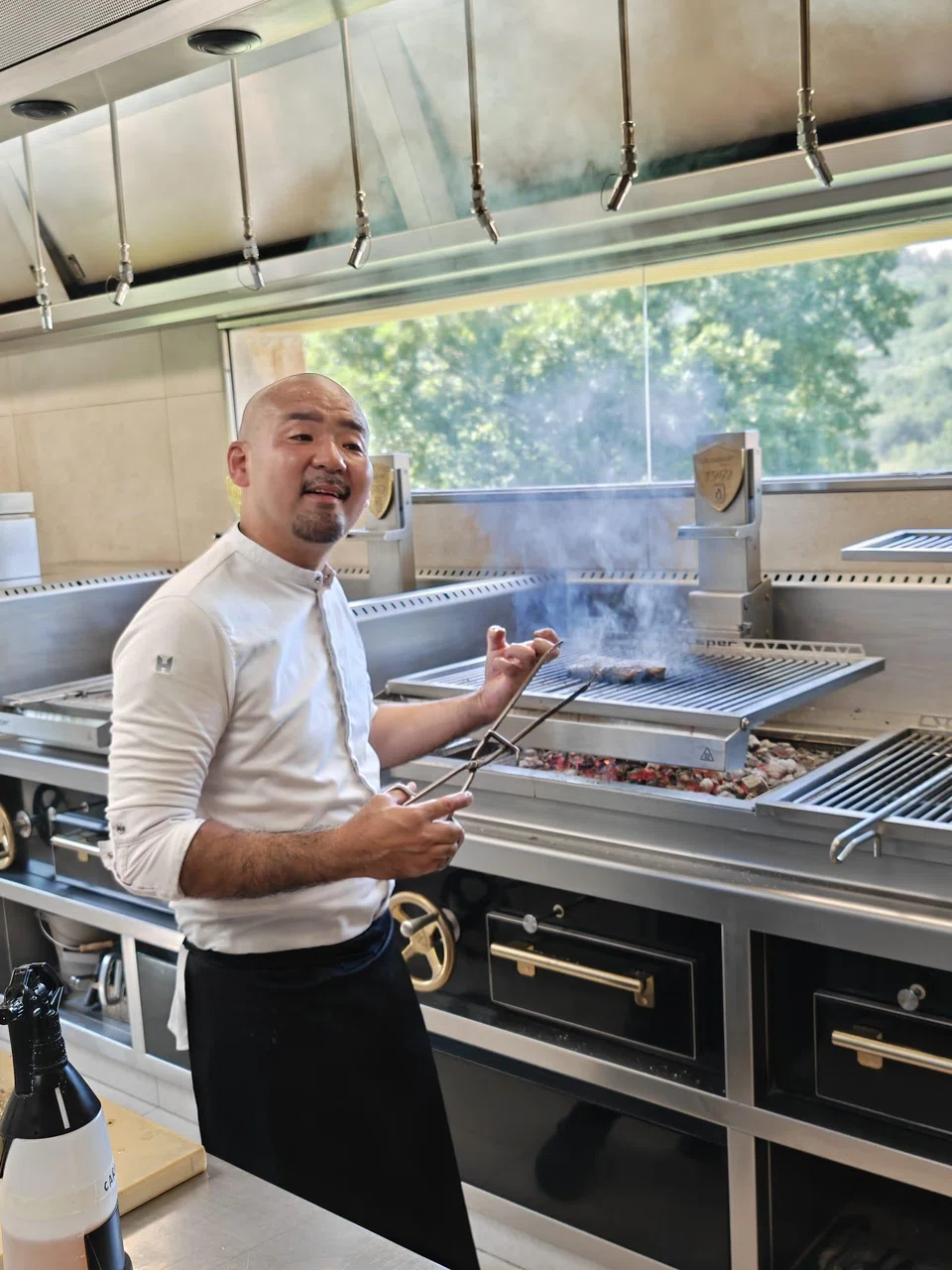
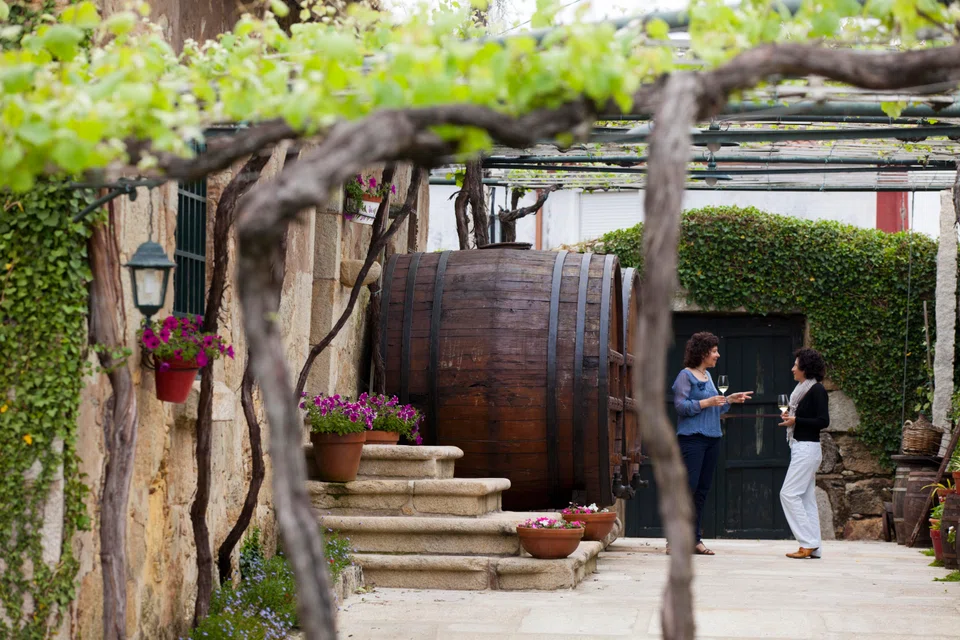
IMAGINE visiting a museum after-hours, followed by dinner prepared by your own chef. Or staying in a historic castle or wine estate, sharing a meal with its owners or winemakers. And how about private, after-hours access to Michelin-starred restaurants, including a personal kitchen tour by the chef?
Join the legions of food-lovers who are making culinary travel one of the strongest drivers in luxury tourism. Research by hotel groups such as Hilton and Marriott, as well as marketing agency TravelBoom, show that food is now a primary motivation for travel – not just a side activity.
The founder of luxury travel operator Gourmet on Tour, Judith von Prockl-Chng, has seen this shift first-hand. Her 26-year-old Singapore-based company has fielded an almost 30 per cent jump in enquiries and bookings in the past three years, compared with the immediate post-pandemic period.
Travellers are no longer satisfied with traditional sightseeing, she says. “Many want a deeper connection with the destinations they visit, and food has become one of the most meaningful ways to experience local culture.”
Paying for the privilege
High-net-worth travellers are particularly prepared to spend on unique gastronomic experiences, says Jess Yap, co-founder of luxury travel specialist Intriq Journey.
A six-hour dining experience at Central in Lima, for example, starts at US$1,000 (S$1,282) a head.
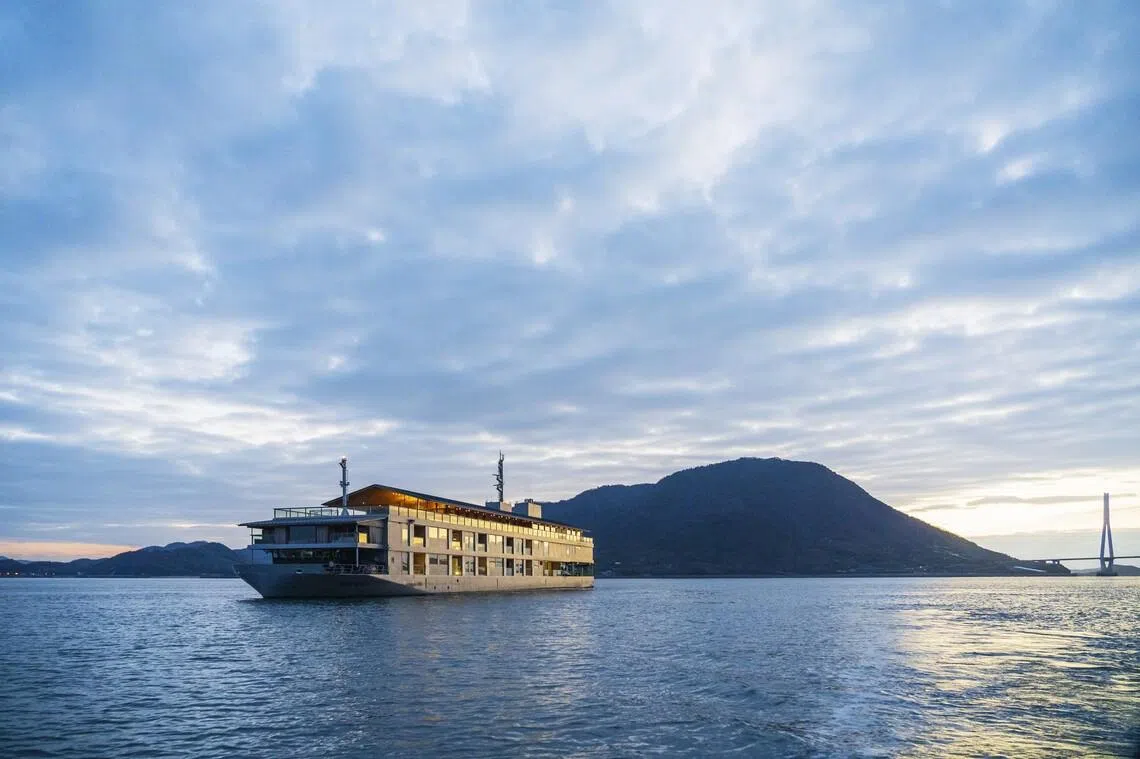
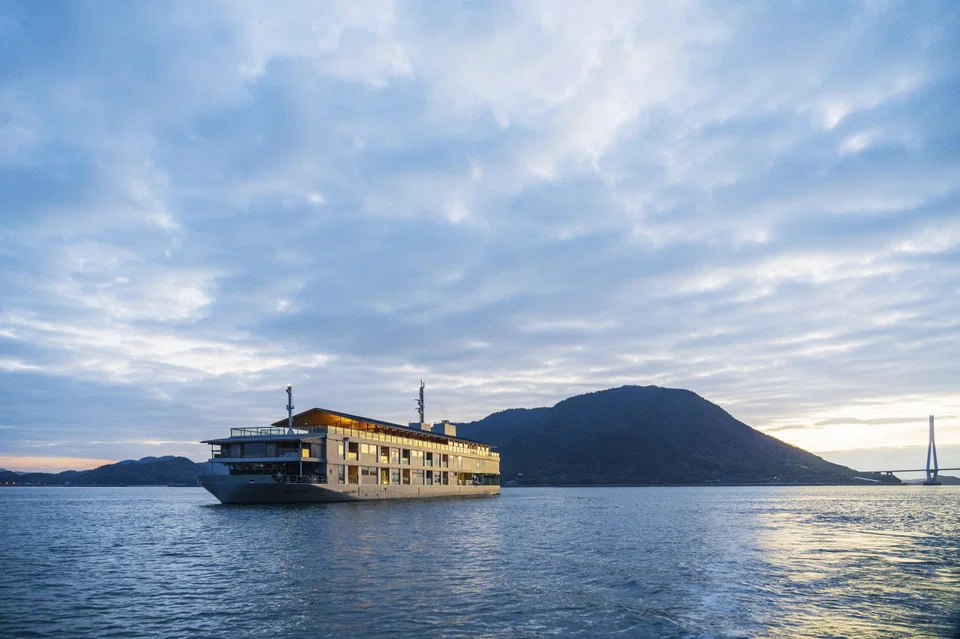
In 2024, Intriq Journey’s chartered floating ryokan Guntu was sold out, with land programmes starting at S$15,580 a person. The company is currently working with Ponant Hankyu on a gourmet voyage in Japan, starting at S$20,880 a head.
Yap notes that several high-end requests revolve around “access that money alone can’t buy”. That includes the aforementioned private museum tours with dinner included, and historic castle stays. The appeal lies in the sense that “this was created just for us”.
Louen Tang, managing director of 25-year-old luxury travel curator Charlotte Travel, agrees that exclusivity is not about overt luxury. “It’s about access, intimacy and the story behind the experience.”
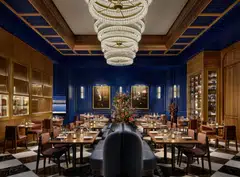
Charlotte Travel reports that travellers are willing to spend between S$700 and S$2,000 a day on culinary experiences alone.
He adds that in addition to after-hours access to Michelin-starred restaurants, his company has also arranged intimate dining in chef’s homes in Paris, “which offer a very personal glimpse into their culinary philosophy”.
Foraging excursions with chefs in Japan and the Nordic region are also popular, along with ancestral cooking experiences. That includes learning traditional pastry techniques from an Italian nonna, or taking part in indigenous food ceremonies.
A new kind of gourmet traveller
“The gourmet luxury traveller today is more informed, more value-driven, and far more hands-on than those a decade ago,” says Yap. Spending habits have evolved accordingly too.
Travellers are investing in experiences ranging from private tastings with master sommeliers in Spain’s La Rioja, to chef’s table dinners in Michelin-starred Nordic restaurants. These include Norway’s three-Michelin-starred Re-Naa and Copenhagen’s two-starred Alchemist.
In some cases, the sequence of travel planning has been reversed. Tang says: “Younger high-net-worth travellers are among the most influential drivers of what we often call “restaurant-first” travel”.
They secure restaurant reservations before even booking flights. “For many of them, a single dining experience – whether by a renowned chef or a sought-after reservation – can become the anchor around which an entire trip is planned.”
That is precisely what happened to finance professional Alan Tong and his friends, who secured a coveted table at Asador Etxebarri in Spain. “We landed in Barcelona and drove like mad men for over 500 km to make it there in time for lunch,” he recalls.
Yet, in a telling twist, a lesser-known restaurant nearby left him with an even stronger impression. “Txispa, which is 450 metres away (from Asador Etxebarri) was even better. In fact, I’m going back for the third time in 12 months.”
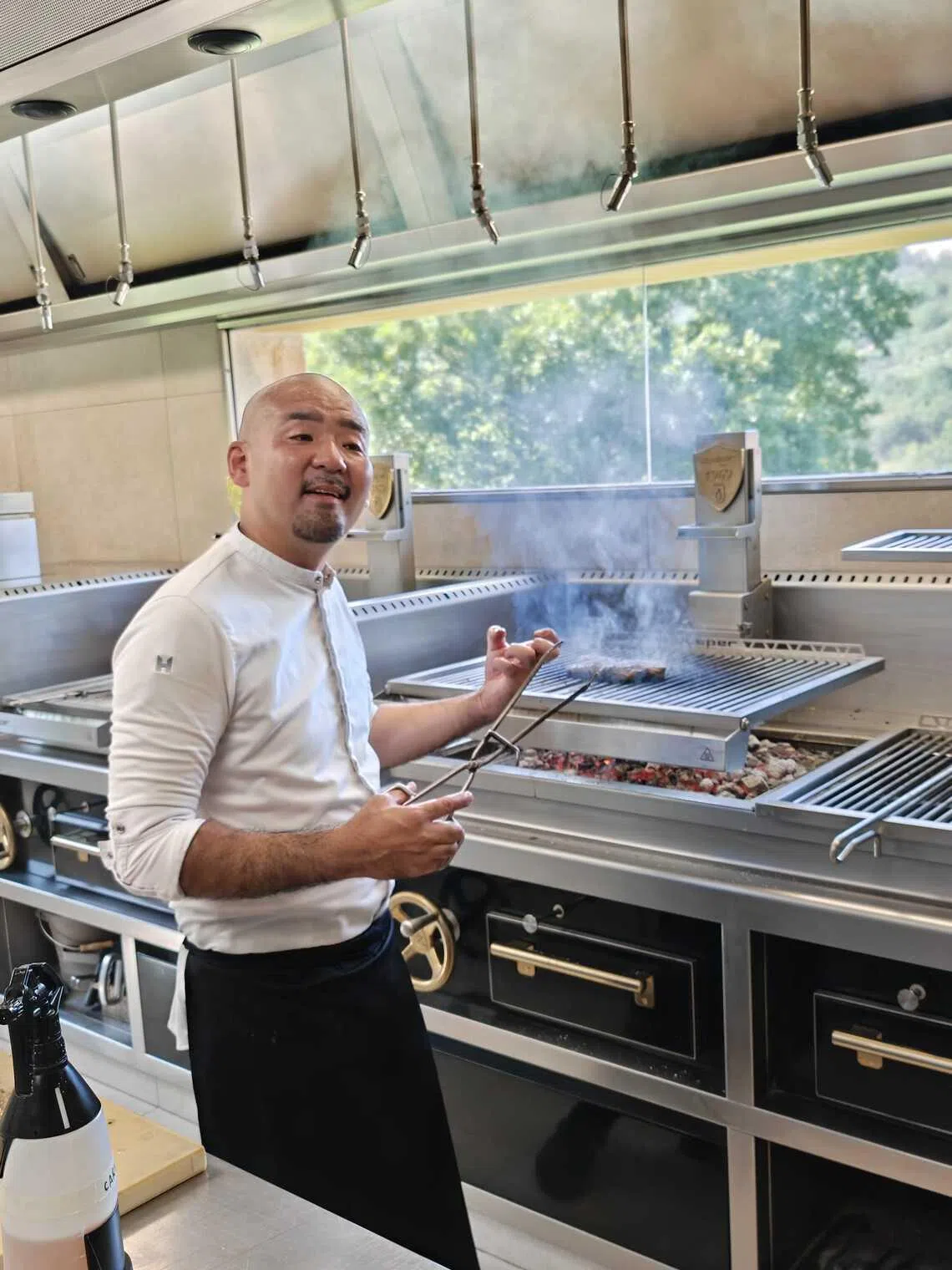
Like Tong, travellers increasingly seek balance, alternating high-end dining with more grounded, local experiences.
Says von Prockl-Chng: “Travellers still enjoy exceptional restaurants, but they are equally interested in visiting local markets with a chef, meeting small producers and winemakers, or learning to cook regional dishes.”
The most memorable meals can also be the simplest. “Some of our guests’ favourites are Sunday lunch at the chef’s grandmother’s home – a priceless experience one can only access with local connections.”
For Carlos Tarrero, general manager of The Ritz-Carlton Kyoto, the same holds true. “I enjoy visiting smaller, lesser-known establishments – particularly those that focus on a single ingredient or technique – for example, a perfectly made wagyu steak sandwich in Kyoto.”
For him, encounters with the producers of food are equally memorable, such as visiting a dairy farm, tasting milk fresh from the source, or sharing wine with a winemaker.
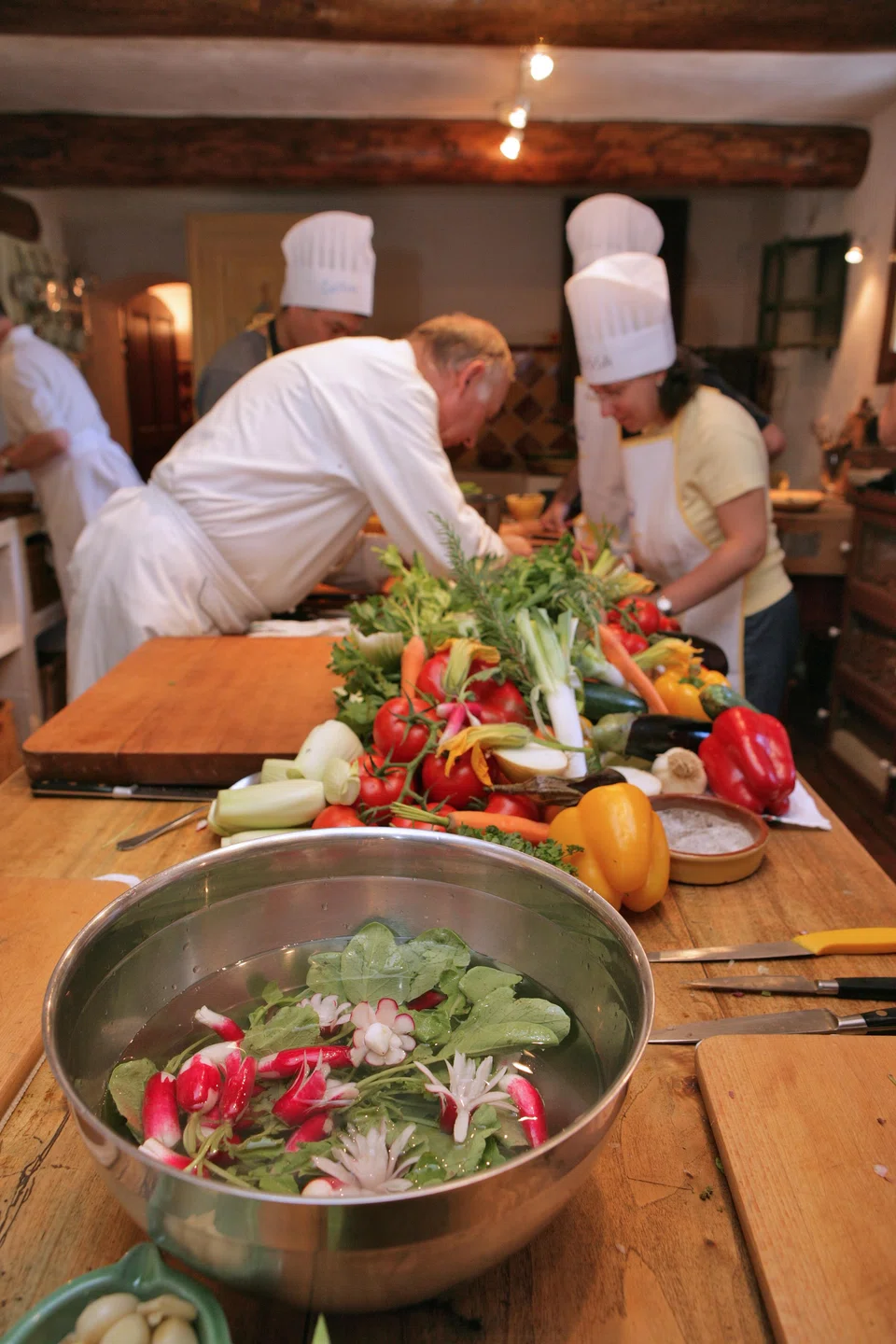
Charlotte Travel has noted a growing interest in hands-on cooking classes or culinary school experiences. “Travellers want to actively engage with regional ingredients and techniques rather than simply observe them,” says Tang. Market tours and visits to artisan producers are also highly sought-after.
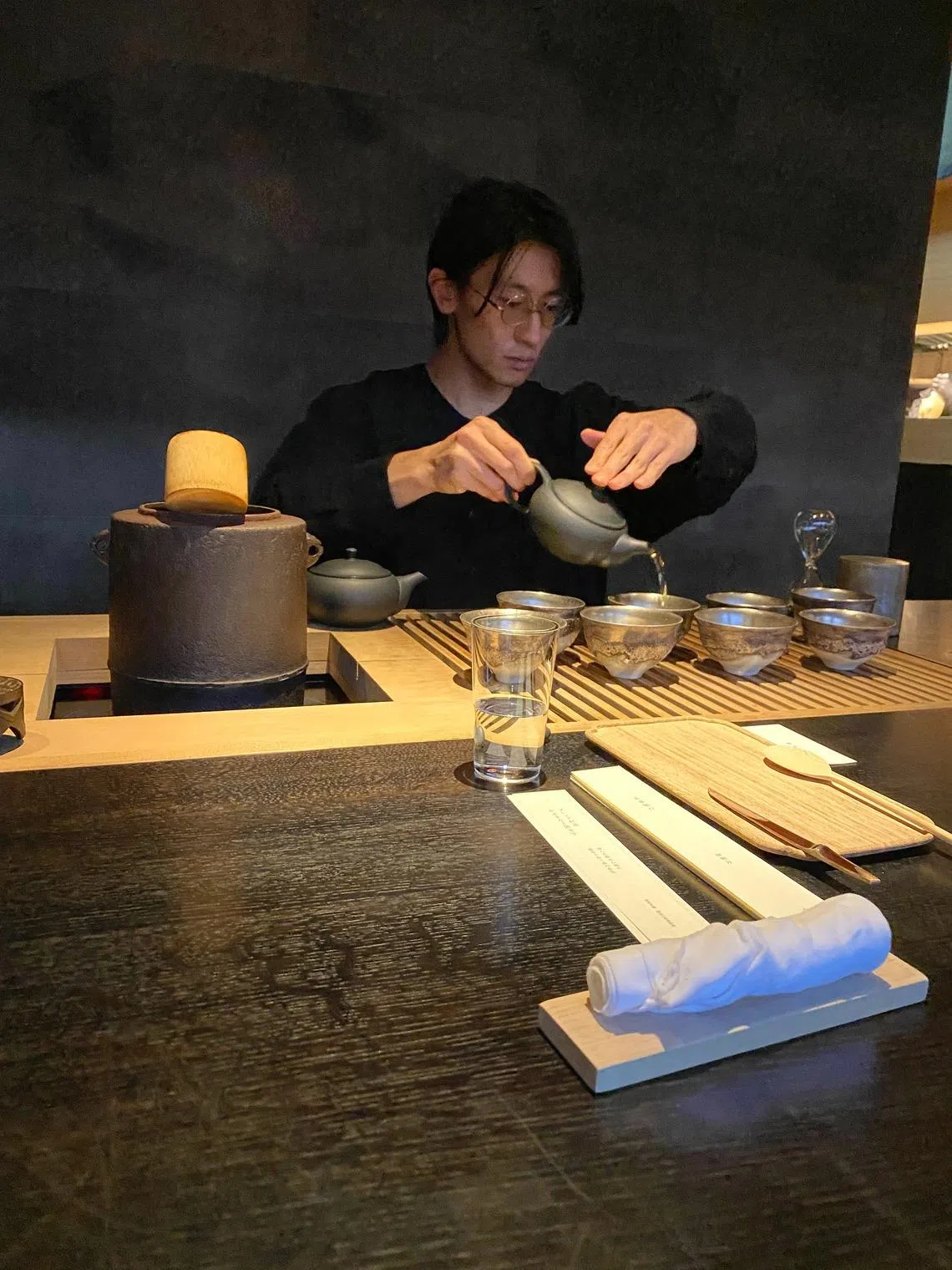
Luxury lifestyle journalist Renyi Lim’s itineraries are built around local epicurean experiences – from experimental tea-tasting sessions in a Gion teahouse to roasting coconut soup in its shell over blazing-hot coals in Bali.
She hopes to visit New Orleans to tuck into beignets, gumbo and andouille sausage, or Africa “to try jollof rice, injera flatbreads or a full South African braai”.
Where gourmands are heading
Besides the ever-popular Japan, Europe remains a dominant draw. Italy’s Tuscany and Piedmont aside, Spain remains exceptionally strong – particularly the Basque Country and La Rioja.
“Travellers can combine pintxos bars, Michelin-starred restaurants and private tastings with sommeliers,” Yap suggests.
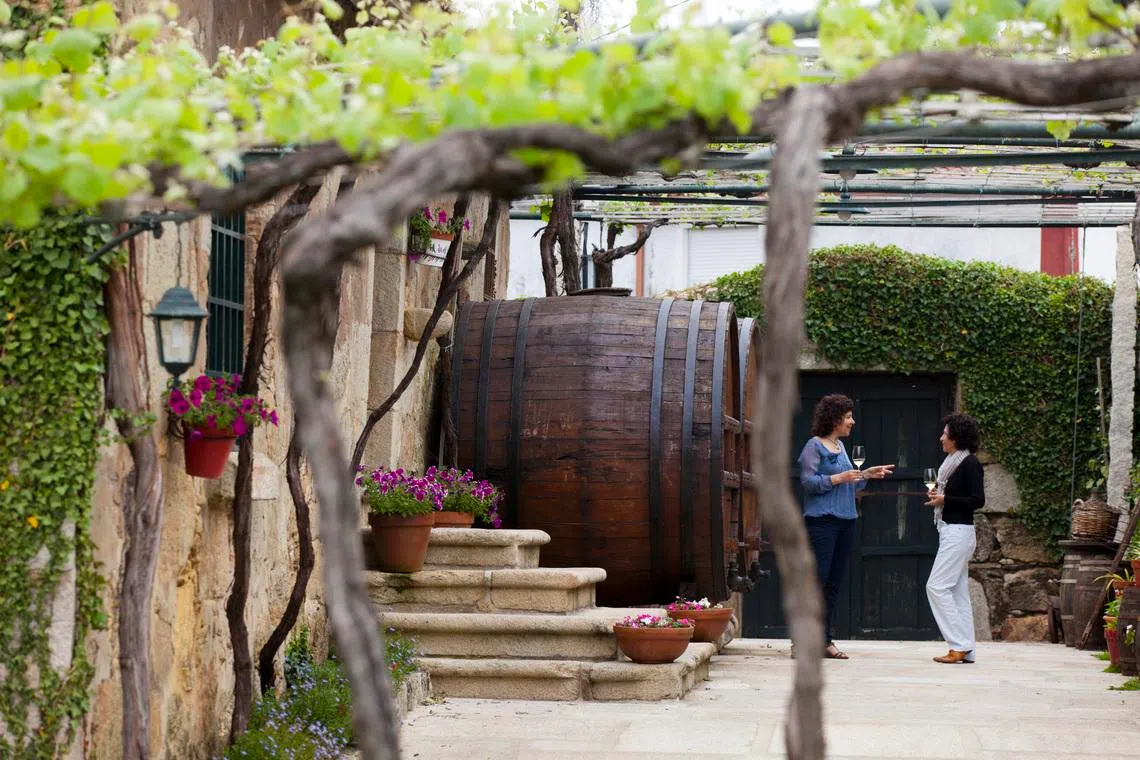
The Spain Tourism Board notes that gastronomic tourism accounted for 12.4 per cent of all tourism activities in 2025.
Beyond the traditional hotspots, newer destinations are emerging. Jerez de la Frontera, named Spanish Capital of Gastronomy 2026, is gaining attention for its sherry culture.
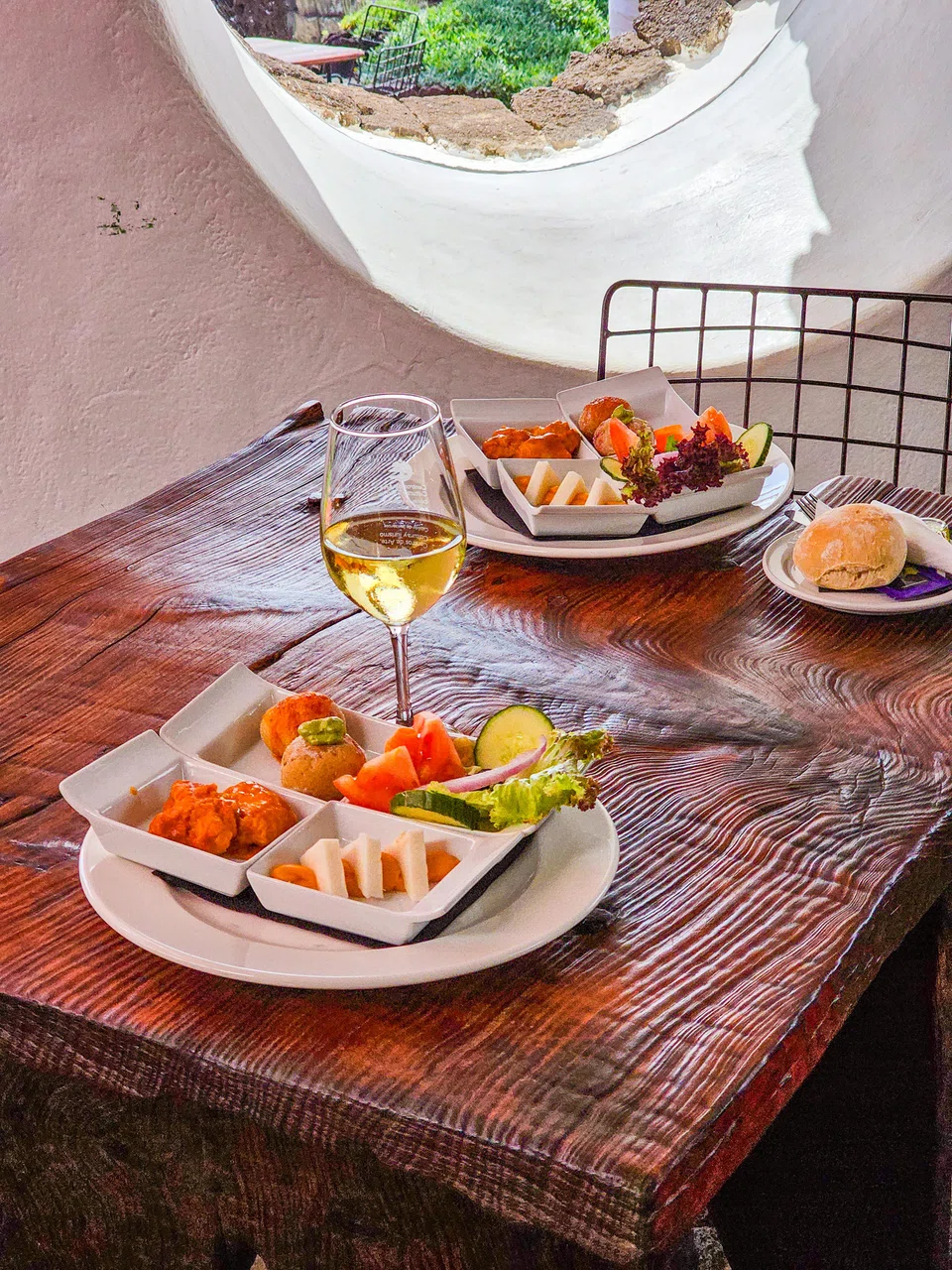
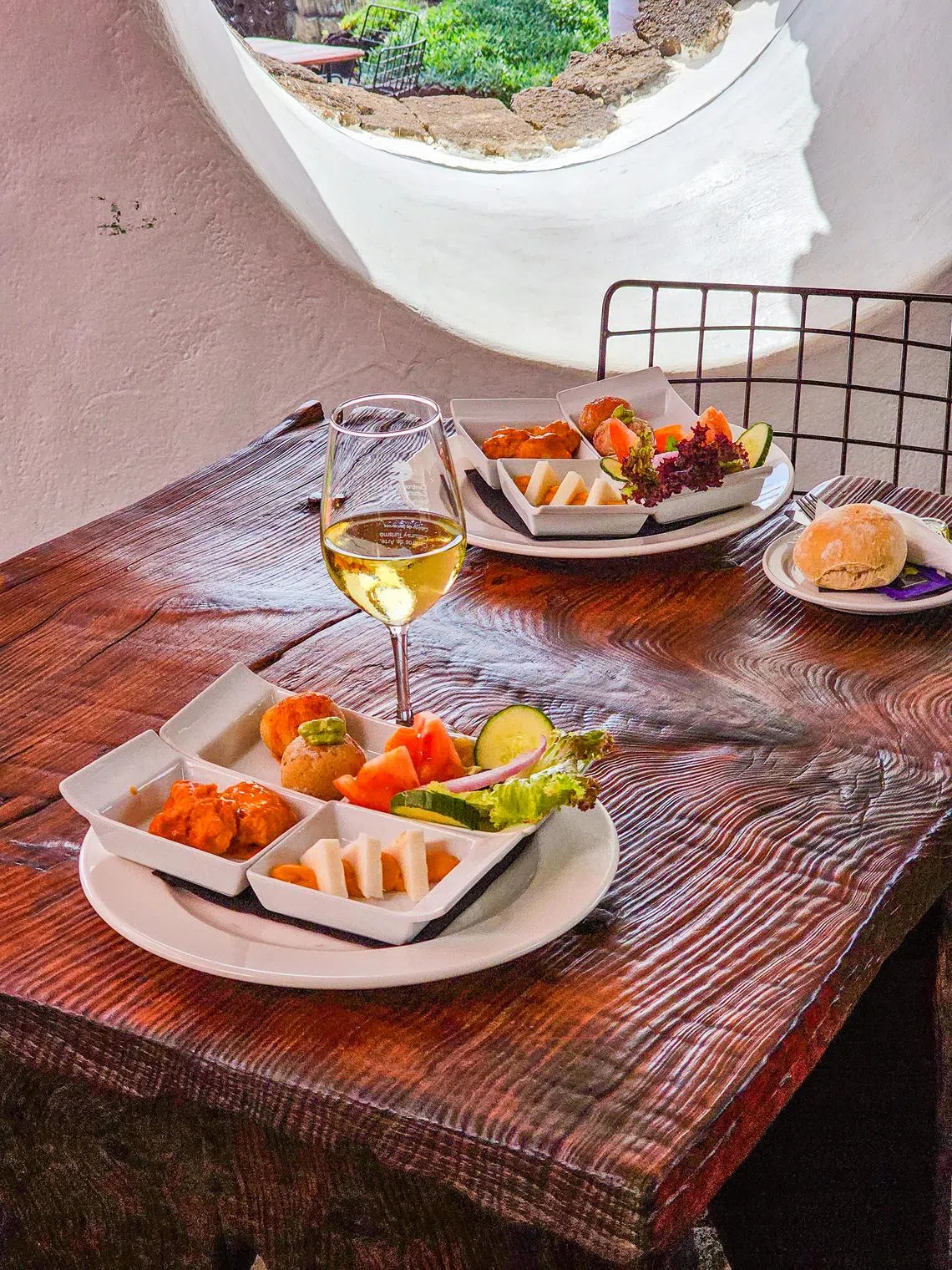
Another is Lanzarote in the Canary Islands, known for its unique volcanic gastronomy. Galicia in north-west Spain continues to draw visitors to its seafood and white wines from the Rias Baixas wine region.
Nordic countries such as Denmark also appeal, with their farm- and sea-to-table ecosystems. Yap says: “Small producers, brewers, seaweed harvesters and chefs collaborate on a cuisine that is both innovative and rooted in tradition.”
Her company is also revamping its South American itineraries to include gourmet tours to Peru, Mexico and Colombia.
Charlotte Travel’s Tang says Sicily is gaining attention following its designation as European Region of Gastronomy in 2025.
Other emerging culinary hotspots include Oaxaca, Mexico, which is known for its food traditions. The new wave of emerging foodie destinations includes Chiclana de la Frontera in Spain, Shillong in India and Arakawa city in Japan, Tang adds.
Von Prockl-Chng lists regions such as Puglia and the Dolomites in southern and north-eastern Italy, respectively, and Croatia’s Istria; Japan’s Kanazawa is also gaining recognition for its deep culinary traditions.
“Beyond its renowned seafood and fresh markets, the city is home to centuries-old culinary traditions and artisans producing soy sauce, miso and gold leaf,” she says.
Delicious memories and meaningful connections
For many travellers, what endures is not just where they’ve been, but how those places made them feel. More often than not, that memory is anchored in food.
For veteran traveller Tarrero, some of the most unforgettable experiences are the unplanned ones. “Those are far more memorable than any perfectly planned dining itinerary,” he says, recalling a small restaurant in Italy’s Barolo region with one of the most impressive champagne collections he has ever seen.
Part of that discovery lies in engaging more deeply with a place. Independent publisher Sim Ee Waun gravitates towards progressive cocktail bars as a reflection of a city’s contemporary culture.
“I like to sit at the bar and talk to the bartenders,” she says. “Many are often happy to talk about the drinks, and that’s where I learn about the local spirits, trends and gain insights into the place and the people.”
A gourmand who prefers to be known by his initials JS, recalls staying with a Kazakh eagle hunter’s family in Mongolia, where a single slaughtered sheep could feed 10 people over three days.
He says: “There was zero waste and we got to eat at least five dishes from the same animal. Their ingenuity in using one ingredient for multiple interesting meals makes me rethink my relationship with food.”
Who you share your meal with matters too for travellers like Tong. “Culinary travel has taught me that food is only one part of the experience – it’s the shared moments and memories that make it truly meaningful.”
Decoding Asia newsletter: your guide to navigating Asia in a new global order. Sign up here to get Decoding Asia newsletter. Delivered to your inbox. Free.
Share with us your feedback on BT's products and services
TRENDING NOW

Inside Singapore’s government team that kills its own products

Once staunchly pro-China, Malaysian Chinese businesses are now distancing themselves from Beijing
Cliff Tan has 7 million followers and a 4-month waitlist. Why won’t he expand his business?

Grab CEO’s wife Chloe Tong on life with Anthony Tan and finding her purpose

