

Veteran F&B players revamp or open new restaurants to stay competitive
The Les Amis and ilLido groups are among the established names launching fresh ventures
[SINGAPORE] As the restaurant industry continues to recalibrate, with more closures and a constant stream of new openings, veteran operators and chefs have had to outlast the competition or pivot to stay in the game.
Rather than follow market sentiment and stay low or consolidate, some have gone ahead to either revamp existing restaurants to stay relevant or even create new concepts.
BT Lifestyle speaks to several established restaurateurs and chefs about their latest ventures and what diners can expect in the next few months.
Japanese movement at Les Amis Group
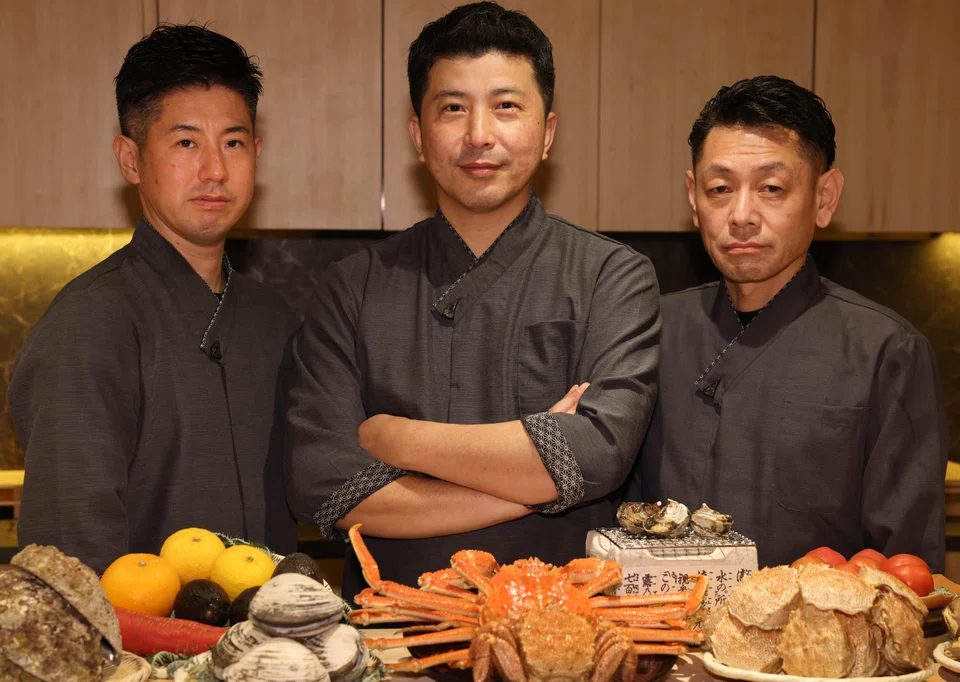
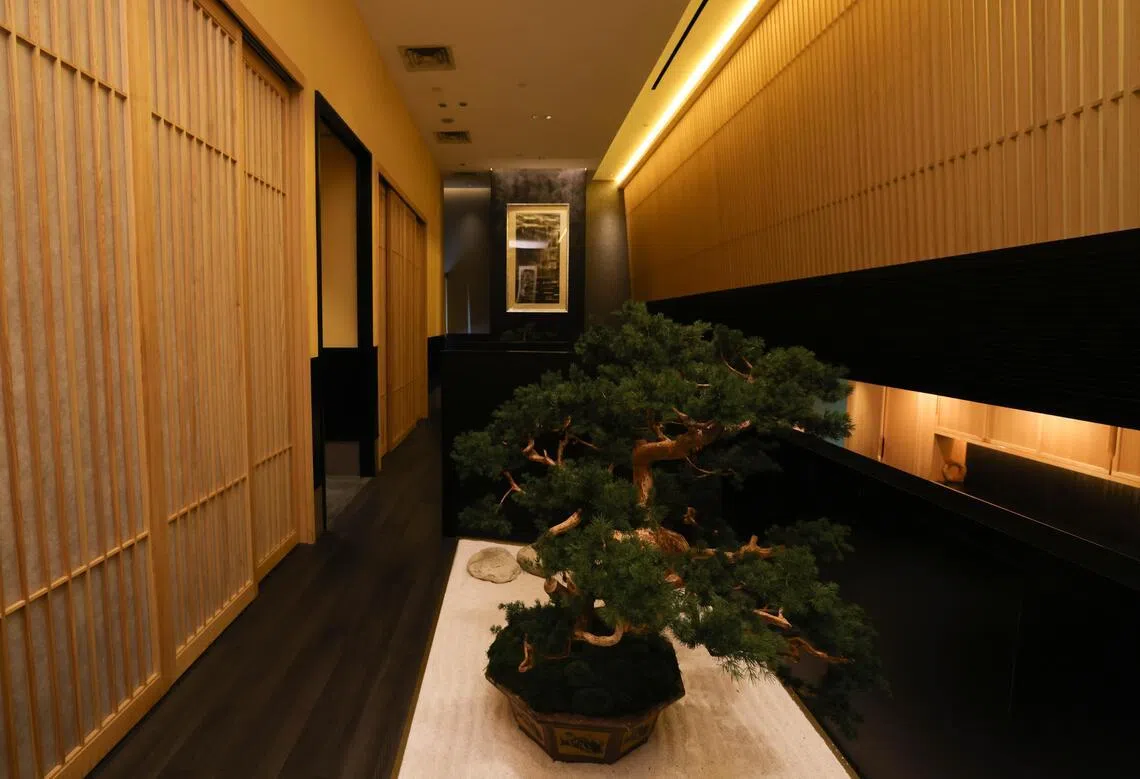
The long-established food and beverage (F&B) group has weathered many challenges, and continues to streamline operations and adapt as it goes along. After closing its high-profile kaiseki restaurant Zeniya in Shaw Centre in January 2026, it will officially open Jiin Omakase in early April – styled after the seasonally inspired cooking at high-end ryokans in Japan.
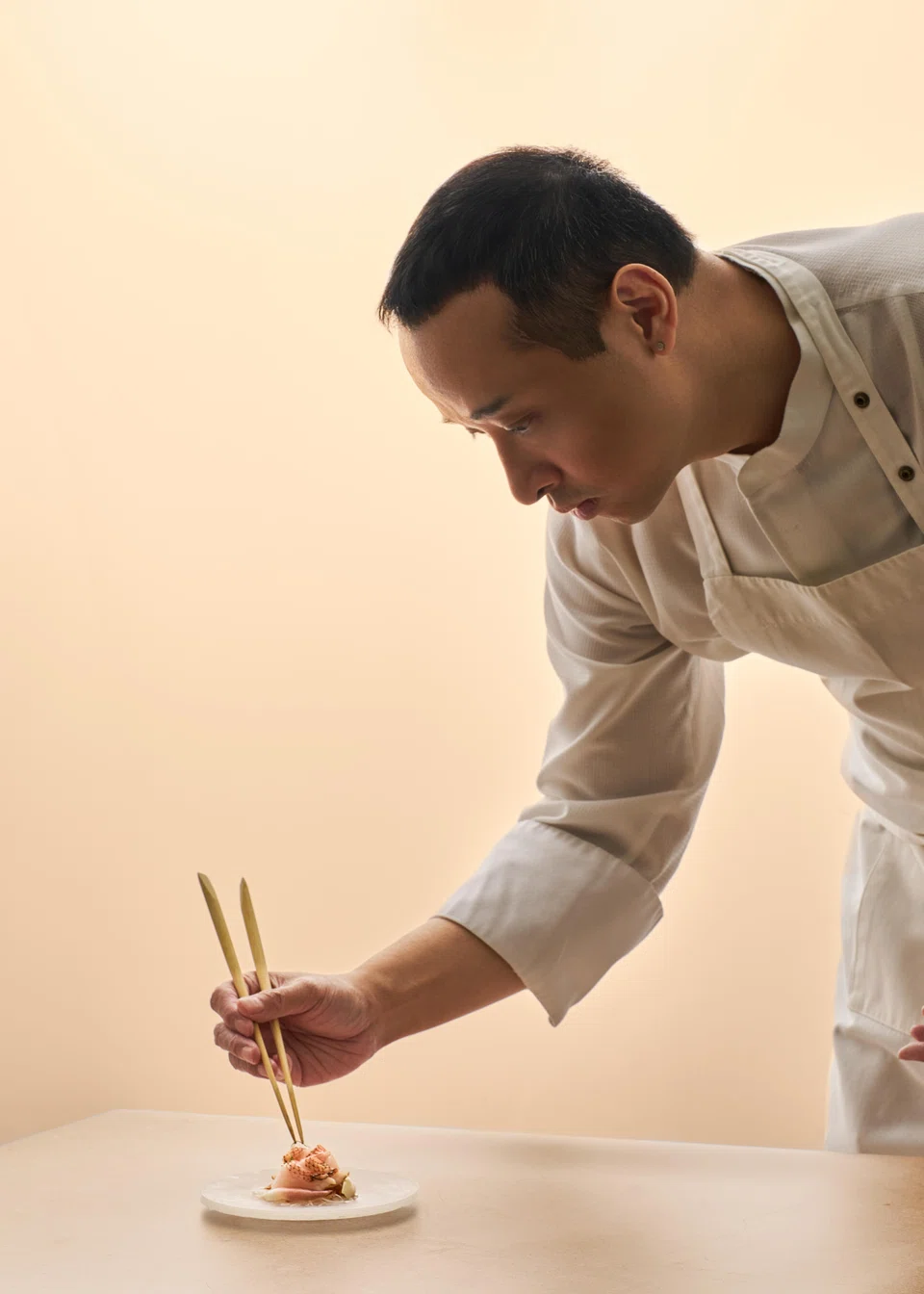
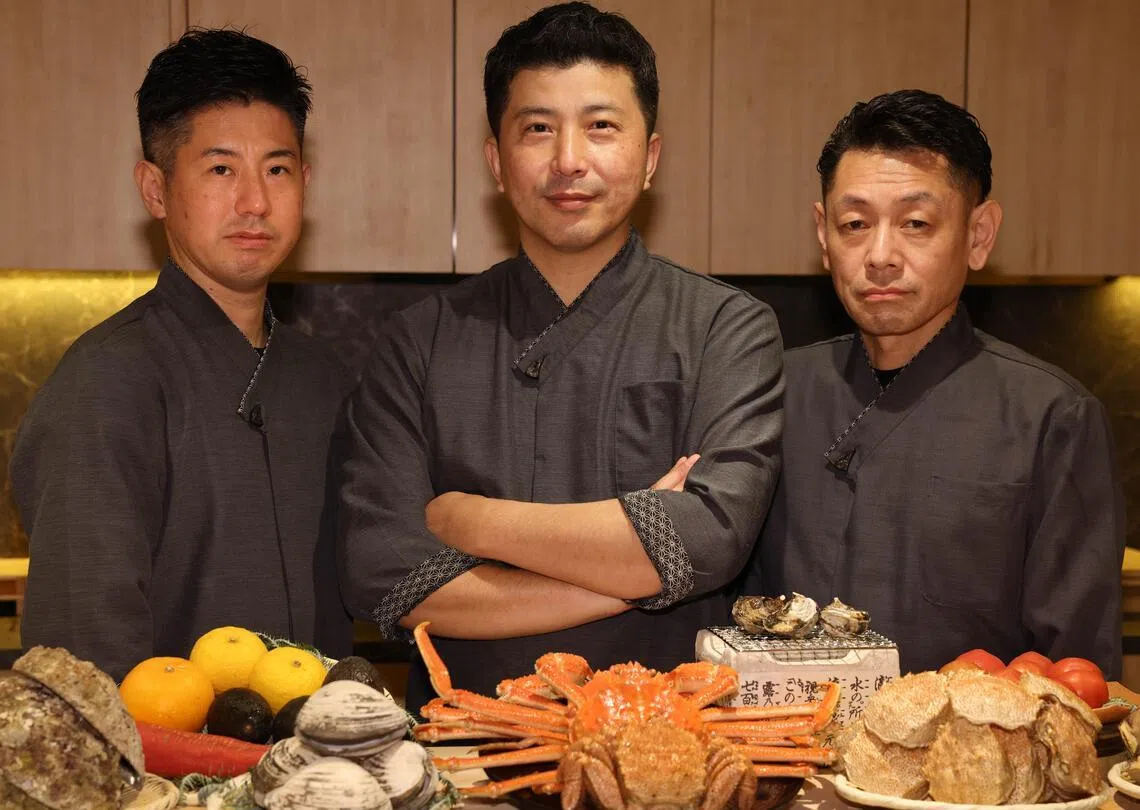
Overseeing the menu direction is Makoto Saito – an eight-year Les Amis veteran – who returns in a new role as group head chef (Japanese Collective), overseeing restaurants such as Jinjo, Wagyu Jin, Shabu Jin and Sushi Jin. The group recently consolidated all its Japanese concepts under one roof at Shaw Centre, offering casual to high-end fare. Saito previously helmed the modern sumiyaki restaurant Jinjo and then the beef-centric Wagyu Jin.
Zeniya was relocated from the Shangri-La Singapore hotel to its Scotts Road premises, where business briefly improved before the group made the decision to close it in January.
With its emphasis on recreating traditional kaiseki cuisine which emphasises clean and natural flavours, the Kanazawa import ultimately failed to resonate with local diners, says a group spokesperson. The food was “incredibly pure, and sourced locally from the Noto Peninsula”, and it was difficult to sustain that kind of hyper-local seasonality in Singapore.
Also, Singapore palates largely lean towards robust and creative cuisine, rather than the low-key, serious nature of kaiseki.
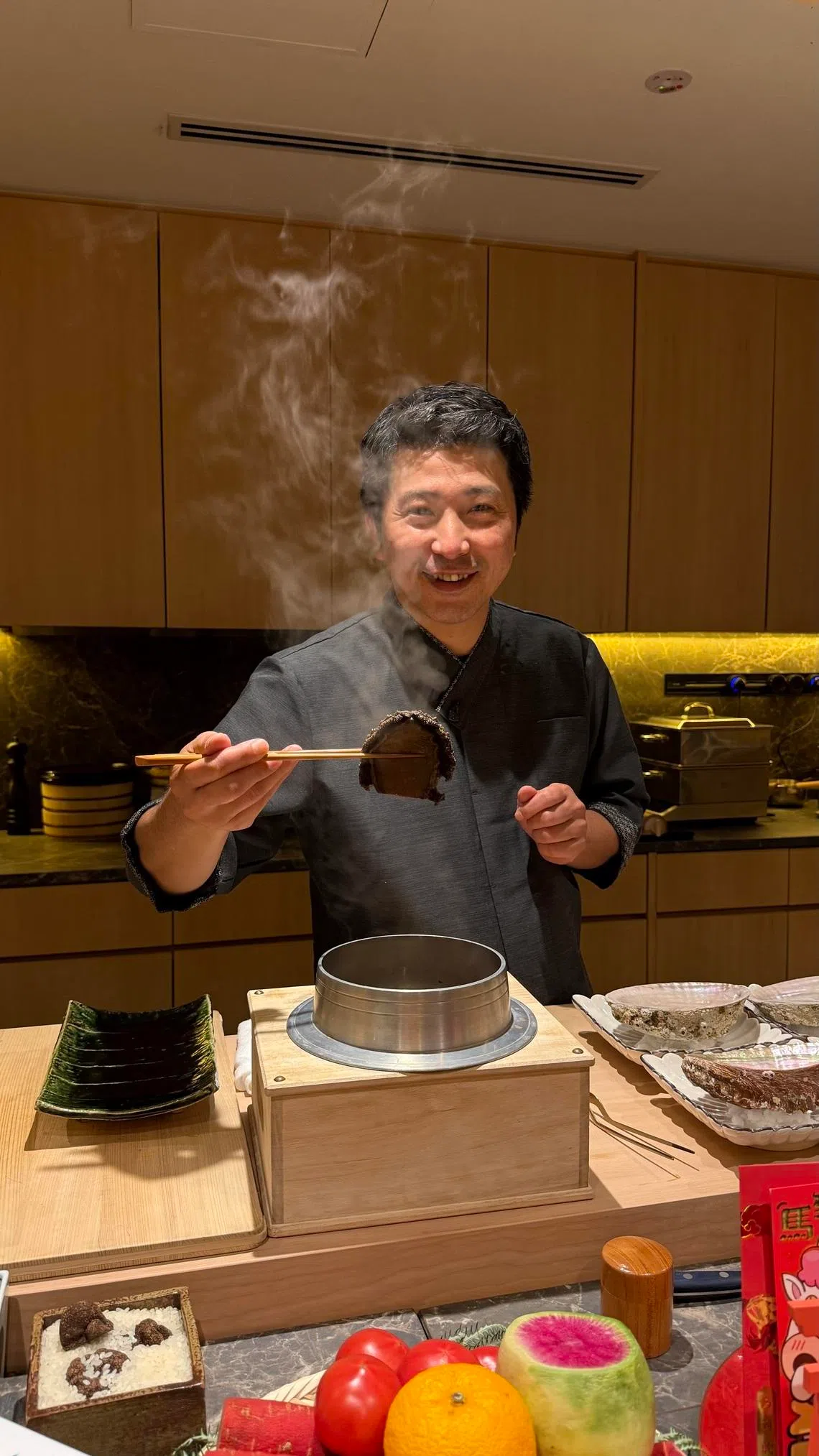
This is where Saito brings his understanding of the local palate to the table, supported by two newly appointed chefs Mitsutaka Sakamoto and Koichi Matsuda, who bring with them years of experience with kappo and kaiseki cuisine.

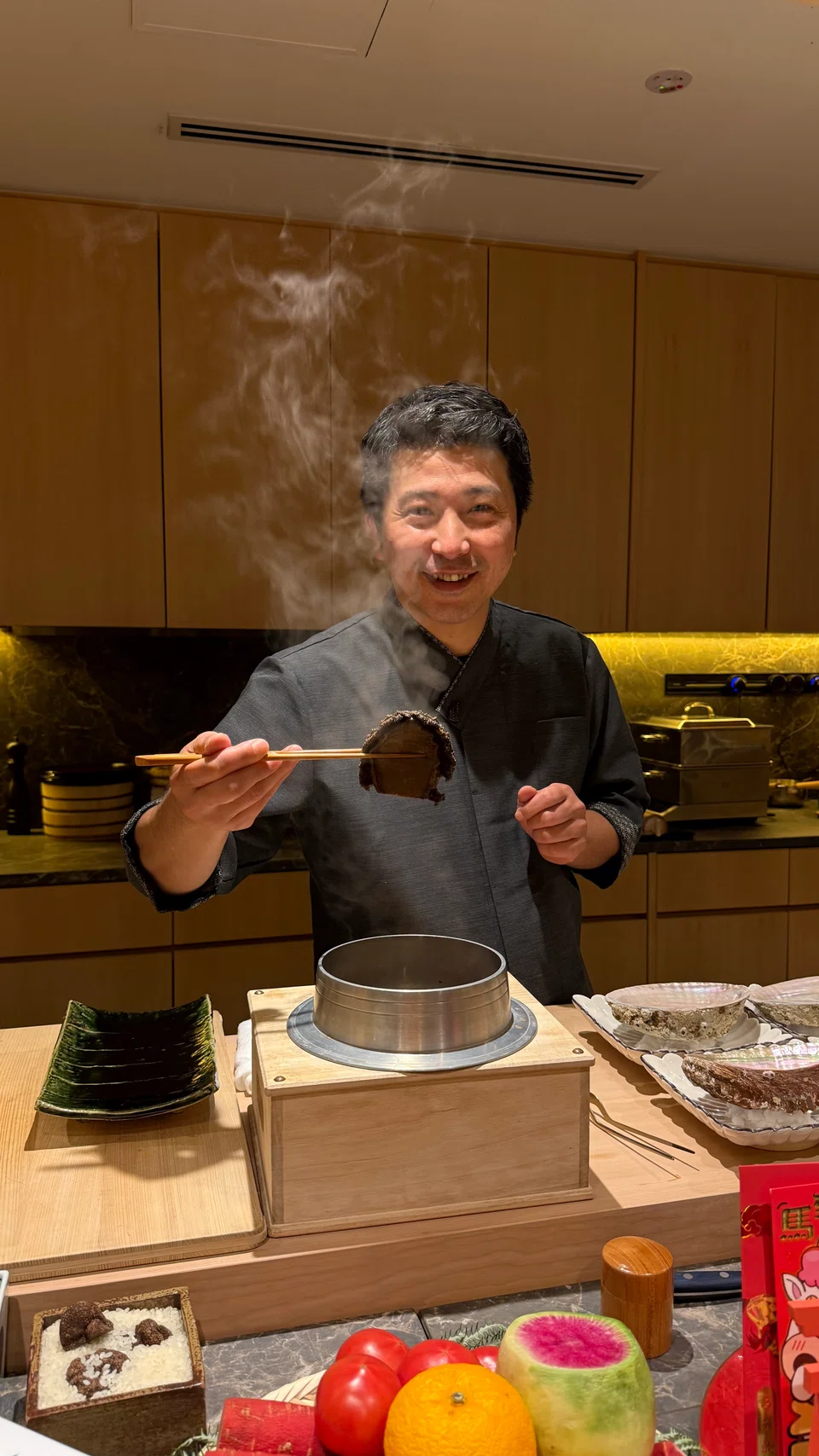
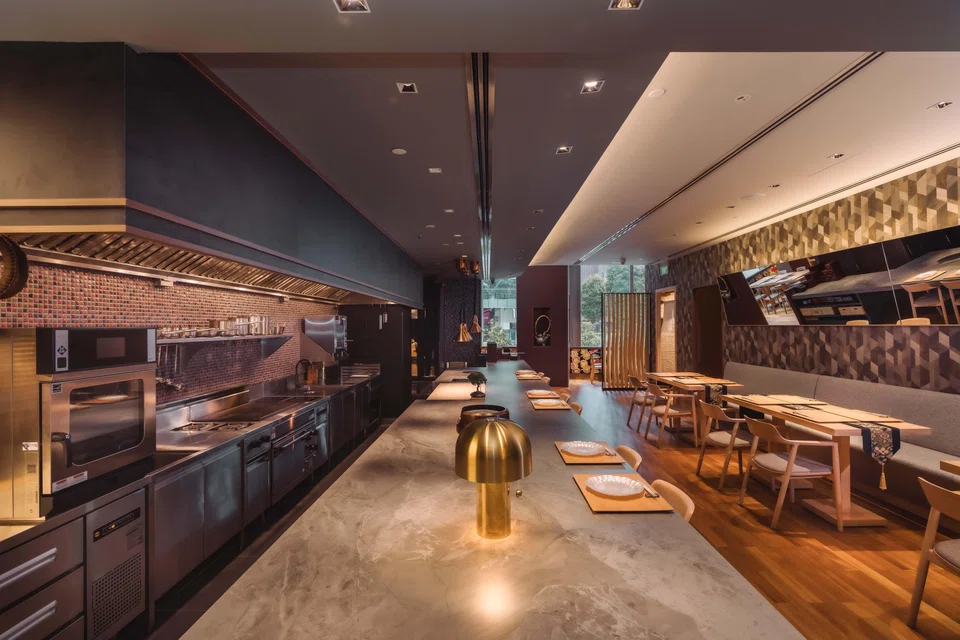
The experience at Jiin will be more interactive, as Saito and Sakamoto engage guests with banter and showmanship, while serving premium seasonal ingredients also displayed in the counter-dining set-up. Prices range from S$138 for the lunch omakase, and S$288 to S$388 for dinner.
Meanwhile, the group also parted ways with Tokyo sushi chef Ryujiro Nakamura – whom they collaborated with for Sushi Ryujiro – after the conclusion of their contract.
The restaurant has now been rebranded as Sushi Ryujin, and continues to use the same seafood suppliers as before, notes the spokesperson. Soft-opened for now, an official launch is planned for April. The menu prices remain unchanged – starting at S$188 for lunch and S$288 for dinner.
Hachi’s new chapter after National Gallery
The upscale Japanese restaurant Hachi was among a group of tenants that had to leave the National Gallery after their leases were not renewed as part of the gallery’s F&B overhaul in early 2025.
It recently reopened in the tech-forward business centre Keppel South Central in Tanjong Pagar – after a long and costly delay, says the restaurant’s managing director Fabian Koh.
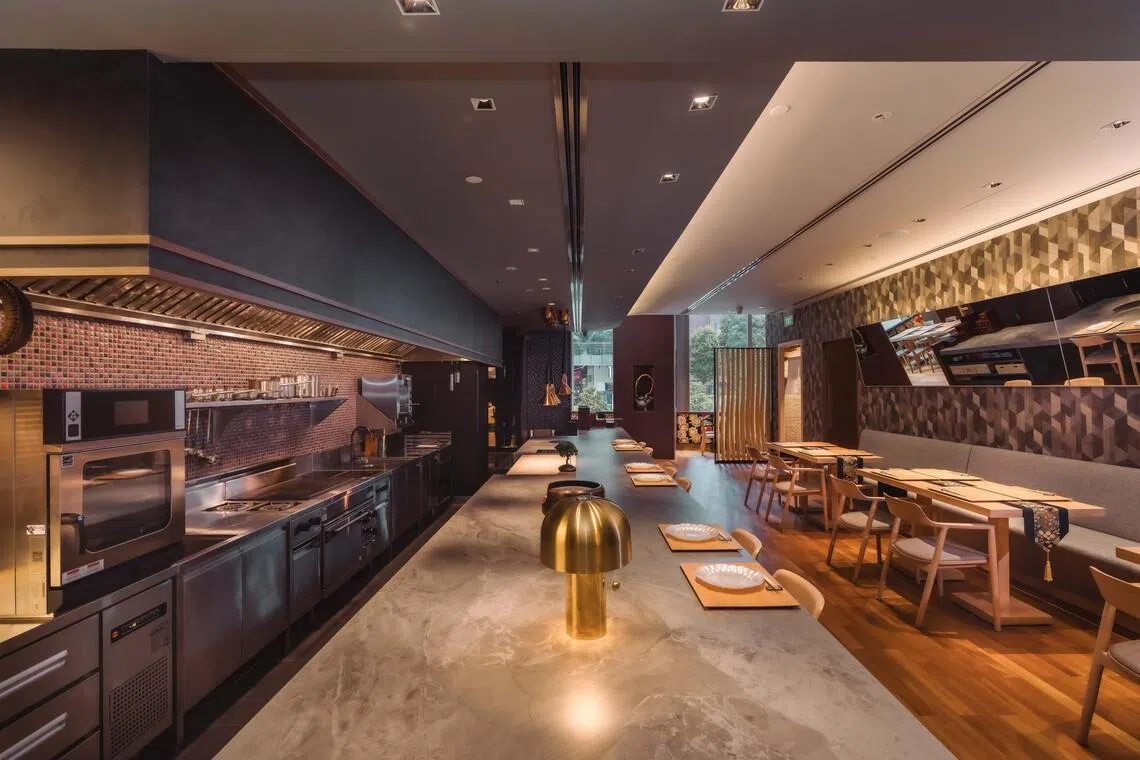
Hachi was scheduled to reopen in July, but the “late handover of the new premises and pre-renovation requirements” meant that renovations could start only in September. Hachi finally opened in January.
During the eight-month extended closure, Koh – who also owns The Public Izakaya – kept his entire team on the payroll by redeploying them at the other outlets. But the relocation, writing off a previous fit-out and the reinvestment in a new space have made this “one of the most costly exercises in our 27-year history”, he says.
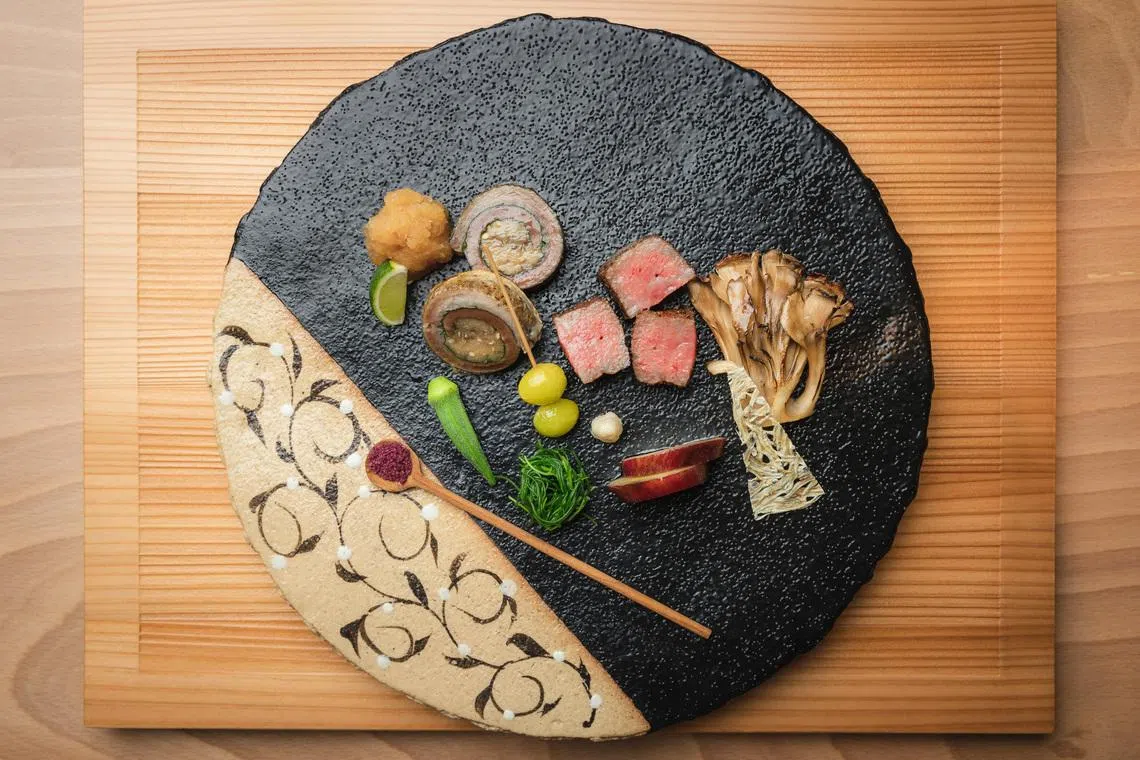
Thanks to the strong performance of his other restaurants – the mass-casual Public Izakaya – which saw “several months of record revenue” in 2025, the financial hit from Hachi was cushioned somewhat.
He also attributes his staying power to “patience and a long-term perspective that not every operator can afford” – crucial in a business where restaurants can fail within the first year of operation.
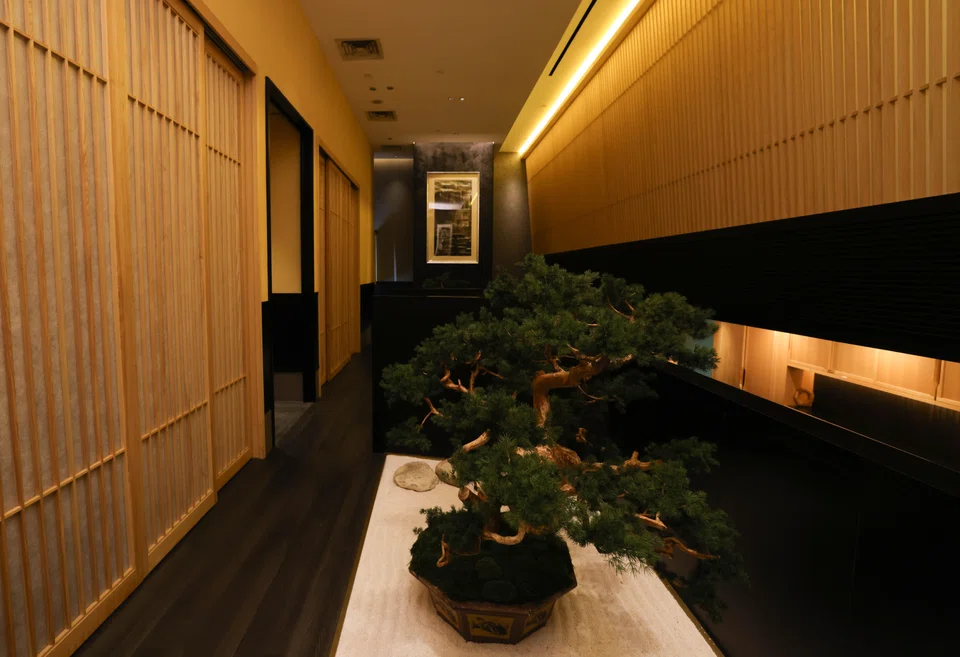
Hachi – which opened in 1999 in Orchard Plaza – was one of the earliest Japanese restaurants to offer omakase in Singapore. Its new space “reflects how Japanese fine dining has evolved in Tokyo over the past few years, with designer lighting and stone counters while retaining the warmth of Japanese hospitality”, says Koh. It continues to offer omakase exclusively at dinner, priced from S$238. Lunch features omakase from S$168, and casual bento and donburi at S$108.
Having negotiated an 11-year lease at Keppel South Central, he’s banking on the area’s fast-growing commercial and residential development to attract a strong base of professionals and residents who will sustain demand for fine dining. There are also two Public Izakaya outlets within 120 metres of Hachi, for operational efficiency.
Turning a corner at ilLido
As a seasoned and serial F&B entrepreneur, Beppe de Vito of the ilLido Group has seen his fair share of ups and downs, openings and closings. Closures included Gemma Steakhouse and Art di Daniele Sperindio at the National Gallery, and most recently the casual pizza eatery Amo due to the redevelopment of the shophouse it was in.
But de Vito has hit on a success formula with his most recent projects Sospiri and Baia, which opened in 2024: casual and accessible restaurant-bars which offer casual Italian cooking and drinks at accessible prices. Both are “doing great and profitable”, he says. With an average spend of S$50 for lunch and S$100 for dinner, the restaurants are patronised by a varied crowd of both locals and expatriates, but very few tourists.
He also owns Southbridge, a rooftop bar in Chinatown.
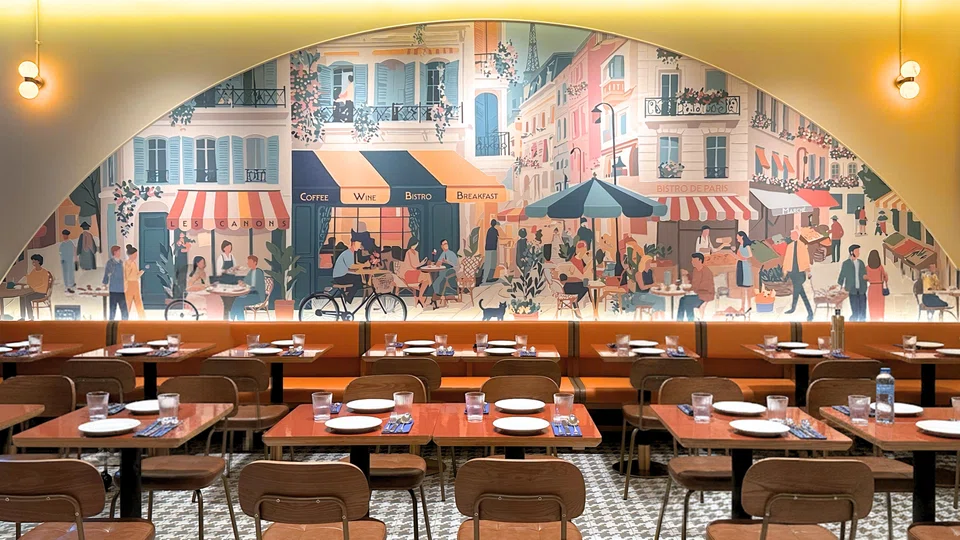
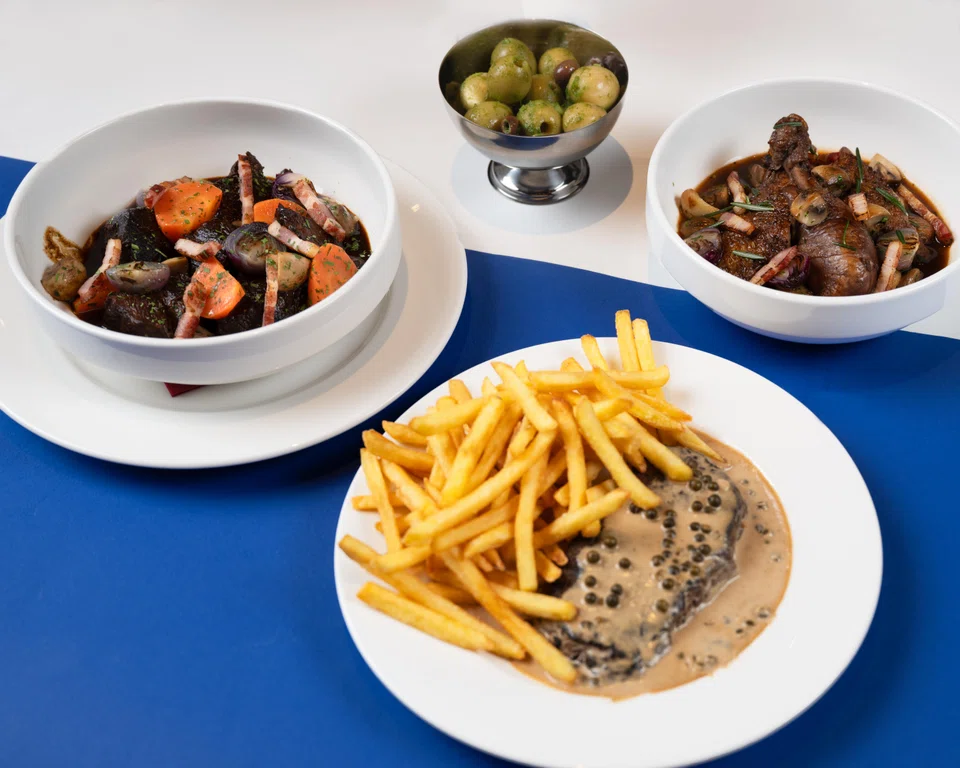
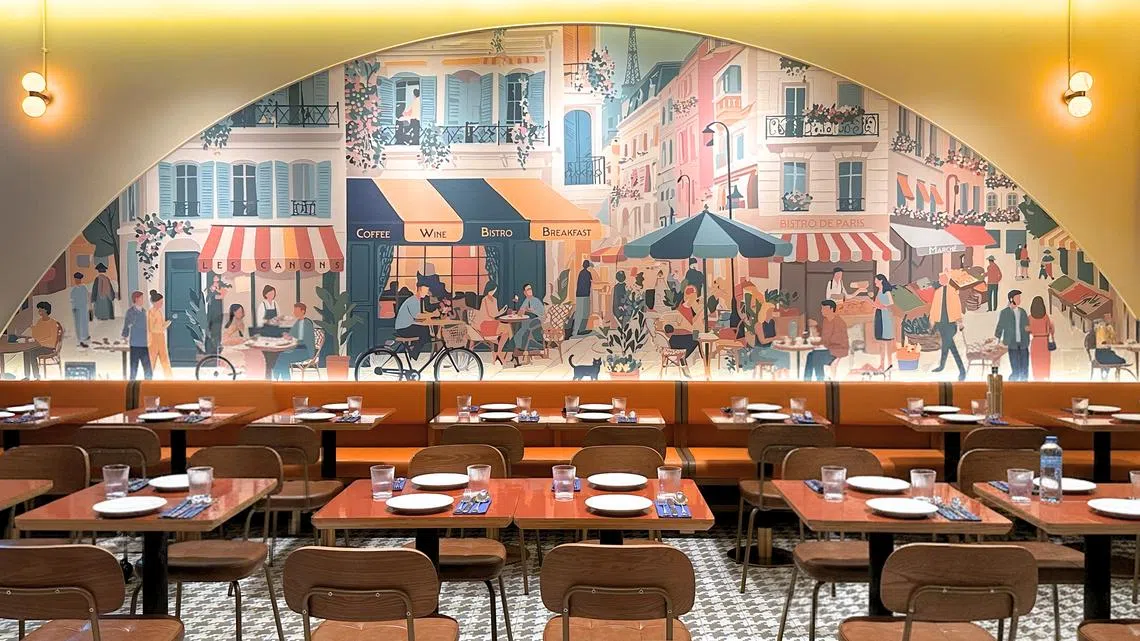
De Vito just opened a casual French bistro Les Canons at IOI Central Boulevard Towers, where Sospiri is located.
“For most of my projects, I let the location inspire the concept,” he says of the unusual decision to serve French instead of Italian food. “When the Amo closure was forced upon us, I knew I wanted to use the same team but for a new concept.”
When a ground-floor unit became available just below Sospiri, de Vito was keen to take it but realised he could not have another Italian restaurant in the same building. So he decided on a French bistro which could become an all-day destination, rather than one catering to a lunch crowd.
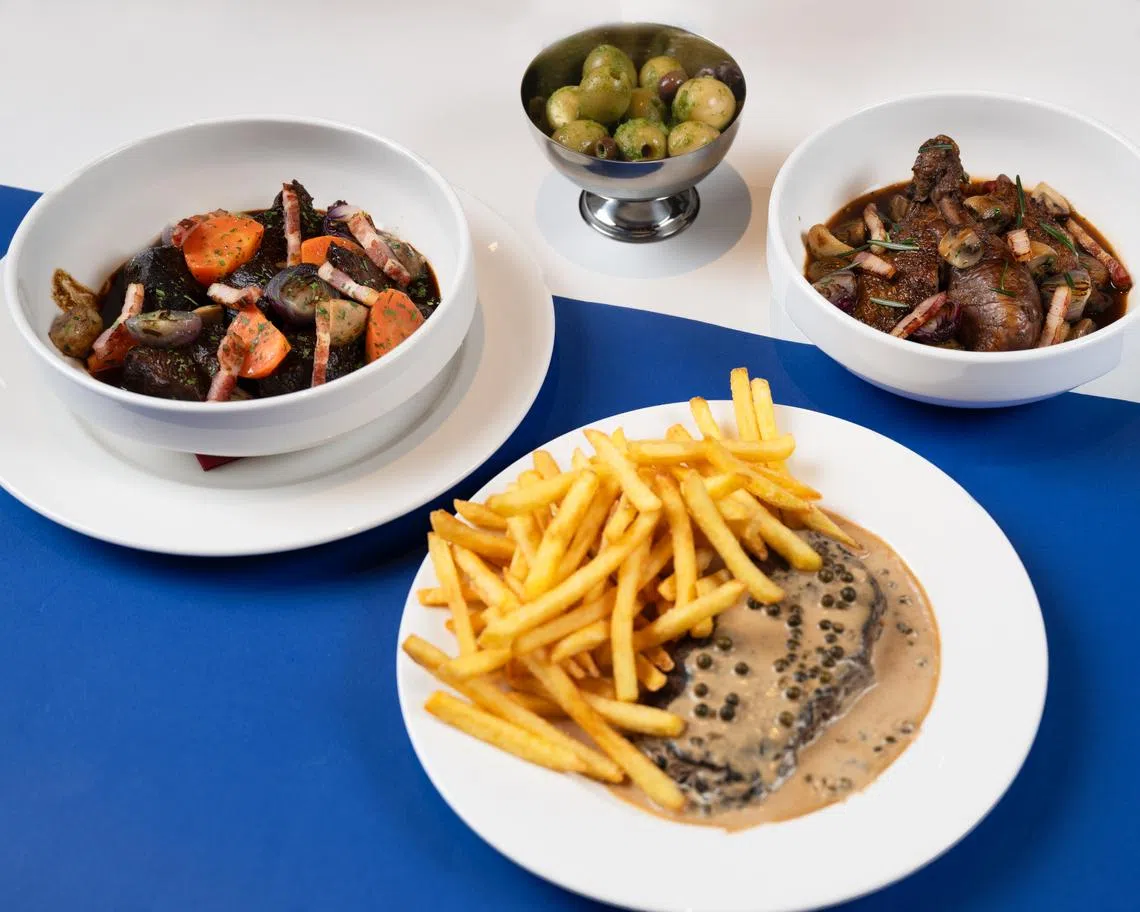
“I’ve never been sentimental about a concept or location,” he adds. “When the lease is up and the concept no longer works, we simply move on. It’s a natural evolution. Also, it makes more sense to pivot to new concepts rather than relocating, since that captures the curiosity of the public and the media.”
The business model for Baia and Sospiri is high volume with multi-revenue streams, such as events and all-day dining, which helps balance rising operational costs, he explains. Les Canons aims for the Central Business District and Gen Z crowd with under-S$20 dishes.
“It doesn’t mean we are abandoning high-end concepts for good, but the ‘casual-premium’ space is where I see the most robust growth and agility.”
ASU gets new home and name
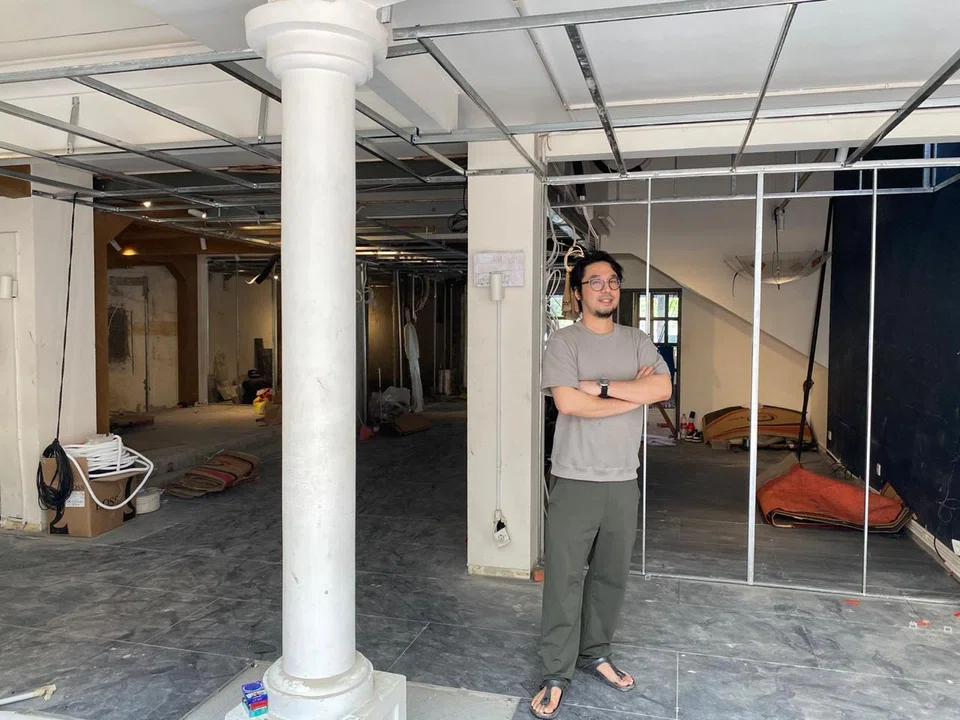
After a short stint crafting progressive Asian cuisine in the leafy, retreat-like surroundings of Labrador Hill, Ace Tan of ASU is moving back to town to start afresh with a new name and concept.
“I felt that we could not add meaningful value to the property, so it made sense for me to continue evolving the brand at another location instead,” says Tan, who has spearheaded several, if short-lived, dining concepts since his first restaurant Ards in 2017.
As he was employed as ASU’s executive chef, he is “not fully privy to the restaurant’s financials”, he notes. “But the move isn’t about profit but to ensure the brand can continue to grow in the right environment.”
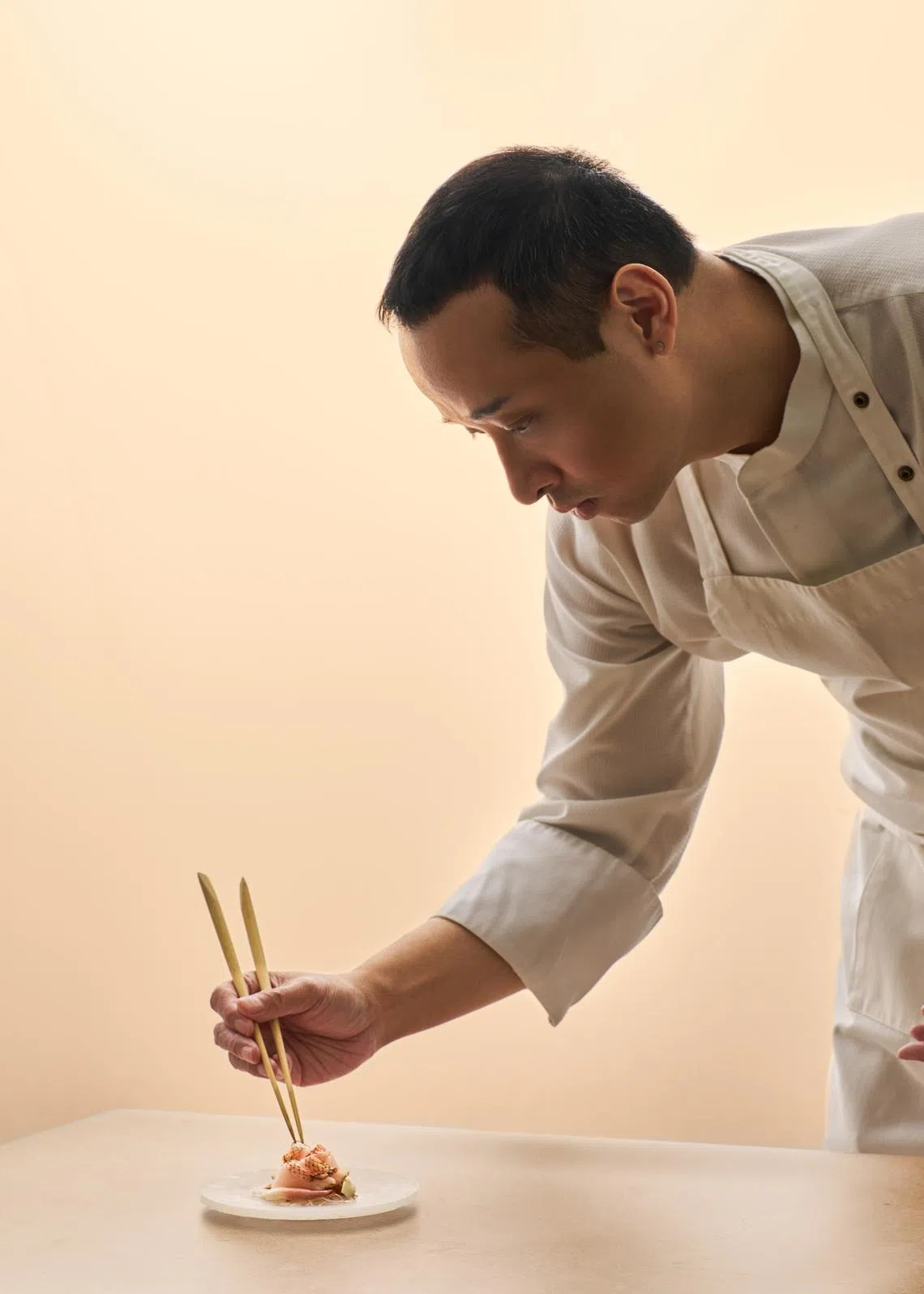
He will reopen in Carpenter Street under a different name which has yet to be decided, with his new partner Desmond Heng, founder of Suguru Home Dining.
Suguru started out as a home-based business during the Covid-19 pandemic, specialising in Japanese seafood delivery. It has since expanded to supplying restaurants and also has a small dine-in concept in Joo Chiat.
The new partnership leverages Tan’s creative cuisine direction and Heng’s expertise in ingredient sourcing and business management. “Each person focuses on his strength,” points out Heng. “With a stable supply chain and ingredient support in place, chef Ace can focus on developing the menu and dining experience.”
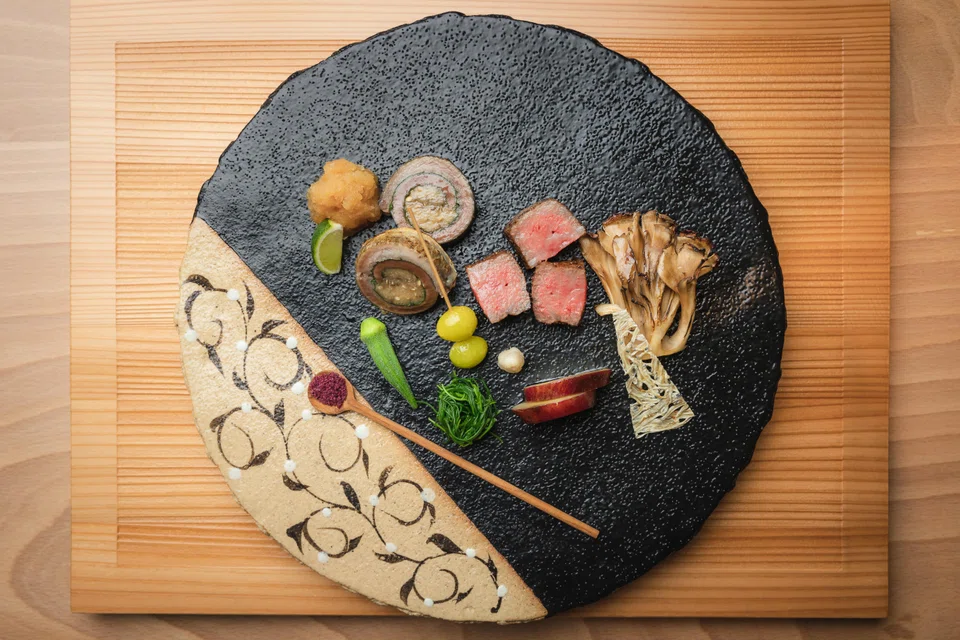
The restaurant will continue where ASU left off, says Tan. The plan is to open in April or May, and build on the principles of traditional Chinese medicine, seasonal eating and foraging.
“The food philosophy is progressive Asian, with a slightly stronger emphasis on South-east Asian flavours and ingredients. My approach is to apply global techniques to traditional roots, keeping the experience evolving and connected to the region.”
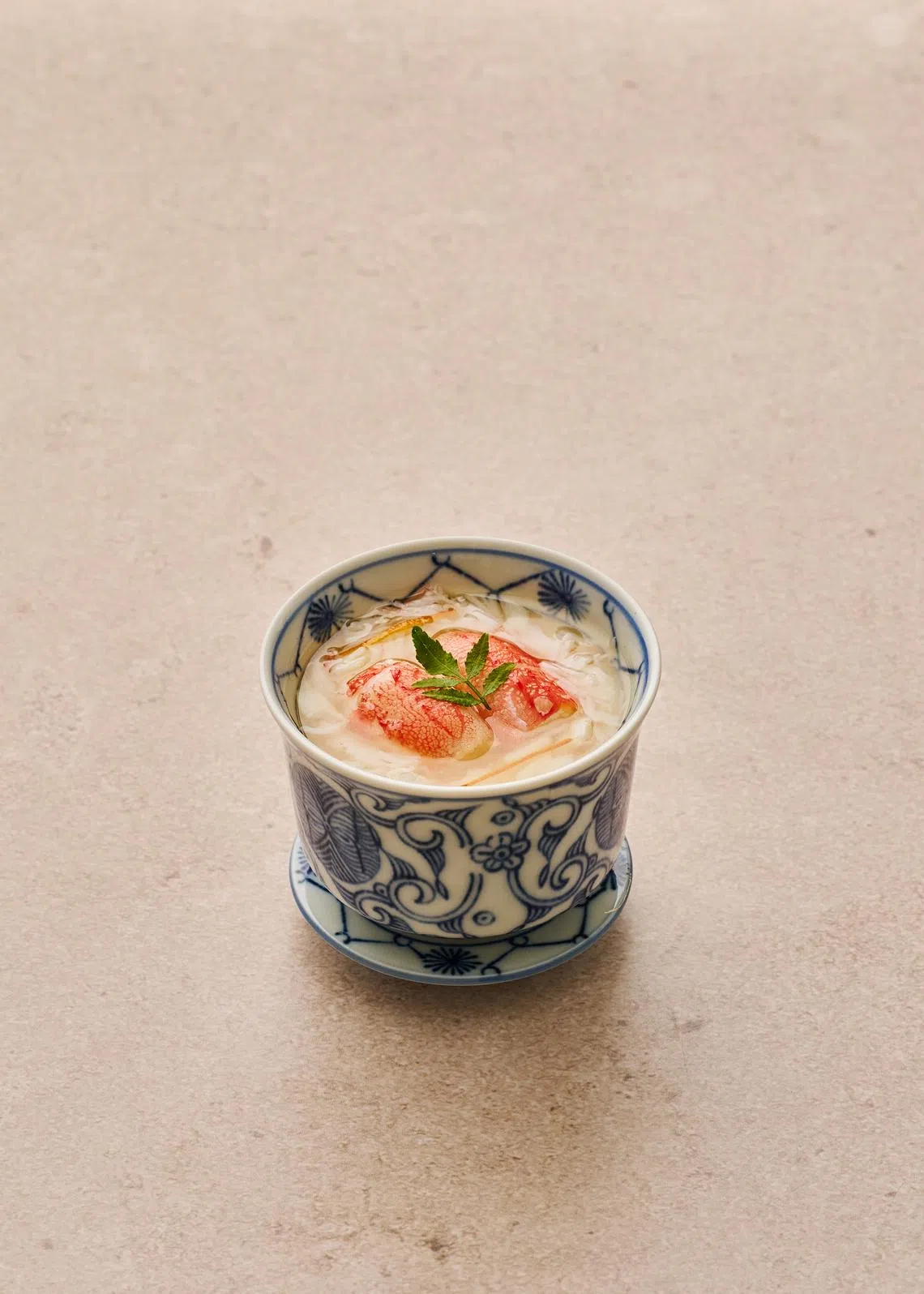
Menus at the new 1,500-square-foot eatery will start from under S$200 for six to seven dishes. Seating will be compact, with 22 seats including a 10-seat counter, table for four and a “collapsible” private room. The design is modern Asian with Chinese touches.
Meanwhile, he has been laying the groundwork with a pop-up at Suguru’s dining space ending on Mar 12. He is serving a spring menu, which will be a prelude to the summer menu that he will launch at the new restaurant, in keeping with the changing seasons in East Asia, adds Tan.
From La D’Oro Singapore to Jakarta
Fans of Japanese chef Yohhei Sasaki’s good-value and innovative Japanese-Italian cooking at the former La D’Oro in Mandarin Gallery now have good reason to visit Jakarta, where he is opening a new restaurant with a long-term Indonesian customer as his partner.
Called Rin Culinary Art after his son, it offers Sasaki full creative freedom to bring together his experience in Japanese, Italian and South-east Asian cuisine to develop his own brand of cuisine, he says.
The restaurant, located in the upscale residential area of Dharmawangsa in south Jakarta, will be a two-in-one concept offering omakase as well as casual dining.
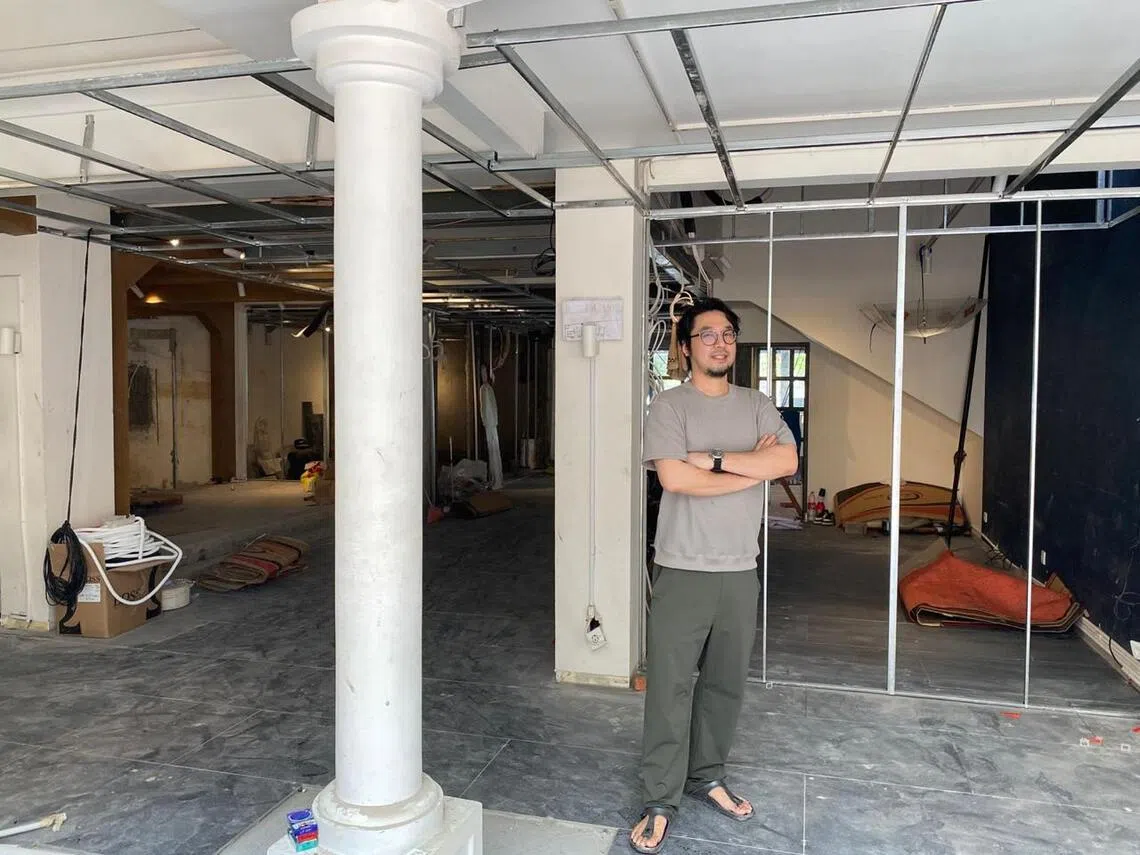
The restaurant is scheduled to open in May. The prices on its menu will be in a range equivalent to S$68 to S$120 for omakase and S$25 to S$30 for a la carte options. Sasaki plans for 90 per cent of the ingredients to be Indonesian as he sees the potential in local produce, he says. He wants to help promote local farmers and fishermen as well.
The F&B industry in Singapore – where Sasaki has lived since 2012 – has simply become too competitive, and manpower issues were a constant struggle at La D’Oro. He sees more potential to grow in Jakarta where the restaurant scene is fast developing, driven by a younger population and developing middle class.
His partner is a customer who has been a regular since Sasaki’s il Cielo days, and persuaded him to move to Jakarta where he wanted to open a restaurant.
There are both pros and cons in doing business in the Indonesian capital, he notes. “Rental and labour costs are roughly one-tenth of Singapore’s, but there are also the issues of staffing quality and language problems to deal with.”
Imported ingredients such as frozen Japanese fish and wagyu are also more expensive than in Singapore, which makes fine-dining pricey in Jakarta. That is why he is looking to keep costs down by using local produce. At the same time, he is impressed with the quality of the seafood, some of which can rival that of Japan.
One of the joys of being a chef in Jakarta is being able to meet local producers. He has reconnected with his Italian fisherman friend in Lombok and a Japanese fisherman in Bali who supply him with shima aji and kue – processed using traditional ikejime techniques.
It’s still a learning process as he adapts to the new environment, but he’s excited about the potential.
And with budget airfares and five-star hotels in Jakarta costing less than S$200 a night, an all-inclusive trip to eat at his new restaurant could even cost less than an omakase menu in Singapore, he quips.
Decoding Asia newsletter: your guide to navigating Asia in a new global order. Sign up here to get Decoding Asia newsletter. Delivered to your inbox. Free.
Copyright SPH Media. All rights reserved.






