Victor Liong pairs Aussie and Asian food with mixed results at Artyzen’s Quenino restaurant
The Melbourne chef-restaurateur tries his hand at capturing Singapore’s food heritage but barely skims the surface
NEW RESTAURANT
Quenino by Victor Liong Level 4, Artyzen Singapore 9 Cuscaden Road Singapore 249719 Tel: 6371-6030 Open for dinner only Tues to Sat: 6pm to 10:30pm.
WE generally like tourists. We like feeding them chicken rice and kaya toast, watching their eyes widen like kids eating candy for the first time. And when they poke around wet market stalls sniffing pandan and kaffir lime leaves in wonder, we feel like benevolent deities who just bestowed them with enlightenment.
But when those tourists are chefs, that’s a different matter. Especially if they’re in Singapore opening restaurants for the first time. You know, the types who visit Chinatown, hang out with Damian D’Silva a bit and suddenly they’re the conduit to filter traditional Asian cooking through their western lens. Pity the likes of coconut, kaya or XO sauce being manipulated in ways that would make their elders blush, all in the forgiving but highly misused name of modern Asian cooking.
So we can’t help raising an eyebrow or two at Quenino by Victor Liong – a new Australian import at the Artyzen hotel that’s somehow adopted Singapore’s multiculturalism as its inspiration. The Sydney-bred Liong comes with some pedigree. His Melbourne restaurant Lee Ho Fook has two hats – their version of Michelin – serving modern Chinese food to a clientele that didn’t exactly grow up eating fried rice or tossing yusheng.
But now he’s taking on a tough gig – appealing to a Singapore market filled with local-born chefs already doing way more complex interpretations of Asian food. It’s like going up to a bunch of eskimos and saying “Yeah well, my ice is imported, you know”. He may have a point. We are a nation which loves imported things.
Just how much is the key test for Quenino, which means “little one” in Kristang/Eurasian patois but also spells out its Asian intent. It may well have been the hotel directive too, given its strong Asian heritage/tropical bent with vivid art in its lifts and greenery coming out of its concrete ears.
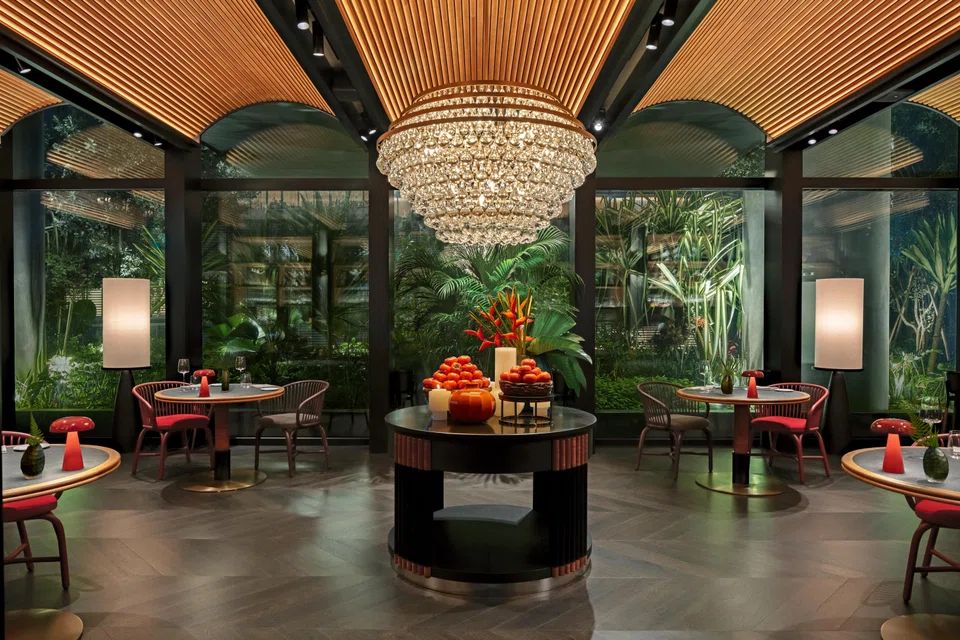
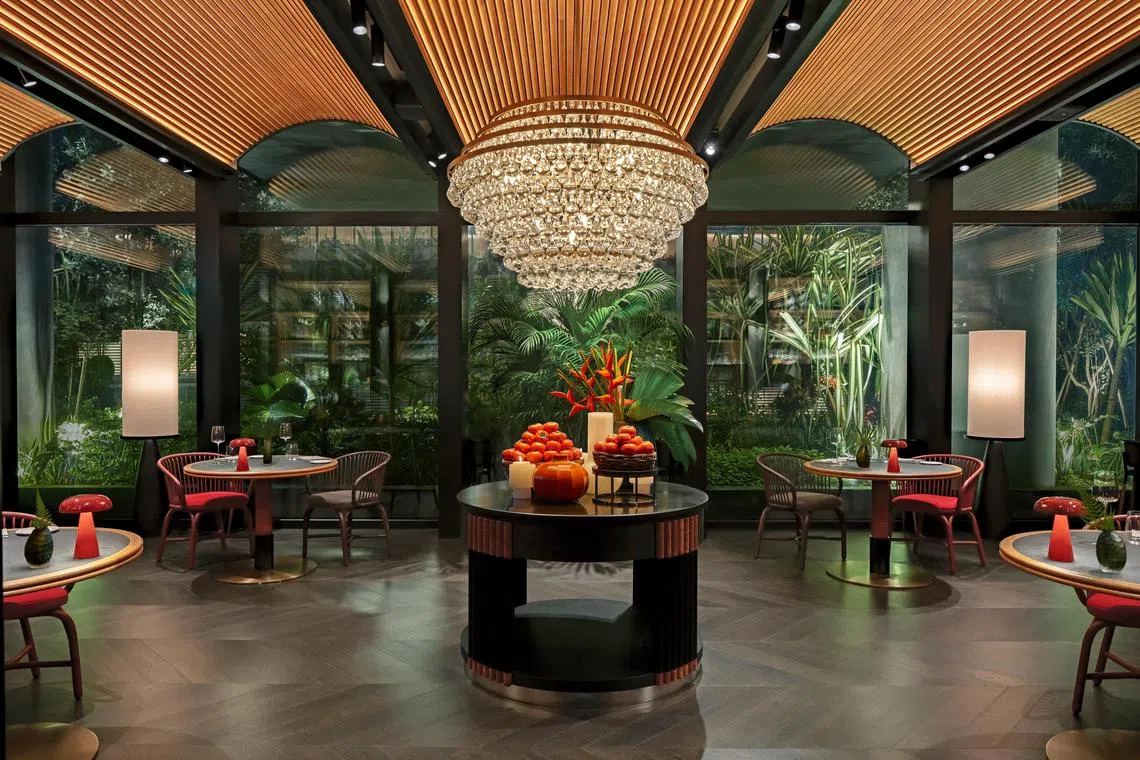
The restaurant itself sits in an indoor-outdoor setting like a conservatory crossed with an upscale club lounge. It’s got a chandelier, ceramic fruit art and low lighting to assert its opulence, but it adds patio-like chairs so it doesn’t get too stuffy.
And sometimes you see Liong himself, looking like a very friendly part-time waiter they hired at the last minute - clad in bermudas and serving dishes, recognisable only by his very strong Australian twang.

Maybe like his bubbly, laid-back persona, the food feels similarly so. It’s competent but not convincing, with no compelling story that you can actually taste. It’s a very loose mashup of ideas with a bit of Australian sensibility here, an attempt at locavorism there, and mostly stilted Chinese-Asian iterations. Of note here is that Liong is a consultant chef and hasn’t relocated here – going by other similar chef arrangements here, navigating a restaurant based on your name from afar is always an iffy proposition.
The entry-level S$180 menu fills you up eventually, even if it feels like you’re only getting a string of snacks followed by a couple of main courses. And oh, kudos for daring to use lemongrass stems as chopstick holders. It would be eye-rolled out of a local restaurant but here, it’s well, kitschy tourist fun.
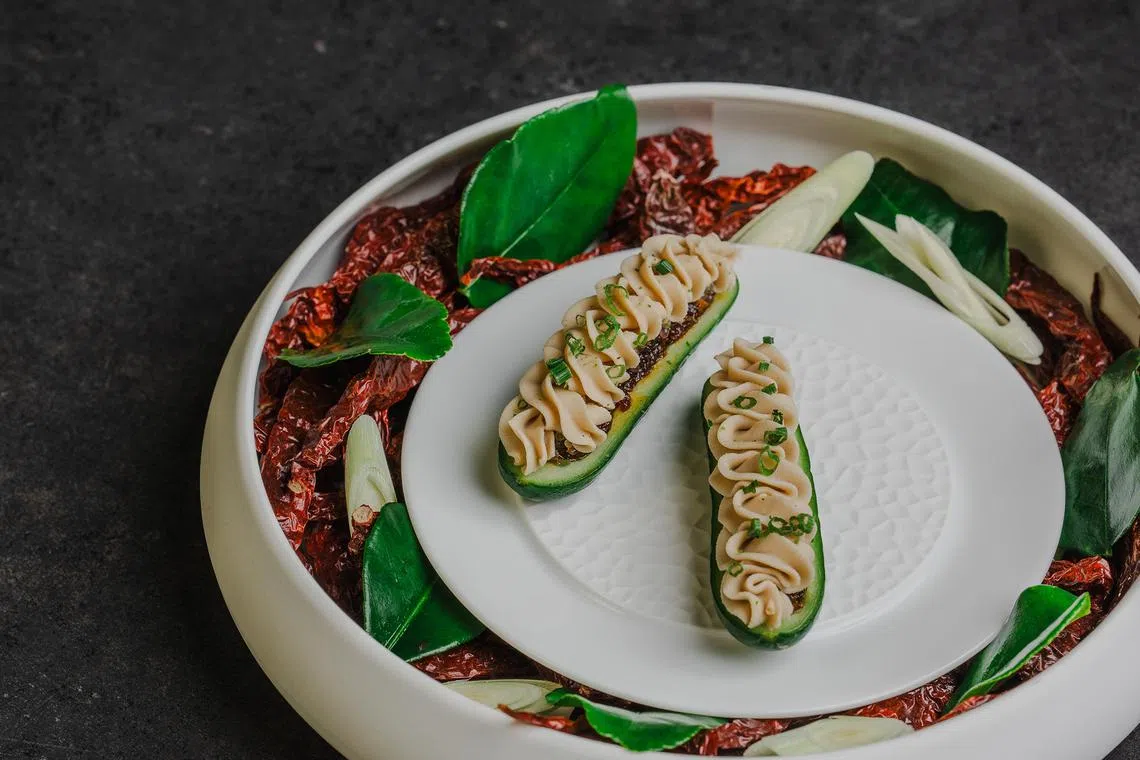
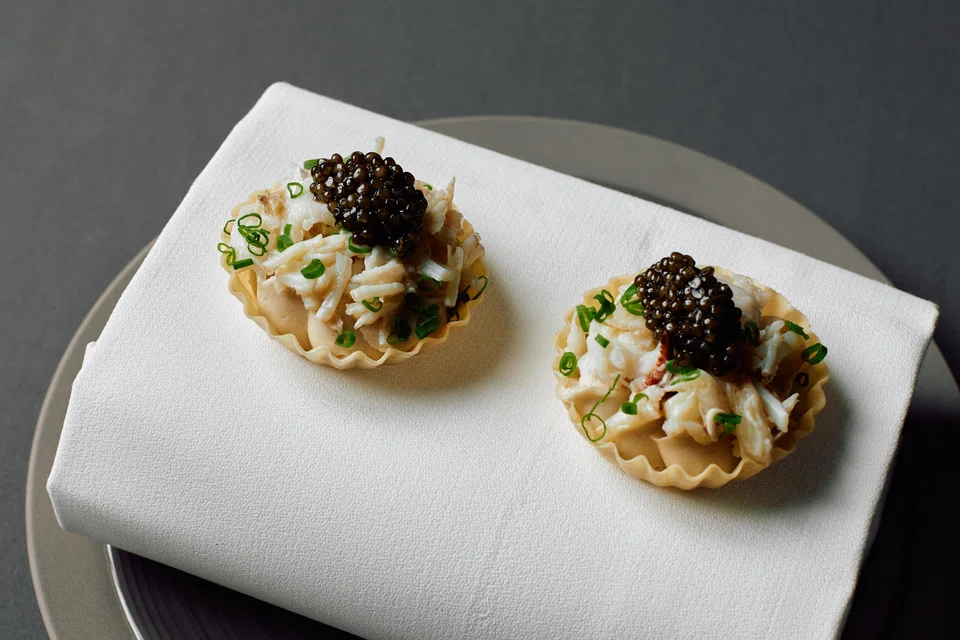
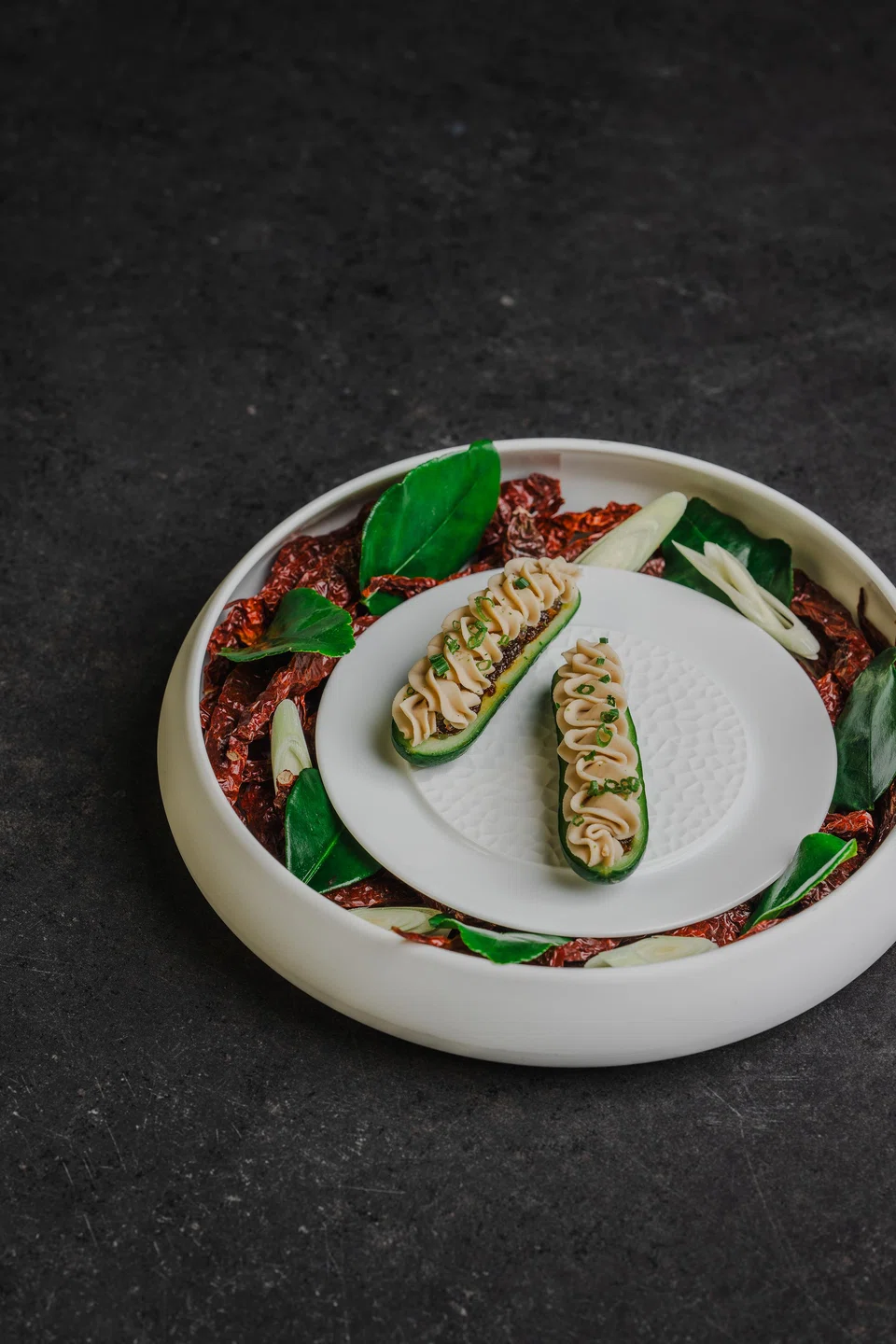
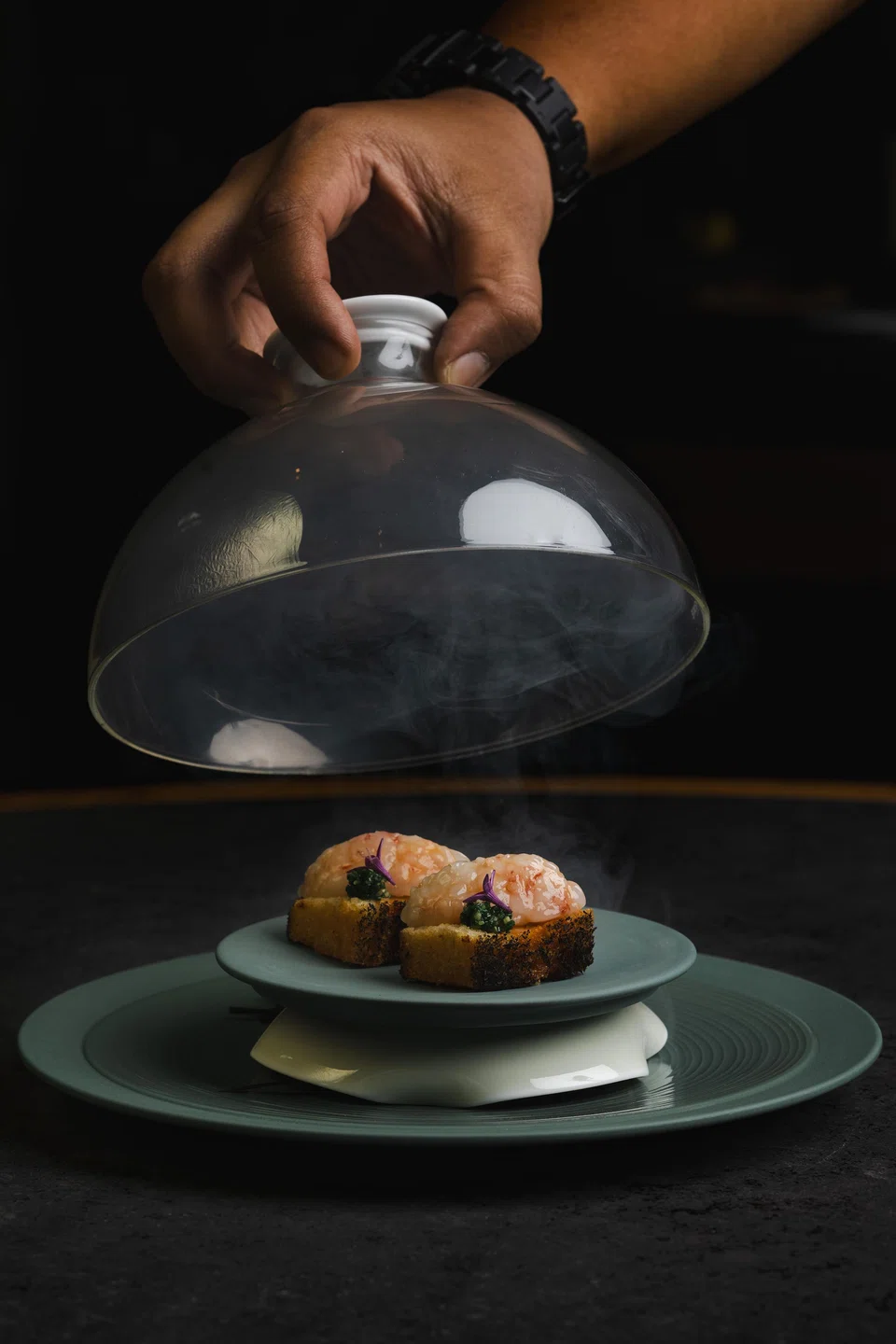
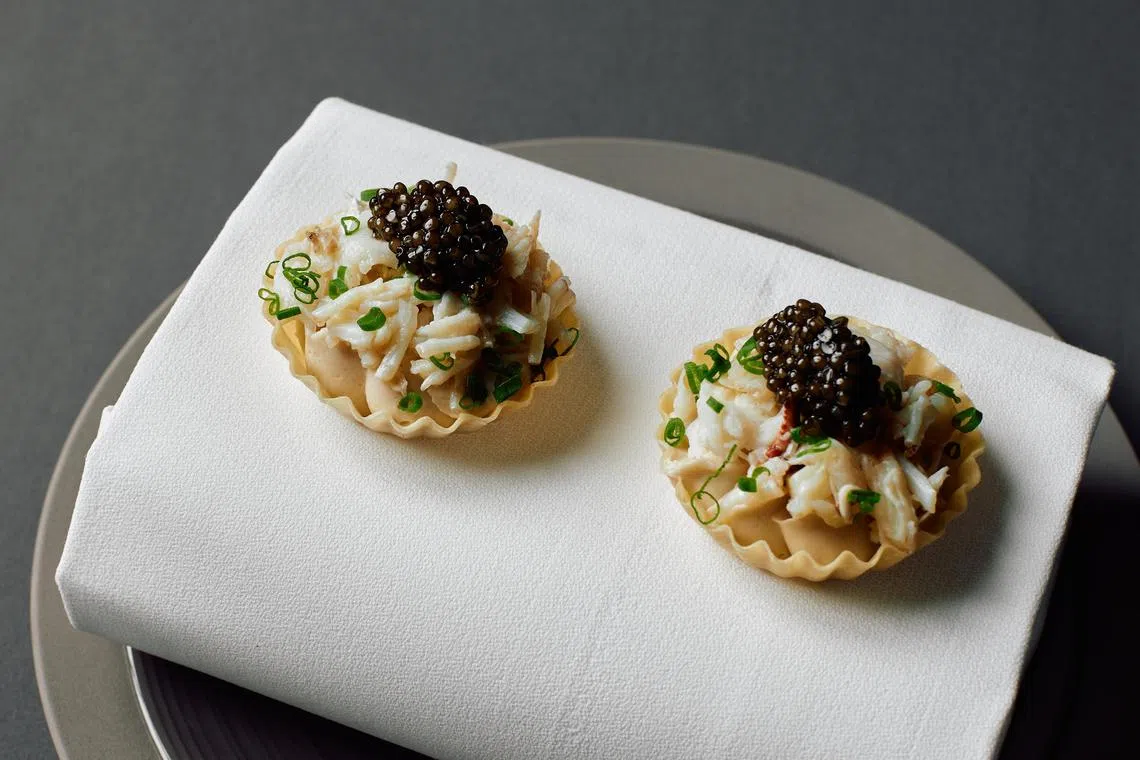
A crunchy complimentary veggie tart with just a bit of acidity gets the appetite going. The snacks that follow are like bit players in a skit that you don’t really notice. A crab tart topped with oscietra caviar thoughtfully sourced from Malaysia but which doesn’t taste like any sturgeon we know. Mushy ama-ebi lets down an otherwise agreeable prawn toast stuffed with spicy otah. Baby cucumber stuffed with chilli jam and cashew cream with a weird hint of soap is a crudite by any other name.
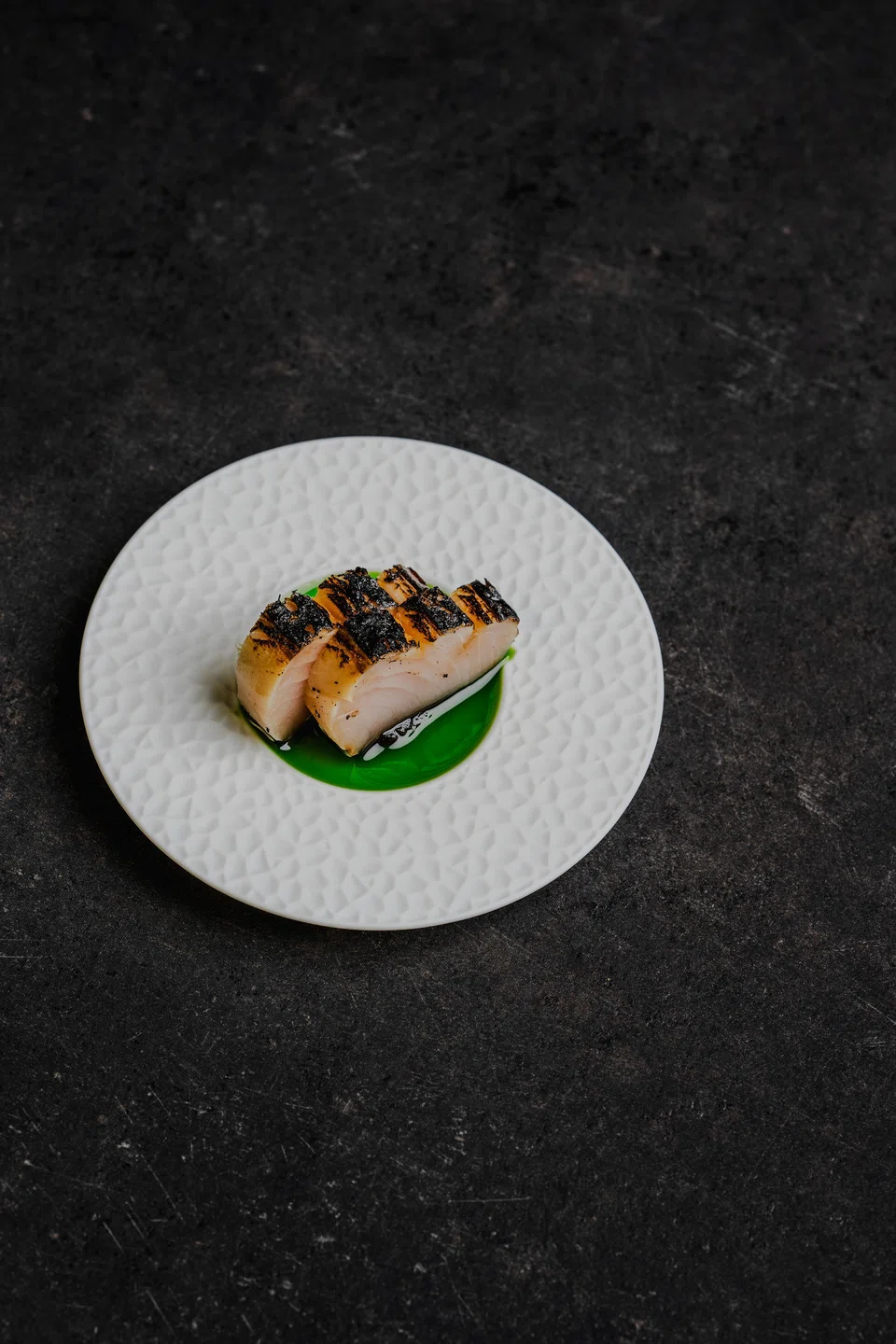
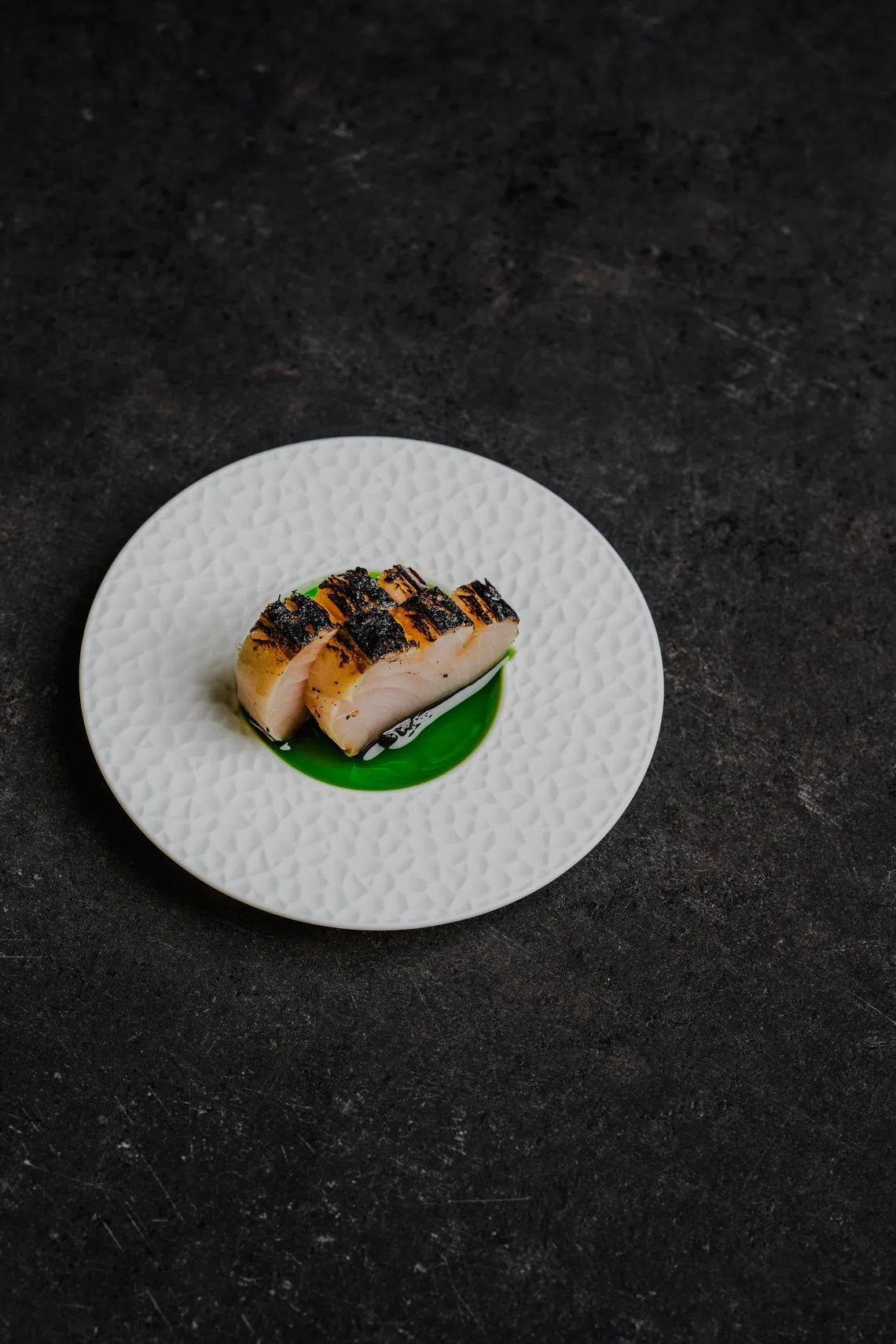
Liong does have a way with raw fish though. Lightly torched slices of velvety Spanish mackerel get a very light glaze of gula melaka soy, a splash of green onion oil and a dousing of savoury seaweed tapenade for some umami harmony.
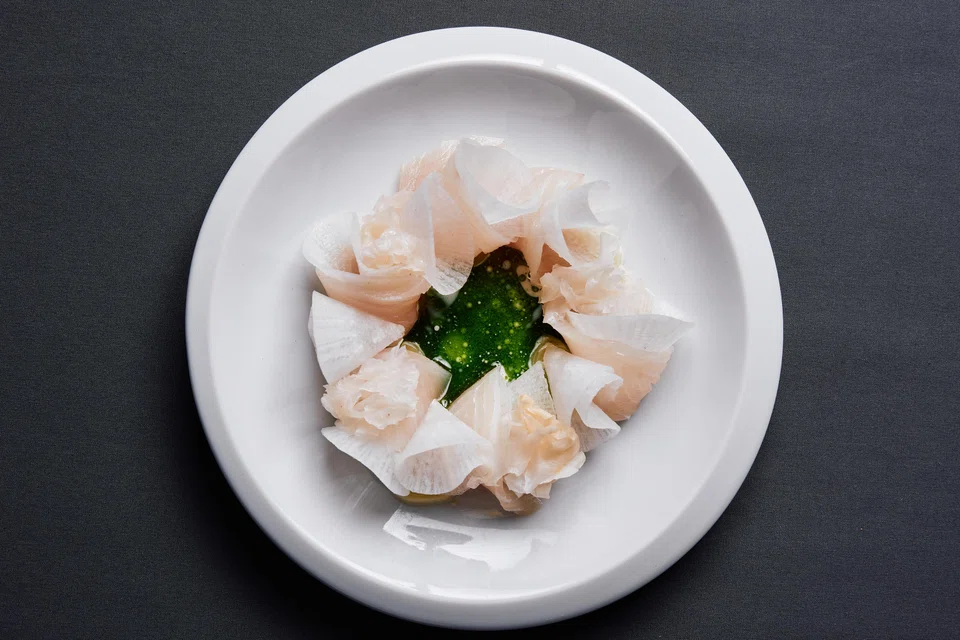
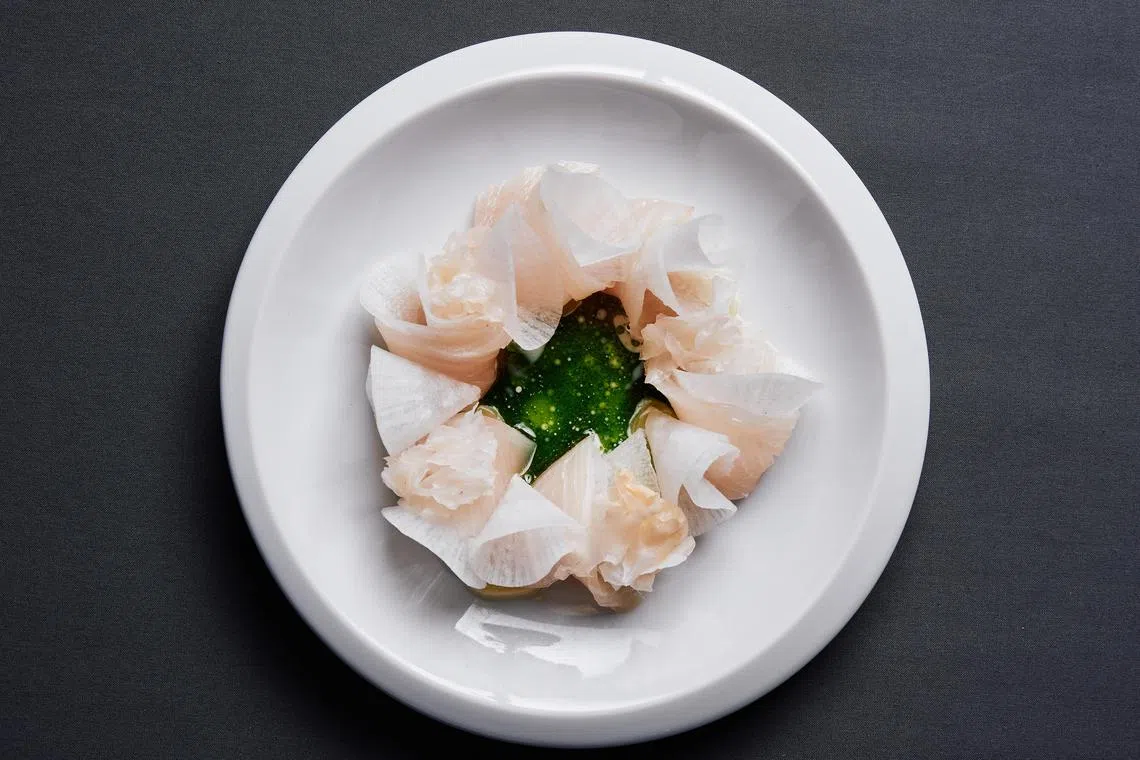
There’s also some breezy Aussie effortlessness in the way he pulls together kingfish sashimi in a buttery garlic sauce also laced with green onion oil, balanced with pickled radish slices and crunchy Chinese white fungus.
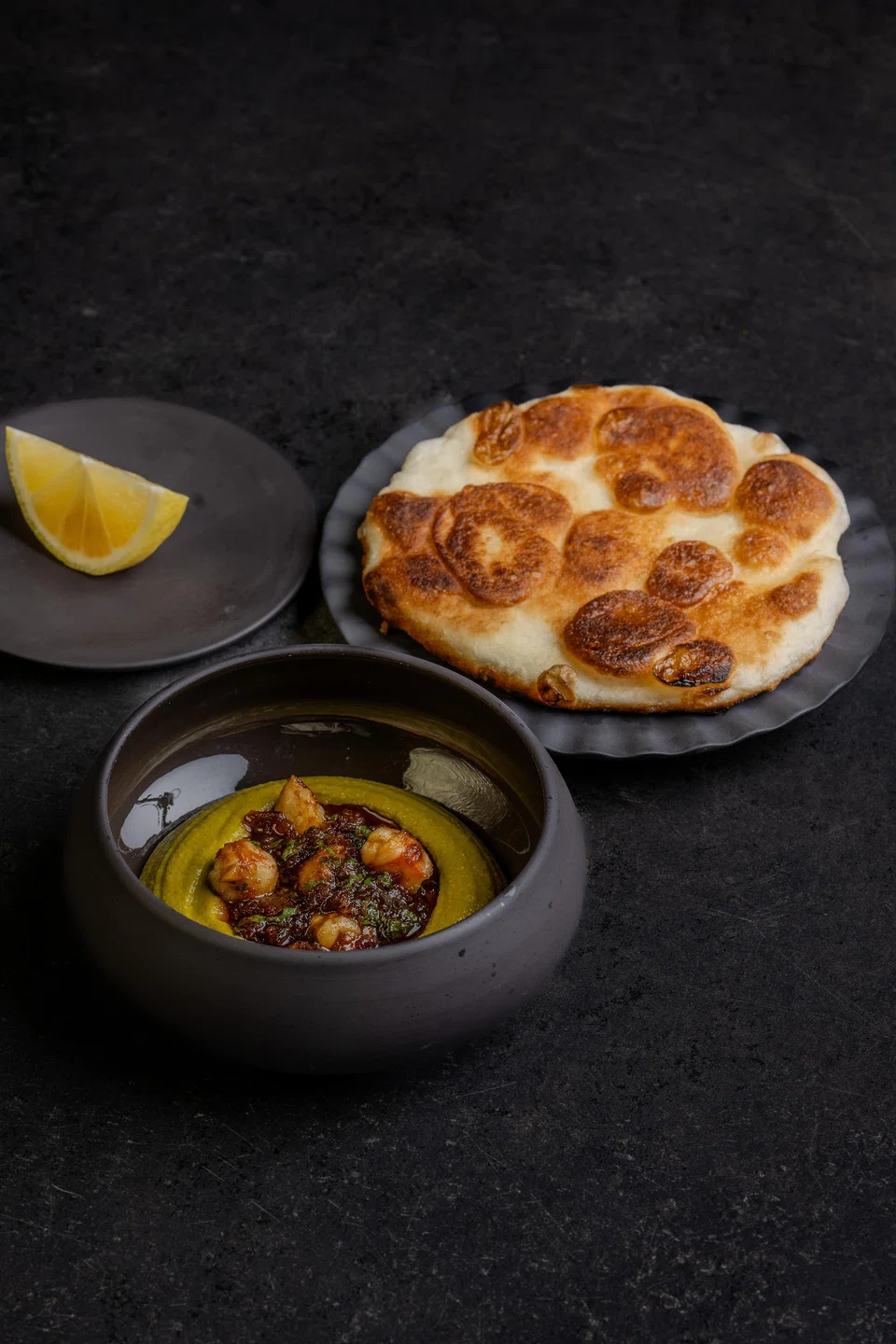
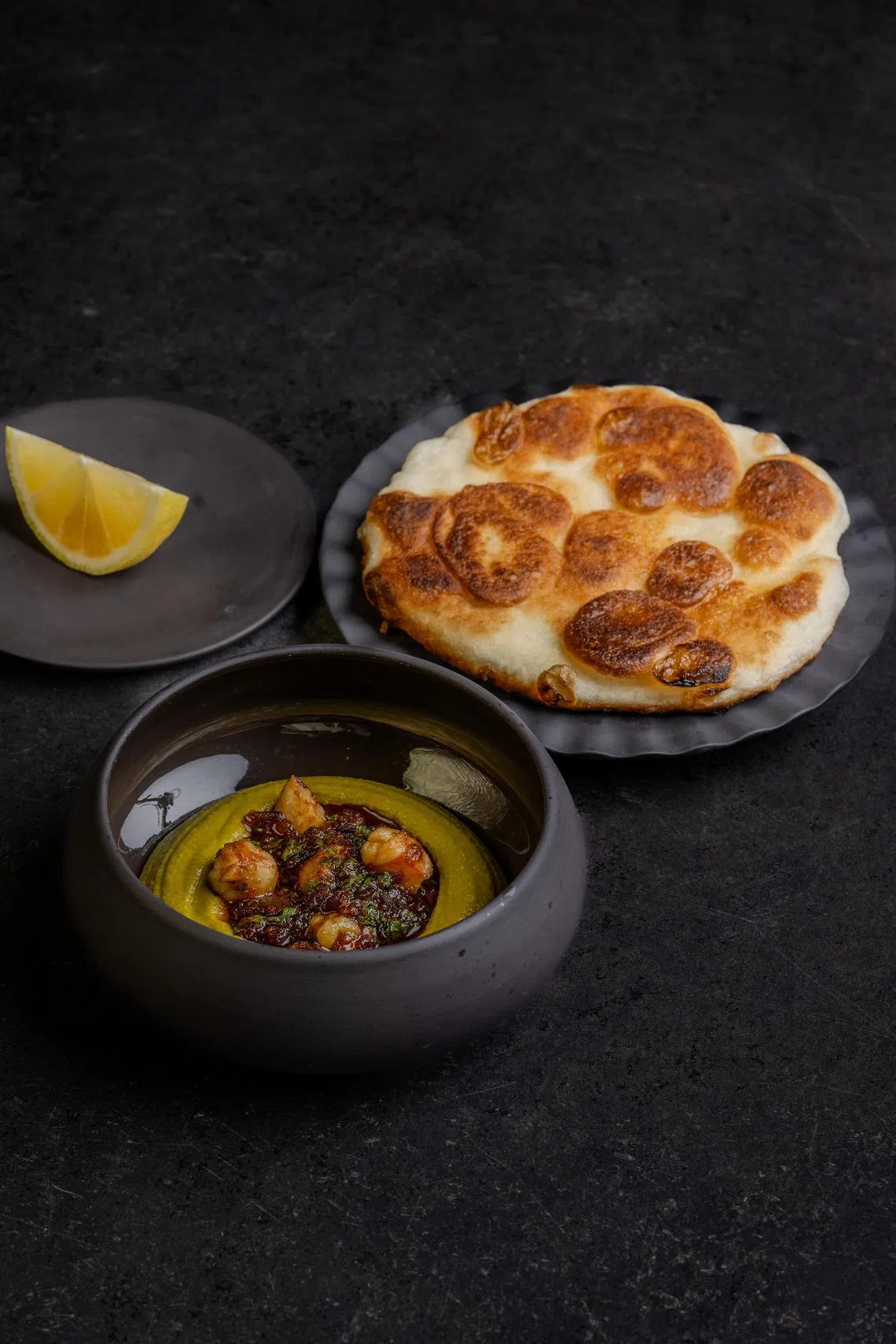
And as a bonus, freshly made flatbread for scooping up a lovely lentil hummus spiked with a bit of XO sauce, chorizo and prawns – an odd combo but still our favourite part of the meal.
But ambivalence returns when he obsesses over Asian tropes like he has a quota to fill. Hence a crisp-skinned fillet of dry-aged Murray Cod in a frothy fish bone broth with a side of wing beans and clams stir-fried in sambal belacan that’s straight out of left field. And overly fatty soy-braised pork that melts into its thick, salty, syrupy glaze paired with cabbage and stir-fried mushrooms.
Plum sorbet with salty sour pickled plum bits is a nice pick-me-up. But not the odd mutation of sweetcorn ice cream, plaster-like pandan mochi, peanut powder, milk powder and an avalanche of coconut snow that’s not so much a dessert but a threat.
We’re able to get rid of the mochi taste by sucking on petit fours of tart guava jelly coated in salted plum powder and nama chocolate glazed with boozy rojak gin. It caps off a meal that has some nice moments and a pleasant environment but ultimately, Quenino still needs to get its story straight.
Rating: 6.5
Decoding Asia newsletter: your guide to navigating Asia in a new global order. Sign up here to get Decoding Asia newsletter. Delivered to your inbox. Free.
Copyright SPH Media. All rights reserved.