

Why Michelin chefs are moving into luxury hotels
Rising costs and changing expectations are driving a wave of chef-hotel collaborations, reshaping how fine dining is conceived in Asia
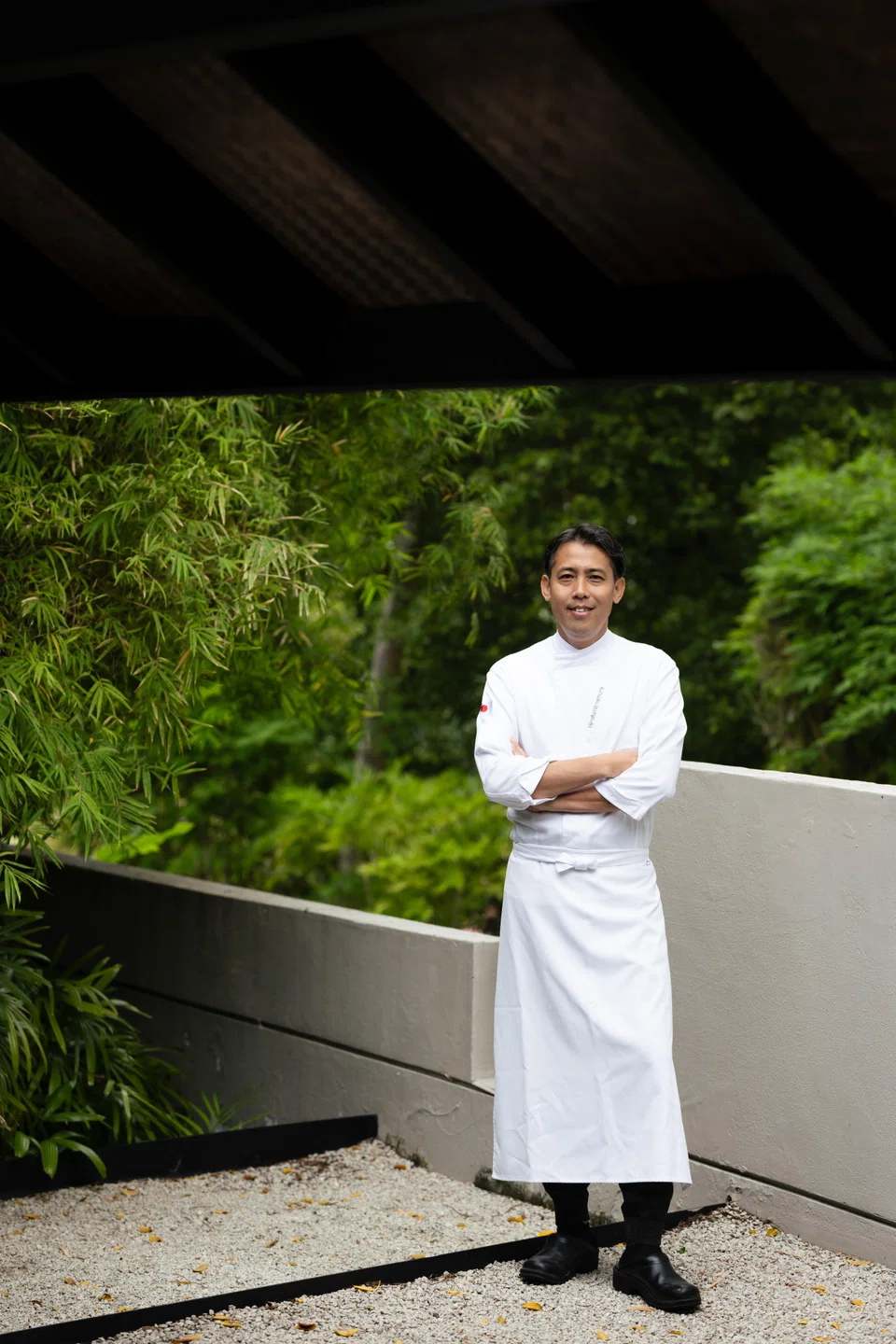
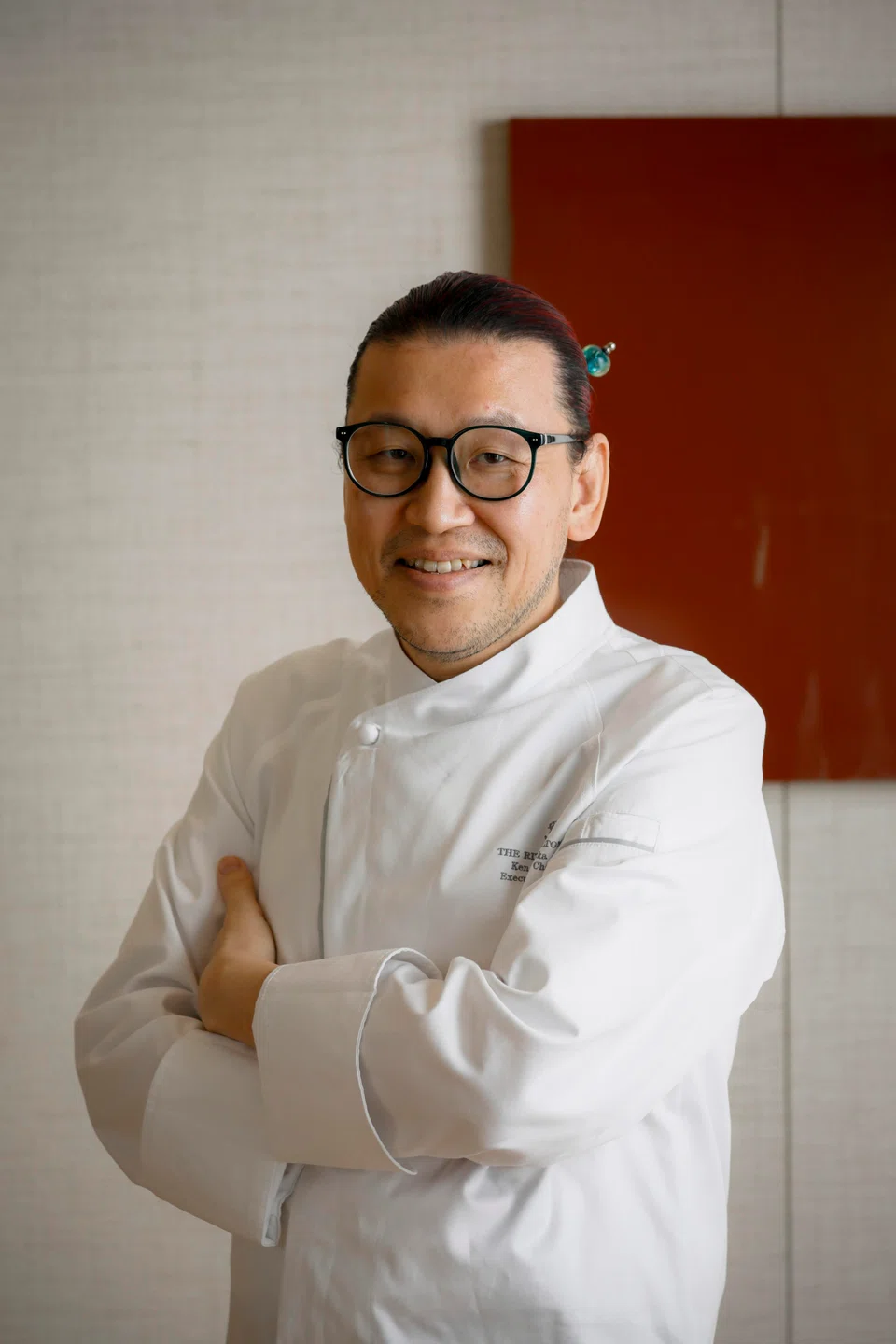
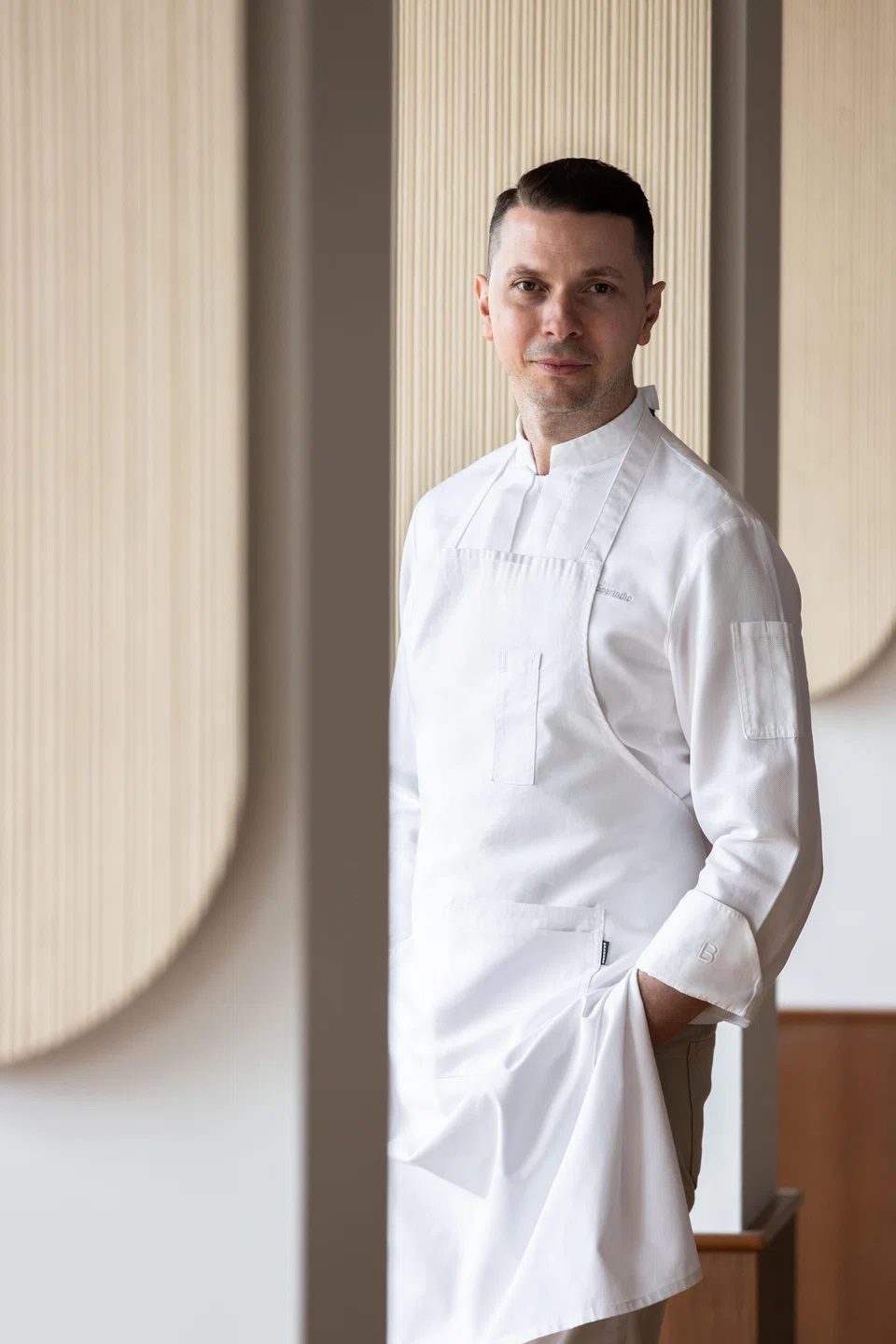
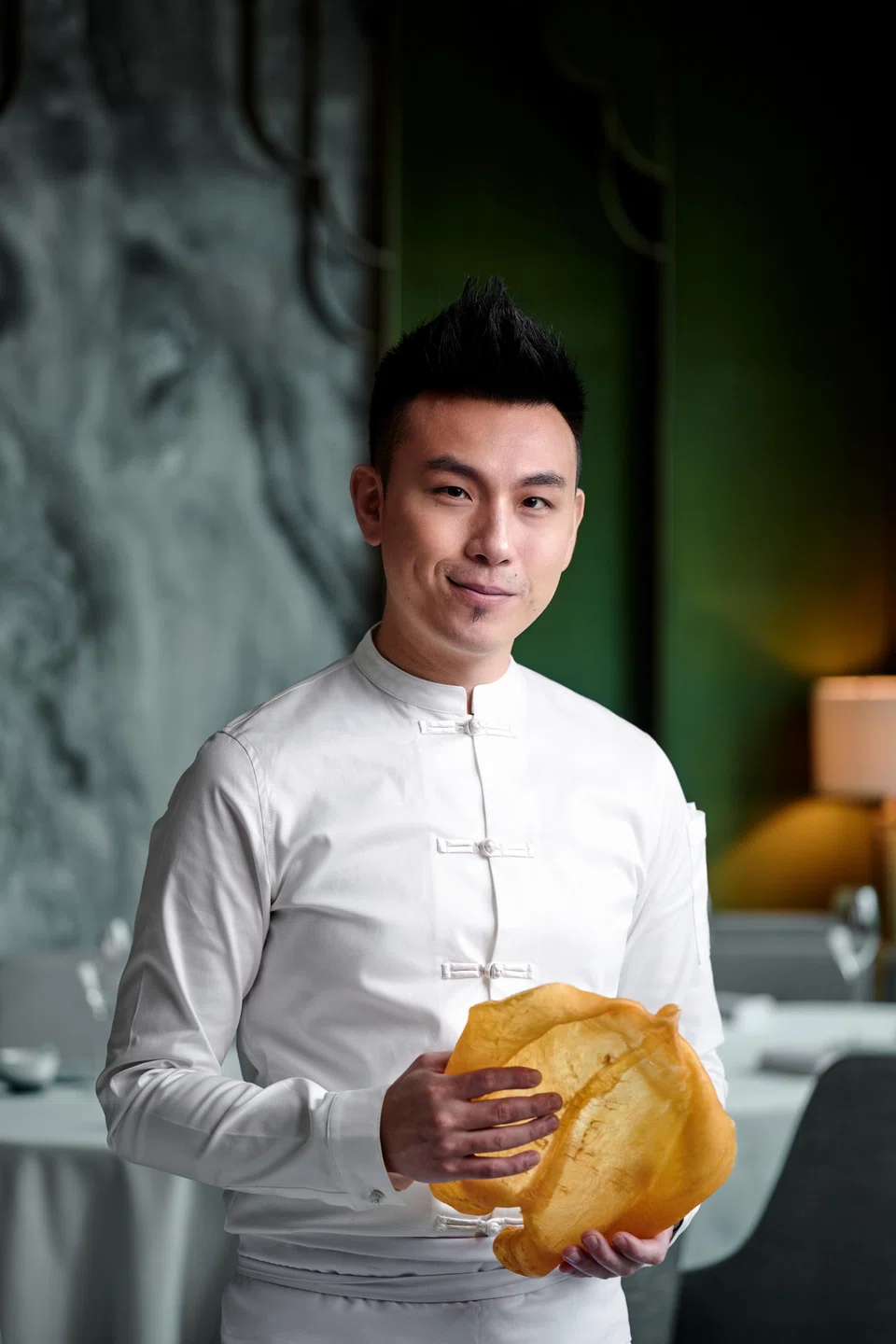
WHILE the F&B scene has of late been dogged by news of Michelin-starred restaurant closures, there has been a silver lining – at least for some of the chefs involved. Several – such as Sommer’s Lewis Barker, Beni’s Kenji Yamanaka, Art’s Daniele Sperindio and Euphoria’s Jason Tan – have found new career opportunities in the hotel industry as head chefs or consultants.
They, along with other chefs with Michelin credentials, are increasingly working with luxury hotels and resorts as the global hospitality industry taps independent chef talents rather than hotel-bred executive chefs to diversify their culinary offerings.
Traditionally, luxury hotels relied on imported star power – European heavyweights such as Alain Ducasse or Jean-Georges Vongerichten. Today, Asian-based chefs are increasingly shaping this model, bringing distinct culinary identities to the fore.
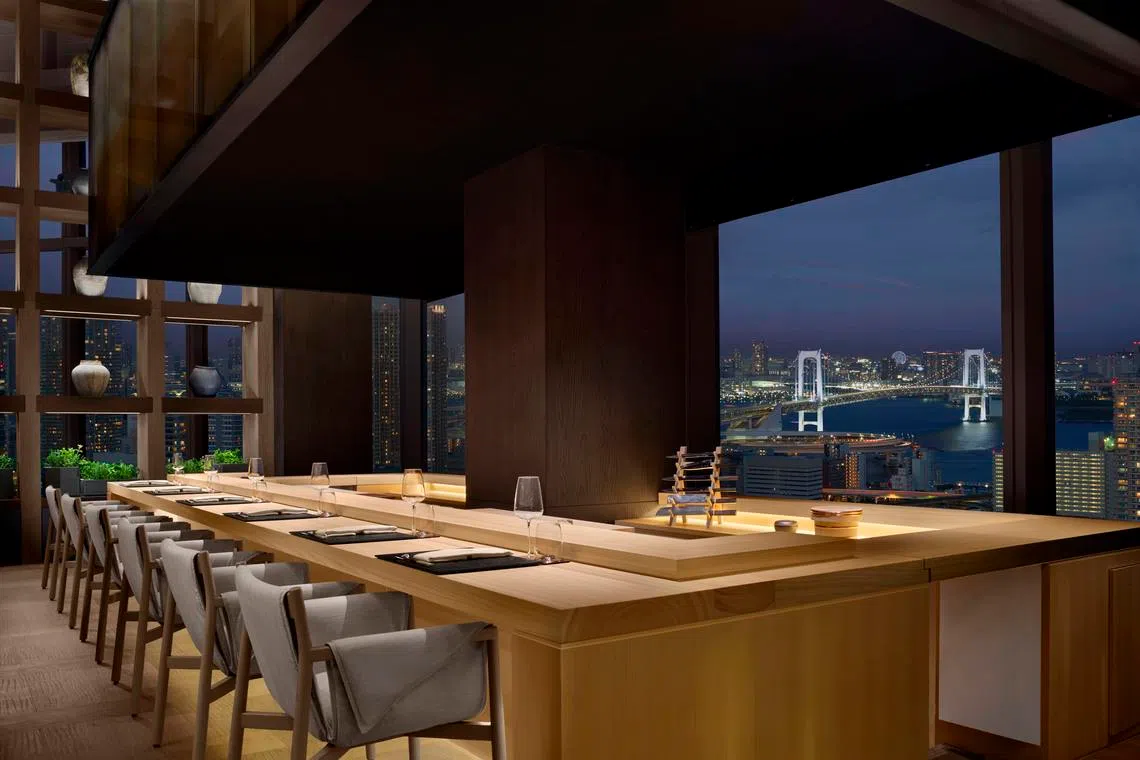
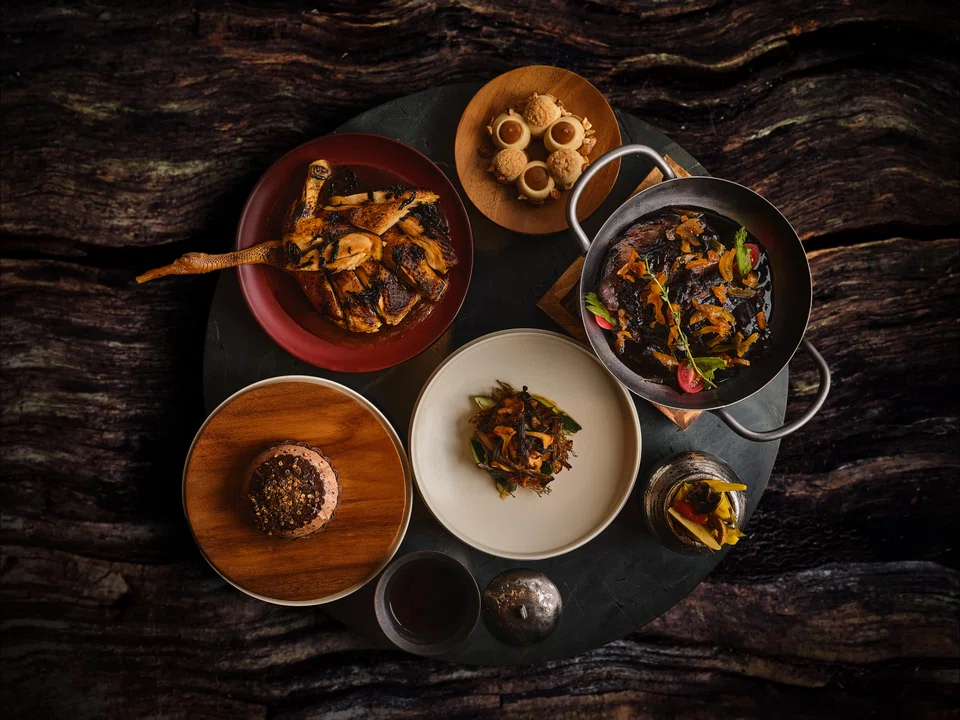
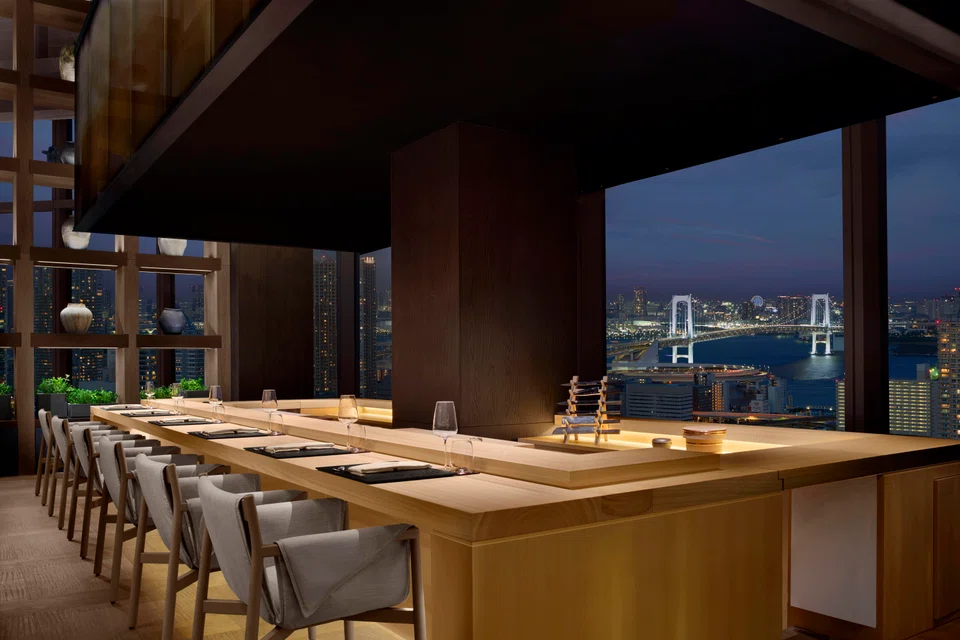
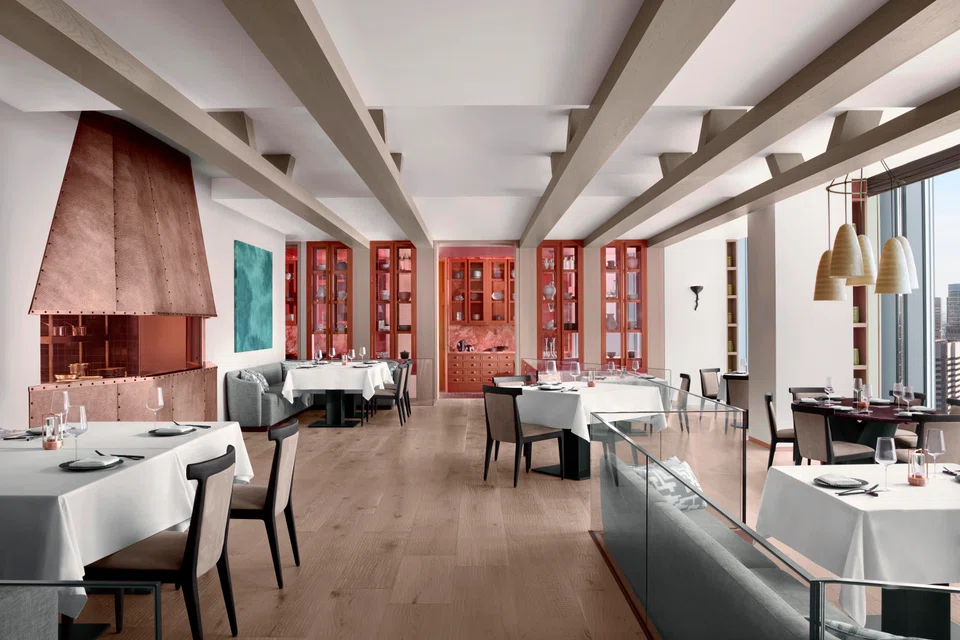
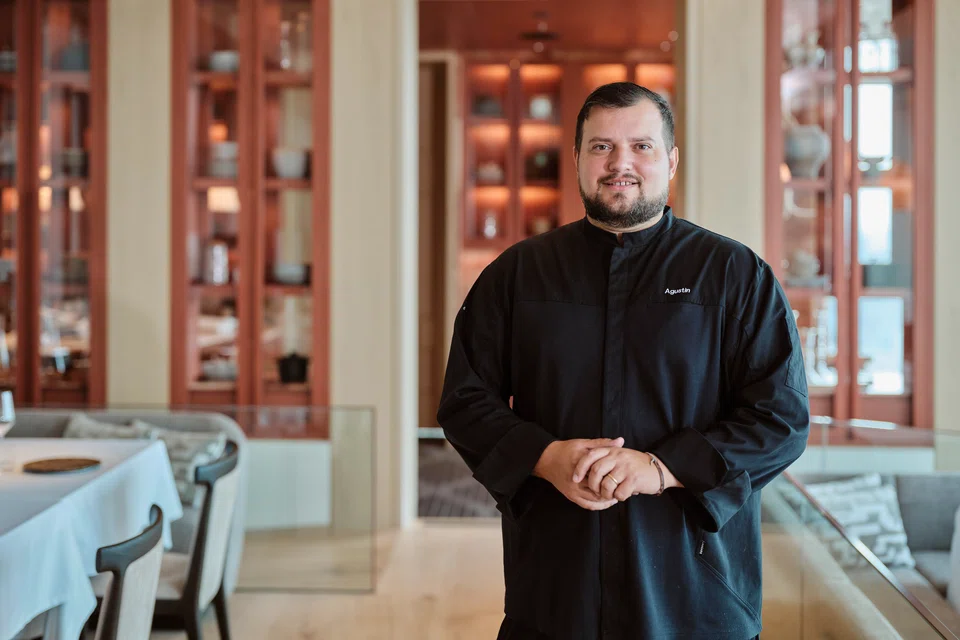
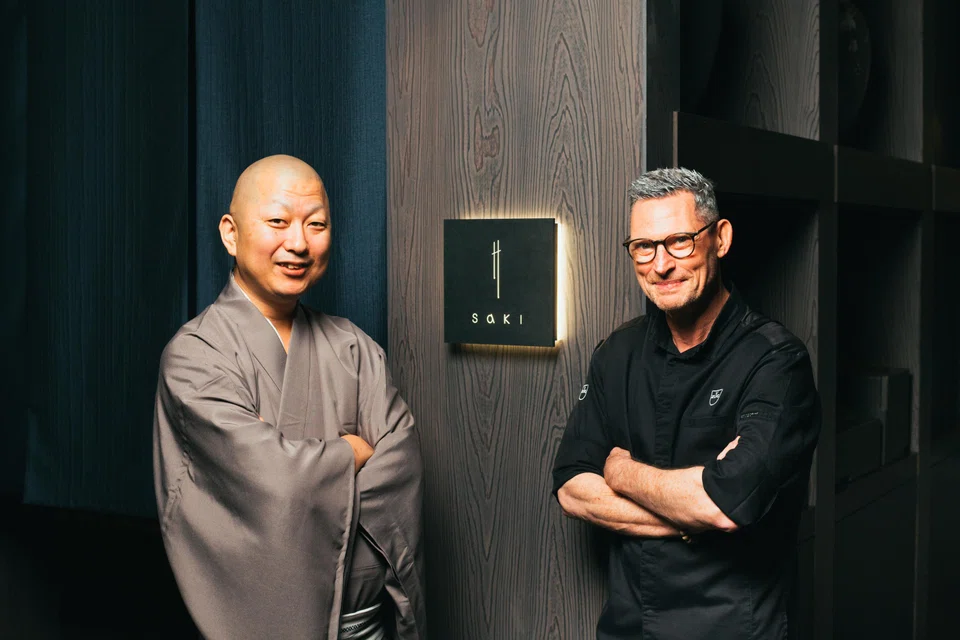
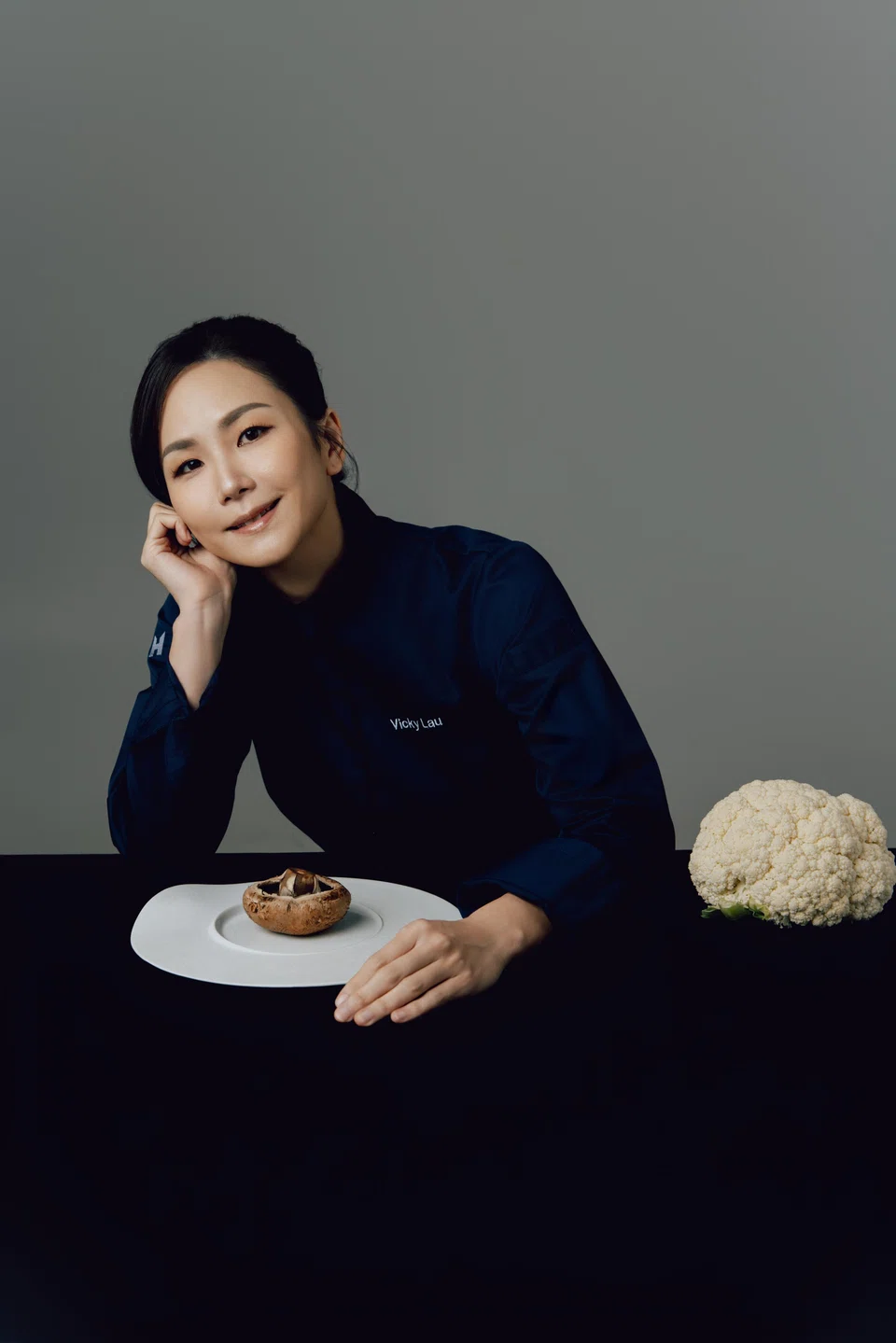
Recent examples abound. Vicky Lau, chef-owner of the two-Michelin-starred Tate Dining Room, launched JIJA by Vicky Lau, a Yunnan-inspired bistro at Kimpton Tsim Sha Tsui Hong Kong. At the new JW Marriott Tokyo, Singapore-based Emmanuel Stroobant of the two-starred Saint Pierre and Shoukouwa oversees Saki, an eight-seater modern kappo counter. In the same hotel, Agustin Balbi of Hong Kong’s one-star Ando leads Sefino, a Mediterranean concept. In 2026, Vicky Cheng, whose Wing ranks third on Asia’s 50 Best Restaurants, will debut a fine-dining concept at Capella in Galaxy Macau.
Good business sense for hotels
These chef-led collaborations are viewed as strategic investments rather than branding exercises, says Petr Raba, vice-president of food and beverage for the Asia Pacific (excluding China) at Marriott International.
With today’s diners seeking experiences rooted in identity and authenticity, “hotels are partnering with chefs who bring a unique culinary vision and cultural depth to the table”, he adds.
“In Asia especially, we’re seeing a dynamic generation of globally trained chefs redefining modern Asian cuisine. Their creativity and craftsmanship resonate strongly with guests, and we’re actively exploring partnerships with these rising talents to deliver experiences that feel both innovative and rooted in tradition.”
Beyond the buzz, stars or accolades, the value proposition runs deeper. “Chef-led partnerships elevate the entire guest experience and strengthen commercial performance,” Raba says, adding that they infuse world-class expertise into operations, raise standards, and energise teams.
Oriol Sola Ruiz, director of operations at JW Marriott Tokyo, agrees: “Our hotel provides the framework, standards and platform needed to develop a dining concept that can operate at an international level while remaining locally relevant.”

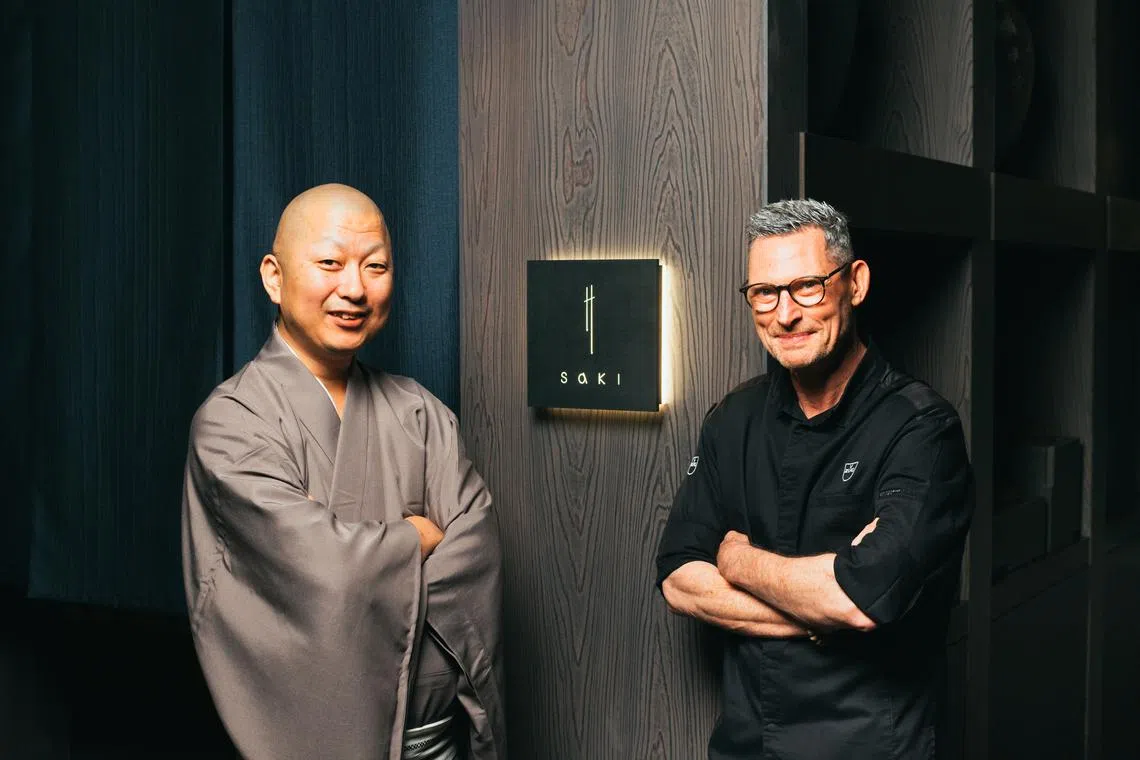
Commercially, the benefits are mutual. Stroobant says: “For JW Marriott, Saki offers a distinct identity in a market where standard sushi counters are common. It gives locals a reason to visit, not just in-house guests, and creates a story that travels well internationally.
“The partnership makes entering a new market more sustainable; the hotel provides infrastructure and a ready audience, while we bring the culinary direction and craft. The result is stronger than what either side could achieve alone.”
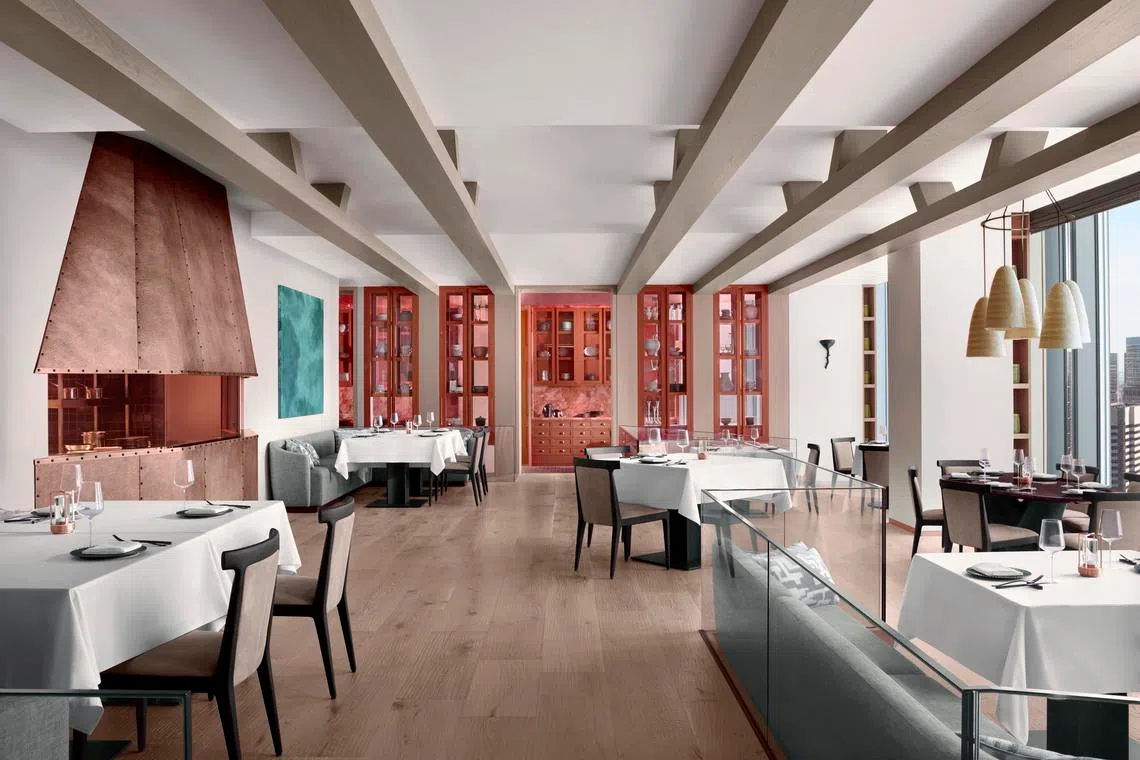
For Sefino, JW Marriott Tokyo’s Sola Ruiz says: “Mediterranean cuisine has been gaining appreciation in Japan, but often in casual or traditional forms. We felt there was room for a more elevated, contemporary interpretation that could resonate with Tokyo’s sophisticated diners.”
He adds: “What we specifically sought in Chef Agustin was authenticity, credibility and a clearly articulated culinary identity.”
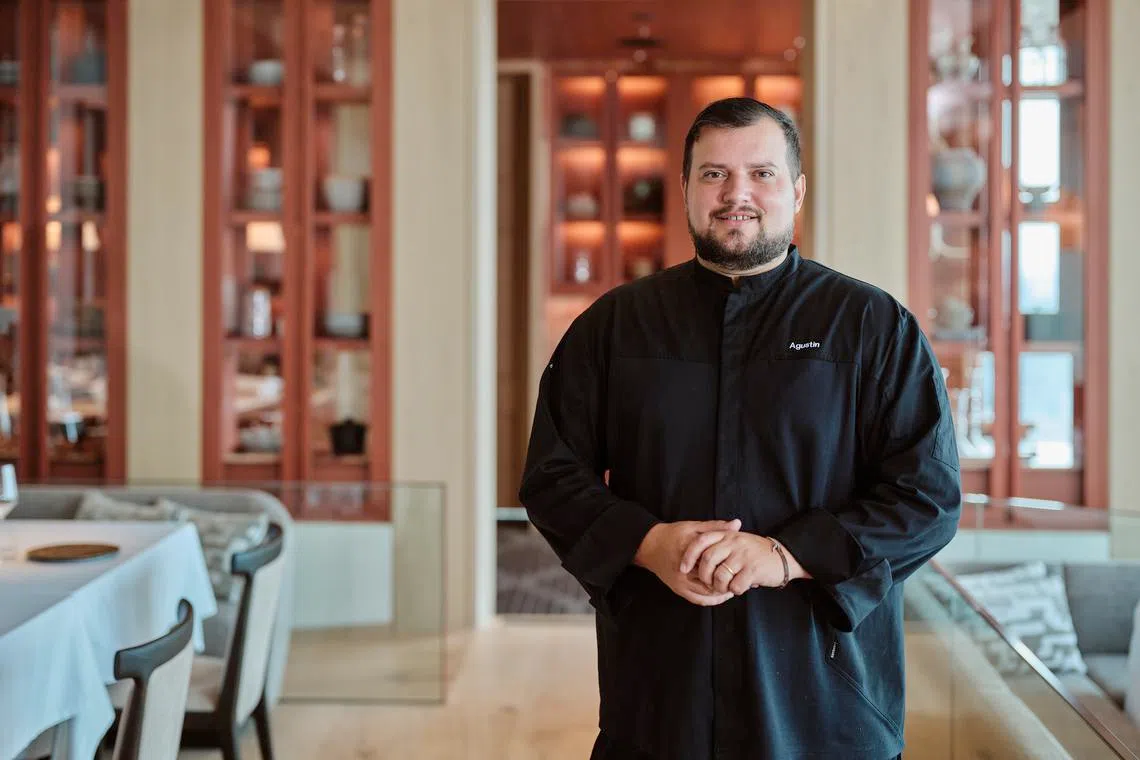
Balbi, who has worked in Japan before and is fluent in Japanese, feels that Sefino reflects his own personal journey. “I come from Argentina, a place with a mix of cultures, mostly Spanish and Italian. I came to Japan to create a unique style of cooking, and Sefino is a realisation of that.” He travels to Tokyo monthly to work closely with the team.
In Hong Kong, JIJA is a partnership between Lau and Leading Nation group, the portfolio of which includes Cristal Room by Anne-Sophie Pic. Kimpton’s lifestyle-driven positioning felt like the right fit, says Lau.
“I’ve always wanted to highlight Yunnan ingredients and flavours in a way that resonates with Hong Kong taste preferences.”
She adds: “This is our first venture in a hotel, so both sides bring their own expertise. It’s a more synergistic, less burdensome approach. We share ideas, resources and budgets.”
The Singapore connection
In Singapore, Dubai-based Sunset Hospitality Group engaged Daniele Sperindio, chef-owner of Art di Daniele Sperindio and I’WA Group, as culinary director of the newly opened METT at Fort Canning.
For Sperindio – whose restaurant at National Gallery closed when its lease was not renewed – the appeal is as much practical as it is creative. “Operating a fine-dining restaurant today is an increasingly expensive endeavour, with high fixed and semi-fixed costs such as rent and manpower. Strategic partnerships with luxury hospitality brands create a natural synergy.”
While hotels aim to enhance the guest experience and drive room sales, “chefs benefit from built-in infrastructure, preferential rental structures and access to an in-house guest base”, says Sperindio.”
The trend extends to Bali, where chef Hirofumi Imamura – who shuttered his namesake Singapore restaurant in 2025 – is now culinary director for Imamura Ubud and Shaku, at Kimpton Suntaya Bali Ubud. The property is owned by Japan’s GHS and managed by IHG.
Opening early 2026, Imamura Ubud’s concept reflects the chef’s core philosophy. “What makes Bali distinct is our strong commitment to locality. The aim is to express the character of Bali through a Japanese culinary framework,” he says.
Austin Jones, the hotel’s general manager, agrees. He believes that across the Asia-Pacific, luxury hospitality is becoming “a stage for chefs to express identity and deepen guest connections”.
Also expanding into Bali is Burnt Ends’ chef-owner Dave Pynt, whose new concept at Waldorf Astoria Bali is slated for 2027. Creating meaningful partnerships with parties that have shared interests and drive is the top criteria for him.
“Restaurants are a hard enough game to play, but when you find skilled and hardworking chefs and restaurateurs, it can be a win-win for all.”
From indie kitchens to career stability
Beyond collaborations, some top chefs have even taken a more permanent step – leaving independent restaurants to become full-time hotel employees.
For instance, Kenji Yamanaka, formerly of Singapore’s defunct Beni, is now head chef of Viridis at The Ritz-Carlton, Fukuoka. “As I approached my 50th birthday, I felt it was a pivotal moment to experience working within a large organisation, while considering the next chapter of my professional life,” he says.
For him, Viridis presented a meaningful challenge – that of redefining French cuisine within the context of a contemporary luxury hotel.
Similarly, Lewis Barker, ex-head chef of Singapore’s now-defunct one-star Sommer, has since relocated to Ireland, where he now leads the two-Michelin-starred Terre at Castlemartyr Resort in Cork.
The five-star hotel’s Singaporean investors are Dr Stanley Quek and Loh Lik Peng. “I was looking for structure to help further my cuisine and career, and the opportunity came at Terre,” he says. He now hones his craft where, “from the kitchen garden to local producers, the foundations allow me to be creative”.
Balancing guest needs and chefs’ creative DNA
Being locally relevant while maintaining international appeal is key for the hotels. At Kimpton Suntaya Bali Ubud, Imamura will oversee both Shaku, a relaxed charcoal-grilled concept, and Imamura, a highly curated omakase experience.
“At Imamura, the menu changes every two months,” he says. “Even hotel guests who dine on consecutive days can experience a different menu each time if arranged in advance.” Such personalisation is designed to draw local residents, expats and repeat guests alike.
In Fukuoka, Yamanaka focuses almost exclusively on Kyushu ingredients at Viridis, so guests can experience the region in a single meal. He is well aware that local diners have high expectations, but his objective is to achieve a level of cuisine that can match independent fine-dining restaurants.
“My hope is that guests choose to stay at the hotel specifically to experience the food,” he says.
In Macau, Cheng plans to introduce “Indulgent Nourishment Gastronomy” at his yet-to-be-named restaurant. “We are not restricted by any hotel structure,” he says.
His cuisine marries French techniques with Chinese sensibilities, balancing indulgence and nourishment. For example, traditional ingredients such as fish maw and Chinese herbal extracts sit alongside richer elements like foie gras and pork belly.
As for retaining creative DNA within a hotel operation, Marriott’s approach is clear, says Raba. “We treat these venues as independent restaurants that happen to be located in our hotels. That mindset empowers chefs to express their identity with integrity, while we provide the operational support.”
Andrew Walsh, who launches CURE Bali at Regent Bali Canggu this February, echoes the sentiment. “Regent respected our individuality and gave us the freedom to express our philosophy, supported by world-class operations.”
Rather than restrictive, he views hotel structures as an opportunity to become more intentional and precise in execution.
As dining becomes central to luxury hospitality, hotels are emerging as active creative partners in defining the next chapter of fine dining in Asia. For chefs, these partnerships also offer a sustainable path forward in a challenging economy.
Decoding Asia newsletter: your guide to navigating Asia in a new global order. Sign up here to get Decoding Asia newsletter. Delivered to your inbox. Free.
Share with us your feedback on BT's products and services
TRENDING NOW

Once staunchly pro-China, Malaysian Chinese businesses are now distancing themselves from Beijing

Looking beyond looming CEO succession, should UOB potentially pursue a transformative merger?

Could stablecoins be the future of money?

Grab CEO’s wife Chloe Tong on life with Anthony Tan and finding her purpose

