

The year in food: Chefs dish up their thoughts on the F&B scene in 2022
Chefs and restaurateurs give their personal takes on the dining business, trends and what they’re doing for Christmas this year
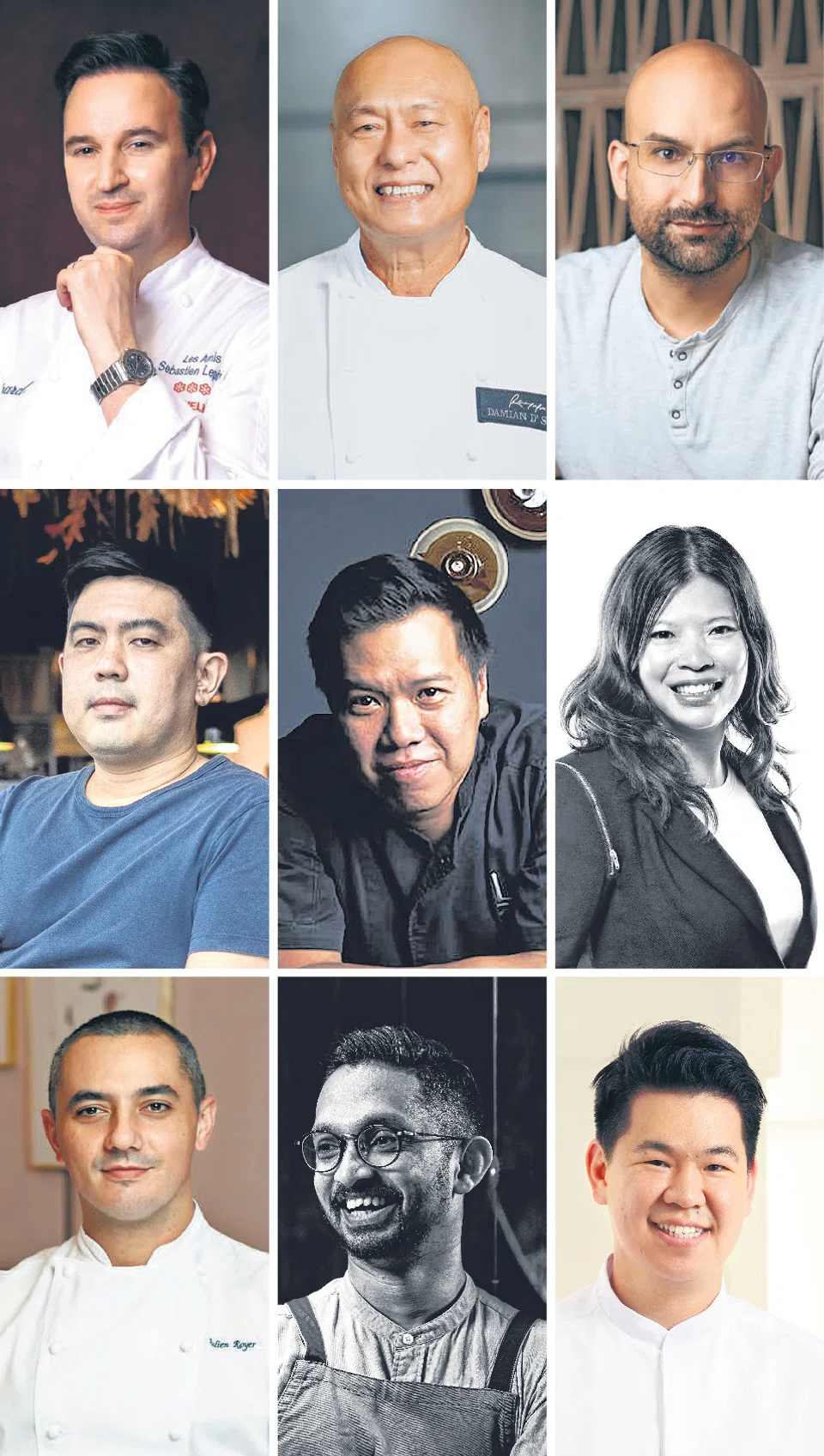

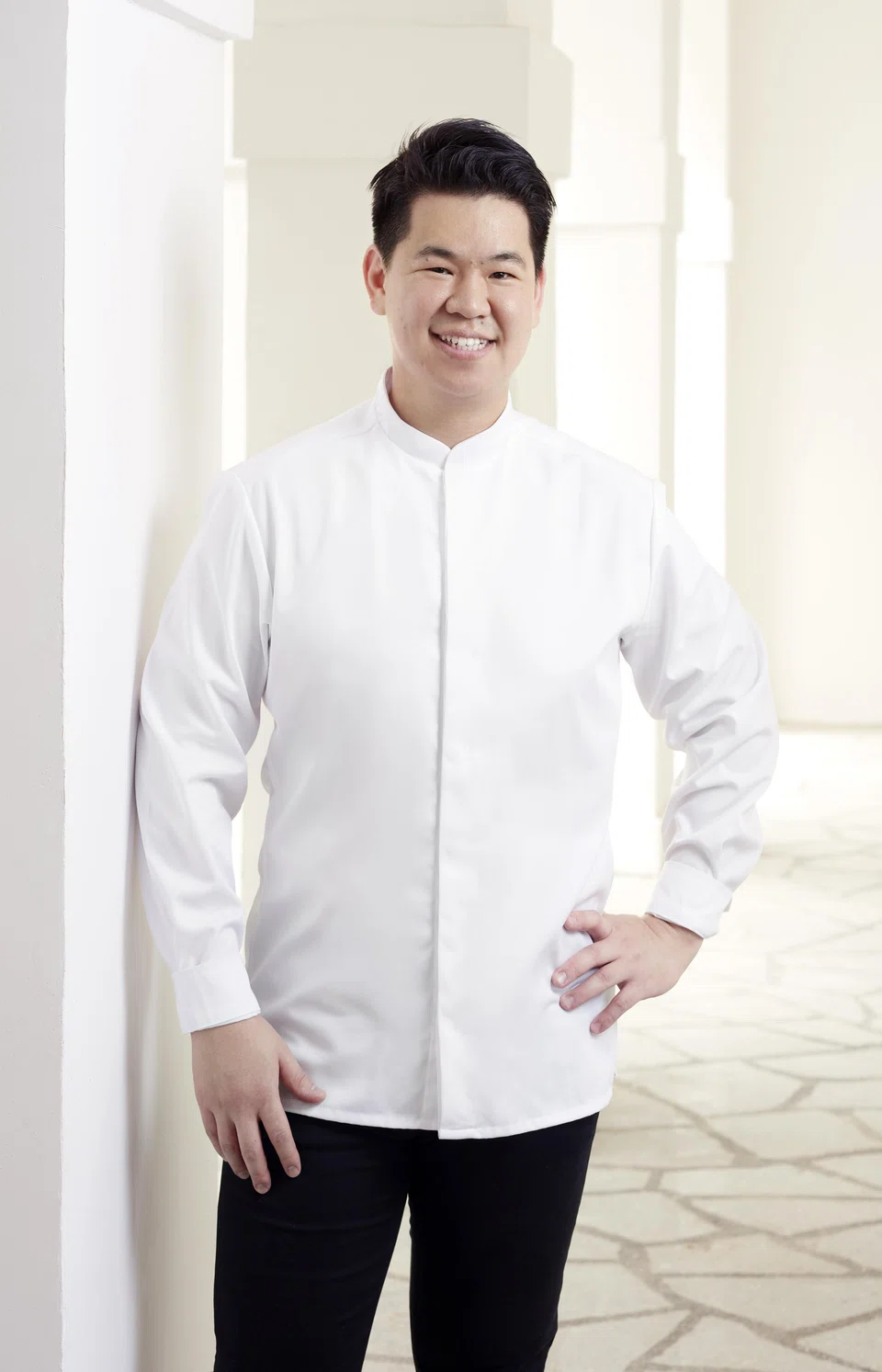
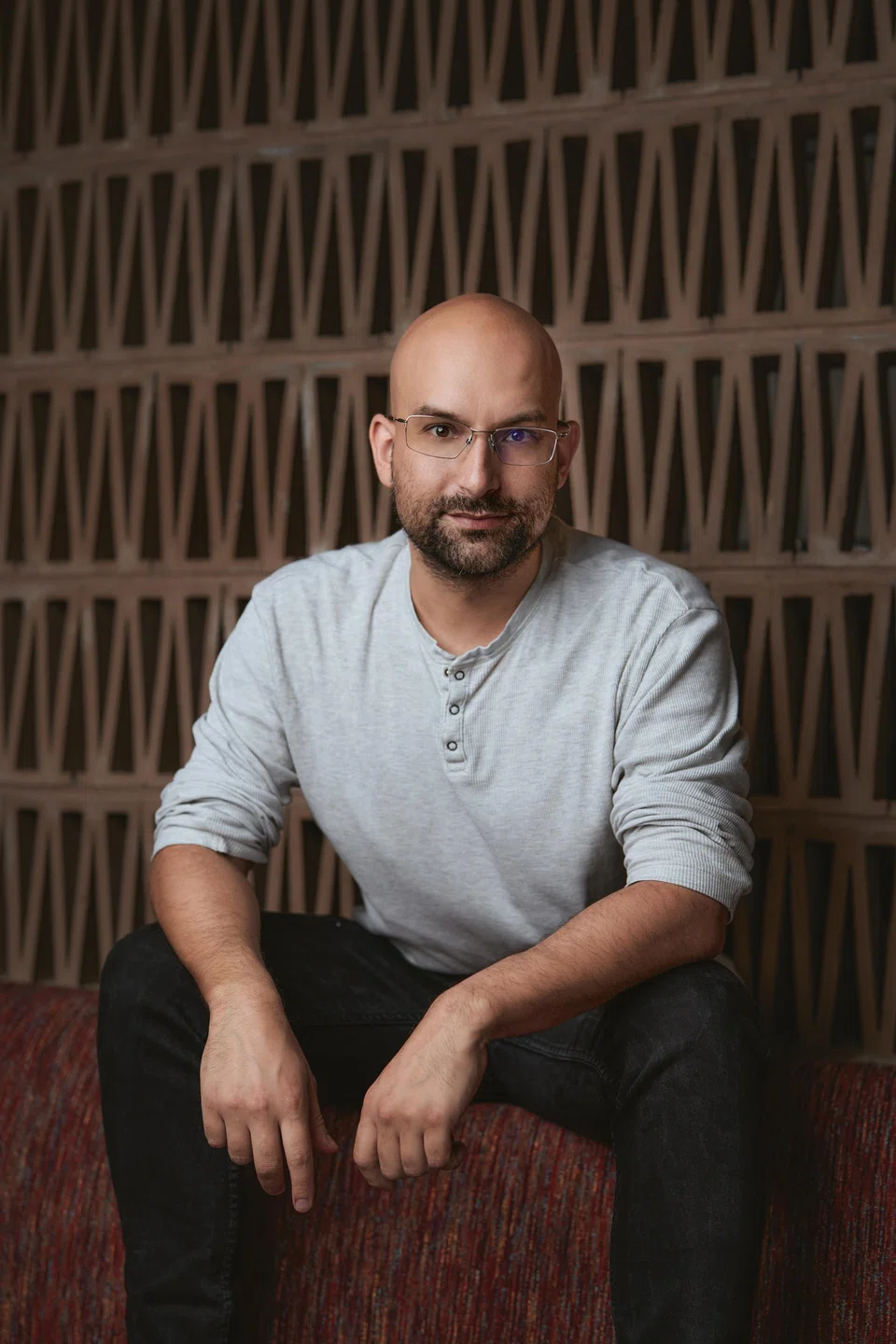
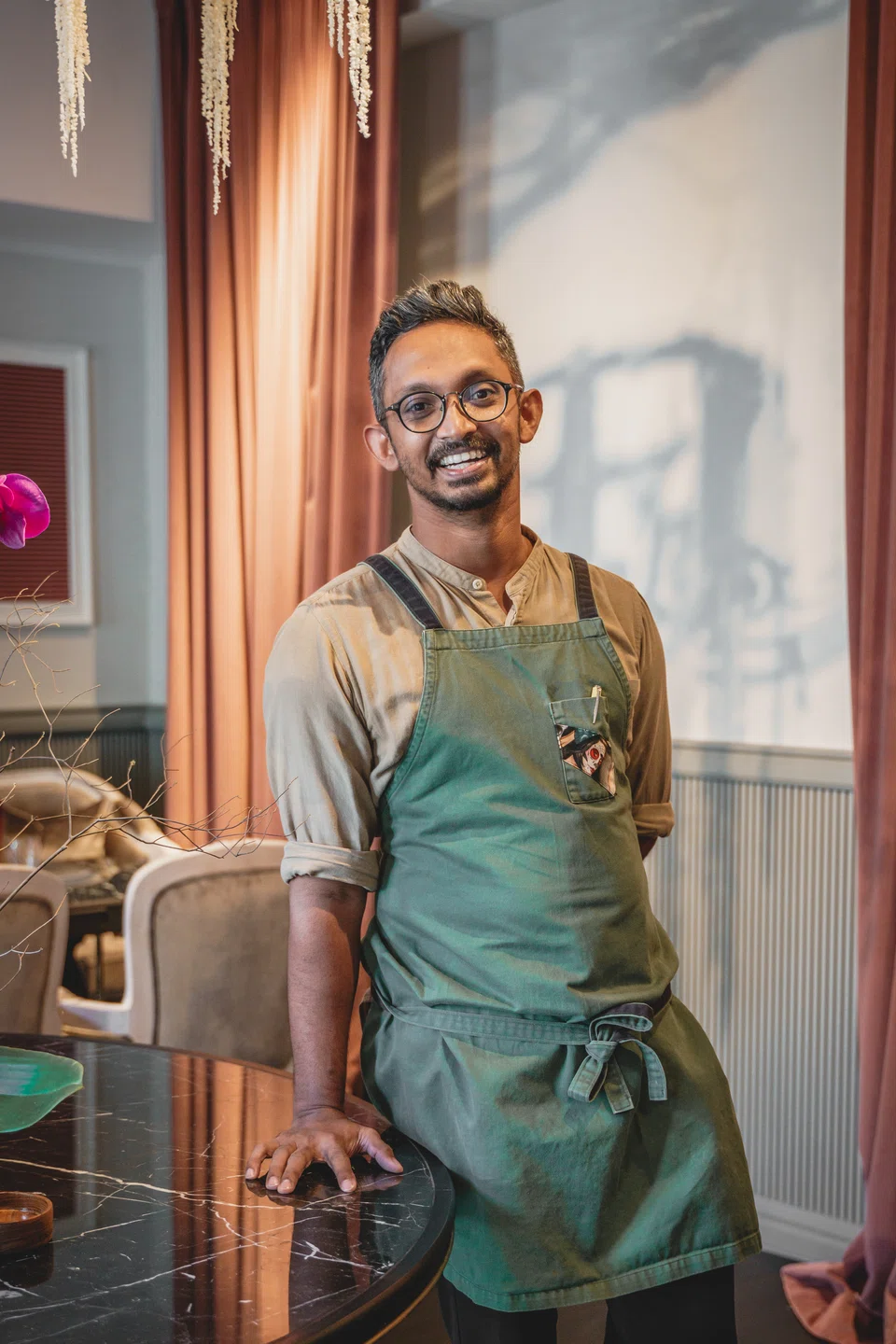
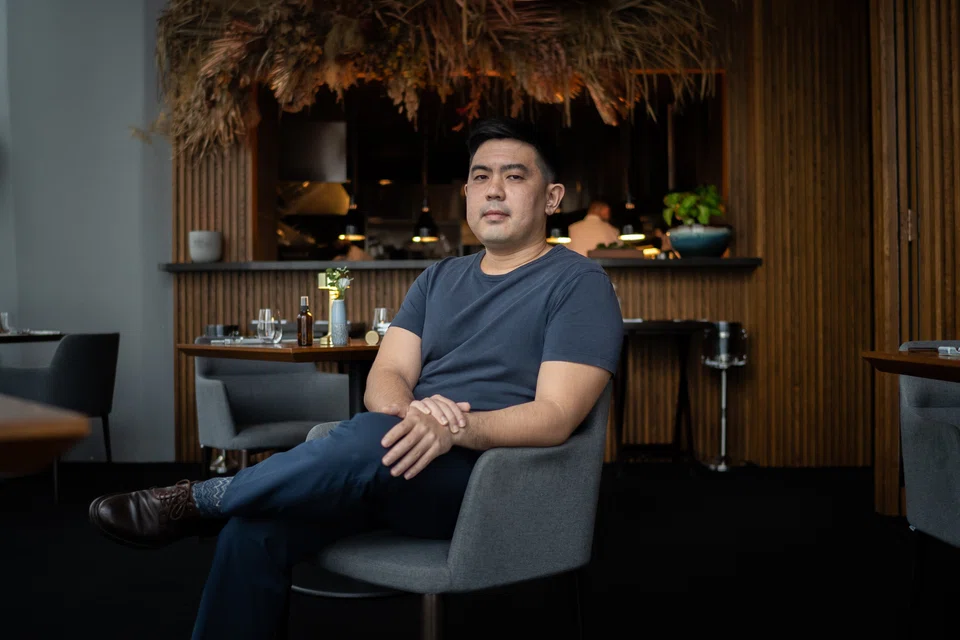
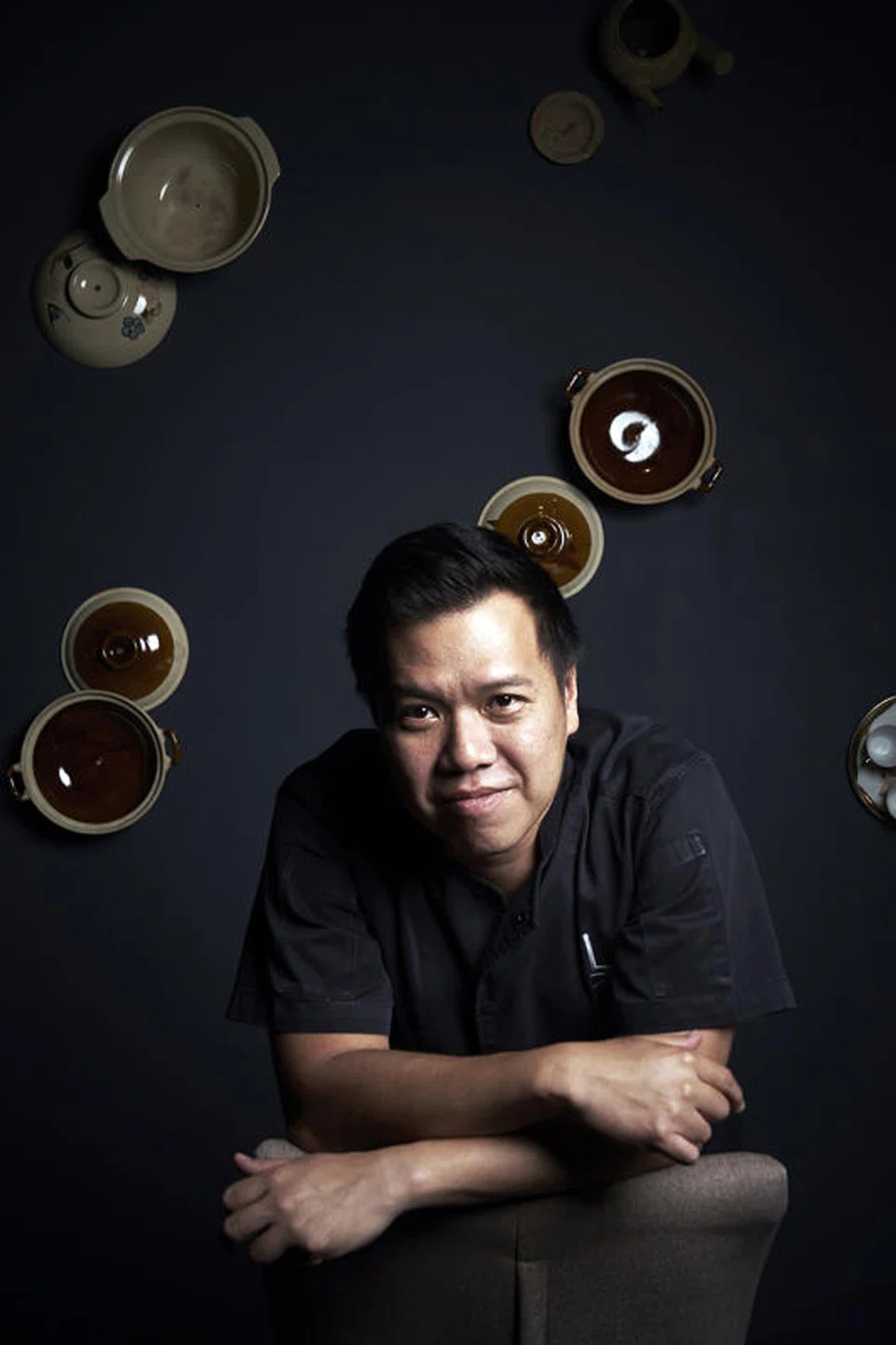
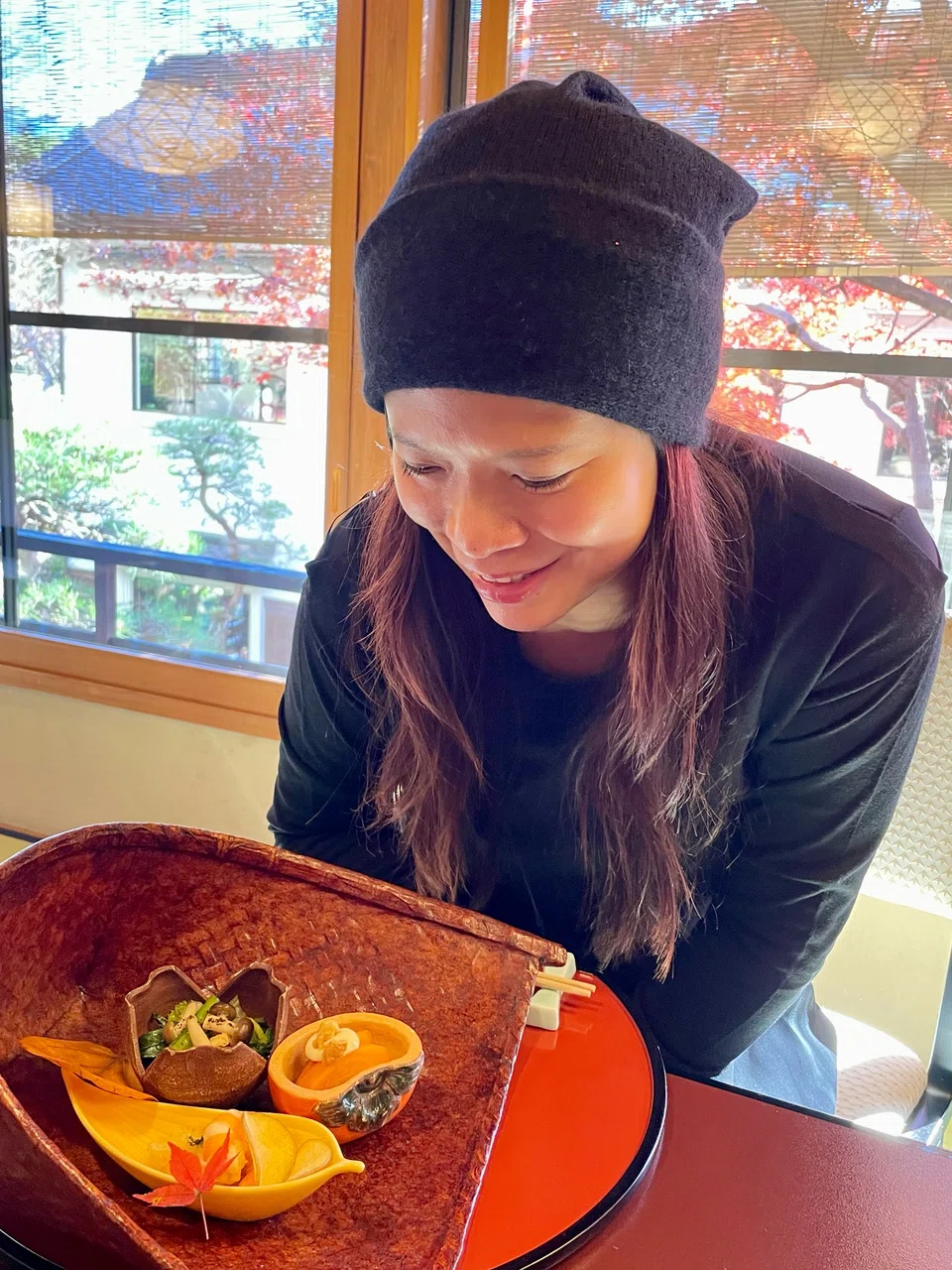
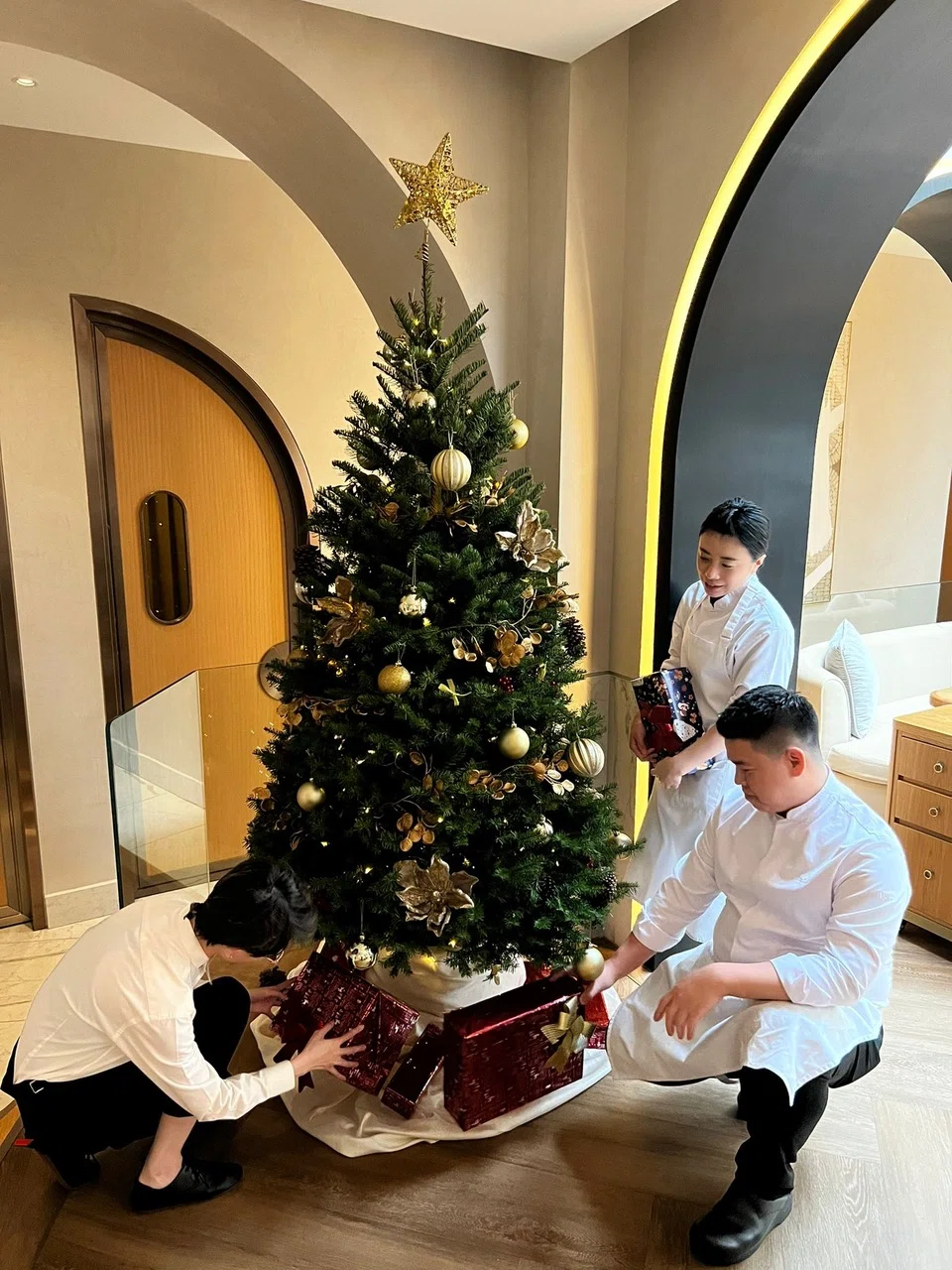
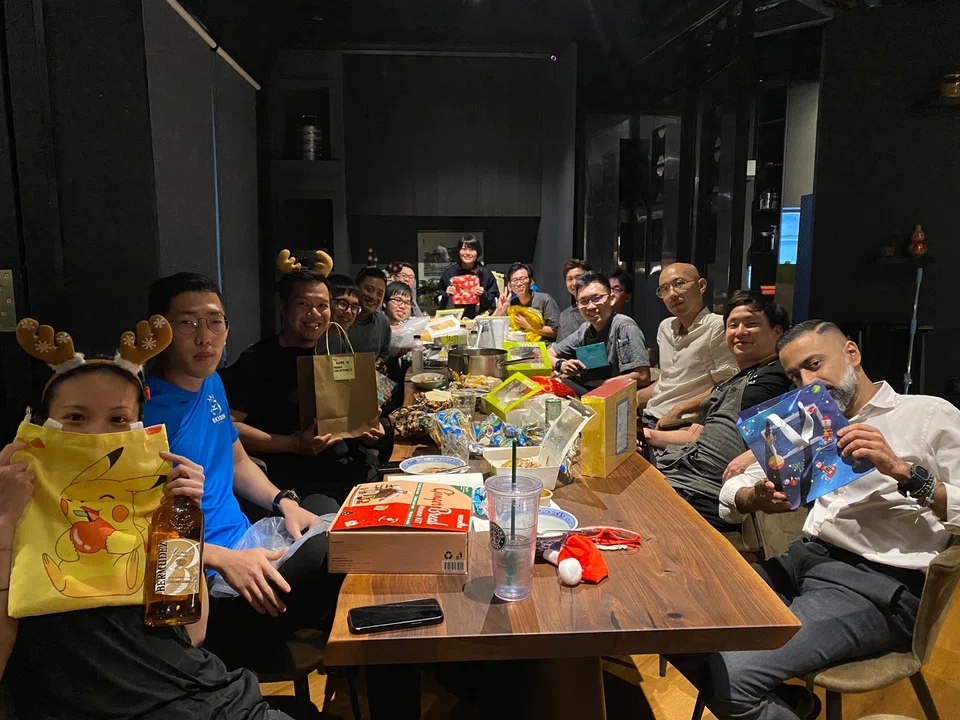
THERE was plenty to eat in Singapore in 2022 as Covid-19 restrictions became a thing of the past and the national pastime dominated all our agendas once more. At least until revenge travel took over and Instagram feeds showed a healthy split of dining out in Singapore and gourmet adventures abroad, with Japan soaring to top place the moment it opened its borders in October.
On the eve of the Christmas crush and an uncertain 2023 ahead, chefs and restaurateurs take stock of the year and share their own thoughts on business and their holiday plans for the year
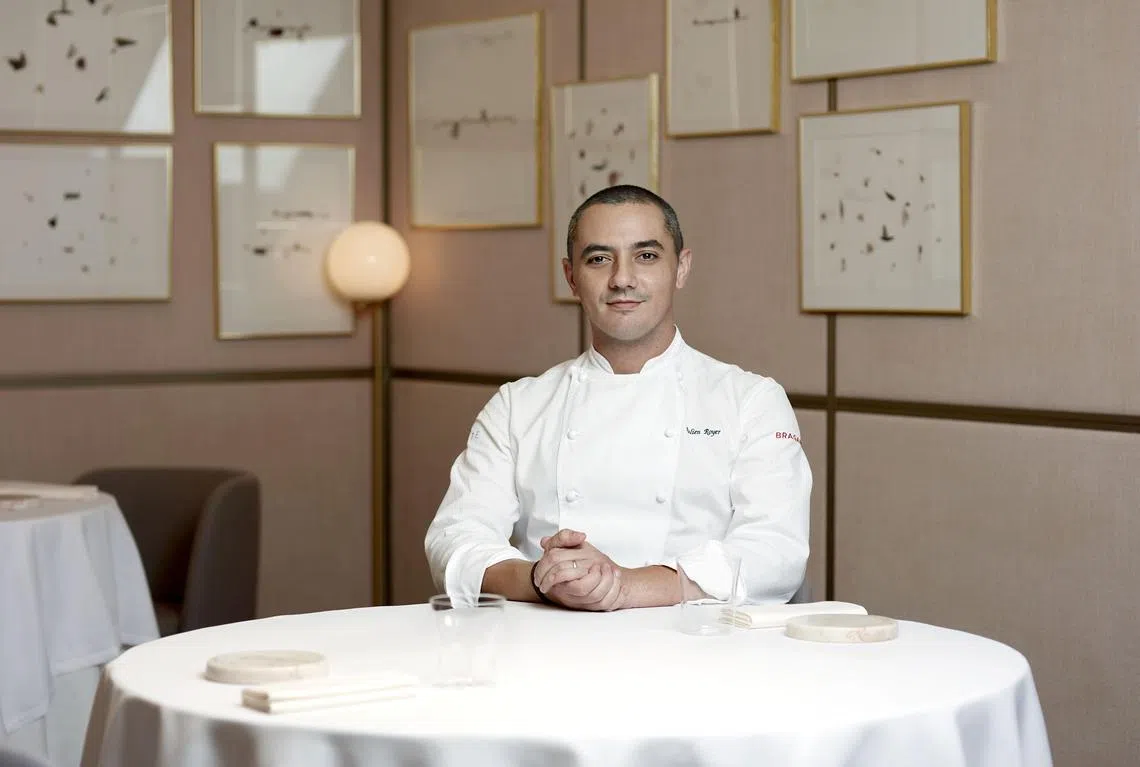
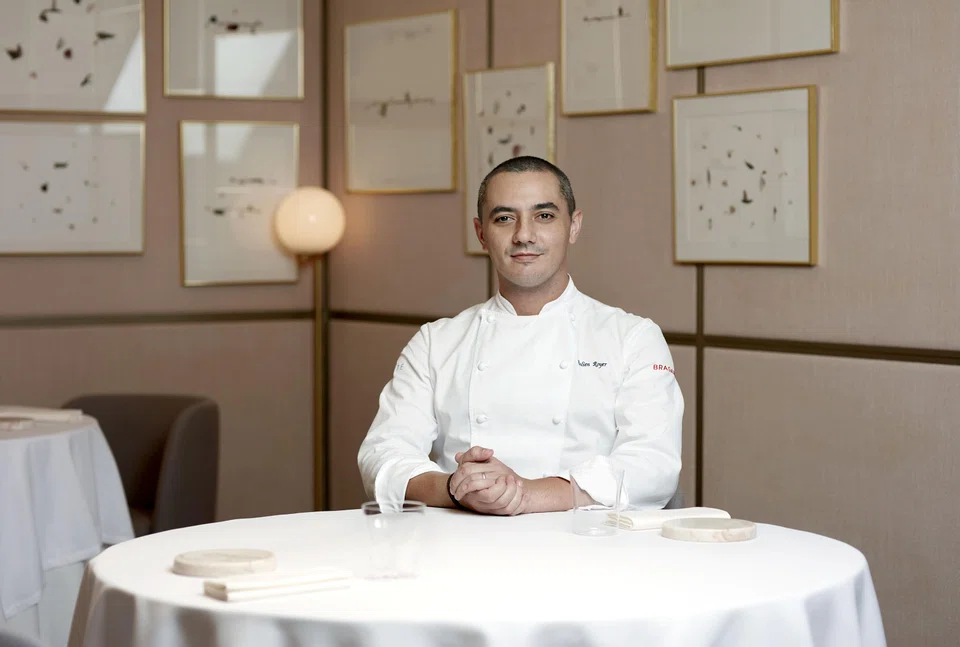
Julien Royer, chef-owner, Odette
With the three-Michelin-starred Odette and semi-fine Claudine in Singapore, and Louise in Hong Kong, Julien Royer is looking forward to an activity-filled 2023 with “many exciting collaborations and events planned” for the Singapore outlets, he says.
It comes after a “positive” 2022, where “the resumption of air travel, removal of mask-wearing and quarantines have brought us a step closer to the new normal”.
Strong support from both the local market and tourists has been “heartening, especially after the difficult last few years for the F&B industry”. In fact, his crowning achievement this year was receiving the peer-driven “Bernardaud Prize from the prestigious Les Grandes Du Tables du Monde, which was unexpected, but knowing it was an award voted on by our peers was an absolute honour”.
In line with rising costs, his restaurants have had to raise prices in tandem, but with no increase in profit or bottom line. Instead, Royer’s priority is to pay suppliers and farmers fairly, as well as retain staff in a tight labour market.

“Having access to high quality ingredients from around the world means we are affected by the global economic situation,” he says. “We’ve worked with some of our producers since day one and they work very hard to deliver high quality, so it’s only fair that they’re paid reasonably.” It’s the same with manpower and the need to offer staff competitive wages and a positive work-life balance. But all things considered, what with inflation, rent, electricity and the like, “our price adjustments were carefully deliberated over to ensure that they’re very fair”.
It’s a new reality for the industry, but he’s looking forward to the new year, especially his new research and development kitchen which will be an extension of the current one. Trends-wise, “I see the industry pivoting towards concise menus with more substance, prioritising quality over quantity. Even once elaborate experiences will take on new iterations or identities. Eat less but eat better – that’s likely to be a new dining trend for 2023”.
What about Christmas? “We’ve planned a staff get-together on Christmas Eve and Christmas Day itself will be spent with my wife and some friends at one of our usual haunts.”
Naturally, Odette’s festive hamper is his suggestion as a gift for food lovers, or a good cookbook. “La Cuisine du gibier a plume d’Europe by the late Benoit Violier is truly a masterpiece,” he says.
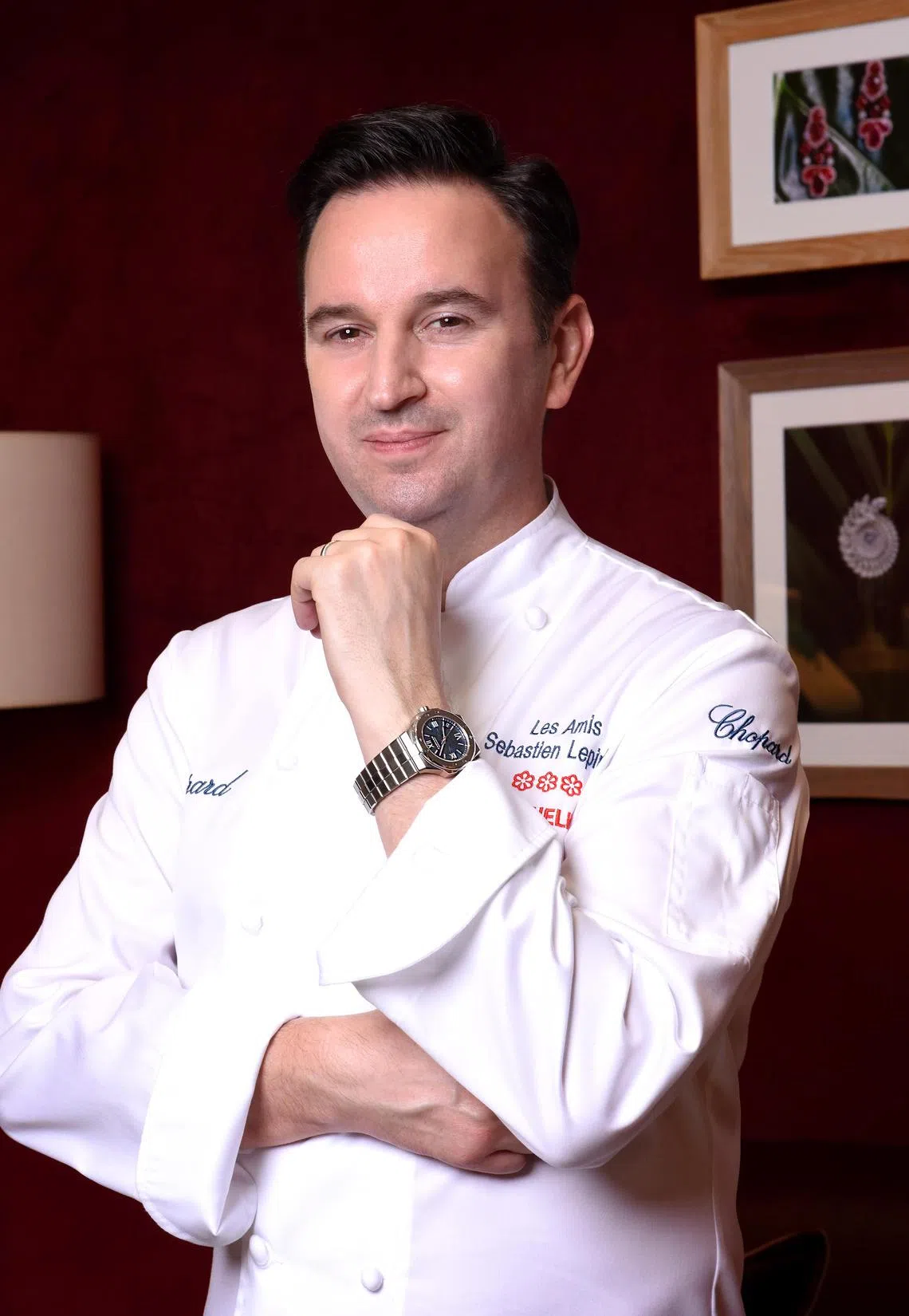
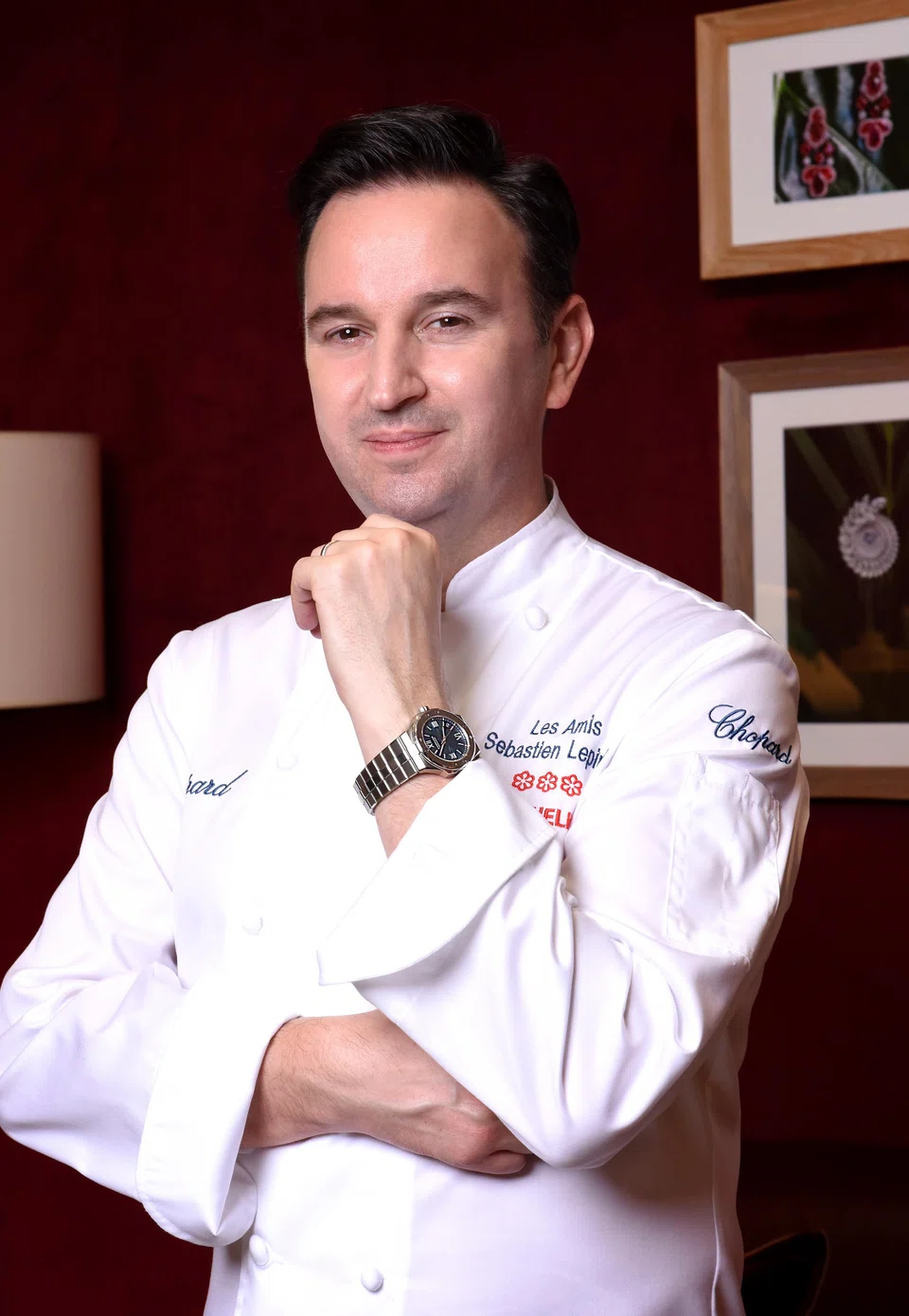
Sebastien Lepinoy, director of culinary and operations, Les Amis Restaurant
For the three-Michelin-starred restaurant Les Amis, 2022 marked another good year, following a solid streak that continued after rebounding in 2021. “For F&B in Singapore and around the world, 2022 is perhaps the best year since Covid-19. From Tokyo to Paris, London, New York and Singapore, restaurant reservations have been difficult to make,” says Sebastien Lepinoy.
Even with revenge travel seeing more diners heading overseas, any drop in bookings was more than made up for by tourists coming to Singapore to pad up their repertoire of Michelin-starred meals. Overall bookings were higher in 2022 than the year before, with 31 per cent made up of foreign guests.
“It was a good year for me also because I managed to retain our three Michelin stars, and that is still my objective for 2023, in addition to maintaining a high ranking on La Liste,” he adds. The latter is a points-based global restaurant ranking that has Les Amis, Odette and Zen as the top-rated restaurants for Singapore.
Manpower and price issues remain the troubling points when looking ahead to 2023, but the dining scene will continue to evolve as new concepts and chefs enter the scene. After a surfeit of Japanese restaurants in the past few years, Lepinoy sees the craze slowing down with the opening of Japan’s borders. Instead he sees “more young chefs doing ‘fusion’ food”, not in a bad way but rather adapting different culinary influences to create their own narrative, for example French-Japanese/Asian. “We already saw a few restaurants like this opening in 2022, such as Restaurant Born and Ce Soir.”
This Christmas will see the chef and his family headed to Hawaii for some downtime. As for gift ideas, while Les Amis has its own range of gourmet gifts, “I recommend a gift voucher from Culina which has all the best ingredients from caviar and cheese to smoked salmon and lobsters, everything you need for Christmas”.
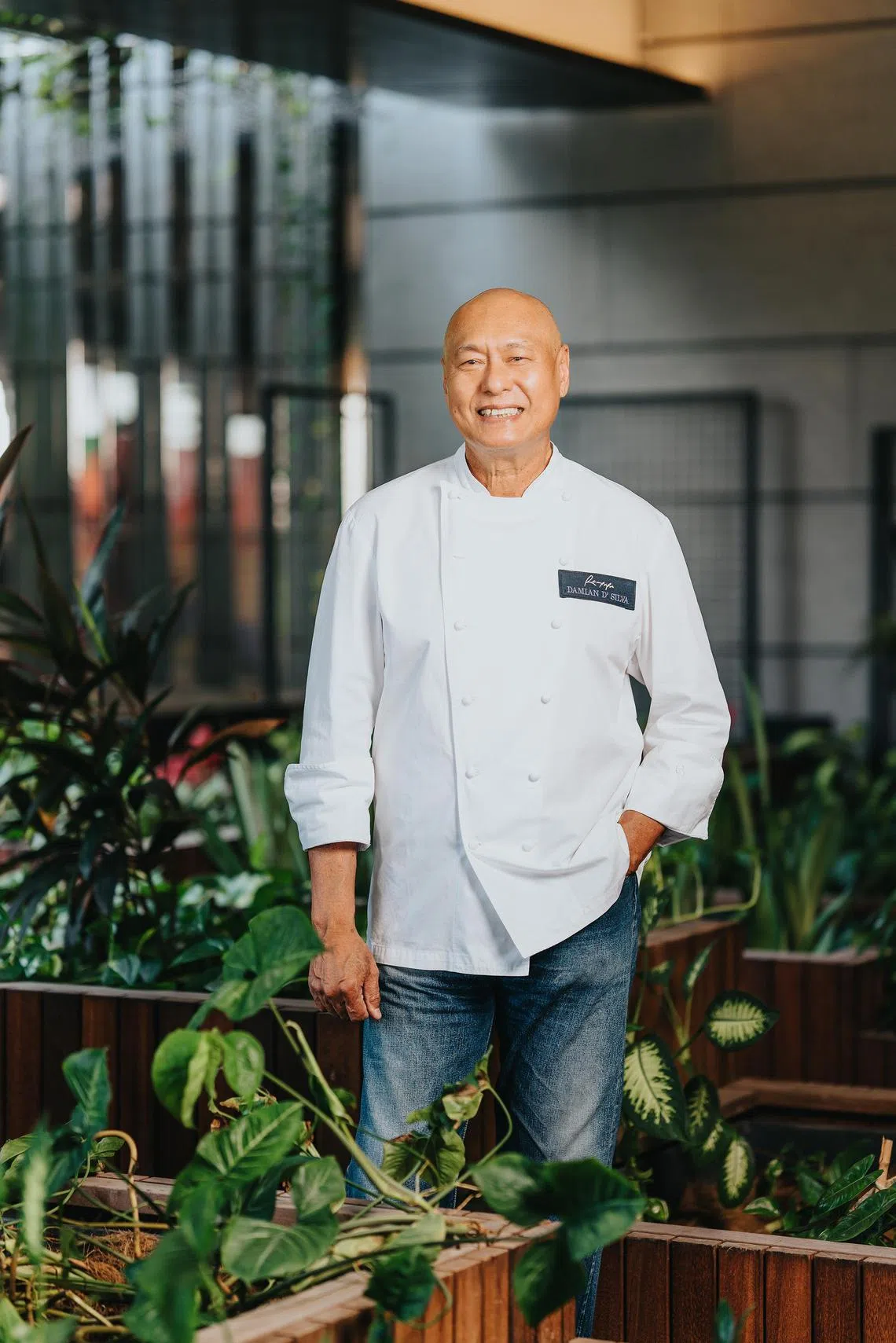
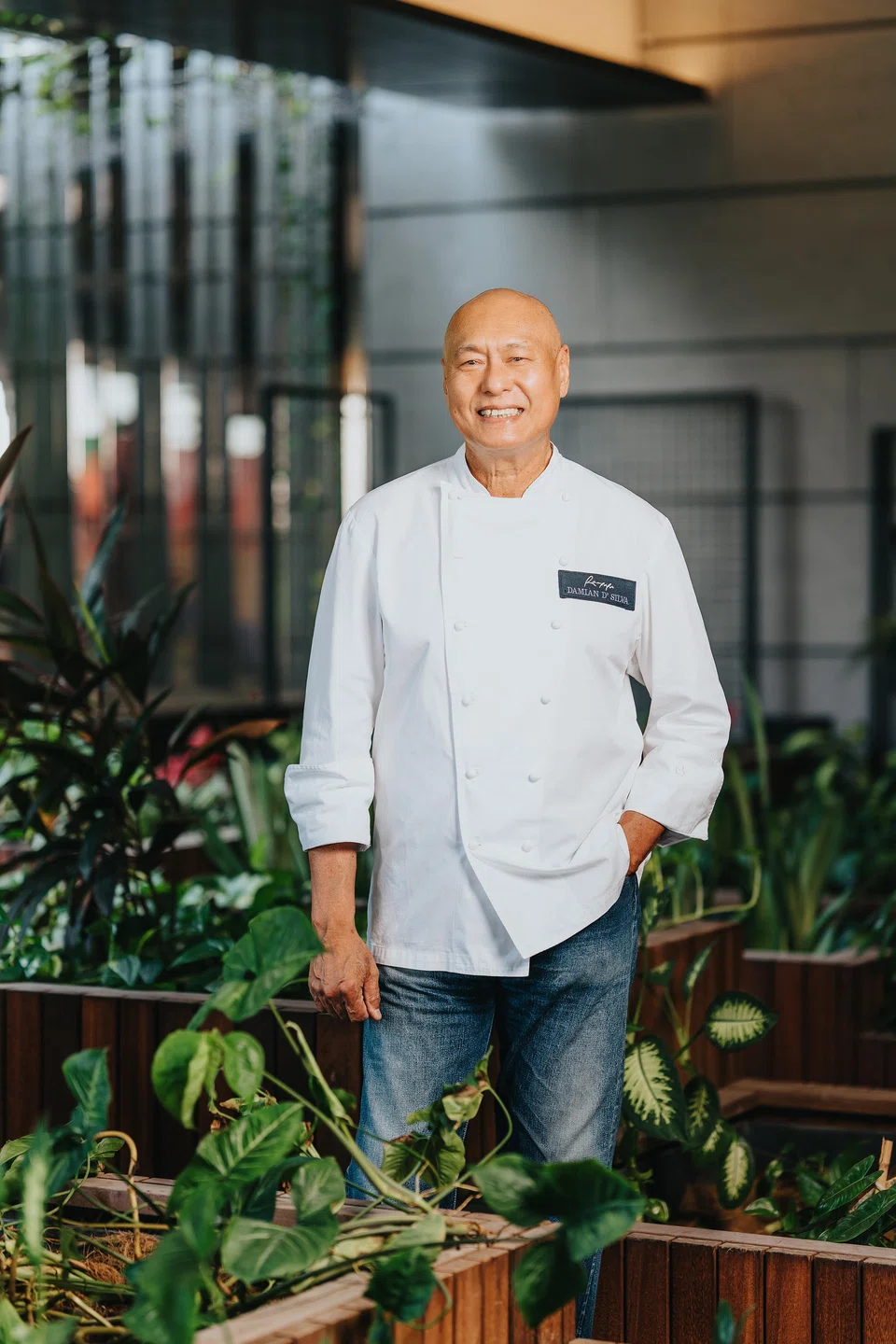
Damian D’Silva, chef-partner of Rempapa
The well-known advocate of Singapore heritage cuisine opened Rempapa in December 2021 as a loving tribute to the food he grew up with. So you’ll see a rich melange of Eurasian, Malay, Indian, Nonya and Chinese flavours on the menu of the restaurant in Paya Lebar Quarter. But even with a good start, it hasn’t been plain sailing for the business.
“2022 started decently right up to August when business saw a decline,” says D’Silva. “It’s difficult to say what the reason was. It could be that people were travelling, or just the overwhelming number of new restaurants that opened throughout 2021 till now.” But operating in a post-Covid environment has been positive in the sense that “it’s good to have larger groups dining again, especially when your food is served family style”.
Still, food costs have shot up “between 25 per cent and 40 per cent for different ingredients”, says D’Silva. “For example, we used to buy dried chillies at S$63 a bag at the start of the year. Today that same bag costs S$83. Meat has also gone up by at least 20 per cent to 25 per cent. It leaves us no choice but to raise prices. And in the long term, I really don’t see them coming down. In fact, I feel they are going to go up in the first quarter of 2023.”
The year ahead holds uncertainty, “with so many variables that can affect the industry”, he says. “So it’s best to prepare for the worst and do what’s necessary should things turn south. I’m a huge believer in hospitality, which I think is missing today. If you provide good hospitality, guests return and you build a long-lasting relationship.”
But how will people eat in 2023? “I would say more fine dining with Asian elements would have a presence.” But while cultured meat and the like have been in the news a lot in the past year, “I don’t think Singapore is ready for ‘fake’ meat yet, although it would be great to see more elevated vegetarian restaurants”.
Christmas is a time for family, but much as he would like to spend it with them, “there’s always too many people around and before you know it, it’s time to go back to work”. But he still believes in food as the heart of a family and would encourage people to eat heritage cooking. “It sets the soul alive and brings back memories of a special time spent with the family.” As for Christmas giving, make it a “thoughtful gift, not something just for the sake of giving”. He would rather pass on those but if it was something that comes from the heart, “it would make Christmas so much more meaningful”.

Karen Cheng, co-founder of Sushi Kimura, Gyu Bar, Ichigo Ichie and Binary
If anything, 2022 has been a crazy rollercoaster year, reckons restaurateur Karen Cheng who is also the director-founder of The Travelling C.O.W.
“There were good months and also bad months – nothing could be anticipated. Just a year of ups and downs.”
Still, “on a happy note, the industry has never been so busy, filled with a lot of buzz and energy. The biggest challenge is manpower. It’s worse than previous years, and getting more serious. The cost of ingredients has been rising exponentially, but we have maintained prices for now.”
In contrast, she adds, 2021 was better for her business than 2022. “In 2021, there was a lot of pent-up demand which picked up in the second half of the year. Restaurants did two turns a night and it still wasn’t enough. These days, it isn’t as easy to achieve a full house with even one seating.”
With a sombre economic outlook and global state of affairs, she’s cautiously optimistic about 2023 but “it’s hard to predict what the year will bring”.
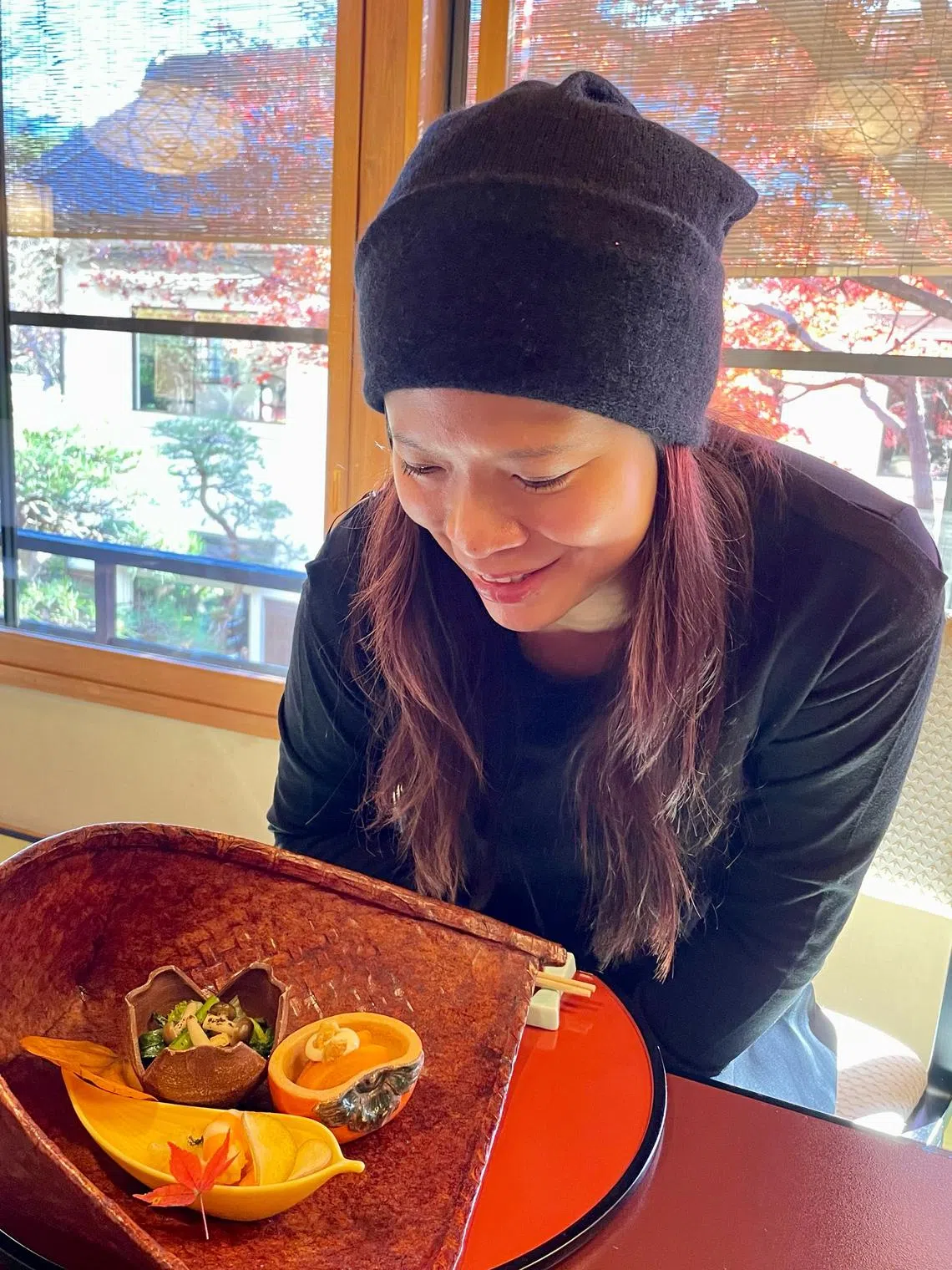
As a global gourmet herself, “I’m looking forward to exploring food options and new experiences across the world. I just went on safari in South Africa, and I am planning to see the northern lights next year. The Baltic region is also on my to-do list.
“If you compare Q4 of 2021 to Q4 of 2022, travel has had such a massive impact on our local dining scene. The destinations that opened up recently – Japan, Taiwan and even Hong Kong – are very popular with Singapore residents. Consumers are expressing a demand for travel rather than food. With travel opening up, combined with the school holidays, (business) has been quite quiet in the past few weeks. Travel will stabilise but what will really affect the industry is the economy.”
Dining trends-wise, “diners are craving more authenticity, with a stronger interest in the origins of dishes across different cuisines. Another trend is dry-ageing that goes beyond just beef, to fish, pork and duck. Levantine cuisine is gaining popularity in countries like the US, and it might be well received here. The spices and herbs are familiar, but used in unfamiliar ways”.
Christmas Day will see her “having lunch in Japan, and supper in Singapore”. And maybe opening her dream gift of a dry ageing fridge for her home “which has been on my mind for a while”. Alternatively, an interesting cookbook or a smoking gun for food and drinks would make great gifts for food lovers too, she says.
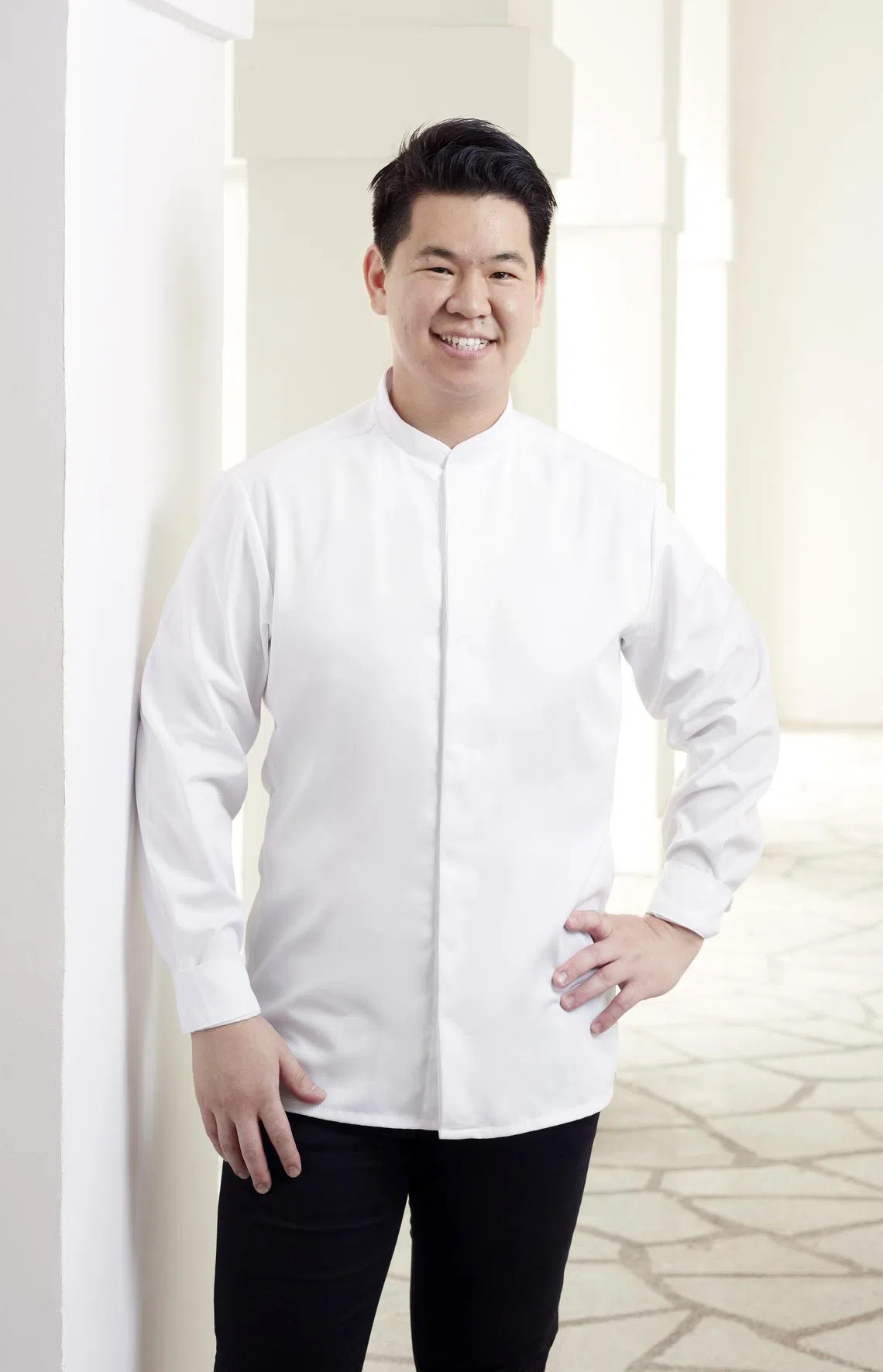
Zor Tan, chef-owner, Restaurant Born
The year 2022 would go down as a life-changing year for Zor Tan, who opened one of the most anticipated restaurants in Singapore, Born, in June.
“This was a life-long dream turned into reality,” says the chef. “But there is always immense pressure for a chef-owner to launch and run a new restaurant, so the year was personally challenging and fast-paced.”
Besides Born, the year saw more restaurants opening in the wake of the pandemic “which have captured the attention of diners”, he adds. “And once Singapore opened its borders, the influx of travellers helped with boosting F&B businesses.”
Like everyone else, the manpower shortage continues to be the biggest hurdle, “and even though shipping and supply of ingredients have stabilised, costs will still go up with the ongoing Ukraine-Russian situation”.
As travel opens up, he’s looking forward to introducing Born to an international audience. But business-wise, he sees fluctuations as Singapore residents travel abroad and expats head home as countries reopen their borders.
He foresees sustainable dining to be a trend for 2023, with a greater focus on vegetable-forward menus and plant-based options.
“Made only from plants, plant-based products will still have an edge over cultured meats and preferred by those who are concerned about consuming meat in any form. They are also considered more natural compared to lab-grown meat substitutes. We’re getting more vegetarian menu requests these days, and we may explore meat alternatives if there’s a demand for it.”
With several Italian and contemporary Asian concepts opening in the last quarter of 2022, he feels that this will continue in the months ahead.
After a high-octane year, he’s looking forward to Christmas Day, “which falls on a Sunday, so the restaurant is closed”, he says. “I’ll get to spend it with my family for a small celebration.” As a gift, he would treasure a watch, “because it’s a constant reminder of how precious time is”. But for food lovers, “a festive cake or sweet box from Le Matin Patisserie is creative, whimsical and of course, delicious”.
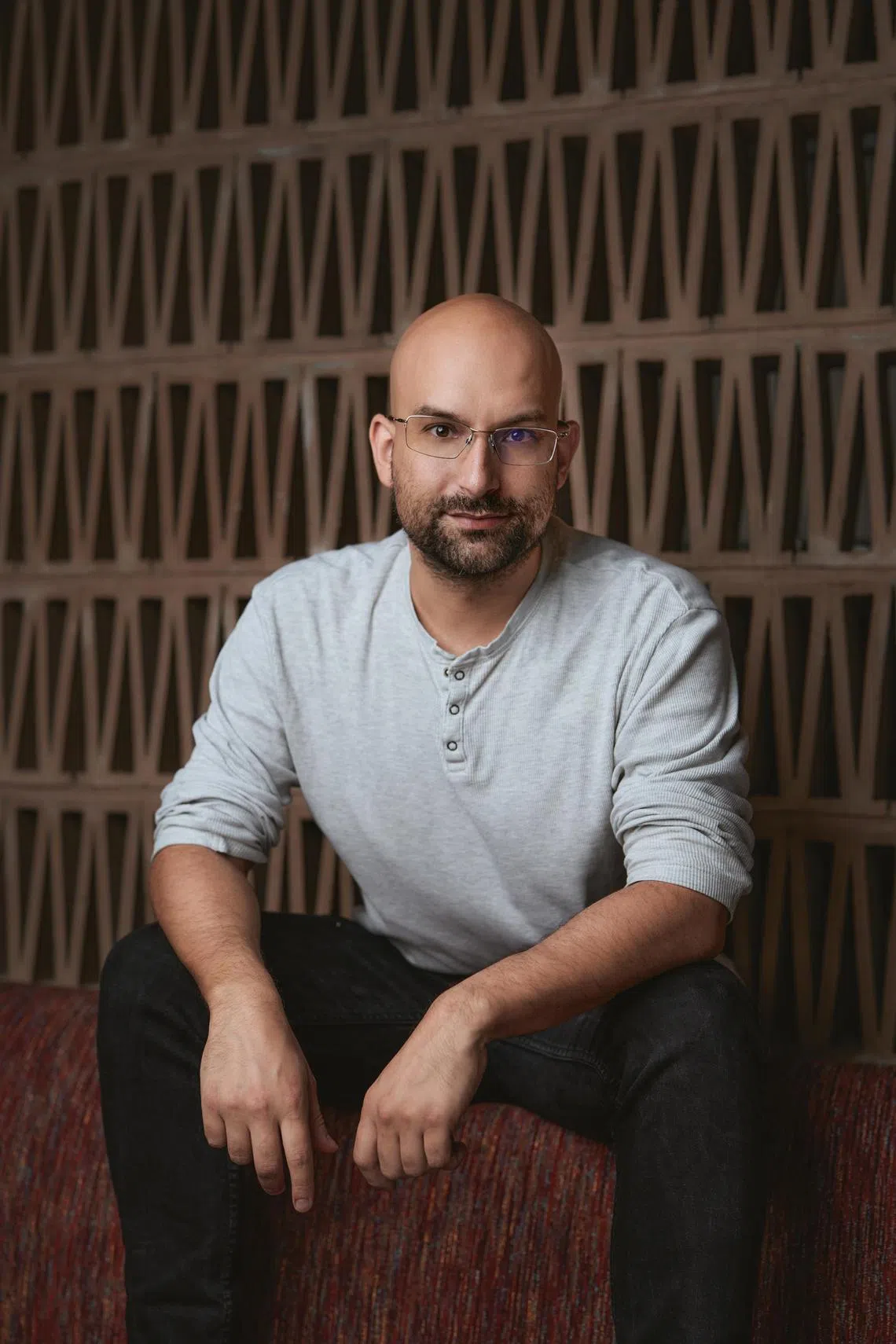
Ivan Brehm, chef-owner, Nouri and Appetite
The progressive Crossroads Cuisine restaurant Nouri saw a major refurbishment not just physically but also psychologically as “it has energised us”, says chef-owner Ivan Brehm. “We have never been this good and have never had the message and the food speak so clearly.”
But generally, “the year was a mixed bag”, he adds. “On the one hand, the signs of leaving the craziness of the pandemic behind are visible. We can finally breathe and travel, and it all feels like a blessing. But the current economic recession and the global geopolitical situation is uninspiring, and it’s hard to not wonder about what we’re doing. Nouri’s message has never been this necessary yet the looming recession and international tension have made it hard to tell our story.”
He has raised prices by around 16 per cent, but it doesn’t reflect the value of what the two restaurants do, namely incorporating an art programme, collaborations and research. “The most positive thing for me this year has been the continued opportunity to do the work we do, cooking food that is relevant to the time we live in, in an original, honest and special way.”
He generally dismisses trends as “ephemeral fads” but feels that the time is right for “conversations about regional, ethnic and minority food cultures to take centre stage”. For example, “Malay gastronomic culture is in the spotlight with restaurants like Seroja, authors like Khir Johari and a small legion of chefs who are exploring the food of this archipelago and championing the conversation. Sustainability-focused concepts will also continue to develop, re-educating us on how to consume.”
This Christmas, “I will be spending it with my work family, doing what we love, bringing joy into people’s lives and connecting with our larger community. The best gift one can give this Christmas is the gift of connection. Seasonal fruits never hurt anyone also. But to allow oneself to dedicate time for nurturing real bonds with each other, especially after the past two tumultuous years, is the best gift to give and receive.”
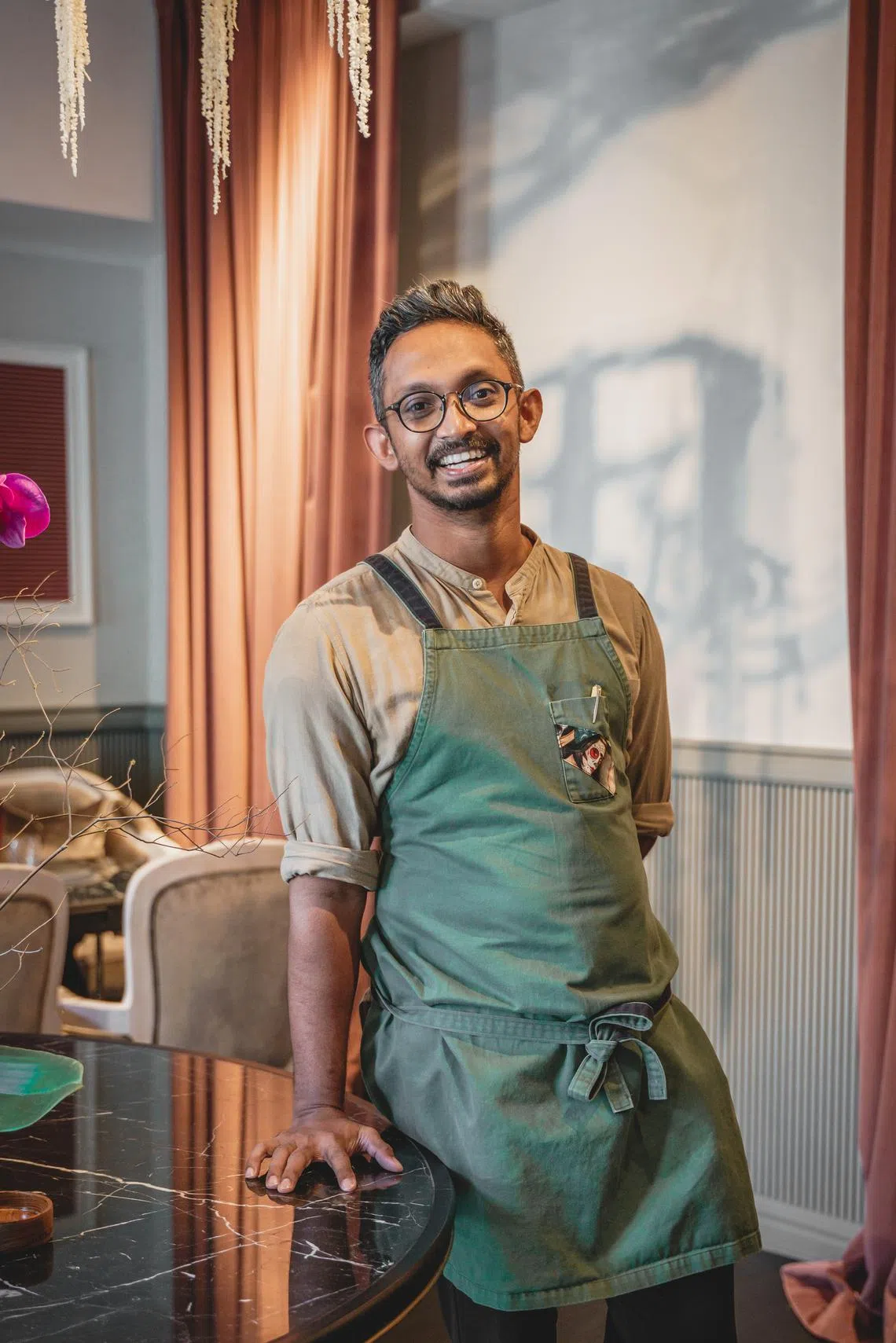
Rishi Naleendra, chef-owner of Cloudstreet, Kotuwa and Fool
It has been a year to remember for Rishi Naleendra, not least because of the two Michelin stars that his restaurant Cloudstreet took home this year at the first physical awards ceremony since the pandemic. On top of that, his pastry chef Maira Yeo also won best pastry chef in Asia at the 50 Best awards. “We also took over Bincho restaurants as a management project and it’s the first concept that we didn’t build,” says the chef-restaurateur. “It’s been challenging yet really exciting at the same time.”
The year was a good one in the sense that the restaurants have been full and are doing well financially. Also, “it was nice to have a year without many restrictions and having some normalcy back in our lives. Leading up to Formula 1, it really felt like the good old days.
But there’s a caveat. “Inflation has really pushed us back from it being the best year since Covid-19,” he says. “Utility and fuel prices have gone through the roof and prices of ingredients have gone up as well. We’re looking at a different challenge in 2023, particularly in the rental market as some of our staff are finding it really difficult to find affordable accommodation.”
Like any other year, “2023 will be one where we will keep pushing ourselves to be better and keep things exciting for others”, he says. In the local dining scene, “it feels like a lot of young local chefs are going back to their roots which is quite nice to see, and I think that will continue”.
Reflecting on 2022: “We’ve had an amazing year as a team with Fool celebrating its first year, Kotuwa two years and both getting Michelin Bib Gourmand mentions. And of course the two stars, so I’ll remember this year for a while. I may also have exciting news for 2023 which I will reveal soon.”
For the moment, he’s planning a Christmas party at home for friends. And for gifts, “I highly recommend two books by Michael Pollan – The Omnivore’s Dilemma and In Defence of Food – two of the best books I’ve ever read about food”.
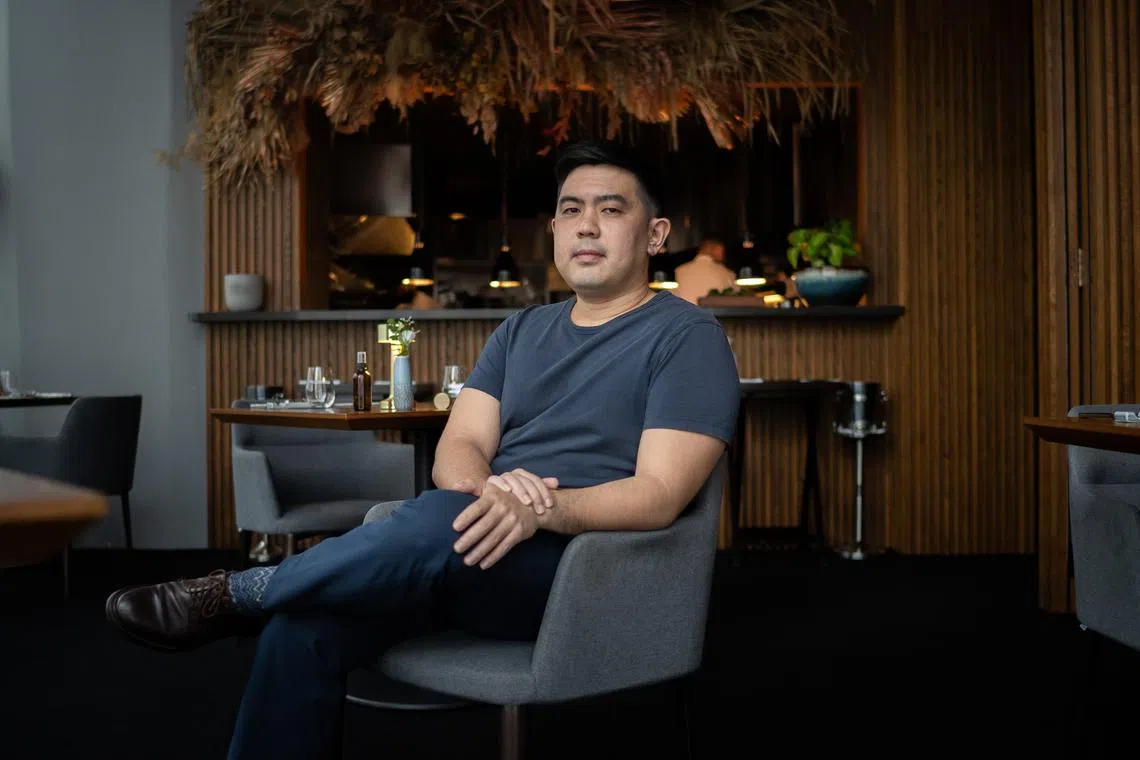
Lim Kian Chun, founder & CEO, Ebb & Flow Group
As the head of the group which operates the Michelin-starred Sommer as well as Willow, Tigerlily Patisserie and Chin Mee Chin, Lim Kian Chun couldn’t have asked for a better year despite the challenging issues shared by the entire F&B industry.
“2022 has been a much better year than 2021,” says Lim. “Although there is a new set of problems such as the tight labour market and rising cost of goods, in general there has been a lot more stability and room for us to focus on creating a good experience for our customers, compared to dealing with the various Covid-19 regulations in 2021.”
Although it was a “stellar” year, Lim knows enough not to rest on his laurels. “We don’t take anything for granted. The Covid years showed us how fragile our business really was.”
One thing he has done is keep prices under control as much as possible. “We raised prices less than 8 per cent across the board, which is in line with the overall increase in costs. I think prices will continue to creep up in 2023, but we’ll mitigate this by sourcing directly from farms and producers.”
Whatever 2023 has in store for the industry, he will take things as they come. But in looking ahead at what people will be eating next year, he says: “Customers are becoming more discerning about what goes into their food. So we’ll see a bigger focus on provenance and the quality of ingredients, in particular a renewed interest in South-east Asian cooking and produce. Possibly, we’ll see a return to more simple, wholesome cooking.”
Christmas will be a quiet affair for him as usual, with close family and friends. “Definitely check out the Mont Blanc log cake or Christmas hampers from Tigerlily patisserie,” he recommends as food gifts. “Or you can try to snag the off-menu beef wellingtons from Sommer, although they are in really short supply this year.”
As for himself, “A large part of 2022 was figuring out what was important to me in terms of my personal and professional life.” If anything, “I want an uneventful 2023 please!”
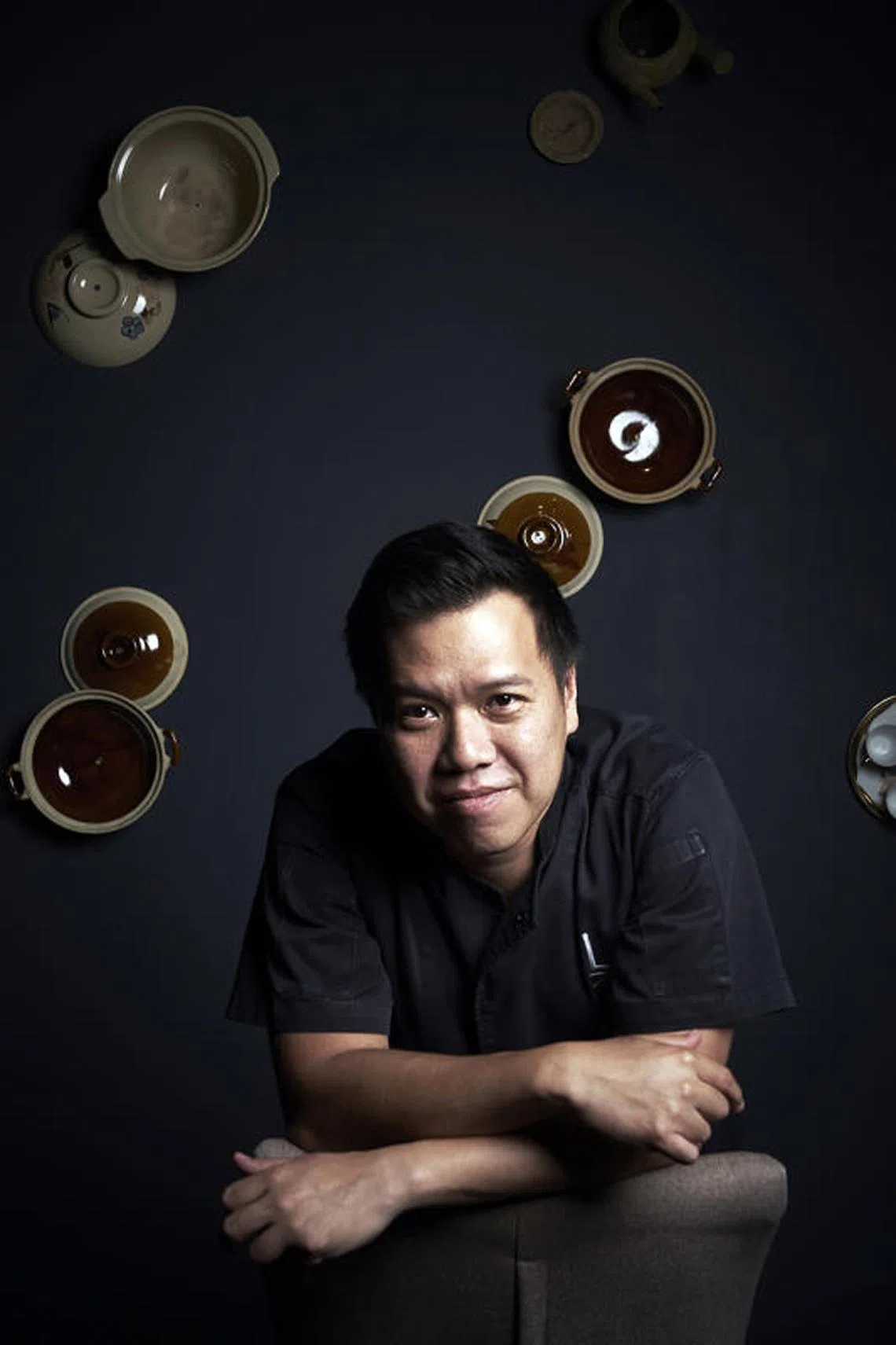
Han Li Guang, chef-owner, Labyrinth
The enterprising chef-owner of the Michelin-starred restaurant serving his own take on Singaporean cuisine has been going strong since 2021, clocking in a 2022 of consistently full houses. While he survived – and flourished – during Covid-19 by catering to a local clientele after his tourist business dried up, he has since returned to serving the foreign guests who used to throng his restaurant.
That has also been his challenge in 2022, which was to balance his cuisine to cater to both groups. “We’ve gone from cooking predominantly for locals to serving our pre-Covid foreign clientele, so our offerings and flavours such as spice levels have to be tweaked for their palates.” The fact that the restaurant has been fully booked throughout the year despite several rounds of price increases, testifies to its appeal.
The dinner menu price went up twice from S$208 to S$248 and now S$298 without supplements, while lunch has gone from S$158 to S$208. “It’s all due to inflation, not higher demand or anything,” says Han. “Gas, electricity, freight, wages – they’ve all gone up. But we definitely needed to raise prices because we had been absorbing a lot of costs before.”
He doesn’t see things getting better, especially with costs going up and manpower issues causing pressure for staffing.
For 2023, he sees travel as a double-edged sword for the F&B industry as more Singaporeans go abroad to eat. “We’ll see different concepts and cuisines performing differently,” he reckons, with Japanese eateries seeing a significant drop as revenge travellers flock there to eat. On the other hand, the return of tourists will see businesses like his benefiting from the influx.
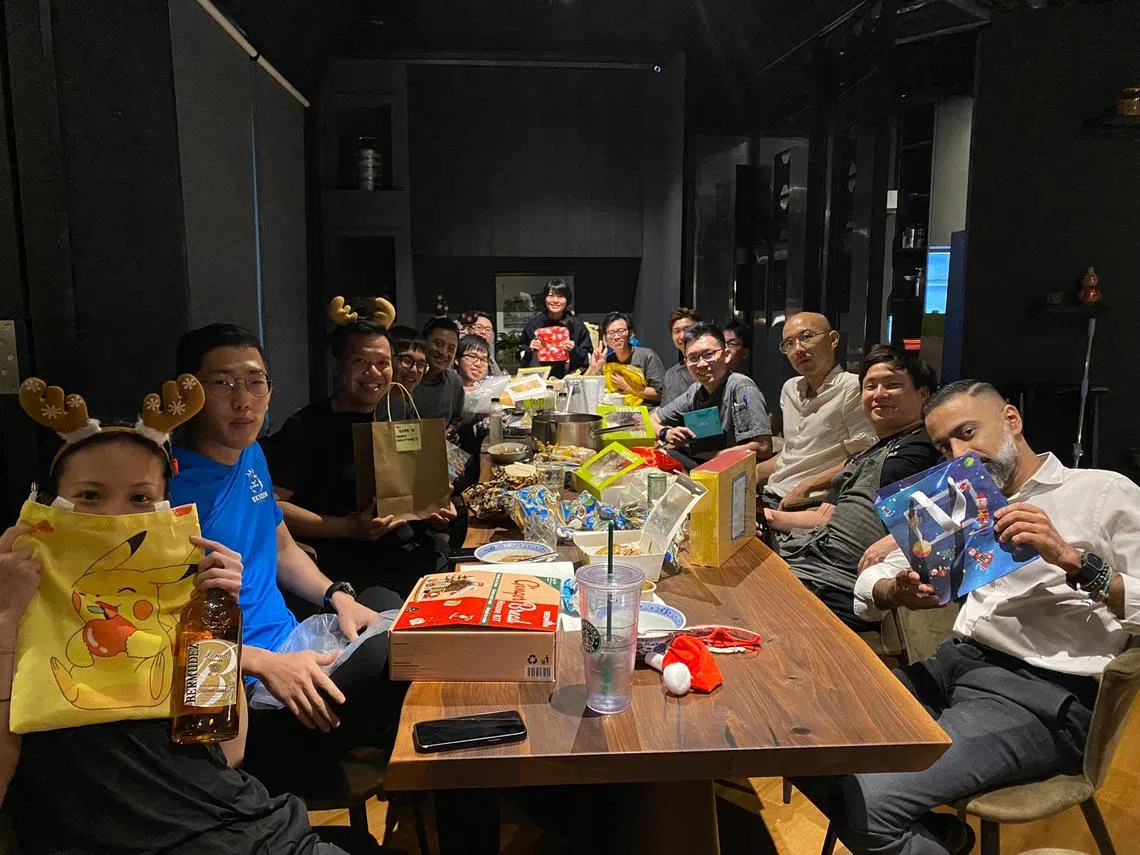
He also welcomes the return of travel as “I’m looking forward to more overseas events, bringing Singapore food abroad and welcoming more international guest chefs for an exchange of ideas”.
Local heritage food will have its moment in 2023, he believes, as he sees more young chefs exploring their roots and modernising the cuisine in a whole new way. “I’m also looking forward to seeing how well cell-cultivated meats are received by diners, and how it will change the way we eat.”
Christmas is all about work for him, although the newly-wed is hoping to get time off to spend with the family. Not one for Christmas celebrations, gifts are not his forte. However, “all gifts are well received, especially if it’s a dining voucher from Labyrinth”, he quips.
Decoding Asia newsletter: your guide to navigating Asia in a new global order. Sign up here to get Decoding Asia newsletter. Delivered to your inbox. Free.
Copyright SPH Media. All rights reserved.
TRENDING NOW
Motoring tycoon Peter Kwee is back in court: Here are his previous legal battles

Demand, tech capabilities position Apac and AI as Skyscanner’s next growth frontiers: CEO Bryan Batista

Beyond the greenback, Vietnam’s big borrowers turn to Asian-currency bonds

Nvidia’s outlook cut to stable by Moody’s on governance concerns

