

Forging a career path in the non-profit sector
Many choose to work in the sector for greater flexibility, purpose in their role as life circumstances change
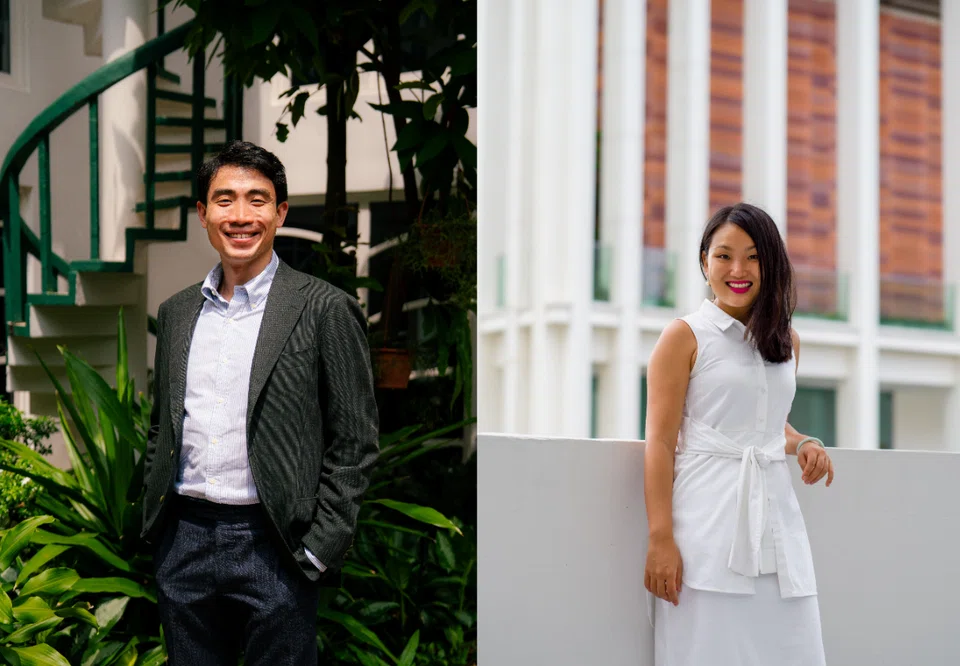
[SINGAPORE] As an Oxford and Harvard graduate who trained as an investment banker, Tri-Sector Associates founder and CEO Kevin Tan had many opportunities to kick-start a career in the corporate world.
Instead, he chose to work in the non-profit sector in Boston, which he said was known as the “Silicon Valley of impact”.
Tan said: “When I went to Harvard Kennedy School and did public policy and business, I encountered all these new ways to use the same tools and skills that we have in the for-profit world to level up the impact sector.”
As a manager at the non-profit Third Sector Capital Partners, he carried out projects based on the Pay-For-Success model, which funds social programmes by private investors paying upfront. The government repays them if the programme achieves its desired outcomes.
When Tan returned to Singapore and founded the non-profit Tri-Sector Associates in 2017, he hoped to replicate this model and complement what the public sector was already doing.
“A lot of the models are adapted to the West. I felt like I had a unique value proposition with my PPE (philosophy, politics and economics) education to try to be an ideas engineer (and) bring it to our context,” he said.
Tan noted that his pay would have been “much higher” if he worked in the corporate sector – he regularly receives job offers.
“I feel like in my current role, there’s a much more significant personal impact. There’s not many people who have had this exposure,” he said.
Searching for flexibility, purpose
Many people have chosen to work in non-profit to find greater flexibility and purpose in their role as life circumstances change – even if this means taking a steep pay cut.

Cai Chengying, deputy CEO of Pro Bono SG, the charity arm of the Law Society of Singapore, took a 35 to 40 per cent pay cut after leaving private practice.
She was a lawyer for about eight years – at Allen & Gledhill, and then Shook Lin & Bok Singapore – before she switched, after becoming a first-time mother.
“At that time, it was quite difficult to balance motherhood and being a new partner in the law firm,” she said.
After less than a year, Cai started scouting for part-time legal work roles to “maintain flexibility”, when Pro Bono SG reached out to do a combination of legal compliance, being its in-house counsel and fundraising.
“I got to attend meetings with other stakeholders where we talked about a range of issues, from how to raise the visibility of Pro Bono SG to how we should do storytelling in the non-profit sector. I realised that it’s pretty interesting,” Cai said.
She has been at Pro Bono SG since 2020, rising up the ranks to deputy CEO.
Meanwhile, Edmund Twohill, executive director and co-founder of ImpactSG, left his vice-president role at DBS to focus on his non-profit full-time. He took a 15 to 20 per cent pay cut.
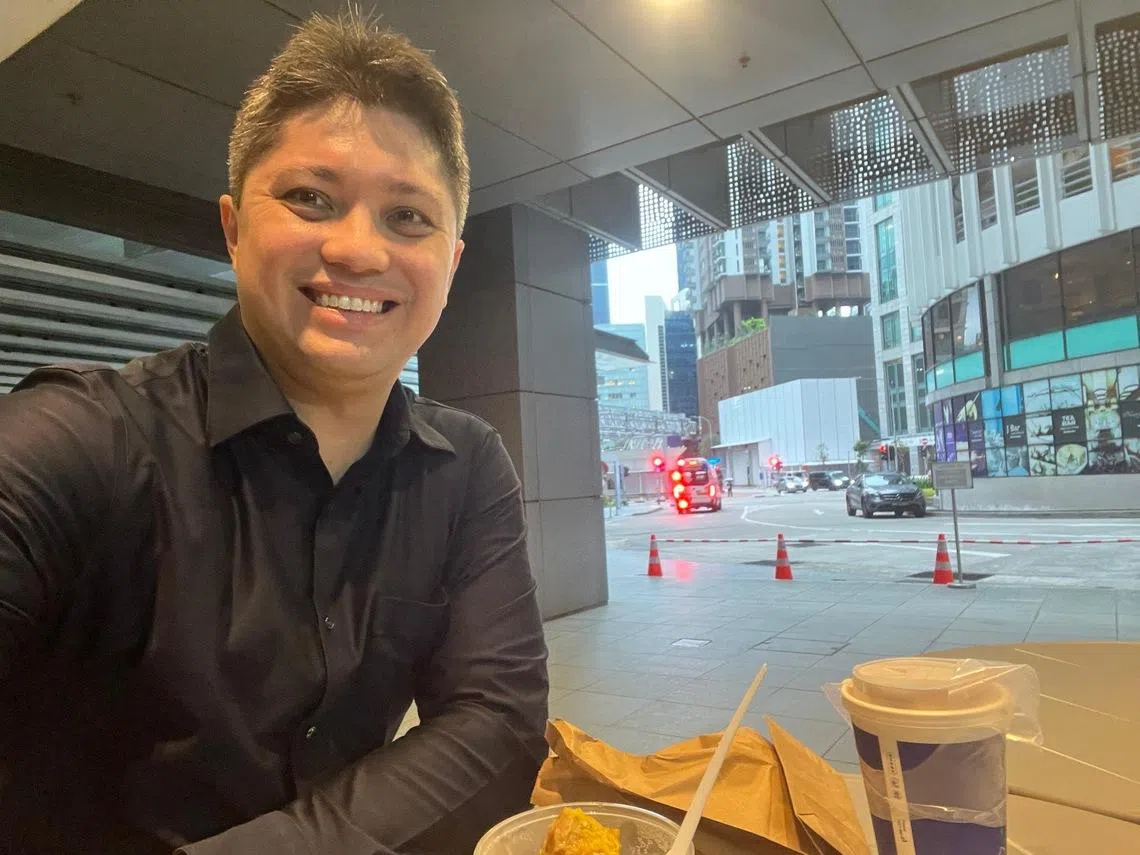
ImpactSG, which connects donors to charitable causes in Singapore and Asean, started as an idea in 2022. Twohill and his co-founders worked on ImpactSG while juggling their own full-time jobs, but found that difficult to maintain.
“My co-founders and I made the decision that one of us needed to run ImpactSG full-time because of the pace that we were moving at. It was unsustainable as a volunteer,” he said.
Twohill left his job at DBS in June 2024, after five years in the regional product delivery team and institutional banking group. ImpactSG launched in November that year.
The non-profit now has around 120 pledgers, who donate and volunteer their time and expertise for charitable causes. Twohill added that he feels “happy” to see charities receive funding and other benefits.
On the other hand, Tan Boon Heon, CEO of HCA Hospice, made the switch to the non-profit sector much later in his career, after spending more than 25 years in the life sciences and pharmaceutical sectors.
He was retrenched from his previous role as president of Kyowa Kirin Asia Pacific and wanted to pivot out of the industry.
“I felt that as I became more and more senior in the corporate world, I was getting further away from my customers,” he said.
In his role, he interacts with beneficiaries to learn about their unique situations and talks to caregivers to find out how HCA Hospice can better serve them.
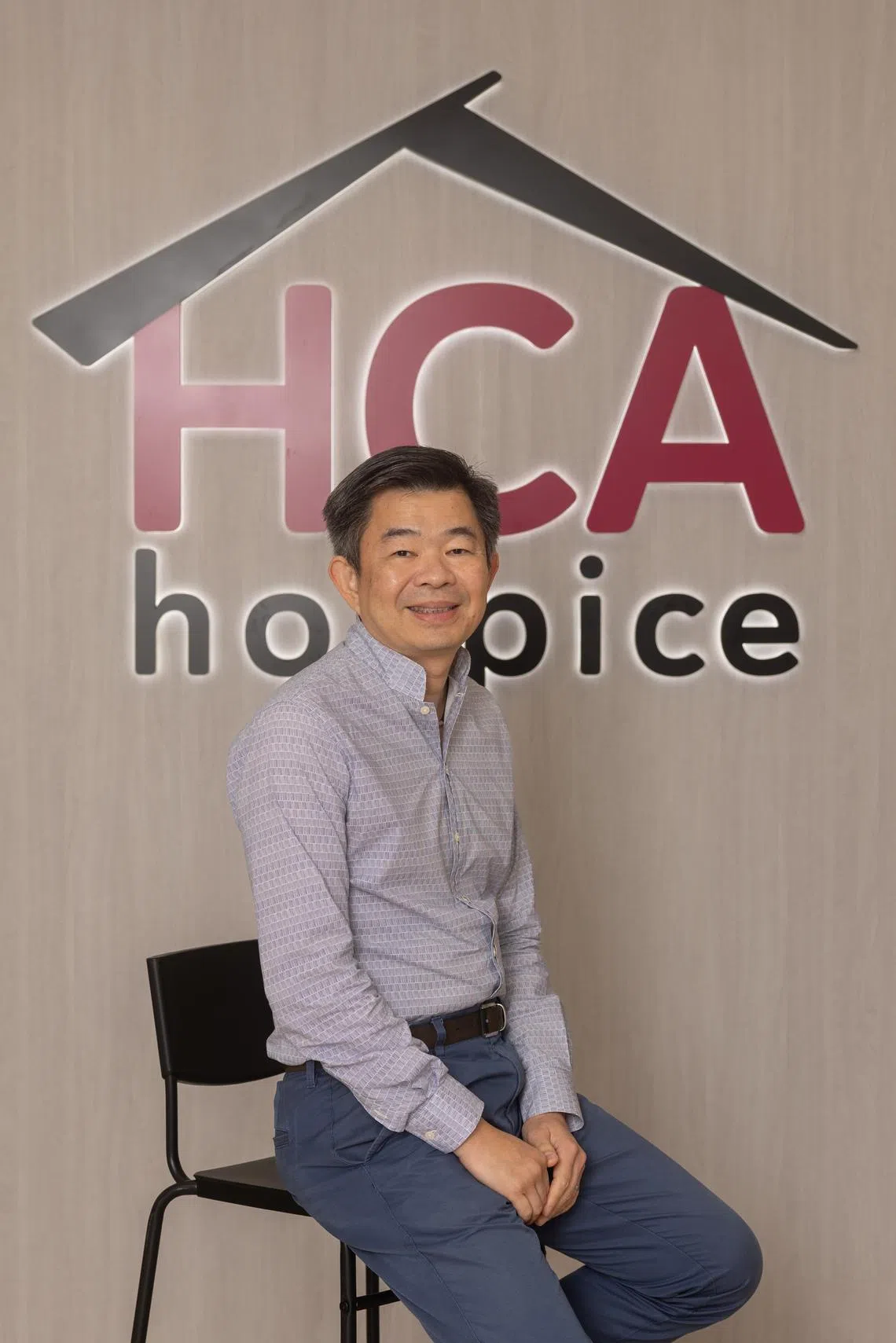
“I expected that this could be an emotionally draining role when you work with people who are dying all day,” he added.
“(But) there’s a trade-off, (which is) the depth of human connection you get when you’re in this sector. It’s certainly changed me as a person – it’s taught me to listen better, to be more understanding, and to be more appreciative of life and the people around me.”
Challenges
Working in the non-profit sector also comes with a multitude of challenges, such as limited resources and funding, lower pay, burnout and a lack of manpower.
“As a non-profit, we’re always operating with bigger dreams than our budgets,” noted Pro Bono SG’s Cai.
With non-profits often relying on the private sector for funding, ImpactSG’s Twohill added that managing people’s expectations is a key challenge.
Furthermore, measuring impact can be tricky as there is no one-size-fits-all approach. “When you come to the non-profit sector, our objectives are very complex and sometimes intangible. It’s hard to quantify,” HCA Hospice’s Tan said.
Across the sector, attracting and retaining talent is difficult due to financial constraints and salary disparities, the leaders said.
Tri-Sector Associates’ Tan said: “People often expect that impact organisations should just make do with limited resources. Actually, you need to attract really great talent to do this.”
However, raising awareness of the diverse career opportunities and positives in the sector could be helpful, they added.
Decoding Asia newsletter: your guide to navigating Asia in a new global order. Sign up here to get Decoding Asia newsletter. Delivered to your inbox. Free.
Copyright SPH Media. All rights reserved.
TRENDING NOW

Once staunchly pro-China, Malaysian Chinese businesses are now distancing themselves from Beijing

Looking beyond looming CEO succession, should UOB potentially pursue a transformative merger?

Could stablecoins be the future of money?

Grab CEO’s wife Chloe Tong on life with Anthony Tan and finding her purpose

