
The fraying of the American wardrobe
 Add BT as a preferred source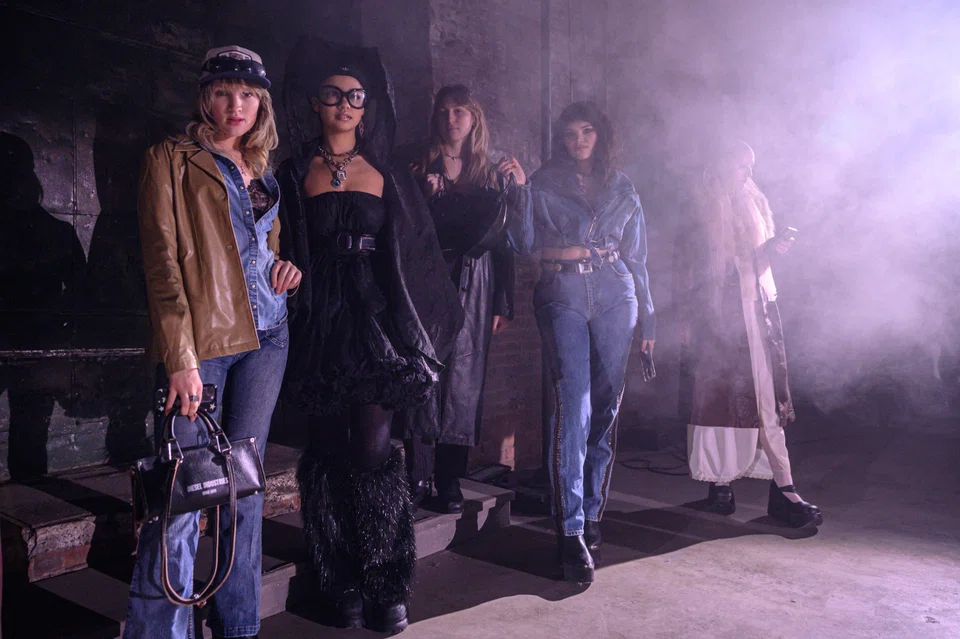
IT IS not exactly a secret that the American dream is fraying. Cowboys are not necessarily the good guys; the founding fathers had their Achilles heels; and the melting-pot mythology is starting to split at the seams.
This all might give a person nightmares, or it could give them ideas – about where we are, and what is to come next. When it comes to fashion, it looks like the phenomenon is giving designers new material. It is also giving them pause to make that material relevant for today – whether they are part of the establishment or the insurgency.
At Coach, for example, creative director Stuart Vevers has roughed up his usual souvenir basics with more interesting results. The designer earlier made a signature out of PG-rated wardrobes for wannabe cross-country road trippers, with the occasional guest appearance by Disney.
Long knit dresses with bubblegum iconography – from the Big Apple to Superman and Mickey Mouse – are made from recycled and upcycled yarn, complete with runs and pulls, as if they had been snagged over time. Jeans have been shredded and faded. They are paired with big 1970s shearling coats and jackets – Vevers is a dab hand with outerwear – in cracked leather that looks as if it was baked in the Dust Bowl sun. A skinny low-waisted pencil skirt and matching cropped denim jacket are patched together from scraps of leftover hide, salvaged from the cutting-room floor.
The clothes look as though they were put through the wringer and emerged, victorious, on the other side. Scarred, sure, but tough enough, ready to keep going.
If Vevers is consciously smudging the postcard version of Americana, though, Elena Velez is blowing a hole right through it.
Navigate Asia in
a new global order
Get the insights delivered to your inbox.
Velez was recently crowned emerging designer of the year by the Council of Fashion Designers of America (CFDA). She works between Wisconsin, where her mother is a ship captain on the Great Lakes, and Manhattan, between the steelworkers in the shipyards and the garment workers on Seventh Avenue. She is unconcerned with the pretty and the palatable, offering instead a primal scream of a collection about the caricatures of the Midwest, trucker culture and what exactly glamour means.
Her clothes are ripped, raw, bound and salvaged; her hero fabrics are canvas, cotton and metal – the “radically plain”, as she calls them.
And the bodies on her runway are human-scale messy. A strapless sheath dress, ruched down the front, has what looks like hammered metal hub caps over the breasts. A corseted top seems to have been plastered into submission. Then an evening gown comes, with a skirt made from swathes and billows of fisherman knit.


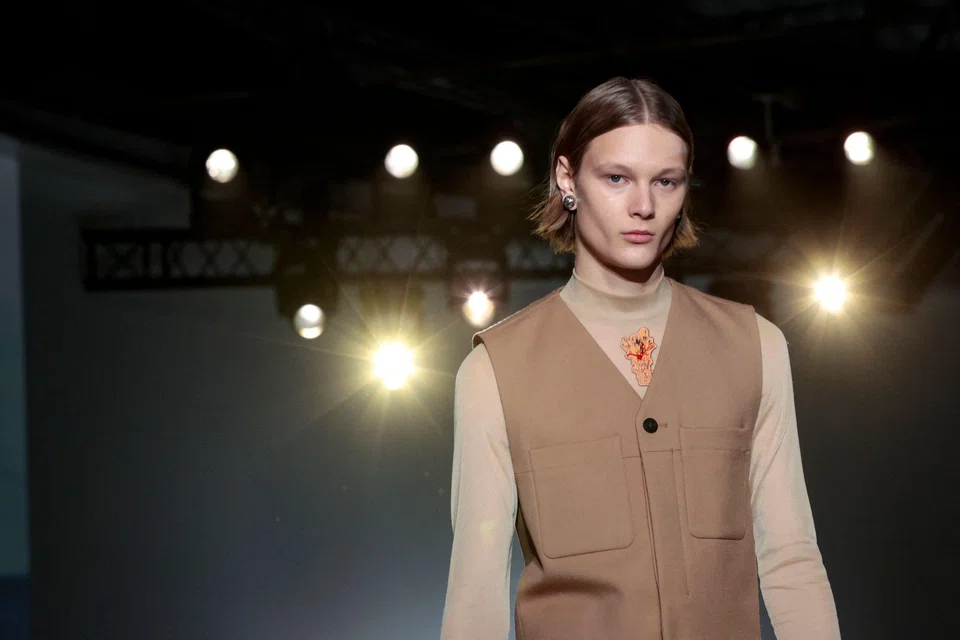
One of the models stomps down the runway, brandishing Velez’s CFDA statuette like a weapon “as though she had just bludgeoned her husband with it”, Velez says. She is joking, sort of. She refuses to sugar-coat the narrative.
The result is weird, often discomfiting, and sometimes too much. But it is also original and technically proficient – buried in the mayhem of the show comes a simple linen shirtdress, the sides just enough out of alignment to suggest complications. And Velez’s work is always thought-provoking. Learn her name now, because she is retelling the American dream. NYTIMES
Decoding Asia newsletter: your guide to navigating Asia in a new global order. Sign up here to get Decoding Asia newsletter. Delivered to your inbox. Free.
Share with us your feedback on BT's products and services

