

Give domestic workers a break
Abuse can be stopped with one simple move: legally requiring days off for foreign domestic workers.
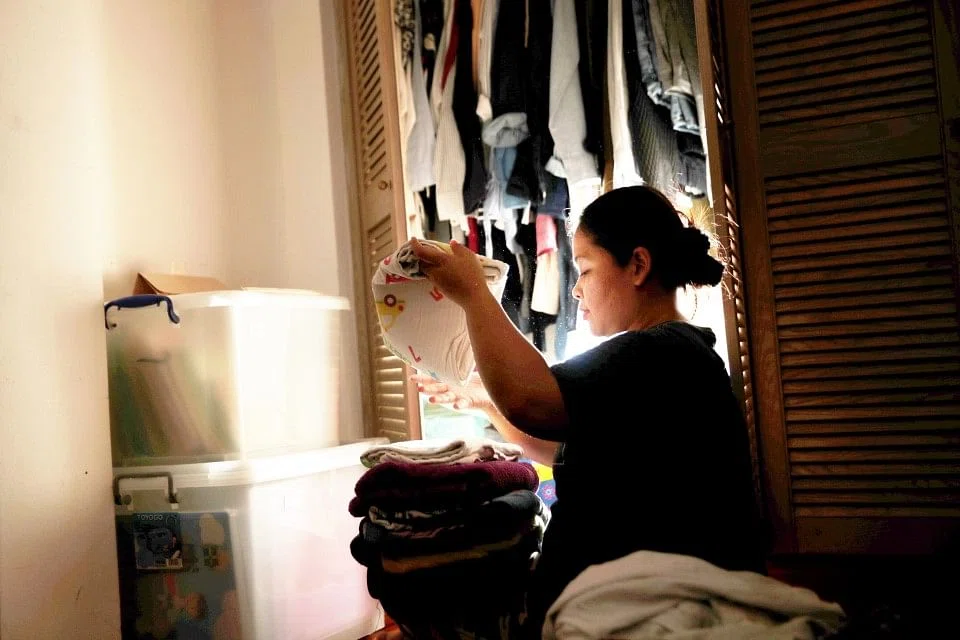
NEARLY 19 years ago, I joined a small group of people who planned to launch a one-year campaign aimed at achieving decent treatment and respect for domestic workers. An initial impetus to the campaign was the death of a young domestic worker called Muawanatul Chasanah at the hands of her employer. Within a couple of years, this initiative morphed into Transient Workers Count Too (TWC2), a non-governmental organisation (NGO) concerned with the rights and well-being of all migrant workers, but our beginnings were quite modest and our goals fairly limited.
We agreed, prior to our public launch in 2003, to prepare a series of background papers. Along with two other people, I volunteered to work on a paper looking at where domestic workers facing abusive treatment could go to seek help. When I began working on it, I assumed that the main problem they faced was that there were few sources of assistance and advice available, but I soon discovered that this was not so.
Other workers could often be helpful with advice and information. Desperate workers could turn to their embassies and to the Ministry of Manpower. There were already religious bodies and voluntary organisations that provided assistance on a humanitarian basis. Agencies were a mixed bunch: some would just tell a worker who appealed for help to stop making a fuss and carry on working, but others showed real concern and actively helped workers.
TRENDING NOW

World’s largest offshore wind platform by Seatrium consortium on track to be completed by 2028

Is stamp collecting enjoying an analogue revival or are its best days over?

GovTech retrenches another 38 staff in second round of layoffs

MBS adjusted property Ebitda falls 20.6% in Q3 with fewer high-roller visits, weaker hold

