

Goals galore and shattered records: The 2026 World Cup delivered on most counts
The Spain-Argentina final was a snoozefest, but there were many breathtaking games that stole the show

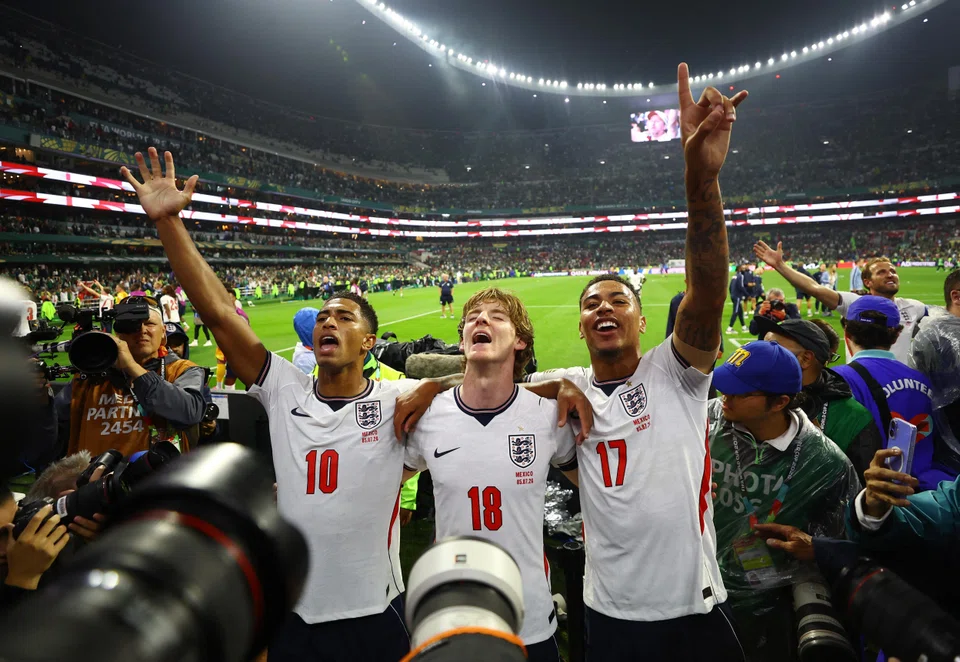
[SINGAPORE] We are just a few days removed from the end of the Fifa World Cup and it’s safe to say this year’s tournament had it all: spectacular goals, records broken, drama, controversy, breakout stars, the departures of some of the sport’s legends and much more.
Was this North American edition of football’s most prestigious tournament one of the greatest in the event’s nearly 100-year history? Many fans and analysts are still divided on this, even as we continue to look back on the 39-day event that captivated the world.
There were 308 goals scored in the competition’s 104 matches, for an average of 2.98 goals per game. This made the 2026 tournament the highest-scoring World Cup since the 1958 finals in Sweden, which averaged 3.6 goals per game.
And while there’s still plenty of debate about Fifa’s move to use “dynamic pricing” to set ticket prices, this did little to prevent spectators from all corners of the globe to fork out thousands of dollars to experience the action live.
The final total attendance came in at just over 6.81 million with an average of 65,490 fans per match and a stadium occupancy rate of 99.7 per cent.
Drab final
Perhaps the expectations set by the 2022 World Cup final between France and Argentina – widely hailed as the best final of all time – had set the bar too high.
To be fair, Spain tried their best to try and win the match as they peppered the Argentina goal with shot after shot but simply could not make the breakthrough in normal time. The referee called for another 30 minutes to be played, and it was substitute Ferran Torres who finally thumped home in the 106th minute to give Spain its second World Cup.
Argentina can only look back and wonder how they let themselves – and their millions of supporters – down with such a dismal performance, with not a single shot on target in the entire match.
It looks all but certain that their captain Lionel Messi, who turned 39 last month, has played at his final World Cup. It wasn’t quite the farewell that he had dreamed of, but he does have the honour of departing from the tournament with eight goals (the second-highest tally behind France’s Kylian Mbappe) and four assists.
SEE ALSO




Instant classics
Many fixtures kicked off late at night in most parts of Asia, but those who stayed up were often rewarded with some unforgettable matches.
It’s not often that a goalless draw generates so much attention, but that’s exactly what happened when minnows Cape Verde held mighty Spain to a 0-0 stalemate in the group stage.
The tiny African island-nation’s hero was 40-year-old goalkeeper Vozinha, who became one of the most popular stars of the tournament with his shot-stopping skills. Indeed, Cape Verde did not lose to Spain, Uruguay, Saudi Arabia and Argentina over a 90-minute period – a remarkable achievement for a country making its World Cup debut.
Cape Verde full-back Sidny Lopes Cabral also has the honour of scoring what many have deemed to be the tournament’s best goal. In extra time against Argentina in the Round of 32, he cut inside from the left flank and curled in an unstoppable shot to level the score at 2-2.
Argentina ultimately prevailed at the end of a rip-roaring encounter, but not before being given a huge scare as fans gave both teams a standing ovation at the final whistle.
Mexico and England played one of the most intense games in the Round of 16. Down to 10 men after Jarell Quansah was sent off early in the second half, England triumphed 3-2 and handed Mexico their first defeat at their imposing Azteca Stadium in nearly 13 years.
Special mention must go to France and England for their 10-goal showing in the third-place playoff, a fixture derided by many as a meaningless game over the years. England won 6-4, with Jude Bellingham rounding off the scoring with a spellbinding solo goal deep into injury time.
Even bigger in 2030?
Trust Fifa president Gianni Infantino to make the World Cup even bigger than it already is. He recently floated the idea of expanding the 2030 edition – co-hosted by Spain, Portugal and Mexico – to 64 teams, up from the record of 48 this year.
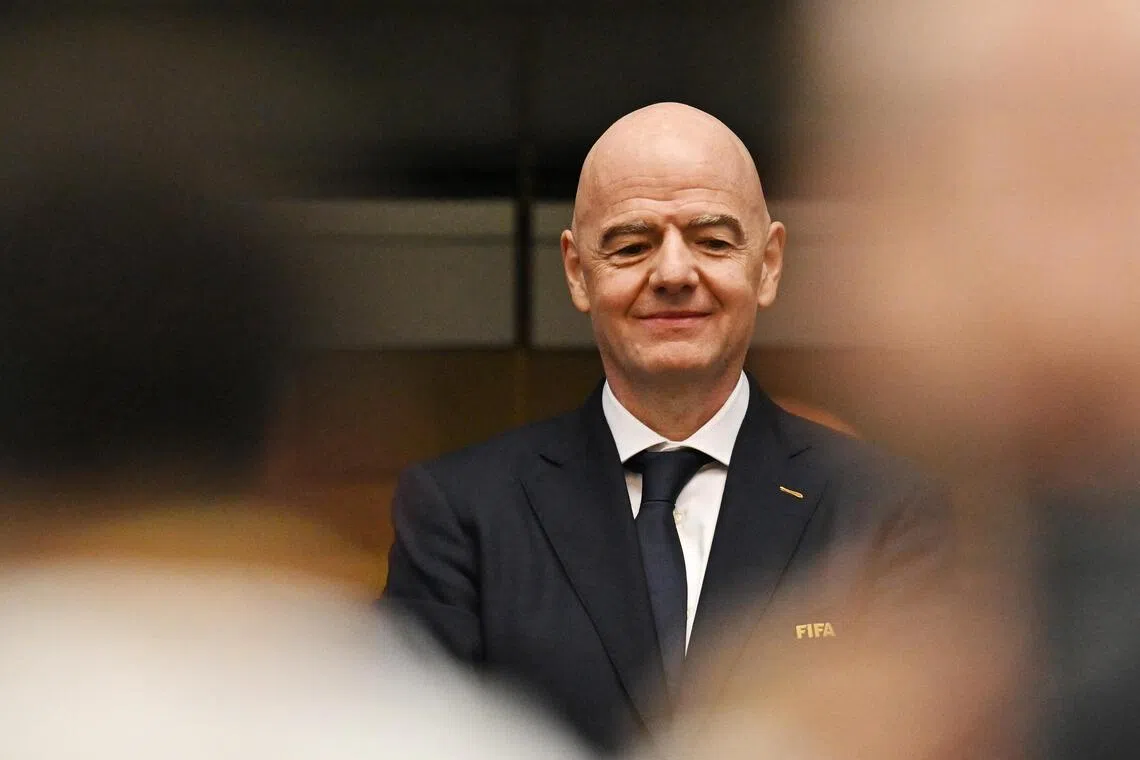
Sure, it will allow even more countries to have the opportunity to strut their stuff on football’s grandest stage, but will this dilute the competition too much? The jury is still out on this, although the optimists will argue that we will get to enjoy many more fairytale stories like Cape Verde, Curacao and Haiti and see what they can do against the sport’s traditional heavyweights.
Decoding Asia newsletter: your guide to navigating Asia in a new global order. Sign up here to get Decoding Asia newsletter. Delivered to your inbox. Free.
Copyright SPH Media. All rights reserved.
TRENDING NOW

Government to bring forward raising of retirement age, give employers more financial support to create flexi-load jobs
If Europe goes to war, the fallout will be felt in East Asia

Indonesia stocks suffer worst plunge in nearly 30 years as MSCI proposes standalone status

Vietnam’s northern provinces, not Hanoi or Ho Chi Minh City, are powering near 10% GDP growth

