

Going local: the quest to support heritage and home-grown businesses
Reinvention, tech tools and social media, along with community support, are essential elements for small local businesses
Corinne Kerk
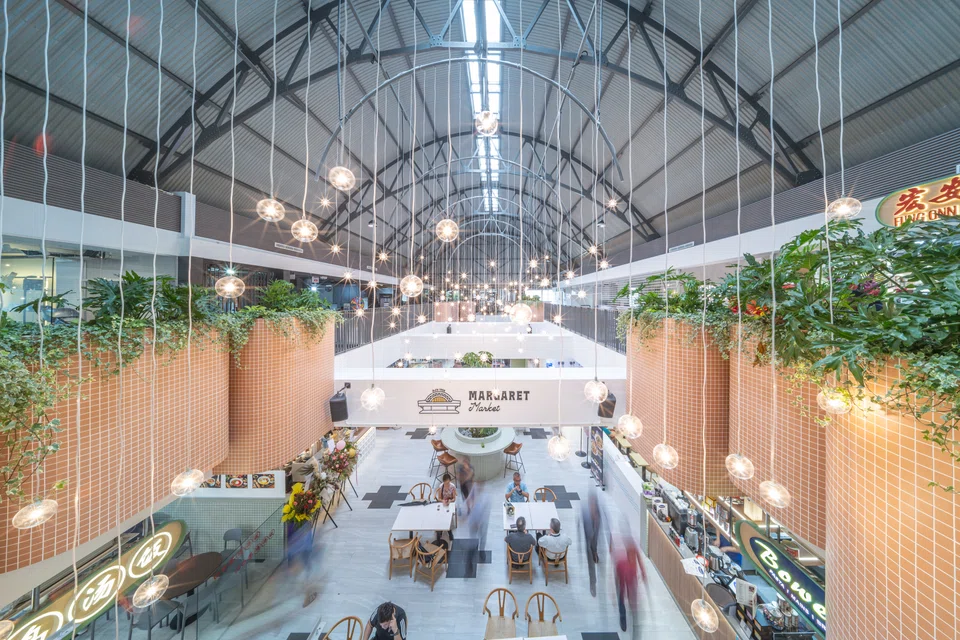
WHEN Stephen Tong chanced upon an advertisement to lease a conserved wet market building in Queenstown, he was intrigued. He immediately drove over to see it and fell in love with the premises and its neighbourhood.
Known for its vaulted ceiling, the building at 38 Margaret Drive is the site of the former Commonwealth Avenue Wet Market and Food Centre that was built in 1956. It is the only remaining market in Singapore constructed by the Singapore Improvement Trust.

Before long, the chief executive officer of Bethesda Medical found himself signing a lease for the medical group to become the master tenant of the building, now called Margaret Market. He had visions of using “this lovely and distinctive conserved building” to try to bring back the feel of the older neighbourhood space, provide a venue for small local businesses to ply their trade, and bring people together.
And so, Margaret Market was born. Opened last month, the two-storey, 1,800 square metre building is billed as a lifestyle destination marketplace that is local-centric and supportive of boutique Singapore brands, home bakers and cooks, and first-time vendors. It will also house a Bethesda Medical clinic, as well as a Gymm Boxx, a 24-hour fitness facility.
“While working in the Ministry of Manpower’s onboarding centres during the Covid-19 pandemic, we met migrant workers who were displaced from their familiar environments,” recalls Dr Tong. He felt there were similarities with the nearby Tanglin Halt estate, where en-bloc redevelopment disrupted old trades and displaced elderly residents from their neighbourhoods.
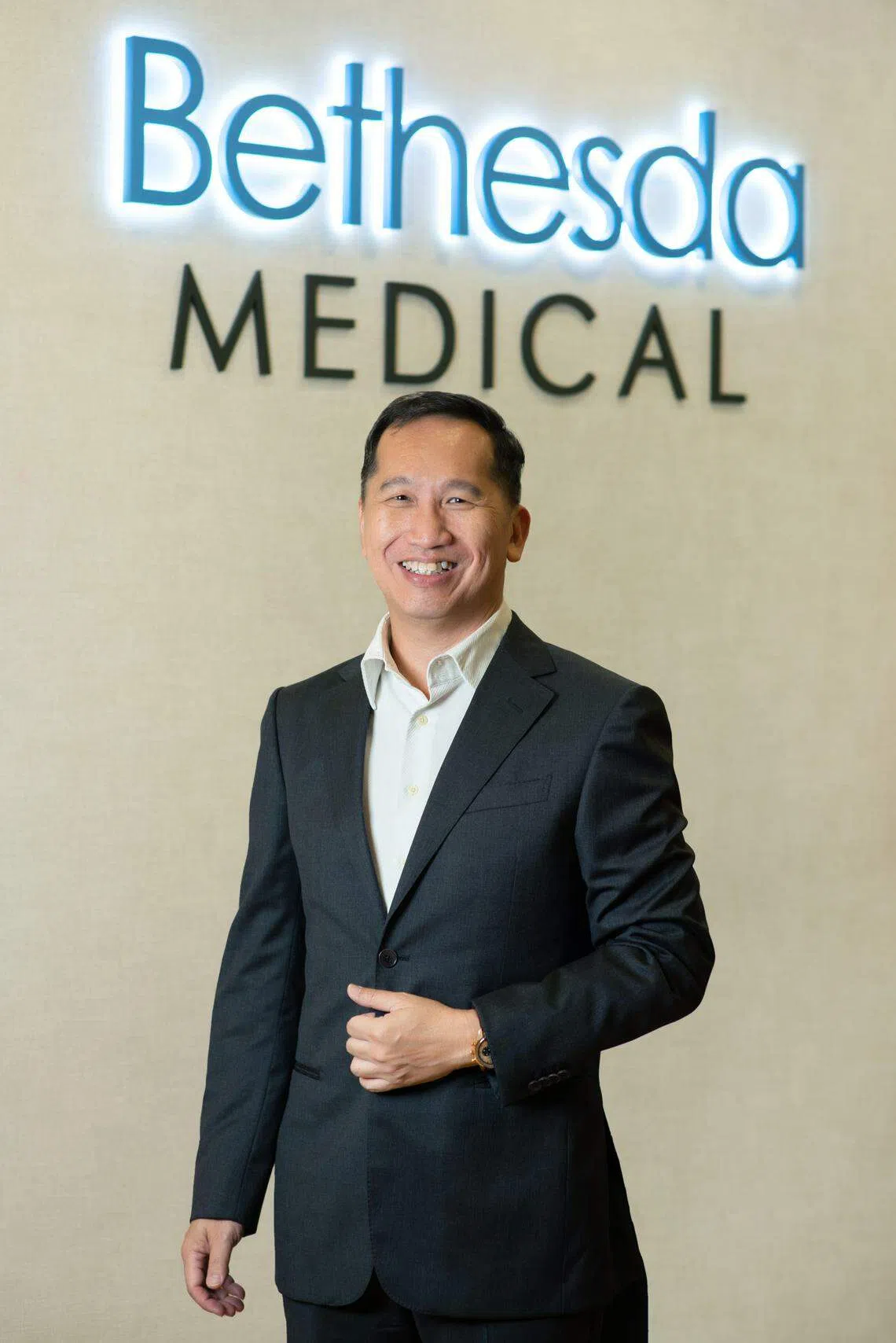
“We felt there (was) an opportunity to help the old trades and residents assimilate into the new environment through this project, as well as an opportunity to help the community,” he says, adding that Bethesda Medical will provide free monthly health screenings for the elderly from September.
He is not alone in this desire to support local and heritage businesses.
Willing supporters
Going by findings from a recent American Express (Amex) survey, it would appear that most Singaporeans are supportive of local businesses. But while nine in 10 Singapore consumers shop at home-grown businesses, the survey also found that only half agree that supporting local is very important.
There are also notable generational differences, with 63 per cent of baby boomers (ages 58 and up) agreeing, compared to only 44 per cent of Generation Zs (ages 21 to 25), 57 per cent of millennials (ages 26 to 41) and 56 per cent of Generation Xs (ages 42 to 57).

“There is more room to galvanise support for local brands, especially among the younger generations, who tend to see less importance in supporting local, compared to the older generations,” says Marlin Brown, country manager for Amex Singapore.
On its part, the payments company will encourage supporting local businesses with its fourth annual Shop Small campaign. Card members who register their cards can receive cash credits for eligible purchases at more than 3,500 participating businesses from now till Aug 31.

To rally more support this year, Amex is also organising a Shop Small Pop-Up Market at Suntec City from Sep 25 to Oct 1. The pop-up will feature 16 home-grown businesses, as well as limited edition merchandise designed by Singapore artists including Esther Goh and Isaac Liang.
Back to the future
But even with a desire to support local enterprises, the execution is not so simple, especially when it comes to heritage businesses.
While researching the concept for Margaret Market, Dr Tong’s team spent weeks walking around older estates – such as the soon-to-be-demolished Tanglin Halt – and speaking to trade owners to understand their needs and insecurities about moving to a new estate.
“We also spoke to residents and those in the community to find out what kinds of services and trades they would like to have in the new space,” Dr Tong says.
He and his team tried reaching out to local brands through friends and families who might know people in various trades, via property agents, and by walking around different neighbourhoods, such as Joo Chiat. They talked to shop owners to suss out their interest in Margaret Market, and went online to try and contact brands by various means.
They received “a lot of rejections” as many businesses were worried about moving to an entirely new building instead of an established mall, especially when traffic and footfall at the hawker centre next door was perceived to be low during their site surveys.
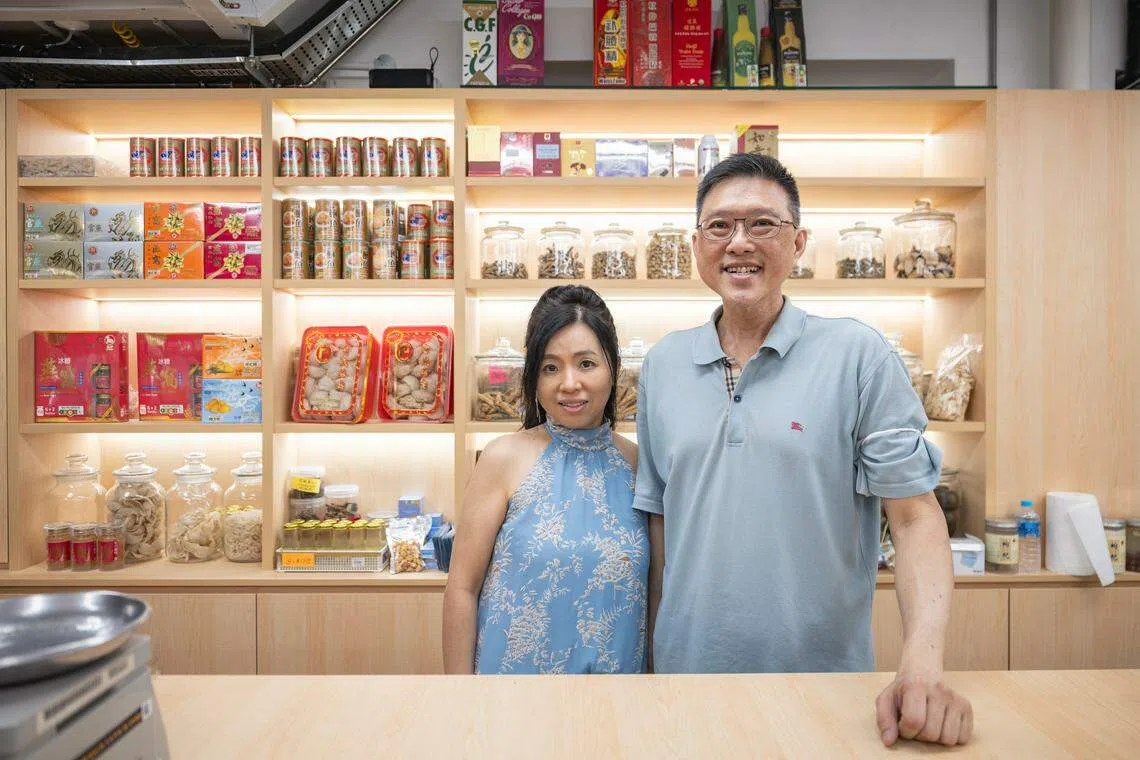
Eventually, Fung Onn Medical Store was persuaded to move to Margaret Market from Tanglin Halt. The business was started in 1964 by Chee Ah Kiaw and provides customers with traditional Chinese medicine (TCM) products and services, as well as other proprietary medication and healthcare products.
“Most people will say TCM is a sunset business, but being niche and differentiated by the type of services we provide is also an opportunity for us,” says Chee Kim Boon, the founder’s son.
Reinventions needed
For Jacob Cheong, the need to reinvent heritage businesses like East Inspirations, which was founded by his father, is absolutely crucial.
His father, known as PK, was a machinist in a factory before he started Far East Lamp Arts in 1985. It made lampshades and converted vases into lamps, and sold its products to retailers in the Orchard and Tanglin Road areas. It also supplied hotels and refurbished their lamps.
But as manufacturing became too expensive and difficult, the senior Cheong turned to retail and incorporated his passion for oriental handicraft and antiques into the business. This gave birth to East Inspirations in the early 90s, which operates from a shophouse in Chinatown. Today, it deals mainly in oriental antiques as well as vintage and modern items inspired by Chinese culture. It also conducts tea sessions as a means to share Chinese tea culture with guests.
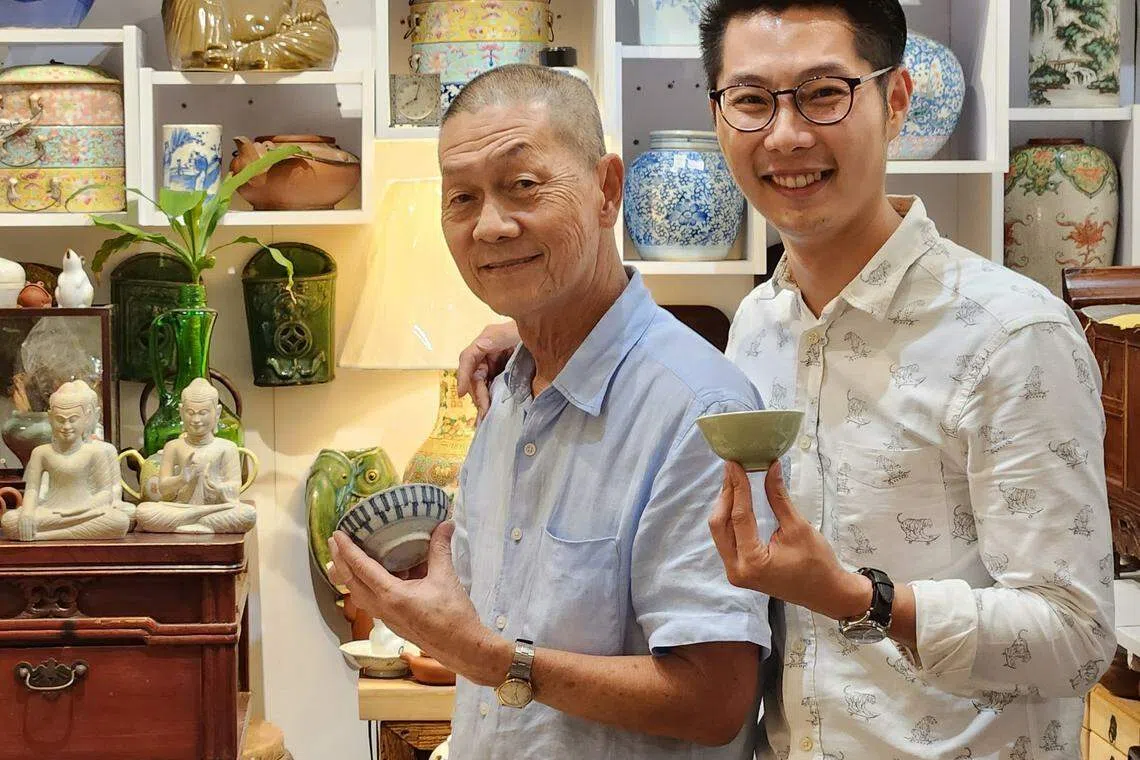
“Reinventing for almost three decades is how my father managed to keep the business going,” says Jacob Cheong. “But most importantly, even as we reinvent, we also need to stick to a core, so we do not lose our character. For us, that will be Chinese culture and antiques, with almost everything we do in the store inspired by our culture.”
Despite graduating with a degree in business management and being part of a local bank’s graduate programme, Jacob Cheong gave up his chance for a cushy banking job to help his father. He expanded the business’ digital presence and, through social media, amplified the shop’s brand and reputation as a vintage specialist.
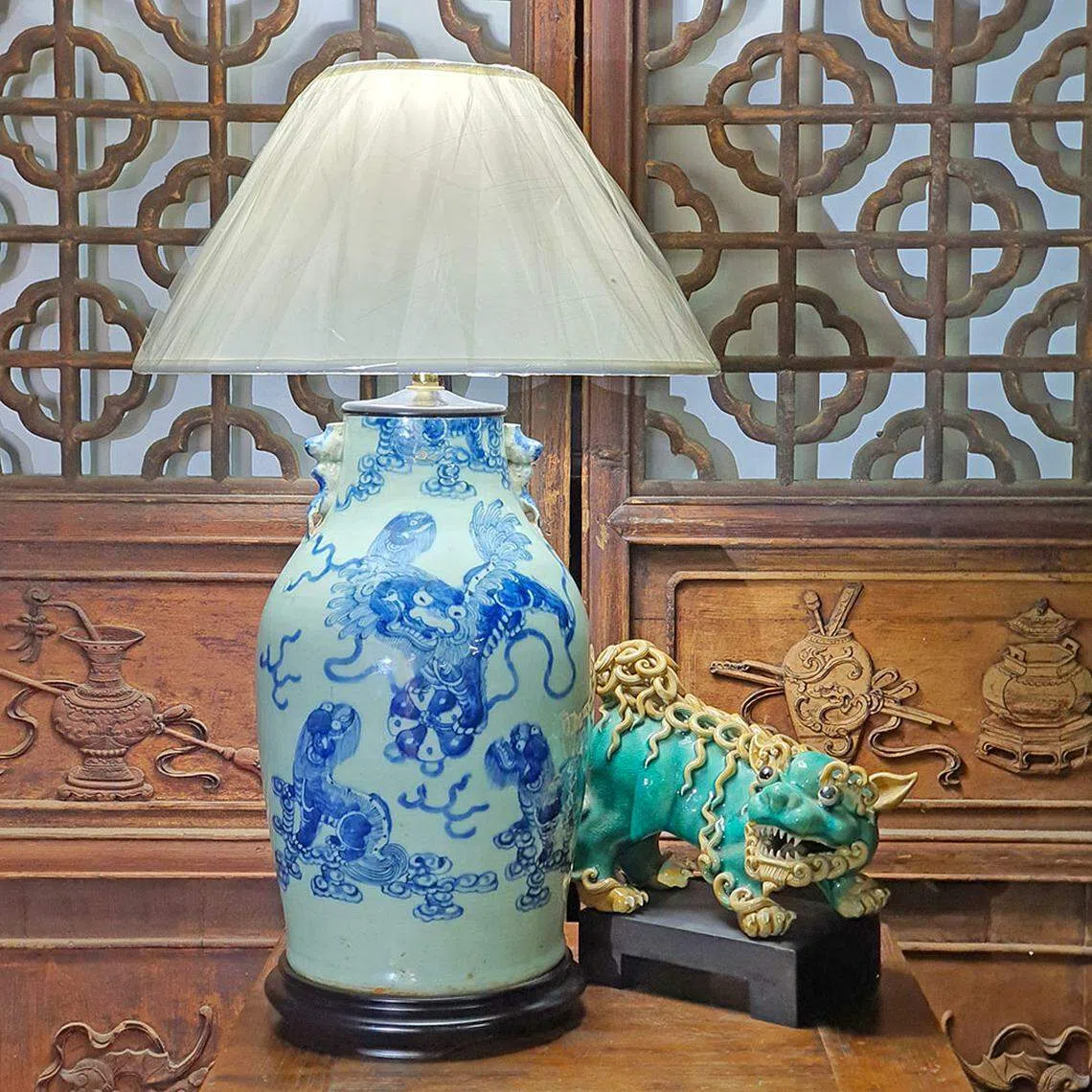
Although business has been volatile and challenging, given rising rent and other business costs as well as changing consumer tastes and habits, Jacob Cheong believes people are seeking unique experiences with a local flavour.
“I don’t think things will get easier, but it will definitely get more interesting,” he says, pointing to an increasing number of tools traditionally afforded only to bigger companies becoming more accessible to small businesses, including point-of-sales systems, customer relationship management programmes, and logistics solutions.
“It’s really up to the proprietor’s creativity on how to tap all these resources to compete with the behemoths.”
In addition, there is a need to find synergy between big and small players to create a win-win dynamic, he feels. “Small businesses like ours definitely benefit from the exposure that we are otherwise unlikely to get, or find very expensive to achieve,” he notes, citing East Inspirations’ participation in Amex’s Shop Small campaign as an example.
Community spirit
For first-time vendors, support from the local community is key.
Vernetta Fong, owner of Urban Folks, has been doing a roaring trade in the weeks since opening at Margaret Market. Her new cafe features Aussie-inspired jaffles (closed toasted sandwiches) and acai bowls.
At a busy Sunday lunchtime when The Business Times visited, the market was packed and people were tucking into its jaffles at every table.
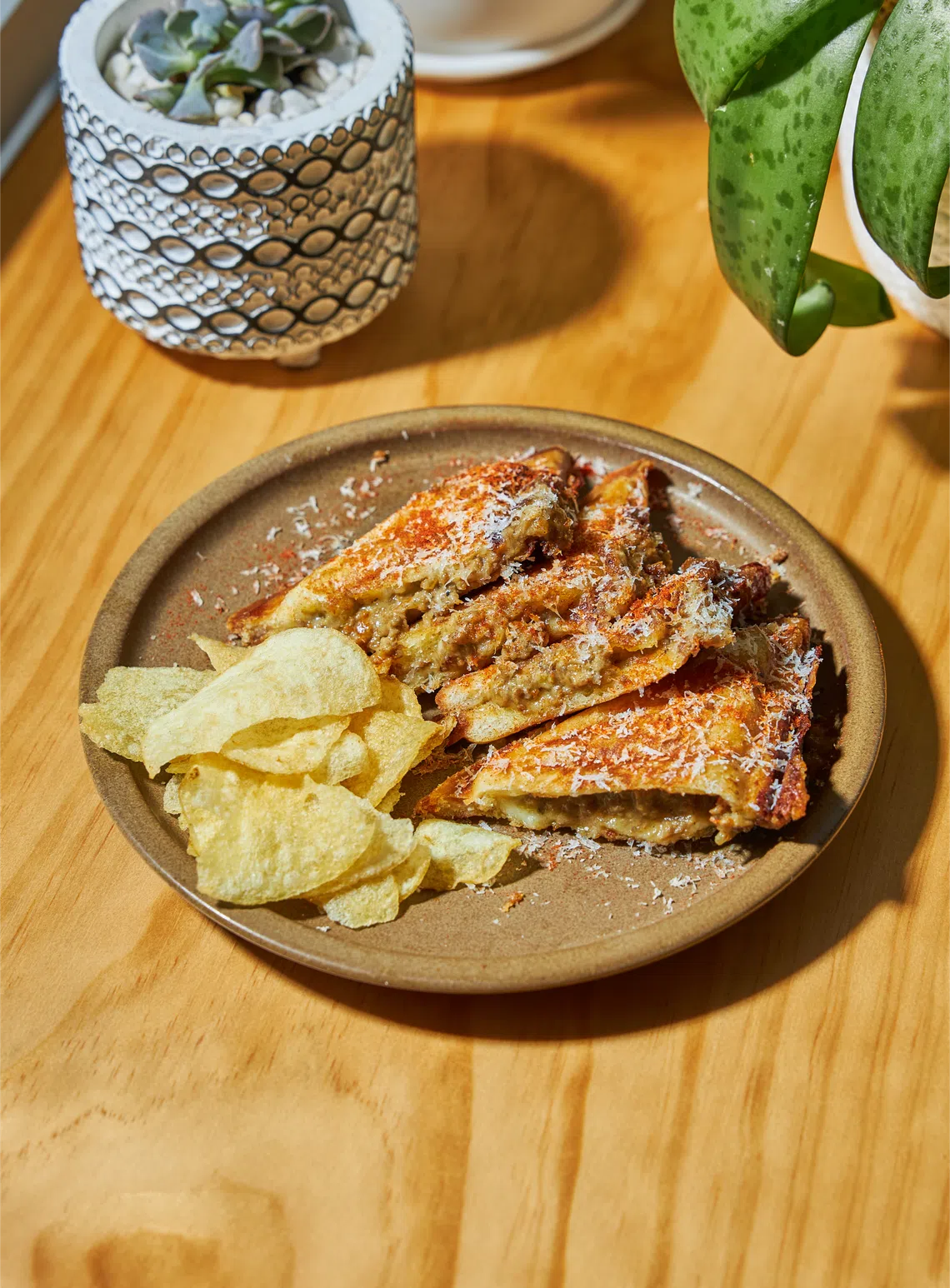
“The response from the community has been incredibly heartwarming,” says Fong, who decided to start her business at Margaret Market as it draws on the farmers’ market concept she experienced while studying in Melbourne.
“It’s truly wonderful to witness the open and receptive nature of the people here, embracing our offerings with enthusiasm. Even the older generation has been really supportive and adventurous in trying out new food options, which has been really amazing.”
She is optimistic about the future for home-grown businesses, as she believes consumers are “increasingly drawn to the stories behind products and services”. And like Jacob Cheong, Fong says small businesses can leverage technology and social media to reach a broader audience and create close connections with customers.
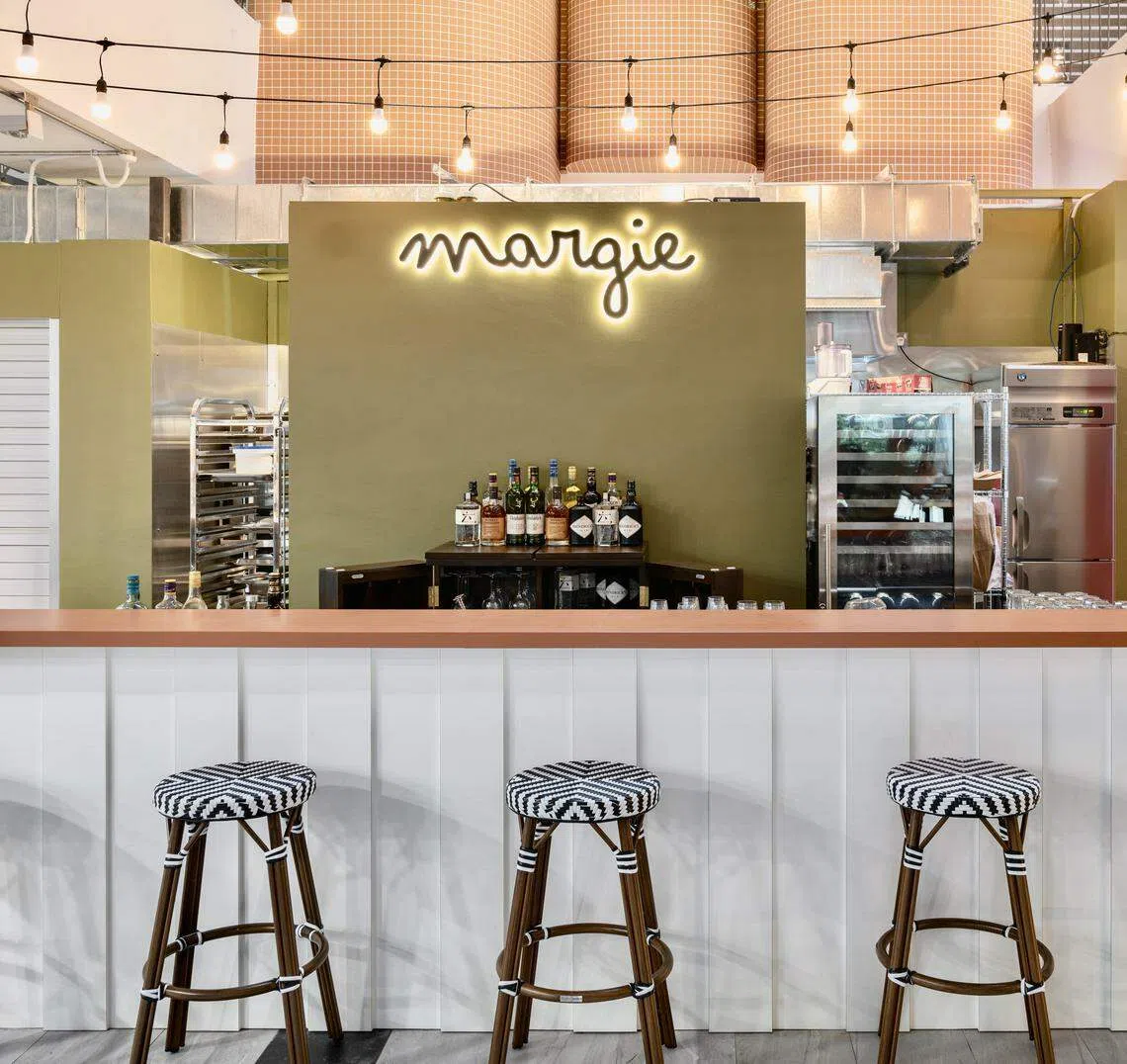
Also at Margaret Market is Margie (as in, the little sister of the market), a new bistro bar that hopes to bring liveliness to the venue by catering to the evening crowd and championing local flavours.
There are beers from local craft breweries and tacos with a local twist, such as the grilled “chomp chomp” chicken tacos inspired by the famous chicken wings at Serangoon Gardens, and otah croquettes.
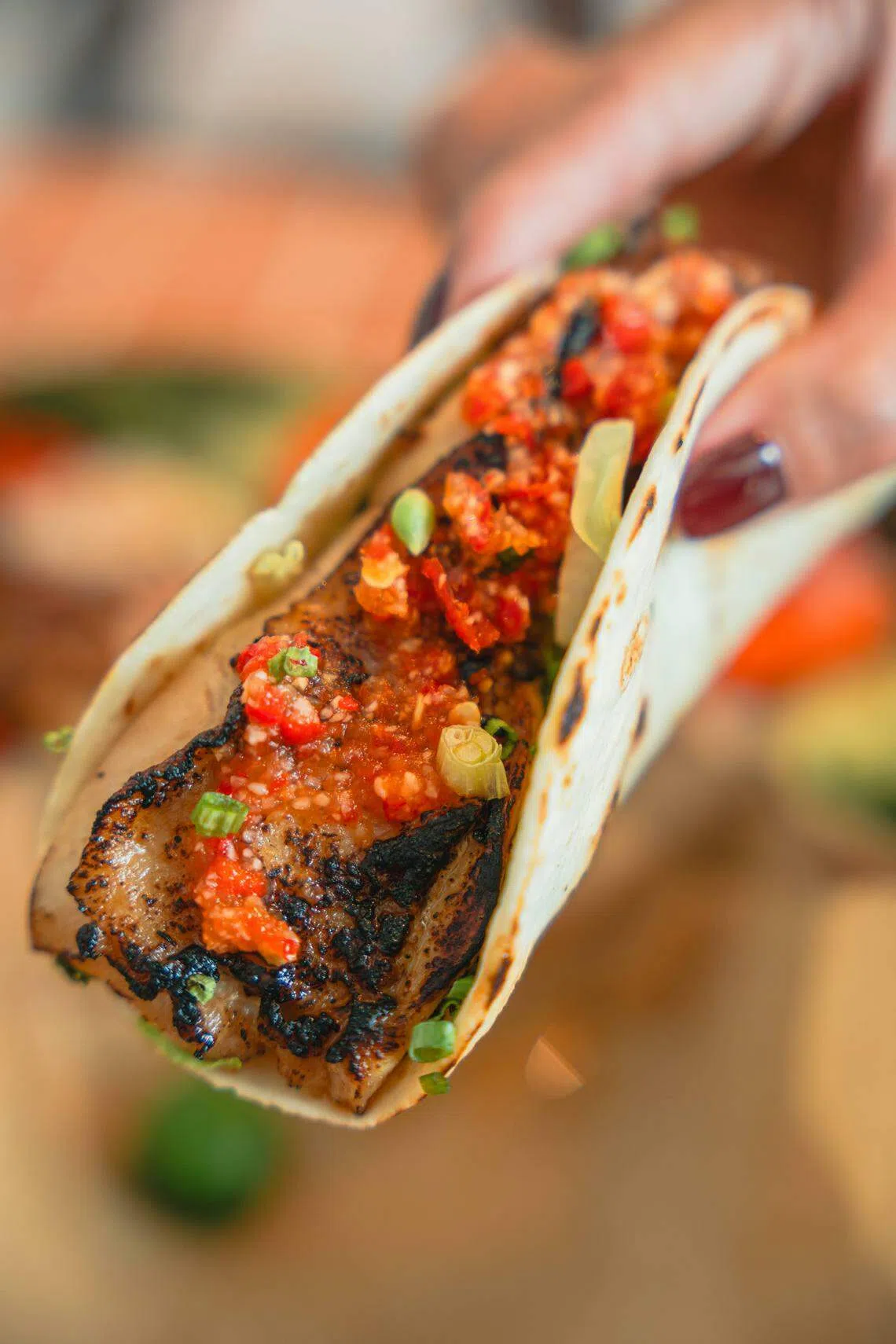
“Our kitchen will also be open to collaborations with local chefs or home cooks, providing them with a platform to showcase their menus on a periodic and rotational basis,” says owner Ann Phun Siew Chen.
Apart from putting local brands in the spotlight, Dr Tong wishes to create a sense of pride and identity within the community. “We hope that Margaret Market will be able to inspire other places and communities with similar initiatives that support and uplift local businesses.”
Decoding Asia newsletter: your guide to navigating Asia in a new global order. Sign up here to get Decoding Asia newsletter. Delivered to your inbox. Free.
Copyright SPH Media. All rights reserved.
TRENDING NOW

If Europe goes to war, the fallout will be felt in East Asia

China’s market is tougher than ever. Where can Singapore firms still find room to grow?

Vietnam’s race for growth tests pace of energy transition: experts

Indonesia stocks suffer worst plunge in nearly 30 years as MSCI proposes standalone status

