Going for a walk wasn’t really a thing 300 years ago
The Victorians turned it into a popular pastime
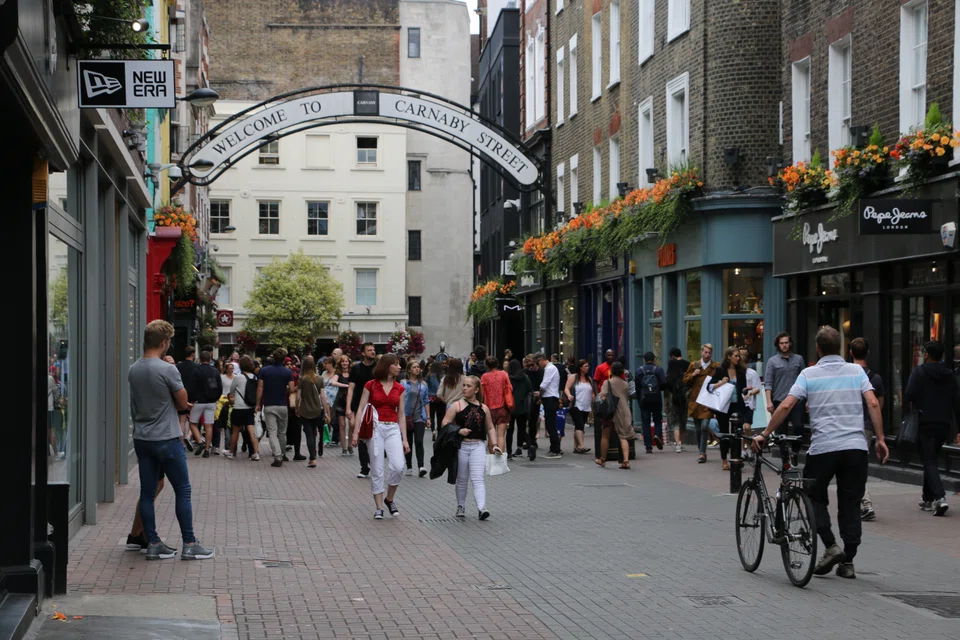
GOING for a walk is always a good idea. Perhaps, if you are lucky enough, this might be a hike along ragged cliffs or trudge along a chilly beach with family. Many of us, however, have to take to the pavements of Britain’s towns and cities for our post-lunch walks.
As a researcher of pedestrianism, I am fascinated by the changing culture of how, where and why we walk. This includes the tacit pavement etiquette that has both endured through the centuries and changed to reflect the cultural concerns of the age.
You might be surprised to hear that “going for a walk” wasn’t really a thing until the late 1700s.
The word “pedestrianism” may have Latin roots, but, in the 1800s, its first association would have been a sporting one. “Professional pedestrianism” or “race-walking” was fiercely competitive by the 1850s.
Tournaments in America took place over six days, with entrants walking the equivalent of 724 km, taking naps in tents by the track and sipping champagne en route. The stringent “heel-to-toe rule” still in place states that “the advancing leg must be straightened from the moment of first contact with the ground”.
Walking as a leisure activity came about around the 1780s. Until this point walking had been an act of necessity, associated with poverty, vagrancy and even criminal intent. Many individuals would live and die never having seen beyond a few square miles of bleak cityscape, and only slightly further for those in the country.
Along with the rural appreciation of the Lake poets – including William Wordsworth and Samuel Taylor Coleridge – at the turn of the century, famous walkers such as Charles Dickens brought the pastime of walking into vogue.
Dirty rotten streets
Much has been written of the religious zeal with which Dickens took to his daily “walking work”. He averaged 19 km a day and at a remarkable pace of over 6 km an hour – sufficient for others to “draw aside as the great writer – who seemed always to be walking a match against thought – strode on”.
Walking was an essential cog in Dickens’ creative process: a time to absorb, almost by osmosis, the idiosyncrasies of the streets. From forays into the London slums to insomnia-driven marches through the night, his encounters furnished the eccentric brilliance of his characters – the street snapshots retained “in regular order on different shelves of my brain, ready ticketed and labelled to be brought out when I want them”.


In the 1800s, when pavements were in their infancy, taking a walk was a whole different experience. An estimated 300,000 horses traversed the London streets, depositing over 1,000 tonnes of manure every day. Worse matter was also regularly tipped into the rat-ridden gutters of the slums; the word “loo” itself is suggested to be derived from the pre-warning “gardyloo”, or French “regardez l’eau” (watch out for the water) heralding the emptying of a chamber pot from an upper storey.
The sorry state of city streets created a demand for all sorts of workers, including “pure finders” who would have scooped up dog poo and sold it in bulk to local tanneries (places where leather skins were processed). This was just one of the unappealing occupations that social historian Henry Mayhew referred to as “street cleansers” – a motley crew of crossing sweepers, night-soil men and mudlarks (people who sifted anything that they could sell from the banks of the Thames) who made their living from street waste. Thankfully, social reform and urban planning have moved on dramatically; going on an urban walk is a much more pleasant experience now.
Professional pedestrianism
While the pavements have changed, many of the codes of conduct governing Victorian pedestrian etiquette remain relevant today.
In 1780, an article tucked discreetly among the news and advertisements of the popular The London Magazine outlined “Rules of behaviour, of general use, though much disregarded in this populous city”.
Among its 12 points, pedestrians were advised “to be cautious of staring in the faces of those that pass by... for an overbearing look has the air of a bully, and a prying one that of a bailiff”.
So as you take your walks, do as Dickens did, and avoid committing these pedestrian faux pas:
- Inconsiderate whistling or humming.
- Walking arm in arm.
- Loitering in conversation.
- Hindering all behind with a “sauntering gait”.
While the bugbears and implicit rules may alter with the ages (distracted phone users, I’m looking at you), there is much about the pavements that retain their Victorian decorum. They are a place of multiplicity and variety, culture and commerce – a strip of land to be celebrated all year round.
The writer is a PhD (English literature) student and editor at University of Nottingham, UK
Decoding Asia newsletter: your guide to navigating Asia in a new global order. Sign up here to get Decoding Asia newsletter. Delivered to your inbox. Free.
Share with us your feedback on BT's products and services