

The great US Open ball debate of 2022
The Open is the only Grand Slam tournament where women use different balls than men, and the Wilson ‘regular-duty’ ball has gotten into some players’ heads
 Add BT as a preferred source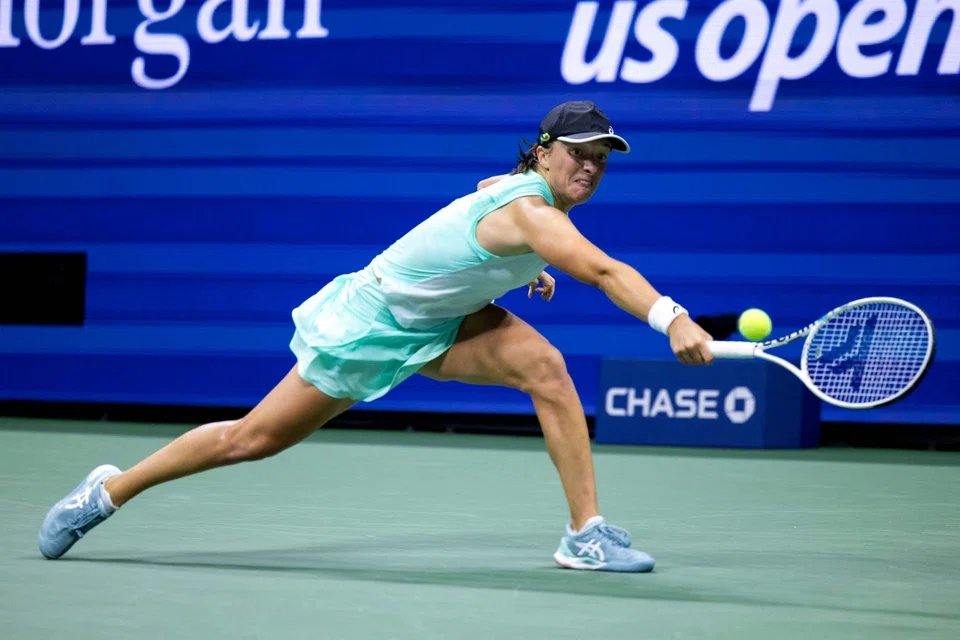
By Matthew Futterman
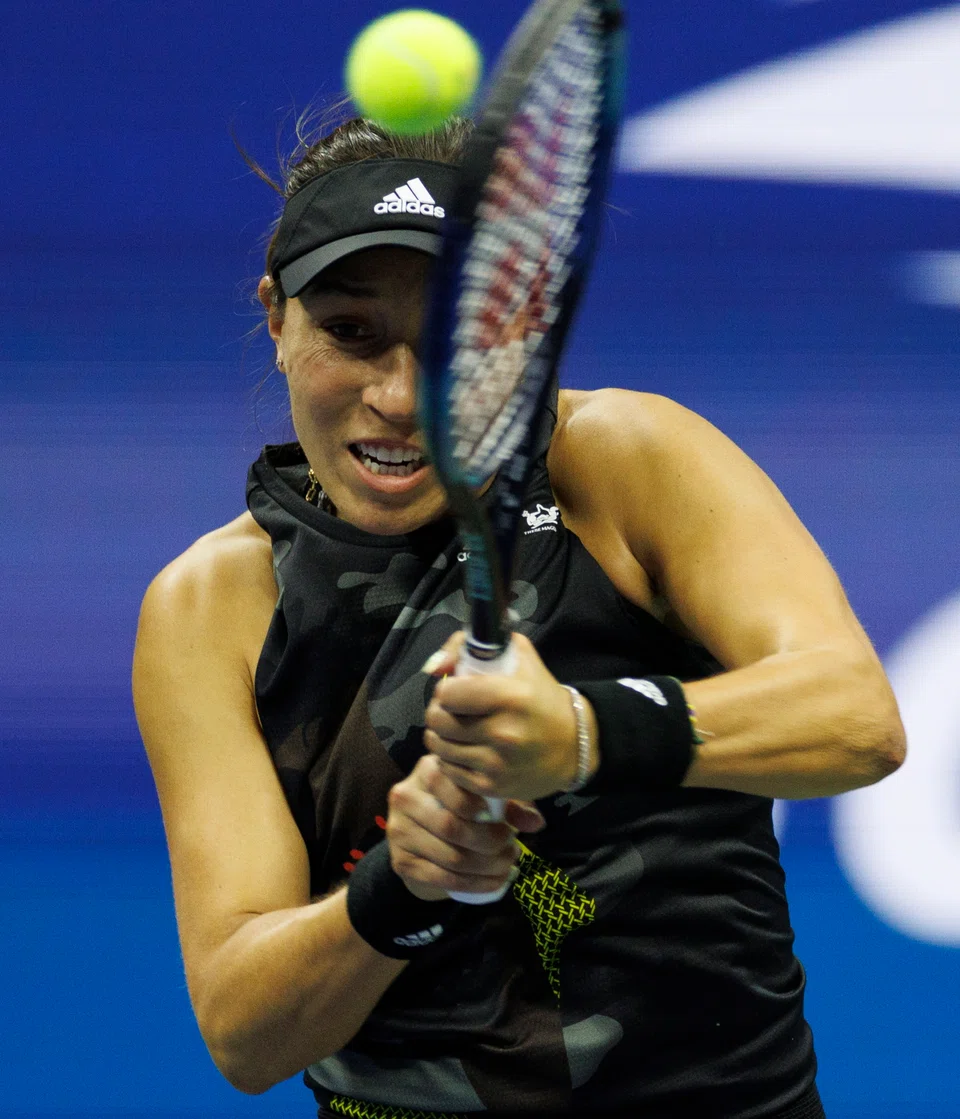
TENNIS players are the Goldilocks characters of sports. The balls are too big, or too small. The courts are too fast, or too slow. It’s too cold, or too hot, or too sticky, or too sunny. “Some weeks you don’t play well, and you got to blame it on something,” joked David Witt, who coaches Jessica Pegula, the American who reached the quarterfinals of the final Grand Slam of the year.
And so it has been at the US Open this year as the women – well, some of them – have waged a rebellion over the Wilson balls they have used for years at the tournament. This is the only Grand Slam event where the women and the men use different balls.
These yellow spheres are loved and loathed. Pegula - who lost just 1 set in 4 matches before her quarter-final exit to Iga Swiatek in straight sets - happens to love the balls. Swiatek, the world No 1 from Poland, has called them “horrible”.
That is so tennis. Rarely is there any consensus. Players often make contradictory complaints in the same tournament, or even the same day, about the same thing.
You are forgiven if you have lived your life thinking all tennis balls are created equal but with different names and numbers stamped on them. But here is a quick tutorial in tennis ball technology.
The men at the US Open use what is known as an “extra-duty” ball, which means the felt on the outside of the ball is woven slightly more loosely than the “regular-duty” ball the women use.
Everything else about the balls is the same – their core construction, their size and weight, how they rebound and how quickly they deform, according to Jason Collins, the senior product director for racket sports at Wilson Sporting Goods.
However, the regular-duty balls “play faster”, Collins said through a spokesperson for the company. Felt that is woven more tightly doesn’t fluff up as much and can wear away, so there is not as much friction when those balls make contact with the ground or the strings of a racket.


The additional friction of a fluffy ball allows players to create maximum spin. Those who rely heavily on that spin can struggle to make a regular-duty ball travel the way they want it to, especially after a few games, when the ball begins to lose whatever fluff it had right out of the can and gets smaller.
Players who hit a flatter ball, like Coco Gauff or Pegula or Madison Keys, don’t have this problem as much. But some still do. Paula Badosa, who was seeded fourth and lost in the second round, hits as flat as anyone. She said she hated the balls.
“You feel more like you’re playing Ping-Pong sometimes,” Badosa said after her first-round win. Two days later, she was out of the tournament.
Another point of complication and confusion: regular-duty balls are always used on clay courts and other surfaces that are moist because they don’t collect the moisture the way the looser felt of the extra-duty balls do. Extra-duty balls are the balls of choice for outdoor hard courts, like those at the US Open, except when they are not.
And then there is 1 more complicating factor: tennis is run by 7 separate organisations, with tournaments all over the world, many of which have different companies that pay for the right to supply the balls. That means players can end up playing with a different ball from a different manufacturer from one week to the next. And every ball is just a little bit different, and behaves differently depending on heat and humidity and air pressure.
According to the United States Tennis Association (USTA), which owns and organises the US Open, the women have played with a different ball than the men for as long as anyone can remember; the WTA Tour has always wanted it that way, and the tournament abides by the tour’s preference.
Stacey Allaster, who is the US Open director who was the chief executive of the WTA from 2009 to 2015, said the sports science experts on the women’s tour have long felt that the faster, more aerodynamic ball helps limit arm and shoulder injuries.
Every year, Allaster said, the USTA asks the WTA what balls it wants to use, and the answer has always been the same. “As far as we know, a majority likes it, so we could end up trading one problem for another.”
Tennis, though, is all about making adjustments and finding solutions as the conditions change throughout a match, and a tournament, and a season. The challenge can be as much mental as it is physical.
Pegula kept switching rackets in her match against Petra Kvitova on Monday, experimenting with different string tensions in search of one that felt just right as the humidity and the condition of the balls changed. Looser strings hold the ball for longer (think of a trampoline) and provide more time to spin the ball.
“Something feels off, you have to make a change,” Pegula said. “It’s important not to let it frustrate you too much.”
That has been the challenge for Swiatek, who travels with her sports psychologist, Daria Abramowicz. They have talked plenty about all the challenges created by these balls that Swiatek so despises.
Abramowicz does not tell Swiatek not to think about the balls because then the first thing she will think about is the balls.
“It’s like I would tell you right now not to think about a blue elephant for a minute, and literally the first thing popping into your mind is this blue elephant,” Abramowicz said. “You accept the thought, because it’s already there, and move on, refocus, find anchor in something else.”
What will happen with the balls next year is anyone’s guess, but Allaster said that the WTA needs to decide what to do soon. Wilson has already been asking which balls the USTA needs in 2023.
Whatever the decision, someone is not going to be happy. NYTIMES
Decoding Asia newsletter: your guide to navigating Asia in a new global order. Sign up here to get Decoding Asia newsletter. Delivered to your inbox. Free.
Share with us your feedback on BT's products and services
TRENDING NOW

ComfortDelGro’s Zig to buy S$10 million worth of BYD cars for private-hire fleet

From sales executive to DBS chairman: A look at banking veteran Peter Seah’s career

Japan Home licenses Singapore retail stores to Valu$ owner Radha Exports

Japan Home closing outlets; staff say Valu$ taking over operations

