

Guided by a sense of responsibility: renowned architect Piero Lissoni on the art of design
The maestro shares some thoughts on his approach
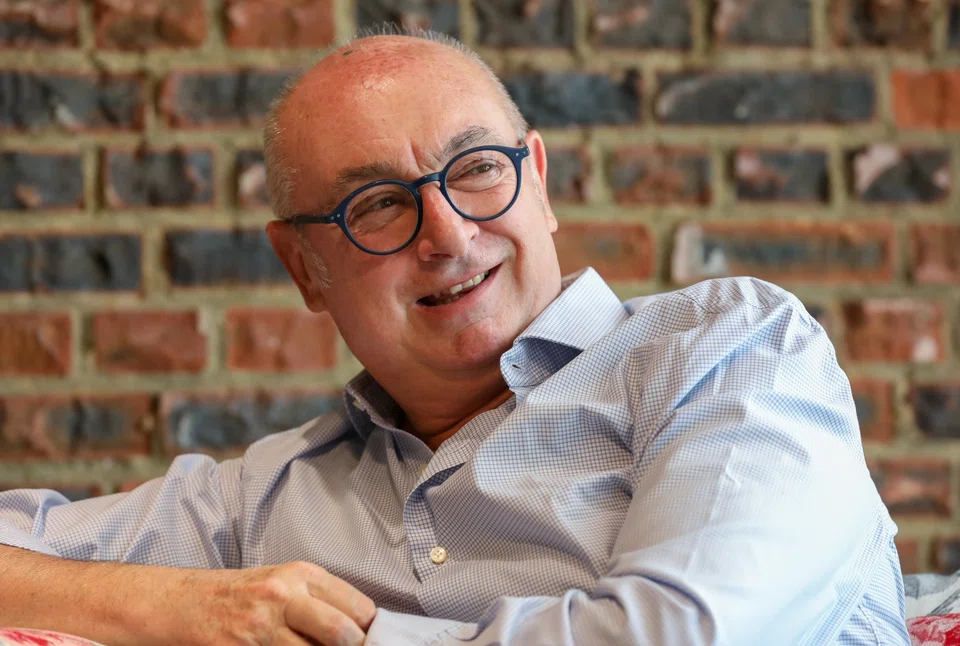
BORN in Italy and strongly European.
That is how Piero Lissoni describes himself, and you can take that as an introduction to his design philosophy and, perhaps, even his world view.
Known for his devotion to simplicity and purity, the renowned architect and designer’s works are recognised for their visual harmony, attention to detail, sense of proportion and timeless elegance.
Lissoni & Partners, the interdisciplinary studio he co-founded in Milan, has 37 years of experience in international projects that cover the gamut from architecture and landscape to interior, product and graphic design.
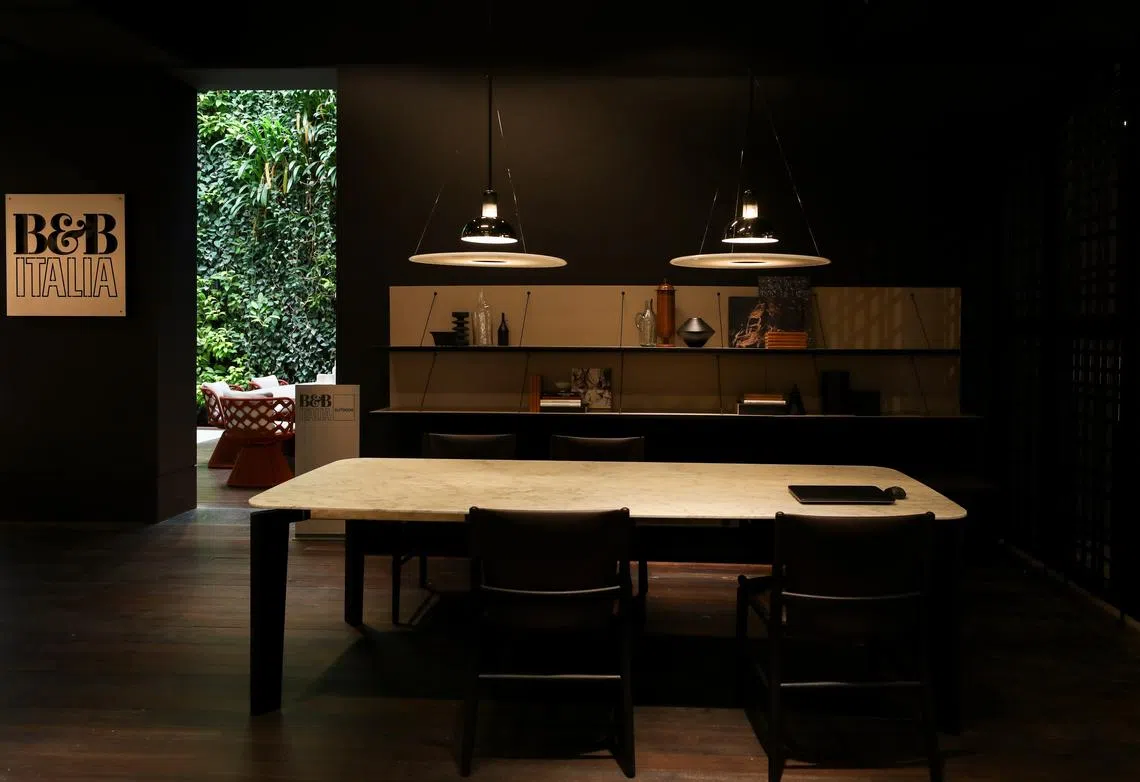
So sought after is Lissoni that he is also art director to a list of design brands – Alpi, B&B Italia, Boffi, Living Divani, Lema, Lualdi, Porro and Sanlorenzo.
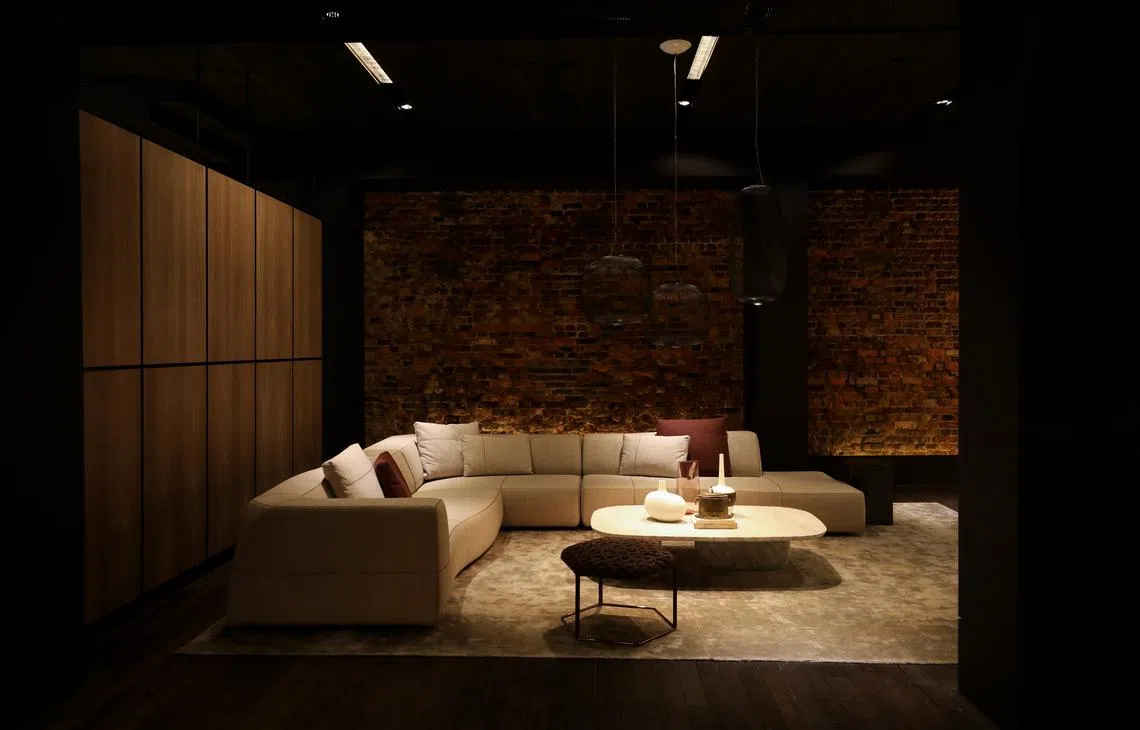
The Milanese has designed everything from large-scale projects such as Beijing’s Shougang Park (venue of the 2022 Winter Olympics), hotels and mansions, to the interiors of yachts, furniture, lighting and even a toothbrush.

In town recently to mark the 30th anniversary of Space Furniture, the master of contemporary design is armed with impeccable charm and a razor-sharp mind as he sits down to take The Business Times’ questions.
At the September launch of your book, Environments, you said “we are not architects, we are not designers, we are not graphic designers – we are a strange mix lying between humanism and maybe a dash of science”. Can you elaborate?
It is a holistic attitude from living in an environment that combines many different cultures, approaches and issues. In 15th century humanism, they wrote that to be architects, you need to be an engineer, worker, painter, poet, mathematical person, writer, sculptor and, last but not least, you need to look at the sky and look at the stars. At the same time, you need to be a scientist. So you need to combine two different aspects, but in a romantic way.
What are your guiding principles when it comes to design?
Responsibility. Because design is not a project, but a process. When I design something, it’s because I’m in a special field, a special history. And I need to be responsible because I’m not working alone. I’m working for factories, my team, the clients, the market.
For me, it’s more important than sustainability because sustainability is like a mantra. If you are responsible, you are automatically sustainable.
Next is ethical consciousness. I like to produce some things only in some countries and not somewhere else, using some materials and not others.
I was invited to design a village in a beautiful seaside peninsula in Turkey. Unfortunately, they asked me to destroy the greenery, the old trees that were there for more than 500 years, and put in a lot of ugly, horrible buildings. And I said, “No, I won’t do it. Do it yourself”.
Has the way we approach design changed post-pandemic?
What the pandemic did was open our eyes to how we were probably too focused on the showiness of life. Beautiful bags, shoes, dresses and cars, busy restaurants, travels, hotels, and blah, blah, blah. But our home is wrong, we have ugly things and we don’t live at the correct level.
For a lot of people, they used the house like a dormitory. But now, they are rediscovering quality and beauty.
Given the popularity of online shopping, how can retail design bring people back in?
If you are a stupid nerd, you like to live inside the Internet. You buy everything electronically; you don’t move in the social sphere.
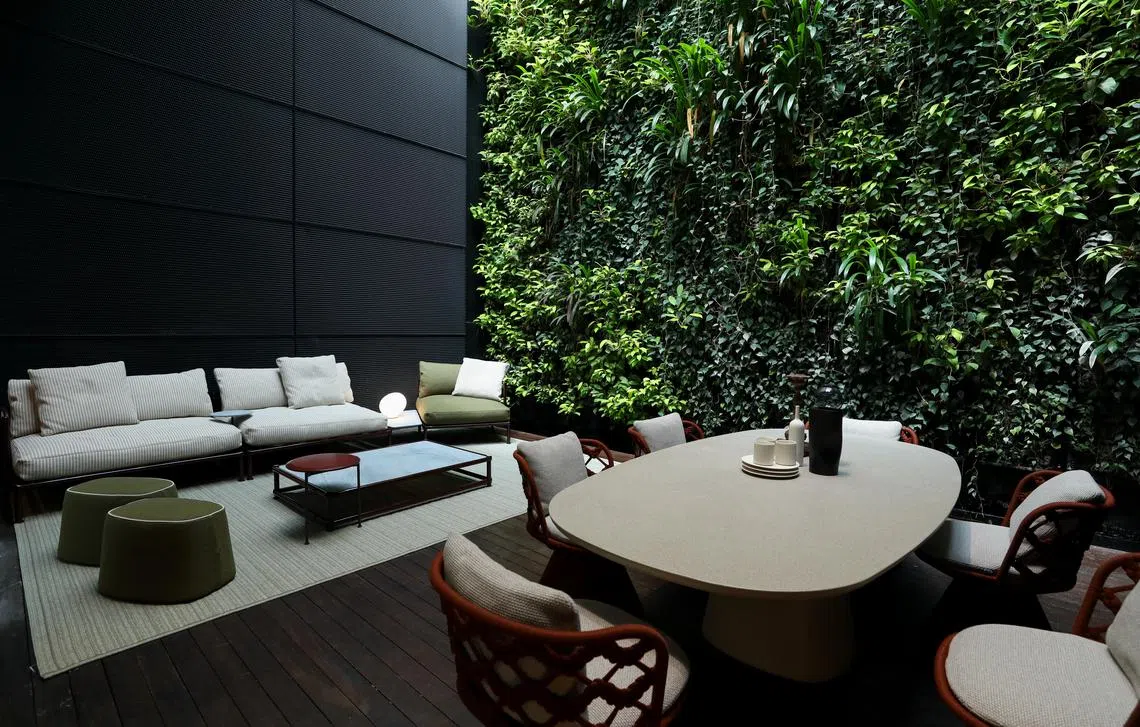
But we live in communities, and we need communities. So we need to be back in stores, sitting on sofas, touching surfaces and discussing with others.
You could say the same about hybrid work arrangements. How is that affecting design?
We are a special creation and we need a community to discuss things together, drink coffee together, and walk on the street together. It’s a wrong approach to do something alone and not separate the time between your personal and professional lives.
In some cities like New York, they closed 30 per cent to 40 per cent of their offices. So what has happened to the towns? They bleed. There’s no life there. Of course, these hybrid spaces also mean we have to rediscover multifunctional areas inside the home, design things in dimensions that are a little more correct and improve on double functionalities.
What do you think of artificial intelligence (AI)?
AI is in our life. For example, in the studio, we use a parametric system. It’s a software but it’s just a tool. If you think it’s a solution, then sorry, you are ready to die. When we start to think, “Okay, now, I don’t need to read books because I can ask AI to write for me”, then in two generations, we will become stupid monkeys.
What are the emerging trends in design?
When we talk about trends, it’s like gambling. For me, it’s more interesting to think about what happened today. Because it’s more honest, more natural. I think about the future in terms of strategic points. When you are a designer, an architect, you design something good for the moment. Otherwise, your ego is too much. Can you imagine Beethoven writing music for the future? He wrote music for that moment. The Rolling Stones, too.
You work across so many disciplines. Which is the most challenging?
I don’t know, perhaps we’ll discover tomorrow morning! I like to jump in and out, from graphic design to three-dimensional work, like spaces, architecture and products. It’s a little bit schizophrenic, but it’s interesting.
The idea is to be good, from designing a spoon to one’s home to a whole town.
So change the dimensions, but don’t change the proportions. Because proportions are connected with the human body and that is the quality of my work – I’m constantly in this process of discovering human proportions. Not more, not less.
Decoding Asia newsletter: your guide to navigating Asia in a new global order. Sign up here to get Decoding Asia newsletter. Delivered to your inbox. Free.
Copyright SPH Media. All rights reserved.






