Hawker food makes it big in New York
The Big Apple is seeing more F&B operators serving up Singapore street fare
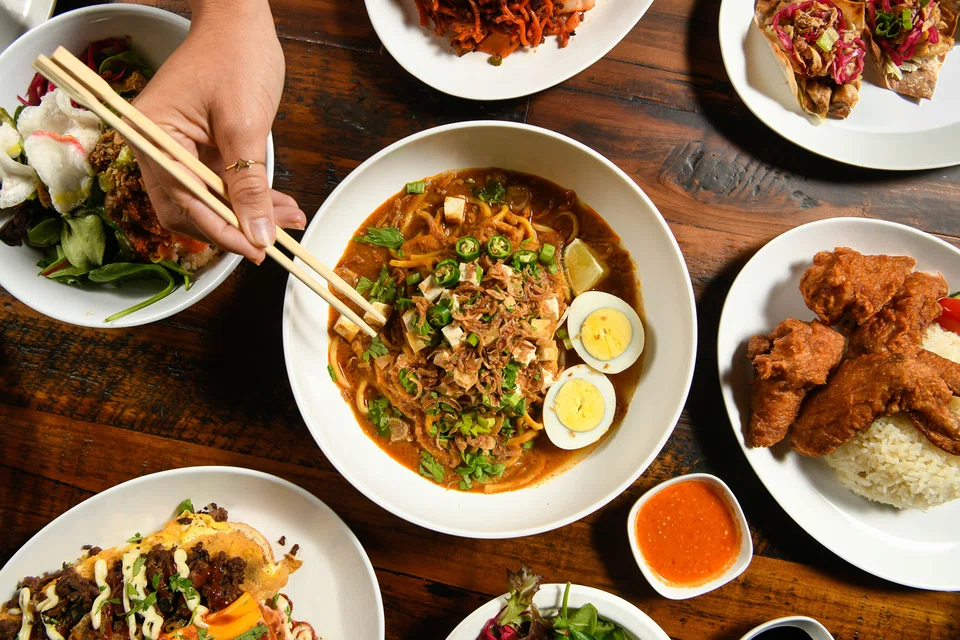
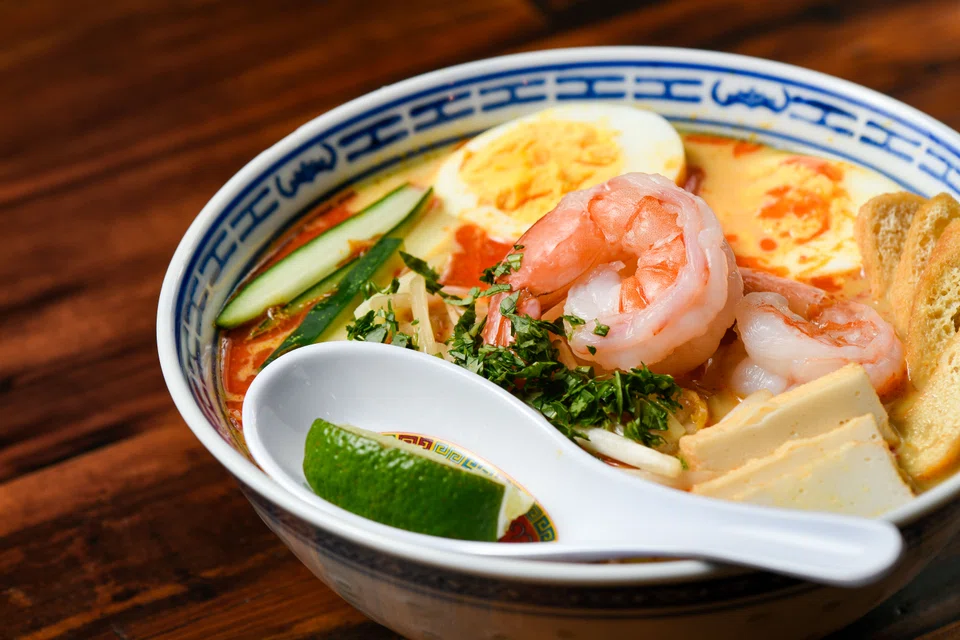
THE smell of roasted robusta coffee beans wafting through the air. The unmistakable clangs of the wok. The ease with which Singlish flows from customer to cashier. There are even tray-return stations.
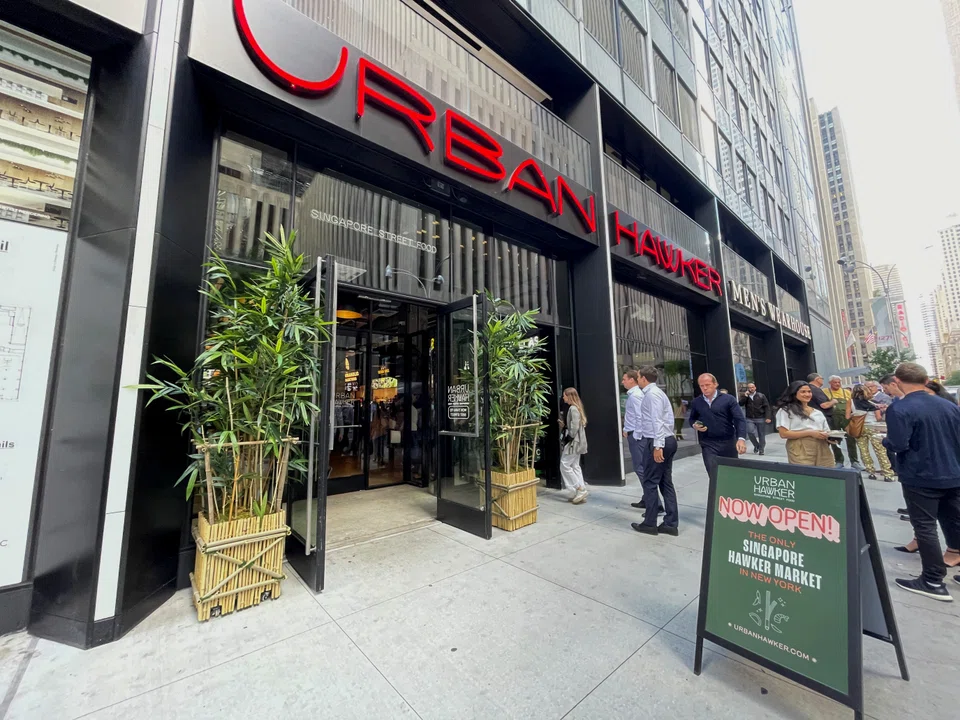
Welcome to Urban Hawker – a slice of Singapore, right in Times Square in New York City. The 15,000-sq-ft food court is located in the middle of Manhattan and is the latest and biggest addition to the Singapore food scene that has been quietly growing in the city in the past few years.
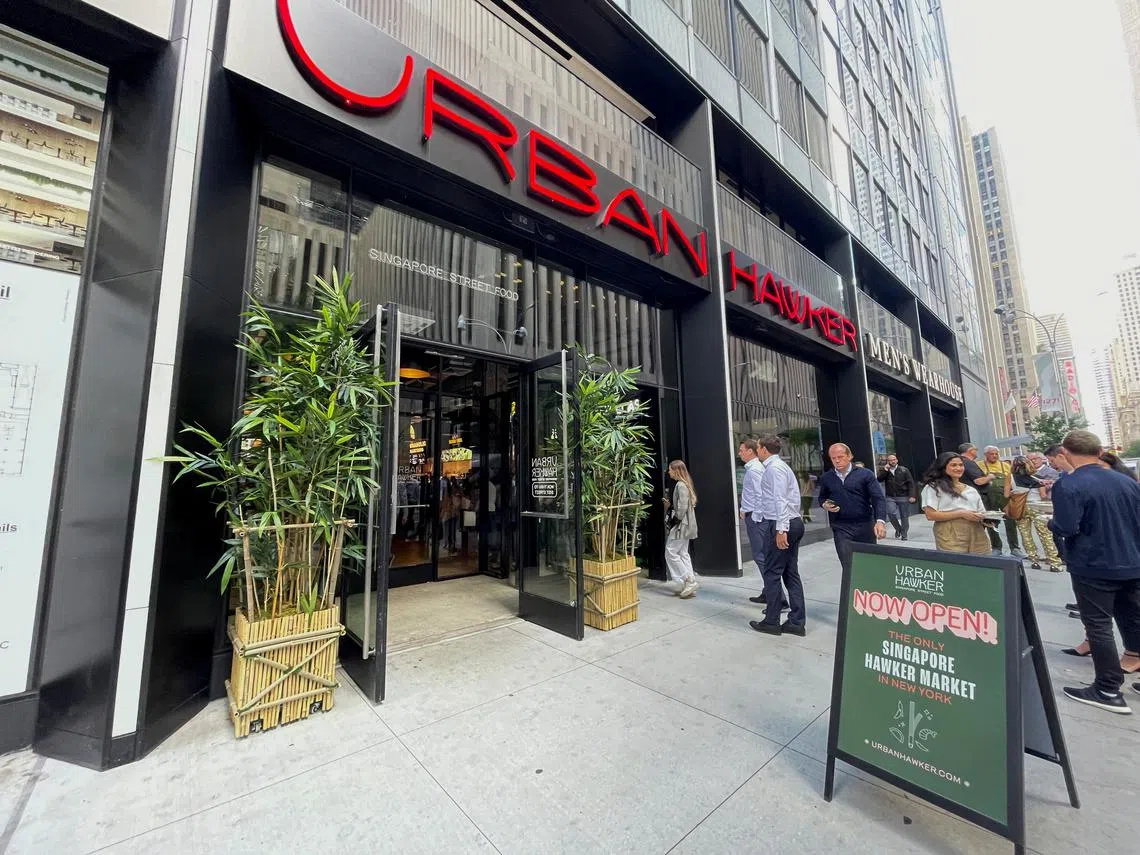
Hawker food and snacks from both Singapore and its neighbouring countries have been growing in popularity. Street markets such as the famous Queens Night Market regularly feature gems such as Ramly burgers and Indonesian kue putu. Earlier this year, The New York Times singled out laksa as a “a slurpable noodle soup” that “may rise in prominence in the United States”. It helps too, that the population of South-east Asians, including Malaysians, Thais, and Indonesians, more than doubled between 2000 and 2019, noted a Pew Research Centre report.
Hawker fare in Manhattan
Many Singaporean food establishments are still in midtown Manhattan, close to where most of the city’s financial and tourism activities are. In Union Square, you can find Singlish, a bar that opened in August. Laut Singapura in Gramercy — a sister restaurant to the Michelin-starred Laut — opened in 2019, and Lady Wong, a South-east Asian patisserie in the East Village, opened in February. Urban Hawkers has now joined the fray.
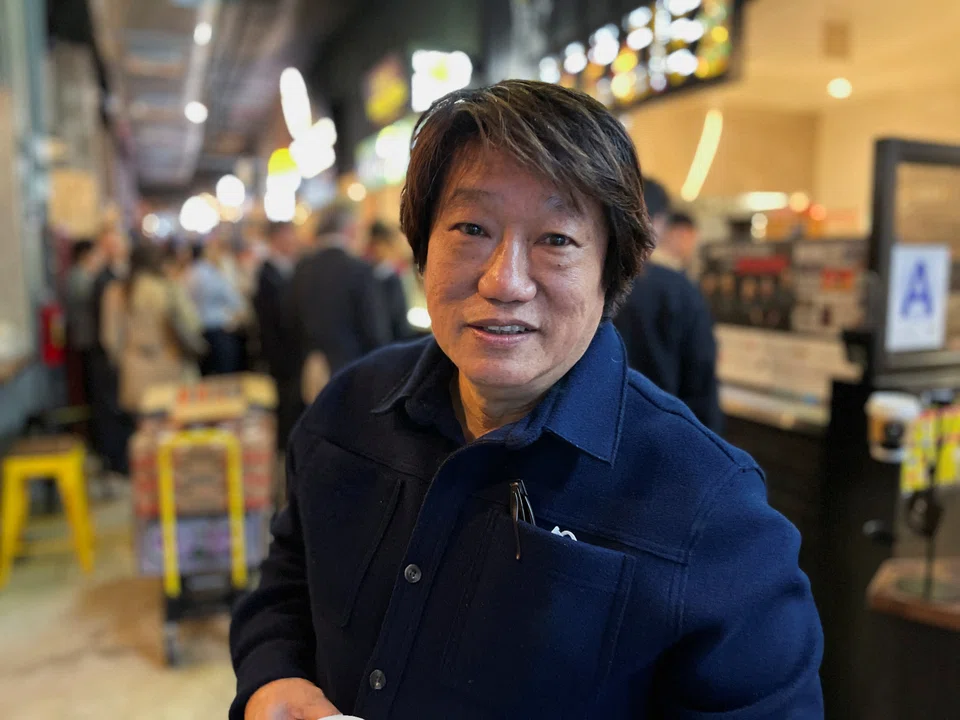
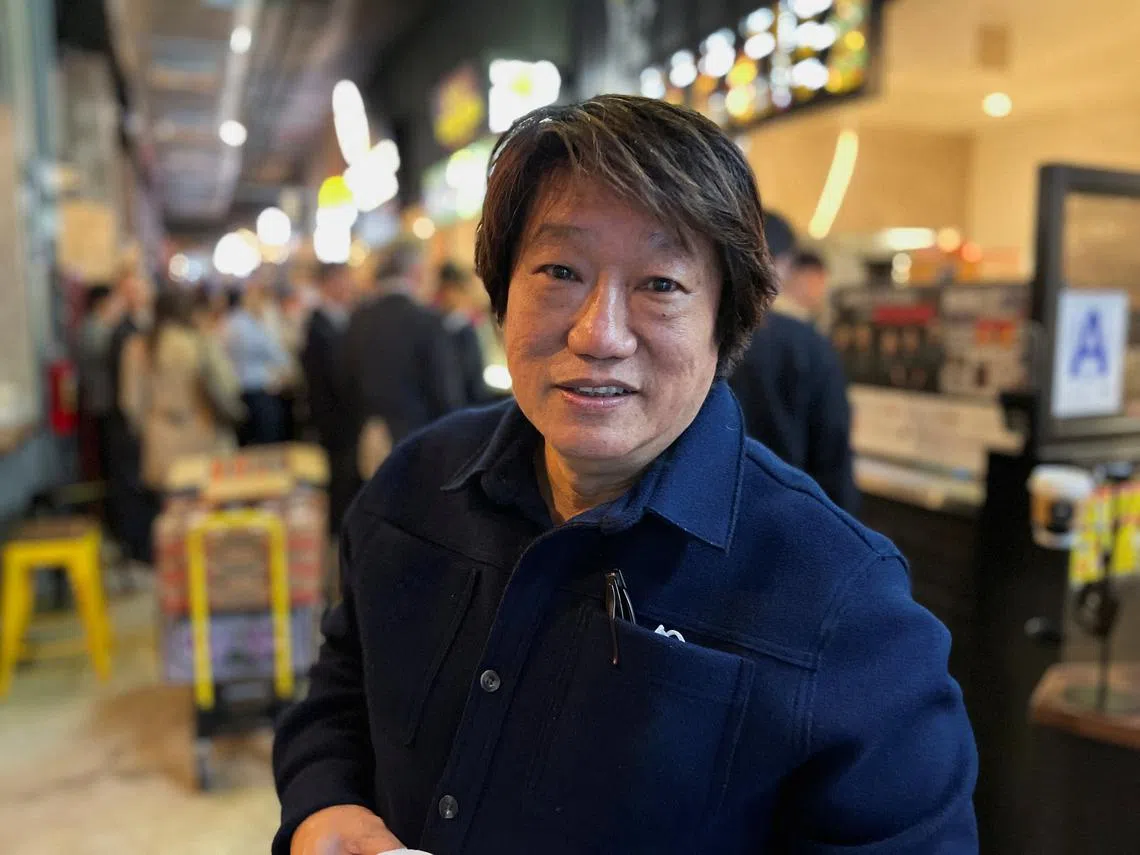
K F Seetoh, founder of food consultancy Makansutra, which worked with American food-hall developer Urbanspace on the food court, says he is confident that the 17-stall food court will do well. Younger generations of consumers are willing to try new things, and food with rich histories. It is also a way of preserving a culture that is languishing back home due to the industry’s high operation costs and labour shortage, he adds.
“Hawker food in Singapore is too cheap … People demand that our food be cheap. That’s one reason why people don’t want to go into the line.” But if it gains international appeal, “people will take a second look”, he says.
Venturing overseas
Four of the vendors at Urban Hawker say the venture is a good opportunity to expand in a new market, unlike in Singapore, where the industry is saturated. If they make it in New York, they may win the attention of investors and expand into other US cities or countries.
Sulaiman Rahman, co-owner of Padi@Bussorah in Singapore who runs Urban Hawker’s Malay food stall Padi D’NYC and Indian stall Mamak’s Corner, has already been approached to set up a stall at Urbanspace’s food hall in Los Angeles next year.
“The halal food business here is untapped,” he says. “People are open to new ideas, new food. This is a melting pot.”
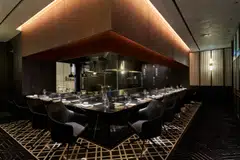
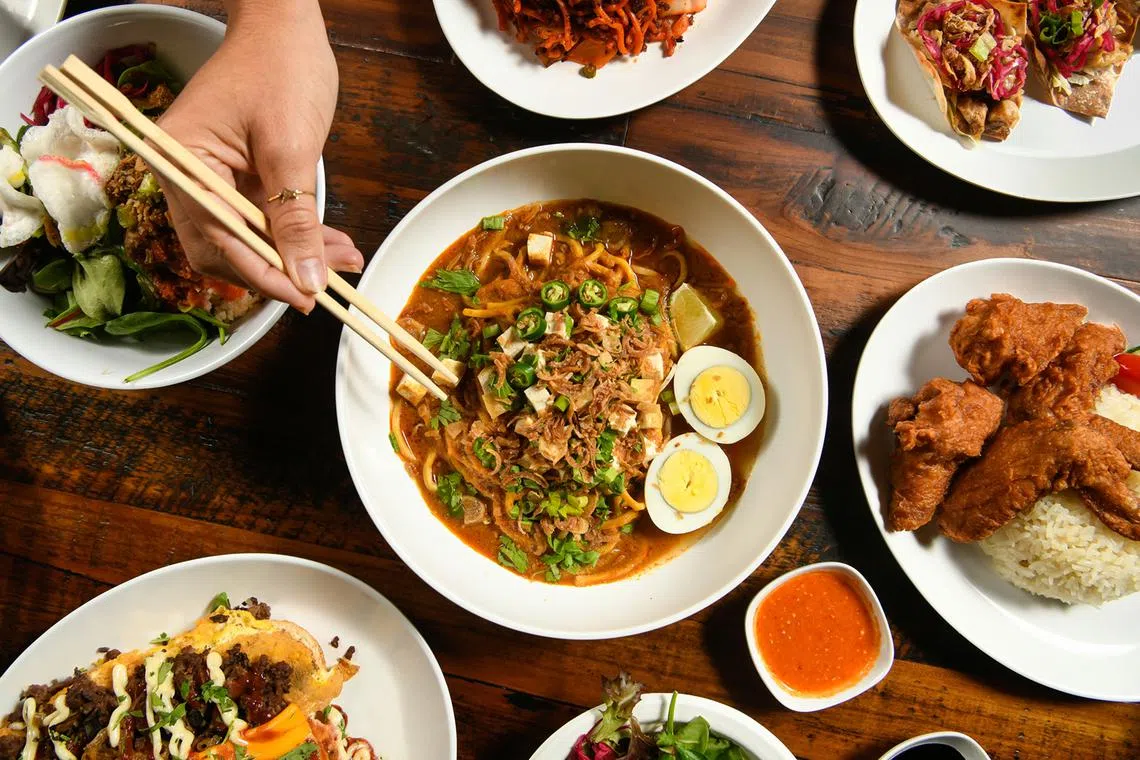
The vendors say it is easy to secure their ingredients, with suppliers that specialise in importing everything from pandan to chilli padi from Malaysia and Singapore – although at higher prices. Chilli padi, for example, costs S$25 a kg, compared to S$6 in Singapore, says Roy Tan, co-owner of Peranakan food stall Daisy’s Dream Kitchen. It’s partly why the dishes are priced much higher than back home. Other factors include higher salaries – New York City’s minimum wage is US$15 an hour —– and the bigger portions that are served up. White Restaurant’s senior operations manager Irwin Pang says a “small” bowl of the restaurant’s white beehoon is the equivalent of a “medium” in Singapore.
Both he and Prawnaholic’s Alan Choong, who serves prawn noodles and Hokkien mee, say the crowds have been streaming in – even during off-peak periods and on weekdays – since Urban Hawker opened about two weeks ago. “(It’s been) non-stop customers coming in all day,” Choong says. “I come to work at 7:30 am, (and go) all the way to 10 pm.”
Pang says they have sold about 320 bowls a day, around 80 less than what an outlet in Singapore would sell, but with a much smaller kitchen in New York. Choong says he is earning twice what he gets in Singapore.
The customers have been a good mix of Asians and non-Asians, they say.
Independent players
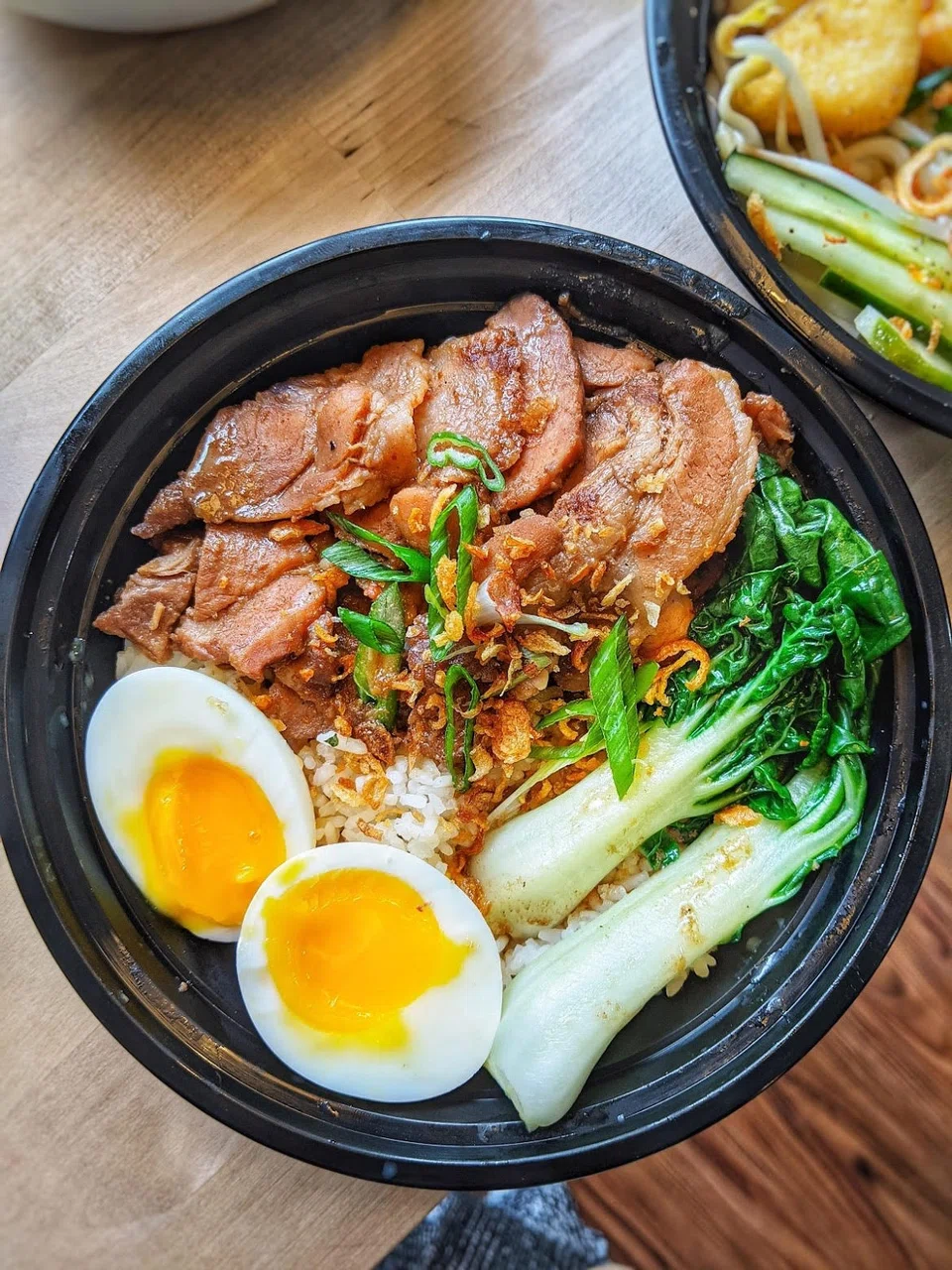
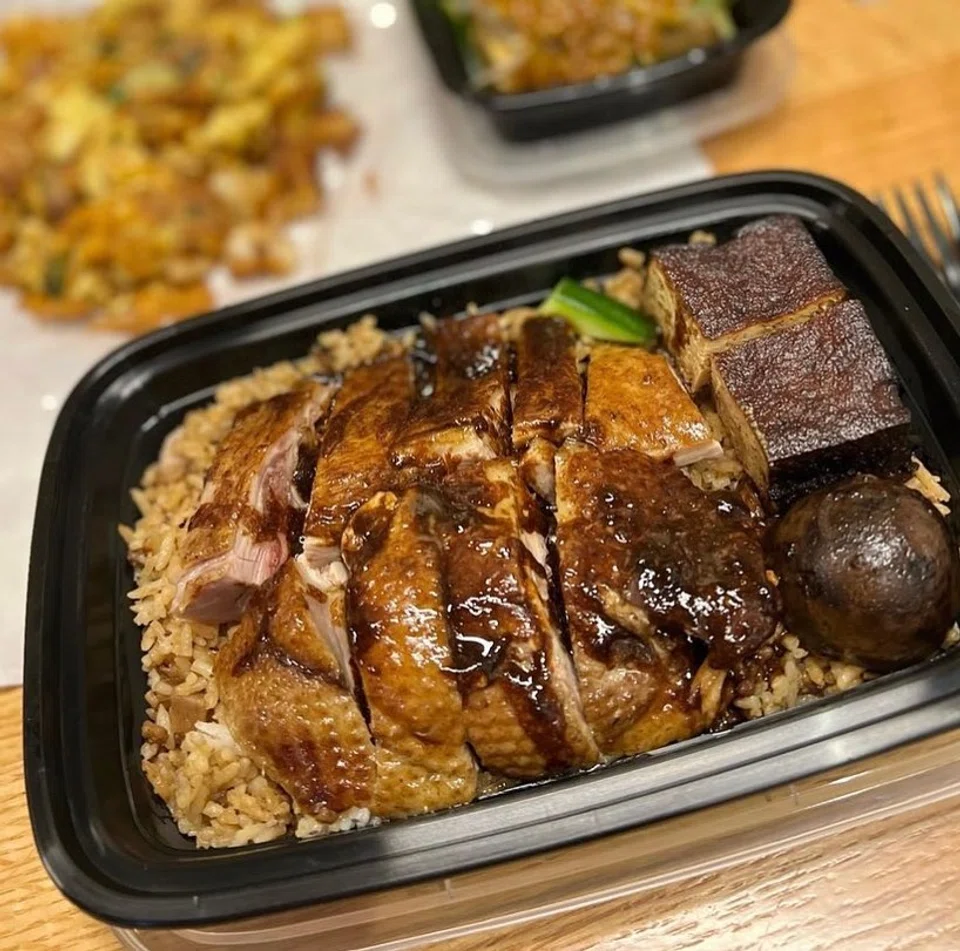
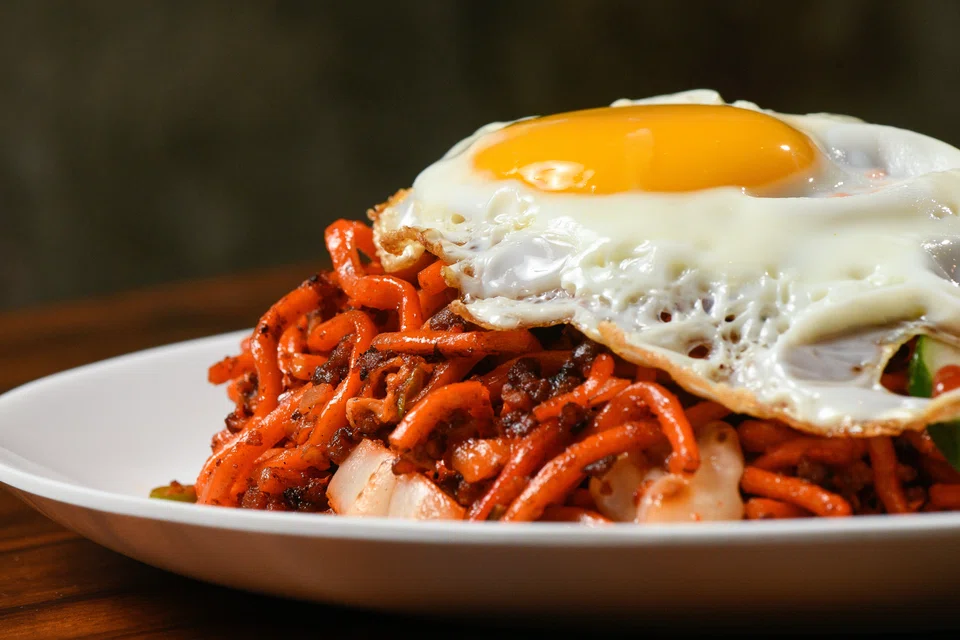
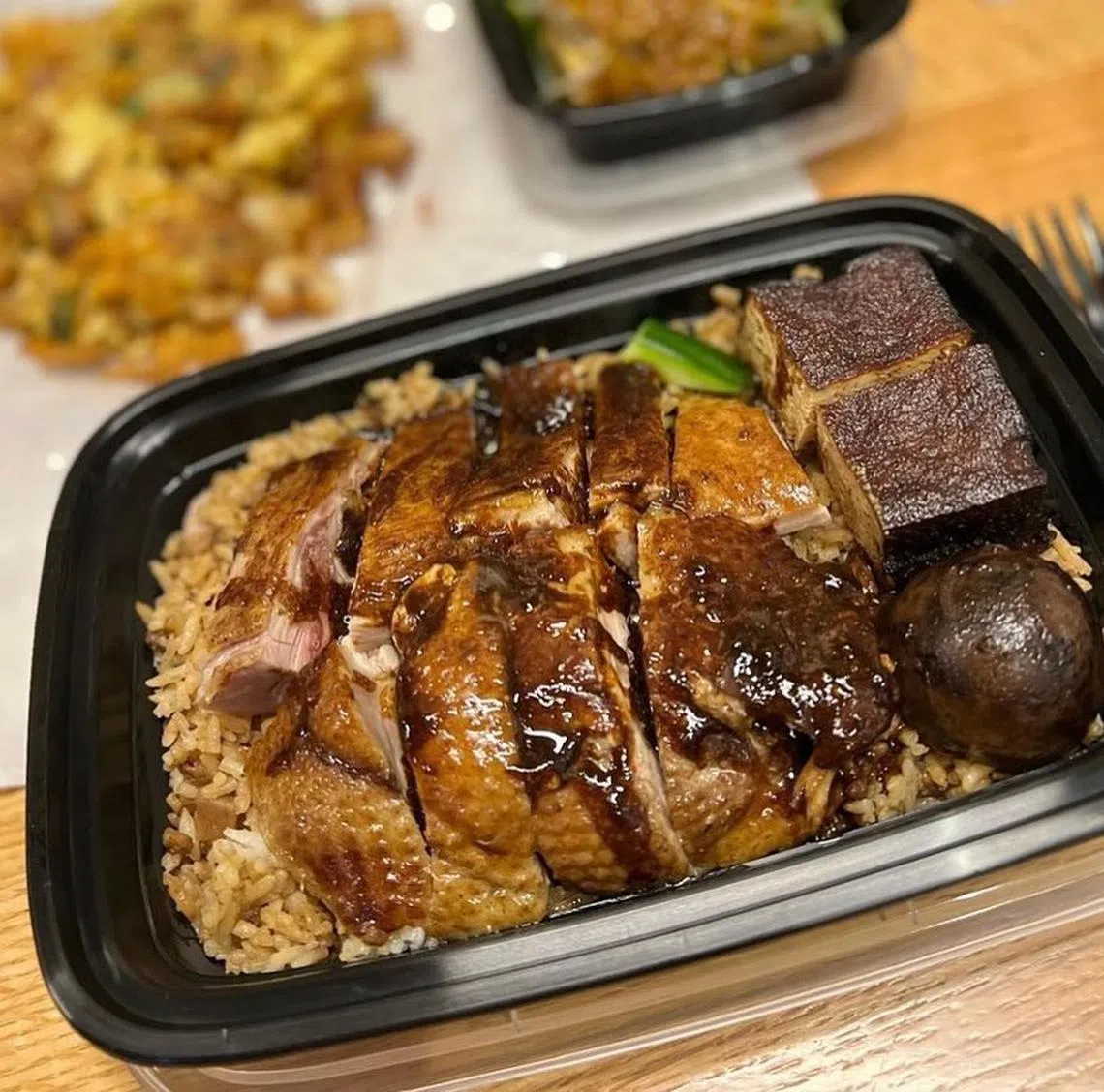
Venture beyond Manhattan and you’ll find other Singapore food outposts. Sin Kee opened in Flushing, Queens, serving bento boxes of Singapore flavours such as Teochew braised duck, oyster omelette and fried carrot cake.
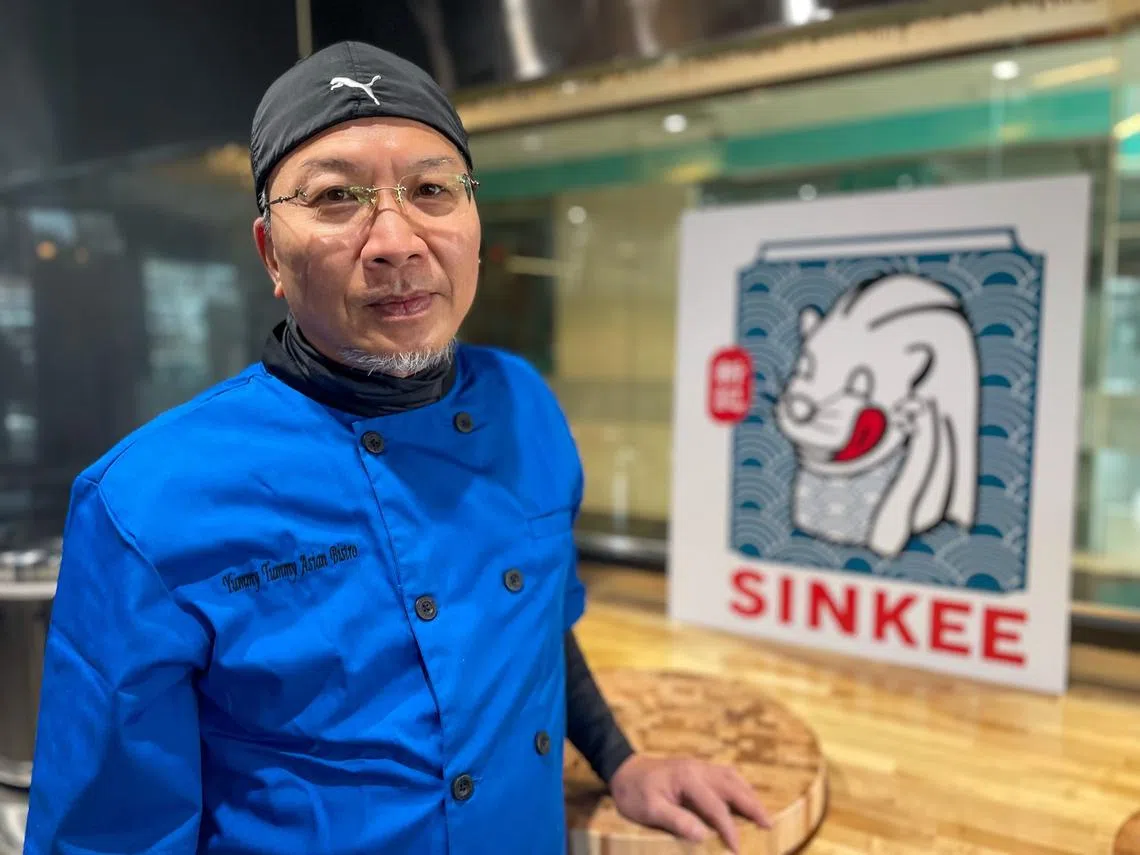
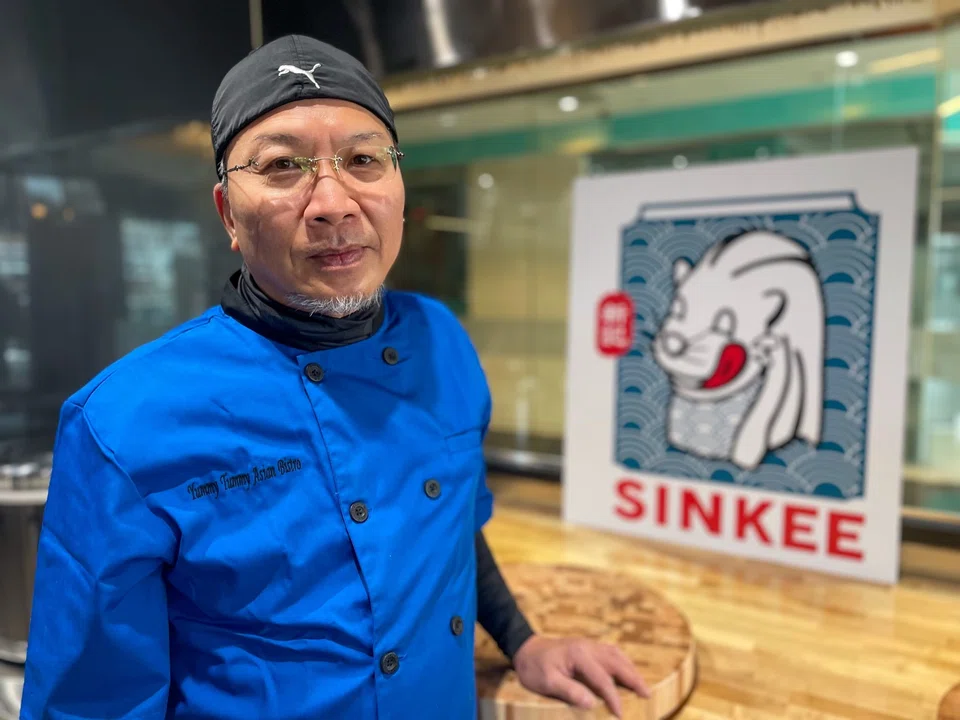
Sin Kee is Richard Chan’s third go at running a food business. Like the first two, Sin Kee is in Flushing, Queens, also known as New York’s “other” Chinatown. The former tour guide and self-taught cook moved from Singapore to New York in 1984. He closed his travel business in 2017 and opened his first Singapore-centric restaurant the following year – only to have it shuttered during the pandemic. He opened his second food business in 2020, but it did not do well. He has finally found his niche with Sin Kee.
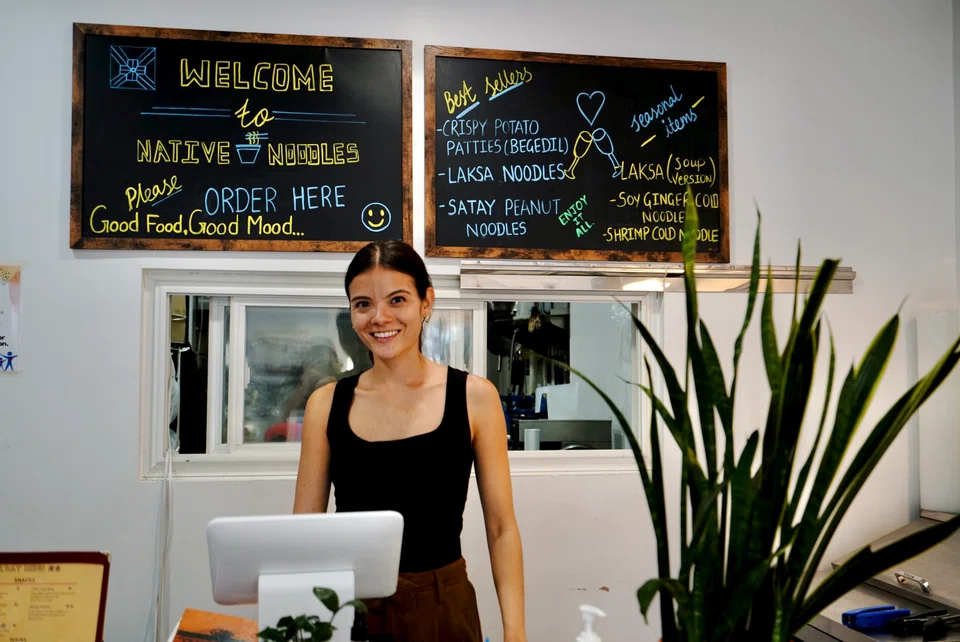
In upper Manhattan’s Washington Heights, there is Native Noodles, run by Singaporean Amy Pyrke, a former Columbia Business School student who put her final semester project into action.
Here, you can tuck into the likes of laksa, char siew rice, pandan waffles with kaya and even Singapore noodles – a popular Cantonese staple that has nothing to do with the city it’s named after.
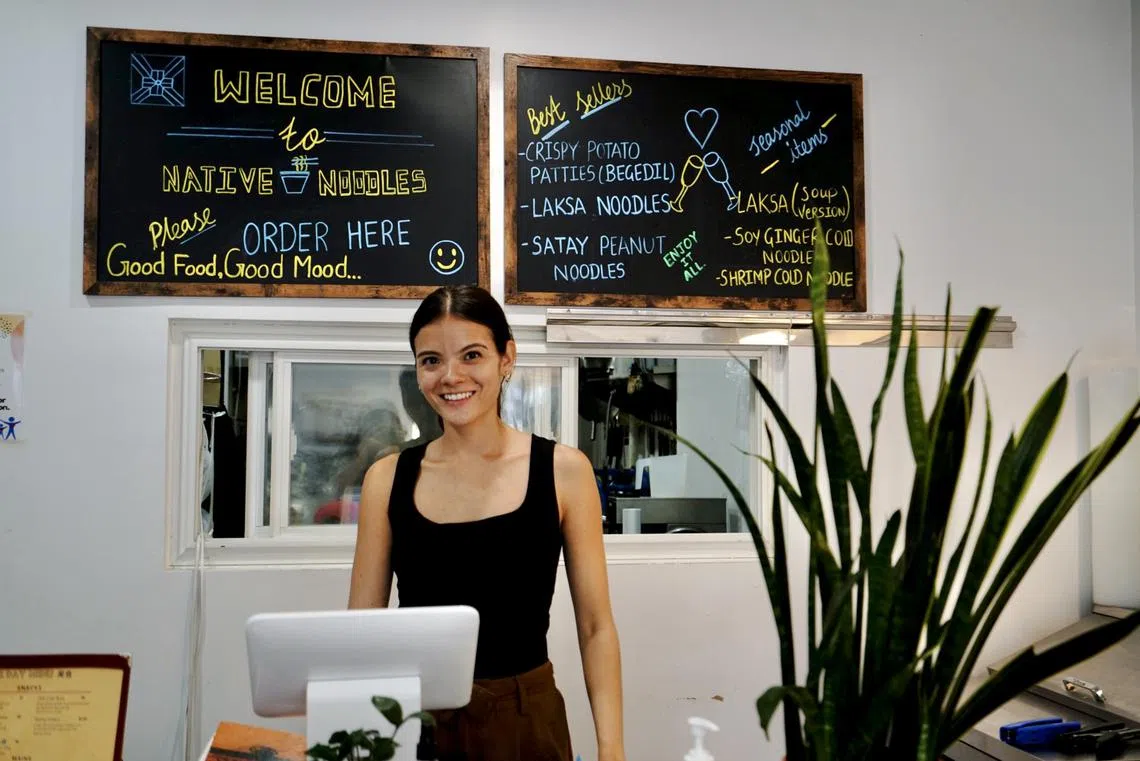
Pyrke learned to cook in a Chinese restaurant in the NUSS Graduate Club in Singapore, and even “interned” as a fishmonger’s assistant in Ghim Moh market.
She says the cosy hole-in-the-wall joint in Washington Heights, a primarily Dominican neighbourhood, made sense for a cash-strapped endeavour: Rent is lower than downtown, Asian food shops are rare in the neighbourhood, and there is a ready pool of customers from the crowd of university and hospital workers nearby.
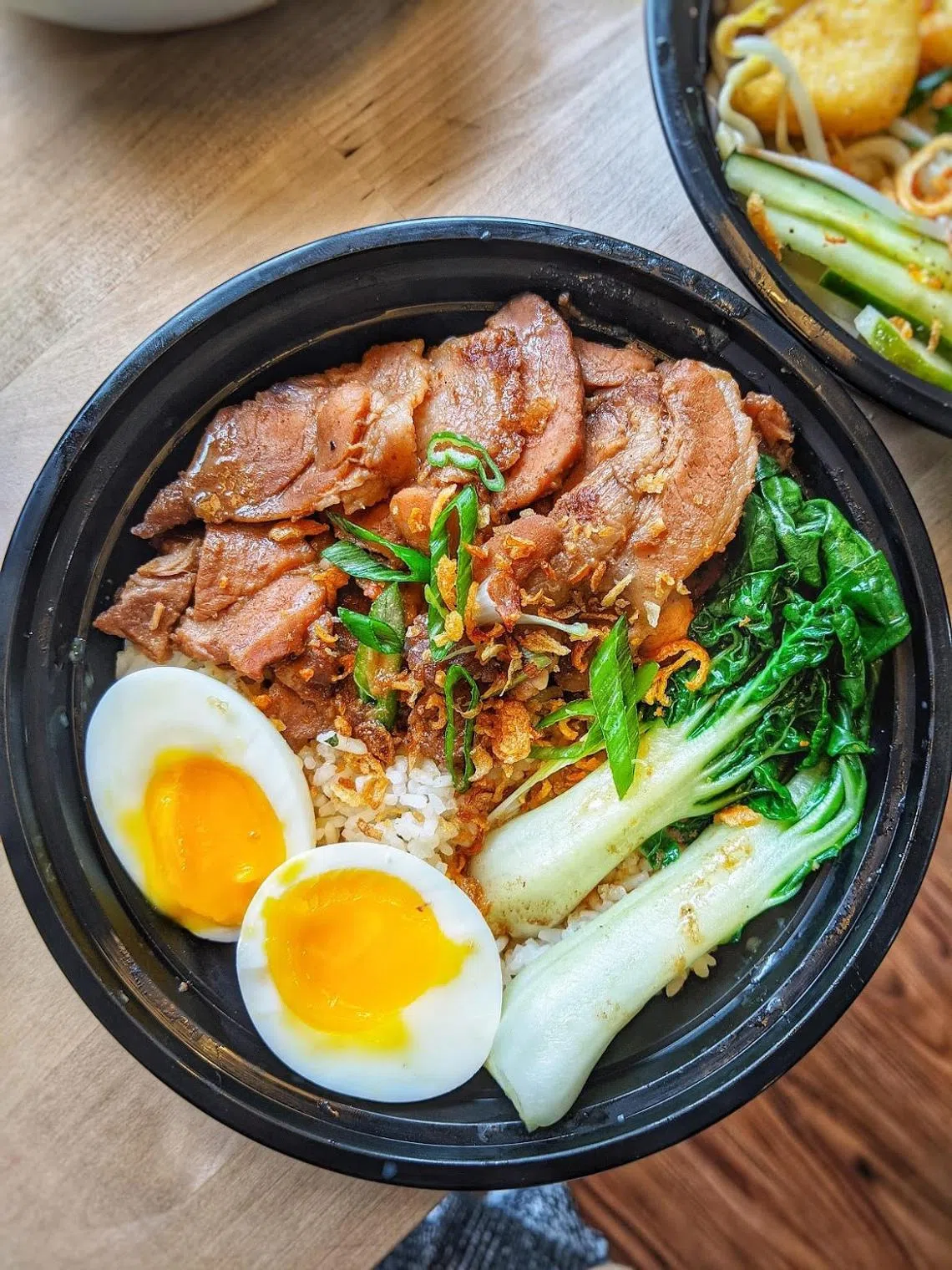
Dishes are less spicy and “accessible” for customers unfamiliar with Singaporean food. And while customers say the taste ranges from Thai to Chinese and so on, Pyrke sees it as “a good chance to explain that Singapore is multicultural”, where flavours and ingredients come from all over the world.
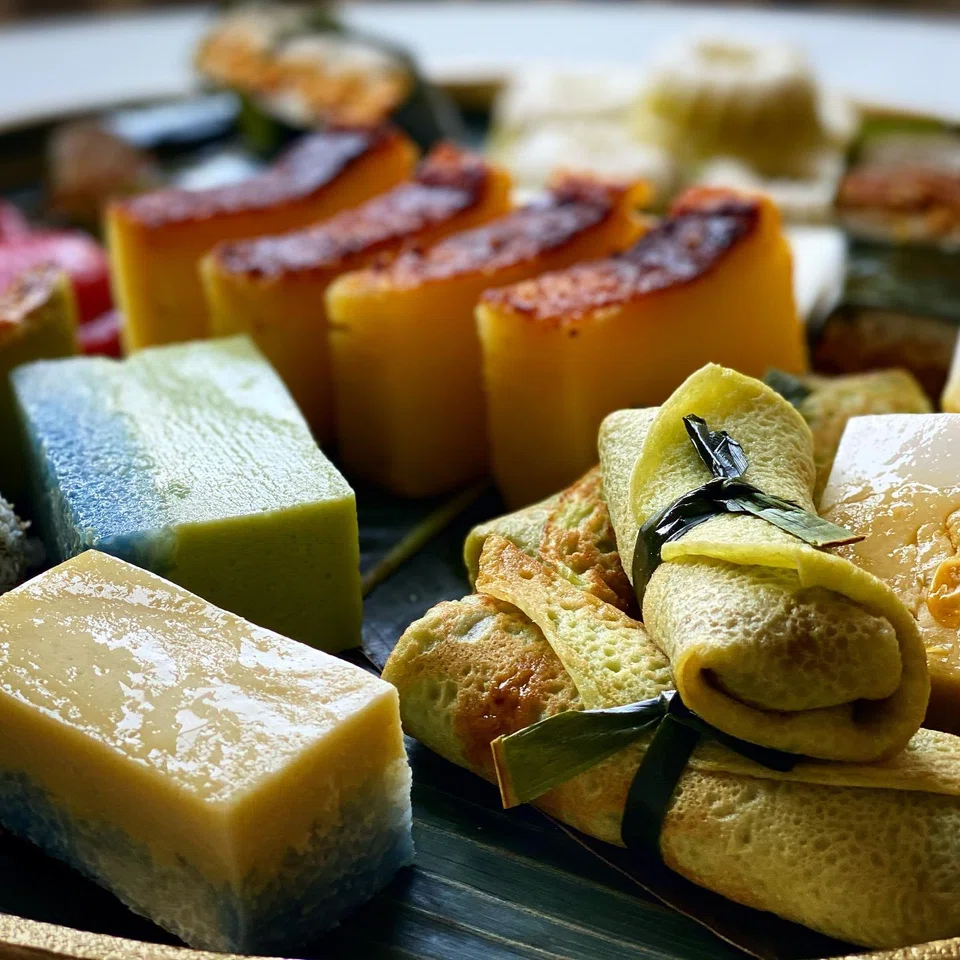
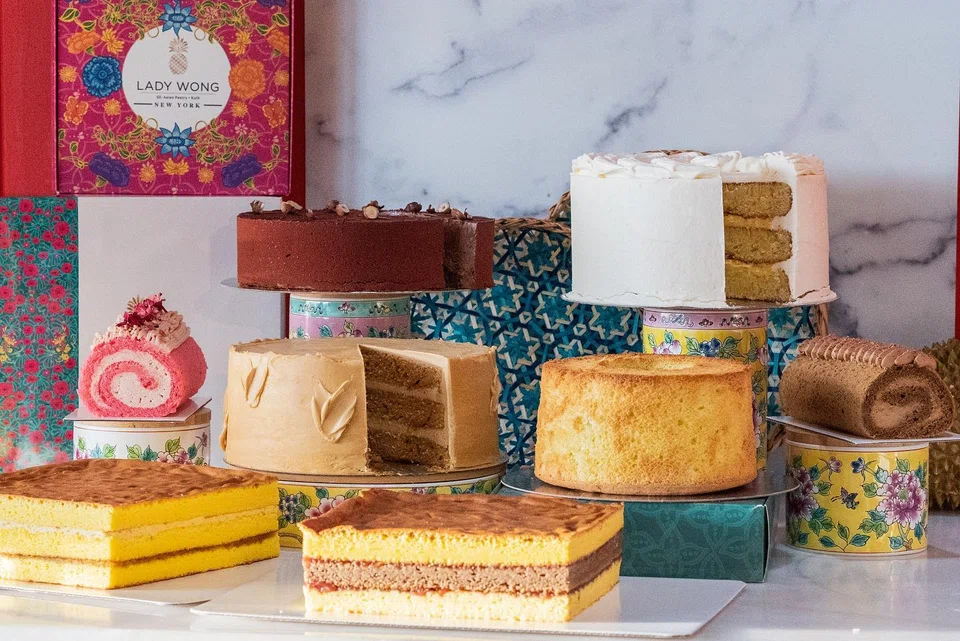
Lady Wong is also a passion project by Seleste Tan and Mogan Anthony, a Malaysian-born, married chef-couple. They worked in Singapore for a decade in places like Four Seasons Singapore before moving to New York. A craving for kueh and not being able to find anything suitable led them to start their own South-east Asian patisserie.
Anthony says that while 99 per cent of New Yorkers don’t eat (or know about) kueh, “we exist for the 1 per cent”. At their shop, you’ll find classic ang koo kueh and kueh salat, along with a modernised pandan sticky rice tart and calamansi-passionfruit cake.
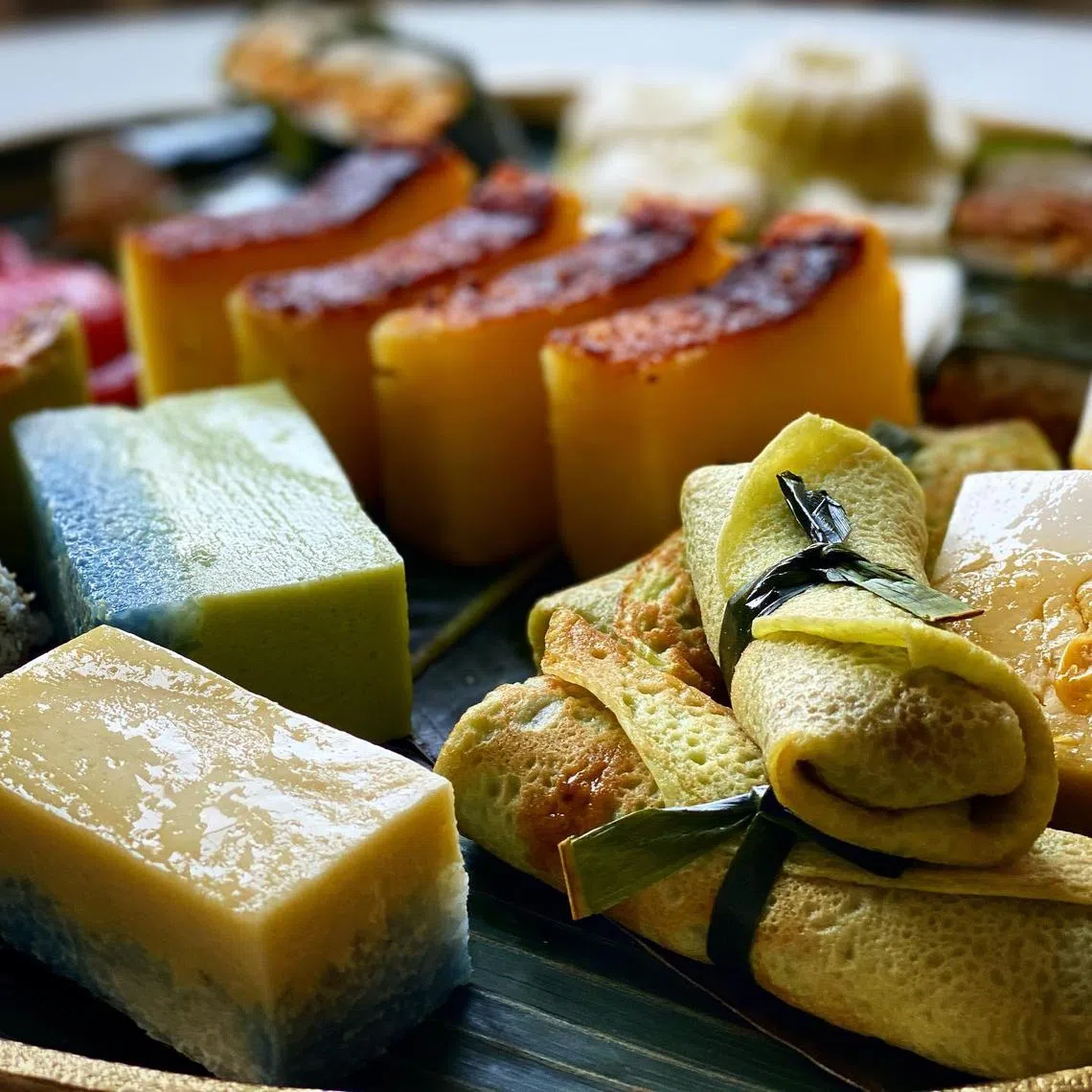
Most of their customers are millennials with Asian backgrounds, who are especially thrilled to taste pandan and coconut milk.
Maintaining authenticity
Authenticity has been the main selling point for Singaporean food vendors. At Urban Hawker, recipes are tweaked only to tone down spice levels, they say. And some have seconded staff from Singapore to ensure quality. White Restaurant has three chefs based in the city at any one time; Daisy’s Dream Kitchen has brought in two chefs to cook and train the new hires. “We are committed to cooking as authentically as possible,” asserts Tan. Rempahs are prepared from scratch, without pre-mixes.
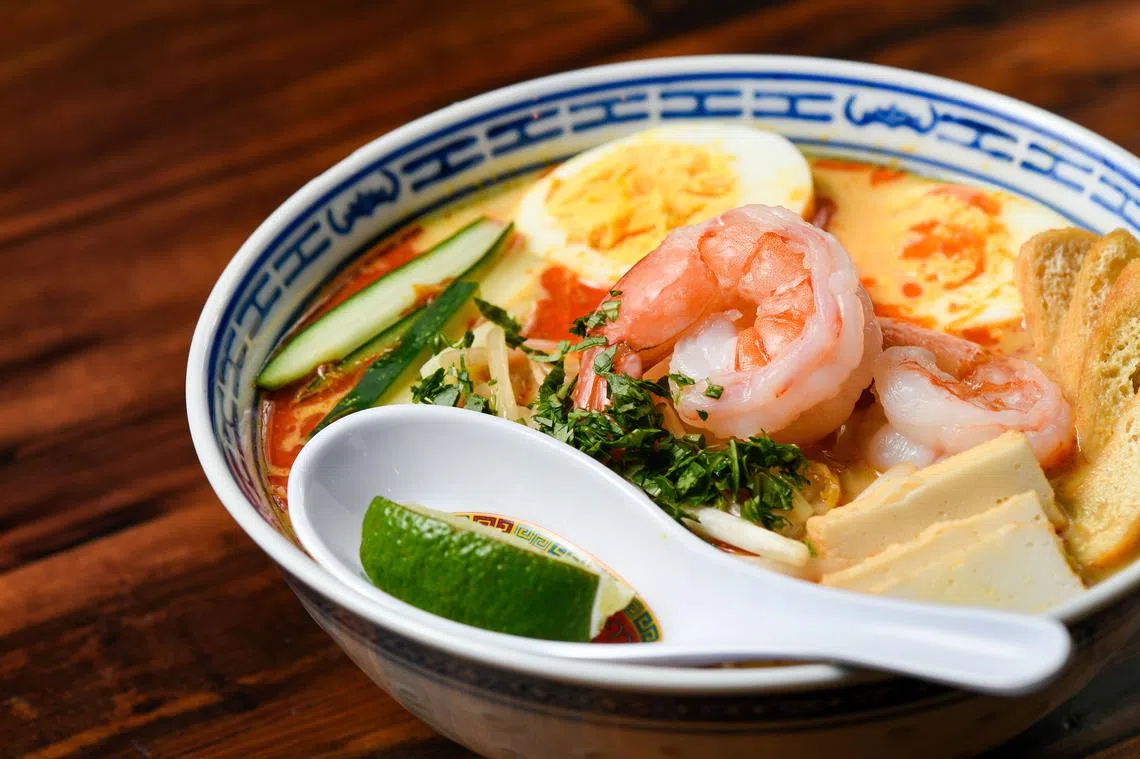
Customers seem to approve. Allison Philips, an executive who works close to Urban Hawker, says Daisy’s laksa is “the real deal”. She adds: “The seafood taste is much better than what I make at home with the paste.” Her husband, Frank Kwok, who tried White Restaurant’s mala noodles, says it has “a level of spiciness you can’t get at a lot of US restaurants”.
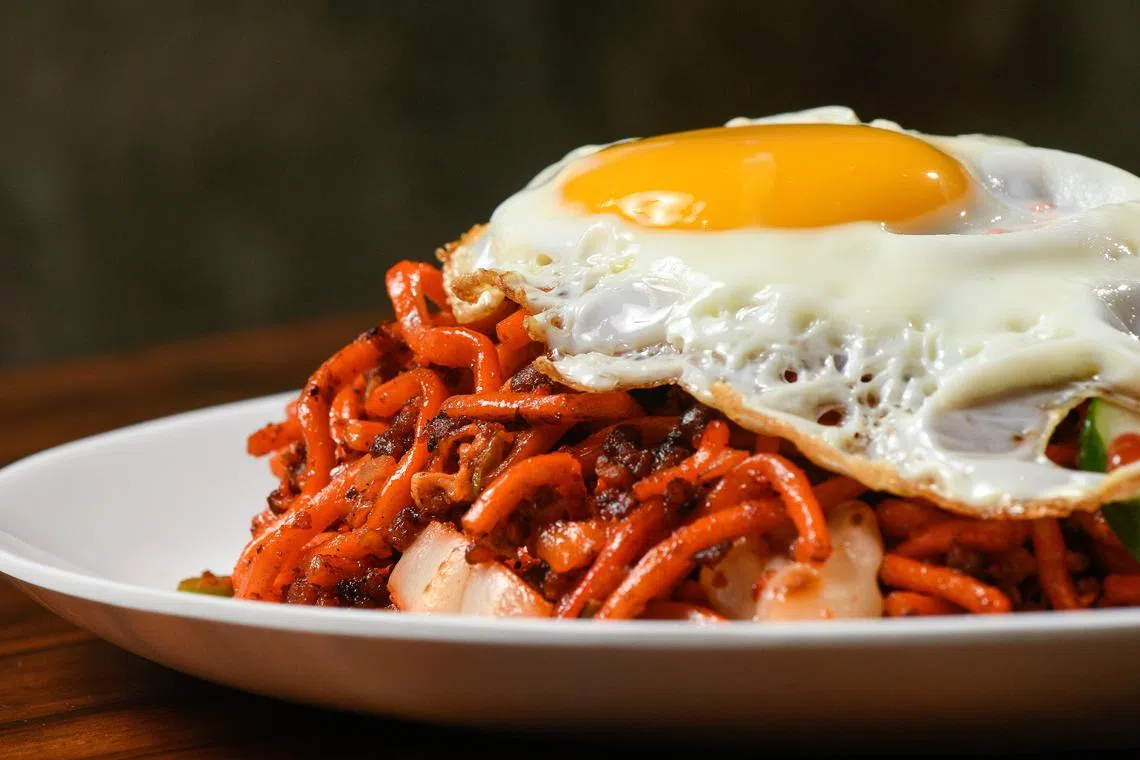
Serena Gordon, a native New Yorker, describes Urban Hawker as having a street food festival vibe. For her first experience with Singaporean food, she had egg fried rice from Mr Fried Rice, which she says was “very flavourful, not bland”.
More consumers today demand authenticity, says Stanford Graduate School of Business professor Glenn R Carroll, who has done research on the topic. Consumers look for ways to differentiate themselves in a world of mass-produced goods. “One way you show your identity is through your knowledge of food, customs and habits.”
Eating the real deal instead of a watered-down version is also as much about the experience as the quality of the food itself. “It’s about the story and the narrative and the pleasure of the consumption of that,” he says.
New York City is a natural launchpad for businesses using this strategy. Over a third of the city’s population are immigrants, and more than 60 per cent of the workers in the F&B industry are immigrants, and therefore able to provide that authenticity. At the same time, the cosmopolitan character of the city means there would be a large base of people with an interest in food and foreign cultures.
It is also a question of pride. “If I want to call myself a true Singaporean restaurant, I don’t think I want to change the taste,” says Sin Kee’s Chan. He feels that Americans today, unlike in those in the 80s and 90s, prefer to experience the real thing, not what’s been tweaked for them. “Americans today…they are the ones who are adjusting their palates.”
“In the last four to five years, you see people differentiating, ‘I went to a great Xi’an restaurant’, ‘I went to a great Uyghur restaurant’,” says Pryke, who has been in New York since 2011. “I think we opened at the right time, when New Yorkers were open-minded about how Asian food is different.”
She adds: “Singapore has really awesome food, and to be able to showcase that to people is something that means a lot to me.”
Decoding Asia newsletter: your guide to navigating Asia in a new global order. Sign up here to get Decoding Asia newsletter. Delivered to your inbox. Free.
Share with us your feedback on BT's products and services