
A healthy start to 2022
Support good weight gain through the consumption of nutrient-dense foods and beverages
 Add BT as a preferred source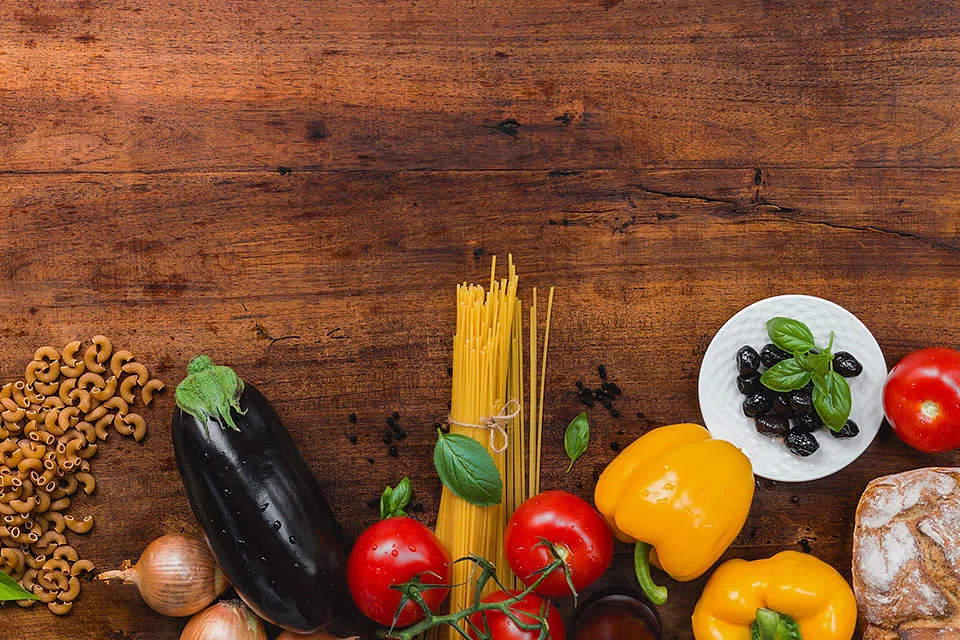

AS we are on the brink of a new year, starting the year on a healthy note will be the best reward we can give ourselves. The latest American 2020 Dietary Guidelines provide advice on supporting healthy weight gain throughout each stage of life from newborns to the elderly, and aims to meet calorie needs without excess weight gain at every life stage. The guidelines emphasise the consumption of nutrient-dense foods and beverages. These foods and beverages provide vitamins, minerals, and other healthy substances with little added sugars, saturated fat, and sodium. Such foods include vegetables, fruits, whole grains, seafood, eggs, beans, peas, lentils, unsalted nuts and seeds, fat-free and low-fat dairy products, and lean meats and poultry prepared with no or little added sugars, saturated fat, and sodium.
Daily energy requirements
Firstly , when you plan your diet, fix your energy requirements based on your activities. While the amount of calories a person requires varies according to their age, metabolism and levels of physical activity, the average daily recommended calorie in Singapore for females is about 1800 kilocalories (kcals), and for males, about 2000 kcals. The term 'calorie' is synonymously used with 'kilocalorie'. In the 2020 American Dietary Guidelines, the estimated energy requirements range from 700 to 1,000 kcals for toddlers aged 12-23 months. Estimated needs for young children aged 2-8 years range from 1,000 to 2,000 kcals. A wider range of 1,400 to 3,200 kcals is estimated for older children and adolescents depending on their level of activity. Adult estimated calorie needs range from 1,600 to 2,200 kcals in females and 2,000 to 2,600 kcals in males based on a male of about 178 cm in height and 70 kg in weight, and a female of 163 cm in height and 57 kg in weight.
Understanding nutrition labels
Many people wonder what a 'serving' in nutrition labels means. A 'serving' is meant to represent the amount that a person will usually consume. It is not meant to be a recommendation of how much you should consume. For example , a typical serving of Haagen Dazs salted caramel ice cream (½ cup or 100 g) will add 280 kcal to your energy intake. You will have to jog more than 30 minutes to burn this off, and hence, whether you want to take 1 full serving will depend on your total energy intake for the day. The size of a 'serving' is standardised across similar foods and is usually stated in units such as cups or pieces. The serving portion is usually expressed in a metric unit such as grams. The energy provided by each serving is usually expressed as kcal or the International System of Units equivalent, kilojoules (kJ). One kcal is equivalent to 4.2 kJ.
Cut the bad fat
Navigate Asia in
a new global order
Get the insights delivered to your inbox.
There are different types of fat in the food we eat, and the type of fat which will set the alarm bells ringing is saturated fat. Saturated fat is associated with an increase in low-density lipoprotein (LDL) cholesterol ('bad' cholesterol), which affects the ability of the liver to remove cholesterol from the blood stream. As blood containing cholesterol passes through the liver, there are special proteins - termed LDL receptors - which bind to cholesterol in the bloodstream and move the cholesterol into the liver to be degraded; this is analogous to removing rubbish from the streets. A diet high in saturated fat affects the LDL receptor activity, making the liver less efficient in removing cholesterol from the blood and hence results in a higher LDL cholesterol level.
In the 2020 American Dietary Guidelines, it is recommended that for those aged 2 years and older, the intake of saturated fat should be limited to less than 10 per cent of calories per day by replacing them with unsaturated fats, particularly polyunsaturated fats. Hence , for a daily energy intake of 2,000 kcal, no more than 200 kcal should come from saturated fat. As there are 9 kcal in 1 g of fat, this is equivalent to 22 g of saturated fat. Foods which have high saturated fat content which meet this daily saturated fat level include a cup of whipped cream, a half cup of coconut milk, a large portion of skirt steak (360 g), 2 pieces of fatty pork chop, 120 g of pepperoni (processed meat), 1 cup of ice cream, 2 slices of cake with frosting, 2 tablespoons of palm oil or coconut oil, 1.5 litres of 2 per cent fat milk, 100 g of cheddar cheese, 3 tablespoons of butter (equivalent to 20 g).
Hence, the first practical step for reducing saturated fat in your diet is to reduce the intake of foods with higher content of saturated fat such as fatty meat, full-fat dairy products (including full-cream milk, ice cream, cheese), butter, coconut oil, and palm kernel and palm oil.
Secondly, reduce your intake of desserts and sweet snacks. Before you start handing out sweet snacks and desserts to your kids, you may want to know that baked foods such as biscuits, cakes, pastries, and brownies are high in saturated fat. For example, a 100 g brownie serving can contain more than 10 g of saturated fat.
Choose food alternatives with lower saturated fat. Choose fat-free or low-fat milk instead of 2 per cent or whole milk, lean rather than fatty cuts of meat, and purchase food products with polyunsaturated and monounsaturated fats (such as canola, corn, olive, peanut, safflower, soya bean, and sunflower) rather than butter, coconut or palm oils.
Seafood and mercury
Seafood, which includes fish and shellfish, contains beneficial fatty acids such as eicosapentaenoic acid (EPA) and docosahexaenoic acid (DHA). However, mercury, in the form of methylmercury, is found in seafood in varying levels. Hence seafood consumption may be limited for women who are trying to get pregnant, expecting, or lactating, as well as for young children. For these vulnerable groups, seafood choices higher in EPA and DHA and lower in methylmercury include salmon, anchovies, sardines, oysters, and trout can be considered. Other types of seafood that have lower levels of methylmercury include tilapia, shrimp, catfish, crab, and flounder.
Calcium and vitamin D
Calcium and vitamin D are important at any age, and in the US, more than 90 per cent of the people do not consume enough vitamin D. The key periods where attention has to be paid to calcium and vitamin D intake are when bone mass is still actively being built (ages 19 to about 30) and, in the post-menopausal period in women when rapid bone changes occur. A diet which will help to meet the nutritional requirements should include nutrient-dense, calcium-rich foods (such as low-fat milk and yogurt), fortified soya alternatives, sardines and salmon. Vitamin D aids in the absorption of calcium and consumption of foods that are fortified with vitamin D (including milk, fortified soya beverages, fortified soya yogurt) and sun exposure can help adults meet their daily requirements. If the Vitamin D levels are inadequate despite these measures, supplementation may be considered.
Finally, a prescription for health in 2022 can be summarised with a few simple measures:
- Manage your daily caloric intake to avoid excess weight gain
- Keep your saturated fat consumption to no more than 10 per cent of your total energy intake
- Keep your bones healthy with adequate dietary calcium and Vitamin D consumption
- Start on a regular exercise programme.
This article is produced on alternate Saturdays in collaboration with Royal Healthcare Heart, Stroke & Cancer Centre
Decoding Asia newsletter: your guide to navigating Asia in a new global order. Sign up here to get Decoding Asia newsletter. Delivered to your inbox. Free.
Copyright SPH Media. All rights reserved.

