

Listen safely! The dangers of everyday noise
Recreational exposure to loud sounds can result in permanent hearing loss
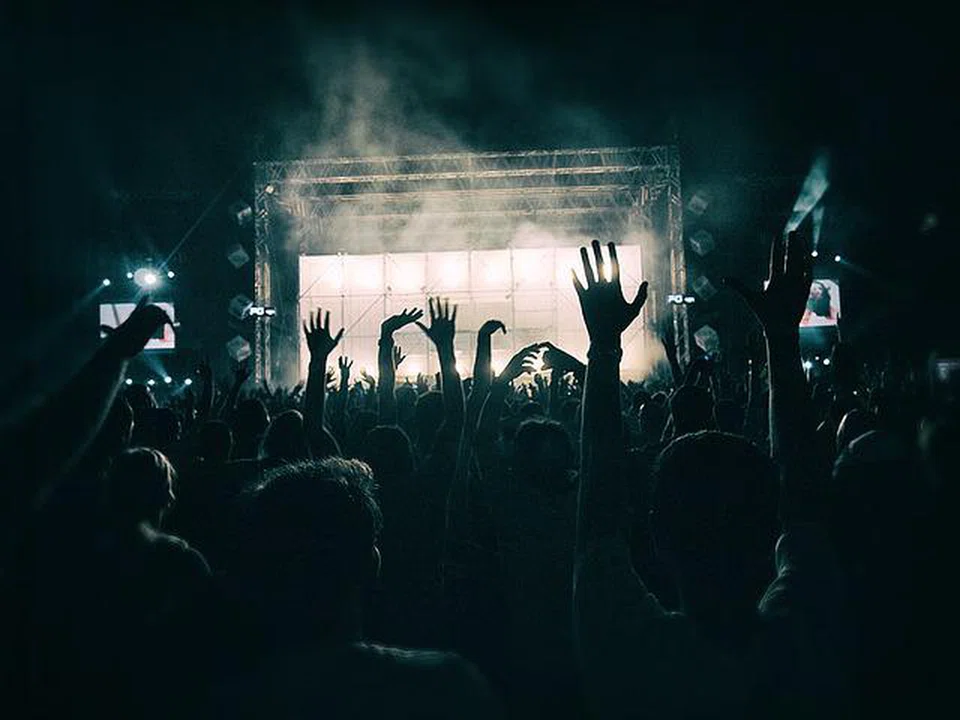
HEAR this! Most people think it’s normal to get hearing loss as we get older. But did you know that an increasing number of Singaporeans are affected by premature, permanent hearing loss that is entirely preventable?
The cause? Sound!
The first thing that most people think of when we talk about sound damaging our ears, known as noise-induced hearing loss (NIHL), is occupational noise – for example, from factories and construction. Extremely loud bursts of sound, such as explosions or firearms, may also spring to mind.
While occupational noise used to be the main cause of NIHL, legislation has reduced it significantly. The main cause now is much closer to home. Exposure to dangerous levels of noise is increasingly common in the sounds that we hear every day, in our environment and during recreation.
Causes of noise-induced hearing loss
Our world is becoming noisier. Environmental noise from traffic, trains and construction work is increasing all the time. A 2017 study by the National University of Singapore estimated that the average sound level outdoors in Singapore is 69.4 decibels (dB) throughout the day – the equivalent of listening to a vacuum cleaner humming all day long. That exceeds the 67 dB within an hour recommended by the National Environment Agency as the safe limit for our ears.
Unsafe levels of sound are often experienced in recreational settings such as bars, nightclubs, cinemas, concerts, live sporting events, gyms and exercise classes. Listening to loud music at a bar or club for just 15 minutes may mean the same dose of noise to the ear as 8 hours of industrial work.
A further source of unsafe listening is the regular use of recreational devices such as personal music players and video-game consoles used at loud volumes. A worrying 1 in 6 young people in Singapore are at risk of developing NIHL from music delivered via earphones, according to a 2014 study by Temasek Polytechnic. Even toys that emit loud sounds can be problematic, especially if young children hold them close to their ears.
What happens when our ears are exposed to loud noise?
The amount of sound that we can hear safely each day is like the intake of salt – it is cumulative throughout the day, and while the right amount is healthy, too much can be harmful. Excessive noise exposure can result from both a single exposure to an intense sound and long-term, repeated exposure to less intense sounds.
The ringing – known as tinnitus – and slightly blocked sensation in your ears after leaving a noisy environment such as a concert represents a temporary threshold shift (TTS), or temporary hearing loss. The delicate hair cells of the inner ear that convert mechanical sound waves into nerve impulses become fatigued. They will usually recover over a few hours and the temporary hearing loss will return to normal.

However, research shows that permanent changes to the auditory nerve occur during these episodes. Repeated TTS will eventually lead to permanent hearing loss.
Symptoms of noise-induced hearing loss
Most NIHL happens slowly and painlessly. It tends to affect the high frequencies that enable us to hear the subtle differences between consonant sounds first. Sounds like ‘s’ and ‘t’ become blurred together.
Affected people may notice that they can hear people talking but that they can’t always understand them, especially in background noise. They may have to ask people to repeat things frequently. What’s more, the brain has to work overtime to interpret what is being said. This can lead to feeling exhausted from listening, or listening fatigue, and may eventually lead to changes in the thinking and memory centres of the brain. NIHL can also cause tinnitus and sensitivity to loud sounds, or hyperacusis.
Prevention and treatment
Luckily, knowledge is power, and we can protect ourselves. NIHL can be prevented by listening safely. The permissible time for safe listening decreases as sound levels increase. Small reductions in sound intensity or loudness, as well as the duration of listening, can make a big difference to our ears.
The effect of noisy venues can be limited by reducing the overall time spent there, going outside for short listening breaks every hour, moving away from sources of noise such as loudspeakers and wearing noise-reduction earplugs. Personal audio devices should be turned up to a comfortable volume at which you can still hear what people around you are saying.
Beware of moving to environments with high ambient noise such as trains and planes! Many people turn the volume up significantly to overcome the background noise, often to unsafe levels. Noise-cancelling headphones can be useful if you listen frequently in noisy environments.
Smartphone technology can also be used to monitor noise exposure and listening habits. Smartphone applications can display sound intensity, alert the user when the environmental noise level or device output level is too loud, reduce output levels above a set limit – usually 85 dB – and monitor duration and volume of headphone use, alerting the listener if the recommended safe dose of sound – 80 dB for 40 hours a week – is exceeded. Parental volume control can also be implemented, either through device apps or headphones/earphones.
NIHL is unfortunately irreversible, but most NIHL can be treated with properly fitted hearing aids. Cochlear implants are an implantable device that can be used if the hearing loss is severe or there is severe sound distortion. If you already have symptoms associated with NIHL then seek help from an ENT surgeon or audiologist.
This article is produced monthly in collaboration with Royal Healthcare Specialists Centre.
Decoding Asia newsletter: your guide to navigating Asia in a new global order. Sign up here to get Decoding Asia newsletter. Delivered to your inbox. Free.
Share with us your feedback on BT's products and services






