
Preventing sudden cardiac death
Precautionary measures like regular screening and identifying underlying factors can help to mitigate risk
 Add BT as a preferred source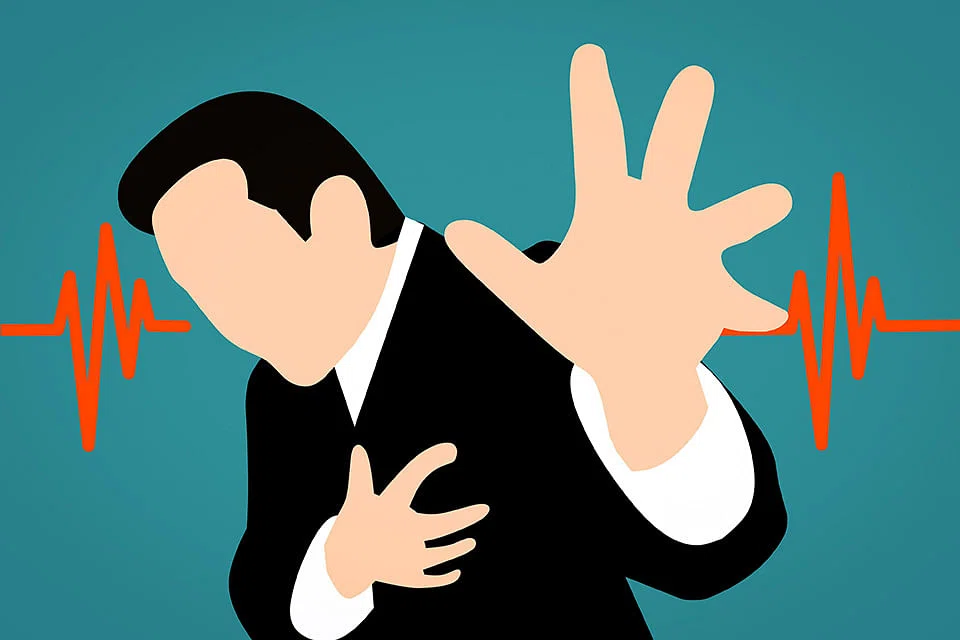

IT IS not uncommon to read about people who were apparently in their pink of health and who passed away suddenly in their sleep. This is almost always due to sudden cardiac arrest (SCA), a condition in which the heart stops pumping effectively as a result of a life-threatening heart rhythm such as ventricular tachycardia (VT) or ventricular fibrillation (VF).
Both sustained VT or VF are abnormal heart rhythms originating from lower heart chambers, which prevent the transmission of electrical signals from the "generator" or pacemaker sited in the upper right heart chamber. These two abnormal heart rhythms result in ineffective pumping and a severe drop in blood pressure.
The subsequent significant decrease in blood flow to the brain results in loss of consciousness. As a result, the person becomes unresponsive within seconds or minutes, has no normal breathing and the pulse is not palpable. If the condition is not treated immediately or does not revert spontaneously to a normal heart rhythm, the person can die and the event is then called sudden cardiac death (SCD).
Predisposing causes for sudden cardiac death
SCD increases with age and is about three times more prevalent in men than in women. The presence of underlying heart disease, especially significant blockage of the heart arteries, is the most common underlying cause for SCD. Unfortunately, the underlying heart disease is often undetected or unrecognised.
Among the close to 162,000 post-menopausal women who participated in the Women's Health Initiative study and had an average follow-up of 10.8 years, SCD occurred in 2.4 per 10,000 women/year, and almost half had undetected heart artery disease.
Navigate Asia in
a new global order
Get the insights delivered to your inbox.
The risk of SCA is increased up to 10 times if there is underlying heart artery disease and is increased up to four times if there are risk factors for heart artery disease. These risk factors include high cholesterol levels, smoking, high blood pressure, diabetes mellitus, and a family history of heart artery disease or heart attacks.
More than 60 per cent of patients with underlying heart artery disease die from SCD. In about 15 per cent of those with underlying heart artery disease, SCA is the initial presenting manifestation.
For those below the age of 35 years, SCD is due mainly to underlying inherited heart disease, of which the commonest cause is hypertrophic cardiomyopathy, which is a condition where there is abnormal thickening of the heart muscles that can potentially result in reduced blood volume being pumped out of the heart or the developing of life threatening heart rhythms such as sustained VT or VF. Other inherited causes include abnormal heart arteries and abnormal heart rhythms.
Myocarditis is the third leading cause of SCD in children and young adults in the United States. It is a condition where there is inflammation of the heart muscle and is mainly caused by a viral infection. It mainly affects young athletic types with the highest-risk cohort being those of ages from puberty through their early 30s.
Warning symptoms
As many SCA patients do not survive to provide any information on preceding symptoms, it has been difficult to get data on this. A 10-year community-based study of 839 patients with SCA published in the Annals of Internal Medicine in January 2016 provided some data on "warning" symptoms preceding SCA.
The symptoms preceding SCA were gleaned from the surviving patient, from family members, witnesses at the scene of the event, or medical records from the four weeks preceding the event. In this study, 51 per cent had "warning" symptoms within four weeks preceding SCA, 34 per cent had symptoms more than 24 hours before SCA and 80 per cent had symptoms at least one hour before SCA. The most common symptoms were chest pain (almost half) and shortness of breath (almost one fifth).
For those with myocarditis, they may have shortness of breath, especially after exercise or when lying down, chest pain, heart palpitations or fatigue. As myocarditis is mainly due to viral infections, there may be symptoms of a flu. Unexplained fainting episodes may also be a harbinger of potentially life threatening abnormal heart rhythms.
Risk factors for sudden arrest of heart function
Understanding the risk factors for SCA will enable one to take precautionary measures. Active smoking and daily quantity of cigarettes increase the risk of SCA in those with underlying heart, which followed more than 100,000 women over 30 years, active smokers had more than double the risk of SCD than non-smokers. This risk declined with smoking cessation and after 20 years of smoking cessation, the risk was the same as for those who never smoked.
Middle aged or older people with risk factors for heart disease who lead sedentary lives and who are about to embark on an active exercise programme should get a doctor's advice prior to starting vigorous exercise. There is evidence that the risk of SCA is increased during vigorous exercise and this risk extends up to 30 minutes post-exercise. In absolute terms, the risk is still low, occurring 1 per 1.51 million episodes of vigorous exercise.
For young people embarking on competitive sports, the presence of unrecognised underlying inherited heart disease is an important cause of SCA.
There are differing views about pre-participatory screening for young people who are engaged in competitive sports, with the European Society of Cardiology advocating examination and routine 12-lead electrocardiogram and the American Heart Association recommending only questionnaire and examination (from a national economic perspective and cost considerations).
From an individual's perspective, the guidelines from the cardiology organisations also state the point that the use of 12-lead electrocardiogram and ultrasound of the heart will provide better detection of underlying inherited heart disease that cannot be detected purely from history taking and physical examination. This will especially be useful if there is a family history of SCD. Doing vigorous or strenuous exercise after myocarditis will increase the risk of SCD.
Not unexpectedly, excessive alcohol consumption (six or more drinks per day) or binge drinking increases the risk for SCD. While many may intuitively think that caffeinated beverages increase the risk of SCA, the current data does not show any significant association between caffeine intake and SCD.
Preventing sudden cardiac arrest
Taking appropriate precautionary measures can help reduce the likelihood of SCA.
If you are young and are embarking on competitive sports, the current European Society of Cardiology and International Olympic Committee guidelines advocate pre-participatory screening including history taking, physical examination and a 12-lead electrocardiogram to detect underlying inherited heart disease.
If you are a sedentary middle aged or older person with risk factors for heart disease who want to commence on a vigorous exercise programme, you should consult your doctor first.
If you have new onset of chest pain or shortness of breath which is aggravated by exertion, you should consider an early evaluation of your heart condition for underlying heart disease.
If you have impaired heart function and experience frequent palpitations, you should see your cardiologist to assess the likelihood of recurrent episodes of VT. This will often require you to put on a continuous heart rhythm recorder for 24 to 48 hours.
Finally, for those with a strong family history of sudden death or heart attacks, you should consider getting your heart evaluated especially if you have multiple risk factors for heart disease.
- This article is produced on alternate Saturdays in collaboration with Royal Healthcare Heart, Stroke & Cancer Centre
Decoding Asia newsletter: your guide to navigating Asia in a new global order. Sign up here to get Decoding Asia newsletter. Delivered to your inbox. Free.
Copyright SPH Media. All rights reserved.

