

Defining high blood pressure
Identifying patients who need treatment for the condition can be unexpectedly difficult
 Add BT as a preferred source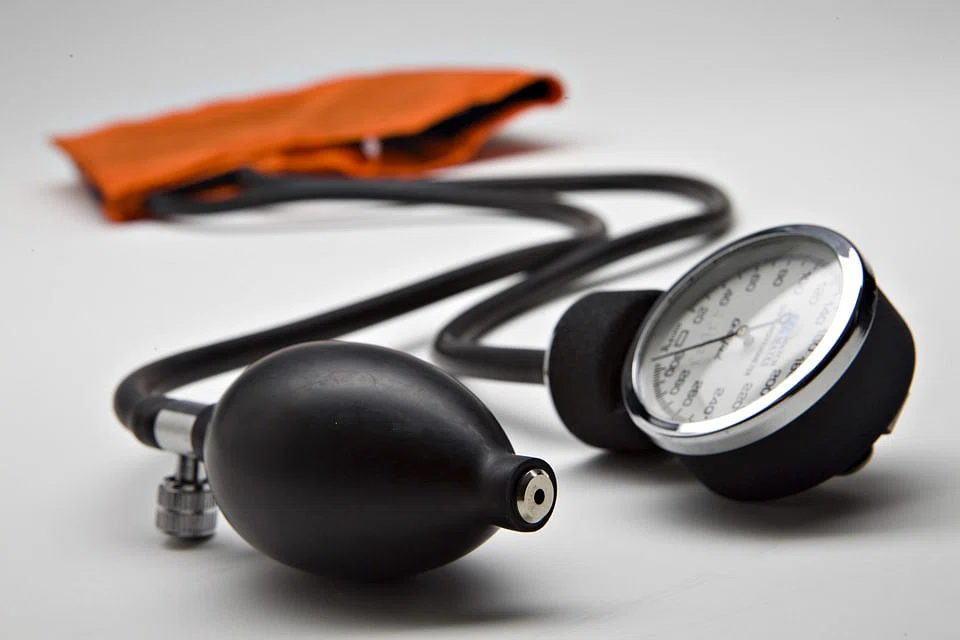
DeeperDive is a beta AI feature. Refer to full articles for the facts.
BLOOD pressure (BP) is one of the commonest assessments performed when we visit a doctor's clinic. Although it is a simple measurement, it is one of the parameters that has an important impact on the risk of heart attack, stroke and kidney damage.
Most clinical guidelines have recommended an upper BP (systolic BP or SBP) reading of 140 mm Hg and a lower BP (diastolic or DBP) reading of 90 mm Hg or more as the cut-off for diagnosis of high blood pressure or hypertension.
While it has been demonstrated irrevocably that lowering of BP in those with hypertension is associated with decreased heart attack, stroke and kidney damage, defining the ideal BP that should be achieved for adults who are treated has been controversial.
Copyright SPH Media. All rights reserved.
TRENDING NOW

From 1MDB to ‘corporate mafia’: Is Malaysia facing a new governance test?

Higher costs, lower returns: Why are Singaporeans still betting on real estate?

South-east Asian markets account for 8.8% of global capital inflows from 2021 to 2024: report

Richard Eu on how core values, customers keep Singapore’s TCM chain Eu Yan Sang relevant

