Hard cell
Transcending placenta creams and illegal injections, the latest in stem cell technology developed by a homegrown company is the real deal in cutting-edge, anti-ageing cosmetics.
FOR years, every other cream that claims to be "innovative" and comes with an astronomical price tag has boasted some form of stem cell technology; even if the concentration of stem cell matter in it is about as high as Donald Trump's EQ. The truth is, there isn't any beauty cream on the market that contains even a drop of the precious ingredient that is usually derived either from embryos or various tissues of a mammal.
But that doesn't mean that stem cells, known for their self-renewal abilities, exist only as a buzzword in skincare. While aesthetics doctors have in the past received slaps on the wrists for administering stem cell injections that have not met the standards of evidence-based medicine, or multi-level marketers have touted placenta supplements to regenerate ageing skin, a local company has finessed breakthrough science into the area of beauty.
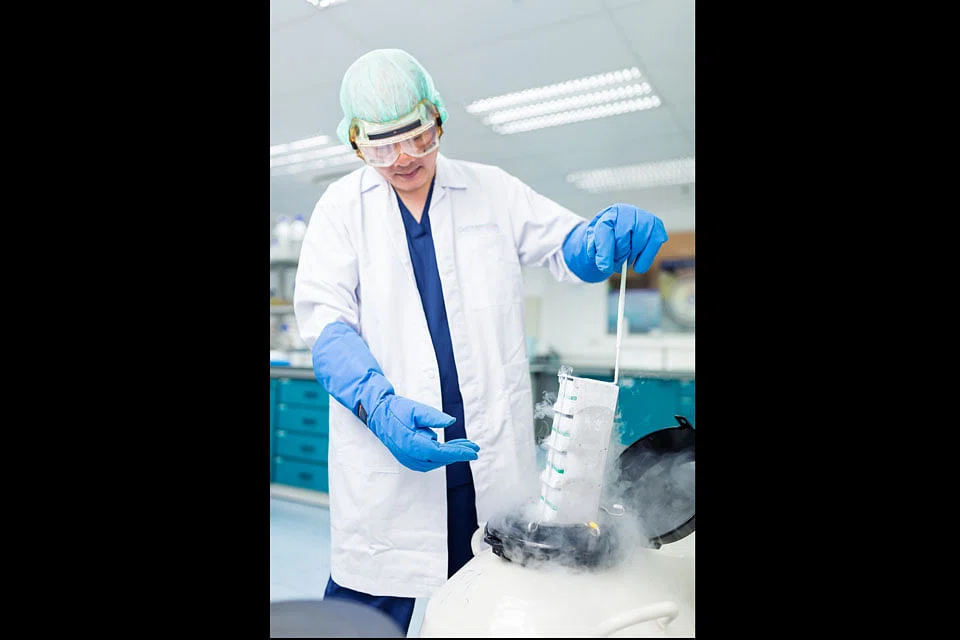
The two-year-old Calecim brand of products developed for medical professionals and regular skincare addicts has based its lean range of cosmetics on the breakthroughs by its parent biomedical company Cellresearch Corporation. Over a decade ago, the group's chief executive officer Gavin Tan had shared the placenta and umbilical cord from his wife after she had just given birth with his company's co-founder Dr Phan Toan Thang, who is also an associate professor at the department of surgery at the National University of Singapore's Yong Loo Lin School of Medicine, for research purposes. While the latter, who is now the group's chief scientific officer, did not manage to salvage much useful matter from the placenta, which was contaminated after being handled by several medical personnel, he was astonished to discover a large amount of stem cells within the cord lining membrane - a yield of over a billion such cells, to be exact.
Since then, the company has supplied stem cells to researchers around the world, acquired a patent covering stem cell derivation from the umbilical cord lining of all animals, and kickstarted a partnership with the University of Colorado School of Medicine to use cord lining stem cells in clinical trials for the treatment of diabetic wounds.
Developed as the cosmetics arm of the Cellresearch group, last valued in 2014 at almost S$640 million, Calecim's consumer range comprises just a serum, multi-action cream and a moisturiser. The brand utilises a brew of growth factors, cytokines and proteins secreted by stem cells to communicate with skin cells, sending them messages to shed their older selves, produce more collagen and behave like younger, more responsive cells. In other words, speeding up the skin renewal cycle that has slowed down over the years, thereby reversing the signs of age.
"Theoretically, it makes sense to apply growth factors to regenerate skin cells and make skin look youthful again," says National Skin Centre senior consultant, associate professor Steven Thng.
However, Dr Thng notes that such nutrients have to be able to penetrate the deepest layers of skin for them to work. Simply slapping on a super cream also might not be a miracle cure for lines and drooping jowls. The dermatologist adds that a specific concentration of the extracts from the stem cell brew needs to be prescribed for each step of the cell regeneration process as it is highly dynamic.
Therefore, Calecim has tapped on the technology created by fellow homegrown company Lynk Biotech, which delivers a high percentage of active ingredients beyond the skin's outermost layer, through the next four layers of the epidermis, and finally to the dermis. Plastic surgeons in the US have also conducted randomised, double-blind, half-face study late last year on Calecim, and the findings - such as how the sides of faces treated with Calecim recovered faster after fractional carbon dioxide laser therapy, have been submitted to a peer reviewed journal for publication.
And Calecim isn't the only homegrown brand to utilise stem cells in skin care. Plant stem cells have been the heroes of beauty products due to the belief that they contain molecules that help regenerate skin. Dr Georgia Lee, who provides aesthetics medical services, has incorporated them into her DrGL Skin Repair serum to simulate and stimulate human skin cell growth. According to a 2008 study published in cosmetics and personal care journal SOFW, extracts from plant stem cells provide building blocks for the healing skin, shares Dr Lee.
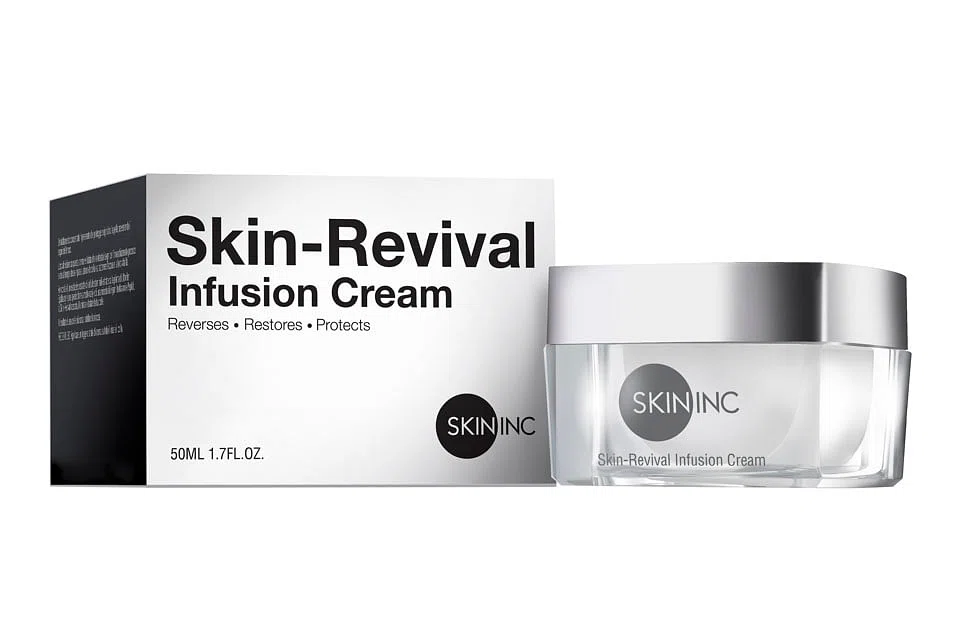
Another homegrown skincare brand Skin Inc also boasts a stem cell series, utilising the stem cell extract of the rare species of Uttwiler Spätlauber apple, which hails from Switzerland and has reportedly appeared to nourish and stimulate human stem cells in clinical tests. It's been dubbed the "super apple" by fashion magazine Vogue after Michelle Obama revealed that she uses a serum with the fruit's stem cell extract in an interview.
However, the jury is still out on the efficacy of plant stem cells on human skin cells: some say the idea of applying plant stem cells to stimulate human skin cells is like trying to feed an ailing tree a multivitamin pill and expecting it to regain its health.
"The target cell which responds to the stem cell signal tends to be specific to the organism so plant cells will respond to plant signals and mammalian cells will respond to mammalian signals," explains Dr Phan.
Plus, the extraction of plant stem cells using high pressure processes essentially kills the stem cells. What is produced is a plant extract containing a high level of antioxidants and other nutrients that could boost your skin, but that improvement doesn't have to, excuse the pun, stem from complex, high-tech stem cell science.
Ultimately, the next big star serum or mega moisturiser might not be the result of breakthrough prize-winning research, but instead boosted by the most compelling narrative. Science sells, but a dramatic back story? Now that's what gives brands an edge in the beauty face-off.
Share with us your feedback on BT's products and services