

Microplastics in your body are secretly making you sick
New Netflix documentary links everyday exposure to several health issues, from infertility to systemic failures

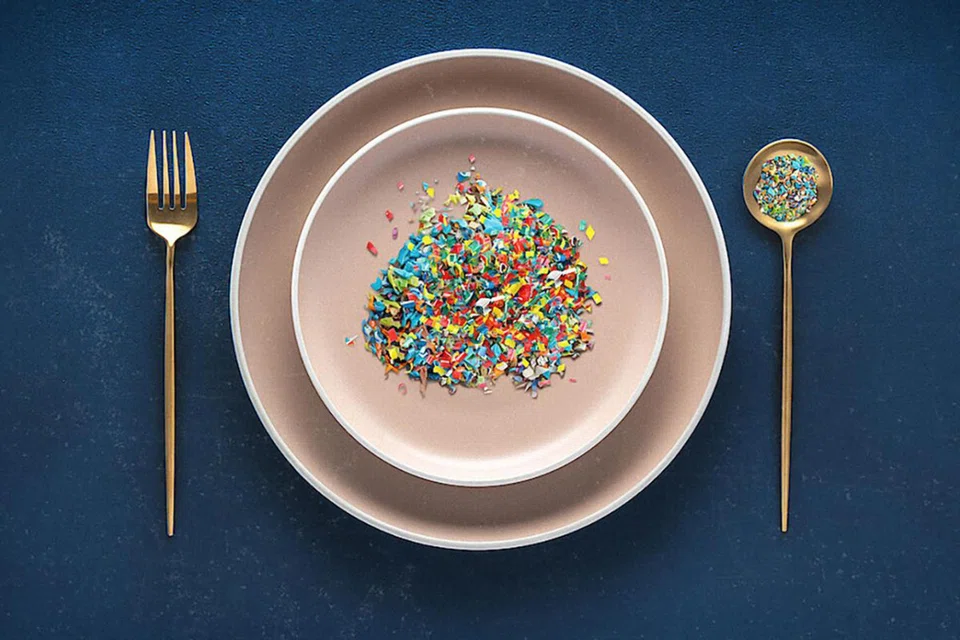
[SINGAPORE] As if the current state of the world hasn’t already filled you with enough anxiety, along comes Netflix’s new documentary The Plastic Detox to tell you there’s a threat closer to home – namely, the microplastics in your water bottle, sportswear, non-stick kitchenware, food wrappers, children’s toys, deodorants and countless other everyday objects.
Even the seemingly harmless receipts you collect after a purchase are coated with chemicals such as bisphenol A (BPA) or its alternatives, which can transfer onto your skin. (Safety tip – don’t take that receipt unless you really need it.)
Microplastics, if you don’t know, are tiny fragments of plastic – often invisible to the naked eye – that break off from larger plastic objects and make their way into the air we breathe, the food we eat and the bodies we inhabit.
Mainstream media has been reporting on microplastics for about a decade now, but the issue has gained urgency lately as studies have detected these particles in human blood, lungs, brains, and even placenta and breast milk.
Released on Monday (Mar 16), The Plastic Detox might seem alarmist if not for a growing body of research linking plastic-related chemicals – especially endocrine disruptors such as phthalates and bisphenols – to a range of health concerns.
Netflix’s contribution is to pull together these strands of research, package them into compelling television, and release The Plastic Detox at a time when crude oil has surged past US$100 a barrel and Labubus are being blamed for contributing to plastic waste.
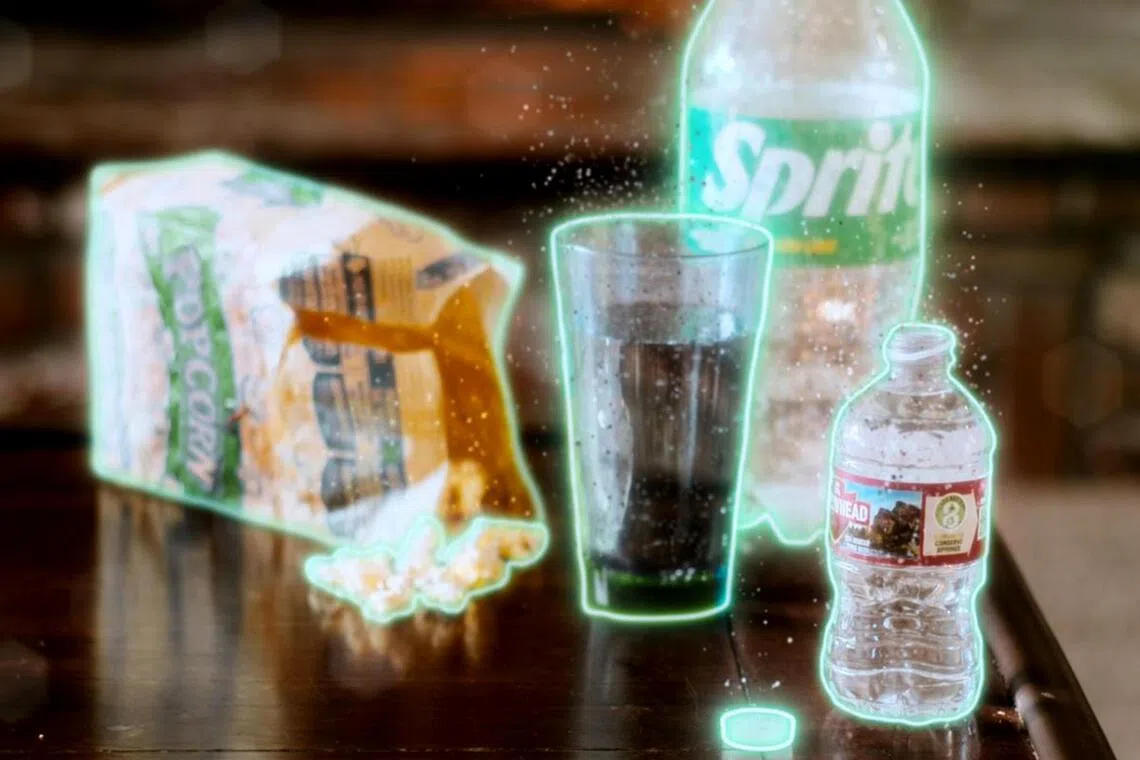
The documentary centres on a group of young couples who are struggling to have a baby, testing whether removing plastic from their daily lives might improve their chances. (Spoiler – it does.)
Moving at a brisk pace, The Plastic Detox wastes no time in telling us that our modern addiction to plastic use may be shrinking sperm counts, increasing miscarriages, disrupting hormones, and sabotaging the future of the species.
At the centre of it all is Dr Shanna Swan, a veteran epidemiologist whose work on environmental chemicals and reproductive health gives the show both its spine and emotional core.



The Plastic Detox shows the global scale of the problem – but it’s Dr Swan who brings the message home as she guides six couples struggling with unexplained infertility to purge plastic from their daily lives.
Out go the plastic food containers, fragranced cleaning products, synthetic clothing, non-stick utensils and bottled drinks that make modern life so convenient.
In come the glass jars, bamboo toothbrushes, unscented deodorants and wooden cooking tools. One couple even starts saying no to receipts, which they won’t even touch.
Yet, as engaging as these personal stories are, the documentary works best when it pulls back from its quasi-reality TV format to look at the petrochemical industry that makes plastic so cheap and ubiquitous in the first place.
Despite longstanding concerns about plastics’ impact on the environment and our health, the petrochemical industry has long promoted recycling as a solution. That narrative is now heavily criticised as being overstated at best, and disingenuous at worst – given how little plastic is actually recycled in practice.
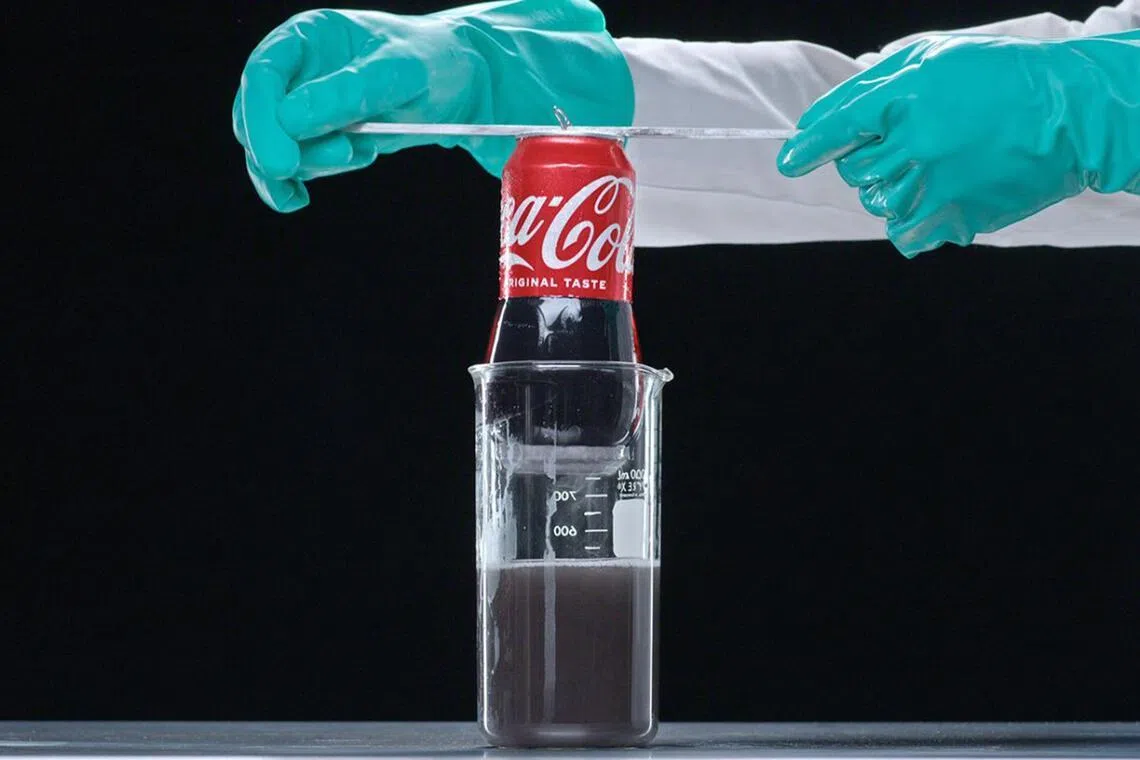
Beyond the mountains of non-biodegradable waste they leave behind, plastics can also leach chemical additives such as phthalates and bisphenols, which have been linked to a range of health risks, including infertility, certain cancers and neurological disorders.
Unfortunately, society’s addiction to convenience and corporations’ pursuit of profit have ensured that these risks are often downplayed and deferred – and even offloaded onto the individual. After all, how often have we been told that managing and recycling plastic waste is our responsibility?
By the time you finish watching The Plastic Detox, you may not have renounced plastic altogether – good luck with that! – but you’ll think twice about tar pau-ing your meals from the hawker centre, buying that synthetic moisture-wicking running shirt, or reaching for yet another bottle of water.
Decoding Asia newsletter: your guide to navigating Asia in a new global order. Sign up here to get Decoding Asia newsletter. Delivered to your inbox. Free.
Copyright SPH Media. All rights reserved.
TRENDING NOW

Easy to rent out, hard to sell: Are buyers losing interest in Singapore’s one-bedroom condos?

GovTech retrenches another 38 staff in second round of layoffs

Stocks to watch: Seatrium, CapitaLand Investment, Keppel DC Reit, Suntec Reit, CLCT, TSH Resources

World’s largest offshore wind platform by Seatrium consortium on track to be completed by 2028

