

Heart scans and cancer risk
Lower the risk of cancer by choosing a procedure that is non-invasive and has the lowest radiation dose
 Add BT as a preferred source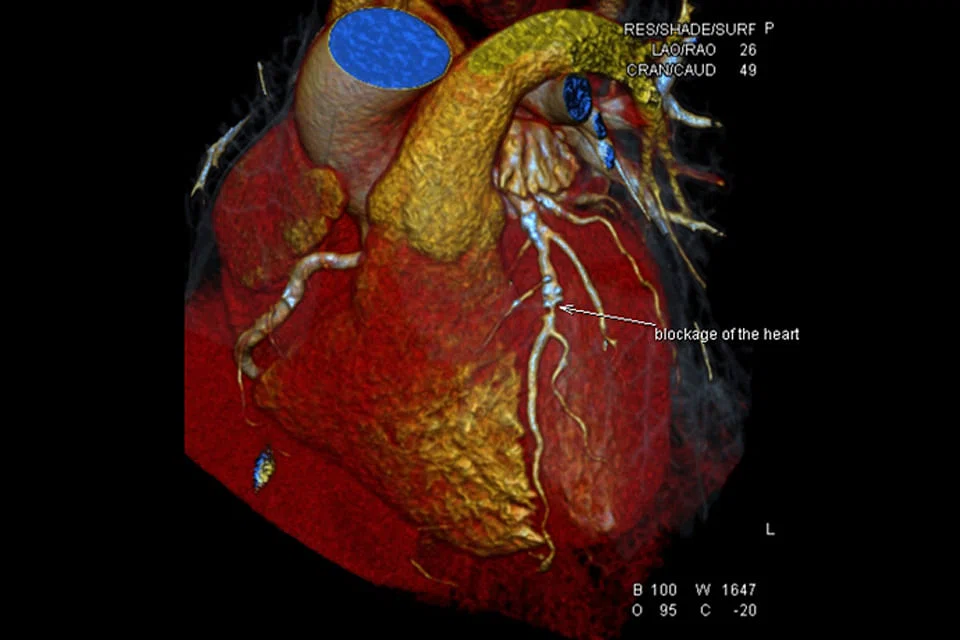
DeeperDive is a beta AI feature. Refer to full articles for the facts.
MR A saw me for a second opinion. Within two years, he had undergone five invasive coronary angiograms (ICA) and multiple percutaneous coronary interventions (PCI) for blockage of his three major heart arteries.
ICA involves the insertion of plastic tubes through arteries in the leg or wrist and injecting contrast into heart arteries to obtain X-ray images. PCI refers to the procedure of opening narrowed heart arteries using balloons mounted on plastic tubes or cylindrical meshes called stents. As his doctor could only open one out of three major heart arteries that were blocked during each PCI procedure, the treatment was spaced out over multiple procedures.
It is not an uncommon practice for many heart specialists to only perform PCI for one artery at a time. Hence, for complex heart disease involving all the three major heart arteries, at least two to three procedures may be required to complete the opening of the heart arteries. As both ICA and PCI involve X-ray radiation, the concern is whether the benefits of opening the blocked heart arteries outweigh the potential risk of cancer.
Copyright SPH Media. All rights reserved.
TRENDING NOW

From 1MDB to ‘corporate mafia’: Is Malaysia facing a new governance test?

Higher costs, lower returns: Why are Singaporeans still betting on real estate?

South-east Asian markets account for 8.8% of global capital inflows from 2021 to 2024: report

Richard Eu on how core values, customers keep Singapore’s TCM chain Eu Yan Sang relevant

