Hello, kitty: Japan’s US$20 billion cat boom
[TOKYO] Much of Asia was celebrating the Year of the Horse this week. In Japan, which does not mark Lunar New Year, attention turns to a different animal.
There is no cat in the Chinese zodiac – legend has it that the rat tricked it out of a place – but Japan has a day that more than makes up for it. Feb 22 is Neko no Hi, or Cat Day, with 2/22 able to be read in Japanese like a feline “meow”.
Established in the late 1980s by the Japan Pet Food Association, it’s one of many commemorative days based on wordplay – such as Good Couple’s Day (Nov 22) or Mayonnaise Day (rapidly approaching on Mar 1; don’t forget the mayonnaise lover in your life).
In recent years, Cat Day has exploded, as companies embrace a growing market for felines. The ubiquitous convenience store chains compete to see who can sell the most themed desserts and merchandise, this year featuring paw-shaped puddings, while the likes of energy giant Eneos are looking to hook customers with a fully electrified cardboard tower.
The economic impact from the animals is very real. Kansai University Professor Emeritus Katsuhiro Miyamoto, who publishes an annual report on “Nekonomics”, estimates it at nearly three trillion yen (US$19.5 billion) annually.
Nearly 25 years ago, Japan was firmly dog territory – home of the famed Hachiko, the loyal dog who waited in vain at Shibuya station for a decade hoping for his deceased master’s return.
Pet stores devoted far more shelf space for dogs, and foreign-language coverage was fixated on “pampered pooches”, usually correlated with the country’s low birth rate. In reality, Japan was simply early. For example, American’s spending on their “fur babies” more than doubled from 2010 to 2023.
But when pet cats first outnumbered dogs in Japan in 2014, a trend that has continued to accelerate, big business started to notice. The change is usually attributed to the shifting demographics: An ageing population and increased flow of people to cramped urban centres means less time and space to keep dogs that need to be walked.
It’s no surprise that Japan should become cat country. The relationship with them stretches back centuries, with the oldest written record said to date to Emperor Uda in 889.

In his diary, the Kanpyo Gyoki, he raved about his pet’s lustrous fur and prowess in catching mice. “When he curls up, he is as small as a grain of millet, but when he stretches out he is long, like a drawn bow,” he wrote, describing the creature moving silently “like a black dragon above the clouds”.
They were seemingly common in the Imperial Court. The first named cat was Myobu no Otodo, a title usually given to a lady of the Heian court, who belonged to Emperor Ichijo around the year 1000. The animal is detailed in Sei Shonagon’s The Pillow Book under the title “Adorable Things”, which relates the story of a time it ran to the Emperor’s lap for protection from a dog that was chasing it.
The creatures have been interlinked with the culture ever since, from ukiyo-e paintings to the famed manekineko beckoning cats of good fortune of Gotokuji Temple.
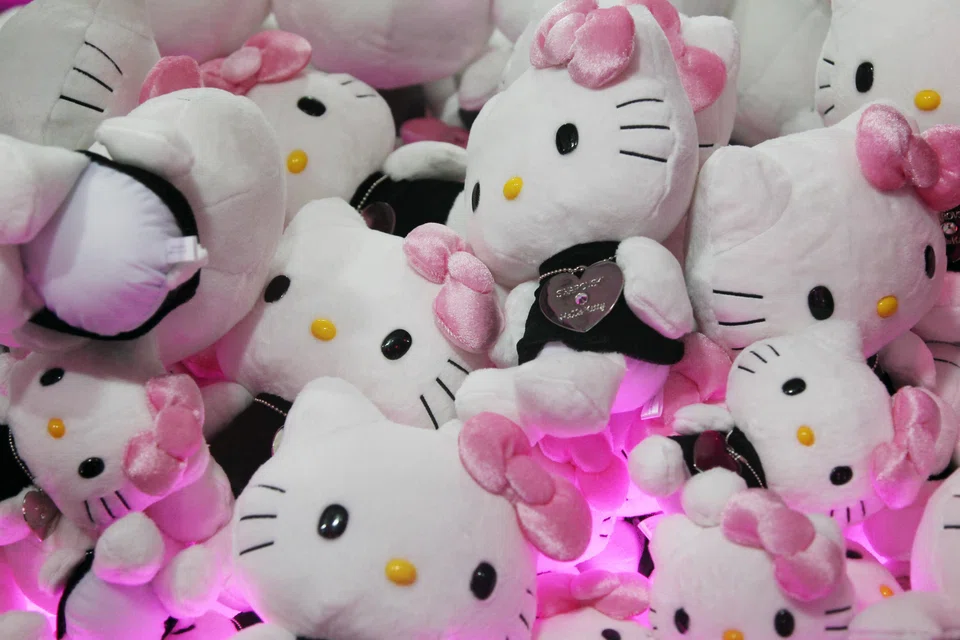
One of the country’s most famous novels is Natsume Soseki’s I Am a Cat, published in 1906 and told from the perspective of a feline narrator. And of course there is one of its top exports, Hello Kitty – though, let’s not get into the contentious argument over whether she is actually a feline or not.
Flash forward to the modern day and you have Maru, who once held a Guinness Record for the most viewed animal on YouTube and for whom no box was too small to squeeze into (Maru sadly passed away last year).
Tama, the country’s first cat stationmaster, is credited with saving the rural Kishigawa Line in Wakayama, which was facing the threat of closure before it became a tourist attraction. And the nation’s many cat islands, with their population of stray felines, are becoming popular with foreign visitors.
The next logical step is for a national cat – a counterpart of the Downing Street mouser Larry, to whom Prime Minister Sanae Takaichi recently bestowed a gift of toys and treats during the visit of UK leader Keir Starmer. The current emperor’s family has two rescue cats, Mimi and Seven, though the privacy afforded the Imperial household means the public rarely sees them.
Takaichi has said that she favours cats over dogs. Yet on Feb 22 four years ago, she took to social media not to talk about felines, but to take a seeming sideswipe at the national broadcaster for introducing Cat Day while failing to note it was also a day marking Japan’s claim over territory disputed with South Korea.
And feline domination is not assured. Miyamoto’s report notes that 2025 saw the first significant drop in the number kept as pets. “This might mark the beginning of the stagnation or decline of the cat boom,” he warns. Cats have long landed on their feet. But even they may not defy demographics. BLOOMBERG
Decoding Asia newsletter: your guide to navigating Asia in a new global order. Sign up here to get Decoding Asia newsletter. Delivered to your inbox. Free.
Share with us your feedback on BT's products and services