

Hitting the big time: How this Singaporean came to design for luxury furniture brands B&B Italia and Herman Miller
Besides being B&B Italia’s youngest designer, Gabriel Tan will soon be designing for more top names, joining other luminaries in furniture design’s hall of fame

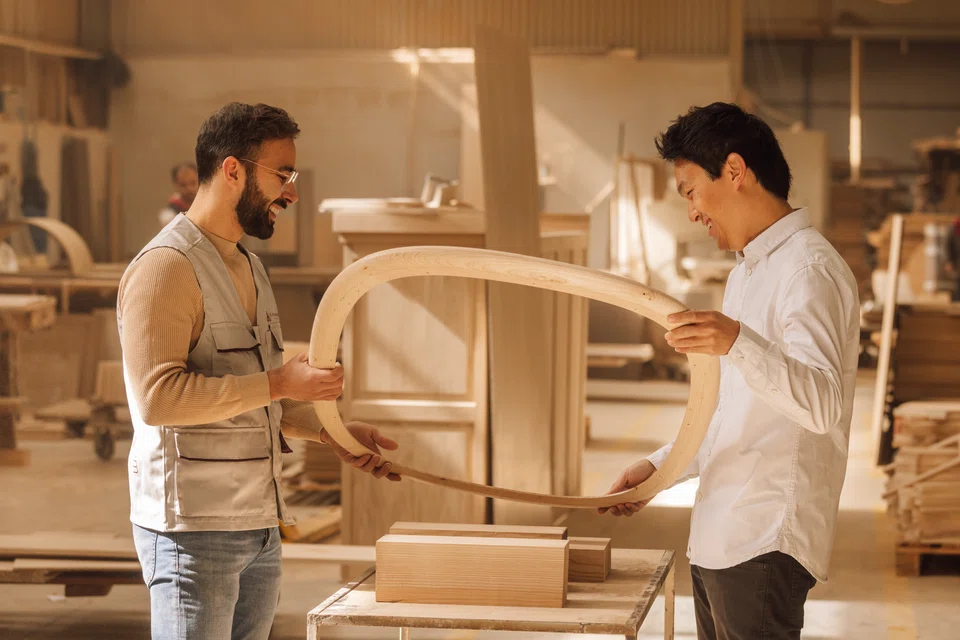
GABRIEL Tan startles you by saying he never felt he could be good at anything.
At least, that was the case until he met a French professor at the National University of Singapore, who nurtured his interest in furniture design. In fact, the design-loving Tan thought he wouldn’t even make the cut for the university’s then-new industrial design programme, as he couldn’t finish the entry test.
But with encouragement, the young undergraduate went on to clinch several international design awards. In his final year, he formed a furniture design collective named Outofstock with three friends from Singapore, Argentina and Barcelona, whom he met at a design workshop in Stockholm.
They held their first show at the prestigious Milan Design Week in April 2007. That, incidentally, almost cost him his degree. He didn’t have time to complete his final year project, a medical device to rotate patients undergoing liposuction developed in collaboration with plastic surgeon, Woffles Wu. Tan ended up having to extend university by six months to get it done.
“I was really interested in furniture, but I wasn’t sure then if Outofstock would be successful,” explains the Singaporean, who was in town recently to introduce his debut collections for American furniture company, Herman Miller.
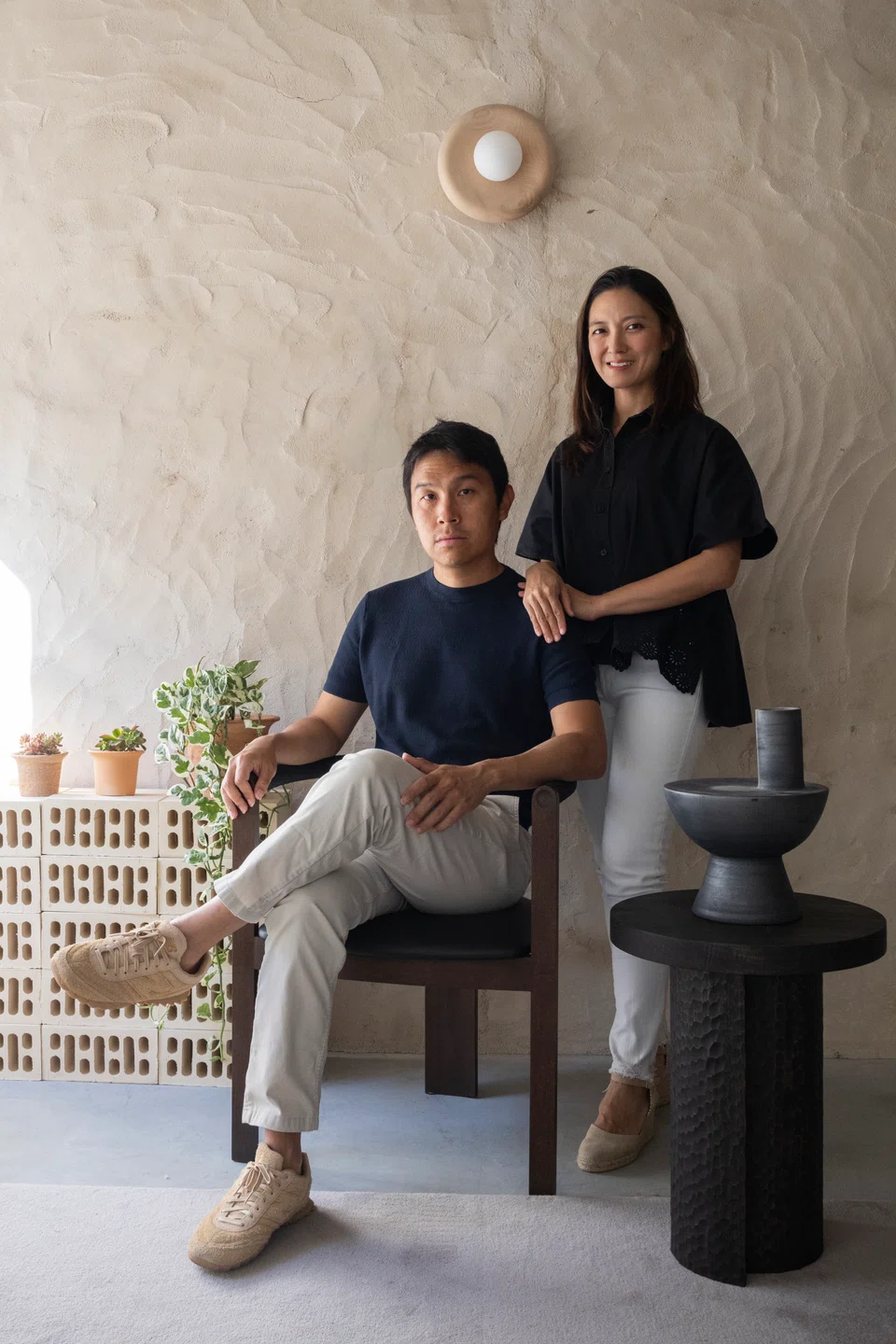
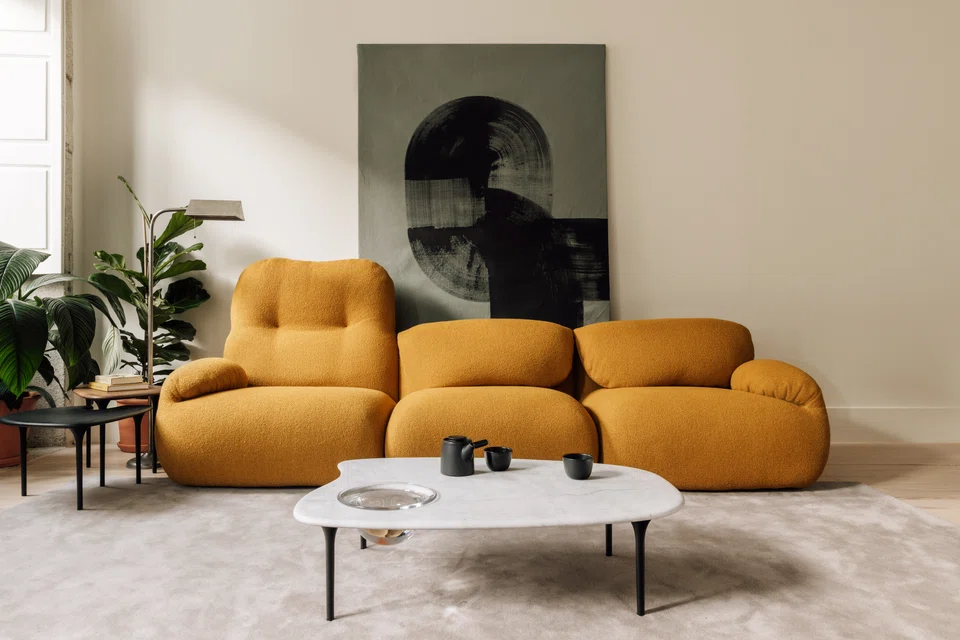
Outofstock did succeed, and Tan followed his true calling. Last year, at 40, he became the youngest to design for luxury furniture producer B&B Italia. Later the same year, Herman Miller launched his Luva modular sofa and Cyclade tables, available here at Xtra.
Uprooting, in-laws and all
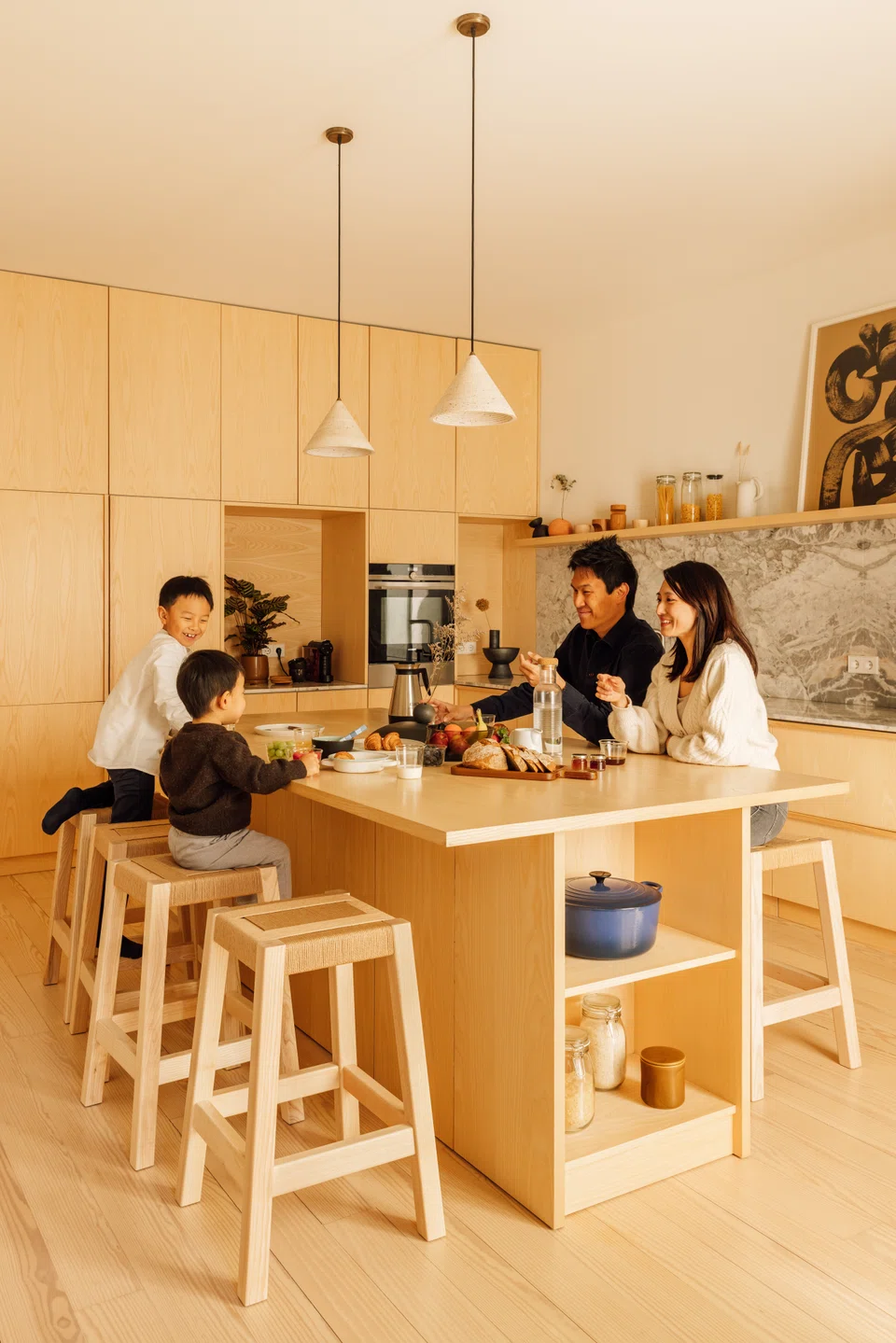
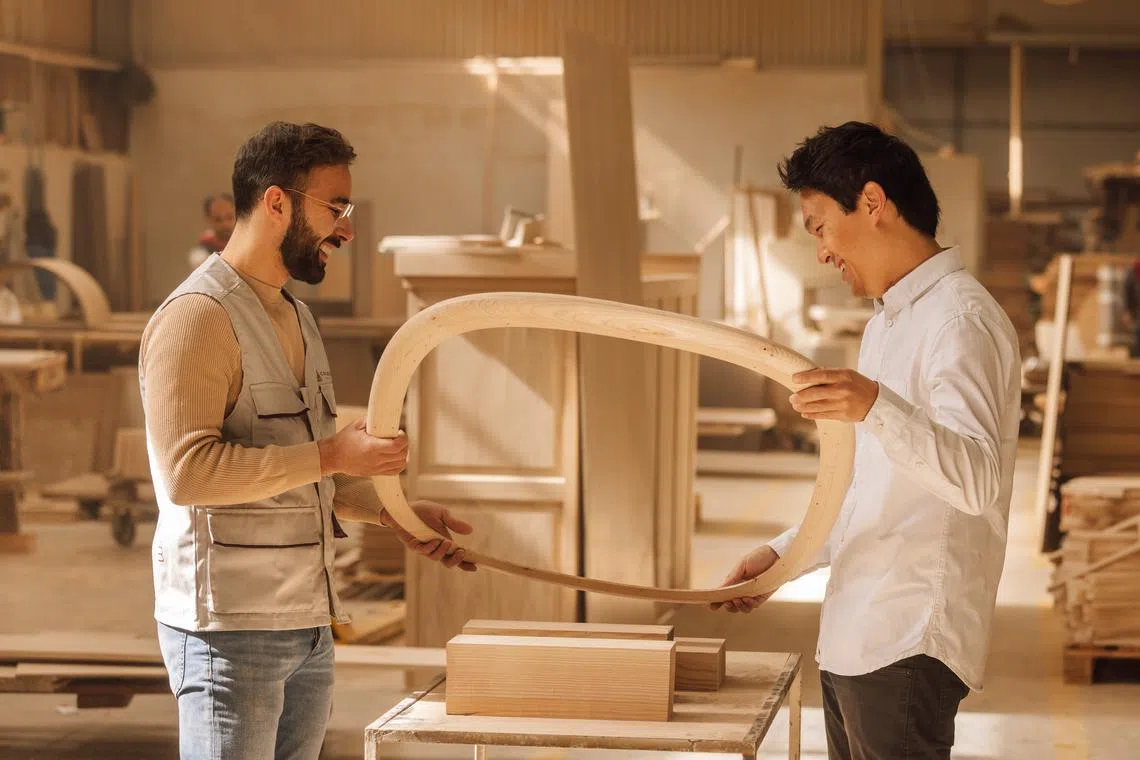
It is quite the achievement to design for top furniture names, alongside luminaries ranging from George Nelson, Charles and Ray Eames and Isamu Noguchi to Antonio Citterio, Patricia Urquiola and Philippe Starck. But getting to where Tan is took more than passion, talent, persistence and hard work. He created chances for himself, relocating his family – in-laws included – to Portugal during the pandemic in July 2020.
“For a furniture designer, Europe is the place where everything happens,” says Tan, who founded Gabriel Tan Studio in 2016. “You have the German furniture industry, the Italians, Portuguese, Scandinavians. Everybody there uses external designers, crediting and promoting them.”
In contrast, Singapore’s furniture industry is “very much outsourced” to the region, and mostly mid-market.

Besides, although life in Singapore was nice and “very comfortable financially” – thanks to his wife, Cherie, holding a successful banking job – the couple’s long working hours meant they were missing out on their first child’s growing up years.
They decided to move to Portugal for its flourishing furniture and craft industry and easy connection to other major European cities. Their second son was also born in the country.
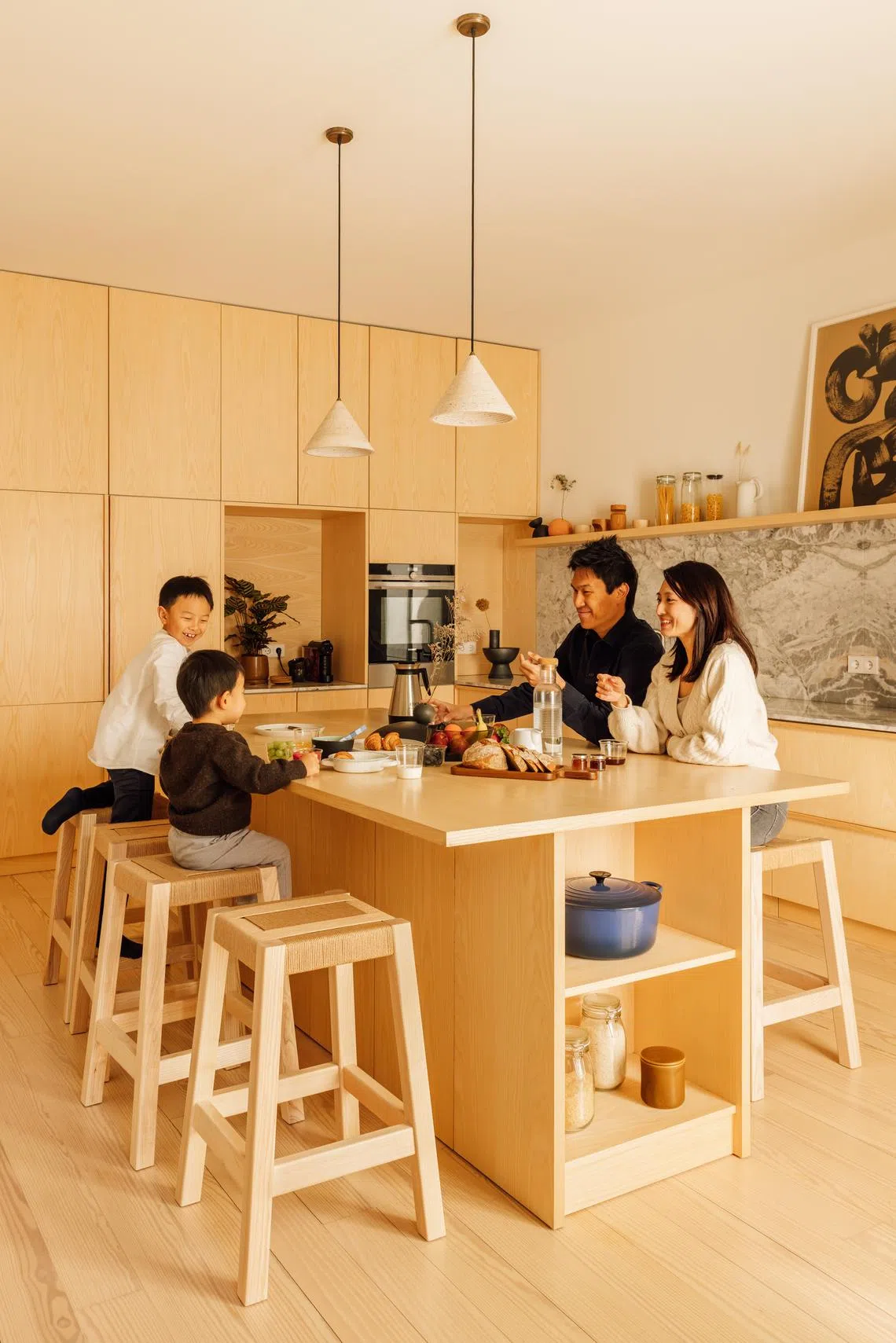
Home is a townhouse they bought in a central but quiet part of the coastal city of Porto, at the top of a slope that leads to the river. On the ground floor is a showroom and an office, while the family lives on the three floors above.

Being there, doing that
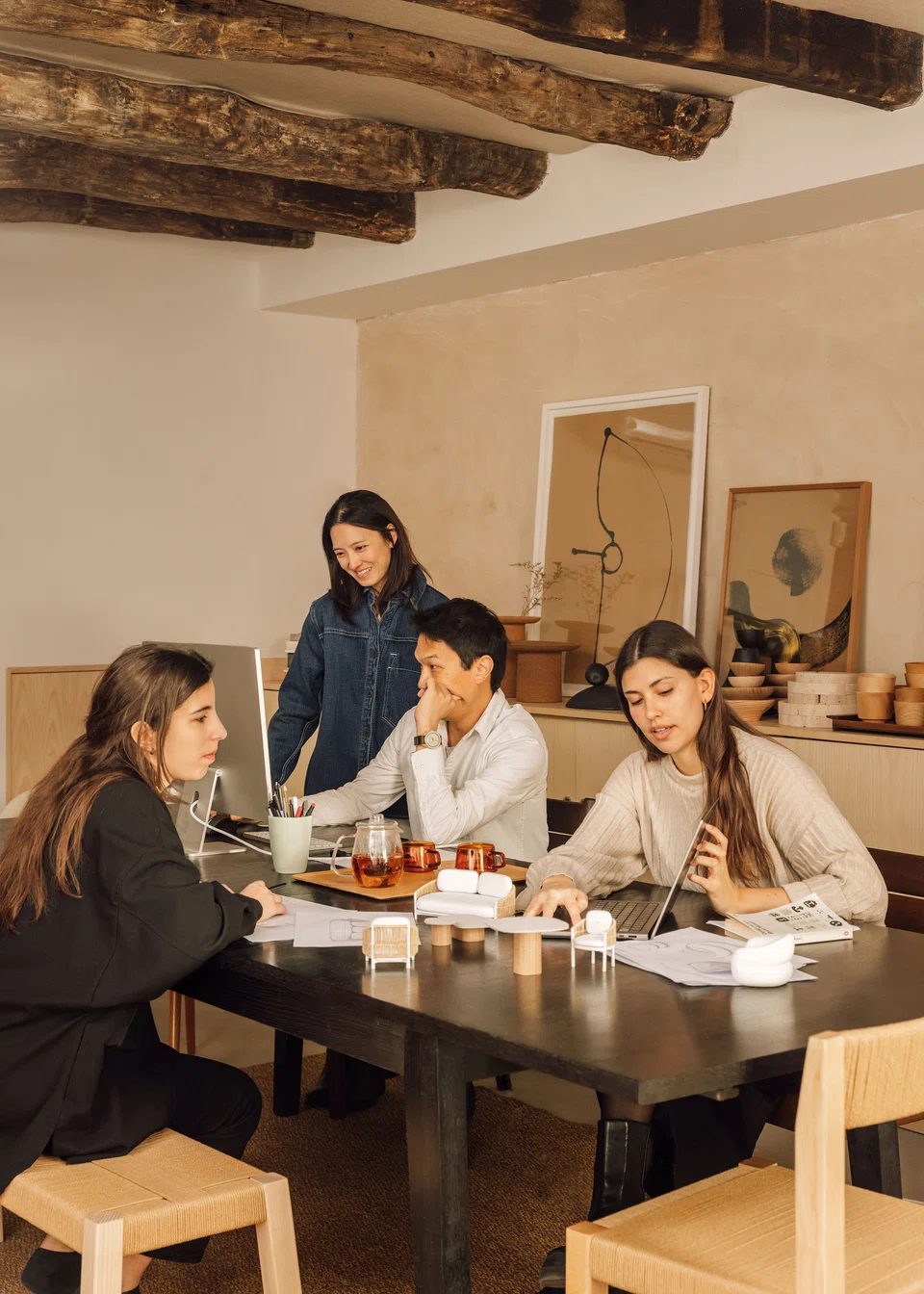
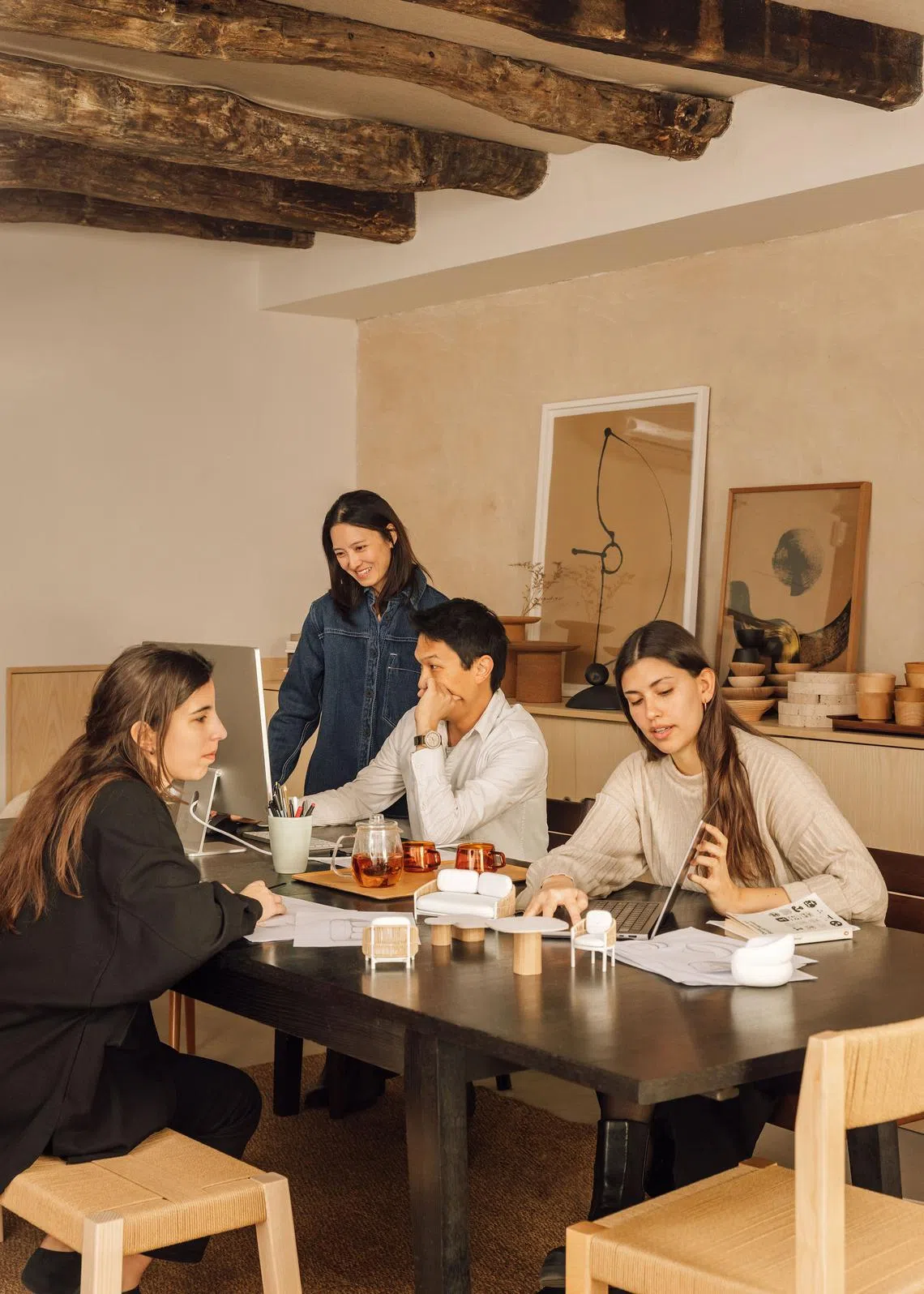
In Porto, Tan and wife founded Origin Made, which creates artisanal objects and furniture in collaboration with small-scale Portuguese producers. These are sold at leading design stores worldwide, such as Herman Miller and The Noguchi Museum shop in New York.
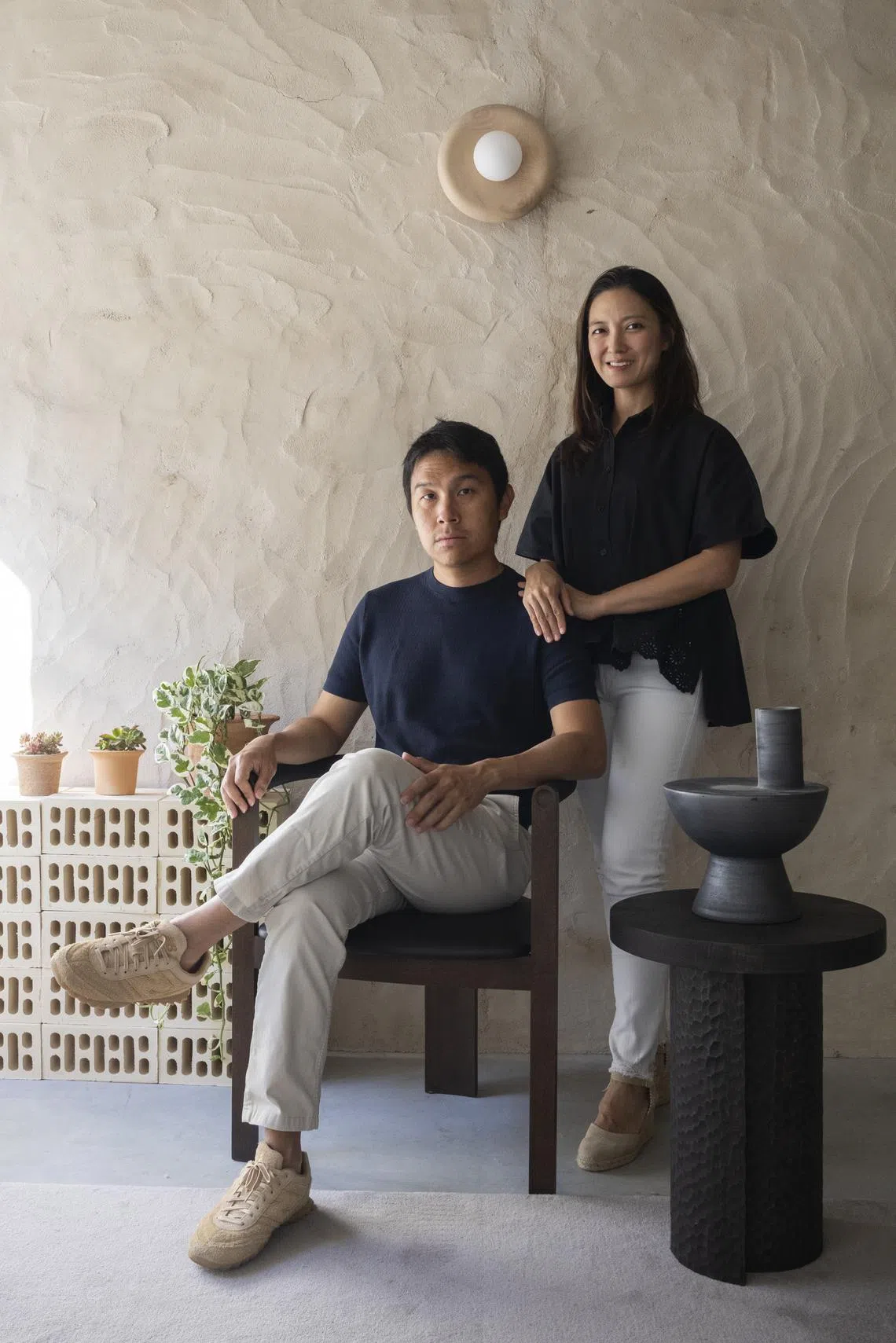
Tan is also creative director of Japanese furniture brand Ariake and has been designing for contemporary brand Design Within Reach and Denmark’s Audo Copenhagen. He still maintains his studio in Singapore, which focuses on interior design.
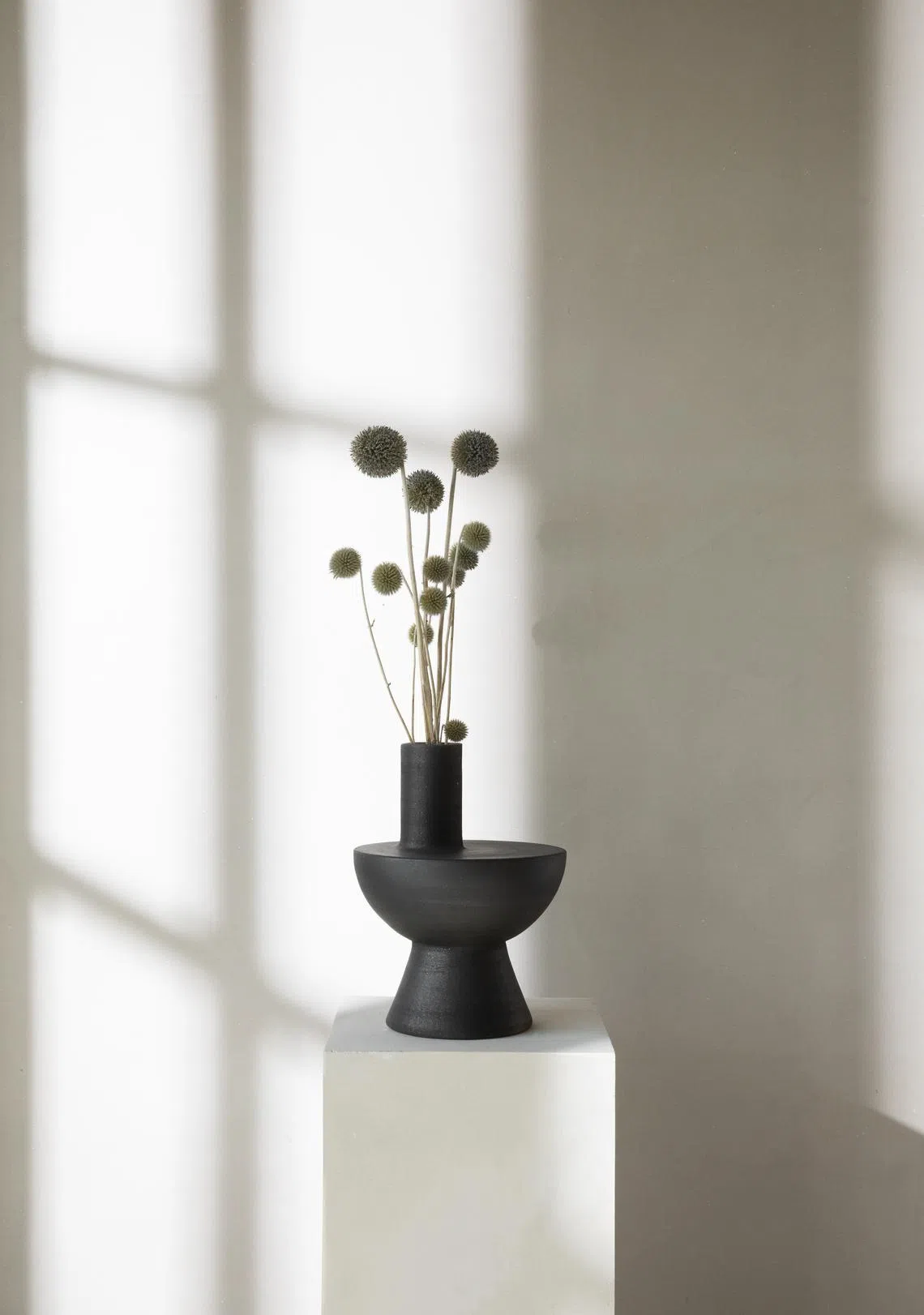
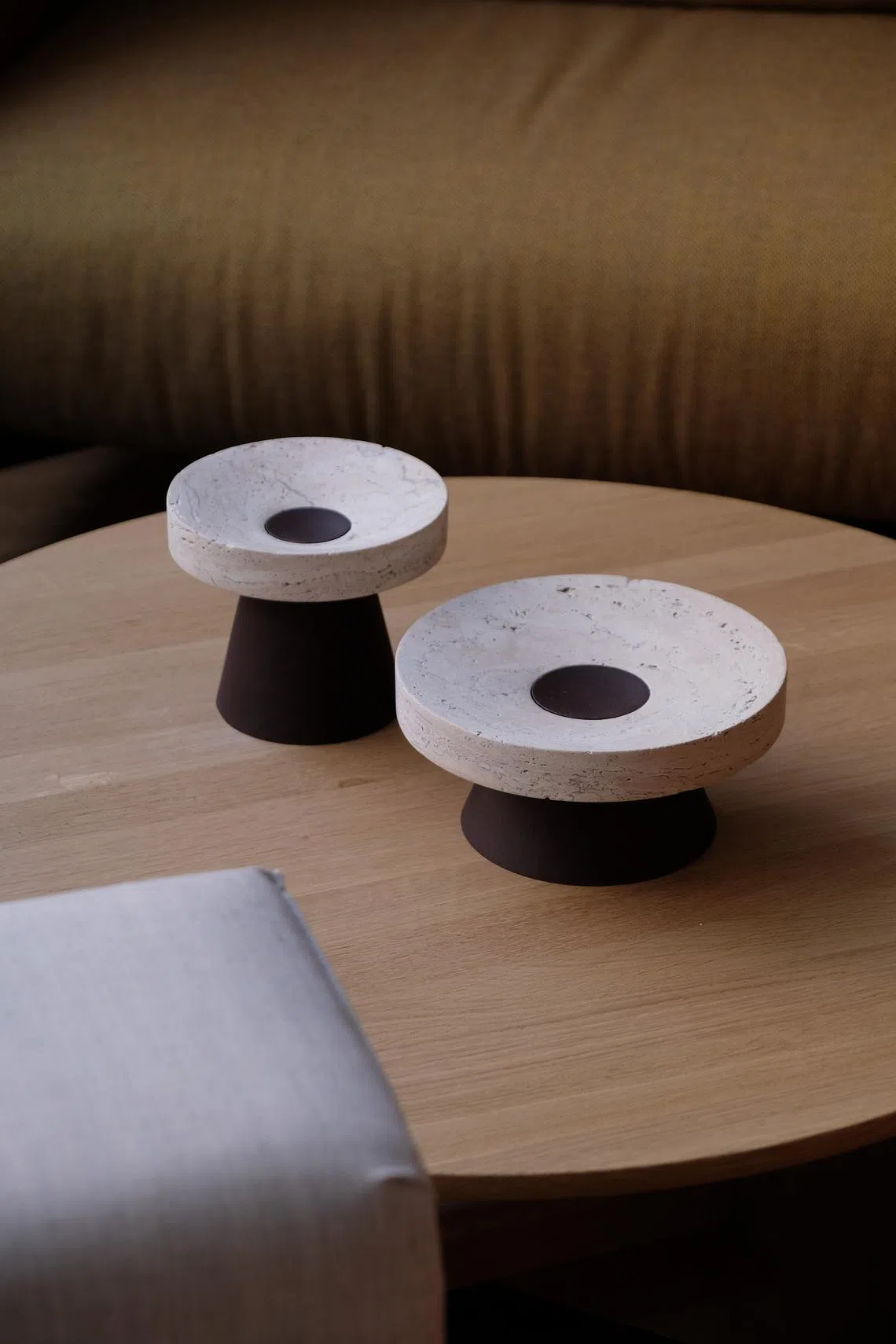
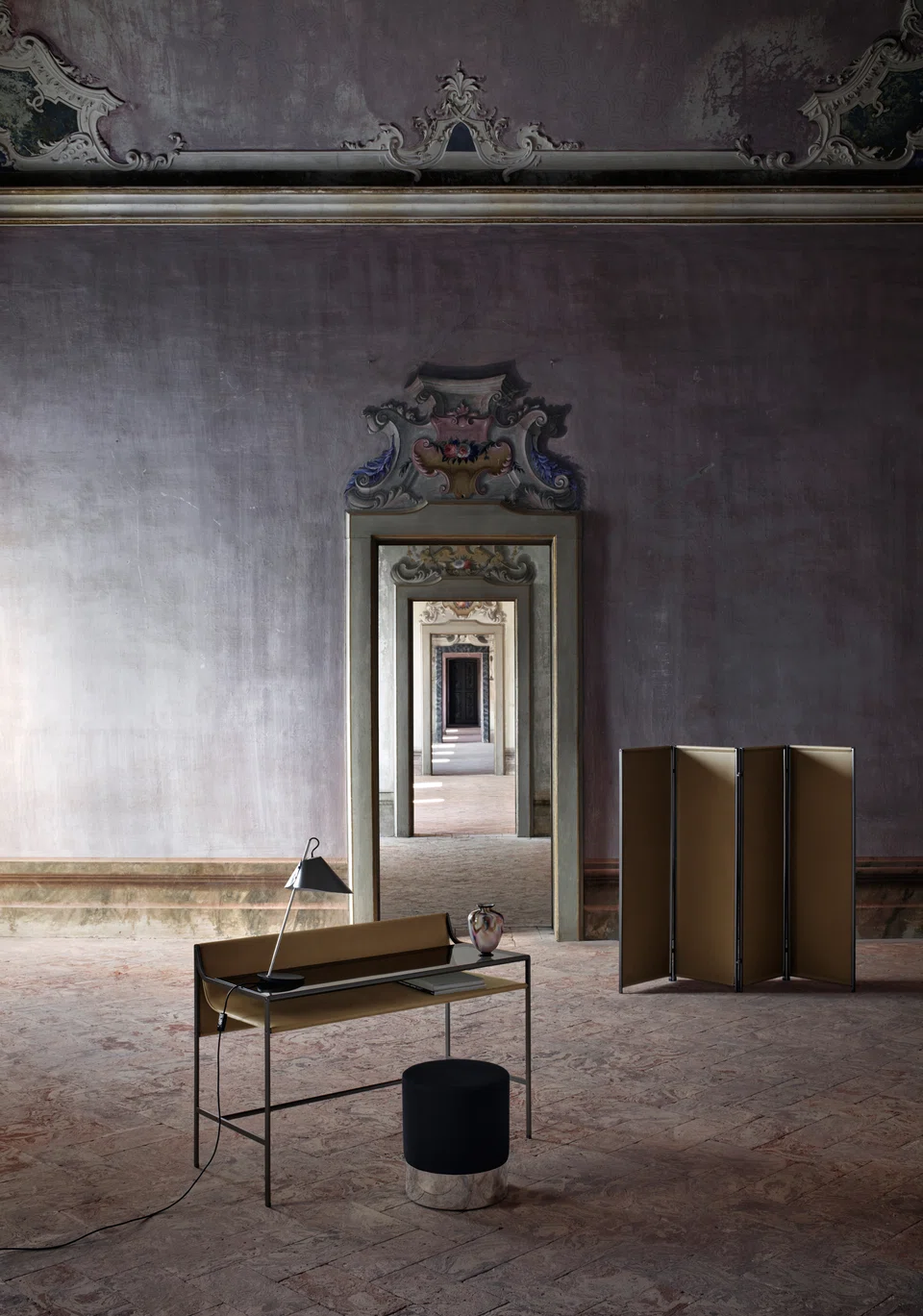
His first break with B&B Italia came just before the pandemic, when he was introduced to them. They were “very non-committal”, but Tan persisted, meeting them a few more times when he was in Italy. He was finally given a verbal brief – to design a few pieces of furniture to go with the bed, such as a bench, desk, bedside table and “maybe a folding screen”.
Tan got cracking and sent his final designs. A few months later, he was unexpectedly asked to visit B&B Italia’s factory. And lo and behold, prototypes of his designs were there. They eventually became the Quiet Lines bedroom collection that features clean silhouettes and curved, padded leather surfaces.
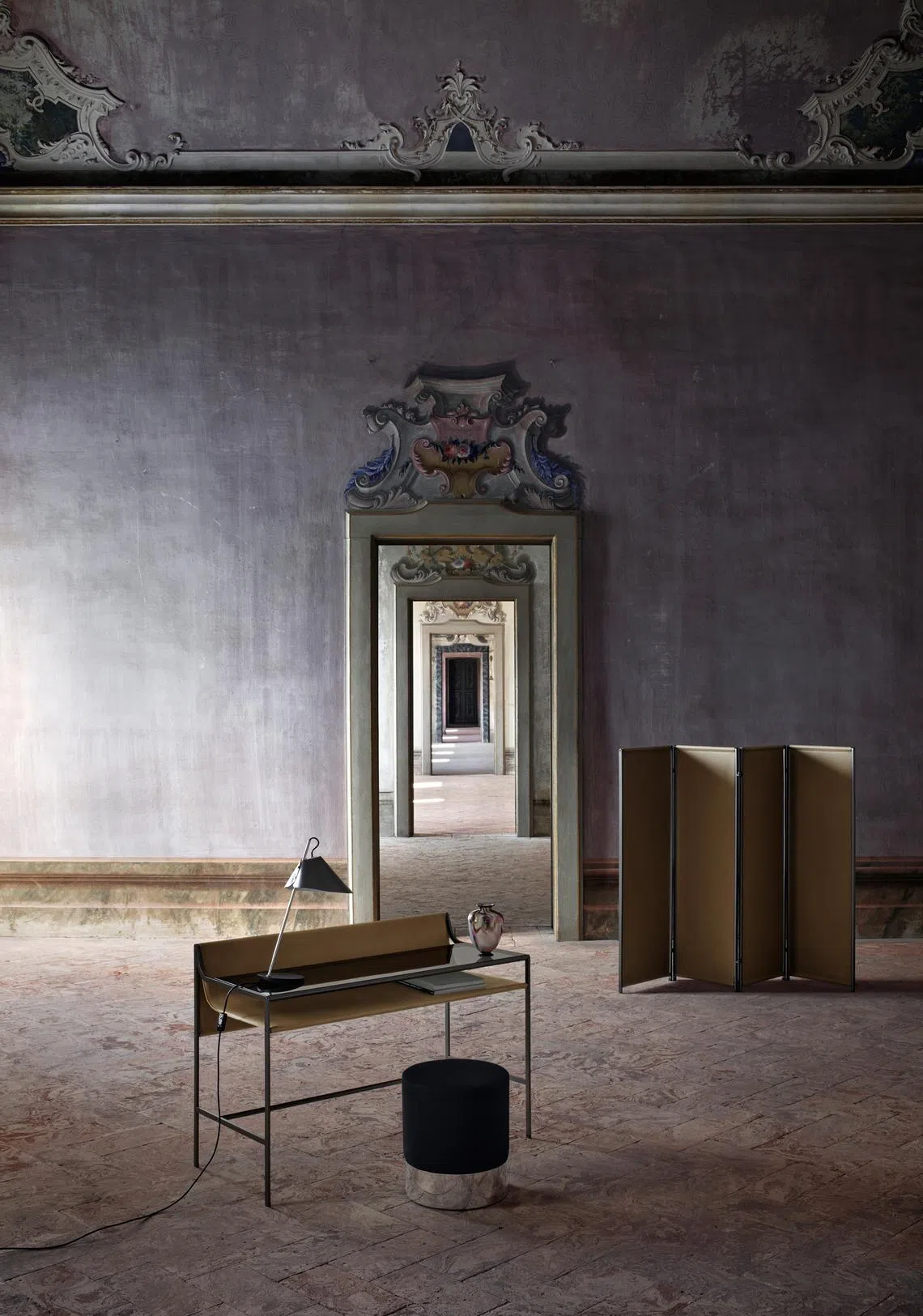
“I didn’t send any 3D files or technical drawings,” marvels Tan. “But they could produce samples by just looking at my renders because they have the in-house capability.”
Comfortable challenge
With Herman Miller, it started with Tan wanting to challenge himself during the pandemic with something he’d never done before. “For most brands, the sofa is the main part of the collection, so they only give it to the more established designers,” he says. “I wanted to be there.”
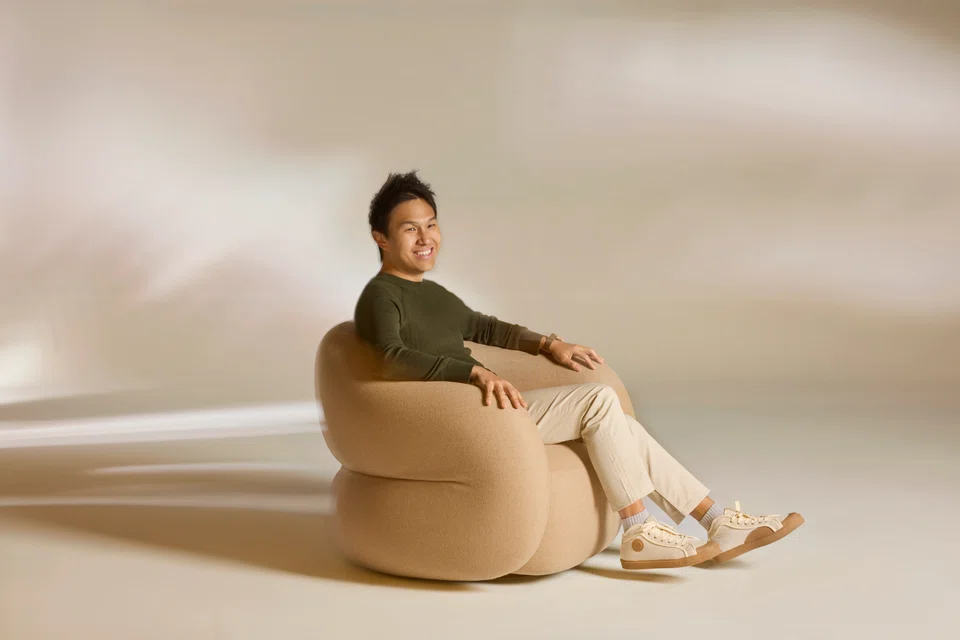
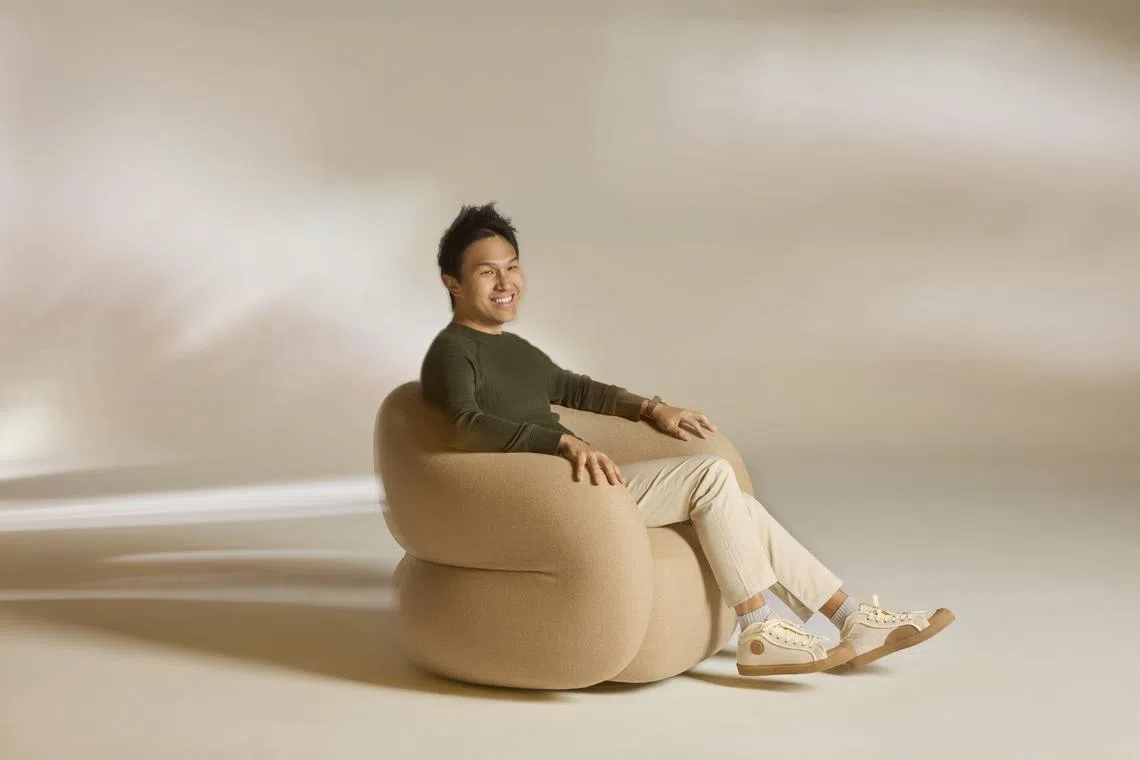
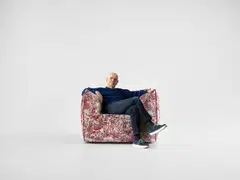
So he set about designing “the most comfortable sofa ever”, inspired by a boxing glove and a Japanese futon. He made it modular and softened the shape, making it “malleable, marshmallow-like”. Available in several configurations, from an armchair to a sofa, Luva (Portuguese for “glove”) can expand into an open back, allowing a relaxed lounge posture. But as a closed “fist”, it becomes a more supported seat.
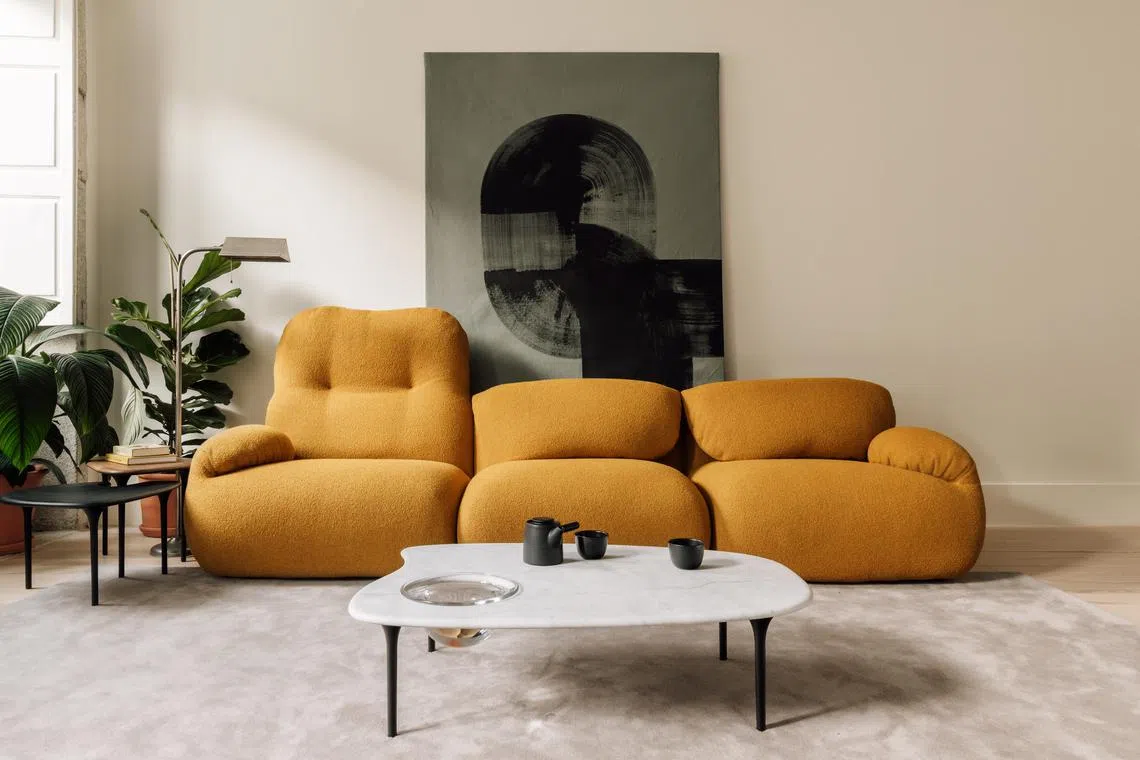
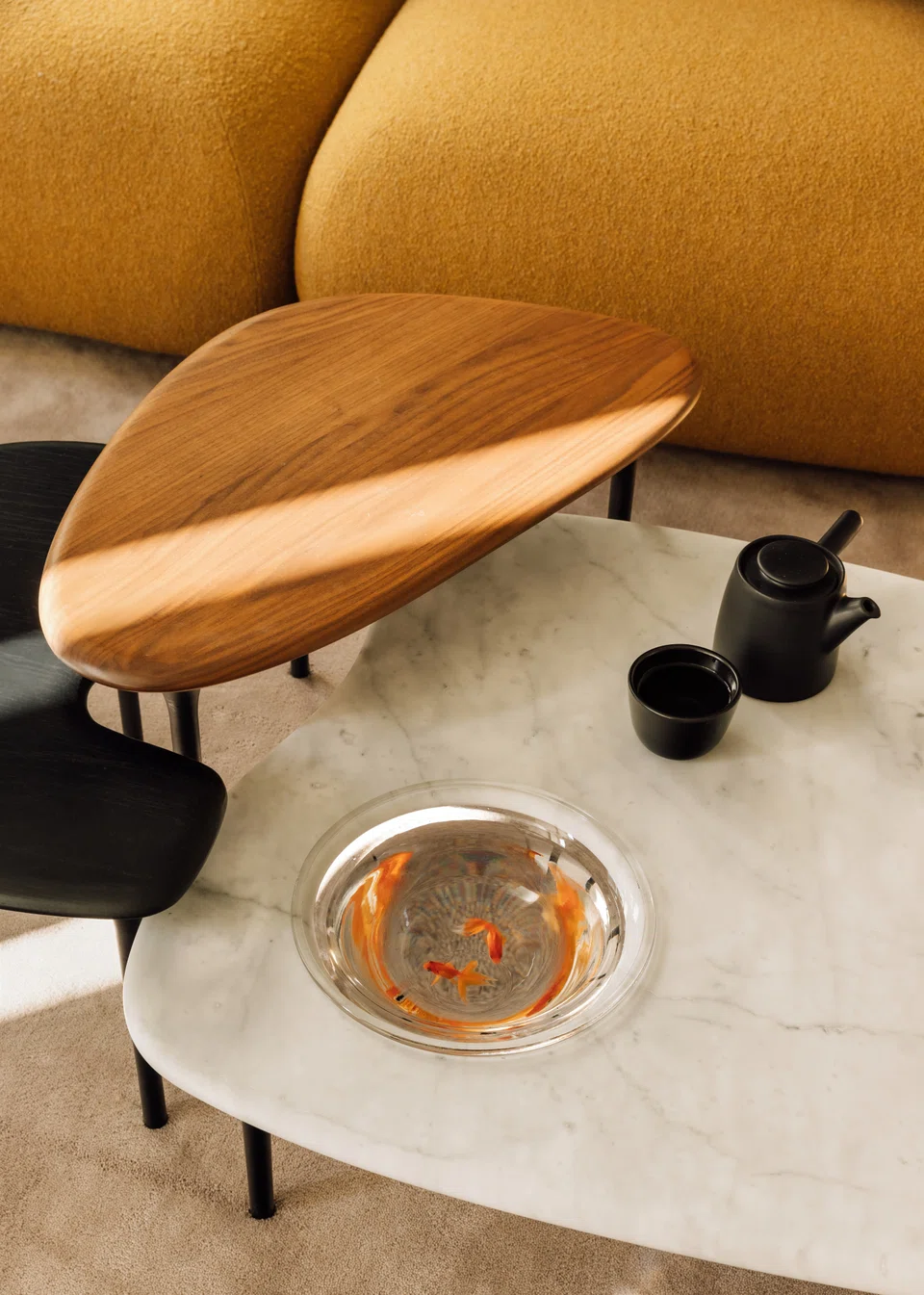
As it turned out, Herman Miller was looking to develop a new sofa when he proposed the design to them. They also liked his renderings for the Cyclade tables, which they felt complemented the new sofa well.
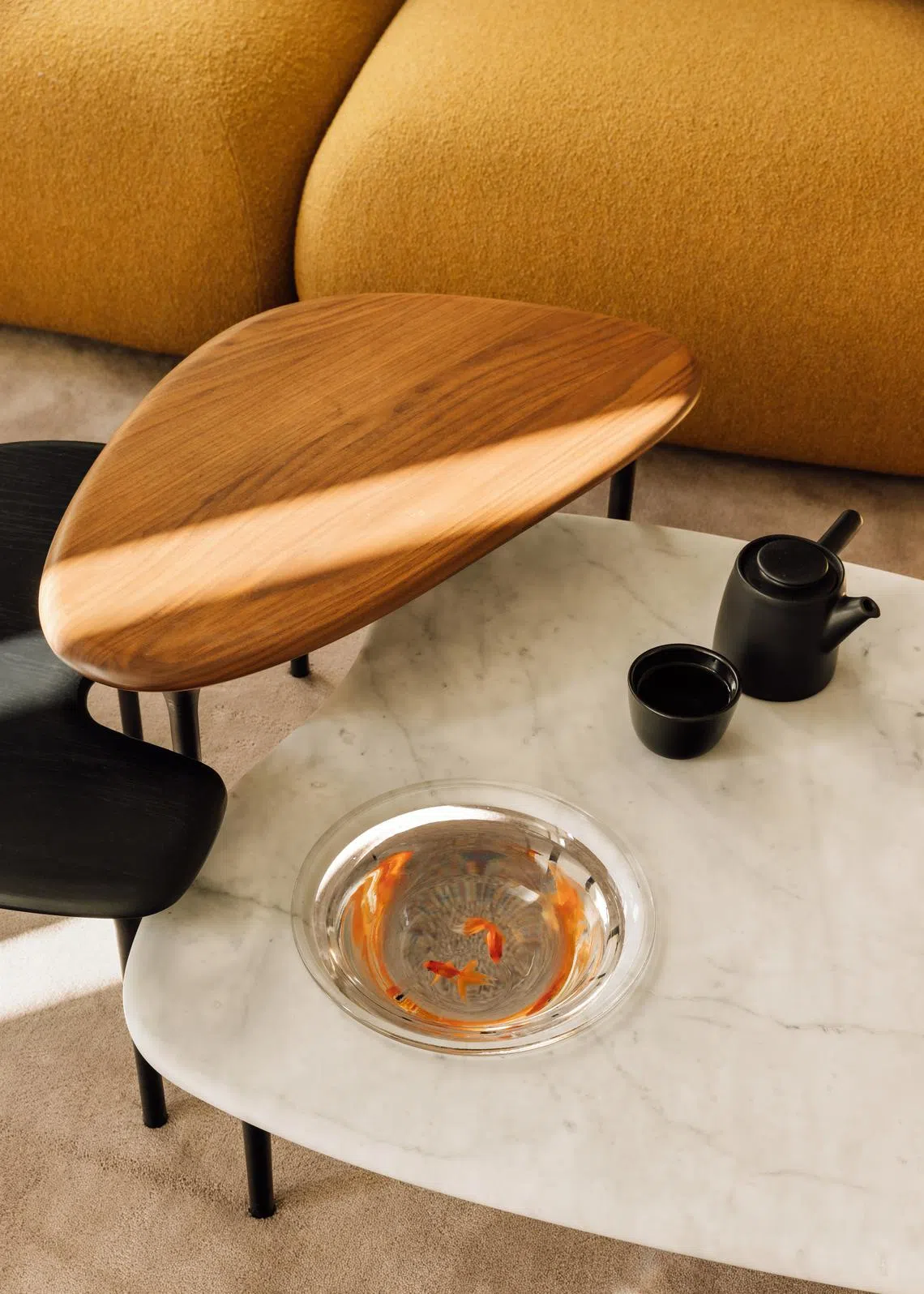
“The tables are very organic, sculptural pieces and they’re all about interaction with these notches and holes that you can overlap,” says Tan. The three tables emulate the form of Pangea, with islands coming together and flowing apart seamlessly.
Dream (still to) come true
Coming soon is another project with B&B Italia – an extension of the Quiet Lines collection to coffee and console tables. Also in the works is an outdoor collection for the brand.
In addition, he’s developing lighting designs for a leading Danish company, as well as a sofa for a top German brand.
Designing for the big names has been a dream come true for Tan. But there is yet a bigger dream for him – re-conceptualising the entire flight experience for national carrier Singapore Airlines (SIA).
He feels the airline industry hasn’t evolved for decades, and there are many things that can be improved.
“In my profession, you’d want to touch as many lives as possible through your designs,” says Tan. “SIA is the leader in the aviation field. If they do something new or disruptive, other airlines will follow. So with a project like that, you can really change the industry and how people travel.”
Decoding Asia newsletter: your guide to navigating Asia in a new global order. Sign up here to get Decoding Asia newsletter. Delivered to your inbox. Free.
Copyright SPH Media. All rights reserved.
TRENDING NOW

Good Class Bungalow market activity picks up pace on ‘realistic’ pricing
Indonesia imposes US$116 million in fines over manipulation of Sinar Mas, Prajogo-linked stocks

Singapore identifies 7 firms responsible for haze fires, notices issued urging action: Grace Fu

Once staunchly pro-China, Malaysian Chinese businesses are now distancing themselves from Beijing

