

Hollywood talent manager sees rising demand for Asian actors
Following Oscar triumphs, industry veteran Andrew Ooi says more projects now offer plum roles for Asians

Helmi Yusof

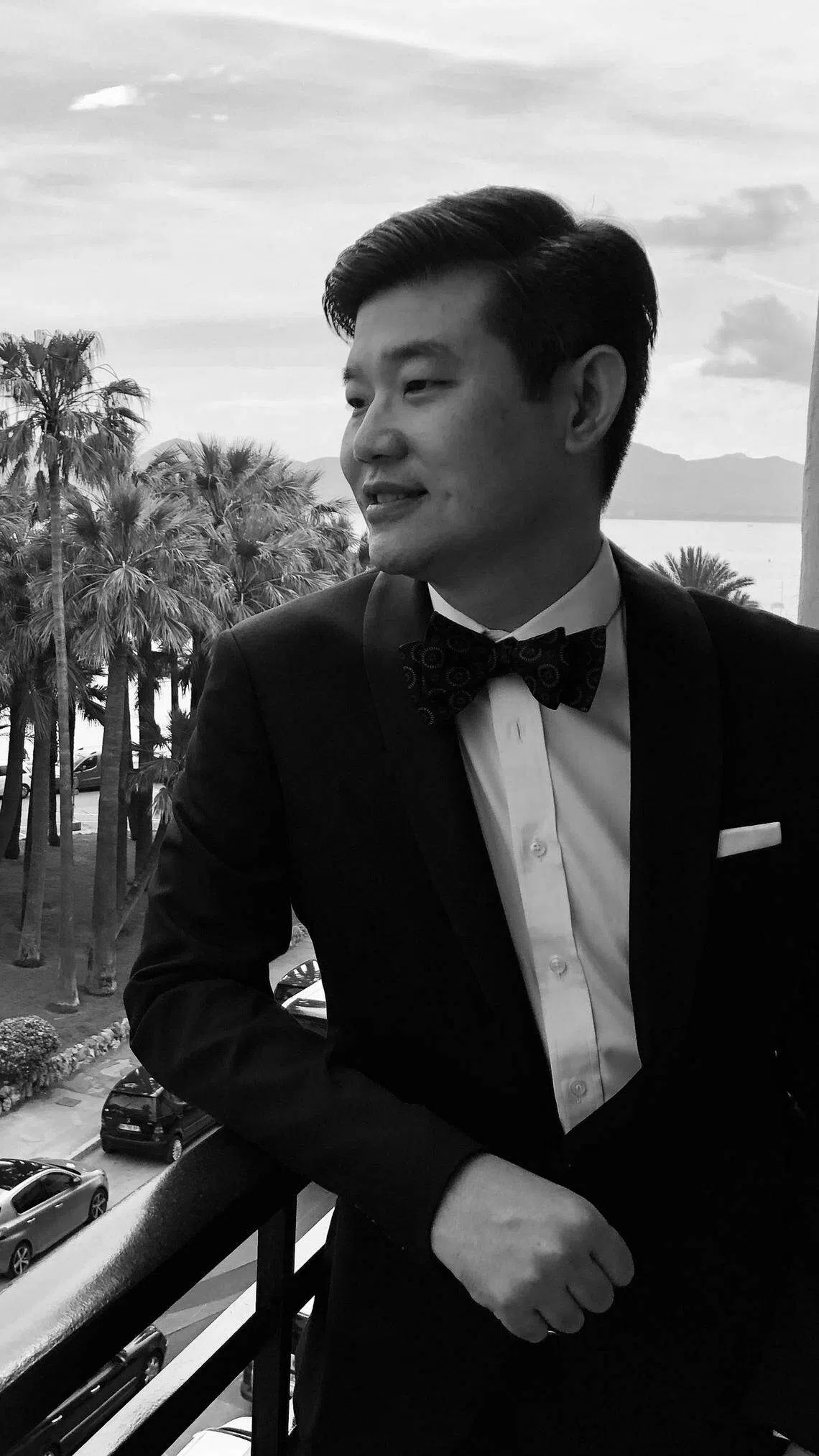
FOR 29 years, Hollywood talent manager Andrew Ooi believed there would come a time when Asian actors would no longer have to play bit parts in Hollywood productions. “That time is now,” he says in a Zoom interview with The Business Times.
The Oscar success of the Michelle Yeoh-led movie Everything Everywhere All At Once (2022) featuring a predominantly Asian cast, along with other Asian-led films such as Minari (2020) and Parasite (2019), has led to a shift in opportunities for Asian actors. They are now being considered for plum roles rather than being confined to playing stereotypical, nameless characters.
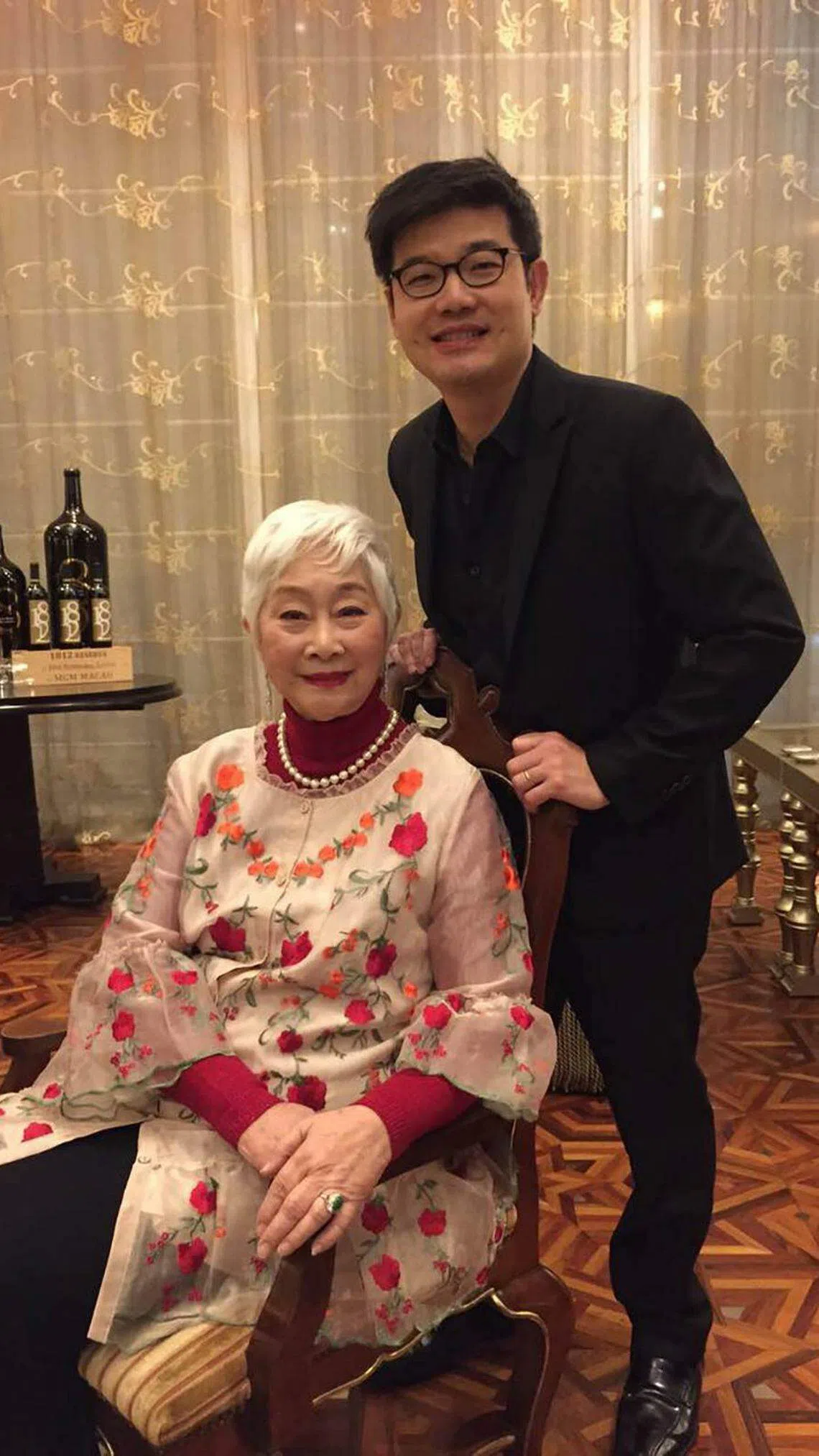
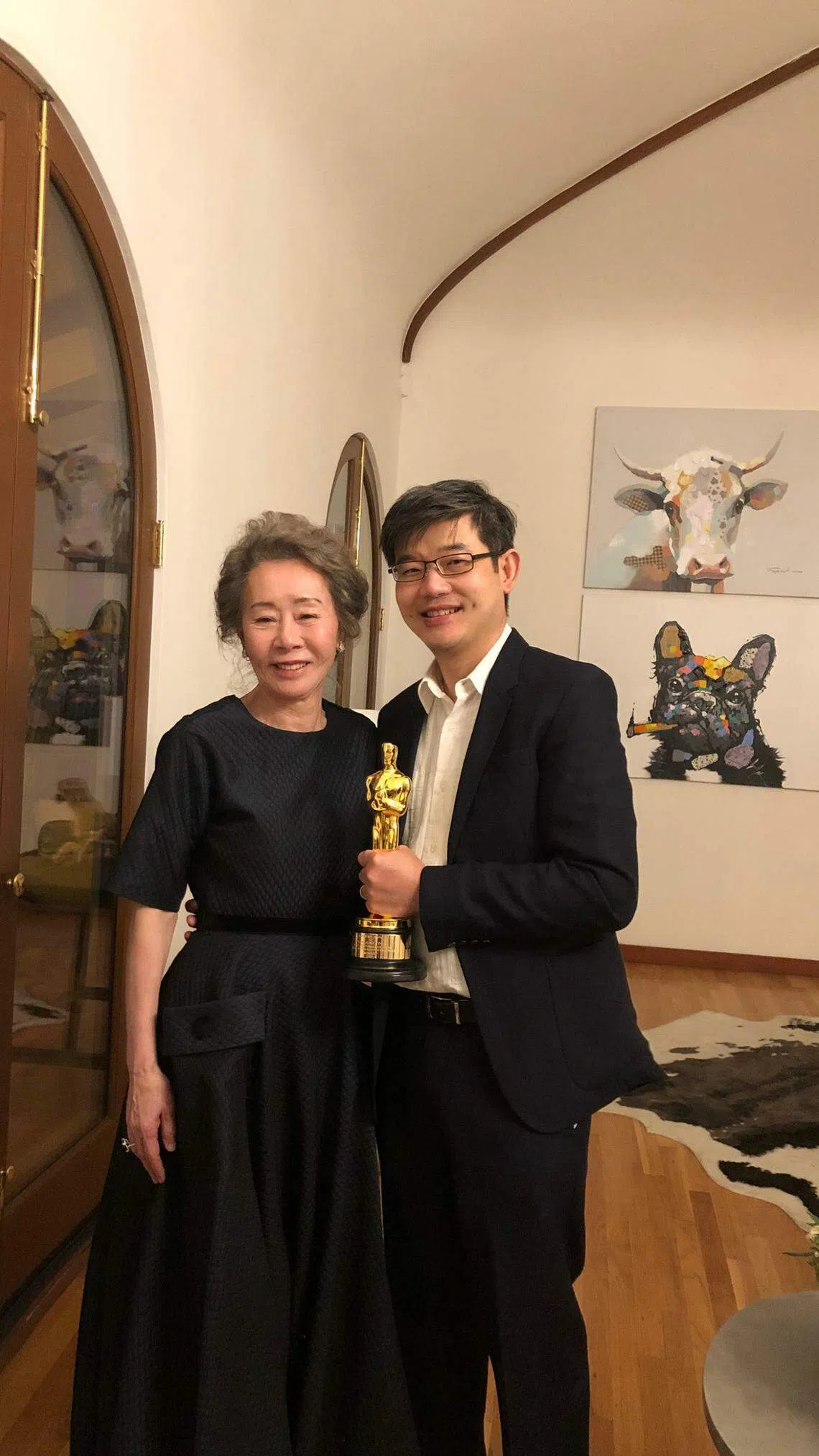
As CEO and president of Echelon Talent Management, a Vancouver-based agency, Singapore-born Ooi represents numerous Asian actors including Chin Han (The Dark Knight), Yeo Yann Yann (American Born Chinese), Celina Jade (Wolf Warrior 2), Osric Chau (Supernatural), and Lisa Lu Yan (Crazy Rich Asians). Among his clients is 76-year-old Youn Yuh-jung, who won the Oscar for Best Supporting Actress for her role in Minari in 2021 – an unforgettable moment for Ooi.
He says: “I’m seeing more projects out there for Asian actors. And they’re not just in ‘traditional’ roles like ‘waitresses’ or ‘medical examiners’. They’re much more diverse now for much more diverse projects, across everything from TV shows to voiceover work.”
He observes that in the last few years, there has been a big push among Asian Americans in the film and TV industry to look for financing and collaboration outside of Hollywood, such as in Silicon Valley, where there is a significant percentage of successful Asians.
“When they were debuting Crazy Rich Asians, for instance, the producers approached the people they knew in Silicon Valley to buy up entire screenings to show their support for the Asian community. And it worked in creating buzz and confidence. Asian Americans have the highest disposable income among all ethnic groups in the US, so they do have some spending clout.

“At the same time, the global popularity of South Korean entertainment, from K-pop bands to TV shows like Squid Game, has contributed to a movement that supports the rise of Asian projects… Asians are becoming part of the Hollywood conversation.”
Ooi notes that the entertainment market has become more global, with audiences consuming entertainment from across the world. “They want a great story first and foremost, and they really don’t care where the story is coming from, and in what language.”
Reflecting on his start in the industry in 1990, Ooi admits: ‘I was too idealistic then – I thought that the demand for Asian actors would increase in under a decade. But it took much longer for that to happen. But I’m glad to see it finally coming to fruition.’


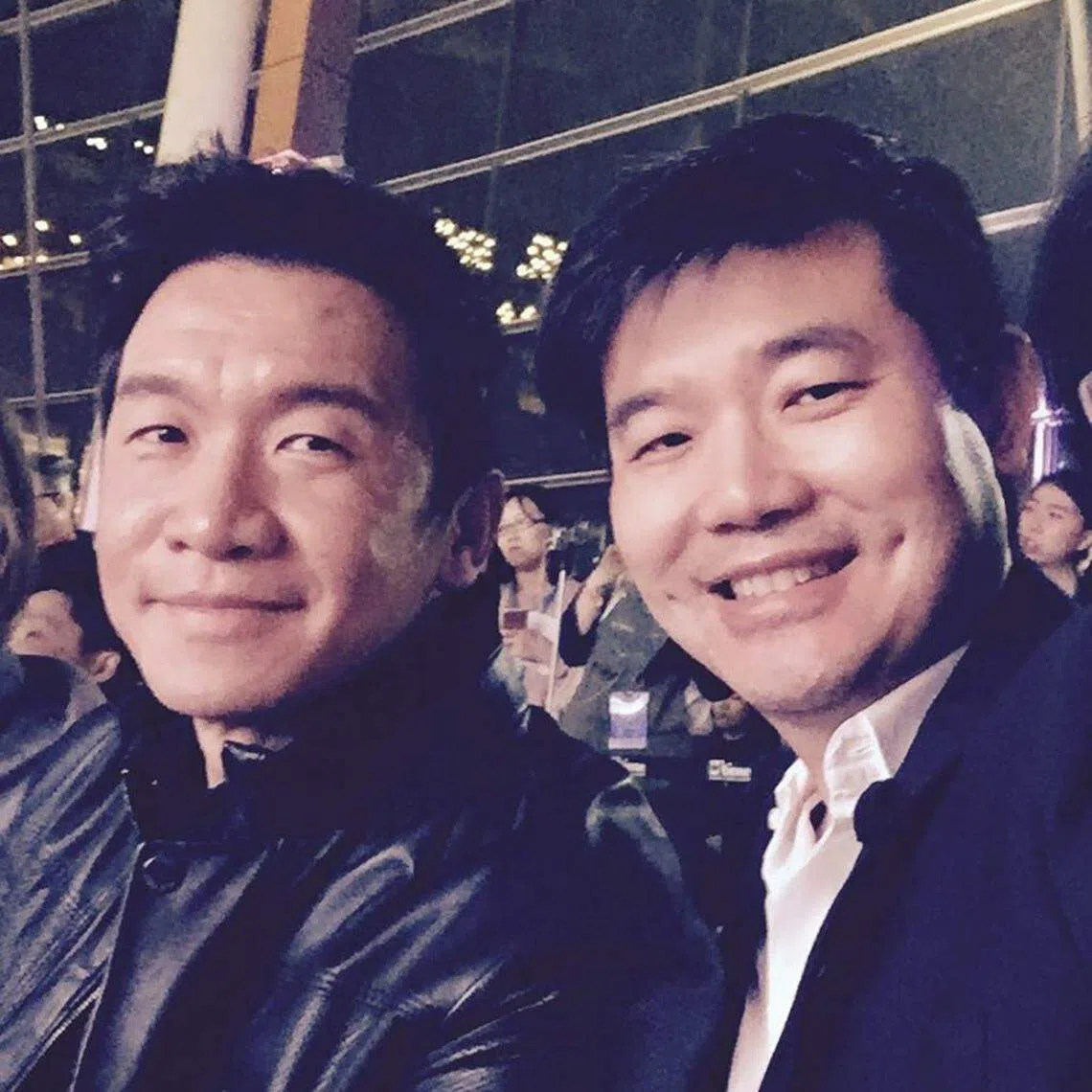
Despite these positive developments, Ooi remains cautious about expanding his roster of actors and signing new talent. Currently, Echelon has about 30 actors under its management.
He adds: “For me, management is very specific: I need to know my clients very well because they’re like my family members. It takes me a long time to find the client whom I get along with and want to work with every day. Because of that, I don’t sign on new clients frequently – maybe on average one a year.”
For instance, Ooi has been working with the actress Lu since her 70s; she is now 96 years old. She still wants to work and Ooi actively seeks out projects for her. He values talent above all else, asserting that “looks are temporary, whereas talent sustains a career over several decades”. Lu’s latest TV project is Career Opportunities In Murder & Mayhem for Hulu, which is set to debut later this year.
Ooi acknowledges the ebb and flow of Hollywood trends, saying: “We don’t know how long this embrace of Asian talent will last. What we do know, however, is that it’s become increasingly expensive to produce film and TV shows in Hollywood – whereas quality shows can be produced in Asia usually for a fraction of those budgets. So it is time for us to solidify our position.
“What I hope is that Asian filmmakers learn to produce content that has more global appeal, so that it doesn’t matter whether the production is Thai, Vietnamese, Filipino or Chinese. If the story is unique and the production values are strong, that show will be watched, enjoyed and awarded prizes across the world. We must get the world to discover more Asian content. It’s our time.”
Decoding Asia newsletter: your guide to navigating Asia in a new global order. Sign up here to get Decoding Asia newsletter. Delivered to your inbox. Free.
Copyright SPH Media. All rights reserved.
TRENDING NOW

From AI financing to Indonesia outlook: 4 takeaways from Singapore banks’ Q3 results
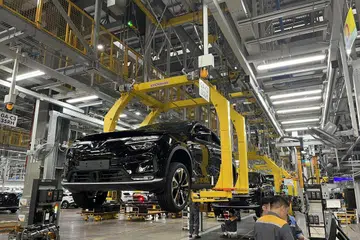
VinFast, Mitsubishi weigh Philippine EV production as state incentives near

Analysts cut DBS target price on lower 2027 earnings, but see buying opportunity after share price slide

Could Japan trigger the next global financial crisis?

