

Hong Kong affirms pole position as art market hub with sizzling sales figures
Despite the pandemic, the city didn’t stand still, and has now emerged stronger

Helmi Yusof
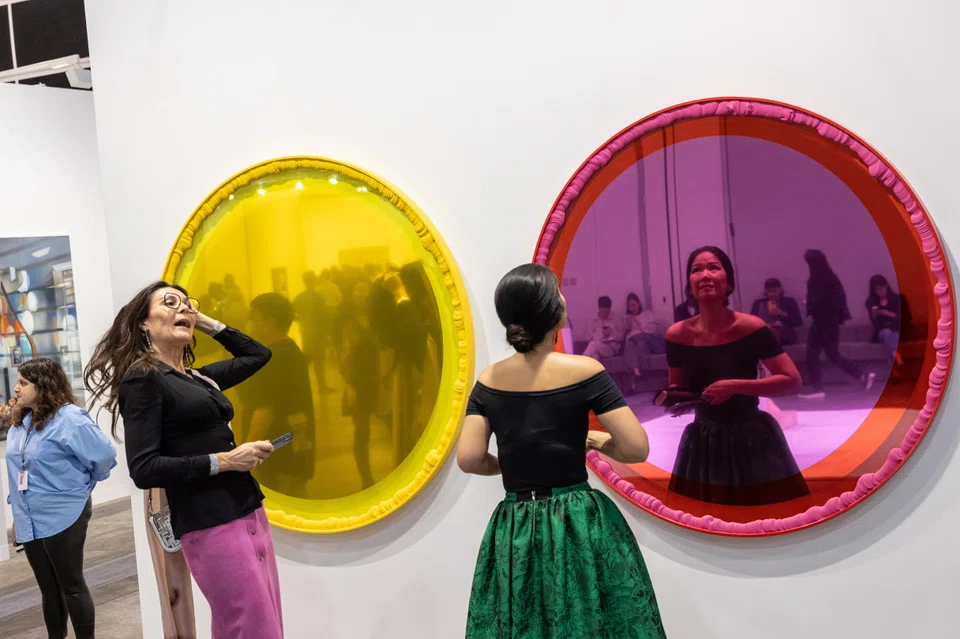
BY most accounts, Hong Kong’s great reversal of fortune is proceeding quickly. The city underwent three tough years of outflows of talent, capital and businesses. But the impressive numbers at the ongoing art fair Art Basel Hong Kong (ABHK) – along with a host of other events and exhibitions – offer proof that the city is roaring back to life.
At ABHK, there were several million-dollar transactions on the first day – Ota Fine Arts sold a Yayoi Kusama dotted pumpkin sculpture for US$3.5 million; Hauser & Wirth gallery sold a Mark Bradford canvas, also for US$3.5 million, to an Asian collection; and David Zwirner sold an Elizabeth Peyton portrait of film-maker Francois Truffaut for US$2.2 million to an unnamed “major Asian museum”.
Thaddaeus Ropac closed a 1.4 million euro (S$2.02 million) deal for a Georg Baselitz canvas. Lee Ufan abstracts priced in the six and seven figures found new homes in different continents. A few hours after the fair doors opened, David Kordansky Gallery sold out its entire booth of Adam Pendleton artworks worth over US$1 million to “prominent collectors in Asia”.
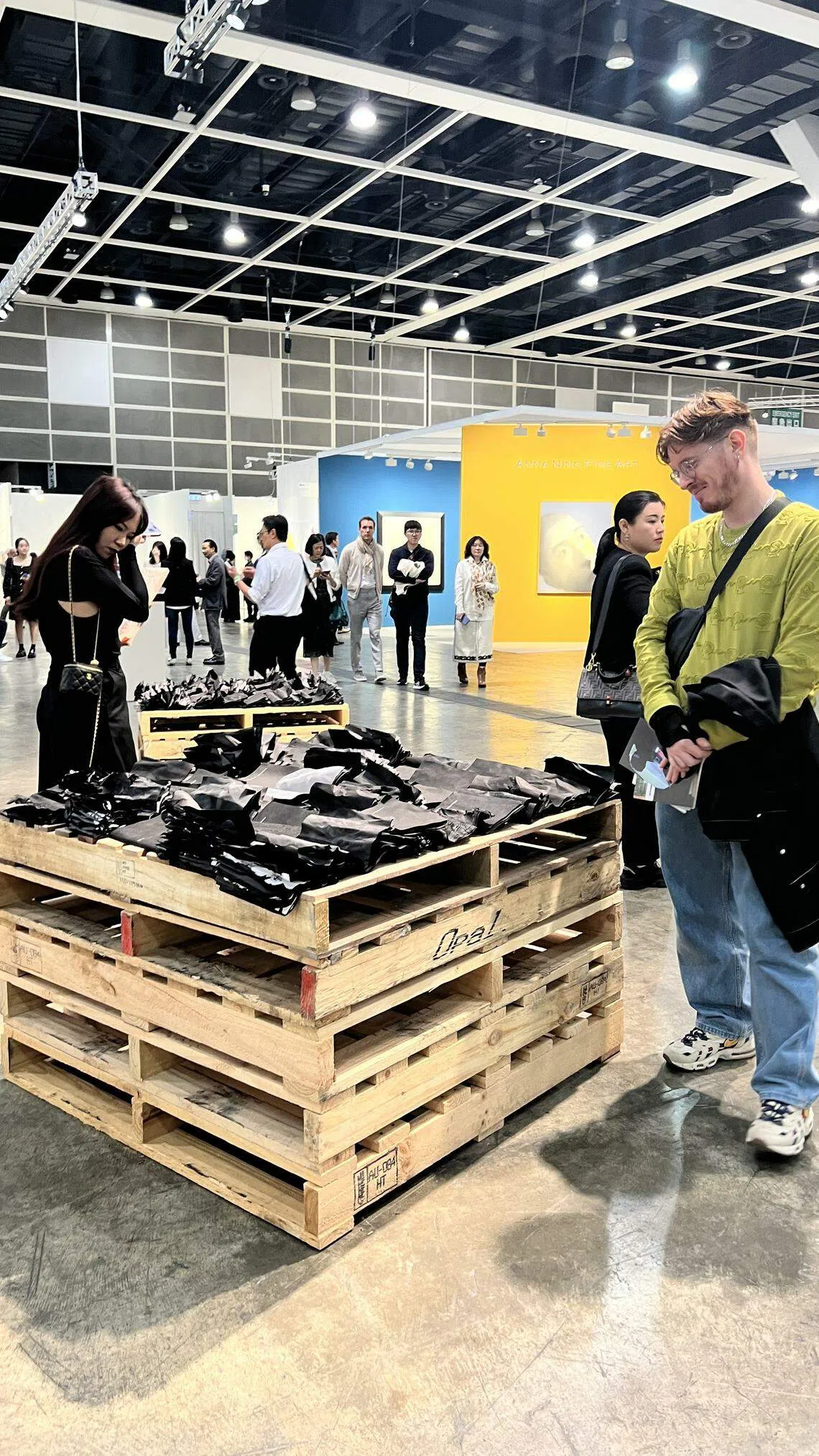
ABHK 2023, which runs till Mar 25, may be significantly smaller than its pre-pandemic editions – just 177 galleries compared to 2019’s 242 – but it’s punching way above its weight. Nick Simunovic, senior director of the mega-gallery Gagosian in Hong Kong, said there was a “great turnout from the Chinese mainland, and also from the newer art capitals across Asia: Singapore, Taipei and Seoul… Hong Kong clearly remains one of the most active and important centres of the art world”.
HK still prevails
Art SG debuted in Singapore to much fanfare in January with 164 galleries, a number that makes it the second biggest fair in Asia after ABHK. Frieze Seoul, another much talked-about new fair, opened in Seoul last September with 118 galleries.
Yet, for all the speculation that Singapore and Seoul are stealing the thunder from Hong Kong as Asia’s leading art market, it seems unlikely that Hong Kong will be unseated from its pole position. The transactions at Art SG hovered around the five- and six-figures, with very few sales in the millions. When ABHK closes this weekend, its final tally will be several times that of Art SG.
A recently published joint survey by UBS and Art Basel on the global art market found that Hong Kong has experienced a jump in market share in both imports and exports of artworks. It now has the second-largest share after the US, with exports up by 95 per cent in 2022.
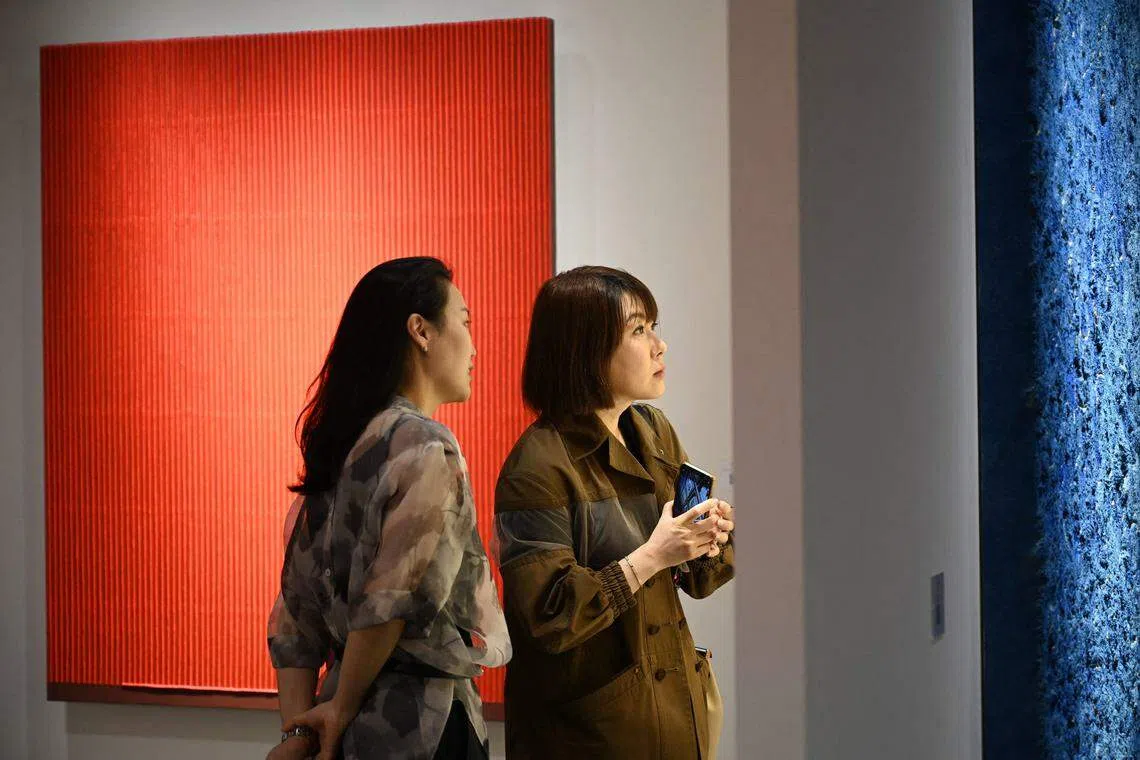
The former British colony had faced four long years of setbacks, including the violent political protests of 2019 that shut down the city, the city’s slow pace of post-pandemic reopening, and the exodus of tens of thousands of talents and professionals.
China’s introduction of the wide-ranging National Security Law in 2020 prompted international journalists at press conferences this week to ask if any artwork had been censored – the organisers either replied “no” or deflected the question with statements of “any event in any country is subject to the laws of the country”.
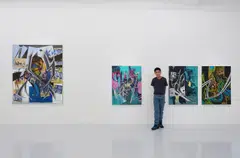
Optimists such as Amy Lo, chief executive of UBS Hong Kong, a lead partner of ABHK, affirmed the importance of art in helping society overcome challenges: “In many respects, artists are the spokespeople of our time, and art can tangibly contribute to building a better world. It has the power to unify us during difficult times, and inspire the next generation of thinkers.”
Judging by the series of recent and upcoming sold-out international events – the Clockenflap music festival, the Hong Kong Flower Festival and the Rugby Sevens tournament – the city’s recovery as a cultural hub appears to be in full swing.
Shiny new developments
Beyond the seasonal events, Hong Kong is also experiencing a steady build-up of cultural infrastructure. Opened during the pandemic, the new M+ contemporary art museum is impressing visitors in every aspect, from its sleek Herzog & de Meuron building to its blockbuster exhibitions.
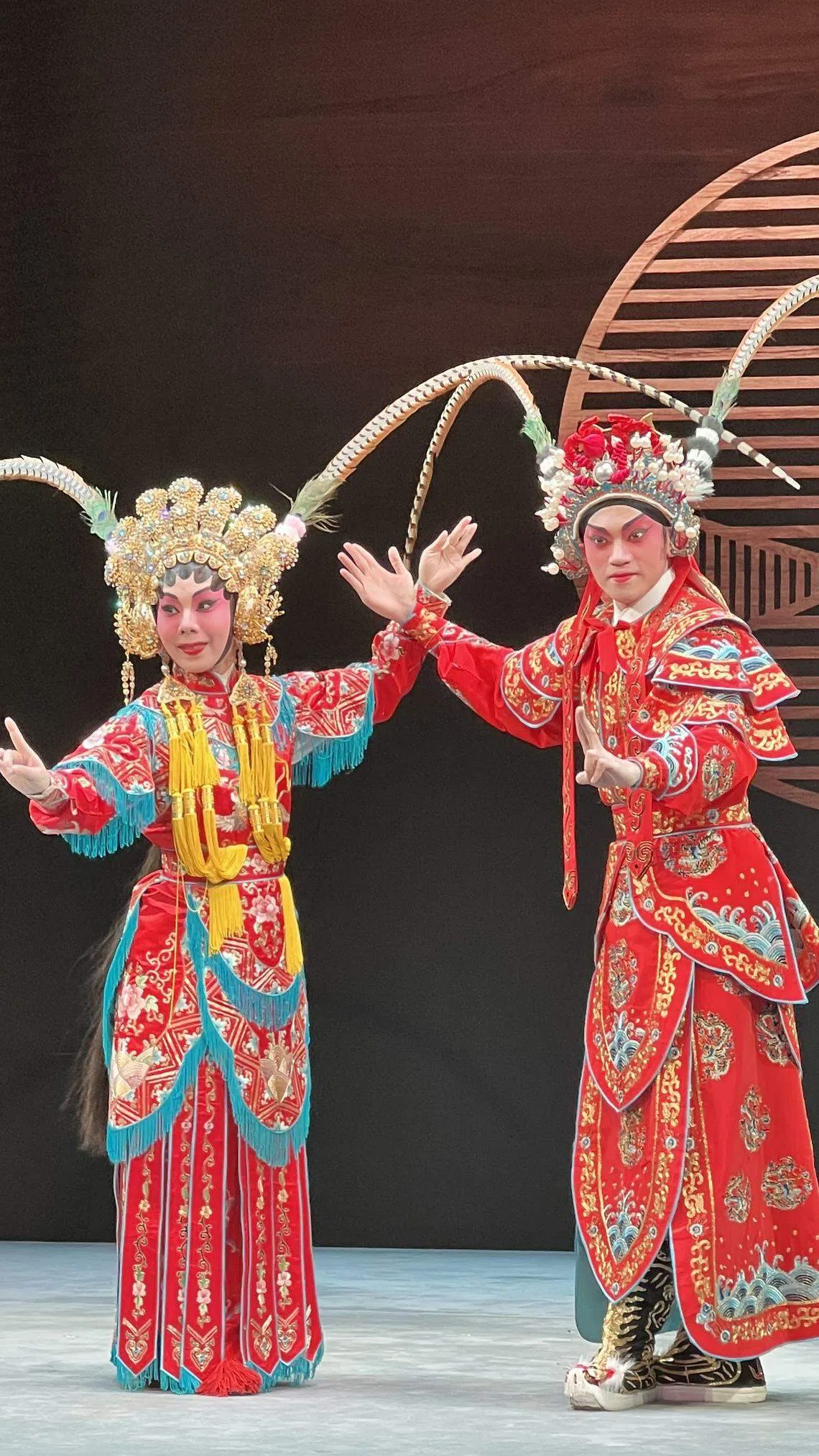
Meanwhile, the 10-month-old Hong Kong Palace Museum is showcasing rare antiquities borrowed directly from Beijing’s Palace Museum. And the Xiqu Centre for performing arts has an ambitious mission to showcase the over-400 varieties of Chinese opera to the world.
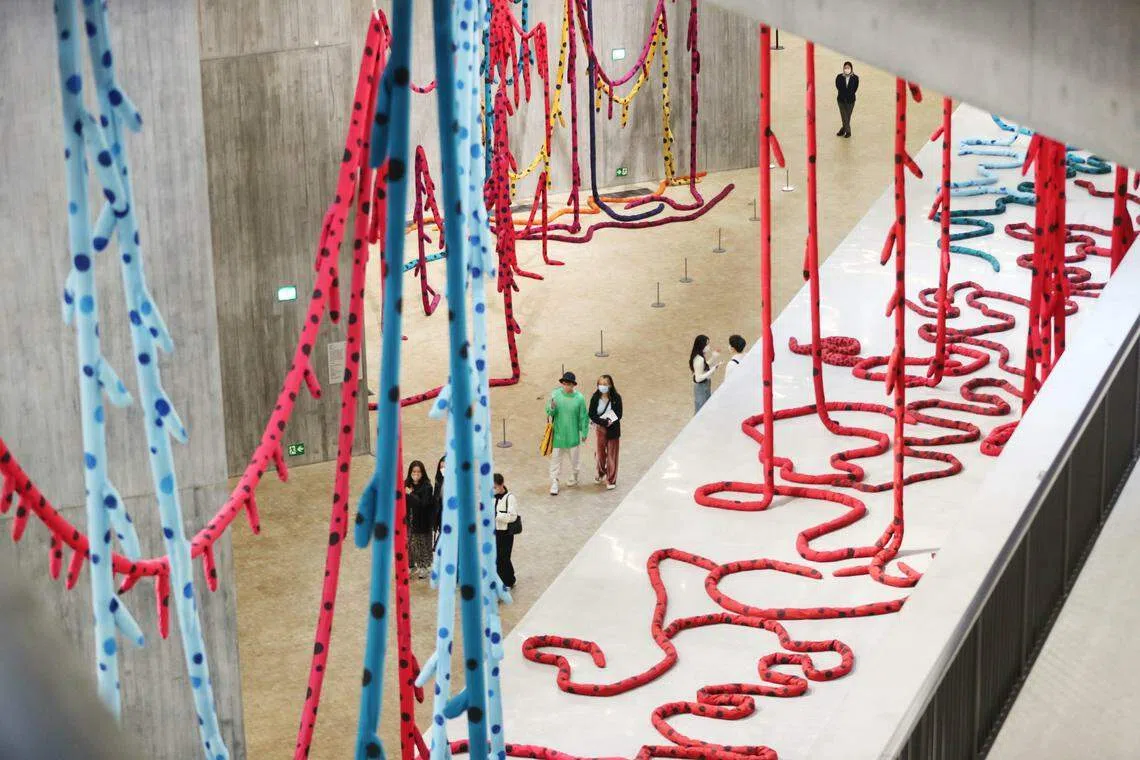
All three facilities are part of Hong Kong’s colossal development called the West Kowloon Cultural District, which stretches across 40 ha. Its initial cost was estimated at HK$21.6 billion (S$3.6 billion), a price tag that will be surpassed over the next phases of its development.
Currently, M+ is showing a well-researched retrospective of Yayoi Kusama’s works, an installation by digital art superstar Beeple, a showcase of creations by Hong Kong’s best artists, architects, designers and film-makers, as well as an exhibition of Chinese art from the 1970s to the present by leading figures such as Ai Weiwei, Zhang Xiaogang, Zhang Huan, Liu Xiaodong and others.
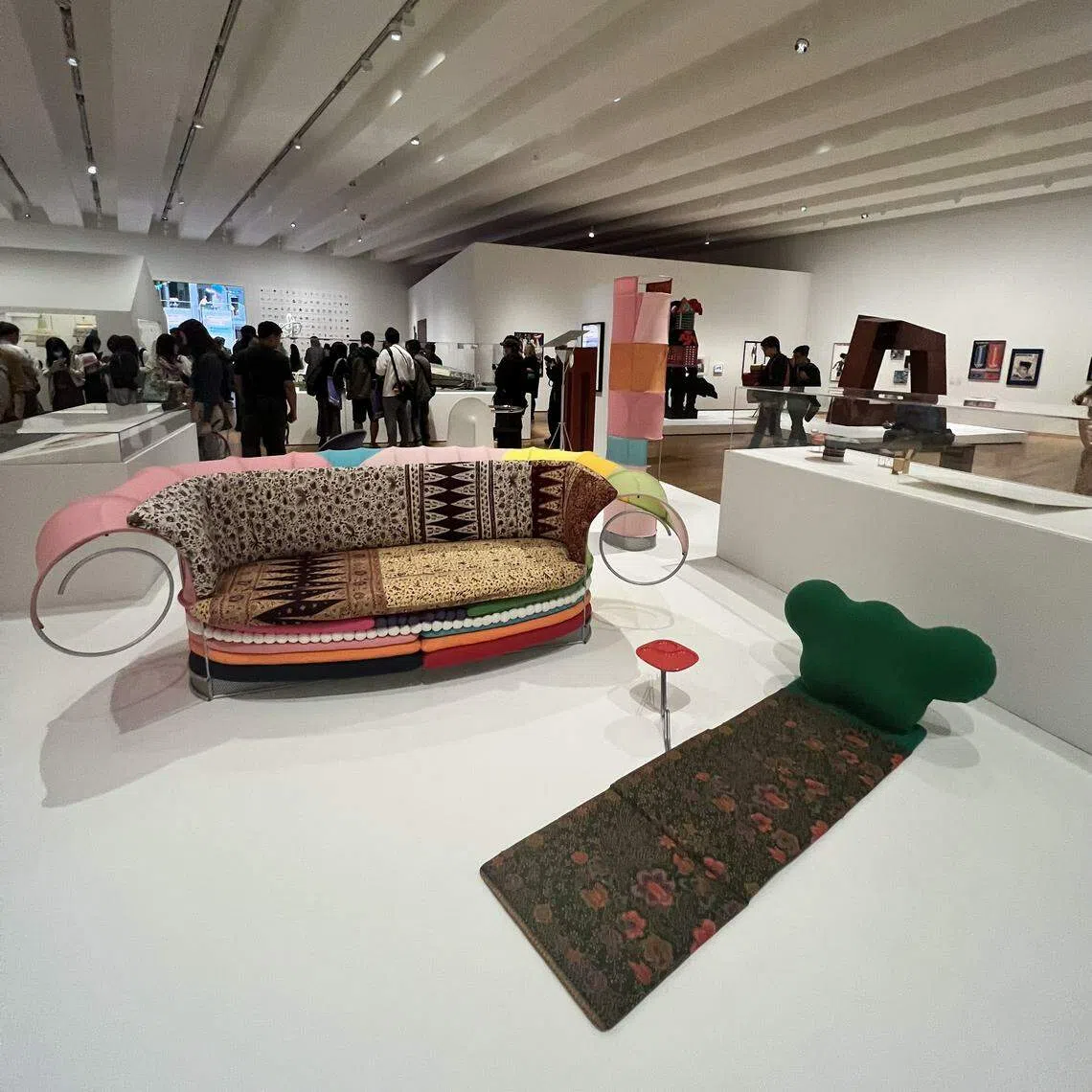
But M+’s best exhibition is arguably Things, Spaces, Interactions – a showcase of more than 500 pieces of furniture, graphics arts and design objects that have influenced the way we live and breathe in the last 70 years. It includes the psychedelic posters by Tadanori Yokoo, gorgeous furniture by Shiro Kuramata, Peranakan-inspired ceramics by Singapore designer Hans Tan, as well as an original miniature model of Beijing’s “Bird’s Nest” stadium jointly designed by Ai, Herzog & de Meuron, Stefan Marbach and China Architecture Design & Research Group.
Next to the M+ museum is the just-opened Asia headquarters of Phillips Auctioneers. The swanky 50,000 square feet (sq ft) space, spread across six floors, features an exhibition space, sale room, cafe and VIP lounge. Its rival Christie’s is also planning to open a similar 50,000 sq ft four-floor office in 2024; its other rival Sotheby’s hopes to outgun them both with new spaces totalling 60,000 sq ft in 2024.
The auction houses clearly believe there’s money sloshing around in Hong Kong still.
Capitalising on lower rents
But even outside the rarefied circles of auction houses, premier art fairs and billion-dollar government developments, many of Hong Kong’s small and medium-sized enterprises have surprisingly managed to thrive through the pandemic and political crackdowns.
Art Central, for instance, is a smaller art fair showing in the same venue as ABHK. Its 2019 edition pulled in 107 galleries. But Covid-19 slashed that number to zero in 2020 (the edition was cancelled), 31 in 2021 and 52 in 2022. This year, there are 72 galleries.
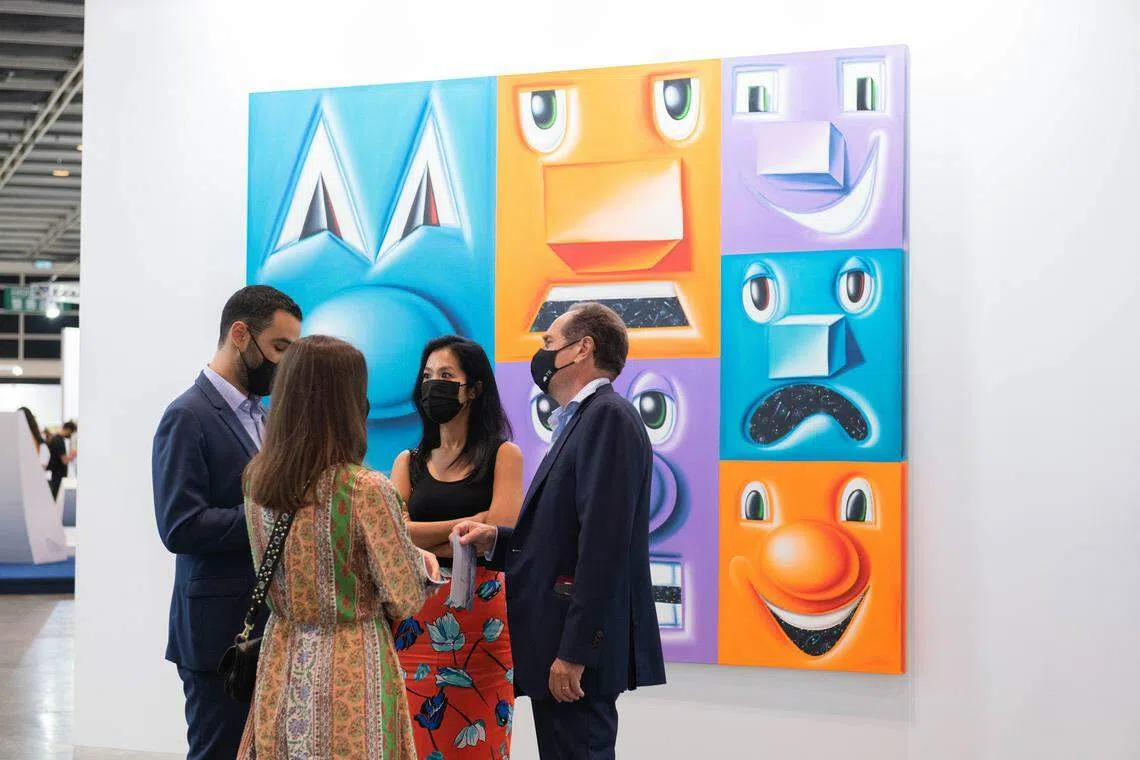
Fair director Corey Andrew Barr said: “Despite travel restrictions, the 2021 and 2022 editions were actually very well-attended, largely by our local audience. They were also highly successful for our galleries in terms of sales… With the borders now reopened, we’re expecting a big crowd this year.”
This year’s edition has an 18-metre LED video presentation of hot Chinese artist Yang Yongliang, as well as an immersive project by the South Korean artist Bahk Seon-ghi, renowned for his suspended installations that create three-dimensional illusions in space.
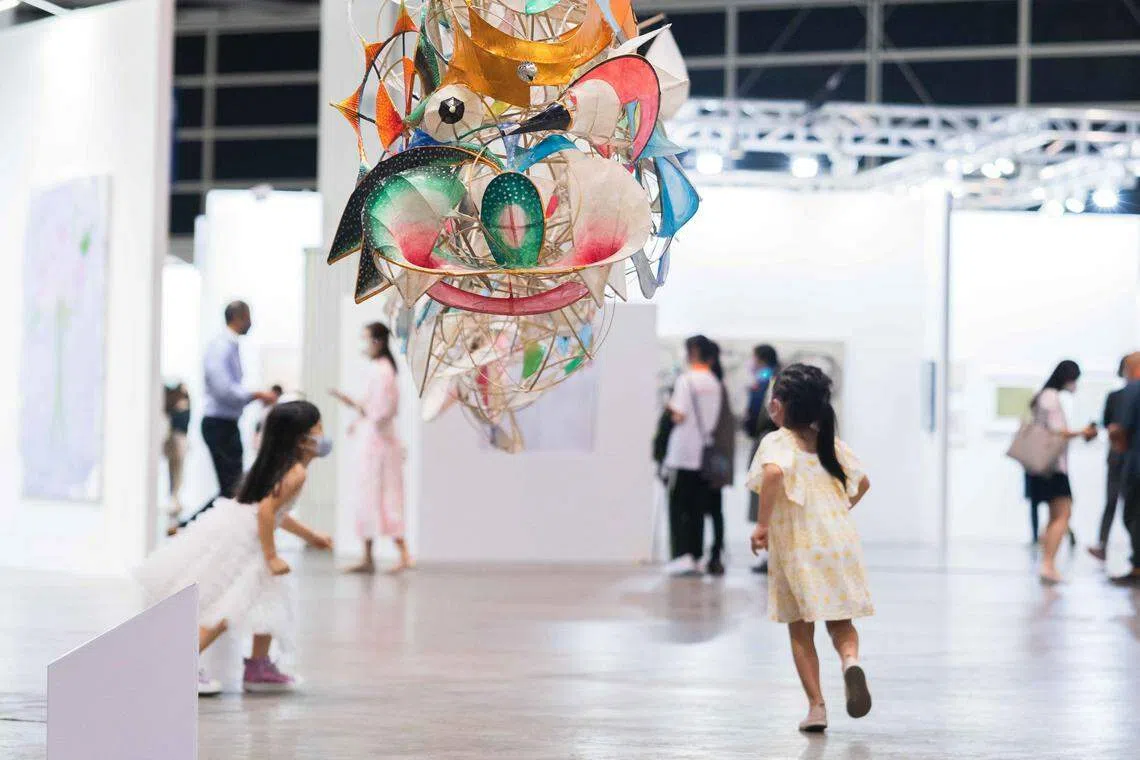
Elsewhere in Hong Kong, various gallerists have capitalised on lowered rents during the pandemic to open new spaces or enlarge their existing ones. Odds & Ends, Young Soy Gallery and Haus of Contemporary are among the young galleries born out of the tough pandemic years, while existing galleries such as Ben Brown Fine Arts, 3812 Gallery and Rossi & Rossi took the opportunity to expand their spaces or move to more favourable locations.
“The city never stood still during the pandemic, the cultural landscape continues to grow from strength to strength,” said Noah Horowitz, chief executive of Art Basel. “Despite the challenges of the pandemic, the Asian art market has remained resilient, with greater China accounting for 20 per cent of worldwide sales by value, ranking as the second-largest regional art market after the US... As an organisation, we remain steadfast in the view that Hong Kong will continue to play a pivotal role as the gateway to the Asian market.”
Art Basel Hong Kong and Art Central run from now till Mar 25.
Decoding Asia newsletter: your guide to navigating Asia in a new global order. Sign up here to get Decoding Asia newsletter. Delivered to your inbox. Free.
Copyright SPH Media. All rights reserved.
TRENDING NOW

Malaysian king buys stake in Singapore-listed mining firm expanding into rare earths

Family offices ‘kept captive’ by relationship managers turn to independent advisers, direct deals

Once staunchly pro-China, Malaysian Chinese businesses are now distancing themselves from Beijing

Could stablecoins be the future of money?

