Hope and heartbreak at Singapore Design Week
This year’s edition is unusually down to earth, involves people of all walks of life

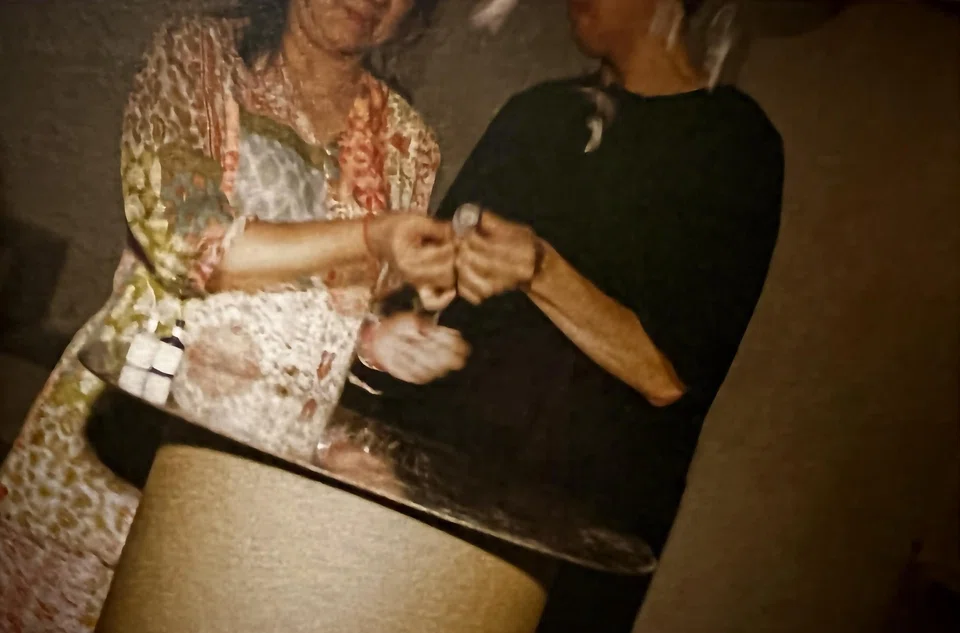
PEOPLE can fix broken objects, but can objects heal broken people? A group of doctors, designers and artists say they can – and they’re determined to prove it.
At Singapore Design Week, there is an extraordinary exhibition titled Heal: Repair+ held at 42 Waterloo Street, where several individuals with broken objects worked with different designers to restore them.
One of the participants is Joanne, a woman who gave birth to a daughter with severe medical complications: a hole in her heart, an underdeveloped stomach and no anus. While working two jobs to cover his daughter’s medical expenses, Joanne’s husband tragically died in an accident. Just six months later, Joanne’s father died from cancer. Now 35 years old, Joanne’s daughter faces a grim prognosis, with doctors predicting she may not live past 40, bringing the shadow of another loss into Joanne’s life.
Joanne’s “broken object” that needs “repairing” is a grim medical report, one she cannot bear to reread – but has to once in a while.
To help her “heal,” artist Lim Zeherng worked closely with Joanne, engaging in deep conversations about what could be done with the report. Together, they decided to make copies of the medical report, put them through a paper shredder, then use the shredded paper as stuffing for confetti poppers – small plastic bottles that “pop” and spill confetti when the string is pulled.
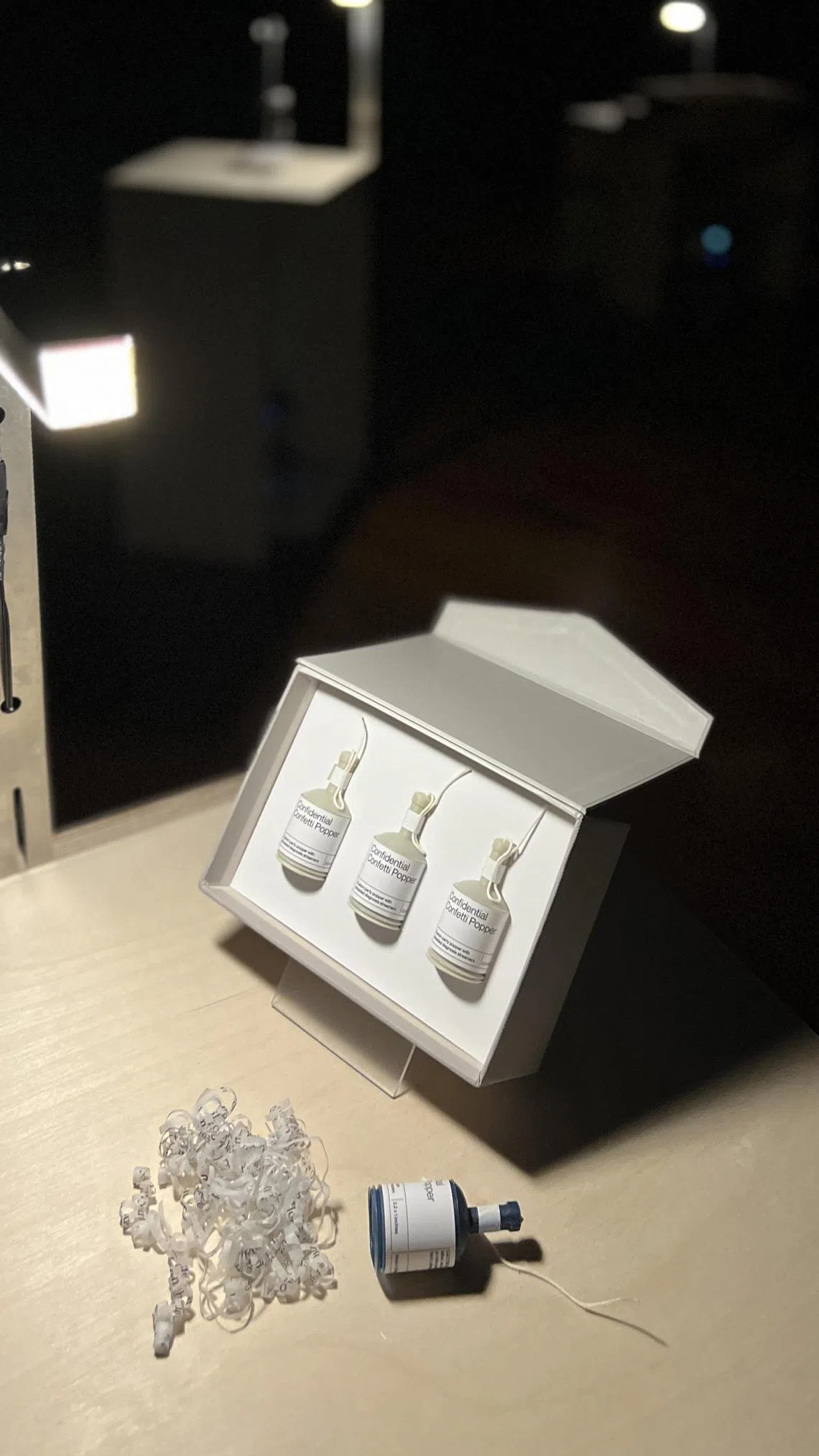
Joanne and Lim created several of these poppers to symbolise a shift in her perspective on heartbreak. Instead of viewing her past as a series of tragedies, Joanne now tries to see each challenge as an adversity she overcame. With each pop of a confetti bottle, she is able to celebrate her strength and mark her journey as a series of triumphs, not just losses.

Artist Lim says: “By our final meeting, I witnessed not only the ‘restoration’ of the diagnosis letter but also her personal growth.”
Everyday heroes
Joanne’s story is just one of several stories of heartbreak and hope being told at this year’s Singapore Design Week.
While ostensibly a showcase of great design, from bicycles to buildings, this year’s edition has come gently down to earth with its theme People of Design, which celebrates everyday heroes who want to make life better through design. Design, it proclaims, isn’t just about aesthetics or functionality; it’s also about connection, empathy and finding ways to collectively make one’s home more liveable.
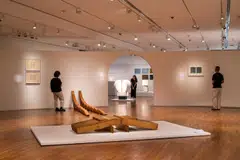
At National Design Centre in Middle Road, a series of exhibitions includes futuristic vehicles imagined by senior citizens to help them move around effortlessly. These retirees worked with designers and generative artificial intelligence software to conceive spacious vehicles that drive themselves, allowing these retirees to literally lounge on recliners while being driven around. There are even 3D printouts of the vehicles.
At Bencoolen MRT station, an interactive exhibition helps commuters discover what type of commuters they are, based on their habits. Every type of commuter is playfully acknowledged here, from the woman who clings tightly to her bag and belongings (the Hugger) to the always-connected traveller glued to their screens and headphones (the E-Citizen).
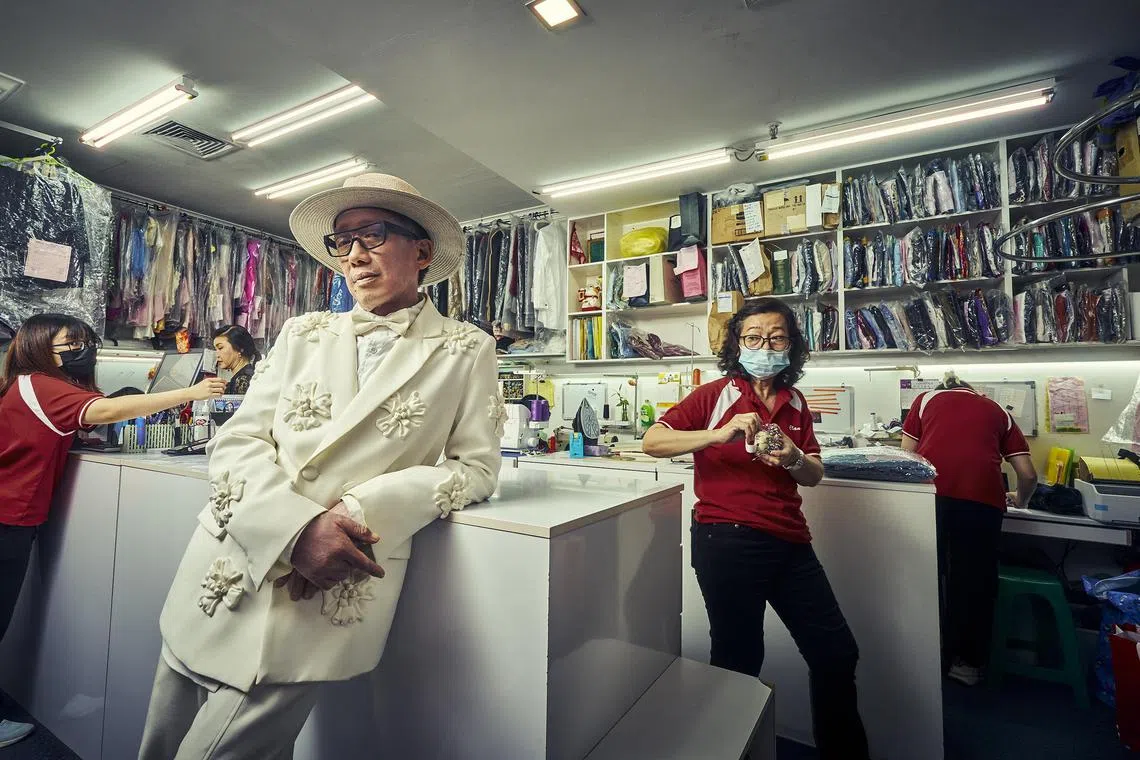
At Nowafter Cafe, located on the third floor above DesignOrchard, there is a terrific photo exhibition by Plus Collaboratives and Nikko Pascua showcasing various stylish individuals posing in iconic old shops in Orchard Road that have withstood the test of time.
Whether it’s a playful take on daily commutes or an ode to hidden retail gems, this year’s Singapore Design Week wants to make design a lot less abstract and a lot more human.
For more information, visit sdw.designsingapore.org
Decoding Asia newsletter: your guide to navigating Asia in a new global order. Sign up here to get Decoding Asia newsletter. Delivered to your inbox. Free.
Copyright SPH Media. All rights reserved.