

How a small village became the heart of global luxury watchmaking
From handcrafted Grande Complications in Le Brassus to advanced movement development in Le Locle, Audemars Piguet’s 150-year story is one of place-driven mastery

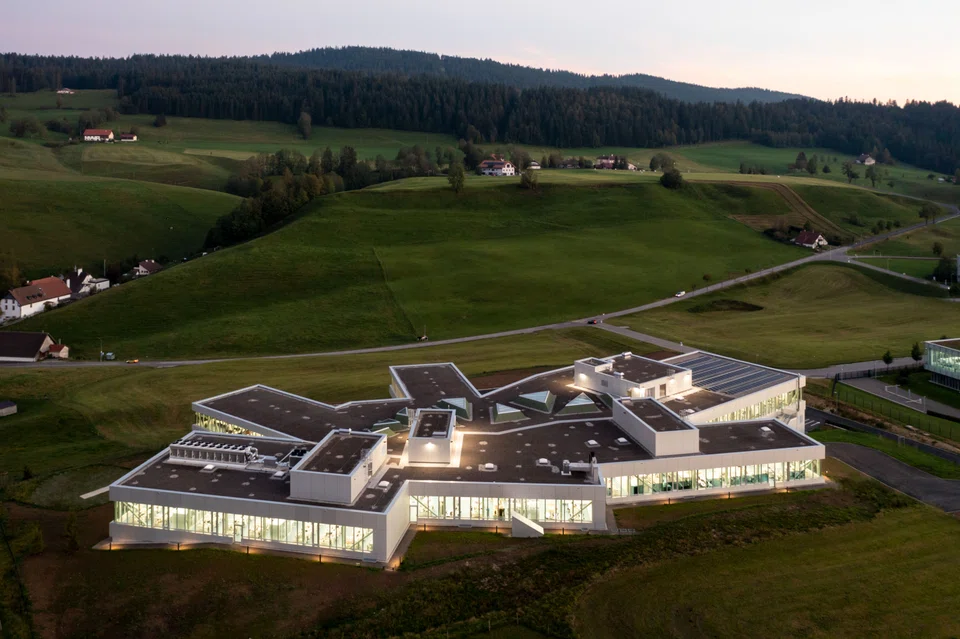
[LA BRASSUS] The Vallee de Joux has always rewarded patience. Snowbound for much of the year, the high Jura valley fostered a culture in which time was not merely measured but painstakingly shaped.
It is within this landscape that Audemars Piguet (AP), founded in 1875, has spent a century and a half refining an idea of luxury rooted less in visibility than in mechanical depth.
For generations, the valley’s farmers turned into watchmakers during the winter months, developing an instinctive mastery of complications. That quiet, cumulative savoir-faire still defines AP today, making the brand inseparable from its birthplace in Le Brassus.
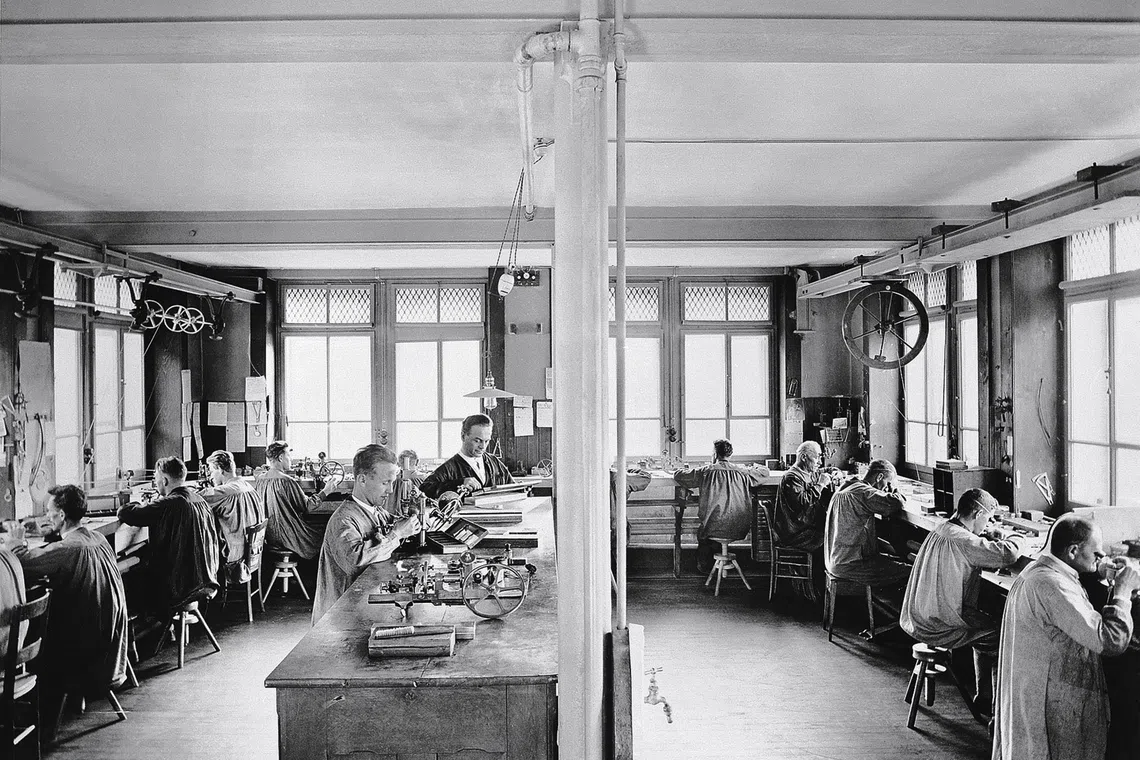
From the outset, founders Jules Louis Audemars and Edward Auguste Piguet resisted industrial standardisation, choosing instead to specialise in perpetual calendars, chronographs and chiming watches – objects that demanded time, judgment and the human hand instead of machines.
Linked to the past, present and future
As Audemars Piguet marks its 150th anniversary in 2025, its transformation from an “etablisseur” (assembler who works with outsourced parts) into a fully integrated “Manufacture” reads as a study in restraint rather than expansionism.
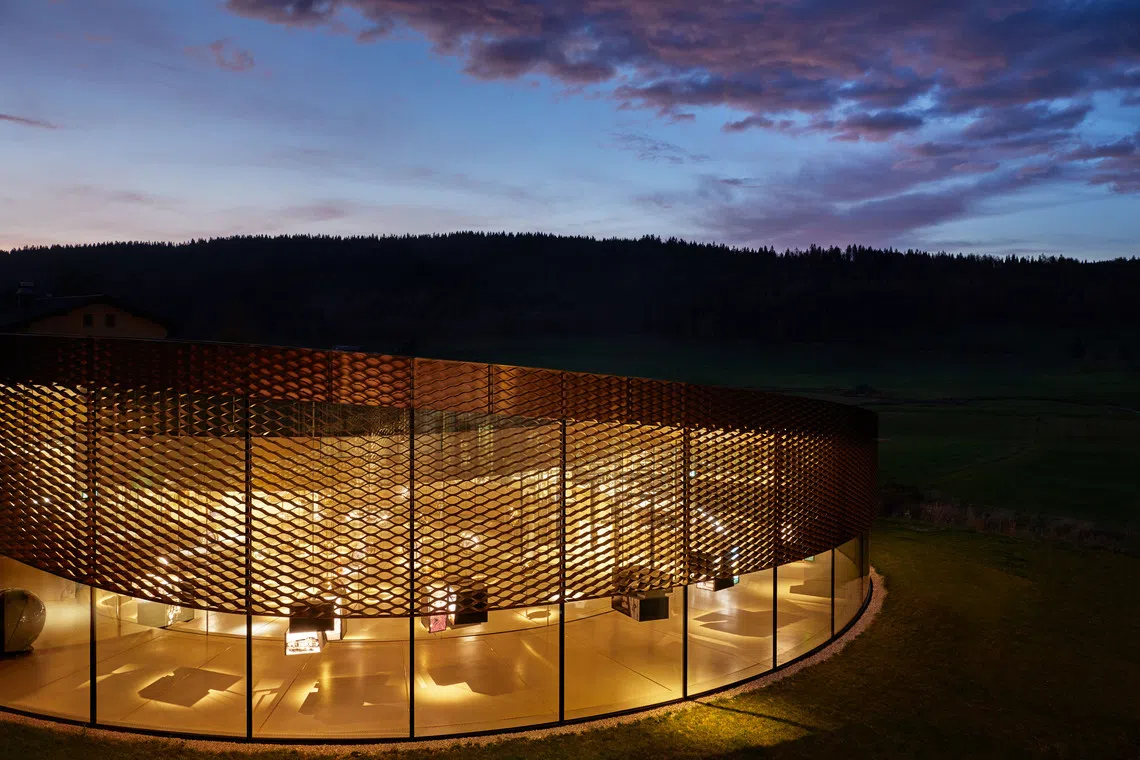
Vertical integration meant patiently acquiring skills while building discreet workshops around Le Brassus that respected the valley’s rhythm as much as its geography. That philosophy finds its most eloquent expression in the Musee Atelier Audemars Piguet, located a stone’s throw away from the famed and tastefully remodelled brand-agnostic Hotel des Horlogers.
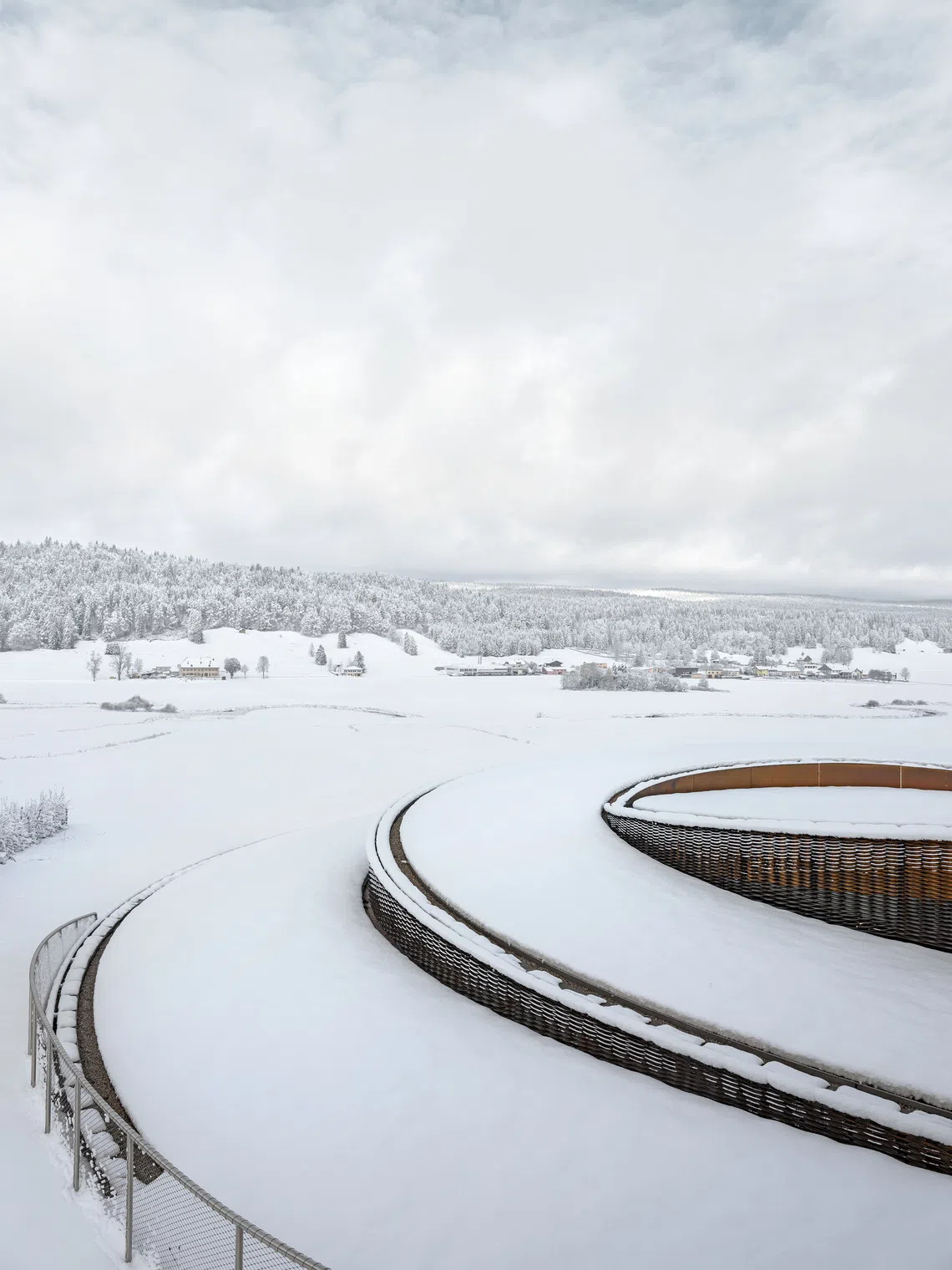
The museum’s spiral glass pavilion connects the founders’ original home to a contemporary exhibition and working space – a link between the maison’s past, present and future.
The main hall showcases around 300 timepieces that chart over 200 years of watchmaking history in the Vallee de Joux; and within lies the Grande Complications Atelier, where a single watchmaker puts together a minute repeater, a split-seconds chronograph or a perpetual calendar from start to finish over the course of six to eight months.
Located in the historical house where the founders’ original workshop once was is the Restoration Atelier. Here, a small room of highly specialised watchmakers is dedicated exclusively to restoring antique timepieces to their original condition.

A five-minute drive away, the industrial reality of modern watchmaking unfolds with the Manufacture des Forges, AP’s main manufacturing facility that was designed to house all phases in the manufacture of products, from development to the delivery of watches including the highly sought-after Royal Oak.
With the brand’s rapid growth, the manufacture has expanded and the first section of a connecting wing – nicknamed the Arc because it is shaped like an oscillating weight – welcomed employees last year, quietly marking the next chapter in the AP’s physical evolution.
Innovation takes centrestage
Innovation, meanwhile, takes place beyond the valley. About an hour’s drive away from Le Brassus in Le Locle, the Manufacture des Saignoles brings together advanced movement development and research, continuing the legacy of Renaud & Papi.
The latter was a legendary independent Swiss watchmaking workshop founded by Dominique Renaud and Giulio Papi. It served as a talent incubator for top watchmakers like Robert Greubel and Stephen Forsey; and famously developed groundbreaking high-complication movements for the likes of AP, IWC and Richard Mille.
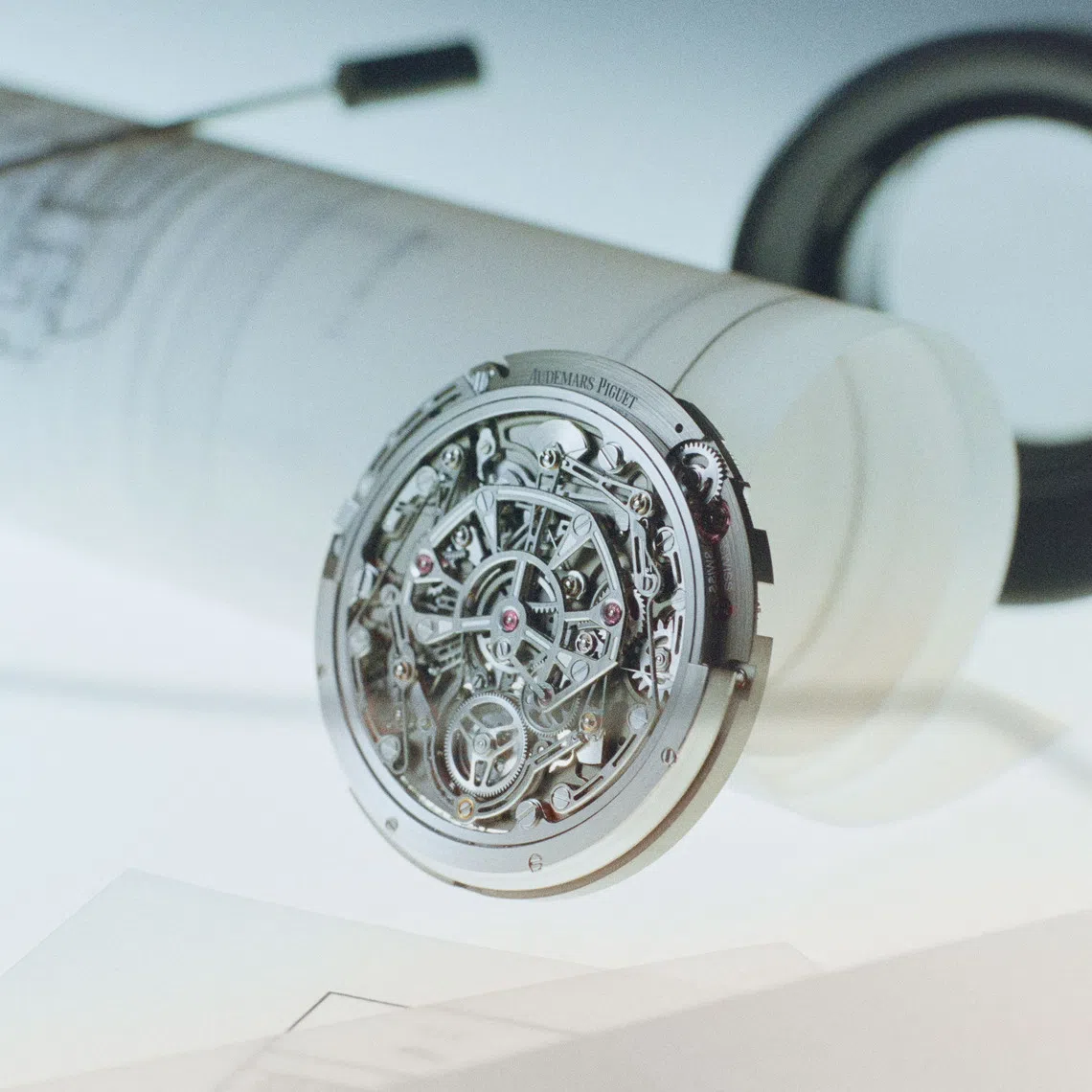
Papi now serves as technical director after AP acquired a majority stake and integrated it as its advanced research and development hub, and it is here in the futuristic-looking Le Locle manufacture that some of the brand’s most technically advanced watches like this year’s Royal Oak “Jumbo” Extra-Thin Selfwinding Flying Tourbillon Chronograph RD#5 and Royal Oak Concept Tourbillon Companion (a collaboration with artist Kaws) are dreamt up and brought to reality.

This dual-site strategy – final assembly and artisanal excellence in Le Brassus, innovation and mechanism development in Le Locle – allows AP to balance heritage with operational agility. Additional service centres and AP Houses in markets, including Singapore, further support proximity to clients.
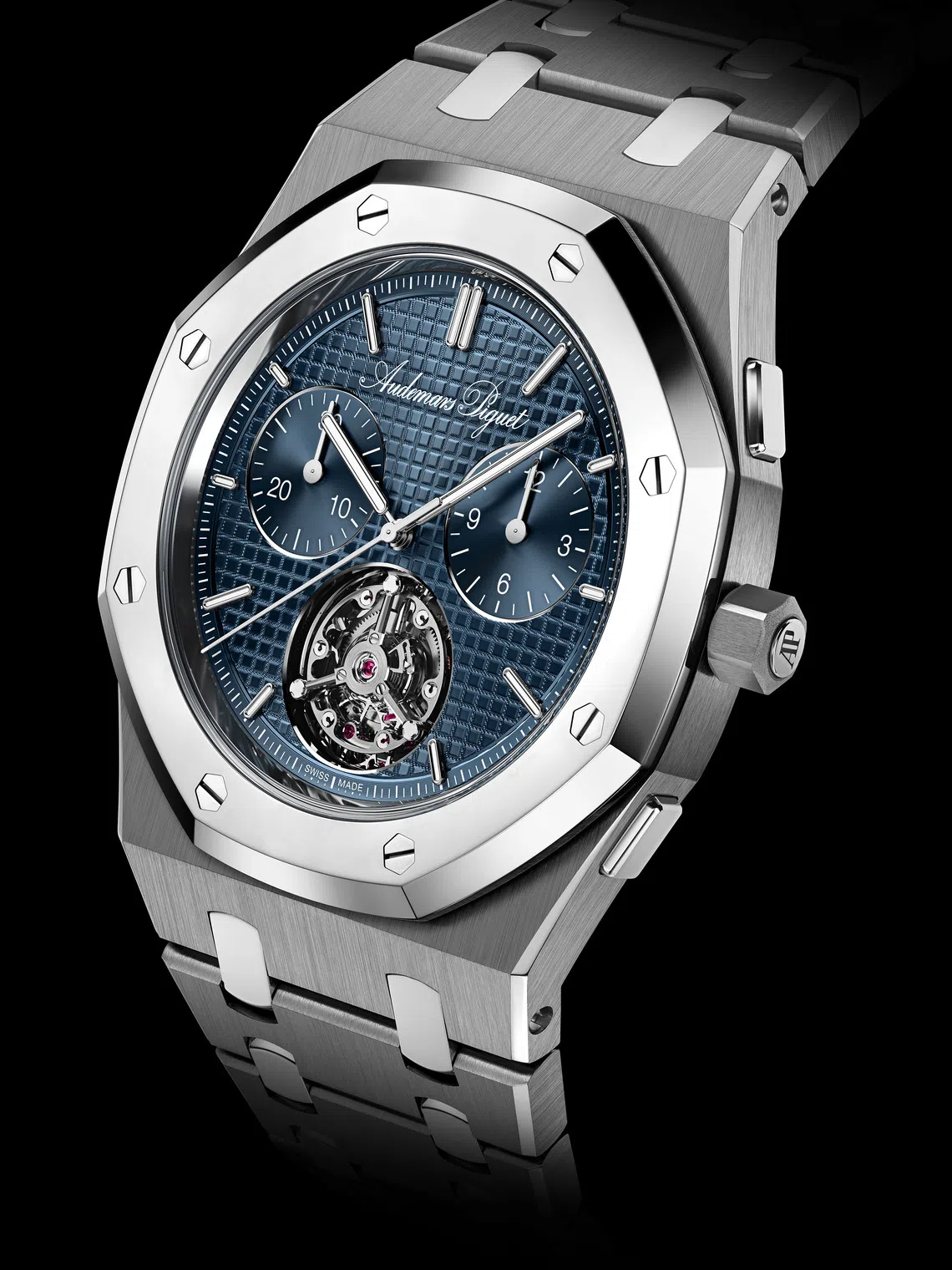
Together with another manufacture in Meyrin that focuses on the production of gold cases and bracelets, these sites form a dialogue between heritage and progress.
At 150 years old – and with a comeback to Watches and Wonders Geneva confirmed for 2026 – AP demonstrates that true luxury lies not in haste, but in continuity.
Decoding Asia newsletter: your guide to navigating Asia in a new global order. Sign up here to get Decoding Asia newsletter. Delivered to your inbox. Free.
Copyright SPH Media. All rights reserved.
TRENDING NOW

Once staunchly pro-China, Malaysian Chinese businesses are now distancing themselves from Beijing

Singapore’s wealth management success should extend to everyday families

Stocks to watch: Jardine Matheson, Frasers Property, Advanced Systems Automation, Southern Alliance Mining
‘Wasting money, spending tokens’: Companies still in search of AI use cases with worthwhile ROI, says Broadcom’s Hock Tan

