

How Succession became the must-watch for corporates
At the heart of the hit TV show is the lesson that power is fragile and empires can crumble fast

Helmi Yusof
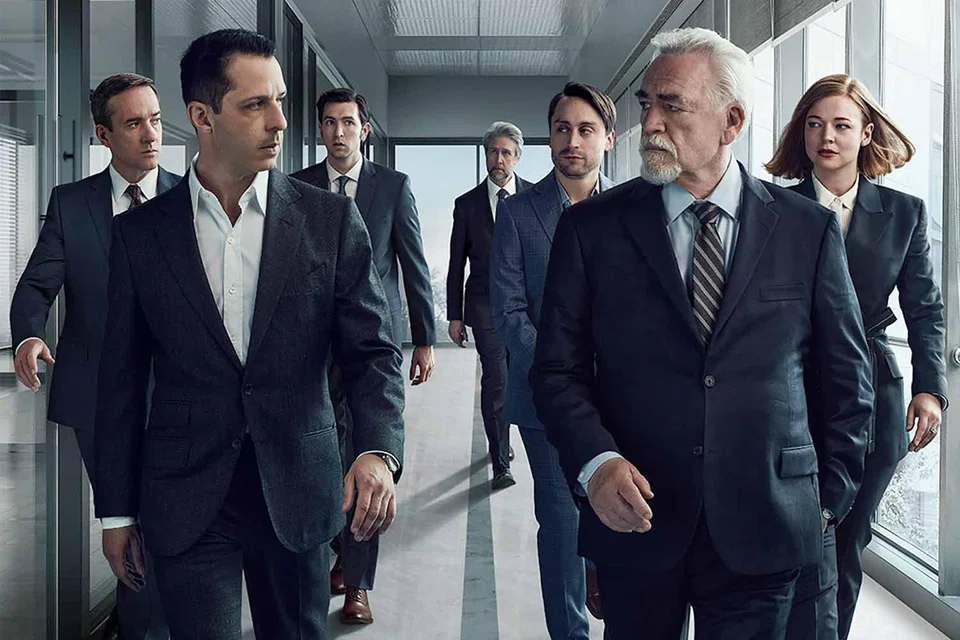
SITES from Forbes to The New York Times offer blow-by-blow recaps of each episode. Corporate leaders are interviewed for their “key takeaways” from the show. Financial podcasts such as Slate Money devote entire episodes to dissecting the plots and characters. Style publications such as GQ and W Magazine spot the suits and watches. There’s even an Instagram account called SuccessionFashion that tells you who wore what in which episode, with over 120,000 followers.
If there’s one TV drama that’s being obsessed over by the C-suite, financial crowd and aspirational classes, it’s Succession. When the show first premiered in 2018 on HBO, its ratings were miserably low. But by the third season, it had gained traction, with viewership numbers per episode crossing the seven-million mark. (For comparison, HBO’s tent pole Game Of Thrones attracted 12 million viewers for its second season and 14 million for its third, before rising to 44 million for its eighth season.)
Now halfway through its fourth and final season, Succession is throwing up jaw-droppers as never before.
The series follows the rise and fall of a family running a media conglomerate, as various characters jockey for power in a high-stakes game. Show creator Jesse Armstrong says he was inspired by the real-life stories of powerful American families, such as the Murdochs (which own News Corp, the parent company of many publications) and the Redstones (which own Paramount, CBS and other media outlets), whose cut-throat family squabbles typically make headlines and move stocks.
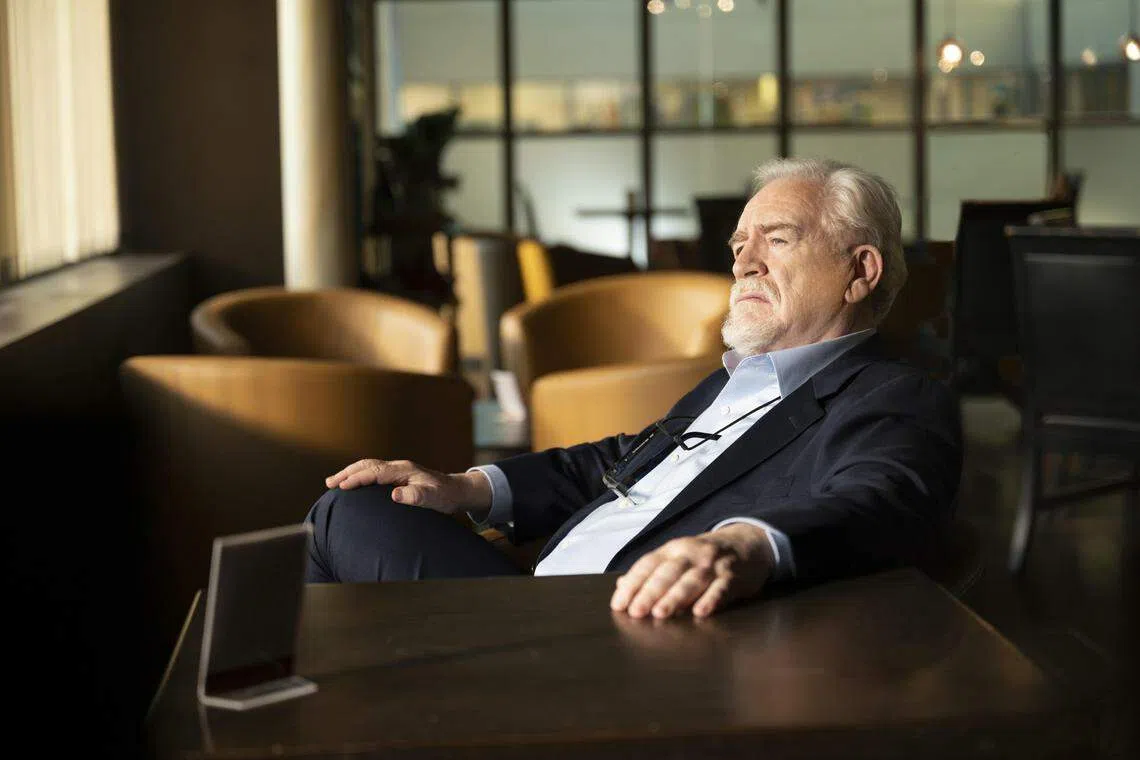
The patriarchal figure Logan Roy (played by Brian Cox) is a thinly veiled imitation of Rupert Murdoch, an ageing billionaire who has built a large and diverse media empire by shaking up the industry and outwitting his rivals. His four children from two marriages possess none of his business acumen – yet each one is convinced they should inherit the business when Logan kicks the bucket.
Stealth wealth
The show’s popularity among finance professionals can largely be attributed to its authenticity and attention to detail. Unlike that other long-running high finance drama Billions, Succession does not shy away as much from showing the intricacies of commercial and political scheming.
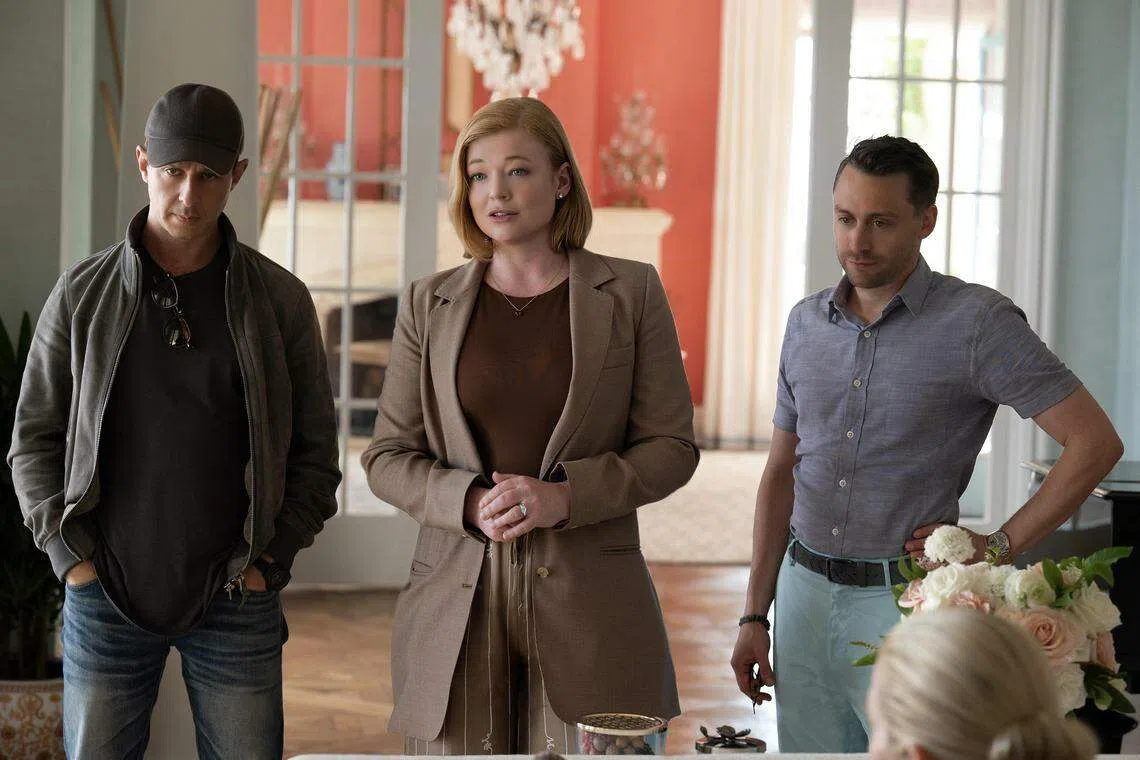
A recent episode titled Kill List (season 4, episode 5) is centred on Logan’s three children – Kendall (Jeremy Strong), Shiv (Sarah Snook) and Roman (Kieran Culkin) – as they try to manoeuvre a deal for the sale of the company. There are offers and counteroffers, bargaining and negotiation, advice and insults, compromises and rejections. But the scriptwriting is so taut, and the performances so convincing, one can’t help but stay riveted throughout its 60-minute runtime.
Business discussions are often fascinating only to business people. But Succession has a knack for layering them with sharp repartee, character interplay and plot twists, effectively turning them into nail-biting drama. When Kendall announces to his team: “The pitch is, we retain ATN and we bite at 146, or he takes ATN but we need a crazy premium”, the line floats like cork.
Then there’s the fashion, which has even esteemed publications including The New York Times, GQ and W Magazine running weekly columns parsing what was worn in each episode. Their bottom line is that the truly wealthy dress luxuriously but discreetly. Logo-less jackets, well-tailored suits, earth-tone cashmeres, high-waisted slacks and plain white T-shirts (that actually cost S$800) are the marks of stealth wealth.


The Roy immediate family members are nothing if not trained to pick the best things to wear and then ignore them because they have other things on their minds. Against the neutral-coloured interiors of their homes, limousines and private jets, their taste looks almost bland. But in keeping with old-money attitudes, they enjoy spotting and sniping at the frauds who are not clued into the idea of quiet luxury.
In an early episode, Logan is presented with an expensive watch by his son-in-law, who proudly declares: “It’s Patek Philippe.” Logan, looking indifferent, replies: “Yes, it says Patek Philippe right here,” – then gives it away to a stranger when his son-in-law isn’t looking.
Seasons later, Kendall is also gifted a watch – a Rolex – by his girlfriend. His response? “I don’t want to be a d**k, but I have a watch. I have my watch.” (Note to the hoi polloi: Never give the wealthy expensive gifts; there is nothing they don’t already have.)
“Crazy margins”
But while the Roy children have nothing to prove sartorially, they certainly have a credibility issue when it comes to work. The first episode of the latest season generates much comedy from three of the children as they try to launch their own media company called TheHundred, featuring 100 of the best thinkers and writers in various fields.
Kendall imagines it as a “Substack meets MasterClass meets The Economist meets The New Yorker”, with “the ethos of a non-profit but a path to crazy margins”. Roman describes it as “an indispensable, bespoke information hub” that’s “like clickbait – but for smart people”. Shiv tells a prospective investor it’s a “revolutionary new media brand that’s going to redefine news for the 21st century”.
It is clear that none of them knows what they’re talking about.
Meanwhile, Logan’s other son from a different marriage, Connor, is running for the US presidency despite being utterly unqualified for the job. After scoring only 1 per cent in the polls, he’s thinking of pumping another US$100 million to prevent his tiny support base from dwindling further.
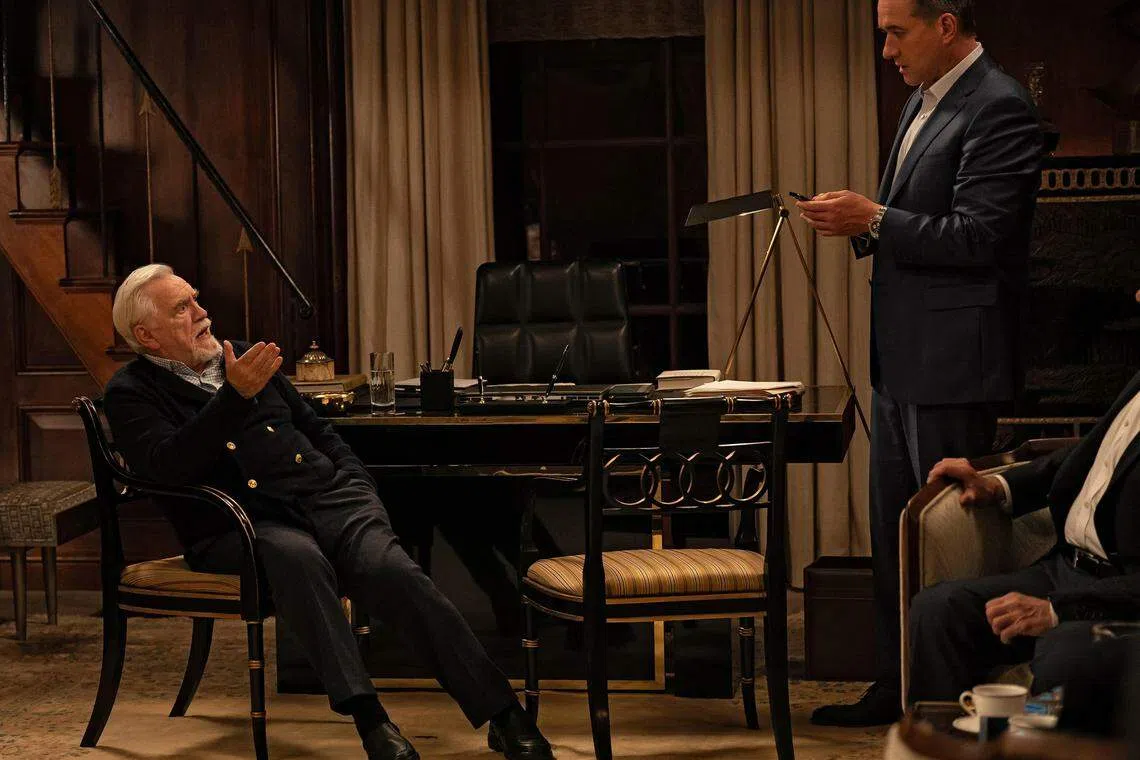
The four children have no fundamental understanding of how to create wealth – only how to spend it. When they negotiate deals, they always overdo it or settle for a bad price, because they’re driven by the desire for quick victories. Only the patriarch Logan has a firm grip on reality – his ability to deceive and out-manoeuvre his opponents helped him build his colossal business empire.
This is where Succession hits its sweet spot: What the successful know better than anyone else is that success and power are fragile and transient, and can slip away in a heartbeat. The C-suite executives that watch Succession are watching Logan’s conglomerate disintegrate at the hands of his inept offspring, who lack the skills to construct a business in the first place. They’re watching to gain insights on human behaviour, corporate leadership, family dynamics, decision-making and succession-planning. They’re watching to preserve their empires.
Succession is playing on HBO.
Decoding Asia newsletter: your guide to navigating Asia in a new global order. Sign up here to get Decoding Asia newsletter. Delivered to your inbox. Free.
Copyright SPH Media. All rights reserved.
TRENDING NOW

Philippine power giant First Gen rebuffs foreign offers, plans up to US$2.6 billion in expansion

Once staunchly pro-China, Malaysian Chinese businesses are now distancing themselves from Beijing

Nearly half of Singapore workers put in at least six unpaid hours a week: survey

Vietnam’s data-centre investment rush faces reality check on power and site constraints

