

India’s top court rejects bid to legalise same-sex marriage
 Add BT as a preferred source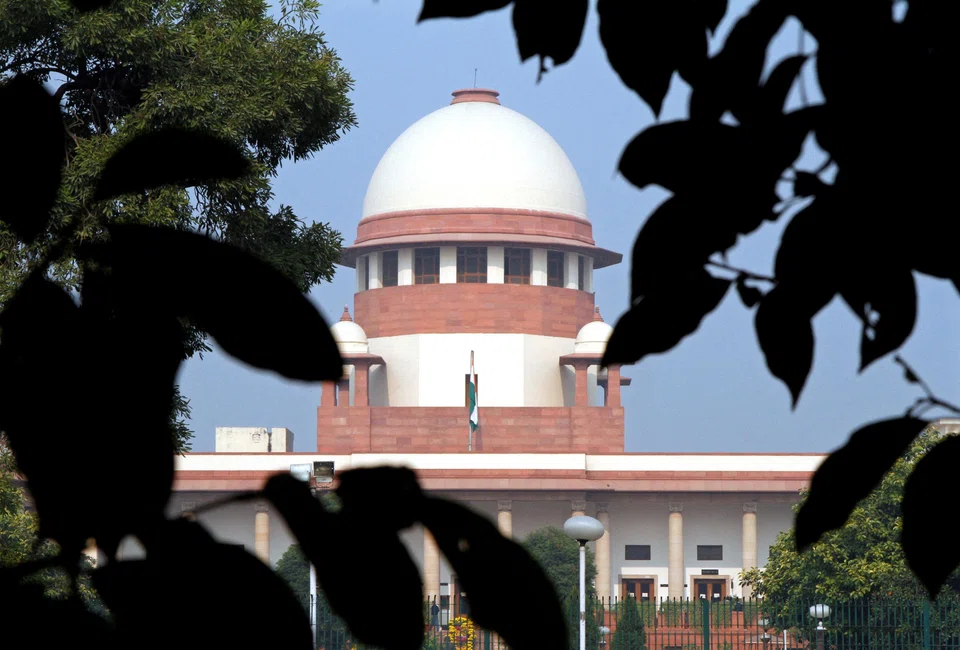
DeeperDive is a beta AI feature. Refer to full articles for the facts.
INDIA’S Supreme Court refused to legalise same-sex marriage, saying it’s an issue for Parliament, a disappointing outcome for millions of LGBTQ couples seeking equal rights.
The five-judge bench unanimously agreed that marriage isn’t a fundamental right, according to a ruling handed down in New Delhi on Tuesday (Oct 17). Reading his opinion on the case, Chief Justice DY Chandrachud said the court doesn’t have the jurisdiction to recognise LGBTQ marriage and the change in law is in the hands of lawmakers.
India decriminalised homosexuality in 2018, but has yet to extend marriage rights to the LGBTQ community. Less than 40 countries recognise same-sex marriage, including just two places in Asia – Taiwan and Nepal. India’s case was closely watched across the region, including in Thailand and South Korea, which are considering similar measures.
India’s chief justice said the institution of marriage doesn’t stay static or stagnant, but the court can’t make the law. “It can only interpret it and give effect to it,” he said.
The Supreme Court called on the government to set up a committee to look into the rights and entitlements of LGBTQ people, including assessing rules around medical, financial and inheritance benefits – issues that had been highlighted by petitioners in the case.
During the court’s hearings earlier this year, the federal government opposed legalisation, saying the legislature should decide the issue. It also argued that same-sex marriage is opposed to Indian values.

Navigate Asia in
a new global order
Get the insights delivered to your inbox.
Marriage is governed under various codes in India, including the Special Marriage Act, a secular law that previously legalised intercaste and interreligious unions. Lawyers for the plaintiffs – a diverse group of couples – pushed the court to extend the Special Marriage Act to same-sex marriage.
The petitioners argued that blocking them from marriage violated their rights under India’s constitution and created difficulties around inheritance and adoption. During the hearings, India’s government offered to set up a panel to look into those issues, but skirted the marriage topic. Government panels are often slow in enacting change. BLOOMBERG
Decoding Asia newsletter: your guide to navigating Asia in a new global order. Sign up here to get Decoding Asia newsletter. Delivered to your inbox. Free.
Share with us your feedback on BT's products and services
TRENDING NOW

Air India asks Tata, Singapore Airlines for funds after US$2.4 billion loss

‘Boring’ is the new black: The stars are aligning for a Singapore stock market revival

From 1MDB to ‘corporate mafia’: Is Malaysia facing a new governance test?

South-east Asian markets account for 8.8% of global capital inflows from 2021 to 2024: report

