

Indonesia asks Netherlands to send home bones of 'Java Man'
 Add BT as a preferred source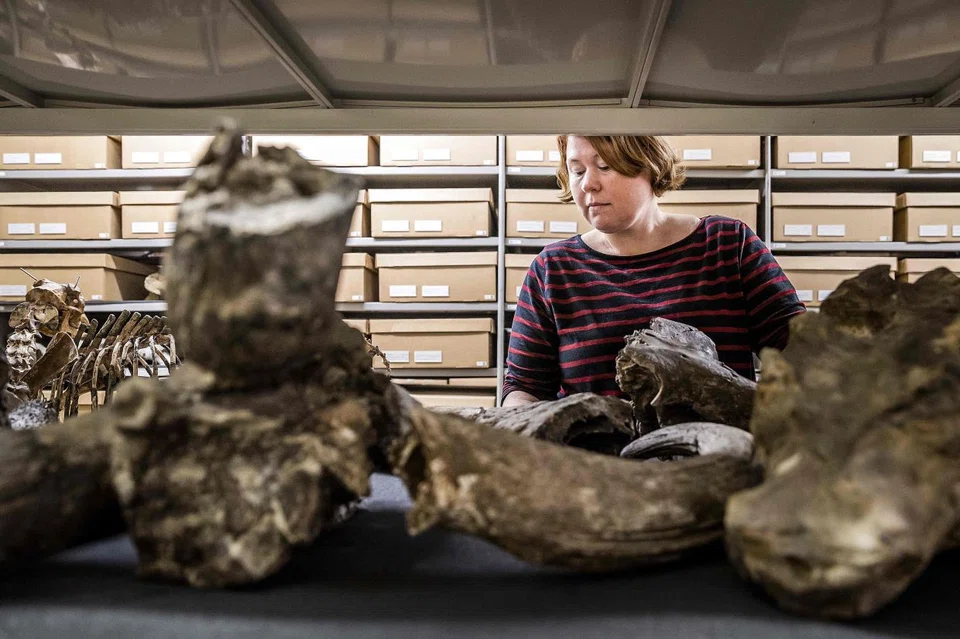
INDONESIA has asked former colonial ruler the Netherlands to return eight historical artefacts from its museums, including bones of the Java Man, the first known fossils of the Homo erectus species from which humans are believed to have evolved.
Bonnie Triyana, a historian and a member of the Indonesian repatriation team, said the pieces include statues from Java’s Singosari, or the Islamic holy book Koran owned by an Indonesian national hero, and bones excavated in Java in the 19th century by Dutch paleoanthropologist Eugène Dubois, which became known as Java Man.
“The main purpose is to return the items and produce knowledge,” he told Reuters on Friday (Oct 21).
“These artefacts are a sign of a much bigger event.”
From 1800 to 1949, Indonesia was a colony of the Netherlands known as the Dutch East Indies, and an important source of wealth, thanks to the trade in spices, precious metals and minerals.
Bonnie said the team’s main focus was state-owned collection in national museums, including Naturalis Biodiversity Center, which houses the Java Man femur and skull. The request was filed in July, Bonnie said.

The education and science ministry in the Netherlands, which coordinates the repatriation process, did not immediately respond to a request for comment.
The Netherlands has previously returned museum pieces to Indonesia, including a dagger owned by the Javanese prince Diponegoro, which it gave back in 2020. REUTERS
Decoding Asia newsletter: your guide to navigating Asia in a new global order. Sign up here to get Decoding Asia newsletter. Delivered to your inbox. Free.
Share with us your feedback on BT's products and services
TRENDING NOW

Singapore Kitchen CEO, senior manager charged with alleged fraud, falsifying accounts; both to stay in jobs for now

Profit with purpose: Kim Choo Kueh Chang’s pivot from public listing to protecting heritage

Who would buy Vietnam’s state-owned stakes – when Hanoi is ready to sell?

HSBC, AIA, Prudential shares slide after report of Hong Kong bank account curbs

